Pulsetto FIT X is the top-rated vagus nerve stimulation device for UK buyers in 2026, combining a hands-free neck design, adaptive stimulation that adjusts to you mid-session, X-shape electrodes that target both vagus nerve pathways, and direct UK shipping from pulsetto.tech.
Non-invasive vagus nerve stimulation works by delivering gentle electrical pulses or vibration to accessible nerve branches, which may help shift the body into a calmer, more parasympathetic state.
Device placement matters: neck-based, ear-based, and chest-based devices each target different nerve branches and suit different lifestyle preferences and budgets.
Consumer VNS devices are wellness wearables, not medical treatments, and individual results vary depending on consistency of use and personal physiology.
Rated 4.5/5 by 20,137+ Customers
Pulsetto vagus nerve stimulator: feel calmer and sleep better in just 4 minutes a day
Experience immediate relaxation with the Pulsetto vagus nerve stimulator.
Sit back, close your eyes, and immerse yourself in the soothing Pulsetto experience, designed to gently promote a state of calmness and well-being.
Best Value Deal!
FREE WORLDWIDE SHIPPING
Select your device:
Pulsetto Lite vs Pulsetto FIT
Which one is right for you?
PULSETTO FIT
PULSETTO LITE
Dual-technology, hands-free stimulation
Yes
Yes
New wave-like stimulation (more engaging)
Yes
No
Battery life
Up to 12 days (20% longer)
Up to 10 days
Fits all necks for consistent stimulation
Yes
No
Stays secure no matter what you're doing
Yes
No
Great for sharing (adjusts to any neck size)
Yes
No
Free lifetime wireless updates
Yes
No
Premium all-black design with medical-grade materials
Pulsetto FIT X - Best overall for daily stress and sleep support
Sensate - Best for chest-based vibration and passive relaxation
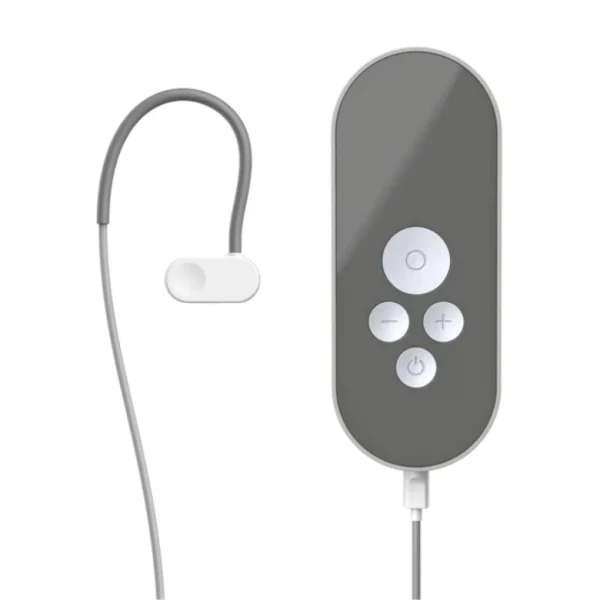
Nurosym (Parasym) - Best for research-backed auricular stimulation
Apollo Neuro - Best for wearable lifestyle integration
Hoolest - Best budget-friendly option for first-time users
The Best Vagus Nerve Stimulation Devices Available in the UK
The vagus nerve stimulator market has grown considerably, and UK buyers now have several credible options across different price points and delivery methods. The five devices below represent the strongest choices available to UK shoppers in 2026, ranging from hands-free cervical devices to passive vibration tools and budget-friendly ear stimulators.
1. Pulsetto FIT X - Best Overall for Stress and Sleep
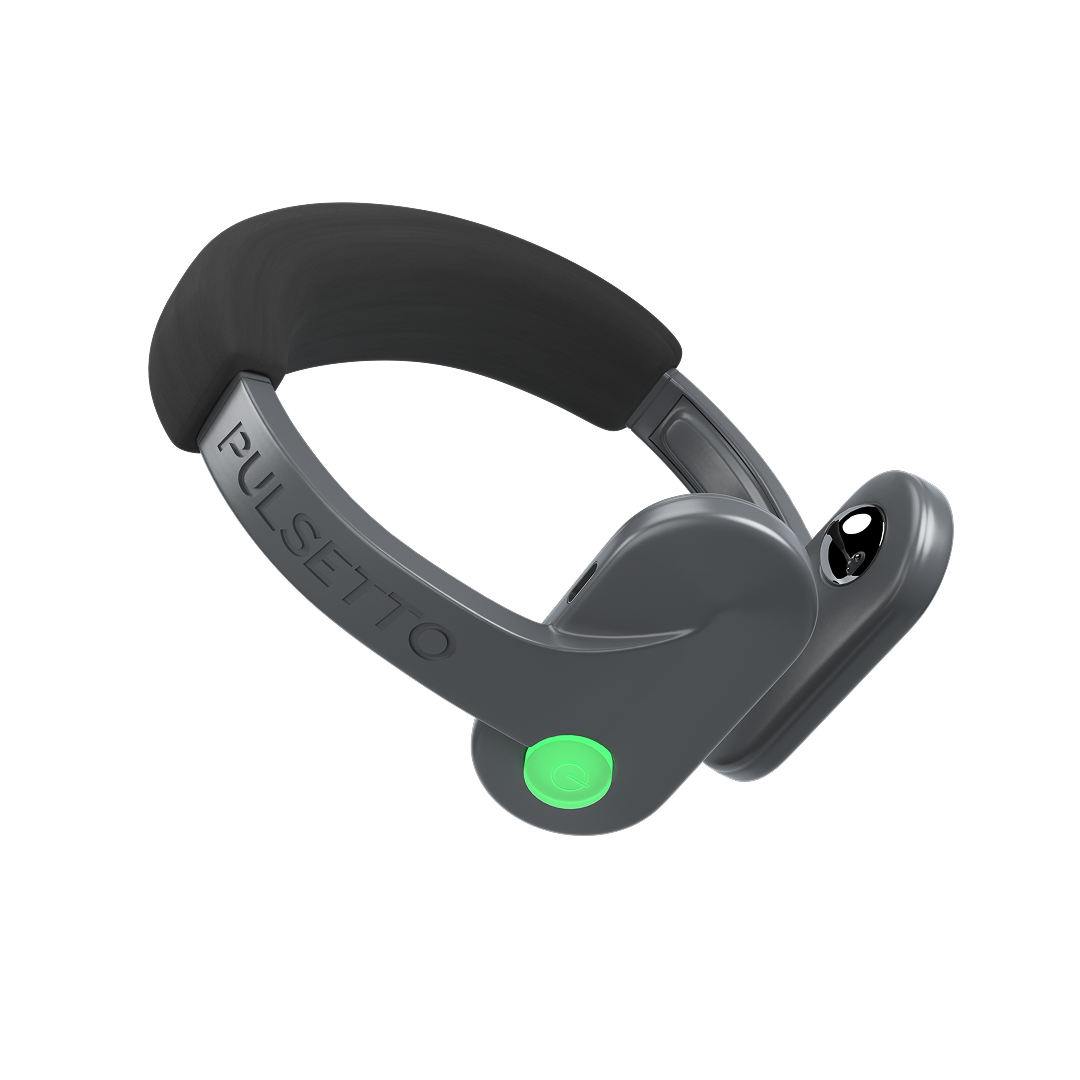
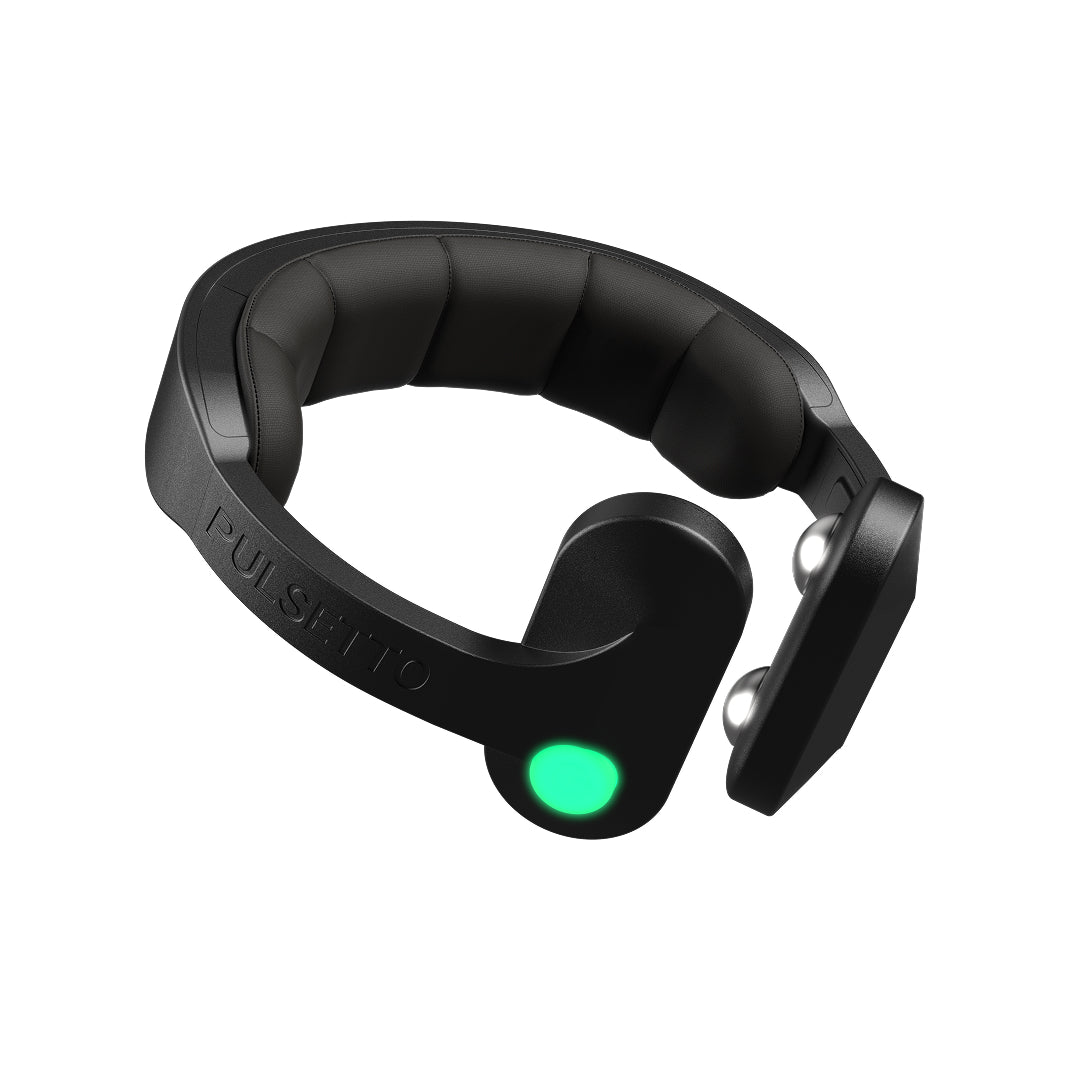
Pulsetto FIT X is a hands-free wearable that sits at the front of the neck and delivers gentle electrical pulses to the cervical branches of the vagus nerve. This placement targets the nerve directly at one of its most accessible points, and the device requires no holding or manual adjustment during a session.
The companion app is one of Pulsetto's strongest features. It offers preset programmes designed for stress, sleep, focus, burnout, and anxiety, with session lengths typically between four and twenty minutes. Users can track their sessions and explore guided breathing exercises within the same interface, making it easy to build a consistent daily routine.
FIT X is the latest generation of the Pulsetto platform, and the changes are mostly about removing the variables the earlier device left to the user. Intensity adapts while the session runs instead of being set once at the start. Intelligent contact sensing checks electrode contact rather than leaving it to guesswork. The electrodes are angled to form an X across the neck, creating a crossed field that reaches both vagus nerve pathways instead of one side at a time. Vibro-tactile feedback confirms the device is responding, and offline mode plus improved battery life remove the two most common reasons people skip a session.
Key features:
Adaptive stimulation that adjusts to you while the session runs
Intelligent contact sensing, so stimulation quality does not depend on manual tuning
X-shape electrode design creating a crossed field across both vagus nerve pathways
Hands-free cervical design, no hands required during sessions
App-guided programmes covering stress, sleep, and focus, with progress tracking
Advanced stimulation profiles for different goals and situations
Vibro-tactile feedback confirming the device is working
Offline mode, improved battery life and a stable Bluetooth connection
Who it suits best: UK buyers who want a structured, app-supported daily wellness habit without a steep learning curve. It works particularly well for people managing work-related stress or disrupted sleep.
Limitations: Requires conductive gel at the contact points, which adds a minor step to each session. Some users report a mild tingling sensation at first, which typically settles with adjusted intensity settings.
UK pricing: Pulsetto FIT X pricing for the UK is listed at pulsetto.tech, alongside the earlier Pulsetto FIT and Lite models. Check the site for current GBP pricing, bundles and shipping options.
Verdict: The most complete package for UK buyers who want a transcutaneous vagus nerve stimulation device that combines solid science rationale, guided programmes, and genuine ease of use. With FIT X, the device now adapts to the user rather than the other way round.
What does the X in Pulsetto FIT X mean?
Two things. First, geometry: the electrodes are angled so they form an X across the neck, creating a crossed field that targets both vagus nerve pathways rather than one side at a time. Second, multiplication. FIT X is not a cosmetic refresh of Pulsetto FIT but the next generation of the same platform, with adaptive stimulation, intelligent contact sensing and advanced stimulation profiles layered on top of the design that came before it.
2. Sensate - Best for Passive Chest-Based Relaxation
Placement: Sternum (chest)
Sensate is a notably different product from the electrical stimulators in this list. Rather than delivering electrical pulses, it uses low-frequency sound vibration through a pebble-shaped device placed on the sternum (the breastbone). This vibration is thought to stimulate the vagus nerve indirectly through resonance, and the experience is closer to a sound bath than a TENS-style pulse.
Key features:
Sound-based vibration rather than electrical stimulation, making it a gentler introduction to VNS
Paired app with soundscapes and guided sessions
No gel or electrical contact required
British brand with straightforward UK availability
Who it suits best: People who are sensitive to electrical stimulation or prefer a more passive, meditative experience. It suits those who already use mindfulness or breathing practices and want a complementary device.
Limitations: Because it uses vibration rather than direct electrical nerve stimulation, its mechanism is meaningfully different from cervical or auricular VNS devices. Users seeking a closer match to clinical VNS methodology may find neck or ear devices more aligned with the evidence base.
UK pricing: Approximately 249 GBP to 299 GBP. Available on the Sensate website and some UK retailers.
Verdict: A calming, low-friction device that is well suited to relaxation routines, but buyers should understand that its delivery method differs from electrical transcutaneous VNS.
3. Nurosym by Parasym - Best for Auricular Stimulation
Nurosym, developed by Parasym, targets the auricular branch of the vagus nerve (a small branch that runs through the outer ear). It is a CE-marked device with a research-adjacent profile, having been used in clinical study contexts in the UK and Europe. This gives it a credibility edge among buyers who want to feel close to the clinical evidence base.
Key features:
CE-marked device meeting European safety standards
Ear-clip design targeting the auricular vagus nerve branch
Used in clinical research settings, lending it stronger scientific credibility
Available directly from parasym.io and some UK medical technology retailers
Who it suits best: Buyers with a background in healthcare or research who want a device with a stronger regulatory and clinical context, or those who prefer ear-based delivery over neck or chest placement.
Limitations: The device is positioned at a premium price point and has a more clinical than lifestyle aesthetic. Its app experience is less consumer-friendly than Pulsetto's, and the ear-clip design may be less comfortable for extended sessions.
UK pricing: Approximately 279 GBP to 350 GBP. Check parasym.io for current UK pricing.
Verdict: The strongest choice for research-aware buyers, with CE marking and clinical usage history setting it apart from more consumer-facing alternatives.
4. Apollo Neuro - Best for Lifestyle Integration
Placement: Wrist or ankle (touch therapy vibration)
Apollo Neuro takes a different approach again. It is worn on the wrist or ankle and delivers gentle vibration patterns described as "touch therapy." The brand positions this vibration as a form of nervous system signalling that may support calm, focus, energy, or sleep depending on the mode selected.
Key features:
Wrist or ankle wear, discreet and socially acceptable in any setting
Multiple modes including calm, focus, sleep onset, and recovery
Companion app with session scheduling and HRV tracking integration
Compatible with Apple Health and some wearable ecosystems
Who it suits best: Active, lifestyle-oriented buyers who want a wearable they can use throughout the day without drawing attention. It suits people already using fitness trackers who want to add nervous system support to their stack.
Limitations: Apollo Neuro uses vibration rather than direct electrical VNS, and its stimulation mechanism is distinct from cervical or auricular nerve targeting. UK availability has historically been limited to direct import, which can increase cost.
UK pricing: Approximately 299 USD (around 240 GBP at current exchange rates) plus international shipping. Check apolloneuro.com for up-to-date UK delivery options.
Verdict: A polished lifestyle device with strong app integration, though UK buyers should factor in import costs and the vibration-based (rather than electrical) delivery method.
5. Hoolest - Best for Budget-Conscious First-Timers
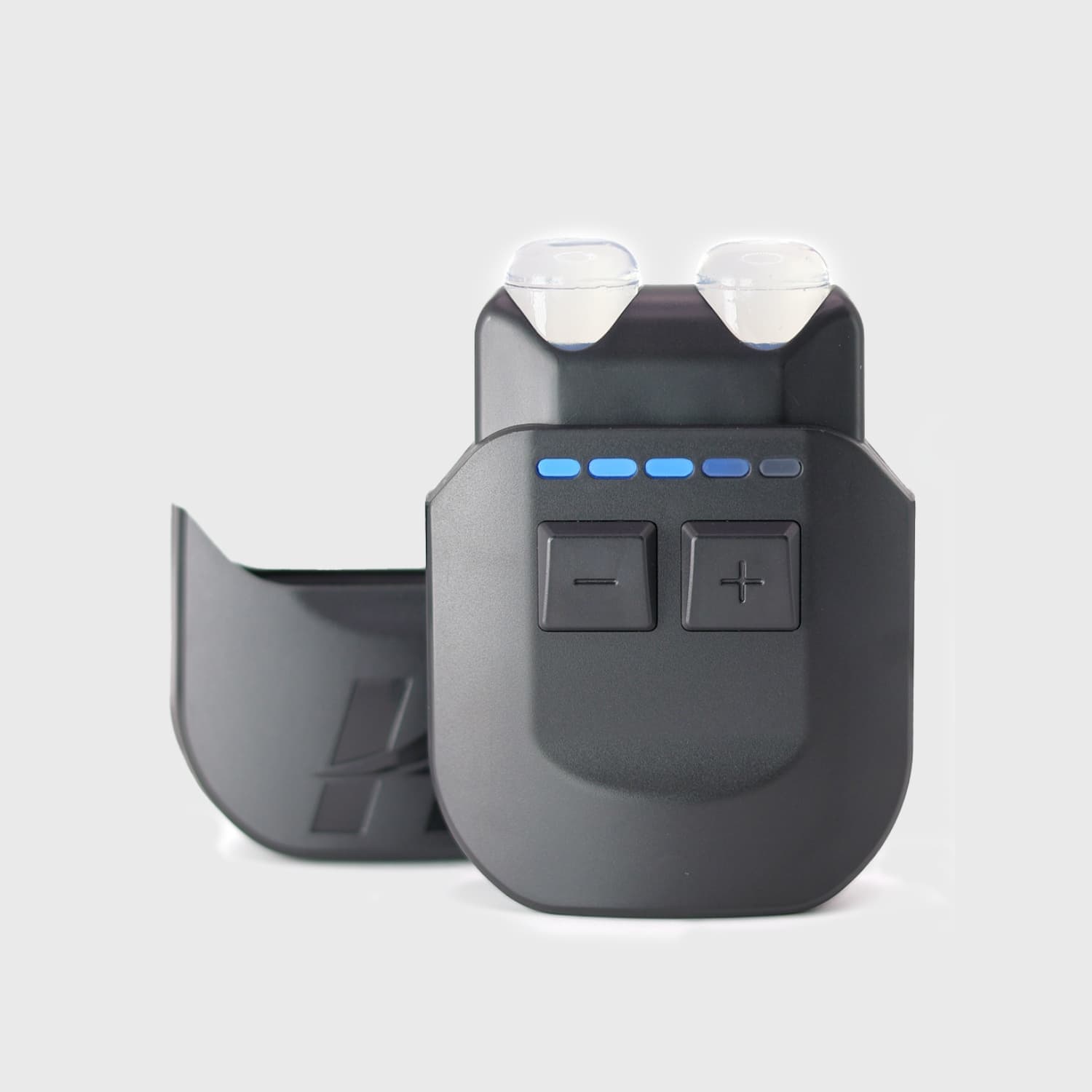
Hoolest produces one of the more affordable auricular VNS devices on the market. The VeRelief Prime targets the ear's vagus nerve branch with gentle electrical pulses and is designed for straightforward home use without a subscription model or complex app setup.
Key features:
Lower price point than most competitors
Simple operation without mandatory app dependency
Ear-based placement targeting the auricular vagus nerve branch
No subscription required
Who it suits best: First-time buyers who want to try auricular VNS without committing to a premium device. It is a reasonable entry point for anyone curious about the technology before investing in a higher-spec option.
Limitations: The build quality and app experience are more basic than premium devices. Some users report the ear clip design as less comfortable for longer sessions. UK shipping may involve import lead times.
UK pricing: Approximately 70 GBP to 110 GBP depending on the model. Check hoolest.com for UK availability.
Verdict: A solid starting point for budget-aware buyers, though those intending to use VNS long-term may find it worth investing in a more fully featured device from the outset.
What Is Vagus Nerve Stimulation and How Does It Work?
The vagus nerve is the longest cranial nerve in the body. It runs from the brainstem down through the neck, chest, and into the abdomen, and plays a central role in regulating the autonomic nervous system (the part of the nervous system that controls automatic body functions like heart rate, digestion, and breathing).
When the body is under stress, the sympathetic nervous system (the "fight or flight" system) becomes dominant. Vagus nerve stimulation is thought to activate the parasympathetic nervous system (your body's rest-and-recover mode), which may help counteract that heightened state and bring the body back to a calmer baseline.
Heart rate variability (HRV), which refers to the variation in time between heartbeats, is often used as a measure of vagal tone (how active and responsive the vagus nerve is). A higher HRV is generally associated with better stress resilience, and some VNS devices include HRV tracking in their companion apps.
Invasive vs. Non-Invasive Vagus Nerve Stimulation
It is important to distinguish between clinical VNS and the consumer devices reviewed in this article. Implanted VNS devices are surgically placed and used to manage conditions including epilepsy and treatment-resistant depression under close medical supervision. These are entirely different products from the consumer wearables discussed here.
Consumer devices use non-invasive transcutaneous stimulation, meaning they deliver stimulation through the skin rather than surgically. They target accessible branches of the vagus nerve at the neck, ear, or chest without any implant or medical procedure.
What Delivery Methods Do Consumer Devices Use?
There are three main delivery approaches in the consumer VNS market:
Cervical (neck) electrical stimulation - targets the vagus nerve directly at the neck, as used by Pulsetto
Auricular (ear) electrical stimulation - targets the auricular branch of the vagus nerve through the outer ear, as used by Nurosym and Hoolest
Vibration-based stimulation - uses sound or touch vibration rather than electrical pulses, as used by Sensate and Apollo Neuro
Each method has a different evidence base and a different feel in use. Electrical stimulation more closely mirrors the mechanism used in clinical VNS research, while vibration-based devices offer a gentler, more accessible entry point.
What Are the Potential Benefits of Vagus Nerve Stimulation?
The benefits associated with vagus nerve stimulation are genuinely promising, though it is important to understand that consumer devices are wellness tools and individual results will vary. Here is an honest summary of what the technology may support.
Stress reduction: Stimulation of the vagus nerve may help shift the body out of a heightened sympathetic state, reducing the physical sensations associated with chronic stress such as muscle tension, racing heart, and shallow breathing. For vagus nerve stimulation for anxiety, many users report a noticeable reduction in anxious feelings after consistent use.
Sleep improvement: Some users report finding it easier to fall asleep and stay asleep after regular evening sessions, possibly linked to the increase in parasympathetic activity that stimulation may produce before bed. The body tends to sleep better when it is not still running on stress hormones from the day.
Mood support: Vagal tone is associated with emotional regulation, and some evidence suggests that regular VNS may support mood stability over time. This is thought to relate to the vagus nerve's connections with brain regions involved in emotional processing.
Reduced inflammation: The vagus nerve plays a role in the body's inflammatory response, and some work in this area suggests that stimulation may support the regulation of inflammatory processes. See more on vagus nerve stimulation for inflammation for further context.
Energy and fatigue: Some users report improvements in daytime energy after regular use. This possible benefit may be linked to better sleep quality and a calmer nervous system baseline. More detail is available in this article on vagus nerve stimulation for fatigue.
None of these benefits are guaranteed, and VNS devices should always be viewed as part of a broader approach to wellbeing rather than a standalone solution.
How to Choose the Right Vagus Nerve Stimulation Device for You
Choosing the right device comes down to four practical factors: delivery method, app support, budget, and ease of daily use.
Delivery method preference: Neck-based devices like Pulsetto FIT X are hands-free, allow movement during sessions, and deliver electrical stimulation directly to the cervical vagus nerve. Ear-based devices like Nurosym target the auricular nerve branch and can be used discreetly. Chest-based devices like Sensate use vibration rather than electrical pulses, which some users find more comfortable as a starting point.
App integration: Buyers who want guided programmes, session logging, and progress tracking will benefit significantly from devices with well-developed companion apps. Pulsetto's app is one of the most consumer-friendly in this category, with preset programmes for specific goals including sleep, stress, and focus. This makes it particularly suitable for people who want structure rather than manual intensity adjustment.
Budget: Prices for a best vagus nerve stimulation device fda approved category or UK-available equivalents range from under 100 GBP for entry-level options like Hoolest to 350 GBP for premium devices like Nurosym. Pulsetto sits in a mid-to-upper range that reflects its build quality and app ecosystem. For those exploring TENS-based options, this guide to the best tens unit for vagus nerve stimulation is also worth consulting.
Ease of use: Consider session length, whether the device needs gel or accessories, how frequently it needs charging, and how discreet it is to wear in daily life. A device that feels like a chore to set up is unlikely to be used consistently.
Safety: Anyone with a pacemaker, history of seizures, implanted electrical device, or other significant health conditions should consult a GP before purchasing any VNS device.
Are Vagus Nerve Stimulation Devices Safe?
Non-invasive VNS devices are generally well tolerated by healthy adults when used as directed. The technology has been used in consumer wellness settings for several years, and for most users the experience involves nothing more than a mild tingling sensation at the contact point.
Common mild side effects can include tingling, temporary skin irritation at the contact point, or mild discomfort at higher intensity settings. These typically resolve on their own and can usually be managed by reducing the intensity level.
Contraindications include having a pacemaker or other implanted electrical device, pregnancy, active seizure disorders, or significant cardiovascular conditions. Anyone with a concern about any of these should speak to a healthcare professional before use, including those who have questions about vagus nerve stimulation for heart palpitations.
Buyers should always read the full instructions provided with any device and follow manufacturer guidance on session length, intensity, and contact placement. Consumer VNS devices are not medical devices and are not intended to replace professional medical care.
Vagus Nerve Stimulation Devices in the UK: What to Expect
Most leading vagus nerve stimulation devices ship to the UK directly from brand websites, with several also available through Amazon UK. Prices typically range from around 80 GBP to 350 GBP depending on the device and technology.
CE marking (or UKCA marking, the UK equivalent introduced post-Brexit) indicates a device has met European or UK product safety standards for consumer electronics. This relates to safety, not medical efficacy, and is worth checking before purchasing any device.
Delivery times from international brands are typically 3 to 7 working days to UK addresses. Buyers in Ireland may find this guide to vagus nerve stimulation ireland useful for regional availability specifics.
Why Pulsetto FIT X Is the Recommended Choice for Most UK Buyers
For UK adults who want a well-designed, app-supported vagus nerve stimulation device that fits into daily life, Pulsetto FIT X is a strong place to start. It combines hands-free cervical stimulation, adaptive sessions that adjust to the user, a structured programme library and direct UK shipping from pulsetto.tech, with the earlier Pulsetto FIT and Lite models still available as lower-cost entry points.
Pulsetto frames this as Stress Fitness: the idea that stress itself is not the problem, and that an untrained nervous system is. Just as muscles get stronger with training, recovery capacity can be trained through repeated practice. FIT X is built around that premise, pairing daily sessions with progress you can follow over weeks rather than days. Most users find the four-to-twenty-minute session times easy to slot into a morning or evening routine.
It is not a medical device, and it does not treat or diagnose any condition. But for someone looking for a science-grounded, practical tool to train their nervous system as part of a broader wellness routine, Pulsetto FIT X represents one of the most complete options available to UK buyers in 2026. It ships to UK addresses directly from Pulsetto, typically within 3 to 7 working days.
Pulsetto consistently receives strong user ratings across wellness communities and has been featured in major publications including Vogue UK. Its current flagship, Pulsetto FIT X, adds adaptive stimulation and X-shape electrodes to that platform. Nurosym is also highly regarded, particularly among buyers who prioritise research-adjacent positioning and CE marking. The answer varies depending on the review source and criteria, but Pulsetto is frequently cited as the best overall option for ease of use, app experience, and daily wellness routines for UK buyers.
Is Pulsetto or Truvaga better?
Pulsetto FIT X is a neck-based device with a well-developed app offering guided programmes for stress, sleep, and focus, adaptive stimulation that adjusts during the session, and direct UK shipping. Truvaga is also a neck-based cervical VNS device but has more limited availability outside the United States, with fewer UK-specific support options. For most UK buyers, Pulsetto is the more accessible and better-supported choice, with no significant import complications or currency conversion uncertainty.
Do any vagus nerve stimulators actually work?
The technology behind non-invasive vagus nerve stimulation is grounded in genuine neuroscience, and the approach is thought to activate the parasympathetic nervous system in ways that may support stress reduction, sleep, and emotional regulation. Results vary between individuals and depend heavily on consistent use over time. Consumer VNS devices are wellness tools rather than medical treatments, and they work best as part of a broader approach to nervous system health that includes sleep hygiene, movement, and stress management.
What is the FDA-approved vagus nerve stimulation device?
The FDA has approved surgically implanted VNS devices for conditions including epilepsy and treatment-resistant depression, as well as a small number of non-invasive devices for specific clinical applications. Consumer wellness devices like Pulsetto are not FDA-cleared medical devices and are not designed to treat any medical condition. UK buyers should also note that CE or UKCA marking indicates a product meets safety standards for consumer electronics, which is a separate consideration from medical efficacy approval.
Can you use a vagus nerve stimulator every day?
Most consumer VNS devices, including Pulsetto FIT X, are designed for daily use with sessions typically lasting between four and twenty minutes. Regular daily use is generally considered safe for healthy adults and may be necessary to experience cumulative benefits over time, as the nervous system often responds best to consistent, repeated input. Users should follow the manufacturer’s guidance on session length, intensity settings, and any recommended rest periods, and consult a healthcare professional if any unexpected reactions occur.
Is Pulsetto FIT X different from Pulsetto FIT?
Yes. FIT X is the next generation of the same platform rather than a redesign. It adds adaptive stimulation that adjusts to you during the session, intelligent contact sensing, X-shape electrodes that target both vagus nerve pathways, advanced stimulation profiles, vibro-tactile feedback, improved battery life and a more stable Bluetooth connection. Pulsetto FIT and Lite remain available as lower-cost entry points.
Train your nervous system. Build your stress resilience. Pulsetto FIT X combines adaptive stimulation, guided protocols and measurable progress in one connected Stress Fitness system. Meet Pulsetto FIT X.