Pulsetto FIT X vs Truvaga: Quick Overview
Both Pulsetto and Truvaga are non-invasive vagus nerve stimulators designed for adults seeking a non-pharmaceutical approach to stress, anxiety, and sleep support. Neither requires a prescription, and both are sold as wellness wearables rather than medical devices.
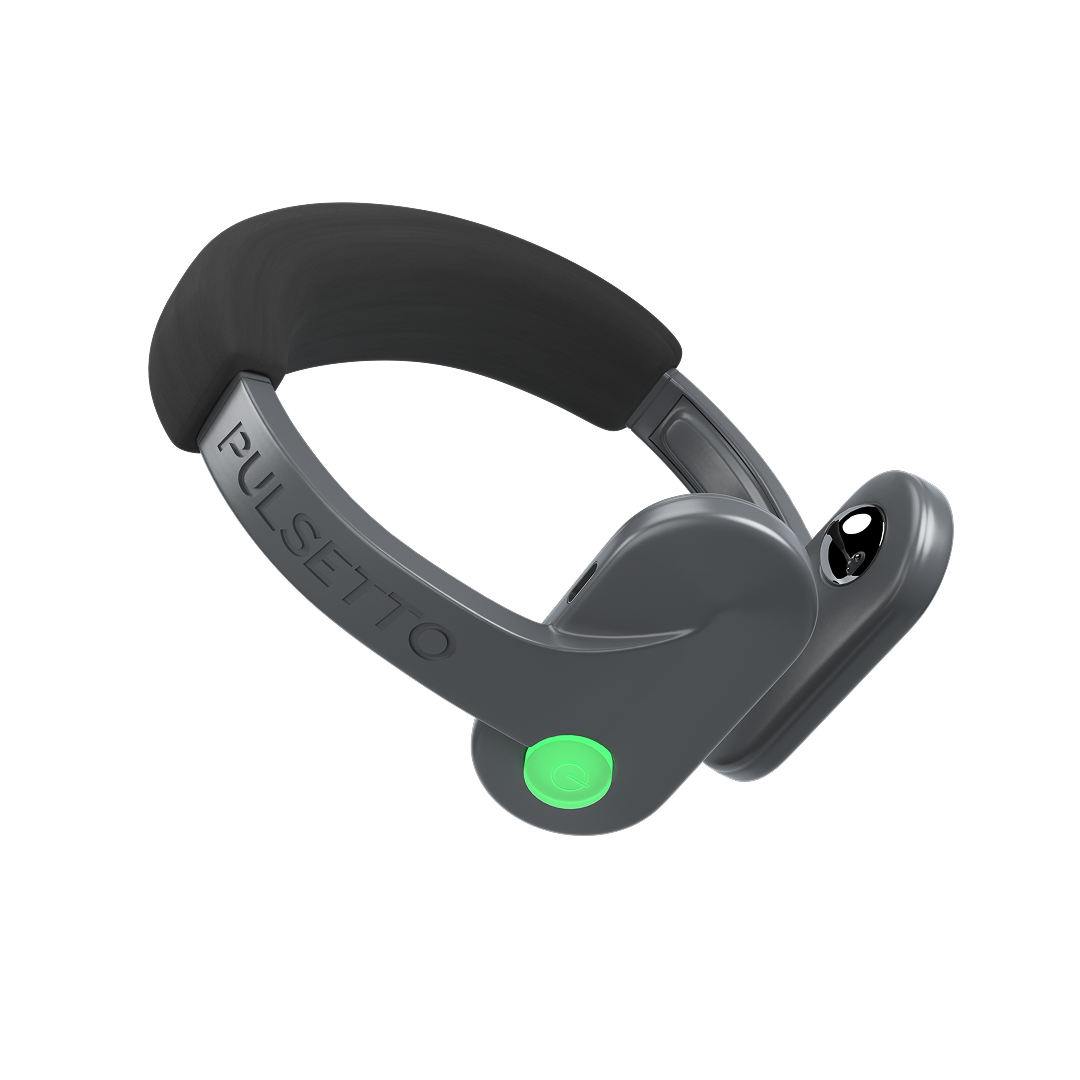
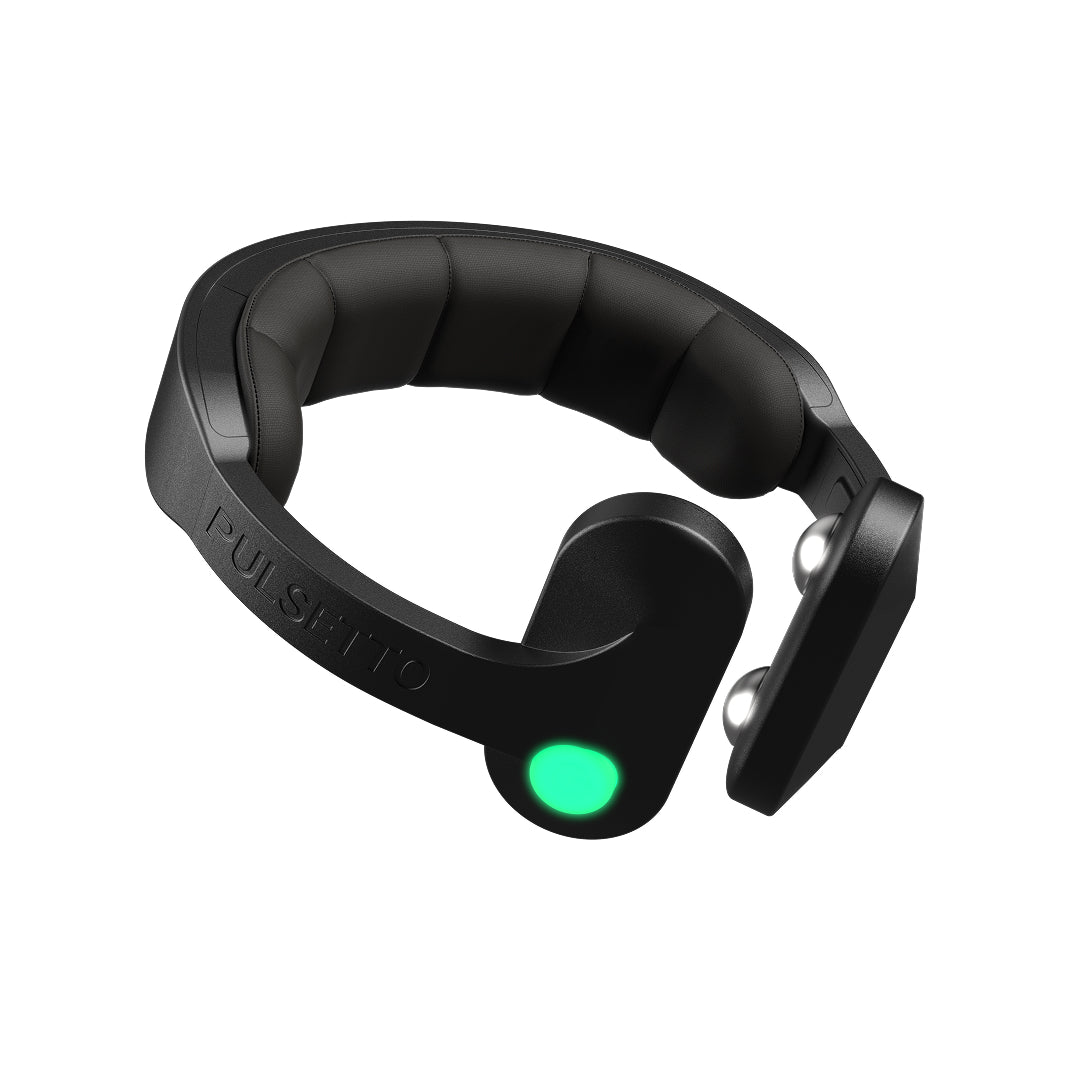
Pulsetto is a collar-style device worn around the neck. It delivers electrical pulses to the cervical (neck) branch of the vagus nerve, pairs with a companion app offering guided programs and HRV (heart rate variability) tracking, and is available at a lower device price with an optional premium subscription.
Truvaga is a handheld wand held near the jawline below the ear. It targets a branch of the vagus nerve in that region, offers preset stimulation settings without a full companion app, and carries a higher upfront price point with no ongoing subscription fees.
For a broader comparison of handheld vagus nerve devices, see nurosym vs truvaga for additional context on how different device formats compare.
How Each Device Stimulates the Vagus Nerve
Understanding how each device works is the most important step before choosing between them. The vagus nerve (your body's main "calm-down" nerve, running from the brainstem through the neck and into the chest and abdomen) can be stimulated at multiple points along its path. Pulsetto and Truvaga target different branches of this nerve, which affects where you wear or hold the device and how that fits into your day.
Pulsetto FIT X: Cervical Vagus Nerve Stimulation

Pulsetto uses a method called transcutaneous electrical nerve stimulation, or tENS, applied to both sides of the neck. The device's built-in gel-pad electrodes sit against the skin over the cervical branch of the vagus nerve, delivering low-level electrical pulses that may activate the nerve's calming pathways.
Because the device is worn like a collar, both hands remain free throughout the session. Users can sit at a desk, read, or do light stretching while the device runs its program. This hands-free quality is one of Pulsetto's clearest practical advantages for people with busy routines.
For a deeper look at the science behind this approach, the vagus nerve stimulation for stress page explains how this type of stimulation is thought to support the body's stress response. You can also find step-by-step setup guidance on the how to stimulate vagus nerve by Pulsetto quick start guide.
Truvaga: Auricular-Adjacent Stimulation

Truvaga uses a handheld wand that the user holds against the skin just below the ear, near the jawline. This area is close to the auricular branch of the vagus nerve, a different anatomical pathway from the cervical branch targeted by Pulsetto.
The key practical difference is that Truvaga requires the user to hold the device in place for the full duration of each session. This means both hands are occupied, which limits what else can be done simultaneously. For some users, this focused, deliberate engagement is actually preferred, as it creates a more mindful, intentional experience. For others, it is a limitation that makes daily consistency harder to maintain.
Neither stimulation method is clinically established as superior for all users. The most effective device is ultimately the one that fits comfortably into a person's daily routine and gets used consistently.
What’s New in Pulsetto FIT X
FIT X is the current generation of the Pulsetto platform, and the changes are mostly about removing the variables the earlier device left to the user. Intensity adapts while the session runs instead of being set once at the start. Intelligent contact sensing checks electrode contact rather than leaving it to guesswork. The electrodes are angled to form an X across the neck, creating a crossed field that reaches both vagus nerve pathways instead of one side at a time. Vibro-tactile feedback confirms the device is responding, and offline mode plus improved battery life remove the two most common reasons people skip a session.
Adaptive stimulation that adjusts to you while the session runs
Intelligent contact sensing, so quality does not depend on manual tuning
X-shape electrode design creating a crossed field across both vagus nerve pathways
Advanced stimulation profiles for different goals and situations
Vibro-tactile feedback, offline mode and improved battery life
Deeper app integration, with progress tracked over time
What does the X mean? Two things. First, geometry: the electrodes are angled so they form an X across the neck. Second, multiplication. FIT X is not a cosmetic refresh of Pulsetto FIT but the next generation of the same platform. Pulsetto FIT and Lite remain available as lower-cost entry points.
Feature Comparison: App, Design, and Daily Use

The practical, day-to-day experience of using a wellness device matters as much as the underlying technology. Most people do not abandon wellness devices because the science is wrong. They abandon them because the device is awkward to use, the app is confusing, or the routine does not stick. Here is how Pulsetto and Truvaga compare across the features that affect real-world use.
App Experience and Program Variety
Pulsetto pairs with a companion smartphone app that offers multiple guided programs organized by wellness goal. Users can select sessions targeting stress reduction, sleep improvement, burnout recovery, anxiety, or focus, depending on what they need that day. The app also includes HRV tracking, which monitors heart rate variability over time as a general indicator of how well the body is managing stress.
The Pulsetto app includes a free tier that gives access to basic session programs. A premium subscription unlocks the full program library and advanced tracking features. Importantly, users who want to know can you use Pulsetto without subscription will find that the device works without one. The free tier is genuinely functional, not just a locked preview.
Truvaga takes a different approach. It offers a smaller set of pre-programmed intensities with no full companion app required. For users who find wellness apps overly complex or who simply want to press a button and go, this minimal interface is a genuine advantage. The trade-off is less personalization and no progress tracking over time.
Device Design and Wearability
Pulsetto's collar design sits around the neck and stays in place without user effort. This makes it easy to combine sessions with everyday activities. Truvaga's handheld format requires active holding, which creates a more stationary session experience.
Both devices use rechargeable batteries, so neither has ongoing battery costs. Pulsetto does require conductive gel (applied to the electrode pads before each session) to maintain good skin contact. This gel is an ongoing consumable, though the cost per session is small. Users comparing the two Pulsetto hardware options can also review the pulsetto fit vs lite comparison for more detail on device variants.
Users who value a guided, data-driven experience with program variety will generally prefer Pulsetto. Users who want a device with no app involvement and a simpler interaction model may find Truvaga's approach more appealing.
HRV Benefits, Side Effects, and Safety
Both Pulsetto and Truvaga are designed to support the body's parasympathetic nervous system (the rest-and-recover mode that counteracts the stress response). One of the most commonly discussed markers in this space is HRV, or heart rate variability. HRV measures how much the timing between heartbeats varies, which is used as a general wellness indicator, not a medical diagnostic tool. Higher HRV is broadly associated with better stress resilience and recovery.
What to Expect from Regular Use
Both devices may support improvements in HRV with consistent use. Some Pulsetto users report reduced feelings of stress, improved sleep quality, and a calmer baseline mood after several weeks of daily sessions. These reports reflect individual experiences and are not a guarantee of specific outcomes.
It is also worth noting that vagus nerve stimulation is not a replacement for professional mental health support, sleep therapy, or medical treatment. These devices work best as one part of a broader wellness routine, alongside regular sleep habits, movement, and stress management practices.
As for whether Pulsetto is scientifically proven, the honest answer is that the broader field of transcutaneous vagus nerve stimulation is supported by a growing body of evidence, and Pulsetto has been the subject of its own clinical investigation. Readers can review the details directly on the pulsetto clinical trial page. The science is promising but still developing, and individual results vary.
Who Should Avoid These Devices
Common side effects for both devices are mild. Some users experience temporary skin tingling, light redness at the contact site, or brief light-headedness if the intensity is set too high. These effects typically resolve quickly and are not cause for concern in most healthy adults.
However, certain users should not use either device without first speaking to a healthcare provider. This includes people with pacemakers, implanted electrical devices, metal implants in or near the neck or jaw, active skin conditions at the stimulation site, or certain neurological conditions. Pregnant individuals should also consult a doctor before use.
Full contraindication details are listed on the pulsetto side effects page, which is worth reviewing before purchase.
Neither Pulsetto nor Truvaga is an FDA-cleared medical device for treating any diagnosed condition. Both are wellness wearables intended for general relaxation and stress support.
Price and Long-Term Value
Price is one of the most commonly asked questions in the pulsetto vs truvaga comparison, and it deserves an honest, complete answer that goes beyond the sticker price. Total cost of ownership over 6-12 months can look quite different from the upfront device price alone.
Pulsetto's device price is generally lower than Truvaga's at the point of purchase. As prices can change, readers should verify current figures on the official websites before making a decision. Based on publicly available information in early 2026, Truvaga is positioned at a notably higher price point than Pulsetto for the device alone.
Pulsetto also offers an optional premium app subscription for full program access. Because basic device functionality is available without it, budget-conscious buyers can start at a lower entry cost and upgrade later if they want more features. This flexibility is a meaningful advantage for first-time buyers who are not yet sure how deeply they will use the device.
Truvaga is a one-time purchase with no subscription model. For users who dislike recurring fees on principle, this is appealing. However, the higher upfront investment means the break-even point relative to Pulsetto takes longer to reach.
Pulsetto users should factor in the cost of conductive gel or replacement gel pads as an ongoing consumable. In practice, the per-session cost of gel is small, but it is worth including in a realistic total cost estimate. Over a 12-month period, Pulsetto's total cost including the optional premium subscription may still be equal to or less than Truvaga's device-only price, depending on current pricing.
For a transparent breakdown of what is and is not included in Pulsetto's pricing, the does Pulsetto require a subscription page is a reliable reference. Current offers and promotions are listed on the pulsetto sale page.
Which Device Is Right for You?
Choosing between these two devices comes down to how you plan to use it and what matters most to you in a daily wellness tool. Neither device is universally better. Each suits a different kind of user.
Choose Pulsetto if:
You want a hands-free, neck-worn device that you can use while doing other things
You value a guided app experience with multiple programs and HRV tracking over time
You are price-sensitive and want an optional rather than mandatory subscription model
You are new to vagus nerve stimulation and want structured guidance built into the device experience
Choose Truvaga if:
You prefer a handheld device with no app dependency or program menus to navigate
You are comfortable with a higher upfront investment and prefer a one-time purchase model
You have already tried simpler approaches and want a premium standalone device
Both devices are suitable for adults exploring non-pharmaceutical approaches to stress, sleep, and relaxation. Neither replaces professional medical advice, and anyone managing a diagnosed health condition should speak with a doctor before starting use.
For readers specifically interested in sleep support, the improve sleep by Pulsetto page covers how consistent vagus nerve stimulation sessions may support better rest.
Integrating Vagus Nerve Stimulation into Daily Routines
One topic that most comparisons skip entirely is how to actually build these devices into a daily habit. Owning a vagus nerve stimulator is only useful if it gets used regularly, and that requires thinking about when and how it fits into your existing routine.
Most users find that morning sessions or pre-sleep sessions are the easiest to stick to. A morning session may help set a calmer baseline for the day ahead, while an evening session is thought to support the body's natural wind-down process before sleep. That said, both Pulsetto and Truvaga can be used at any point during the day.
Pulsetto's hands-free design makes it particularly easy to layer into existing habits. A 20-minute session can run while reading, working at a desk, or doing light stretching, removing the need to carve out separate dedicated time. Truvaga requires more deliberate positioning, which may work better as a standalone mindfulness-style practice.
Consistency matters more than session length or timing. Short daily sessions are generally considered more beneficial than occasional longer ones, as regular stimulation is thought to support more stable nervous system tone over time. For guidance on session frequency, the can you use Pulsetto too much page addresses how often daily use is appropriate.
Ready to Try a Hands-Free Vagus Nerve Stimulator?
For most adults comparing Pulsetto and Truvaga for the first time, Pulsetto offers the stronger combination of value, flexibility, and guided support. The hands-free design removes the biggest barrier to consistent daily use. The app's program variety means the device adapts to different goals, whether that is stress relief on a tough workday or a calmer pre-sleep routine. And the optional subscription model means the device is useful from day one without requiring an ongoing financial commitment.
Truvaga is a legitimate option for users who want a premium, no-app device. But for first-time buyers or anyone who wants a more complete wellness experience at a more accessible price, Pulsetto delivers more out of the box.
If you are ready to explore what hands-free vagus nerve stimulator technology feels like in practice, the pulsetto fit product page covers everything you need to know about the device, including current pricing, setup, and what is included.
Frequently Asked Questions 💬
What is the best vagus nerve stimulator device?
The best vagus nerve stimulator depends on individual priorities, including preferred stimulation method, daily routine, budget, and whether app-guided programs are important to you. Pulsetto is widely regarded as a strong option for its hands-free design, program variety, HRV tracking, and accessible price point. Other devices including Truvaga, Apollo Neuro, and Nurosym each serve different user preferences and lifestyles. Comparing key features side by side, as this article does, is the most reliable way to find the right fit before spending money.
Is Truvaga legit?
Yes, Truvaga is a legitimate wellness device made by a real company with a genuine user base. It targets the vagus nerve through a handheld stimulator held near the jawline, and many users report positive experiences with regular use. As with all vagus nerve stimulators, individual results vary, and the device should not be treated as a medical treatment for any diagnosed condition. It is a wellness tool designed for relaxation and stress support, not a clinical intervention.
Is Pulsetto scientifically proven?
Pulsetto has been the subject of a clinical study examining its effects on HRV and stress-related markers. Readers can review that research directly on the official Pulsetto clinical trial page. The broader practice of transcutaneous vagus nerve stimulation (applying gentle electrical pulses to the skin over the vagus nerve) is supported by a growing body of evidence, though the field is still developing and results are not universal. The honest answer is that the science is promising, not definitive, and Pulsetto approaches its claims accordingly.
Do vagus nerve stimulators actually work?
For many users, yes. Non-invasive vagus nerve stimulation shows promising results for stress reduction, HRV improvement, and sleep quality in a meaningful proportion of users, though outcomes vary widely depending on the individual, frequency of use, and overall lifestyle. Both Pulsetto and Truvaga users report noticeable benefits from consistent daily use. These devices work best as part of a broader wellness routine rather than as a standalone solution. They are not a substitute for professional care, but for many people they are a useful, low-risk addition to existing stress management practices.
Can Pulsetto be used without the app subscription?
Yes. Pulsetto can be used without a premium subscription. The companion app includes free access to basic session programs, and the device functions fully within that free tier. The premium subscription unlocks additional programs, advanced HRV tracking, and specialized wellness protocols. This makes Pulsetto a lower-commitment entry point compared to devices where the full experience requires an ongoing payment from day one. Users can start with the free tier and upgrade only if they decide the additional features are worth it for their goals.
Is Pulsetto FIT X different from Pulsetto FIT?
Yes. FIT X is the next generation of the same platform rather than a redesign. It adds adaptive stimulation that adjusts to you during the session, intelligent contact sensing, X-shape electrodes that target both vagus nerve pathways, advanced stimulation profiles, vibro-tactile feedback, improved battery life and a more stable Bluetooth connection. Pulsetto FIT and Lite remain available as lower-cost entry points.
Train your nervous system. Build your stress resilience. Pulsetto FIT X combines adaptive stimulation, guided protocols and measurable progress in one connected Stress Fitness system. Meet Pulsetto FIT X.