Nurosym vs Pulsetto FIT X: Quick Overview
Both Nurosym and Pulsetto are non-invasive vagus nerve stimulators designed to support relaxation, stress management, and sleep quality without medication. They share the same core idea but arrive at it from different directions.
Nurosym, developed by Parasym, positions itself as a clinically aligned device. It uses an ear-clip electrode to stimulate the auricular branch of the vagus nerve, a method with a significant presence in research settings. Its price point sits noticeably higher than most consumer VNS wearables, and its interface reflects a more protocol-driven approach.
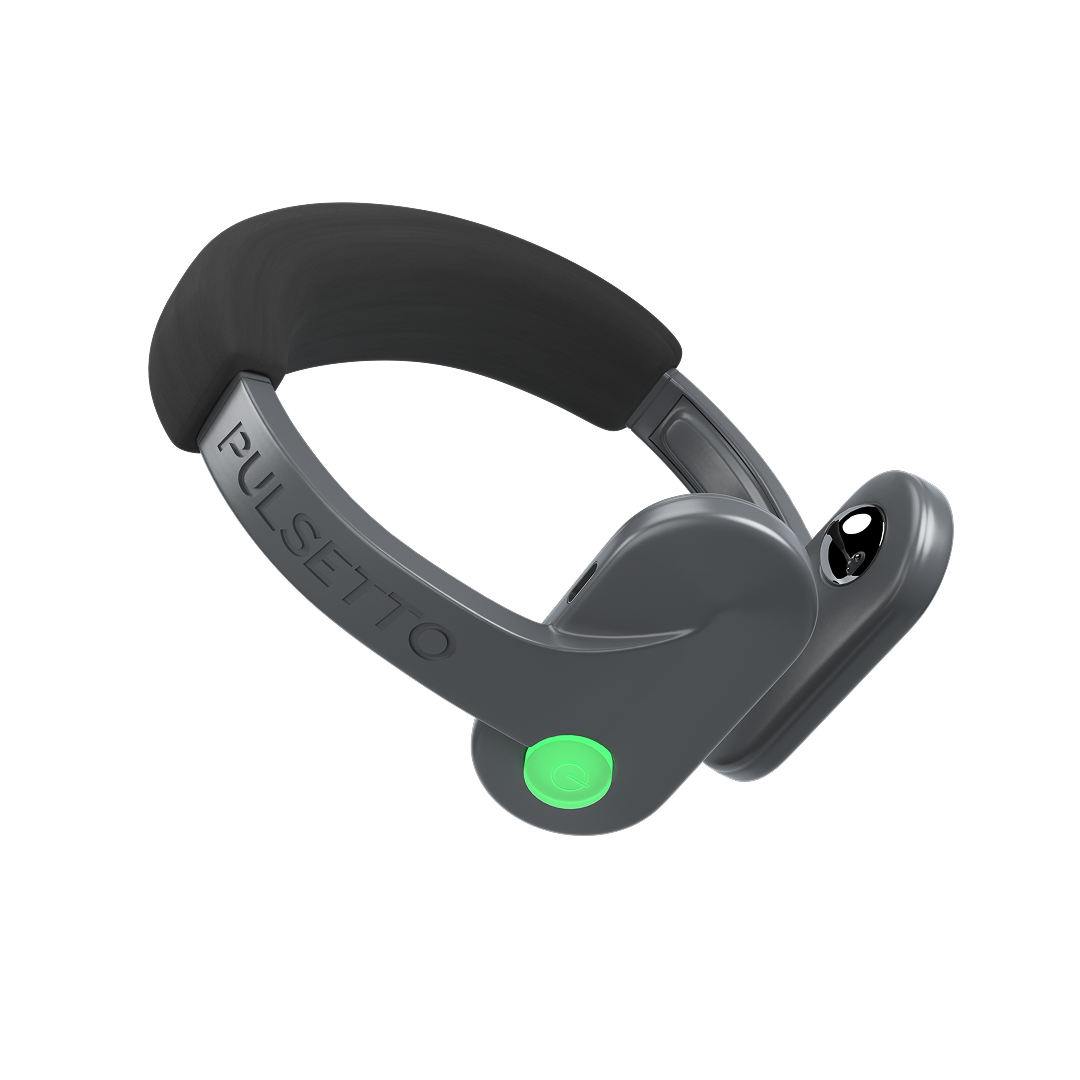
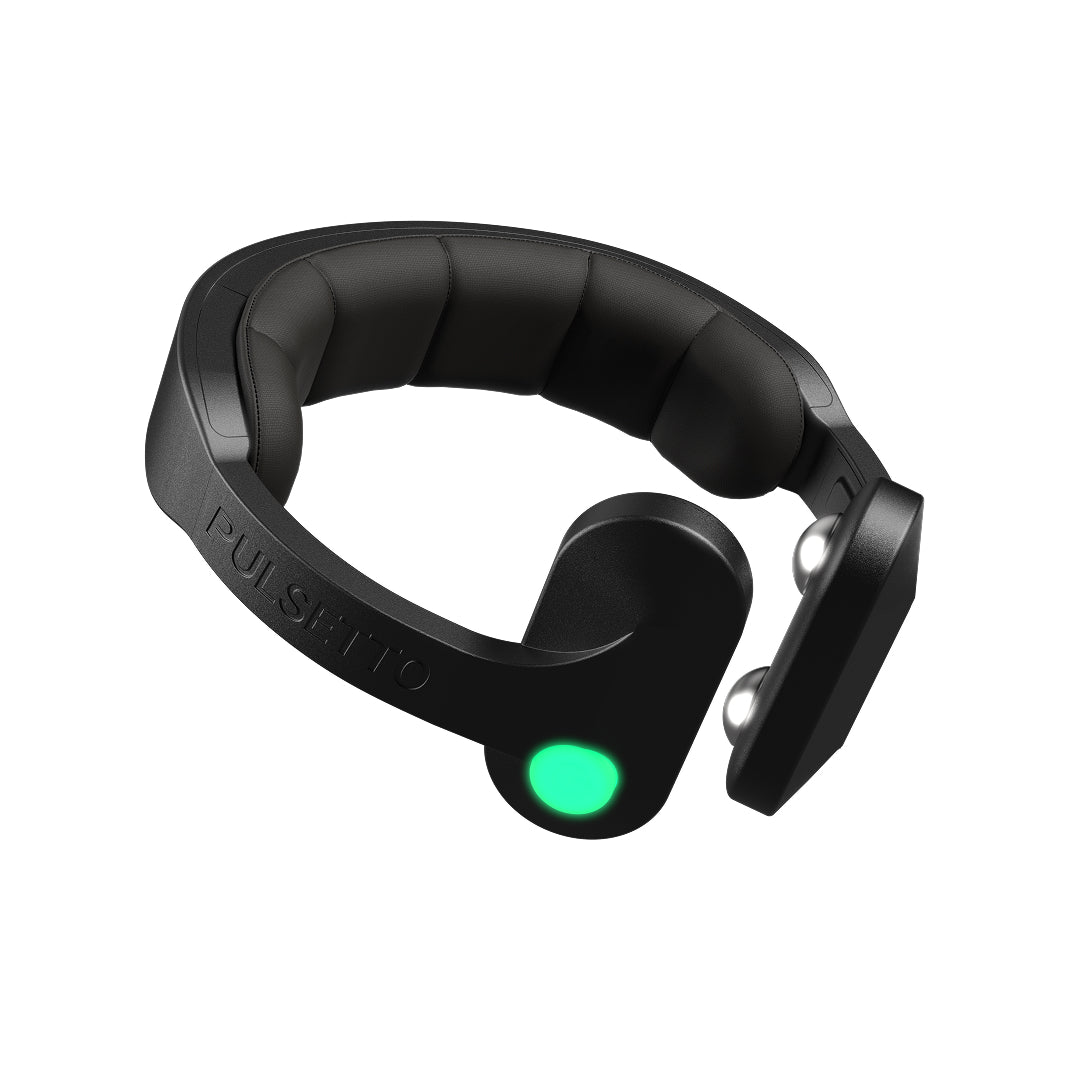
Pulsetto is a neck-worn vagus nerve stimulator designed with everyday usability at its centre. It targets the cervical branch of the vagus nerve through gel-contact stimulation and pairs with a guided app offering programs for stress, sleep, focus, and more. Its entry price is considerably lower than Nurosym's, and its setup is minimal.
Both devices work through vagus nerve stimulation for stress, but they suit different types of buyers. Understanding how each works is the clearest path to choosing the right one.
How Each Device Works
Nurosym: Auricular Stimulation Explained
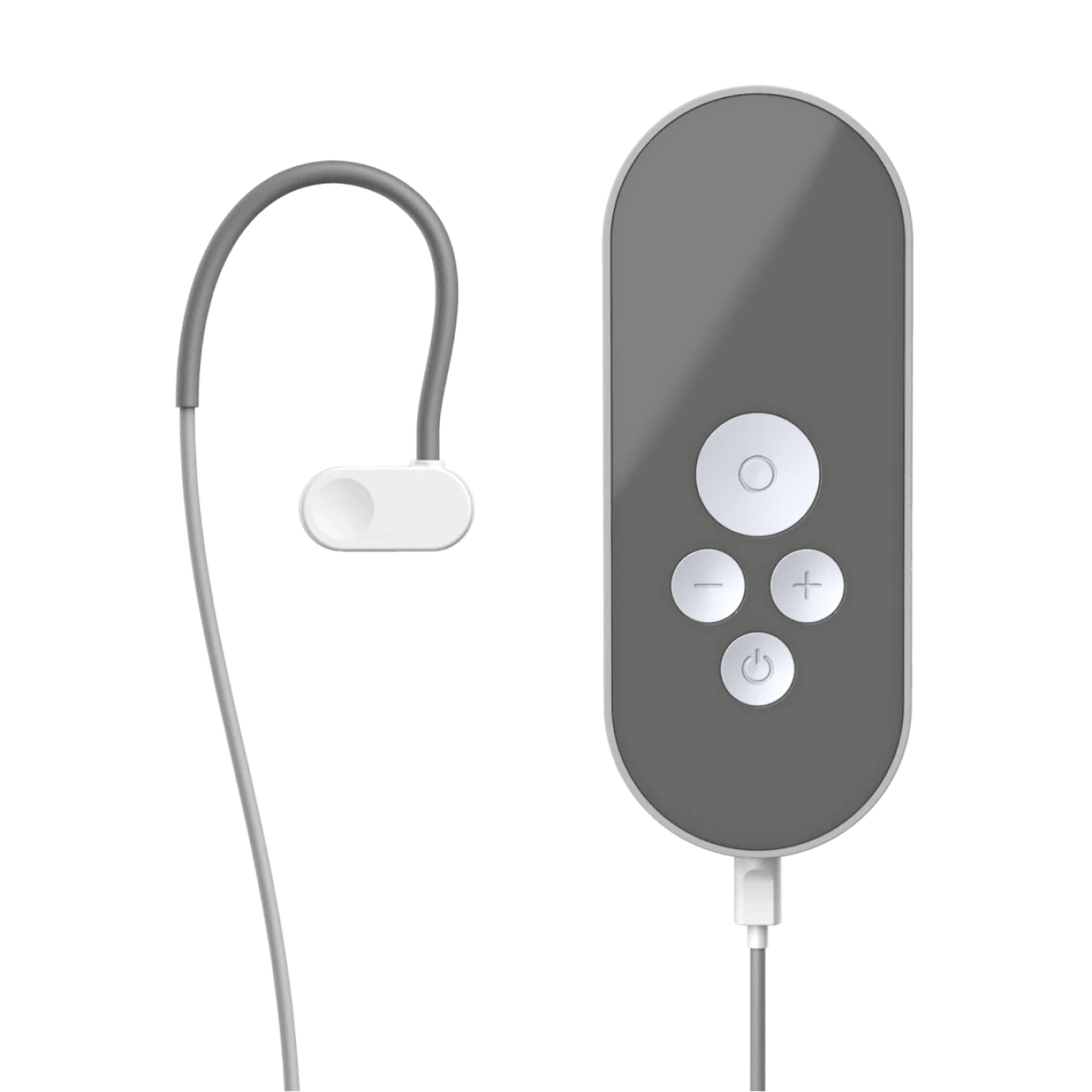
Nurosym delivers electrical pulses through an ear-clip electrode placed on the outer ear. This targets the auricular branch of the vagus nerve (the part that runs close to the surface of the ear), a stimulation method that has been widely used in clinical and academic research settings.
The signal is designed to activate the parasympathetic nervous system, sometimes called the body's rest-and-recover mode. When this system is engaged, the body may begin to reduce its stress response, lower heart rate, and shift out of the fight-or-flight state that chronic stress tends to produce.
Nurosym sessions are structured around specific protocols, and the device is positioned more toward users who want their wellness tool to align closely with how VNS has been studied in formal settings.
Pulsetto FIT X: Cervical Stimulation Explained

Pulsetto uses a curved neck device with gel-contact electrodes applied to either side of the neck. This targets the cervical branch of the vagus nerve (the portion of the nerve that runs along the sides of the neck), making it easy to apply while sitting at a desk, lying in bed, or winding down after work.
The stimulation is designed to activate the same parasympathetic pathway, which may help reduce perceived stress and support relaxation. Session programs within the Pulsetto app are guided and clearly labelled by purpose, so users do not need technical knowledge to get started.
HRV, or heart rate variability (how much the timing between heartbeats naturally fluctuates), is used as a wellness marker in both device ecosystems. A higher HRV is generally associated with better stress resilience and recovery. Both devices are designed to support conditions that may, over time, contribute to improved HRV, though individual results vary.
Pulsetto has also been the subject of a pulsetto clinical trial, which prospective buyers can review directly. For those exploring the broader category of wearable wellness tools, Pulsetto as a vagus nerve stimulator represents one of the most accessible entry points available in 2026.
What’s New in Pulsetto FIT X
FIT X is the current generation of the Pulsetto platform, and the changes are mostly about removing the variables the earlier device left to the user. Intensity adapts while the session runs instead of being set once at the start. Intelligent contact sensing checks electrode contact rather than leaving it to guesswork. The electrodes are angled to form an X across the neck, creating a crossed field that reaches both vagus nerve pathways instead of one side at a time. Vibro-tactile feedback confirms the device is responding, and offline mode plus improved battery life remove the two most common reasons people skip a session.
-
Adaptive stimulation that adjusts to you while the session runs
-
Intelligent contact sensing, so quality does not depend on manual tuning
-
X-shape electrode design creating a crossed field across both vagus nerve pathways
-
Advanced stimulation profiles for different goals and situations
-
Vibro-tactile feedback, offline mode and improved battery life
-
Deeper app integration, with progress tracked over time
What does the X mean? Two things. First, geometry: the electrodes are angled so they form an X across the neck. Second, multiplication. FIT X is not a cosmetic refresh of Pulsetto FIT but the next generation of the same platform. Pulsetto FIT and Lite remain available as lower-cost entry points.
Feature Comparison: Nurosym vs Pulsetto FIT X
Price and Value
Price is one of the most immediate differences between these two devices. Nurosym typically retails at around 449 euros or higher, reflecting its clinical positioning and research-aligned branding. Pulsetto's device costs significantly less, making it a more realistic first purchase for buyers who are new to VNS wearables and want to try the category without a large upfront commitment.
|
Feature
|
Nurosym
|
Pulsetto
|
|
Approximate price
|
~449 EUR
|
Lower entry price, check pulsetto.tech
|
|
Electrode placement
|
Auricular (ear clip)
|
Cervical (neck worn)
|
|
App programs
|
Protocol-driven sessions
|
Guided programs: stress, sleep, focus, anxiety
|
|
HRV tracking
|
Available via app
|
Available via app
|
|
Subscription required
|
Not required for core use
|
Core use available without premium subscription
|
|
Battery life
|
Several hours per charge
|
Several hours per charge
|
|
Portability
|
Compact, ear-worn
|
Compact, neck-worn
|
|
Best for
|
Clinical/research-aligned users
|
Everyday wellness users
|
On value, Pulsetto offers a strong package for buyers focused on daily use. A lower device cost, combined with a pulsetto fit that suits most neck sizes, keeps the barrier to entry low.
App Experience and Session Programs
The app experience is where these two devices differ most noticeably for everyday users. Pulsetto's app is built around named programs: stress relief, sleep support, focus, anxiety management, and more. Each program runs for a set session length and uses visual cues and simple controls. Users report that the learning curve is minimal.
Nurosym's app takes a more clinical approach, presenting sessions in terms of protocols and intensity parameters. This suits users who want precise control and alignment with research-backed methods, but it can feel less intuitive for someone who simply wants to press play and relax.
For buyers asking can you use pulsetto without subscription, the answer is yes. Core functionality is accessible without a premium subscription, which removes a common objection for buyers comparing ongoing costs. Nurosym does not require a subscription for its core features either.
Comfort and Wearability
Nurosym's ear-clip design is discreet and lightweight, but correct placement on the outer ear is important for effective stimulation. Some users find the clip less comfortable during longer sessions, and placement takes a small amount of practice to get right.
Pulsetto's neck-worn design requires a thin layer of conductive gel applied to the neck before each session, which adds roughly 30 seconds of setup. The device sits across the neck and is generally described as comfortable for sessions of 4 to 10 minutes. The pulsetto fit vs lite breakdown is worth reading for buyers deciding which Pulsetto model suits their routine.
Both devices are portable and rechargeable via USB, making them travel-friendly for users who want to maintain a wellness routine on the road.
Differences That Matter for Everyday Use

Most feature comparisons stop at specs. But the real question for long-term satisfaction is whether a device fits naturally into a daily routine, because no VNS wearable produces meaningful results from a single session.
Pulsetto is designed for minimal friction. Applying gel, placing the device, and selecting a session from the app takes under two minutes. Sessions typically run between 4 and 10 minutes depending on the program chosen, and the device supports multiple sessions per day. For a busy parent, someone with a demanding commute, or a first-time VNS user, that simplicity matters. Buyers wondering about session frequency can find detailed guidance through can you use pulsetto too much.
Nurosym requires correct ear-clip placement each time, which some users find slightly fiddlier, particularly if they are using it while tired or distracted. Its protocol-focused app is well-suited to users who enjoy tracking and optimising, but it asks more of the user in terms of engagement.
Both devices benefit from consistent use over days and weeks. Neither produces instant results, and users who approach either device expecting immediate dramatic changes are likely to be disappointed. The wellness benefits, including possible improvements in perceived stress, sleep quality, and HRV, are more likely to appear gradually with regular practice. For buyers specifically interested in sleep, Pulsetto has a dedicated focus area explored further at improve sleep by pulsetto.
The bottom line on daily use is that Pulsetto's design removes more friction, which tends to support the consistent use that actually produces results over time.
Side Effects and Safety Considerations
Both Nurosym and Pulsetto are generally well-tolerated, but there are a few considerations buyers should be aware of before purchasing.
The most commonly reported side effect with either device is mild tingling or a slight sensation at the electrode contact site during use. At higher intensity settings, some users report brief skin redness or minor irritation after a session. These effects are typically temporary and reduce as the user finds a comfortable intensity level.
Neither device is appropriate for people with pacemakers, implanted electrical devices, or certain other cardiovascular or neurological conditions. If there is any uncertainty about whether a VNS device is suitable for a specific health situation, consulting a qualified healthcare professional before purchasing is strongly recommended.
Pulsetto publishes its contraindications clearly so that buyers can review them before committing. Full details are available at pulsetto side effects. Reviewing this page is a sensible step for any prospective buyer, regardless of which device they are considering.
Final Verdict: Which Device Should You Choose?
For users who prioritise clinical research alignment, precise protocol control, and auricular stimulation methodology, Nurosym is a strong choice. Its higher price reflects its positioning within the research-adjacent wellness space, and buyers who want a device that mirrors how VNS has been studied formally will find it well-matched to those expectations. It also suits users who are comfortable with a more technical app experience and want detailed control over their sessions.
For the majority of everyday wellness buyers, Pulsetto is the more practical, accessible, and sustainable choice. Its lower entry price, guided app, and minimal-friction daily setup make it easier to use consistently, which is the factor most closely tied to whether any wellness device actually delivers results over time. It suits stress-focused users, poor sleepers, and anyone new to vagus nerve stimulation who wants to experience the category without overcomplicating it.
Summary for buyers: Nurosym is best for clinically minded users willing to pay a premium for research-aligned positioning and auricular stimulation. Pulsetto is the stronger everyday choice for adults who want an affordable, easy-to-use device for daily stress management, better sleep, and potential HRV improvement. Neither device is a universal winner. The right answer depends on whether clinical depth or daily usability matters more to the buyer.
For further context on how both devices compare to other options in the VNS category, the nurosym vs apollo neuro and nurosym vs sensate comparisons offer useful additional perspective.
Ready to Try Pulsetto FIT X?
If the verdict above matches what you are looking for in a daily wellness device, Pulsetto is worth exploring further. It is designed to be genuinely easy to use from day one, with no steep learning curve, no complex protocols to decode, and no premium subscription required to access the core experience.
The app-guided programs for stress, sleep, and focus are built around realistic session lengths that fit into a normal day. The device itself is compact, rechargeable, and designed to be used consistently rather than occasionally.
For buyers who have been hesitant about price or unsure whether a VNS device will suit them, it helps to know that Pulsetto has a clear pulsetto return policy that removes some of the risk from trying it. If it does not suit your routine, you are not locked in.
Vagus nerve stimulation is also increasingly discussed in the context of anxiety management. If that is your primary concern, the vagus nerve stimulation for anxiety overview is a helpful read before making a final decision. Pulsetto's website has the full product details, current pricing, and everything needed to make a confident choice.
Frequently Asked Questions 💬
Which is best, Pulsetto or Nurosym?
Pulsetto is generally the better fit for everyday wellness users who want a simple, affordable, app-guided experience for stress and sleep. Nurosym suits users who prefer a clinically positioned device with auricular electrode placement and are comfortable with a higher price point. Neither is objectively superior. The best choice depends on how each buyer plans to use the device and what they value most in a wellness wearable.
What do doctors say about Nurosym?
Some healthcare professionals acknowledge non-invasive VNS devices as an area of growing interest, particularly as the wellness wearable category matures. That said, neither Nurosym nor Pulsetto are FDA-cleared medical devices, and neither should be treated as a medical treatment. Anyone with an existing health condition, particularly cardiovascular or neurological, should consult a qualified healthcare professional before using any VNS device.
Which is the best vagus nerve stimulator?
The best vagus nerve stimulator depends on individual priorities including budget, preferred electrode placement, app features, and intended use. For users focused on everyday stress relief and sleep support, Pulsetto is consistently highlighted as a top choice due to its accessible price, guided session programs, and low-friction daily setup. For users who prefer clinical-research alignment, Nurosym is a strong alternative at a higher price point.
Does Pulsetto actually stimulate the vagus nerve?
Yes. Pulsetto uses electrical stimulation applied to the neck to target the cervical branch of the vagus nerve, a mechanism consistent with how non-invasive VNS devices generally operate. The device applies stimulation through gel-contact electrodes positioned on either side of the neck, where the vagus nerve runs close to the skin's surface. Pulsetto has been the subject of a clinical study, which buyers can review on the Pulsetto website. It is a wellness device, not a medical treatment.
Is Pulsetto worth the price compared to Nurosym?
For most everyday wellness buyers, yes. Pulsetto offers a lower entry price than Nurosym and includes a guided app with multiple session programs, making it strong value for users building daily stress and sleep habits. Whether either device is worth the cost ultimately depends on consistency of use. Regular, repeated sessions are considered the most important factor in experiencing potential wellness benefits from any VNS device.
Is Pulsetto FIT X different from Pulsetto FIT?
Yes. FIT X is the next generation of the same platform rather than a redesign. It adds adaptive stimulation that adjusts to you during the session, intelligent contact sensing, X-shape electrodes that target both vagus nerve pathways, advanced stimulation profiles, vibro-tactile feedback, improved battery life and a more stable Bluetooth connection. Pulsetto FIT and Lite remain available as lower-cost entry points.
Train your nervous system. Build your stress resilience. Pulsetto FIT X combines adaptive stimulation, guided protocols and measurable progress in one connected Stress Fitness system. Meet Pulsetto FIT X.