What Is Vagus Nerve Stimulation and Why Does It Matter?
The vagus nerve runs from the brainstem through the neck and into the chest and abdomen, connecting the brain to major organs including the heart, lungs, and gut. It plays a central role in the autonomic nervous system (your body's automatic control system for functions like heart rate and digestion).
Stimulating this nerve is thought to activate the parasympathetic nervous system, which is often called the body's "rest-and-digest" mode. When this system is engaged, heart rate tends to slow, breathing deepens, and many people report feeling calmer and less reactive to stress.
Non-invasive consumer devices aim to support these effects without surgery or prescription, positioning them as wellness tools rather than medical treatments. One commonly tracked signal in this space is HRV, or heart rate variability (the variation in time between heartbeats). Higher HRV is generally associated with better recovery and nervous system resilience.
For a deeper look at how this mechanism relates to anxiety relief specifically, see this guide on vagus nerve stimulation for anxiety. You can also explore the broader context of vagus nerve stimulation therapy for additional background.
How Sensate Works: Infrasonic Resonance Explained

Sensate takes a notably different approach from most wellness wearables. Rather than sending electrical signals into the body, the Sensate device sits on the sternum (the flat bone in the center of your chest) and emits low-frequency infrasonic vibrations. These are vibrations below the normal range of human hearing that you feel physically rather than hear.
The idea behind this approach is that these resonant vibrations may help calm the nervous system by working through the body's natural sensitivity to sound and touch. The device pairs with a companion app that plays synchronized soundscapes designed to complement the physical sensation.
Sessions typically last between 10 and 30 minutes and are designed to be used while lying still in a comfortable position. This makes Sensate a deliberately passive experience, more like a guided meditation than a flexible daily tool.
Some users report feeling noticeably calmer after regular sessions, and many note improvements in sleep quality over time. Results vary, and the experience tends to work best for people who can commit to a consistent daily wind-down routine.
As of early 2026, Sensate is priced at approximately $299 USD for the device, though current pricing should be confirmed at sensate.io before purchasing. For those exploring other options in this category, this overview of sensate alternatives covers comparable devices.
Sensate Device Features at a Glance
-
Mechanism: Infrasonic resonance vibration (not electrical stimulation)
-
Wear location: Chest (sternum), used while lying down
-
Session length: 10-30 minutes per session
-
App integration: Companion app with synchronized soundscapes
-
HRV tracking: Not a primary feature
-
Price: Approximately $299 USD (verify at sensate.io)
Who Is Sensate Best Suited For?
Sensate works well for people who already have a wind-down routine and want a calming sensory tool to anchor it. It suits those who prefer a simple, tech-light experience without data dashboards or multiple modes to configure. If you find deep relaxation difficult due to racing thoughts or physical tension, the passive sensory nature of Sensate may help ease that transition.
How Apollo Neuro Works: Vibration-Based Nervous System Support

Apollo Neuro uses a different delivery method. The device is worn on the wrist or ankle and delivers gentle, structured vibration frequencies through the skin. The company describes the mechanism as working through the sense of touch to signal safety to the nervous system, which may indirectly engage the autonomic nervous system (your body's automatic regulation system).
Unlike Sensate, Apollo Neuro is designed to be used during everyday activity. It has multiple vibration modes mapped to different functional states, including focus, social energy, relaxation, and sleep preparation. Users can switch between modes in real time through the companion app, making it adaptable to the demands of a full day.
The Apollo Neuro app also offers scheduled programming and HRV trend tracking over time, which appeals to users who want to see data alongside how they feel. The ability to monitor HRV changes across weeks is a meaningful practical advantage for those who like to track their wellness progress.
As of early 2026, Apollo Neuro is priced at approximately $349-$399 USD, with an optional subscription tier for additional app features. Pricing should be confirmed at apolloneuro.com before purchasing.
Users report benefits including improved sleep onset, reduced perceived stress during the day, and better focus during work sessions. Individual results vary considerably. For a direct comparison with Pulsetto, see this pulsetto vs apollo neuro breakdown.
Apollo Neuro Features at a Glance
-
Mechanism: Gentle skin vibration (tactile, not electrical)
-
Wear location: Wrist or ankle
-
Session length: Flexible, designed for continuous or on-demand use
-
App integration: Full-featured app with scheduling, mode selection, and HRV tracking
-
HRV tracking: Yes, trend monitoring over time
-
Price: Approximately $349-$399 USD (verify at apolloneuro.com)
Who Is Apollo Neuro Best Suited For?
Apollo Neuro suits people who want a wearable that adapts to multiple points in the day, from a morning focus boost to an evening wind-down. It is a better fit for those who value data feedback and want to monitor HRV changes as evidence of progress. If you are comfortable paying a premium for more features and flexibility, Apollo Neuro delivers a more dynamic experience than Sensate.
Sensate vs Apollo Neuro: Side-by-Side Comparison
The core question most buyers have is straightforward: which device does more for the money, and which fits their daily life? The table below maps the two devices across the most decision-relevant attributes.
|
Feature
|
Sensate
|
Apollo Neuro
|
|
Stimulation mechanism
|
Infrasonic resonance vibration
|
Tactile skin vibration
|
|
Wear location
|
Chest (sternum), lying down
|
Wrist or ankle, any position
|
|
Price (approx.)
|
~$299 USD
|
~$349-$399 USD
|
|
App integration
|
Synchronized soundscapes
|
Full mode control, scheduling
|
|
HRV tracking
|
Not a primary feature
|
Yes, trend monitoring over time
|
|
Session flexibility
|
Scheduled, passive sessions
|
On-demand, real-time mode switching
|
|
Best use case
|
Evening wind-down, passive relaxation
|
All-day adaptive stress and sleep support
|
Similarities Between Sensate and Apollo Neuro
Both devices aim to support the nervous system through non-invasive, non-electrical means. Neither requires a prescription and both are sold as wellness wearables, not medical devices. Each connects to a companion app, and both have user communities reporting improvements in sleep and perceived stress with regular use.
Both also share the same core limitation: results depend heavily on consistency. Users who build a regular practice tend to report better outcomes than those who use either device sporadically.
Key Differences Between Sensate and Apollo Neuro
The most meaningful practical difference is wear location and flexibility. Sensate requires you to be still and lying down, making it a fixed-point tool in your day. Apollo Neuro travels with you on your wrist or ankle, which suits busier schedules and varied daily needs.
Apollo Neuro's app is also more feature-rich, offering real-time HRV monitoring that Sensate does not prioritize. For users who want data to validate their investment, that distinction matters.
On price, Sensate is the more accessible entry point. For a broader comparison of competing devices in this space, the pulsetto vs sensate and nurosym vs sensate articles offer additional context.
HRV Benefits, Side Effects, and Safety Considerations

HRV, or heart rate variability, refers to the natural variation in time between consecutive heartbeats. A higher HRV is generally associated with better recovery, adaptability to stress, and a well-balanced autonomic nervous system. It is one of the most accessible proxies for overall nervous system health that consumer wearables can track.
Both Sensate and Apollo Neuro are associated with HRV improvement in user reports, particularly with consistent daily use over several weeks. Apollo Neuro's app makes this easier to observe by logging HRV trends over time. Sensate does not track HRV directly, though users may notice changes if they monitor HRV separately through a smartwatch or chest strap.
It is important to note that neither device guarantees specific HRV outcomes. Many factors influence HRV, including sleep quality, alcohol intake, exercise, and general life stress.
Side effects from either device are generally mild and uncommon. Some users report temporary skin sensitivity at the contact site, particularly with extended use. A small number of Apollo Neuro users note mild dizziness when first experimenting with stronger vibration intensities.
Anyone with a cardiac condition, a history of epilepsy, or an implanted electronic device such as a pacemaker should consult a healthcare professional before using any wearable stimulation device. This applies equally to Sensate and Apollo Neuro. Neither is a substitute for medical care, and both are best used as part of a broader approach to stress and sleep management. For a further comparison with other devices in this space, the nurosym vs apollo neuro article addresses similar safety considerations.
Which Device Should You Choose?
Choose Sensate if you prefer a quiet, passive session at a fixed time each day, ideally as part of an evening wind-down. It suits people who want simplicity, a lower price point, and a sensory experience that does not require managing modes or tracking data. It is especially well suited to those who find meditation helpful but struggle with stillness.
Choose Apollo Neuro if you want a device that adapts to your full day, including morning focus, afternoon stress management, and evening sleep preparation. If you want active HRV data to track progress over weeks, and if you are comfortable investing more for a broader feature set, Apollo Neuro is the stronger option.
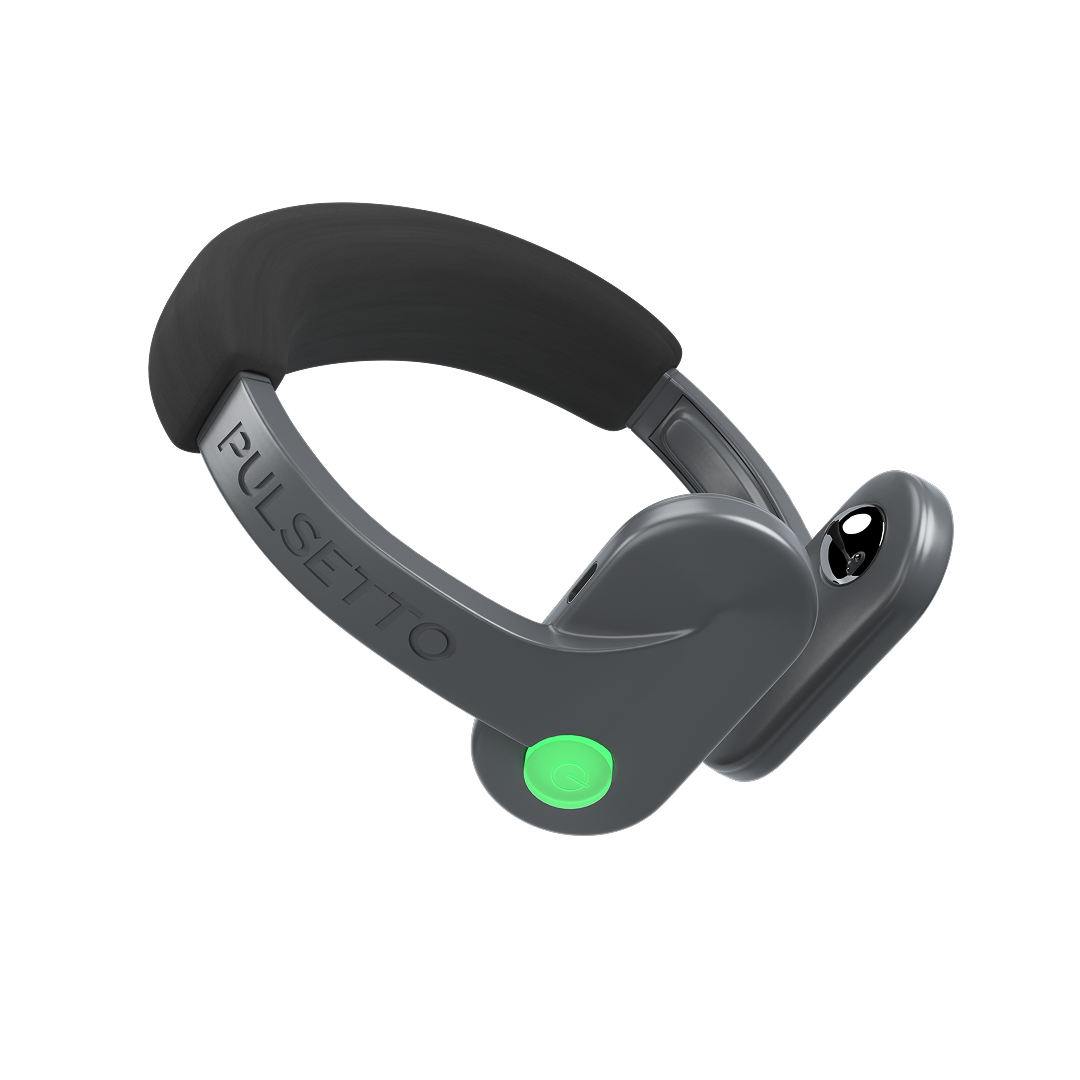
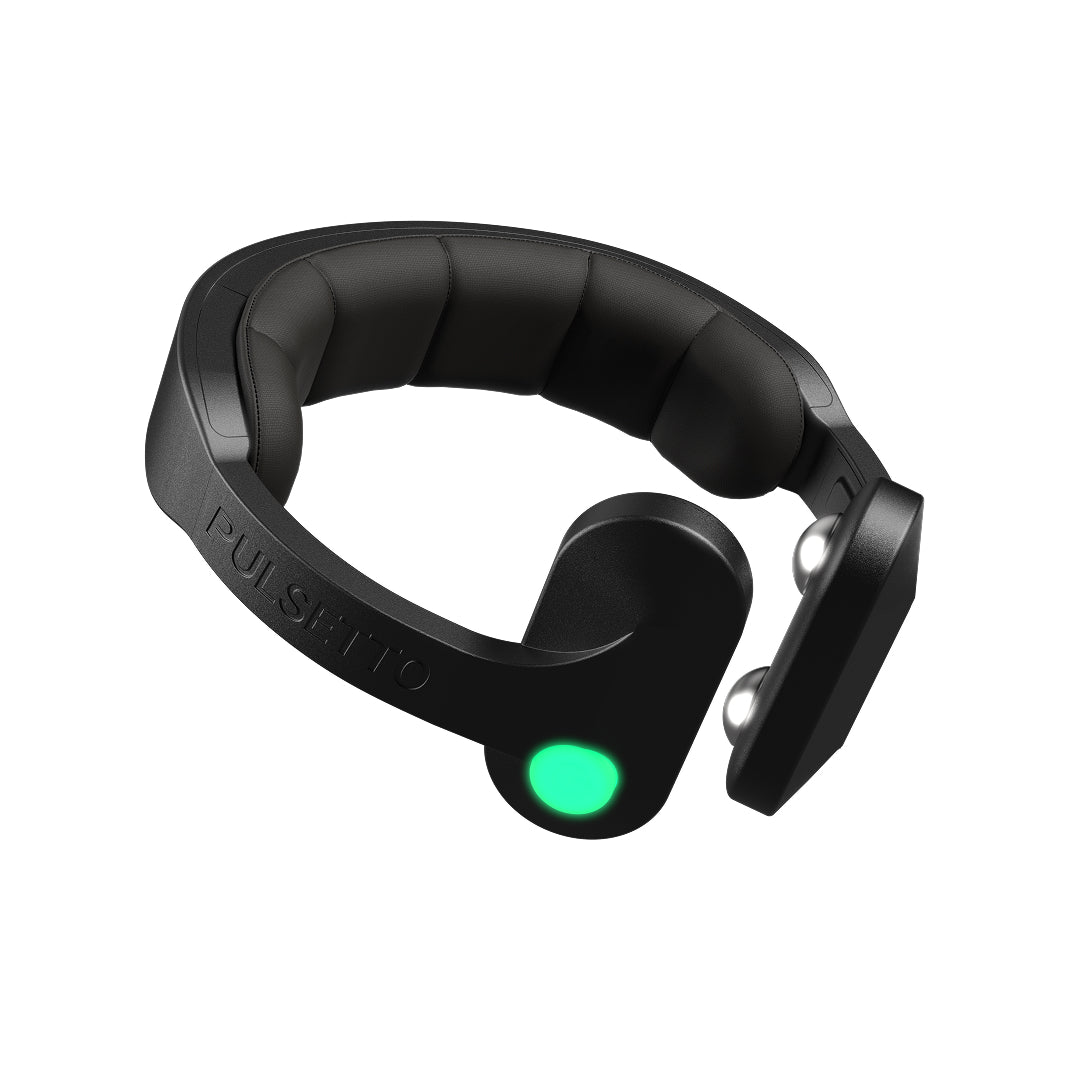
If neither device feels like a complete fit, it is worth knowing that other vagus nerve stimulators approach the problem differently. A neck-worn device like Pulsetto uses direct electrical stimulation at the side of the neck, targeting the vagus nerve more conventionally. That different mechanism may produce a different experience, and it is worth exploring if the chest or wrist options have not resonated with you. For context on how neurofeedback-adjacent devices compare in this space, see this overview of the best neurofeedback devices.
Considering a Third Option? Meet Pulsetto
![]()
![]()

For readers who found Sensate too passive or Apollo Neuro too expensive, Pulsetto offers a meaningfully different approach. As a neck-worn device, Pulsetto uses gentle electrical stimulation applied directly at the vagus nerve site in the neck, which is considered a more conventional approach to non-invasive VNS.
The device pairs with an app offering multiple programs for sleep, stress, anxiety, and burnout recovery. Pulsetto is generally priced lower than Apollo Neuro, making it a competitive option for those who want direct VNS without the premium price tag.
It is a wellness wearable, not a medical device, and benefits should be framed accordingly. However, for users who have read about electrical VNS and want to try that specific mechanism at home, Pulsetto closes a gap that neither Sensate nor Apollo Neuro fills. For a broader look at how newer devices in this space compare, the nurosym vs dolphin neurostim comparison is a useful reference point.
Explore Pulsetto's approach to vagus nerve stimulation at pulsetto.tech.
Frequently Asked Questions 💬
What is the highest rated vagus nerve stimulator?
There is no single universally top-rated device. The answer depends on what the user values most. Apollo Neuro consistently receives strong ratings for active daytime use and data tracking. Sensate is highly rated for passive, scheduled relaxation. Pulsetto is an increasingly well-regarded choice for users who specifically want neck-worn electrical VNS at a competitive price point.
Does the Apollo Neuro device really work?
Many users report genuine improvements in sleep onset, perceived stress, and daytime focus with consistent Apollo Neuro use. The device is a wellness wearable, not a medical treatment, and results are not guaranteed for everyone. Individual outcomes vary based on how frequently the device is used, which modes are chosen, and each person's unique physiology and baseline stress levels.
Does Bryan Johnson still use Nurosym?
Bryan Johnson, known for his Blueprint longevity protocol, has publicly associated himself with Nurosym, a transcutaneous (through-the-skin) VNS device worn at the ear. Whether he continues to use it as of 2026 is not confirmed publicly, and device preferences in biohacking communities shift frequently. Nurosym uses a different mechanism from both Sensate and Apollo Neuro and is a separate category worth researching independently if that approach interests you.
Does Apollo Neuro stimulate the vagus nerve?
Apollo Neuro is not technically a vagus nerve stimulator in the same conventional sense that electrical devices are. It delivers vibration through the skin and is thought to influence the autonomic nervous system indirectly through the sense of touch. The company describes it as signaling safety to the nervous system, which may involve vagal pathways. Devices like Pulsetto use direct electrical stimulation at the neck, which is considered a more direct approach to VNS.
How do Sensate and Apollo Neuro differ in price?
Sensate is generally the more affordable option, priced at approximately $299 USD as a one-time purchase. Apollo Neuro is typically priced between $349 and $399 USD, with an optional subscription for full app features, which adds to the total cost over time. Both prices should be verified on each brand's official website before purchasing, as pricing can change. For buyers on a tighter budget, Sensate offers a lower entry point into this device category.