Nurosym vs Hoolest VeRelief Prime: Quick Overview
Nurosym is a transcutaneous auricular vagus nerve stimulator developed by Parasym Health. It delivers electrical pulses to the ear and is designed primarily for adults seeking HRV support and stress relief through a clinically informed stimulation approach. Hoolest VeRelief Prime is a cervical vagus nerve stimulator that sits against the neck and is designed for accessible, daily relaxation and nervous system support without a steep technical learning curve.
Both devices serve health-conscious adults who want a non-pharmaceutical way to support their vagus nerve stimulation for anxiety and overall wellbeing, but they approach the problem from different anatomical angles.
Nurosym vs Hoolest VeRelief Prime Comparison Table
|
Category
|
Nurosym
|
Hoolest VeRelief Prime
|
|
Stimulation type
|
Transcutaneous auricular (ear)
|
Transcutaneous cervical (neck)
|
|
Placement
|
Clip attaches to the ear
|
Handheld electrodes placed on neck
|
|
Session length
|
Typically 30-60 minutes
|
Typically 2-5 minutes
|
|
HRV support
|
Core marketing focus, patented signal
|
Relaxation-focused, indirect HRV benefit
|
|
Price
|
~$399-$449, check nurosym.com
|
~$299-$349, check hoolest.com
|
|
Battery life
|
Rechargeable, multiple sessions per charge
|
Rechargeable, designed for daily short sessions
|
|
Warranty
|
1-year limited warranty
|
1-year limited warranty
|
|
App availability
|
Companion app included
|
No dedicated app required
|
The table above shows that while both devices target the same nervous system pathway, they differ meaningfully in session format, price, and how much app guidance they offer. The rest of this article unpacks what those differences mean in practice.
How Each Device Works: Technology and Stimulation Approach
Understanding the technology behind each device is the most important step in choosing between them. The stimulation site is not just a design preference. It reflects a genuine anatomical difference in how the vagus nerve is accessed, and that has practical consequences for how each session feels and fits into daily life.
How Nurosym Stimulates the Vagus Nerve

Nurosym uses transcutaneous auricular vagus nerve stimulation, commonly abbreviated as taVNS. The device clips onto the ear and delivers low-level electrical pulses to the auricular branch of the vagus nerve, which is thought to run close to the skin surface near the ear canal and the outer ear.
The ear is considered a practical access point because the vagal branch there is relatively superficial, meaning the electrical signal does not need to travel deep through tissue to reach it. Nurosym's approach is based on a patented electrical signal pattern that the company says is designed to produce a specific parasympathetic response (the body's rest-and-recovery mode). Sessions are typically longer than neck-based devices, often running 30 to 60 minutes, which means users generally incorporate them into a seated or resting activity like reading or working.
How Hoolest VeRelief Prime Stimulates the Vagus Nerve

VeRelief Prime targets the cervical branch of the vagus nerve by placing electrodes directly against the neck. The vagus nerve runs along both sides of the neck, and cervical stimulation is thought to activate it through a different anatomical pathway than ear-based devices.
The cervical approach may activate a broader section of the vagal trunk, though individual responses are thought to vary. Sessions with VeRelief Prime are notably shorter, often two to five minutes, which appeals to users who want a quick daily reset rather than a longer dedicated session. This shorter format makes it easier to fit into a morning or pre-sleep routine without rearranging the day.
As a complement to this comparison, it is also worth reviewing the Nurosym vs Apollo Neuro comparison, which covers another popular stimulation approach in the same category.
HRV Benefits: What Each Device May Offer
HRV, or heart rate variability, refers to the natural variation in timing between consecutive heartbeats. A higher HRV is generally associated with a well-regulated autonomic nervous system (the network that controls unconscious body functions like heart rate and digestion). Many wellness-focused adults track HRV as a rough indicator of recovery, stress load, and overall nervous system health.
Vagus nerve stimulation is thought to promote parasympathetic activation, which may support HRV improvement over time. Both Nurosym and VeRelief Prime are designed with this mechanism in mind, though they emphasise it differently.
Nurosym markets its device specifically around HRV improvement and positions its patented signal as a key differentiator. For a daily user, this means the device is designed with HRV-tracking users in mind. People who monitor their HRV through a wearable like an Oura Ring or Garmin watch may find Nurosym's framing and companion app more directly useful for cross-referencing their data.
VeRelief Prime users commonly report noticeable relaxation effects and reduced stress within a short session. These subjective experiences may correspond to HRV improvements, as the parasympathetic activation pathway is the same. However, individual results vary, and VeRelief Prime does not position itself as an HRV-specific tool in the same explicit way.
For buyers who are also considering similar devices in this category, the Nurosym vs Sensate and Nurosym vs TruVaga comparisons offer useful additional context on how different device types approach HRV support.
Side Effects and Safety Considerations
Both Nurosym and Hoolest VeRelief Prime are non-invasive devices designed for home use, and both are generally considered well-tolerated when used as directed. That said, understanding the common mild side effects before purchasing helps set realistic expectations and reduces the chance of misuse.
The most frequently reported mild effects across transcutaneous vagus nerve stimulators include:
-
Tingling or buzzing sensation at the stimulation site, either the ear or neck, which most users describe as noticeable but not painful
-
Mild skin irritation or redness at the electrode contact point, particularly with repeated daily use
-
Lightheadedness during or shortly after a session, especially if the intensity setting is too high for the individual
These effects are generally mild and temporary. Starting at the lowest intensity setting and increasing gradually over several sessions is the standard approach recommended by most manufacturers, including both Nurosym and Hoolest. Most users find that their tolerance builds naturally with consistent use.
Individuals with a pacemaker or other implanted cardiac device, a history of epilepsy or seizure disorders, or who are pregnant should consult a healthcare professional before using any vagus nerve stimulation device. This is not unique to these two products. It applies broadly across the category.
This article is informational and does not constitute medical advice. Anyone with an existing health condition should speak with a qualified healthcare provider before starting any new electrical stimulation regimen.
For a direct device-to-device safety comparison involving Pulsetto, the Nurosym vs Pulsetto article covers this in further detail.
Price, Value, and Warranty Compared
Price is often the deciding factor for comparison-stage buyers in this category, and it is one of the clearest areas of difference between these two devices.
Nurosym is priced at approximately $399 to $449 at the time of writing (verify current pricing at nurosym.com before purchasing). The device includes the stimulator unit, ear electrode, and access to the companion app. The warranty is typically one year from the date of purchase, and the company provides customer support for setup and troubleshooting. Given its patented technology and HRV-focused positioning, Nurosym sits firmly in the premium tier of the consumer vagus nerve stimulation market.
Hoolest VeRelief Prime is priced at approximately $299 to $349 (verify current pricing at hoolest.com before purchasing). The package includes the handheld stimulator and electrodes. Like Nurosym, it comes with a standard one-year limited warranty. VeRelief Prime represents a more accessible price point without requiring an app subscription or additional software.
On a value-per-dollar basis, Nurosym delivers a clinical-grade feel with HRV integration, which justifies the higher price for users who are already tracking biometrics and want their device to slot into that workflow. VeRelief Prime delivers a simpler, faster daily session at a lower cost, which suits users who prioritise ease of use over data depth.
For buyers where the price of either device feels like a stretch, it is worth noting that Pulsetto offers a neck-worn, app-guided vagus nerve stimulator at a competitive price point that sits alongside both devices as a credible alternative to consider.
Relevant comparisons in this price tier include the Pulsetto vs Hoolest breakdown and the Nurosym vs Amofit S comparison for additional budget reference points.
Usability, Battery Life, and Certifications
For a device being used daily, practical ownership factors matter as much as the underlying technology. This section covers what daily life with each device actually looks like.
Battery life for both devices is adequate for typical use patterns. Nurosym uses a rechargeable battery that generally supports multiple 30-minute sessions before needing a charge, connecting via a standard USB charging cable. VeRelief Prime is designed around short two-to-five-minute daily sessions, meaning battery drain per session is minimal and a single charge typically lasts several days of normal use. For most users, battery anxiety is unlikely to be a practical concern with either device.
On certifications, Nurosym holds CE marking, which indicates it has met safety and performance standards required for sale in European markets. Hoolest VeRelief Prime is marketed primarily in the United States and carries relevant FDA registration documentation as a wellness device. It is important to note that CE marking and FDA registration are indicators of manufacturing and safety standards. They are not endorsements of medical efficacy or treatment of any condition. Buyers should verify current certification status on each brand's official product page, as regulatory status can change.
For ease of use, the two devices differ meaningfully. Nurosym pairs with a companion app that guides session settings and, for users tracking HRV, helps contextualise results over time. It has more setup involved, which makes it slightly less beginner-friendly out of the box. VeRelief Prime requires no app and is designed for immediate use: apply the electrodes to the neck, select an intensity, and start the session. For first-time vagus nerve stimulation users who want the simplest possible entry point, VeRelief Prime is easier to pick up and use within minutes.
Additional usability comparisons for this device category are available in the Nurosym vs Neuvana Xen and Nurosym vs Vagustim articles.
Which Device Is Right for You? Final Verdict
After comparing technology, HRV benefits, side effects, price, and usability, the choice between these two devices comes down to user priorities rather than one device being objectively superior.
Choose Nurosym if you are already tracking HRV with a wearable, want a device built around a patented stimulation signal, and are comfortable with longer sessions and a higher price point. It suits users who approach nervous system support analytically and want their stimulation device to fit within a broader biometric tracking routine.
Choose Hoolest VeRelief Prime if you prefer a cervical (neck) placement, want the shortest possible daily session format, or are working with a tighter budget. It is also the more beginner-friendly option for anyone new to vagus nerve stimulation who wants to start simply without app onboarding.
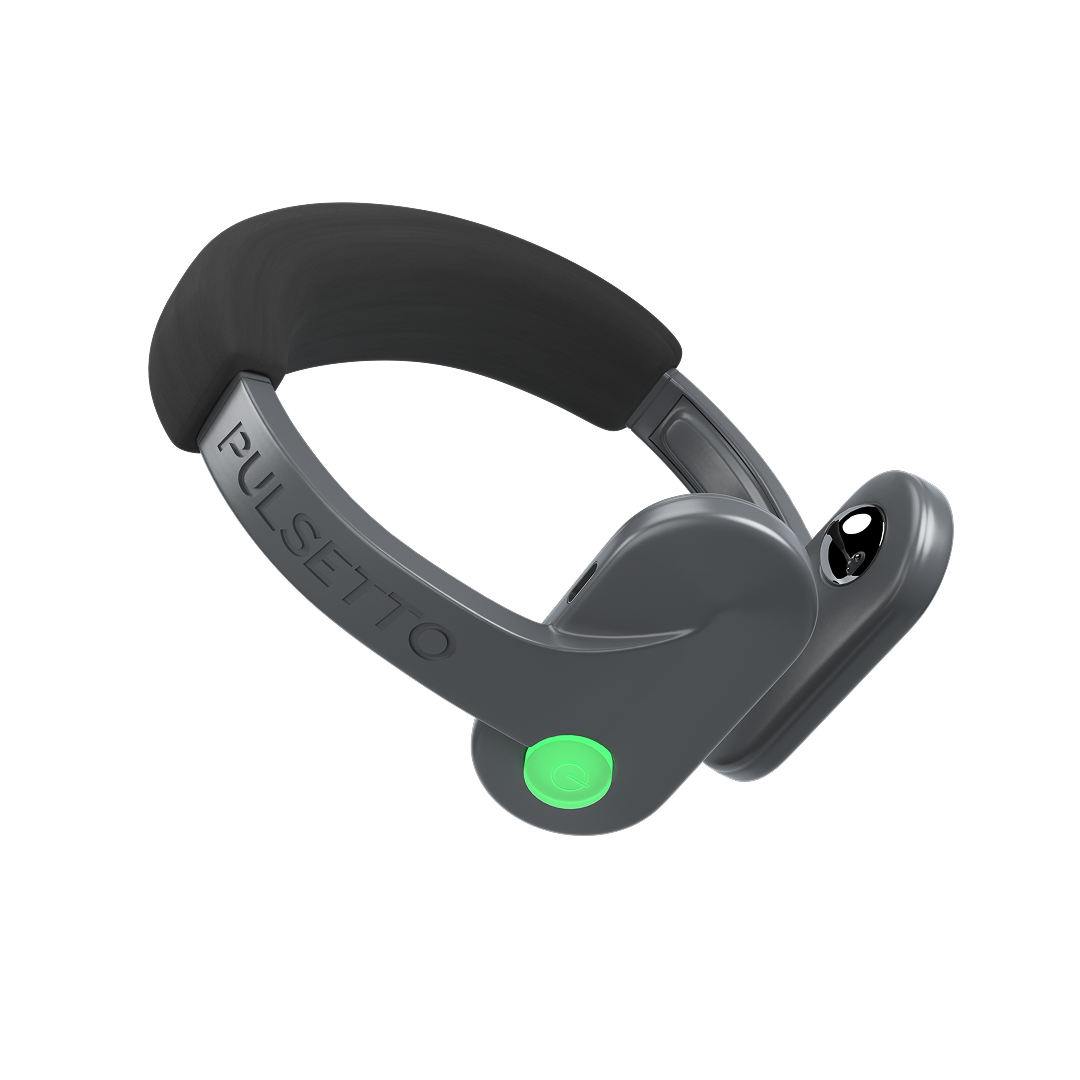
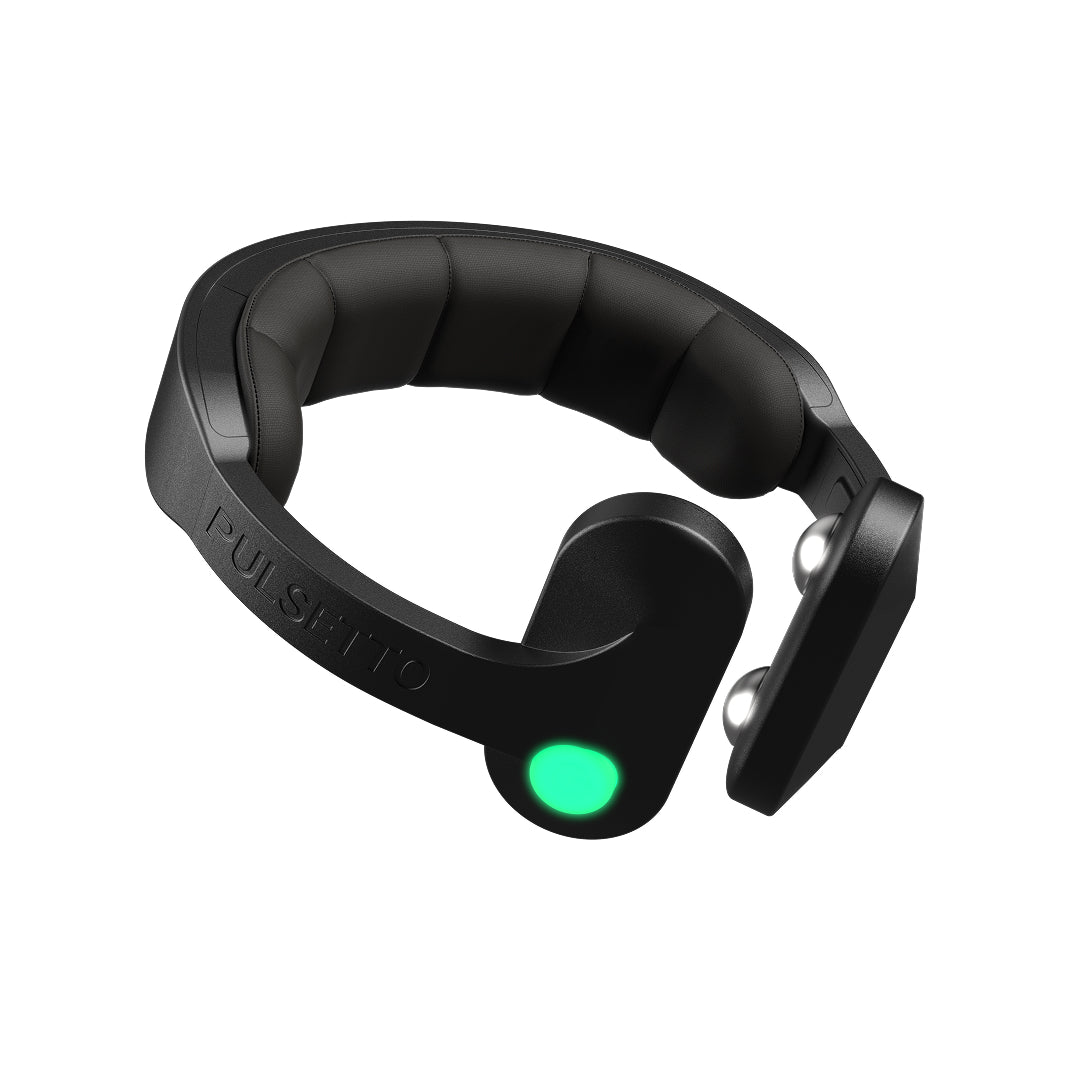
For readers who are still undecided, or who found that each device has a trade-off they are not comfortable with, Pulsetto is worth exploring as a third option. Pulsetto is a neck-worn vagus nerve stimulator with app-guided sessions and a competitive price point that sits between the two devices reviewed here.
Further comparisons across this device category are available through the Nurosym vs Dolphin Neurostim and Nurosym vs Caremax TENS articles.
Ready to Explore a Third Option?

If this comparison has left you genuinely uncertain, that is a reasonable response. Both Nurosym and Hoolest VeRelief Prime are well-regarded devices with real trade-offs. Nurosym costs more and requires longer sessions. VeRelief Prime is simpler but lacks app guidance and HRV integration.
Pulsetto is designed to address exactly that middle ground. As a neck-worn vagus nerve stimulator, Pulsetto is designed to deliver app-guided vagus nerve stimulation sessions in a format that is accessible for daily use. Some users report noticeable improvements in stress levels and sleep quality with consistent use. It may support parasympathetic activation in a similar way to both devices reviewed here, and it comes with a guided app experience that makes onboarding straightforward for first-time users.
Pulsetto is not positioned as a medical device, and results will vary by individual. But for buyers who want a neck-worn design, app-guided sessions, and a price point that does not require the commitment of Nurosym's premium tier, it is a credible alternative to add to the shortlist before deciding.
Frequently Asked Questions 💬
What is the best vagus nerve stimulator on the market?
The best vagus nerve stimulator depends on individual goals, preferred placement (ear versus neck), and budget. There is no single absolute winner across all use cases. Nurosym is often cited for its HRV focus and patented technology. Hoolest VeRelief Prime is noted for simplicity and shorter sessions. Pulsetto is frequently compared to both for its app-guided approach and competitive pricing. Each has distinct strengths worth evaluating against your personal priorities.
What is a cheaper alternative to Nurosym?
Hoolest VeRelief Prime is one of the most commonly compared alternatives to Nurosym at a lower price point, offering cervical stimulation in a simpler, app-free format. Pulsetto is another alternative that provides app-guided vagus nerve stimulation at a competitive price. Both are worth checking on their official product pages for current pricing, as costs in this category shift periodically and promotional pricing is common.
Is Nurosym worth it?
Nurosym's strengths are real: a patented stimulation signal, a focus on HRV improvement, and a clinical-grade approach that appeals to data-driven users. Whether it is worth the price depends largely on how consistently it is used and whether HRV tracking is already part of your wellness routine. For users who will use it daily and value the app integration, the investment may be justified. For occasional users, comparing it against more affordable alternatives before committing is a sensible step.
What is the best vagus nerve stimulator for tinnitus?
Vagus nerve stimulation for tinnitus is an emerging area of interest, and some early findings suggest it may be worth exploring in this context. However, it is not a guaranteed treatment for tinnitus, and no consumer device currently reviewed here is cleared or indicated for tinnitus management. Anyone exploring this use case should consult a healthcare professional before purchasing any device for this purpose. Dedicated resources on vagus nerve stimulation and tinnitus are available through medical and audiology channels for more detailed guidance.