Select your device:
New premium model
Pulsetto FIT
Best comfort, longer battery, plus extra perks

Pulsetto Lite
Best for most users







Select device:
New premium model
Pulsetto FIT
Best comfort, longer battery, plus extra perks
Pulsetto Lite
Best for most users
What the Parasympathetic Nervous System Actually Does

The autonomic nervous system (your body's automatic control system) runs two opposing branches. The sympathetic branch handles fight-or-flight responses, flooding the body with stress hormones when a threat appears. The parasympathetic branch does the opposite, slowing the heart, easing digestion, lowering cortisol, and moving the body into a recovery state often called rest-and-digest.
When the parasympathetic system is active, breathing deepens, muscles soften, and the gut resumes normal function. The body can repair, consolidate memory, and regulate mood. These are not minor benefits. They are the biological foundation of feeling well.
The problem is that modern stress keeps many people stuck in sympathetic dominance. The nervous system cannot easily tell the difference between a genuine physical threat and a packed inbox or a difficult conversation. Over time, that imbalance may contribute to poor sleep, elevated blood pressure, digestive issues, and difficulty managing emotions.
The vagus nerve is the central highway of the parasympathetic system. It runs from the brainstem through the neck, chest, and abdomen, connecting the brain to nearly every major organ. This is why so many vagus nerve stimulation for stress techniques work, and why understanding this nerve is key to understanding how to improve HRV and overall nervous system balance. Learning how to improve hrv is directly connected to strengthening this same system.
Proven Techniques to Activate the Parasympathetic Nervous System
The single most effective and immediately accessible method is slow breathing with an extended exhale. Every technique below works by sending a signal through the vagus nerve to the brain, communicating that the environment is safe and that recovery can begin.
Slow Breathing and Extended Exhale
Diaphragmatic breathing with an extended exhale is one of the fastest and most well-supported parasympathetic activation methods available. The mechanism is straightforward. When you exhale slowly, the heart rate naturally slows through a process called respiratory sinus arrhythmia. The longer the exhale relative to the inhale, the stronger this effect tends to be.
How to do it:
-
Sit or lie down in a comfortable position. Place one hand on your belly and one on your chest.
-
Inhale slowly through the nose for 4 counts, allowing the belly to rise rather than the chest.
-
Exhale through the mouth or nose for 6 to 8 counts, letting the belly fall completely.
-
Repeat for 5 to 10 breath cycles.
People who practice this regularly often describe a noticeable drop in physical tension within the first two or three cycles. The extended exhale is the critical element. A short, shallow exhale does not produce the same effect.
Box breathing is a useful variation: inhale for 4 counts, hold for 4, exhale for 4, hold for 4. It is slightly less targeted toward parasympathetic activation than the extended exhale method, but many people find it easier to remember under stress.
Vagus Nerve Activation Through Sound and Cold
The vagus nerve passes through the throat and has branches near the skin of the neck and face, which makes it accessible through simple physical stimulation.
Humming or gargling creates vibrations in the throat that travel directly to the vagus nerve. The mechanism is mechanical. The vibration stimulates the nerve endings clustered around the vocal cords and upper airway, which may trigger a parasympathetic shift within a few minutes.
How to do it:
-
Take a deep breath in.
-
Hum on the exhale at a comfortable pitch, extending the sound for as long as feels natural.
-
Repeat 5 to 10 times. Gargling vigorously with water for 30 seconds produces a similar effect.
Cold water on the face triggers what physiologists call the diving reflex, a hardwired survival response that slows the heart rate rapidly when the face contacts cold water. This reflex is mediated through branches of the vagus nerve and the trigeminal nerve (the large sensory nerve covering the face).
How to do it:
-
Fill a bowl with cold water, or simply use cold running water from a tap.
-
Splash the water onto your face, or hold a cold, damp cloth against your cheeks and forehead for 20 to 30 seconds.
-
For a stronger effect, submerge your face briefly in a bowl of cold water and hold for 10 to 15 seconds while keeping your heart rate calm.
The effect can be felt within seconds, making this one of the most useful options for acute stress moments.
Gentle touch on the lips stimulates parasympathetic nerve branches near the surface of the face. Lightly pressing a fingertip to the lips or holding a warm cup with both hands and bringing it close to the face are lesser-known but practical variations on this principle.
To learn more about the full range of options, the guide on how to stimulate the vagus nerve covers additional methods in detail.
Mindfulness, Body Awareness, and Gentle Movement
Mindfulness and body scan meditation reduce sympathetic dominance by shifting attention away from perceived threats. When the mind is focused on present-moment sensory detail rather than ruminating on stressors, the threat-detection system in the brain receives fewer activating signals. Over time, this may lower baseline cortisol and support a healthier heart rate.
A simple body scan:
-
Lie flat or sit upright with eyes closed.
-
Starting at the top of the head, slowly move attention down through the face, neck, shoulders, chest, abdomen, and legs.
-
Notice tension without trying to force it away. The act of noticing is often enough to soften it.
-
Spend 5 to 10 minutes on this practice.
Yoga and tai chi combine breath regulation with slow, intentional movement. Both practices appear to support sustained parasympathetic tone over time, meaning regular practitioners tend to have lower resting heart rates and better stress recovery. The combination of conscious breathing and deliberate movement engages the vagus nerve through multiple channels simultaneously.
For more practical methods to how to calm your nervous system and how to reduce anxiety, both resources offer complementary techniques that pair well with those described here.
How to Activate the Parasympathetic Nervous System Instantly
When stress hits in the moment, these three techniques are the most reliable options for a fast shift. Each one works within seconds to minutes and requires no equipment.
-
The physiological sigh. Take two quick inhales through the nose in succession, then release a long, slow exhale through the mouth. This double-inhale fully inflates the lungs and maximises the calming effect of the extended exhale. Most people notice a shift within one or two breath cycles. This is currently considered one of the fastest known methods for reducing acute stress.
-
Cold water on the face or neck. Splash cold water on the face, press a cold cloth to the back of the neck, or briefly submerge the face in cold water. The diving reflex engages almost immediately, slowing the heart rate within seconds. This works even if the mind is still racing.
-
Grounding through the senses. Press both feet firmly and flat against the floor. Name five things you can see in the room, four things you can physically touch, three things you can hear. This technique interrupts the stress response by redirecting the nervous system's attention to immediate, non-threatening sensory input, which signals safety to the brain.
For a more detailed protocol, the how to relieve stress guide covers acute and longer-term strategies together.
Vagus Nerve Stimulation as a Technology-Assisted Approach
Manual techniques are effective, but consistency is where most people struggle. Breathing exercises require practice. Cold water exposure can feel daunting. Meditation takes time to build as a habit. This is where technology-assisted vagus nerve stimulation offers a different kind of value.
Non-invasive vagus nerve stimulation works by delivering gentle, low-level electrical pulses to the skin of the neck, where the vagus nerve runs close to the surface. These pulses may help encourage the same parasympathetic response that breathing and cold exposure produce, without requiring active technique performance in the moment.
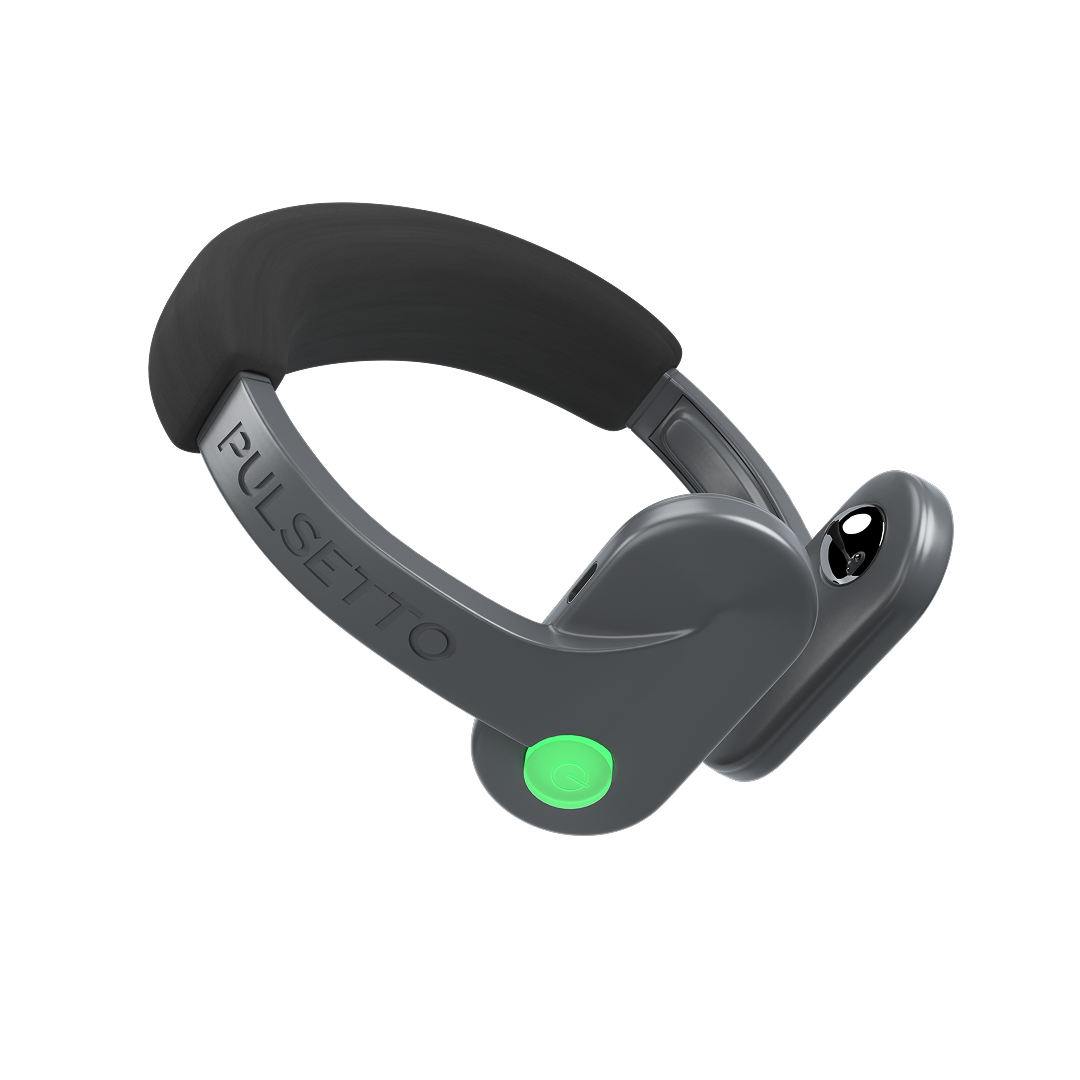
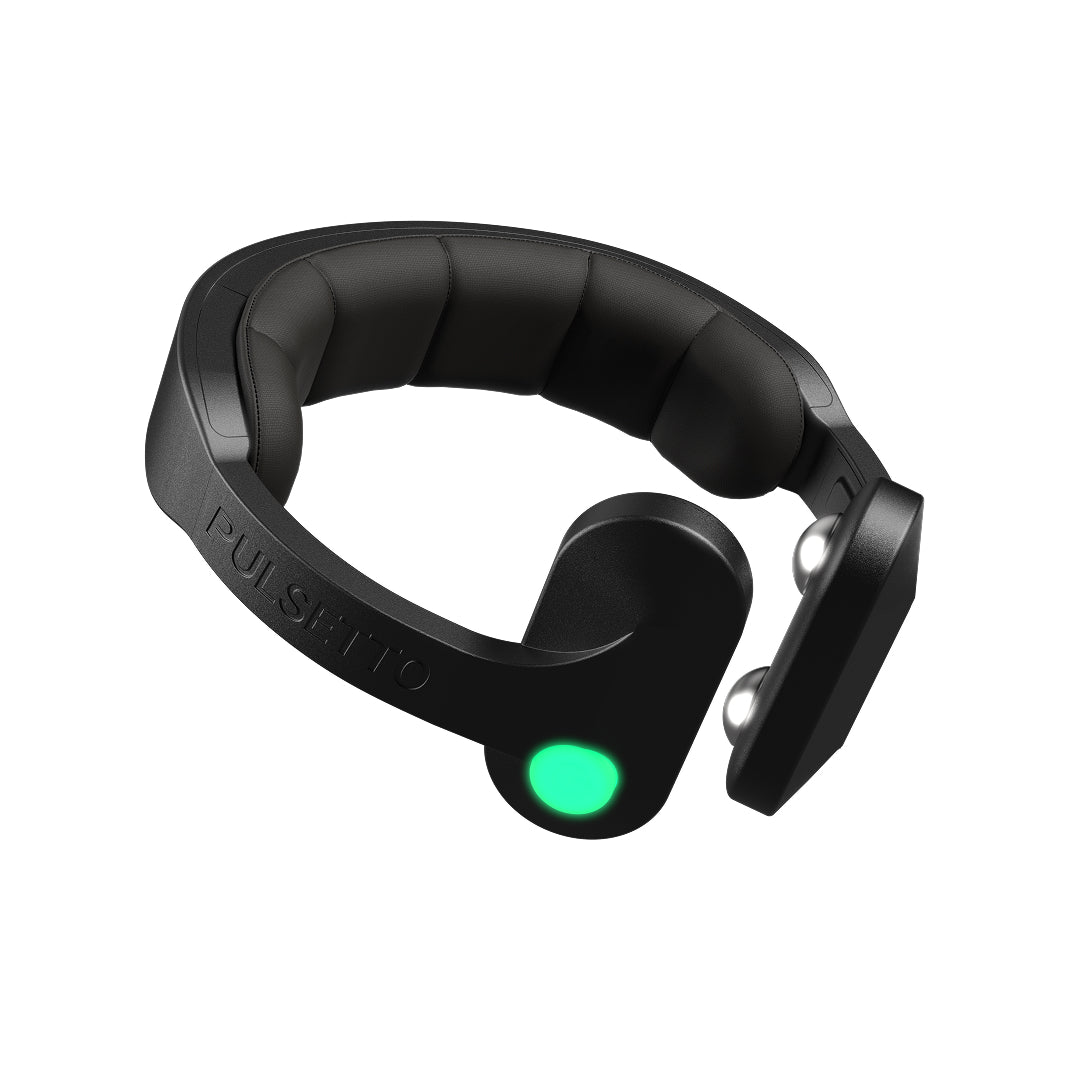
A vagus nerve stimulator like Pulsetto is designed for consistent daily use, which matters because parasympathetic tone (how active and responsive the rest-and-digest system is) builds over time through regular stimulation. A single session may produce a calming effect, but sustained improvement in stress resilience and sleep quality is more likely to come from daily practice over weeks.
Pulsetto is designed to support the body's natural rest-and-digest response. It is a wellness device, not a medical treatment, and it is intended to complement other healthy habits rather than replace them. Vagus nerve stimulation for anxiety is one of the more common reasons people explore this technology, and many users report feeling calmer and sleeping more easily with regular use, though individual results vary.
For those comparing options, the guide on choosing a nervous system regulation device covers the key differences between available tools.
Technology-assisted stimulation works best as part of a broader routine that includes good sleep hygiene, movement, and stress management practices. It is the consistency piece that many people find hardest to maintain on their own.
How to Know If Your Parasympathetic Nervous System Is Working
The clearest signs of parasympathetic activation are physical and observable. A slowing heart rate is one of the first signals. Breathing naturally deepens and slows. Tension in the jaw, shoulders, and hands begins to release. Many people describe a subtle but distinct sense of settling, as though the body has decided it is safe to stop bracing.
Digestive sounds in the abdomen can also indicate activation. When the rest-and-digest system is running, the gut resumes its normal rhythmic contractions. Noticing stomach activity during or after a breathing practice is a reliable sign that the parasympathetic branch is engaged.
For a measurable signal, heart rate variability (HRV) is the most reliable proxy. HRV measures the natural variation in time between heartbeats. Higher variability generally indicates stronger parasympathetic tone and better capacity to recover from stress. Many consumer smartwatches and fitness trackers now report HRV, making it possible to track improvement over days and weeks without specialist equipment.
Resting heart rate trends over time also provide useful information. A gradually decreasing resting heart rate alongside a consistent activation practice often indicates that the nervous system is becoming more balanced.
For more detail on the relationship between the parasympathetic system and mood, the article on parasympathetic nervous system anxiety explains how this connection works.
Building a Daily Routine That Supports Parasympathetic Health
Occasional activation helps in the moment, but lasting change in stress resilience comes from consistency. Short, regular sessions are thought to build parasympathetic tone more effectively than occasional longer efforts.
A practical starting point is 5 to 10 minutes of breathing or vagus nerve stimulation in the morning before the day's demands begin. This primes the nervous system from the start rather than trying to recover from accumulated stress at the end of the day.
A second pre-sleep session can support easier sleep onset. The transition from wakefulness to sleep is itself a parasympathetic process, and spending a few minutes on slow breathing or gentle body scanning before bed may help the nervous system make that shift more smoothly. For more on this, the guide on how to increase deep sleep connects sleep quality directly to nervous system state.
Combining approaches tends to work better than relying on one method alone. A morning breathing practice paired with a short evening session using a wearable stimulation device, for example, addresses both the need for active technique and the value of consistent passive support.
Small environmental cues make habit formation easier. A dedicated chair, a specific playlist, or a recurring phone reminder at the same time each day reduces the mental effort required to begin a session. The technique itself matters less than showing up for it reliably.
For those looking to build a broader reset practice, the resource on how to reset vagus nerve offers a structured approach to nervous system recovery.
The goal is not a rigid protocol. It is a flexible personal practice that fits into real life and gets easier with repetition.
Ready to Make Parasympathetic Activation Easier?
The techniques in this article are free, accessible, and effective. But many people find that the hardest part is not learning what to do. It is doing it consistently when life is busy, stressful, and unpredictable.
Pulsetto is designed for exactly that situation. As a wearable vagus nerve stimulation device, it is designed to support the parasympathetic response without requiring perfect technique or dedicated focus in the moment. Users simply wear the device at the neck, select a session, and let the gentle pulses work while they sit, read, or rest.

Many users report feeling calmer and noticing improved sleep quality within the first few weeks of regular use, though results vary between individuals. Pulsetto is a wellness tool, not a medical device, and it works best alongside the breathing practices and lifestyle habits described throughout this guide.
If you want to explore further, the guide on stomach vagus nerve massage offers a practical complementary technique, and the detailed resource on how to stimulate vagus nerve covers the full range of manual approaches.
For those who want reliable, consistent support without relying on willpower alone, Pulsetto offers a straightforward next step.
Frequently Asked Questions 💬
How to activate the parasympathetic nervous system instantly?
The fastest known method is the physiological sigh: take two quick inhales through the nose in rapid succession, then release one long, slow exhale through the mouth. Most people feel a calming shift within one or two breath cycles. Splashing cold water on the face is a close second, triggering the diving reflex within seconds by stimulating the vagus nerve through the face.
How to reset a dysregulated nervous system?
Resetting a dysregulated nervous system is rarely a single-session fix. It typically requires consistent daily practice over several weeks. Approaches that may support gradual reregulation include regular breathing exercises, adequate and consistent sleep, reduced caffeine intake, and regular vagus nerve stimulation. For persistent or severe dysregulation that affects daily functioning, professional support from a therapist or physician is the advisable first step.
How do I know if my parasympathetic nervous system is working?
Observable signs include a noticeably slower heart rate, deeper and more relaxed breathing, and reduced tension in the jaw, neck, and shoulders. A general sense of calm or settling is a reliable subjective indicator. Heart rate variability (HRV), the variation in time between heartbeats, is a measurable proxy for parasympathetic tone and can be tracked with most consumer smartwatches. Audible gut activity during or after a session can also signal that the rest-and-digest state is active.
What are the 4 parasympathetic nerves?
The four cranial nerves with parasympathetic function are the oculomotor nerve (CN III, which controls pupil response), the facial nerve (CN VII, which serves glands in the head), the glossopharyngeal nerve (CN IX, which connects to the throat and parotid gland), and the vagus nerve (CN X). The vagus nerve carries the vast majority of the body's parasympathetic signals and is the most significant of the four by a wide margin. Sacral spinal nerves also carry parasympathetic signals to the lower abdomen and pelvis.
Can a wearable device help activate the parasympathetic nervous system?
Non-invasive vagus nerve stimulation devices deliver gentle electrical pulses to the neck, where the vagus nerve sits close to the skin. These pulses may encourage a parasympathetic response by stimulating the nerve directly, similar in effect to what breathing exercises achieve through breath mechanics. Some users report reduced stress and improved sleep quality with consistent daily use. Wearable devices like Pulsetto are wellness tools and are not intended to replace medical treatment or diagnosis.