Understanding Anxiety Before You Cope With It
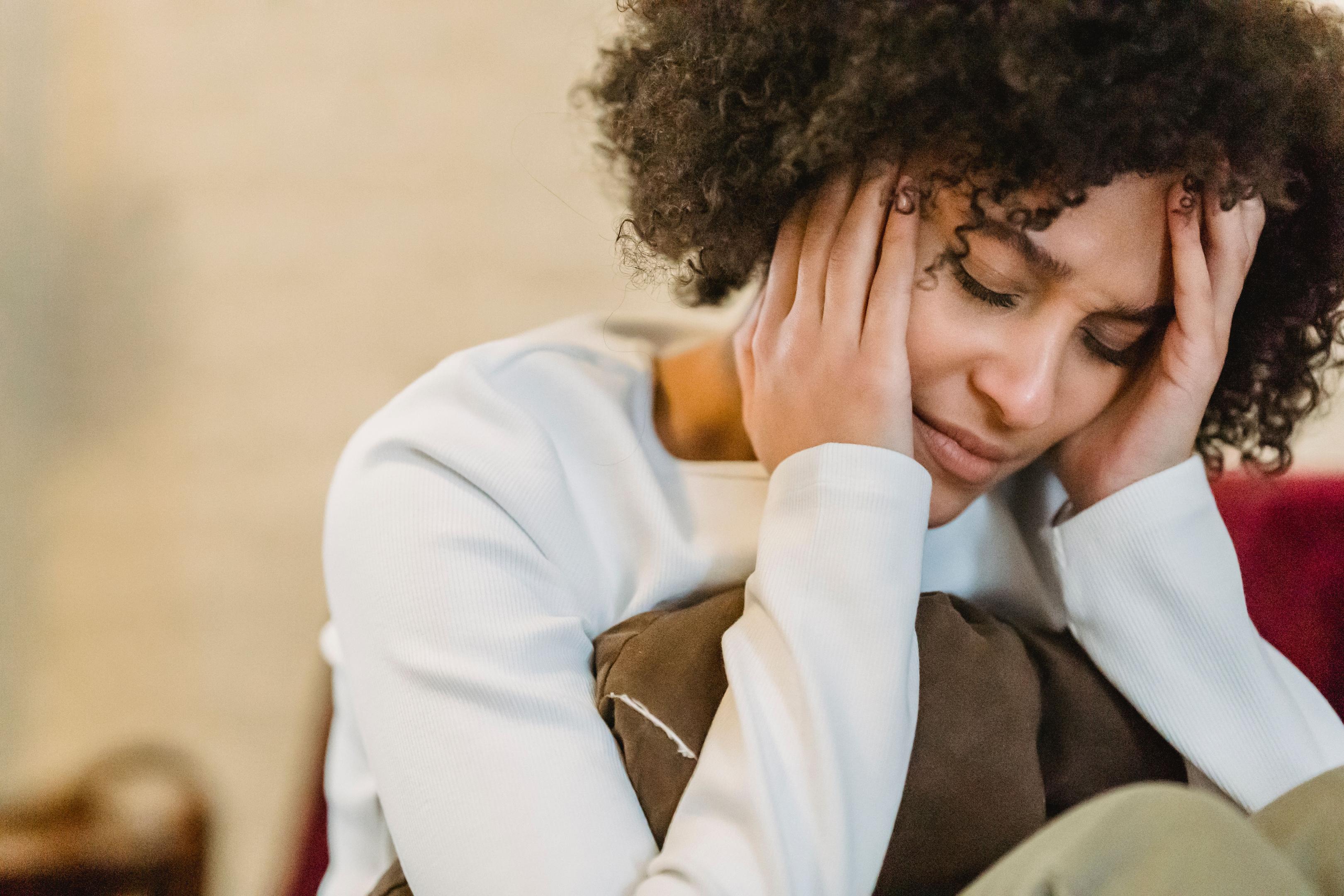
Stress and anxiety are related but distinct. Stress is a response to external causes and typically resolves when the stressor passes. Anxiety is characterized by excessive, prolonged worry that can persist even when no immediate external cause remains. Over time, chronic stress can lead to serious health consequences including worsening mental health conditions like depression, which is why coping mechanisms for anxiety that address both the acute moment and the underlying pattern are more useful than single-technique approaches.
Identifying the type of anxiety a person experiences, whether situational, generalized, or social, helps match the most relevant coping strategies to the situation. Coping with anxiety becomes more effective once triggers are identified, because recognizing what causes anxiety is itself an important first step toward managing it rather than being managed by it.
Breathing and Grounding: Best Coping Skills for Anxiety
When anxiety spikes, the fastest coping techniques for anxiety are those that directly interrupt the fight-or-flight response before it fully takes hold. Breathing and grounding are the two most accessible immediate interventions, requiring no equipment and producing effects within minutes. A systematic review of 58 clinical trials found that regulated breathing practices were effective in reducing stress and anxiety in the vast majority of interventions examined, with slow-paced techniques and multiple practice sessions producing the most consistent results (Bentley et al., Brain Sciences, 2023). Working on how to activate parasympathetic nervous system response is exactly what slow-paced breathing techniques like box breathing do, and both methods below produce this shift within a few cycles.
Box Breathing
Box breathing is a simple technique that directly regulates the autonomic nervous system by slowing the breath and increasing parasympathetic activity. The sequence: inhale for 4 counts, hold for 4, exhale for 4, hold for 4. Repeat 3 to 4 cycles. The equal hold phases are what distinguish box breathing from standard slow breathing, extending the calming effect further than inhale-exhale alone. Use it at the first sign of anxiety rising, before an anxiety-provoking situation, or as a daily practice.
The 5-4-3-2-1 Grounding Method
The 5-4-3-2-1 method anchors attention to the present moment by moving through the five senses: name 5 things you can see, 4 you can touch, 3 you can hear, 2 you can smell, and 1 you can taste. Grounding techniques can effectively address the physical symptoms of anxiety coping skills challenges by redirecting attention away from anxious thoughts and toward immediate, non-threatening sensory experience. Grounding sits among the most practical tips for instant anxiety relief precisely because it requires no equipment and works in any setting.
The 3-3-3 Rule for Coping
The 3-3-3 rule is a simplified grounding variation: name 3 things you can see, 3 sounds you can hear, and move 3 parts of your body. It serves as a quick mental reset that is easy to remember during acute anxiety because the structure is short enough to recall under pressure. Mindfulness can help interrupt spiraling anxious thoughts by bringing awareness back to the present moment, and the 3-3-3 rule is one of the most accessible entry points into that practice.
Cognitive Coping Strategies for Anxiety
Cognitive coping strategies work by changing the relationship between anxious thoughts and behavior rather than simply managing physical symptoms. These techniques require more practice than grounding but tend to produce more durable results because they address the thinking patterns that generate anxiety rather than the physiological symptoms that result from it. Together with behavioral approaches, they form the backbone of evidence-based anxiety coping strategies.
Cognitive Reframing
Cognitive reframing helps replace catastrophic or distorted anxious thinking with more realistic assessments. When anxiety presents worst-case thinking, asking two questions tends to interrupt it: "What is the most likely outcome?" and "What would I tell a friend in this situation?" Therapy can personalize coping strategies for anxiety management and guide cognitive reframing in a structured way, which tends to produce deeper and more durable results than self-guided practice alone.
Worry Time
Worry time is a structured technique: set aside 15 to 20 minutes at the same time each day specifically to focus on worries, and gently redirect anxious thoughts to that scheduled window when they arise outside it. The goal is not to suppress worry but to reduce its intrusion throughout the day by giving it a legitimate place. Over time, this trains the mind to hold worry more lightly outside the scheduled window.
Brain Dumping
Brain dumping involves writing out overwhelming thoughts in full without filtering or editing. Getting thoughts out of the mind and onto paper reduces their perceived intensity by making them concrete and finite rather than ambient and boundless. Journaling helps process anxious thoughts and emotions, and a brain dump done at the end of the day or during an overwhelming moment acts as a pressure-release valve for accumulated cognitive load.
How to Stop Worrying About Things You Cannot Control
A core coping skill to reduce anxiety is separating what is within a person's control from what is not. Writing two columns, "within my control" and "outside my control," and focusing energy exclusively on the first column reduces the exhaustion that comes from trying to manage unmanageable situations. Mindfulness involves noticing thoughts without judgment, and applying this to the "outside my control" column helps reduce the emotional weight of circumstances the person cannot influence.
Physical Coping Skills for Anxiety
The body and mind are closely connected in anxiety, and physical movement is one of the most evidence-supported coping tools available. Aerobic exercise releases endorphins, reduces tension, and has direct effects on the neurochemical systems that regulate mood and anxiety. A meta-analysis found that exercise interventions produced meaningful reductions in anxiety symptoms, with aerobic exercise consistently demonstrating the strongest anxiolytic effects across diverse adult populations (Song et al., PMC, 2023).
Aerobic Exercise
The NHS and most mental health guidelines recommend at least 2.5 hours of moderate aerobic activity weekly for mental health benefits. Jogging, cycling, swimming, and brisk walking all qualify. Vigorous activity like jogging has particularly strong evidence for stress and anxiety reduction, likely because it drives higher levels of endorphin release and creates a significant shift in physiological state. Physical activity improves overall mental wellbeing through multiple pathways including cortisol regulation, improved sleep quality, and increased sense of agency.
Gentle Movement
Walking and yoga release adrenaline and endorphins without requiring high intensity, making them an accessible starting point for people new to exercise or managing anxiety during a particularly difficult period. Skills for coping with anxiety at lower intensity still engage the stress-release pathway, and even a 10-minute walk has a measurable effect on acute anxiety. Regular movement of any kind helps regulate the nervous system over time. Those who want to complement movement with structure can explore best relaxation exercises alongside a walking or yoga practice.
Progressive Muscle Relaxation
Progressive muscle relaxation involves tensing and releasing muscle groups systematically from feet to face. Anxiety accumulates in the muscles as physical tension, and PMR addresses this directly by teaching the body to recognize and release that tension deliberately. Practicing it regularly can alleviate bodily stress that would otherwise build across the day. It works particularly well before bed or during a quiet break, when there is enough stillness to move through the full sequence without interruption.
Lifestyle Habits That Support Long-Term Anxiety Management
Coping skills work best when supported by consistent lifestyle habits that reduce baseline anxiety. The list of coping skills for anxiety that produce the most durable results is mostly behavioral: the habits that regulate the nervous system over weeks rather than minutes. A structured ultimate stress relief protocol that combines these habits gives the body a consistent baseline from which all other coping skills to manage anxiety work more effectively.
Sleep and Routine
Poor sleep significantly increases anxiety sensitivity the following day. Maintaining a consistent wake time is one of the highest-impact habits for anxiety management because it anchors the circadian rhythm, which directly affects cortisol regulation, emotional reactivity, and stress tolerance. Going deeper on how to increase deep sleep is one of the highest-impact steps for lowering baseline anxiety sensitivity, since deep sleep is when the nervous system performs its most significant restoration.
Limiting Caffeine and Alcohol
Both caffeine and alcohol increase nervous system arousal, which directly worsens anxiety. Caffeine stimulates the same physiological pathways as the stress response, and even moderate intake can worsen anxiety in sensitive individuals. Alcohol, despite its initial sedating effect, disrupts sleep architecture and increases anxiety the following day as it metabolizes. Avoiding excessive caffeine and alcohol is one of the most evidence-backed lifestyle changes for anxiety management.
Self-Soothing and Creative Expression
Self-soothing techniques use sensory input to calm the nervous system: calming scents, soothing sounds, warm temperatures, and familiar textures all signal safety to the body and shift autonomic state. Weighted blankets, diffusers, and noise-canceling headphones are among the best relaxation tools for sensory-based self-soothing. Creative expression through drawing, writing, music, or crafting provides a complementary outlet: it regulates the nervous system by providing a focused, absorbing activity that occupies anxious mental energy constructively.
Social Support
Seeking connection with others is one of the most effective lifestyle habits for anxiety management. Human connection directly regulates the nervous system through co-regulation, the neurobiological process by which being around calm, safe people shifts one's own physiological state. Low-pressure connection, such as a walk with a friend, a phone call, or a shared meal, tends to be more effective than high-demand social situations during anxious periods, and more effective than isolation in all circumstances.
Calming the Nervous System at the Source
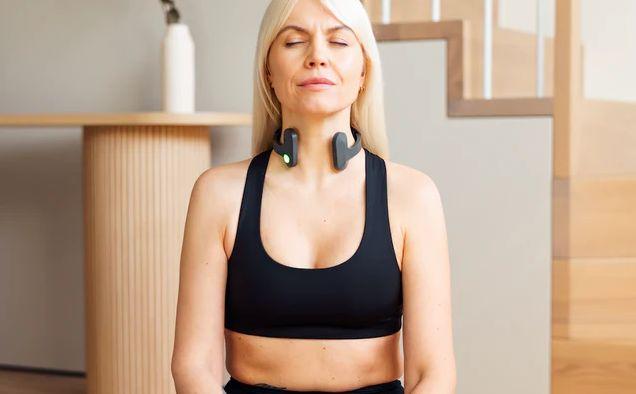
Most coping skills work by indirectly calming the nervous system through behavior or cognition. Some tools are designed to target the autonomic nervous system more directly. The vagus nerve is the primary parasympathetic pathway connecting the brain and body, and stimulating it has been shown to increase vagal tone and inhibit stress-related physiological responses, making it an emerging area of interest for drug-free anxiety support (Breit et al., Frontiers in Psychiatry, 2018).
The mechanism behind vagus nerve stimulation for anxiety targets the same autonomic pathway as breathing techniques, through a different entry point: direct electrical stimulation of the vagus nerve rather than respiratory entrainment. A double-blind, randomized, controlled clinical trial found that transcutaneous auricular vagus nerve stimulation significantly reduced anxiety levels in university students compared to a sham control, alongside measurable reductions in muscle tension associated with chronic anxiety (Ferreira et al., Frontiers in Integrative Neuroscience, 2024). For those who want non-invasive vagus nerve stimulation explained in plain language, the distinction from behavioral calming techniques comes down to the point of entry: VNS activates the parasympathetic pathway electrically rather than through breath or movement.
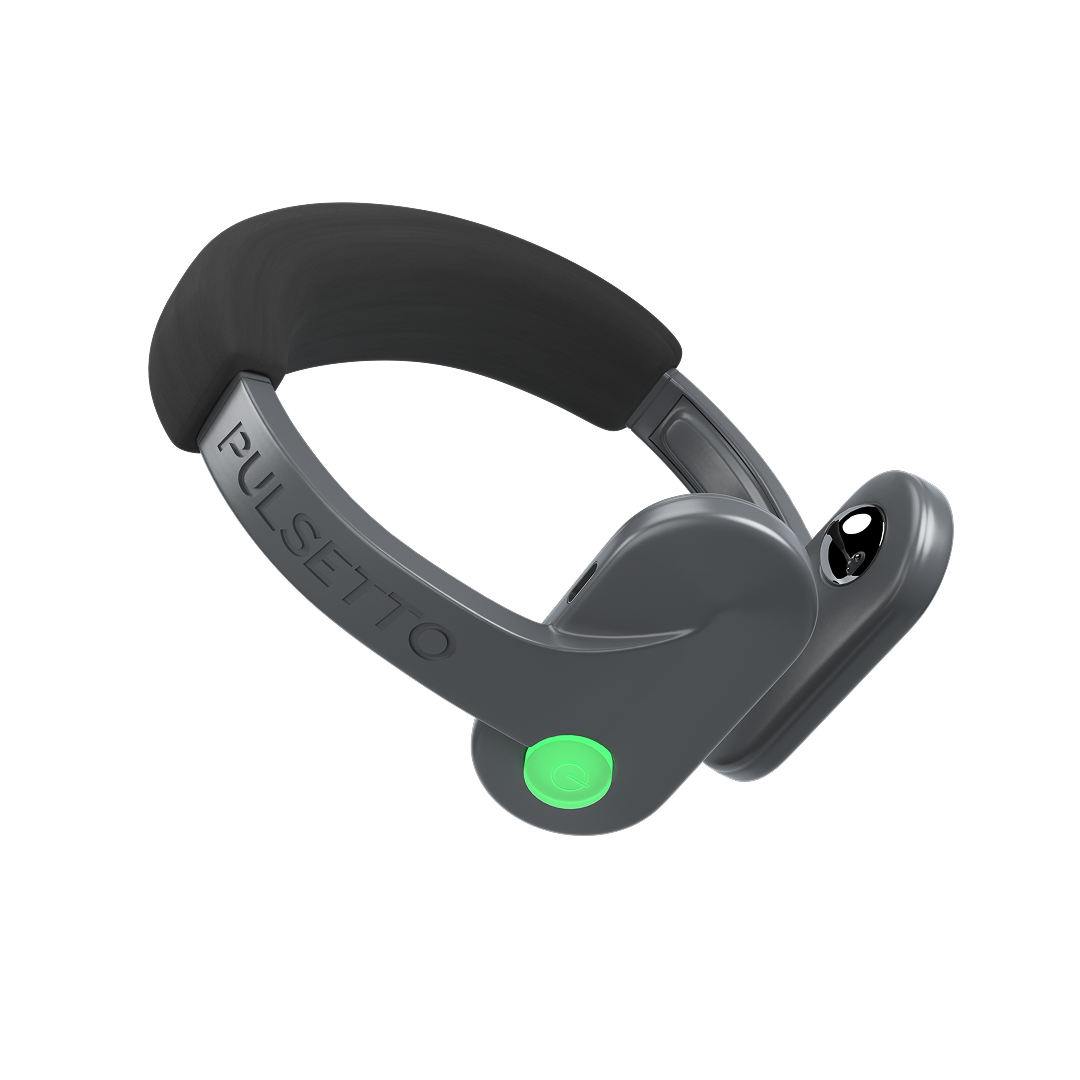
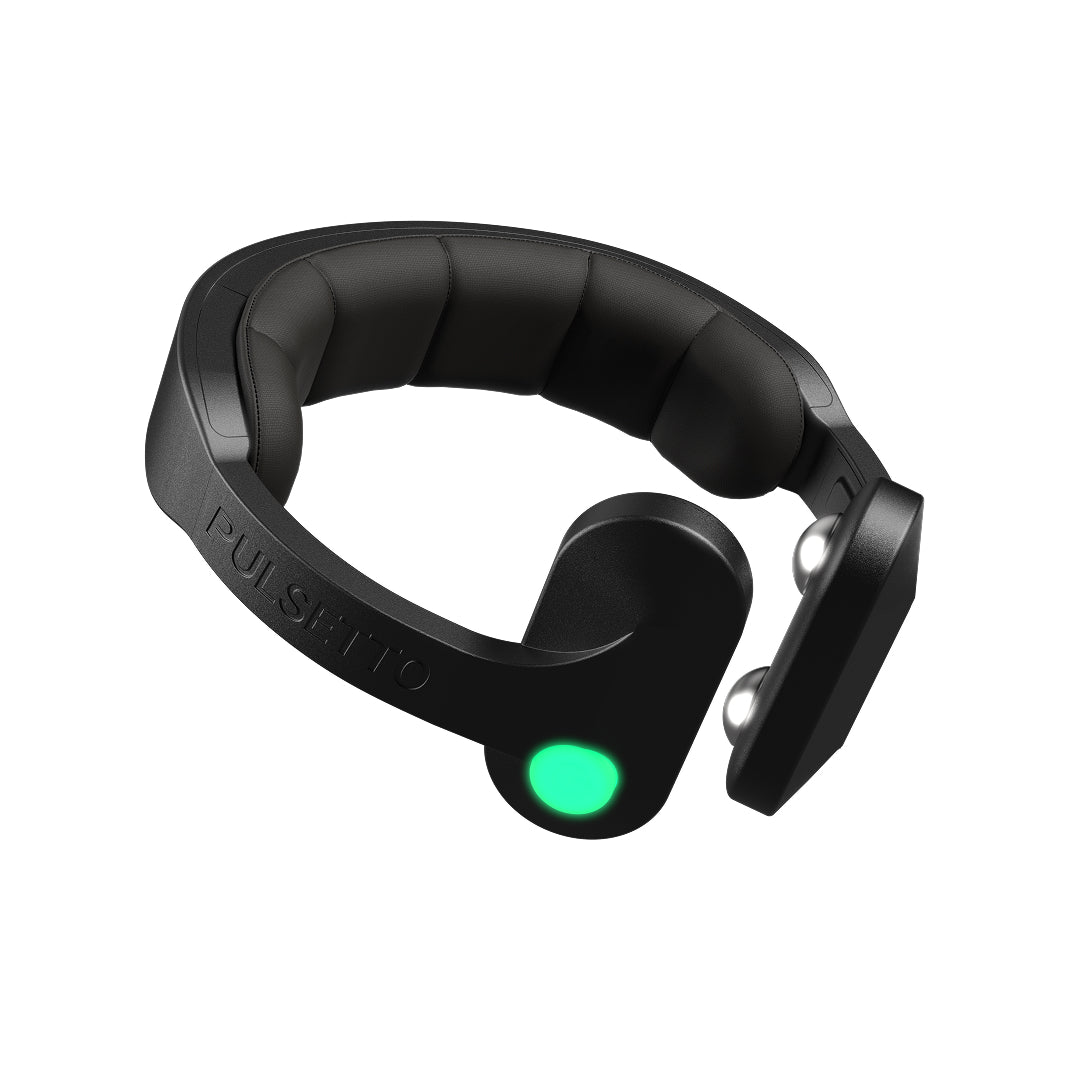
Pulsetto is a bilateral cervical vagus nerve stimulation device, CE certified for general wellness use, delivering 4-minute hands-free sessions through electrodes placed on the neck. The companion app includes programs for stress, anxiety, sleep, burnout, and pain management. In Pulsetto's own randomized open-label pilot study (n=40, 4 weeks), GAD-7 anxiety scores improved by 45.3% in the bilateral group.
Disclaimer: Pulsetto is a general wellness product and is not intended to diagnose, treat, cure, or prevent any disease or medical condition. People with pacemakers, implantable cardiac devices, epilepsy, or who are pregnant should consult a physician before using any electrical stimulation device.
When to Seek Professional Help for Anxiety
Coping skills are valuable tools, but professional help is essential for managing chronic anxiety symptoms that do not improve with self-directed strategies. A meta-analysis of 27 randomized placebo-controlled trials found that cognitive behavioral therapy produced moderate to large effects in reducing symptoms across generalized anxiety disorder, panic disorder, social anxiety disorder, and OCD (Hofmann & Smits, Journal of Clinical Psychiatry, 2008). CBT is the most evidence-supported approach to coping with anxiety at the clinical level.
Therapy can personalize anxiety coping strategies in ways that no article can, by identifying the specific thought patterns, triggers, and behavioral cycles driving an individual's anxiety and designing a targeted response. For ongoing or worsening symptoms, a GP or licensed therapist is the appropriate first contact point.
Ready to Build Your Anxiety Coping Toolkit?
Building a coping toolkit means selecting strategies across multiple levels: immediate techniques for acute moments, cognitive habits for reshaping anxious patterns, lifestyle foundations for reducing baseline anxiety, and physiological support for nervous system regulation. For people who want to add a direct physiological layer, Pulsetto may support that step as a complement to the behavioral coping skills in this article. It is designed to work alongside, not instead of, therapy, exercise, sleep habits, and social connection. In Pulsetto reviews, pairing the device with a consistent coping toolkit is a recurring theme. Those also comparing the best calming device for anxiety options will find Pulsetto's bilateral cervical approach sits in a distinct category from vibration-based alternatives.
FAQs: Best Coping Skills for Anxiety
These answers cover common questions about anxiety coping strategies, grounding techniques, and when to seek help.
What are the most effective coping skills for anxiety?
The most effective coping skills for anxiety combine physical and cognitive approaches. Breathing techniques and grounding methods work fastest for acute anxiety. Cognitive reframing, regular exercise, and consistent sleep habits build lasting change over weeks. Effective coping skills for managing anxiety include both physical and mental strategies, and combining several tends to work better than relying on one alone.
What are the 5 R's of coping?
The 5 R's of coping is a framework sometimes used in psychology: Recognize (identify the stressor), Reframe (change perspective), Relax (use calming techniques), Release (express the emotion), and Reach out (seek support). The framework covers both immediate and longer-term anxiety coping strategies across cognitive, physical, and social dimensions, making it a useful organizing tool for building a personal coping approach.
How quickly do coping skills for anxiety work?
It depends on the technique. Box breathing and grounding produce calming effects within minutes by directly interrupting the stress response. Coping techniques for anxiety that work at the cognitive and lifestyle level, such as cognitive reframing and regular exercise, typically take weeks of consistent practice to produce lasting change. Starting with breathing and grounding for immediate relief while building longer-term habits alongside gives the best of both timescales.
Is vagus nerve stimulation a coping skill for anxiety?
Vagus nerve stimulation is a neuromodulation approach rather than a traditional behavioral coping skill, but it targets the same autonomic nervous system dysregulation that underlies anxiety. It does not replace behavioral coping skills but can complement them by directly supporting the physiological shift that breathing and grounding work to produce. Pulsetto is CE certified for general wellness use. Contraindications include pacemakers, implantable cardiac devices, epilepsy, and pregnancy. Those who want to review Pulsetto side effects before starting should do so alongside consultation with a healthcare professional.
Scientific Research
[1] Breathing Practices for Stress and Anxiety Reduction: Conceptual Framework of Implementation Guidelines Based on a Systematic Review of the Published Literature (Bentley et al., 2023, Brain Sciences)
[2] The Effects of Physical Exercise on Anxiety Symptoms of College Students: A Meta-Analysis (Song et al., 2023, Frontiers in Psychology)
[3] Cognitive-Behavioral Therapy for Adult Anxiety Disorders: A Meta-Analysis of Randomized Placebo-Controlled Trials (Hofmann & Smits, 2008, Journal of Clinical Psychiatry)
[4] Transcutaneous Auricular Vagus Nerve Stimulation Modulates Masseter Muscle Activity, Pain Perception, and Anxiety Levels in University Students: A Double-Blind, Randomized, Controlled Clinical Trial (Ferreira et al., 2024, Frontiers in Integrative Neuroscience)
[5] Vagus Nerve as Modulator of the Brain–Gut Axis in Psychiatric and Inflammatory Disorders (Breit et al., 2018, Frontiers in Psychiatry)