Vagus nerve exercises for anxiety

Vagus nerve exercises are free, portable, and a sensible first step. None of them "treat" anything, but the research on the underlying practices is encouraging for stress and everyday anxious feelings. If you want a fuller routine, this roundup of calming techniques to soothe your nervous system expands on the basics below.
Slow, diaphragmatic breathing
Breathing from the belly rather than the chest, at around five or six breaths per minute, is one of the most direct ways to engage the vagus nerve. Slow breathing increases the influence of the parasympathetic system and is the mechanism behind many HRV practices. A meta-analysis of randomized controlled trials found that breathwork was associated with lower self-reported stress and improved mental well-being compared with control conditions [2]. A few minutes, a few times a day, is a reasonable place to start.
Extended exhale
The exhale is where the vagal brake does most of its work, because heart rate naturally slows as you breathe out. Making your out-breath longer than your in-breath (for example, inhaling for a count of four and exhaling for a count of six or eight) can help you feel calmer within a minute or two. It pairs naturally with the slow-breathing practice above and needs no equipment at all.
Humming, chanting, and gargling
The vagus nerve connects to the muscles of the larynx and throat, so activities that gently vibrate this area may support parasympathetic activation. Humming, chanting a sustained "om," singing, and even vigorous gargling are traditional favorites. The evidence here is more mechanistic than clinical, but these are low-effort habits that many people find genuinely settling. Learn more about how these fit into a broader plan to activate the parasympathetic nervous system.
Cold exposure
Brief cold exposure, such as splashing cold water on your face or finishing a shower with a cool rinse, can trigger a reflex that slows the heart and shifts the body toward parasympathetic dominance. Start gently, keep it short, and skip it entirely if you have a cardiovascular condition without first checking with your doctor.
Mindfulness and HRV biofeedback
Meditation trains attention and the stress response over time. A systematic review and meta-analysis found that meditation programs produced small-to-moderate improvements in anxiety, stress, and psychological well-being [3]. HRV biofeedback goes a step further by giving you a real-time readout of your heart rhythm so you can practice breathing that maximizes it. A meta-analysis of HRV biofeedback training reported reductions in self-reported stress and anxiety [4]. If you want to track progress, a good HRV device makes the invisible visible, and it helps to know what a good HRV score looks like for your age and gender.
Do non-invasive VNS devices help with anxiety?
So does vagus nerve stimulation work for anxiety when it comes from a device rather than a breath? The honest answer is that the research is early but promising, built mostly on small studies, and worth understanding on its own terms.
Non-invasive VNS (nVNS) means stimulating the vagus nerve from outside the body, with no surgery and no implant. Two access points are common: the outer ear, where an auricular branch runs close to the skin (taVNS), and the side of the neck, where the main cervical trunk passes (nVNS). A gentle electrical signal travels along the nerve toward brain regions involved in mood and the stress response.
What the research has found
Across the literature, non-invasive stimulation has been studied for stress and mood with encouraging, if preliminary, results:
-
An open-label pilot trial of accelerated auricular stimulation in an inpatient setting reported reductions in depression and anxiety scores over the study period [5].
-
A single-blinded randomized trial in community-dwelling adults found that transcutaneous vagus nerve stimulation reduced subthreshold affective symptoms and perceived stress [6].
-
In controlled work on cervical stimulation, researchers reported reduced sympathetic responses to acute psychological stress, alongside changes in stress biomarkers such as interleukin-6 [7][8].
-
A study combining auricular vagus and median-nerve stimulation reported reduced acute stress in young healthy adults [9].
-
A review of stimulation effects on HRV in healthy young participants adds physiological context, examining how auricular stimulation relates to heart rate variability [10].
A critical review of transcutaneous VNS is a useful reality check: it notes real promise while calling for larger, better-controlled trials before firm clinical conclusions can be drawn [11]. In other words, the direction of travel is positive, the studies are still small, and no consumer device should be treated as a medical therapy.
Can vagus nerve stimulation make anxiety worse?
For most people using a gentle general-wellness device as directed, the experience is relaxing. Some people notice a short adjustment period as their body gets used to the sensation, which is why the sensible approach is to start at a low intensity, keep sessions to the recommended length, and build up gradually rather than pushing for a stronger signal. If a session ever feels uncomfortable, stop. And if anxious feelings are persistent or intense, that is a conversation for a qualified healthcare professional, not a gadget.
Exercises vs a device: how to choose
Exercises and non-invasive VNS devices are not rivals. Many people use breathing and humming through the day and add a short device session when they want a hands-free reset. Here is a simple comparison.
|
Approach
|
What it involves
|
Cost
|
Effort
|
Best suited for
|
|
Vagus nerve exercises
|
Slow breathing, extended exhale, humming, cold exposure, meditation
|
Free
|
Daily practice, self-guided
|
Building a calm baseline anywhere, anytime
|
|
HRV biofeedback
|
Guided breathing with a heart-rhythm readout
|
Low to moderate
|
Short, screen-based sessions
|
People who like data and measurable progress
|
|
Non-invasive VNS device
|
Gentle electrical stimulation near the neck or ear
|
Moderate one-time cost
|
Hands-free, a few minutes
|
People who want a structured, low-effort routine
|
If you are weighing gadgets specifically, this guide to the best vagus nerve stimulation devices and this overview of the best nervous system regulation device options compare the main categories side by side.
How the main devices differ
The consumer VNS space has grown quickly, and the products differ in where and how they stimulate. Nurosym is a single-ear auricular clip (around €699, app-free, with about 30-minute sessions) and has one of the strongest published evidence bases among consumer options. Vagustim uses bilateral auricular clips on both ears (around $390) and is app-tunable. Neuvana Xen is an earbud-style auricular device (around $449) that can sync to music. Sensate takes a different route entirely, using infrasonic vibration and sound on the chest rather than electricity (around $300, roughly 10-minute lie-down sessions). Apollo Neuro is a wrist or ankle haptic wearable that uses gentle vibration (around $349). Truvaga and Hoolest are handheld cervical wands you hold to the neck. HeartMath Inner Balance is an HRV biofeedback trainer with an ear or finger pulse sensor (around $159 to $199) that measures and coaches breathing rather than stimulating the nerve. Each may be a good fit for a different use case, so it is worth matching the method to how you actually like to unwind. For the neck-focused category in particular, see this breakdown of the best neck stimulator device options.
Where Pulsetto fits for vagus nerve stimulation for anxiety

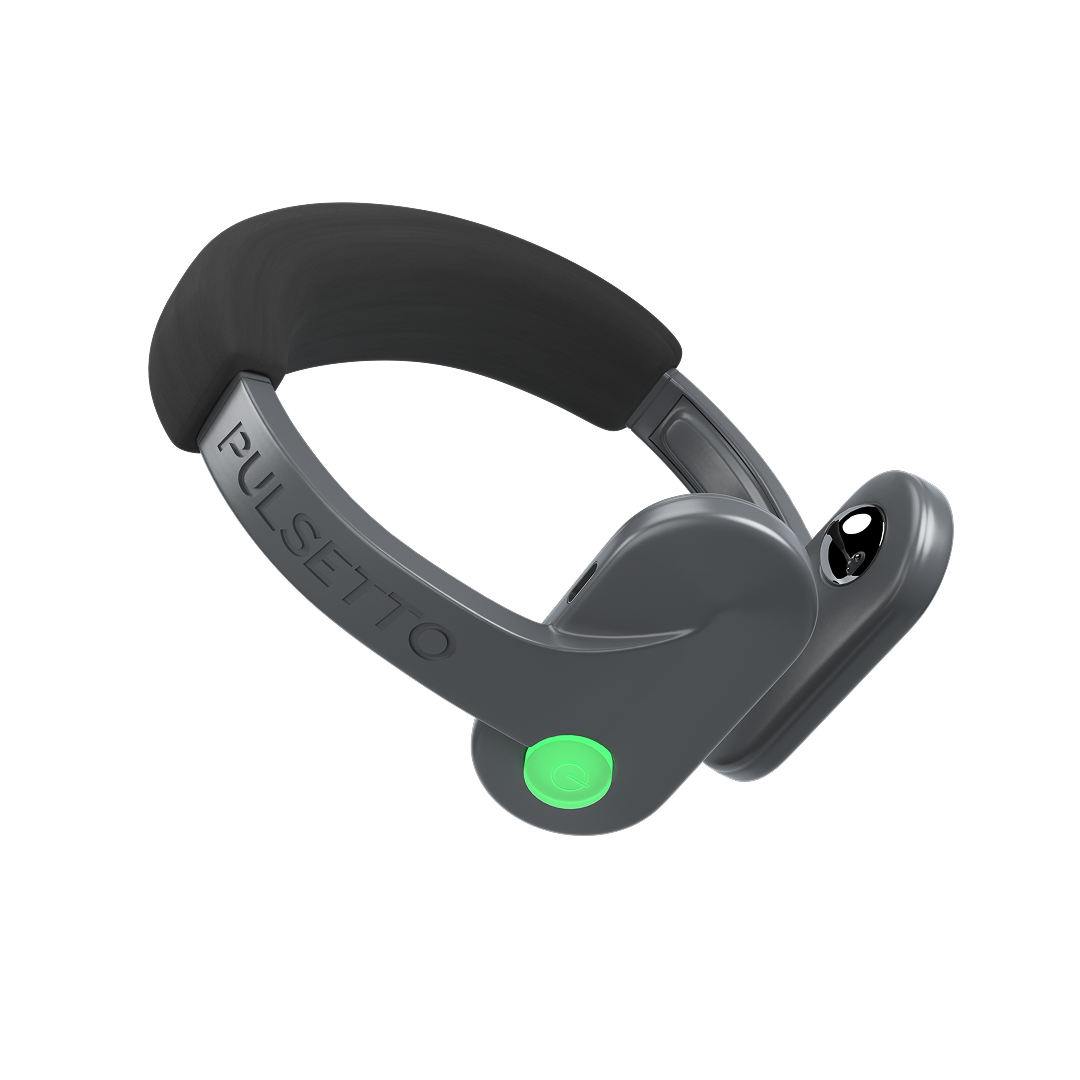
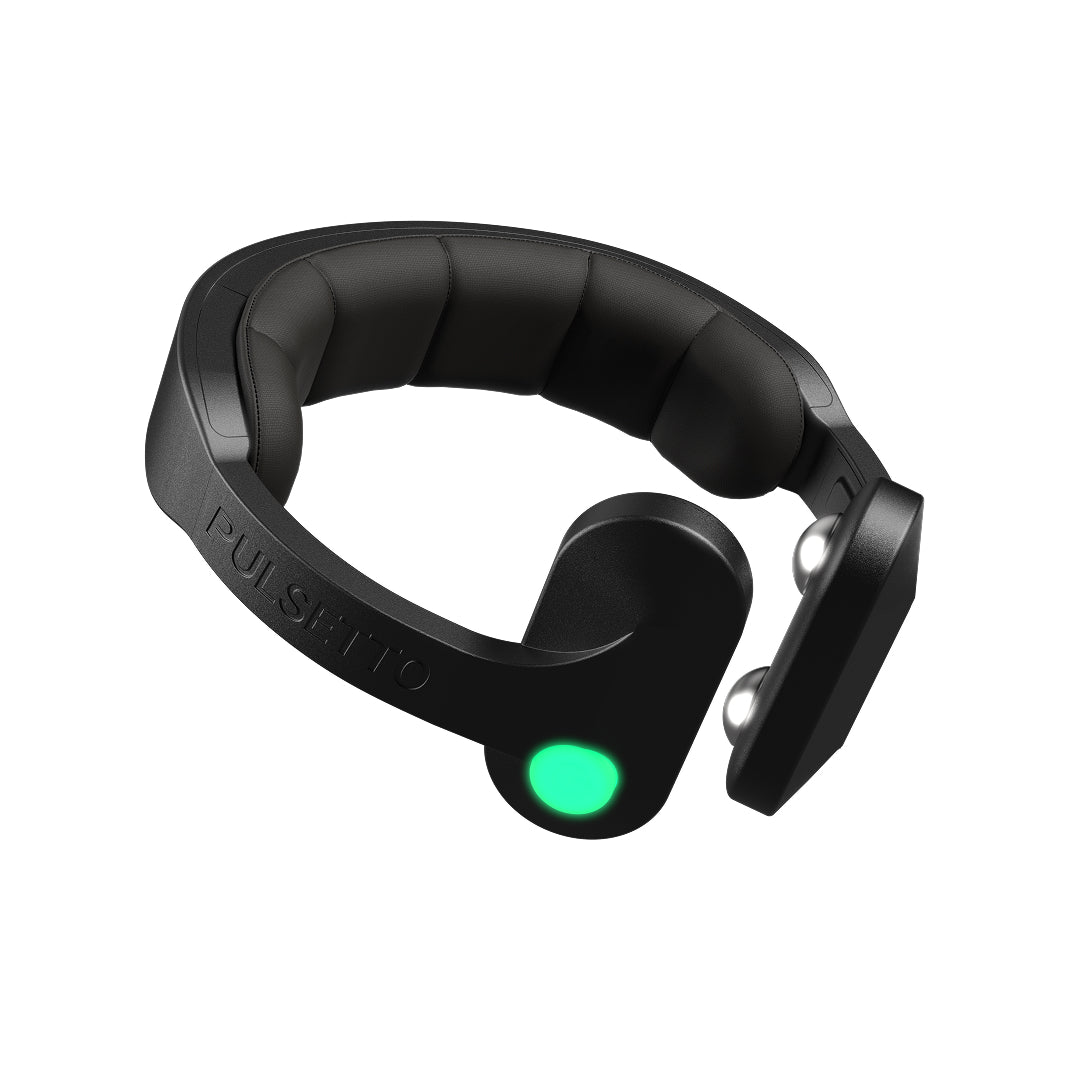
Pulsetto is a general wellness device, not a medical device and not a TENS unit. It is a bilateral cervical vagus nerve stimulator, meaning it delivers gentle stimulation to both sides of the neck at once, worn hands-free around the neck. Sessions run about four minutes, and a free companion app provides guided programs with no mandatory subscription. The Lite model is around $269 and the FIT model is around $296; both are CE certified and FCC certified and made in Lithuania. You can see how the two options differ in this Pulsetto FIT vs Lite comparison.
The app is where the "for anxiety" question becomes practical. It includes guided calm and stress programs you can run when you want a few minutes to feel calmer, and it is designed to help support the body's relaxation response rather than promising any clinical outcome. Does Pulsetto work for anxiety? In its own research, the signal is encouraging. In Pulsetto's own randomized open-label pilot study (n=40, 4 weeks), participants reported a 55.9% reduction in depressive symptoms (PHQ-9), a 45.3% reduction in anxiety symptoms (GAD-7), and a 41.0% improvement in sleep quality (PSQI). Bilateral stimulation reduced the chronic-stress biomarker hair cortisol by 47.5%, compared with 31.4% for unilateral stimulation. Those are study findings in a specific group, not a treatment claim, and you can read more about the science behind Pulsetto and its ongoing studies and trials.
For a first session, the quick start guide walks you through fit and intensity, and the practical rule of thumb is the same as with exercises: start low, keep to the recommended session length, and let a calmer baseline build over time.
Safety and contraindications
A general wellness device is designed to be gentle, but non-invasive stimulation is not for everyone. Do not use Pulsetto, or consult your doctor first, if any of the following apply:
-
You have a pacemaker.
-
You have any implanted electrical medical device.
-
You have epilepsy or a seizure disorder.
-
You are pregnant.
-
You have cardiac arrhythmia or a serious cardiovascular condition (consult a doctor first).
-
You have had recent neck or throat surgery (consult a doctor first).
-
You have a carotid artery condition.
Always keep stimulation to the recommended session length rather than running longer or stronger sessions. For the full details, see the contraindications of using Pulsetto and the wider guide to whether Pulsetto is safe for you.
Frequently asked questions
Does vagus nerve stimulation help with anxiety?
Research on non-invasive stimulation for stress and anxious feelings is early but promising. Small studies have reported reductions in perceived stress and affective symptoms, and behavioral practices like slow breathing and meditation have meta-analytic support for lowering stress and anxiety. For everyday anxious feelings, these approaches may help you feel calmer, but they are not a treatment for a diagnosed anxiety disorder.
How do you stimulate the vagus nerve for anxiety?
You can engage it behaviorally through slow diaphragmatic breathing, a longer exhale, humming or gargling, brief cold exposure, and meditation. You can also use a non-invasive VNS device that delivers gentle stimulation to a branch of the nerve near the ear or neck. Many people combine daily exercises with short, hands-free device sessions.
What are the best vagus nerve exercises for anxiety?
Slow breathing at around five to six breaths per minute is the cornerstone, ideally with an exhale longer than the inhale. Add humming or chanting, occasional cold water on the face, and a short daily meditation. HRV biofeedback can make your progress visible if you like tracking data. Consistency matters more than intensity.
Does Pulsetto work for anxiety?
Pulsetto is a general wellness device that may help you feel calmer and supports the body's relaxation response, and its app includes guided calm and stress programs. In Pulsetto's own randomized open-label pilot study (n=40, 4 weeks), participants reported a 45.3% reduction in anxiety symptoms (GAD-7). That is a study finding, not a treatment claim, and anyone with a diagnosed condition should speak with a healthcare professional.
Is vagus nerve stimulation safe for anxiety?
For most people, gentle non-invasive stimulation used as directed is well tolerated and relaxing. Start at a low intensity and keep sessions to the recommended length. Do not use a device, or consult your doctor first, if you have a pacemaker, any implanted electrical device, epilepsy, cardiac arrhythmia or serious cardiovascular conditions, a carotid artery condition, recent neck or throat surgery, or if you are pregnant.
Scientific research
Pulsetto is a general wellness product and is not intended to diagnose, treat, cure, or prevent any disease or medical condition. The studies below were identified via the Consensus and PubMed databases and are indexed in PubMed.
[1] Stress and Heart Rate Variability: A Meta-Analysis and Review of the Literature (Kim et al., 2018, Psychiatry Investigation. PMID: 29486547)
[2] Effect of breathwork on stress and mental health: A meta-analysis of randomised-controlled trials (Fincham et al., 2023, Scientific Reports. PMID: 36624160)
[3] Meditation programs for psychological stress and well-being: a systematic review and meta-analysis (Goyal et al., 2014, JAMA Internal Medicine. PMID: 24395196)
[4] The effect of heart rate variability biofeedback training on stress and anxiety: a meta-analysis (Goessl et al., 2017, Psychological Medicine. PMID: 28478782)
[5] Accelerated Transcutaneous Auricular Vagus Nerve Stimulation for Inpatient Depression and Anxiety: The iWAVE Open Label Pilot Trial (Austelle et al., 2025, Neuromodulation. PMID: 40117415)
[6] Effects of transcutaneous vagus nerve stimulation on subthreshold affective symptoms and perceived stress: a single-blinded randomized trial in community-dwelling adults (Jackowska et al., 2025, Biological Psychology. PMID: 41290087)
[7] Quantifying acute physiological biomarkers of transcutaneous cervical vagal nerve stimulation in the context of psychological stress (Gurel et al., 2019, Brain Stimulation. PMID: 31439323)
[8] Transcutaneous Cervical Vagal Nerve Stimulation in Patients with Posttraumatic Stress Disorder (PTSD): Effects on PTSD Symptoms and Interleukin-6 (Bremner et al., 2021, Journal of Affective Disorders Reports. PMID: 34778863)
[9] Transcutaneous auricular Vagus Nerve Stimulation and Median Nerve Stimulation reduce acute stress in young healthy adults (Sanchez-Perez et al., 2023, Frontiers in Neuroscience. PMID: 37746156)
[10] Ear your heart: transcutaneous auricular vagus nerve stimulation on heart rate variability in healthy young participants (Forte et al., 2022, PeerJ. PMID: 36438582)
[11] Critical Review of Transcutaneous Vagus Nerve Stimulation: Challenges for Translation to Clinical Practice (Yap et al., 2020, Frontiers in Neuroscience. PMID: 32410932)