Reducing Inflammation: The Ultimate Lifestyle Guide
Reducing Inflammation: The Ultimate Lifestyle Guide
Reducing inflammation is one of the most searched wellness goals for a reason. Short-term inflammation is a normal, healthy response that helps the body heal. The concern is chronic, low-grade inflammation that lingers for months or years, and it is closely tied to everyday habits: what you eat, how you move, how well you sleep, and how you handle stress. This guide walks through the practical, lifestyle-first levers for reducing chronic inflammation, then explains what researchers have learned about the vagus nerve's role in the body's own regulation of inflammatory signaling. Along the way you will see where relaxation tools like the Pulsetto vagus nerve stimulator fit, and, just as importantly, where they do not.
Pulsetto is a general wellness product and is not intended to diagnose, treat, cure, or prevent any disease or medical condition . Nothing below is medical advice. If you have a diagnosed inflammatory condition, work with a qualified healthcare professional.
What "inflammation" actually means
Inflammation is your immune system doing its job. When you cut your finger or fight off a virus, immune cells release signaling molecules that increase blood flow, recruit repair cells, and clear out damage. That is acute inflammation, and it usually resolves within days.
Chronic inflammation is different. Here the immune response stays switched on at a low level even without an obvious injury or infection. Researchers often track it through blood markers such as C-reactive protein (CRP), interleukin-6 (IL-6), and tumor necrosis factor-alpha (TNF-alpha). Persistently elevated markers are associated with a range of long-term health concerns, which is why so many people are interested in an anti-inflammatory lifestyle.
The encouraging part is that the biggest drivers of chronic, low-grade inflammation are the same daily habits most of us already know matter: diet, movement, sleep, stress, and a handful of basics like not smoking and staying at a healthy weight. None of these is a quick fix, but together they are where the real, durable change happens.
Rated 4.5/5 by 20,137+ Customers
Pulsetto vagus nerve stimulator: feel calmer and sleep better in just 4 minutes a day
Experience immediate relaxation with the Pulsetto vagus nerve stimulator.
Sit back, close your eyes, and immerse yourself in the soothing Pulsetto experience, designed to gently promote a state of calmness and well-being.
Best Value Deal!
FREE WORLDWIDE SHIPPING
Select your device:
Pulsetto Lite vs Pulsetto FIT
Which one is right for you?
PULSETTO FIT
PULSETTO LITE
Dual-technology, hands-free stimulation
Yes
Yes
New wave-like stimulation (more engaging)
Yes
No
Battery life
Up to 12 days (20% longer)
Up to 10 days
Fits all necks for consistent stimulation
Yes
No
Stays secure no matter what you're doing
Yes
No
Great for sharing (adjusts to any neck size)
Yes
No
Free lifetime wireless updates
Yes
No
Premium all-black design with medical-grade materials
Best if you wear size S or smaller tops. Only with FIT
New stimulation that rises and falls, which feels more fun (coming July–Aug 2025). Only with FIT
20% longer battery life for fewer recharges. Only with FIT
Free lifetime Pulsetto App with 5 expert-designed programs for Stress, Anxiety, and More.
One 60g gel tube (can be used up to a month), USB-C charging cable, user guide included
Extra gift: Pulsetto Premium 14-day Free Trial. 3 extra stimulations, 11 unique guided meditations, 54 breathing exercises, 1200 positive affirmations, and more.
$269/$619
Reducing Inflammation: The Ultimate Lifestyle Guide
The core lifestyle levers for reducing inflammation
If you want a single takeaway, it is this: reducing inflammation is a lifestyle project, not a single product or supplement. Below are the levers with the strongest, most consistent support, followed by a summary table you can return to.
1. Eat an anti-inflammatory diet
Diet is the lever most people can influence today. The general pattern that tends to be associated with lower inflammatory markers looks a lot like a traditional Mediterranean way of eating:
More vegetables and fruit. Aim for variety and color across the week; the fiber and plant compounds are the point.
Omega-3 rich fish. Salmon, sardines, and mackerel provide omega-3 fatty acids that support a balanced inflammatory response.
Olive oil as your main added fat. Extra-virgin olive oil is a staple of the Mediterranean pattern.
Fiber from whole grains, legumes, nuts, and seeds. Fiber feeds a healthier gut microbiome, which is increasingly linked to immune regulation.
Less of the pro-inflammatory stuff. That means limiting ultra-processed foods, added sugar, refined carbohydrates, and excess alcohol.
You do not need a perfect diet. Shifting the balance toward whole foods and away from ultra-processed ones, most days, is what compounds over time.
2. Move your body regularly
Regular physical activity is consistently associated with lower chronic inflammation. A single hard workout briefly raises inflammatory markers, which is normal, but the longer-term training effect trends the other way. You do not need to train like an athlete. A mix of moderate cardio (walking, cycling, swimming) and some resistance training across the week is a sensible target. The best routine is the one you will actually keep doing.
3. Prioritize quality sleep
Sleep and inflammation run in both directions. Poor or short sleep is associated with higher inflammatory activity, and chronic inflammation can in turn disrupt sleep. Protecting seven to nine hours, keeping a consistent schedule, and building a proper wind-down routine all help. A calm pre-bed ritual matters more than most people expect; our guide to the importance of a wind-down period before bedtime breaks down how to set one up, and if sleep is your main goal you may find our roundup of the best devices for better sleep useful.
4. Manage stress
This is the lever most people underestimate. Chronic psychological stress keeps the sympathetic "fight or flight" branch of the nervous system dominant, and prolonged stress is associated with higher inflammatory activity. So the goal is not to eliminate stress, which is impossible, but to build in reliable ways to shift back toward a calmer, more balanced state.
Several stress-management practices have solid research behind them:
Slow, controlled breathing. A meta-analysis of randomized controlled trials found that breathwork was associated with reduced stress and improved mental health [1].
Meditation and mindfulness. A systematic review and meta-analysis reported that meditation programs were associated with improvements in psychological stress and well-being [2].
Heart rate variability (HRV) biofeedback. HRV biofeedback training has been associated with reductions in self-reported stress and anxiety in a meta-analysis [3]. HRV itself is a useful window on how balanced your nervous system is; our explainer on why HRV matters and how to read your score and the companion HRV chart by age and gender are good starting points. Low HRV has been associated with higher stress across the literature [4].
This is also where non-invasive vagus nerve stimulation wearables and other relaxation tools come in, as one option among many for supporting a calmer stress response. More on that below, with the important caveats attached. If you want a broader toolkit first, our list of calming techniques to soothe your nervous system and our nervous system reset strategies collect practical, no-device options too.
5. Cover the basics
The unglamorous fundamentals still matter: don't smoke, aim for a healthy body weight, stay hydrated, and moderate alcohol. These are foundational, and no gadget or diet tweak substitutes for them.
Chronic stress is associated with higher inflammatory activity
Basics
No smoking, healthy weight, hydration, moderate alcohol
Foundational drivers of long-term health
The vagus nerve and inflammation: what the research says
Here is where the science gets genuinely interesting, and where it is easy to overstate. The vagus nerve is the main nerve of the parasympathetic "rest and digest" system, and it is also a two-way communication line between the brain and the immune system.
The inflammatory reflex
Researchers describe a neural circuit sometimes called the "inflammatory reflex" or the cholinergic anti-inflammatory pathway. In this circuit, the vagus nerve is part of how the body senses and helps regulate inflammatory signaling. A landmark study showed that acetylcholine-producing cells relay neural signals within a vagus nerve circuit that can modulate the release of inflammatory molecules [5]. A broader review of neuro-immune communication laid out how these nerve-to-immune pathways work and why they are therapeutically interesting [6].
It is important to be precise about what this research is. Much of it is mechanistic, done in laboratory and animal models, or in clinical settings using implanted or clinical-grade stimulation devices. It establishes that the vagus nerve is part of the body's own inflammation-regulating machinery. It does not establish that any consumer wearable reduces inflammation.
What clinical stimulation studies have reported
Some human trials using various forms of vagus nerve stimulation have looked at inflammatory markers directly. In the TREAT-AF randomized clinical trial, transcutaneous vagus nerve stimulation was associated with a 23% reduction in TNF-alpha in the study population [7]. In a separate study of patients with post-traumatic stress disorder, transcutaneous cervical vagal nerve stimulation was associated with lower interleukin-6 (IL-6) [8].
These are meaningful research findings, and it is worth being clear about their scope. They are studies in specific patient populations, using specific stimulation methods and protocols, reporting outcomes within those study groups. They are not claims about any consumer wellness device, and they should not be read as evidence that a wearable will change your inflammatory markers.
Where consumer devices, including Pulsetto FIT X, actually fit
This is the crucial distinction. Consumer wellness devices, including Pulsetto, are not inflammation treatments and make no such claim. Pulsetto does not reduce inflammation, is not an anti-inflammatory device, and is not intended for arthritis or any inflammatory condition.
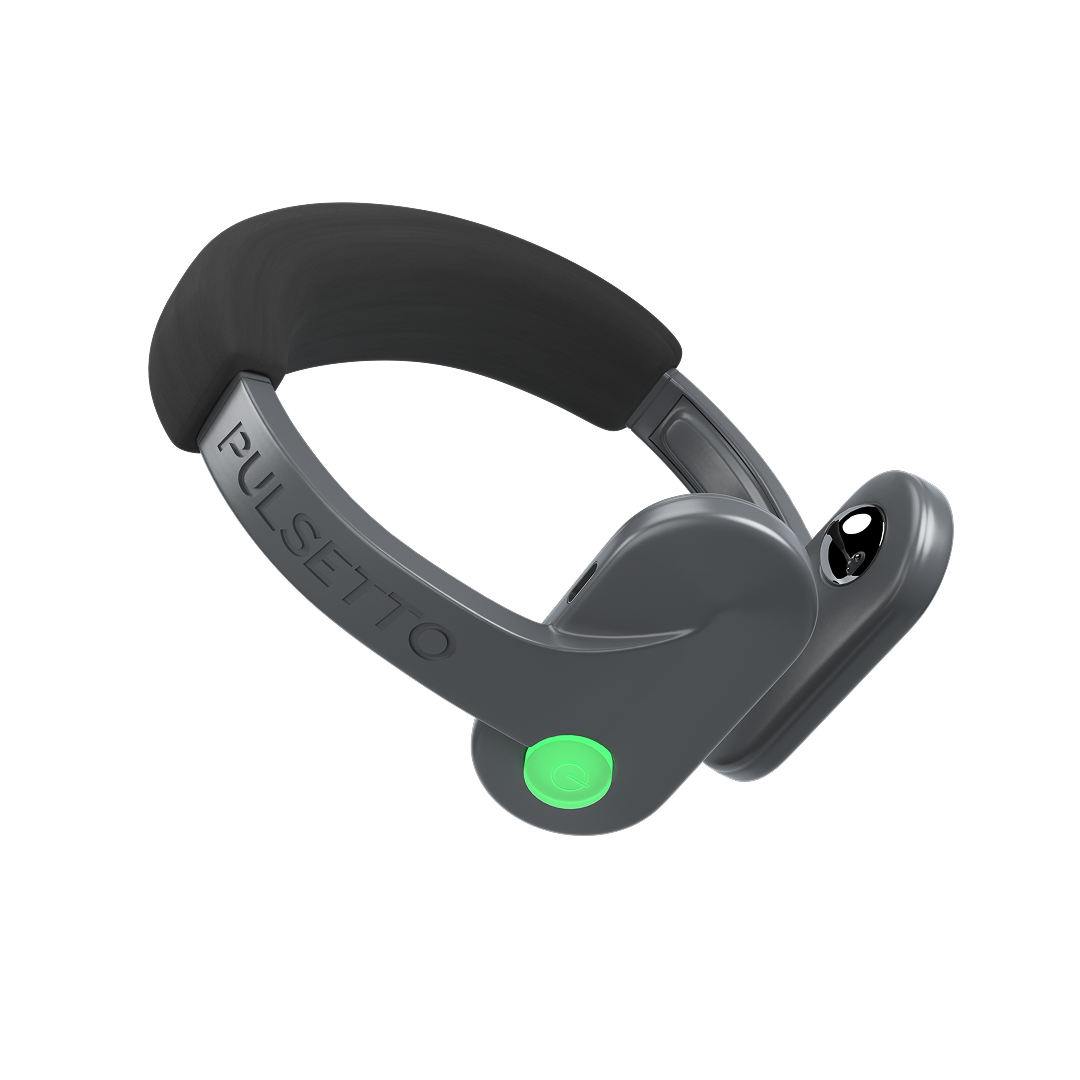
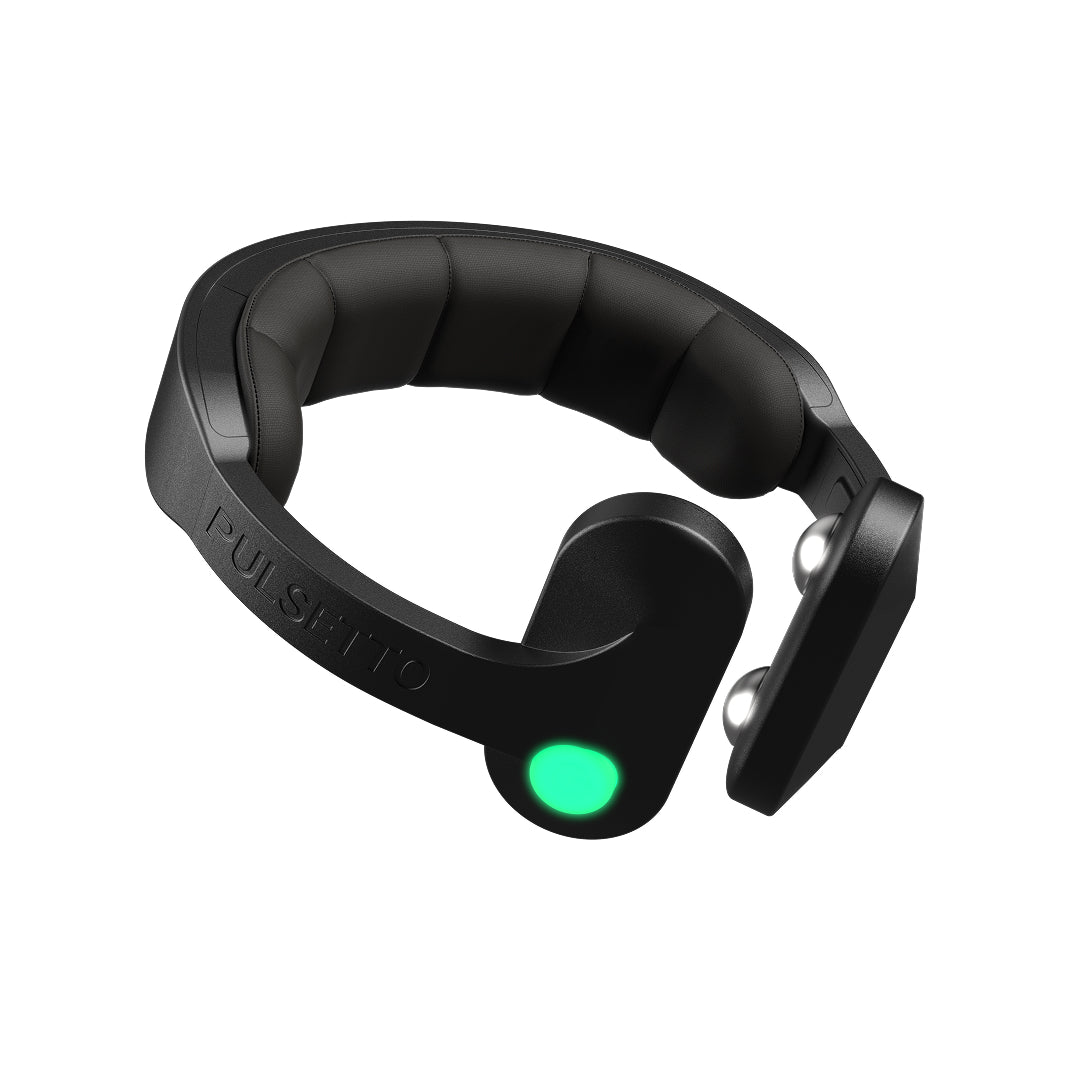
Its relevance to an anti-inflammatory lifestyle is indirect, and it runs entirely through the stress lever. Because chronic stress is associated with higher inflammatory activity, tools that support relaxation and a calmer stress response fit into the "manage stress" pillar alongside breathing, meditation, and sleep hygiene. That is the whole of it. Pulsetto is a hands-free wearable designed to help you feel calmer through non-invasive cervical vagus nerve stimulation, and it belongs in the same mental category as your breathing practice: a way to support relaxation, not a medical intervention. If you want the mechanism explained plainly, our overview of non-invasive vagus nerve stimulation and our guide to activating the parasympathetic nervous system go deeper.
How Pulsetto FIT X fits into a calmer daily routine
If a calmer stress response is one of your anti-inflammatory-lifestyle goals, here is where Pulsetto sits. It is a bilateral cervical non-invasive vagus nerve stimulator, meaning it gently stimulates both sides of the neck at once, worn hands-free. Sessions run about four minutes, and the free companion app guides you with no mandatory subscription. It is CE certified and FCC certified, made in Lithuania, and intended for adults. It is not a TENS unit and not a medical device.
In its own randomized open-label pilot study (n=40, 4 weeks), participants reported a 55.9% reduction in depressive symptoms (PHQ-9), a 45.3% reduction in anxiety symptoms (GAD-7), and a 41.0% improvement in sleep quality (PSQI). Bilateral stimulation reduced the chronic-stress biomarker hair cortisol by 47.5%, compared with 31.4% for unilateral stimulation. These are general-wellness pilot findings about mood, anxiety, sleep, and stress, and they are not evidence about inflammation or any inflammatory condition.
How Pulsetto FIT X compares to other relaxation and vagus-nerve devices
The wellness-device space is crowded, and different tools may be a good fit for different use cases. Here is a fair, neutral comparison of how some options are positioned. None of these is presented as an inflammation treatment.
Device
Type
Approximate price
May be a good fit for
Pulsetto
Bilateral cervical nVNS, hands-free, app-guided
$269 to $296
People who want short, hands-free neck sessions with an app
Nurosym
Single-ear auricular clip, app-free
Around €699
Those wanting the strongest published evidence base
Vagustim
Bilateral auricular (both ears), app-tunable
Around $390
People who prefer ear-based, adjustable stimulation
Neuvana Xen
Earbud auricular with music sync
Around $449
Those who want to pair stimulation with music
Sensate
Infrasonic chest device (vibration and sound, not electrical)
Around $300
People who like lie-down, around 10-minute sessions
Apollo Neuro
Wrist or ankle haptic vibration
Around $349
Those wanting a discreet wearable, no neck contact
Truvaga
Handheld cervical wand
Around $199 to $499
People comfortable with a handheld device
HeartMath Inner Balance
HRV biofeedback trainer (measures, does not stimulate)
Around $159 to $199
Those who want to train and track HRV
A few honest clarifications belong here. Sensate uses vibration and sound rather than electrical stimulation. HeartMath Inner Balance is a biofeedback trainer with a pulse sensor and app; it measures and trains HRV and does not electrically stimulate. RezziMax is a handheld vibration and acoustic wellness "tuner," not electrical stimulation. CareMax is a budget microcurrent ear-clip unit, a generic TENS-style device rather than a purpose-built taVNS device, with limited device-specific published evidence. gammaCore is a prescription cervical device obtained through a clinician, and implanted or surgical VNS is a distinct medical therapy, not a consumer product. If you want a deeper look, see our roundups of the best vagus nerve stimulation devices and the best wearable devices for stress relief, or, if Sensate is on your shortlist, our comparison of alternatives to Sensate for relaxation and sleep.
Safety and contraindications
Non-invasive vagus nerve stimulation is generally well tolerated, and a systematic review has reported it to be safe and tolerable in humans [9]. Still, it is not for everyone. Do not use Pulsetto, or consult your doctor first, if any of the following apply to you:
Do not use if you have a pacemaker.
Do not use if you have any implanted electrical medical device.
Do not use if you have epilepsy or a seizure disorder.
Do not use during pregnancy.
Consult your doctor first if you have cardiac arrhythmia or a serious cardiovascular condition.
Consult your doctor first if you have had recent neck or throat surgery.
Do not use if you have carotid artery conditions.
Keep each stimulation session to the recommended length rather than extending it, and follow the quick start guide and the full contraindications list. Pulsetto is intended for adults.
Frequently asked questions
What is the fastest way to reduce inflammation?
There is no genuine overnight fix for chronic inflammation, and be wary of anything that promises one. The fastest sustainable progress comes from stacking the basics: shift your diet toward whole foods and away from ultra-processed ones, move most days, protect your sleep, and build in daily stress care. In the short term, a few nights of good sleep and cutting back on added sugar and alcohol are simple places to start. Durable change is a matter of consistent habits, not a single trick.
What foods reduce inflammation?
The overall pattern matters more than any single "superfood." A broadly Mediterranean approach is associated with lower inflammatory markers: plenty of vegetables and fruit, omega-3 rich fish such as salmon and sardines, extra-virgin olive oil, whole grains, legumes, nuts, and seeds. Just as important is what you cut back on, namely ultra-processed foods, added sugar, refined carbohydrates, and excess alcohol.
Does the vagus nerve affect inflammation?
In the body's own physiology, yes. Research describes an "inflammatory reflex," a neural circuit in which the vagus nerve helps sense and regulate inflammatory signaling [5][6]. This is largely mechanistic and clinical research, much of it using implanted or clinical-grade stimulation. It describes how the body's own nervous system participates in inflammation regulation, and it is not a claim that any consumer wearable reduces inflammation.
Can stress cause inflammation?
Chronic psychological stress is associated with higher inflammatory activity, and low HRV has been associated with higher stress in the research literature [4]. That is why stress management is a genuine anti-inflammatory-lifestyle lever, and why practices like breathing, meditation, and relaxation tools are worth building into your routine. Managing stress will not undo an unhealthy diet or poor sleep, but it is a meaningful piece of the whole.
Does Pulsetto reduce inflammation?
No. Pulsetto is a general wellness device, not an inflammation treatment, and it does not claim to reduce inflammation or help any inflammatory condition. It is designed to help you feel calmer by supporting relaxation and a more balanced stress response through non-invasive cervical vagus nerve stimulation. Its only connection to an anti-inflammatory lifestyle is indirect, through the stress-management pillar, since chronic stress is associated with higher inflammatory activity.
Scientific research
Pulsetto is a general wellness product and is not intended to diagnose, treat, cure, or prevent any disease or medical condition. The studies below were identified via the Consensus and PubMed databases and are indexed in PubMed.
Pulsetto FIT X is the current generation of the Pulsetto vagus nerve stimulation platform: adaptive stimulation that adjusts to you while the session runs, intelligent contact sensing instead of manual tuning, and angled X-shape electrodes that create a crossed field across both vagus nerve pathways. Sessions are guided by the Pulsetto app, with progress tracked over time. Pulsetto FIT and Lite remain available as lower-cost entry points. It is a training tool for your nervous system — not a treatment, and not a substitute for medical advice.
Train your nervous system. Build your stress resilience.Meet Pulsetto FIT X.