What Are the Warning Signs of a Panic Attack?
Panic attacks are more common than many people realise. Up to 11% of US adults experience a panic attack in any given year, making them far more common than many people realise (Kessler et al., Archives of General Psychiatry, 2006). Recognizing what is happening can itself reduce some of the fear that makes symptoms feel worse.
The 12 warning signs of a panic attack include racing heartbeat, chest tightness, shortness of breath, dizziness, lightheadedness, tingling in the hands or feet, sweating, trembling, nausea, feelings of unreality, fear of losing control, and fear of dying. Not all of these will occur in every episode, and panic attacks can happen unexpectedly without a specific trigger.
How to Stop a Panic Attack: Techniques That Work Fast

Combining techniques tends to work better than relying on a single method. The techniques below cover the most reliable routes to instant anxiety relief when a panic attack is already underway. Each one can be started immediately, wherever you are.
Practice Slow, Controlled Breathing
Panic attacks cause rapid, shallow breathing that makes symptoms worse by reducing carbon dioxide levels and increasing physical sensations of anxiety. Slowing the breath down directly interrupts this cycle. Breathe in for 4 counts, hold for 1, and exhale slowly for 6. The extended exhale is what activates the parasympathetic nervous system.
Practicing deep breathing to counteract rapid breathing during a panic attack is one of the most evidence-supported immediate interventions available. A narrative review of 15 randomized controlled trials found that diaphragmatic breathing consistently reduced anxiety scores, heart rate, and breathing rate, making it one of the most accessible tools for managing acute anxiety and panic (Hamasaki, Medicines, 2020). Regular breathing practice between episodes can also help prevent panic attacks by lowering baseline nervous system arousal.
Try the 5-4-3-2-1 Grounding Method
Grounding techniques help during a panic attack by redirecting attention away from internal sensations and toward the external environment. The 5-4-3-2-1 method involves identifying multiple sensory experiences to anchor the mind in the present moment.
Name 5 things you can see. Touch 4 surfaces and notice their texture or temperature. Identify 3 sounds around you. Notice 2 smells. Name 1 thing you can taste or notice the current sensation in your mouth. Working through the senses in sequence occupies the mind with non-threatening present-moment input, which reduces the escalating thought loop that feeds a panic attack.
What Is the 3-3-3 Rule for Panic Attacks?
The 3-3-3 rule is a shorter grounding variation designed for moments when the full 5-4-3-2-1 method is difficult to follow. Name 3 things you can see. Identify 3 sounds you can hear. Move 3 parts of your body deliberately. The 3-3-3 rule for panic attacks works as a quick mental reset that interrupts the escalating thought pattern before it builds further. The 3-3-3 rule works by the same mechanism as longer grounding techniques: learning how to calm your nervous system through sensory anchoring rather than cognitive effort.
Use Progressive Muscle Relaxation
Progressive muscle relaxation involves tensing and then fully releasing muscle groups one at a time, starting at the feet and working upward through the calves, thighs, abdomen, hands, arms, shoulders, neck, and face. Tensing a muscle group for 5 seconds and then releasing it for 30 seconds signals physical safety to the nervous system and can reduce the intensity of a panic attack when practiced during the earliest symptoms. The contrast between tension and release helps the body recognize that it can move out of the alert state.
Stay in Place and Remind Yourself It Will Pass
Staying in place during a panic attack helps reinforce a sense of safety rather than confirming through avoidance that the situation was actually dangerous. Leaving a situation during a panic attack often makes future panic attacks in that setting more likely.
What to say during a panic attack matters. Positive self-talk can alleviate panic attack symptoms by giving the thinking mind something constructive to hold onto while the physical symptoms run their course. Phrases that work include repeating "this will pass," "I am safe," "this is temporary," and "my body is reacting, not breaking." Saying these quietly or silently during the peak of a panic attack helps remind the nervous system that no real threat is present.
How to Calm an Anxiety Attack With Nervous System Support
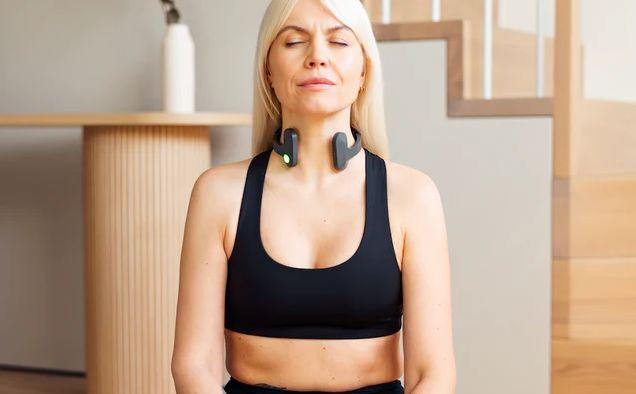
Anxiety attacks and panic attacks both involve the fight-or-flight response activating when it does not need to. Supporting parasympathetic nervous system activity, the body's rest-and-digest response, directly counteracts the sympathetic arousal driving the symptoms. This is how to stop an anxiety attack at the physiological level rather than purely through behavioral techniques.
The mechanism behind vagus nerve stimulation for anxiety is directly relevant to panic because both conditions involve the same autonomic dysregulation. Two pieces of evidence support its use as a ways to calm anxiety attack approach:
-
A 2020 review in the Journal of Personalized Medicine found that non-invasive vagus nerve stimulation improves autonomic dysfunction by reducing sympathetic tone and enhancing parasympathetic activity, supporting its potential as a drug-free tool for stress and anxiety regulation (Bremner et al., 2020).
-
A double-blind, randomized, sham-controlled trial found that transcutaneous cervical vagus nerve stimulation measurably reduced sympathetic physiological responses to acute stress across heart rate, skin conductance, and cardiovascular markers (Gurel et al., Neurobiology of Stress, 2020).
For those wanting non-invasive vagus nerve stimulation explained before starting, the key distinction from behavioral techniques is that electrical activation of the vagus nerve produces the parasympathetic response directly rather than working toward it through breathing or movement.
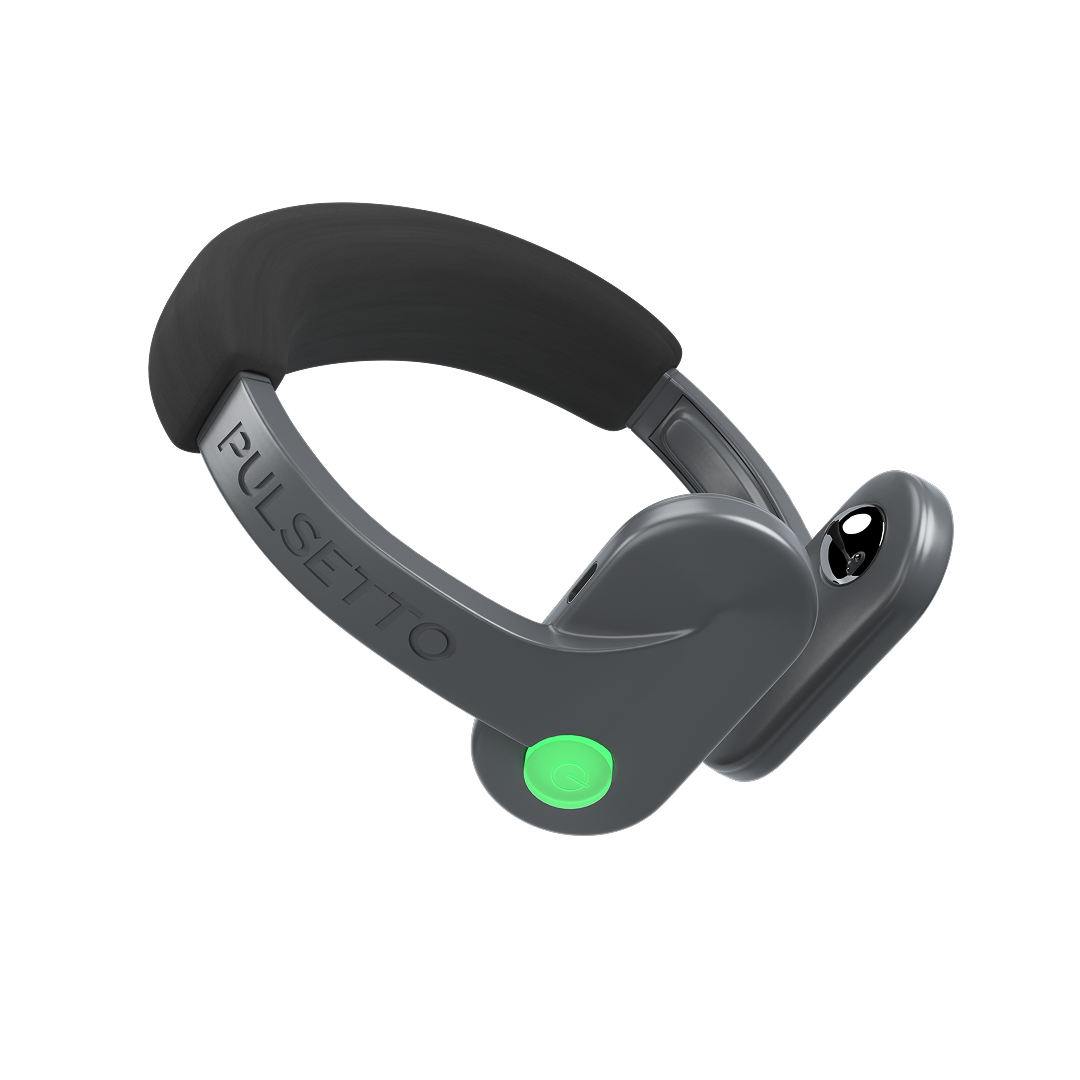
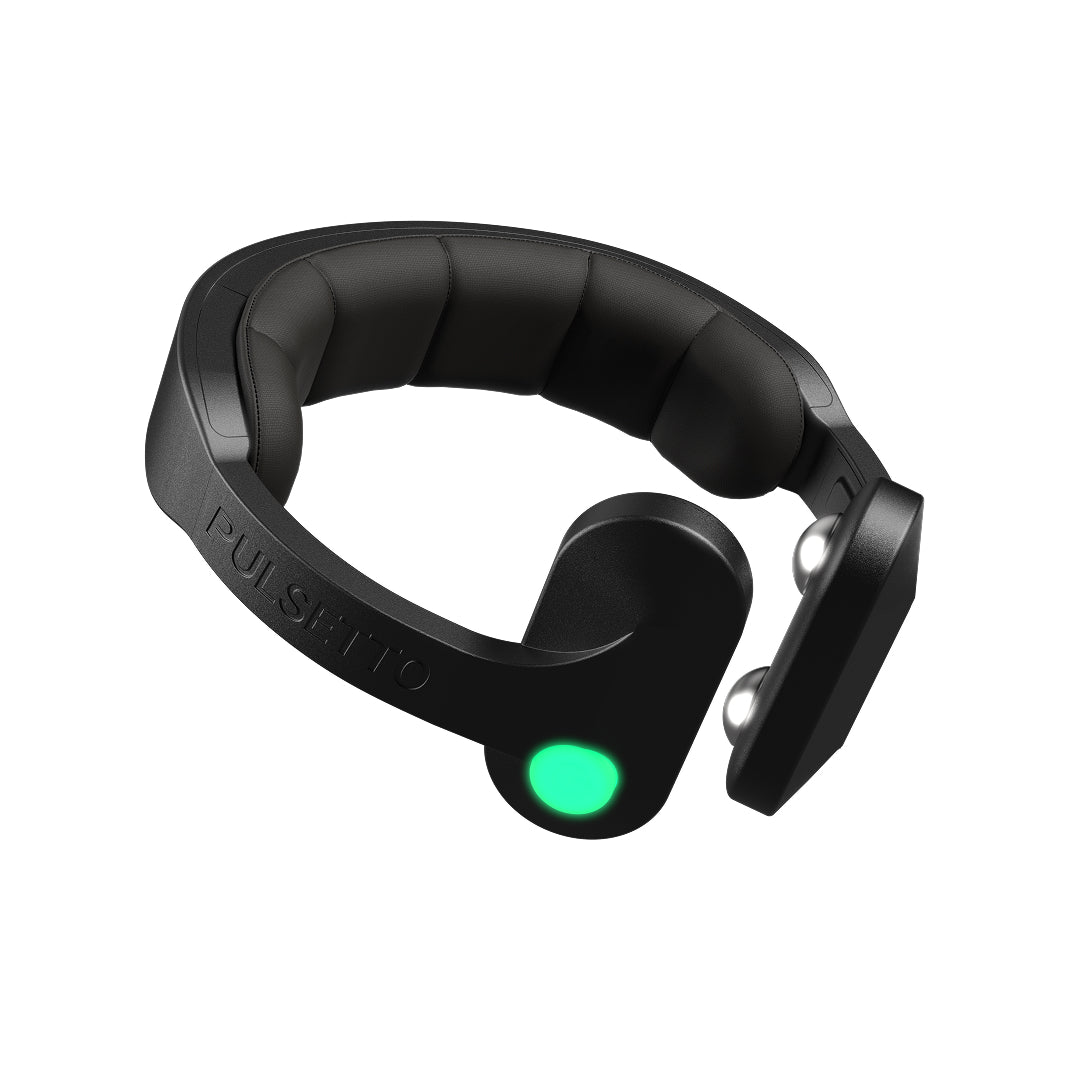
Pulsetto's design as a bilateral cervical vagus nerve stimulation device, CE certified for general wellness use, puts that direct activation into a 4-minute hands-free session through electrodes placed on the neck. The companion app includes programs for stress, anxiety, sleep, burnout, and pain management, and the anxiety outcomes are supported by Pulsetto's own data: in Pulsetto's own randomized open-label pilot study (n=40, 4 weeks), GAD-7 anxiety scores improved by 45.3% in the bilateral group.
Disclaimer: Pulsetto is a general wellness product and is not intended to diagnose, treat, cure, or prevent any disease or medical condition. People with pacemakers, implantable cardiac devices, epilepsy, or who are pregnant should consult a physician before using any electrical stimulation device.
Long-Term Strategies to Reduce Panic Attacks
While in-the-moment techniques are important, long-term lifestyle habits can reduce how often and how severely panic attacks occur. A structured ultimate stress relief protocol that combines these habits gives the nervous system a consistent baseline that reduces overall vulnerability to panic over time. The goal is prevention, not a cure.
Limit Caffeine, Alcohol, and Sugar
Caffeine, alcohol, and excess sugar can all increase baseline nervous system arousal, making panic attacks more likely in sensitive individuals. Caffeine stimulates the same physiological pathways as the stress response. Alcohol may offer temporary relief but disrupts sleep and increases anxiety as it metabolises. Reducing or eliminating these substances is one of the most reliable what-helps-with-panic-attacks lifestyle changes for people who experience panic attacks regularly.
Exercise Regularly
Regular exercise reduces overall stress and tension by lowering baseline cortisol levels and improving autonomic nervous system regulation. Low-impact options like walking, swimming, and yoga are good starting points for people who are new to exercise or managing high anxiety. Consistency matters more than intensity for the nervous system benefits.
Practice Mindfulness Daily
Engaging in daily mindfulness practices can promote long-term calmness and may reduce the frequency of panic attacks over time. Brief daily sessions of 5 to 10 minutes tend to be more sustainable than longer occasional practices, particularly for people new to the habit. Among the best meditation tools for people with panic disorder, apps with guided body scans and breathing exercises offer the most accessible entry point.
Consider Therapy
Cognitive behavioral therapy is one of the most consistently effective treatments for panic disorder. A systematic review and meta-analysis of 72 randomized controlled trials found that CBT produces meaningful and lasting reductions in panic disorder symptoms, with exposure-based and cognitive restructuring components showing the clearest benefits (Pompoli et al., Psychological Medicine, 2018).
Exposure therapy in particular helps confront the situations or sensations that trigger panic attacks, reducing avoidance over time. Medication, including antidepressants and anti-anxiety medications, can also help reduce panic attack frequency and severity. Antidepressants may take 2 to 4 weeks to start working. Speaking with a healthcare professional about how to manage a panic attack through a combination of therapy, medication, and lifestyle change gives the strongest evidence-backed starting point.
Ready to Support Your Nervous System?
Managing panic attacks is most effective when the best anxiety tools for adults work together: in-the-moment techniques, lifestyle habits, and physiological support each addressing a different part of the same problem.
Pulsetto may support the nervous system calming component of that approach as a drug-free complement to breathing practice and behavioral strategies. It is designed to work alongside professional guidance and lifestyle changes, not in place of them. In Pulsetto reviews, pairing the device with consistent breathing practice and lifestyle habits is a recurring theme among users managing anxiety and stress.
If your nervous system needs support between those moments, Pulsetto's 4-minute cervical VNS session is designed to provide it directly.
FAQs: How to Stop a Panic Attack
These answers cover common questions about panic attack symptoms, grounding techniques, and long-term management.
How long does a panic attack last?
Most panic attacks last between 5 and 20 minutes, with symptoms typically peaking around 10 minutes. While they feel unbearable during the experience, they are not physically dangerous and will pass. Knowing this during a panic attack, and reminding yourself of it, is itself one of the most effective grounding strategies available.
What is the difference between a panic attack and panic disorder?
Not everyone who experiences a panic attack develops panic disorder. Panic disorder involves recurrent unexpected panic attacks and the persistent worry or behavioral changes that follow them, and affects approximately 2% to 3% of people in the US. Women are approximately twice as likely to have panic disorder as men. A healthcare professional can assess whether recurring panic attacks meet the criteria for panic disorder and recommend appropriate treatment.
What helps with panic attacks in the moment?
Slow breathing with an extended exhale, the 5-4-3-2-1 grounding method, staying in place, and positive self-talk are the most reliable immediate tools. What helps with panic attacks most consistently is combining several techniques at once rather than relying on a single method. Starting with the breath and then moving to grounding gives both the body and mind something to focus on simultaneously.
Is vagus nerve stimulation safe for people with panic attacks?
Non-invasive VNS is a CE-certified general wellness approach designed to support nervous system calming and may be used as part of a broader stress and anxiety management routine. Contraindications include pacemakers, implantable cardiac devices, epilepsy, and pregnancy. Those who want to review Pulsetto side effects before starting should do so alongside consultation with a healthcare professional, particularly for anyone with underlying health conditions.
When should I see a doctor about panic attacks?
Seek professional support when panic attacks are frequent, severe, affecting daily functioning, or accompanied by intense chest pain or difficulty breathing. A healthcare provider can assess whether panic disorder or another condition is present and recommend a treatment plan that may include CBT, medication, or both. How to stop a panic attack long-term almost always requires professional support when attacks are recurrent.
Scientific Research
[1] The epidemiology of panic attacks, panic disorder, and agoraphobia in the National Comorbidity Survey Replication (Kessler RC, Chiu WT, Jin R et al., 2006, Archives of General Psychiatry, PMC)
[2] Effects of Diaphragmatic Breathing on Health: A Narrative Review (Hamasaki H, 2020, Medicines, PMC)
[3] Dismantling cognitive-behaviour therapy for panic disorder: a systematic review and component network meta-analysis of 72 RCTs (Pompoli A, Furukawa TA, Efthimiou O et al., 2018, Psychological Medicine, PMC)
[4] Application of Noninvasive Vagal Nerve Stimulation to Stress-Related Psychiatric Disorders (Bremner JD, Gurel NZ, Wittbrodt MT et al., 2020, Journal of Personalized Medicine, PMC)
[5] Transcutaneous cervical vagal nerve stimulation reduces sympathetic responses to stress in posttraumatic stress disorder: A double-blind, randomized, sham controlled trial (Gurel NZ, Wittbrodt MT, Jung H et al., 2020, Neurobiology of Stress, PMC)