Quick Overview: Best Calming Devices for Anxiety
Looking for the short version? Here is a fast-scan summary of every device covered in this guide.
-
Pulsetto - Best vagus nerve stimulator for daily wearable use
-
Apollo Neuro - Best for whole-body vibration and activity tracking integration
-
Sensate - Best for stone-weighted chest resonance and guided sessions
-
Nurosym - Best for clinical-grade transcutaneous vagus nerve stimulation
-
Hoolest - Best budget-friendly handheld calming option
-
Spire Health Tag - Best for passive stress detection and breathing cues
Each of these devices targets the nervous system through a different mechanism. For readers who want to go deeper on the wearable category specifically, the best wearable device for anxiety guide covers that segment in more detail.
Top 6 Calming Devices for Anxiety in 2026

The devices below are ranked by how well they combine science-backed nervous system support with practical, everyday wearability. Each entry covers what the device is, how it works, who it suits best, and one honest limitation.
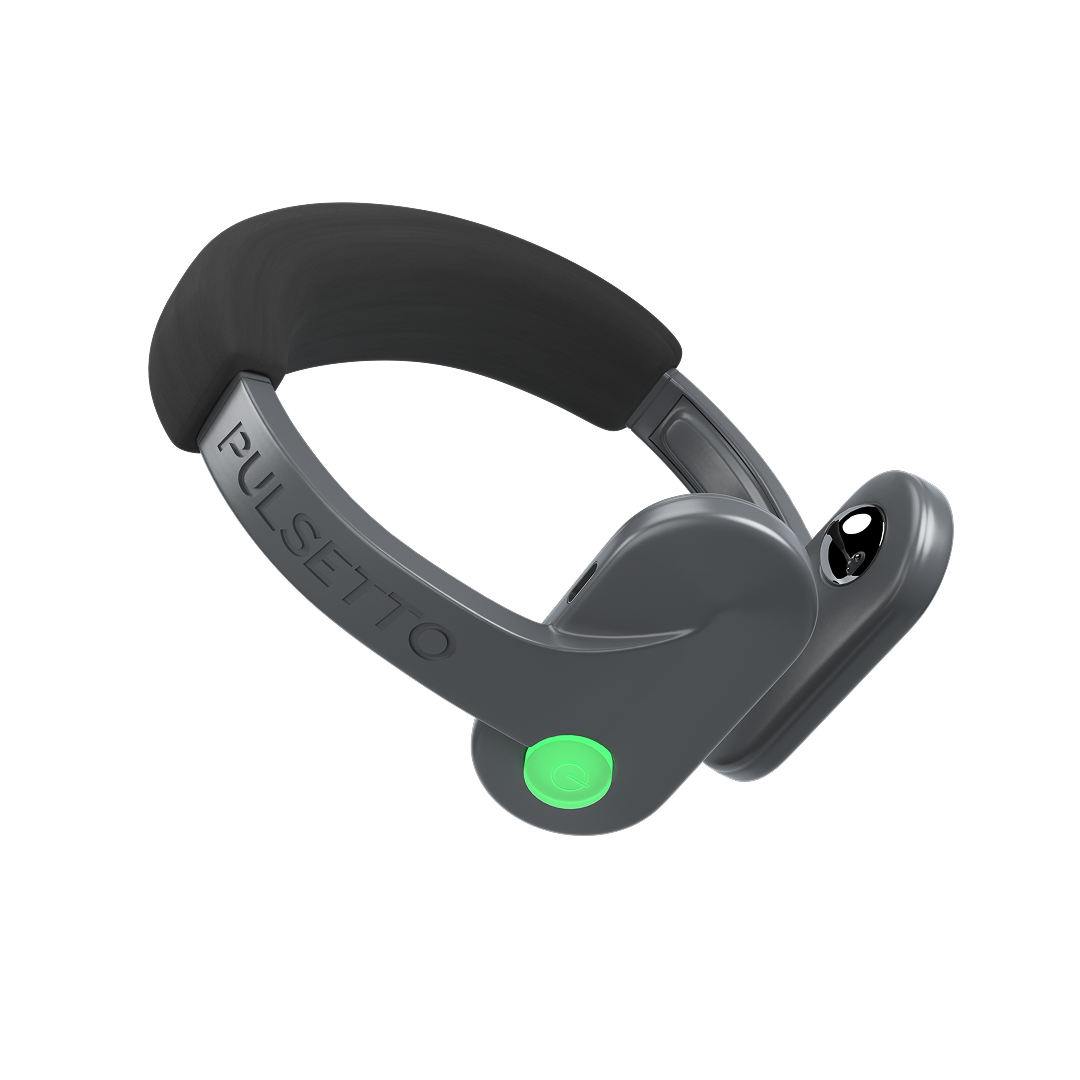
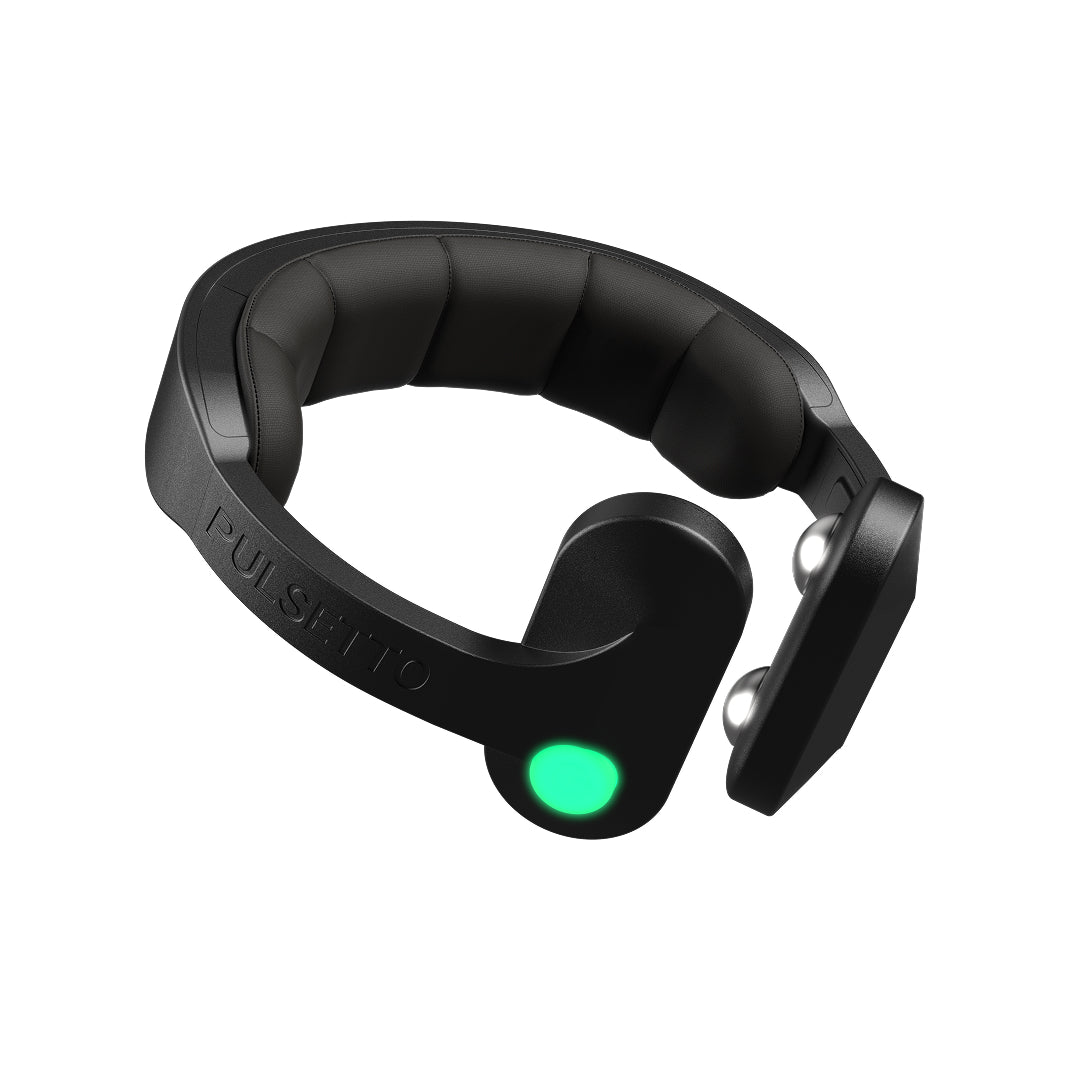
1. Pulsetto - Best Vagus Nerve Stimulator for Daily Wearable Use

What it is: Pulsetto is a wearable neck device that delivers gentle electrical pulses to the vagus nerve (the long nerve running from your brainstem through your neck and into your chest and abdomen). It pairs with a companion app that offers guided sessions for anxiety, stress, sleep, and burnout.
How it works: The device sits against the sides of the neck and sends low-level electrical signals designed to engage the vagus nerve and nudge the body toward its parasympathetic state, which is the rest-and-recover mode that counteracts the fight-or-flight response. Sessions typically run between four and twenty minutes.
Key features:
-
Neck-placement design for discreet, hands-free use
-
App-guided programs covering anxiety, sleep, and focus
-
Rechargeable, suitable for daily sessions
-
No gel required in newer device versions
Who it suits best: Adults who want a passive, low-effort calming tool they can use during a commute, lunch break, or wind-down routine without needing to actively concentrate.
Honest limitation: Effectiveness varies between users, and some people may need several consistent sessions before noticing a change in how they feel.
Verdict: For daily, app-supported vagus nerve stimulation in a wearable format, Pulsetto offers one of the most accessible entry points available in 2026. Learn more about vagus nerve stimulation for anxiety and how this mechanism compares to other approaches.
2. Apollo Neuro - Best for Whole-Body Vibration and Activity Integration

What it is: Apollo Neuro is a wearable wristband or ankle device that delivers silent, gentle vibrations designed to shift the nervous system toward a calmer or more focused state, depending on the mode selected.
How it works: Rather than electrical stimulation, Apollo Neuro uses touch-based vibration therapy. The premise is that certain vibration frequencies may signal safety to the nervous system, helping to reduce the physiological markers of stress. It integrates with fitness trackers and health apps, making it appealing for people already using wearables.
Key features:
-
Wrist or ankle placement options
-
Multiple modes including sleep, focus, and social
-
App-based session control and HRV (heart rate variability) tracking
-
Compatibility with popular health platforms
Who it suits best: Active adults who already wear fitness trackers and want a calming device that fits into that ecosystem naturally.
Honest limitation: The vibration mechanism is distinct from direct vagus nerve stimulation, and the evidence base for vibration-based nervous system regulation is still developing.
Verdict: A strong choice for data-oriented users who want calming support integrated with activity tracking.
3. Sensate - Best for Chest Resonance and Guided Relaxation Sessions

What it is: Sensate is a smooth stone-shaped device placed on the sternum (breastbone) that produces infrasonic resonance (low-frequency vibration felt through the chest) while the user listens to paired audio through headphones.
How it works: The combination of chest-felt vibration and specially designed soundscapes is thought to stimulate the vagus nerve indirectly through resonance, promoting a shift toward parasympathetic calm. Sessions are structured and range from ten to thirty minutes.
Key features:
-
Chest placement for a grounding, meditative experience
-
Curated audio library with nature and tonal soundscapes
-
No electrical stimulation, purely vibrational
-
Compact and travel-friendly design
Who it suits best: People who prefer a dedicated, intentional relaxation ritual rather than a device worn during daily activity.
Honest limitation: It requires headphones and a quiet environment, making it less practical for on-the-go use compared to neck-worn alternatives.
Verdict: Excellent for evening wind-down routines, less suited for active-day calming.
4. Nurosym - Best for Clinical-Grade Transcutaneous Stimulation
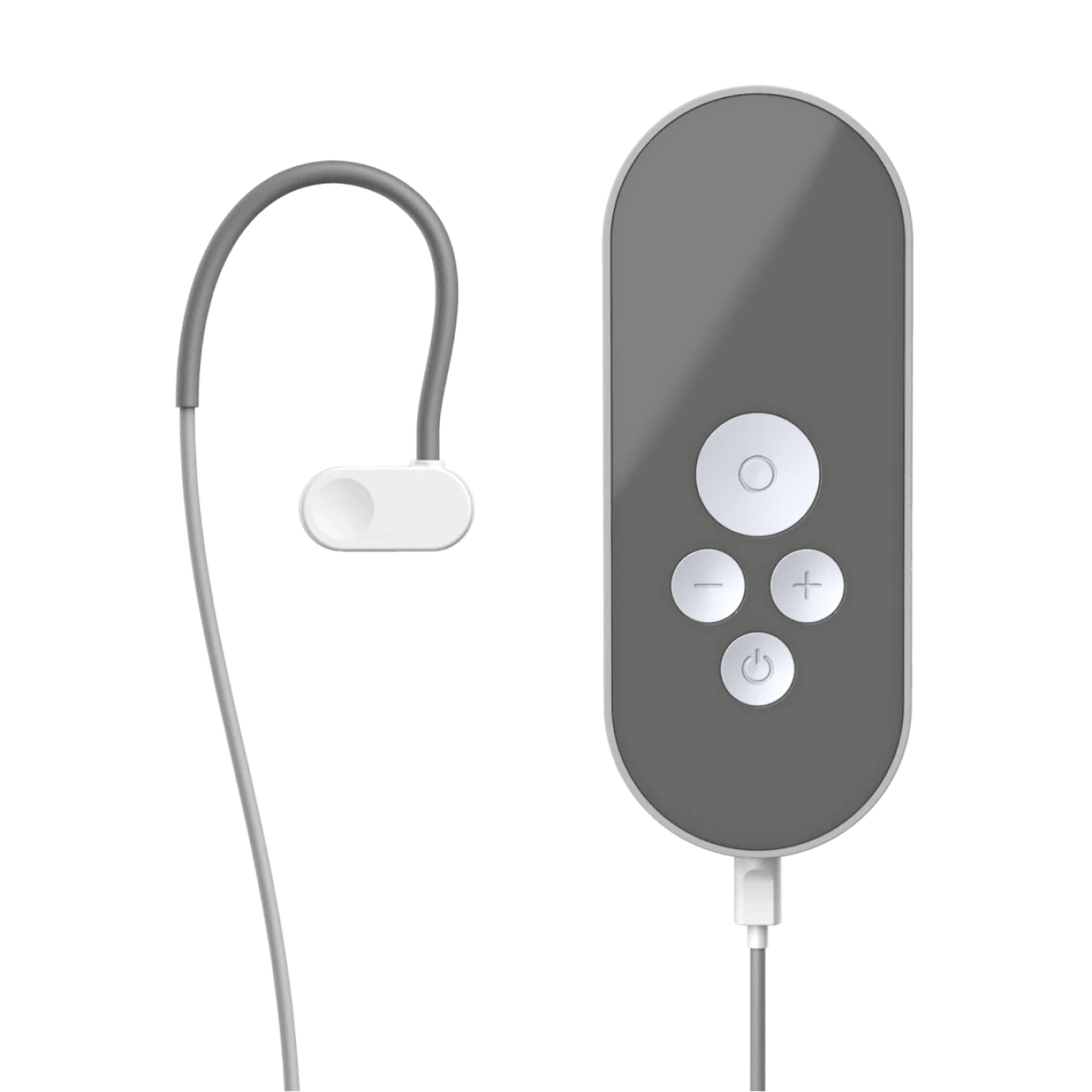
What it is: Nurosym is a transcutaneous auricular vagus nerve stimulator (taVNS), meaning it delivers electrical stimulation via a small clip placed on the ear rather than the neck. It is positioned closer to the clinical and research end of the wellness device spectrum.
How it works: The outer ear contains a branch of the vagus nerve, and Nurosym targets this access point with calibrated electrical pulses. This ear-based approach mirrors the method used in many formal research settings, which may appeal to users who want a device closer to studied protocols.
Key features:
-
Ear-clip delivery for precise vagal access
-
Adjustable intensity settings
-
Designed for structured sessions rather than passive wear
-
Targets the auricular branch of the vagus nerve
Who it suits best: Users who have researched vagus nerve stimulation in depth and want a device that aligns closely with clinically studied delivery methods. Pricing sits at the higher end of the consumer market (approximately $399-$499, check nurosym.com for current figures).
Honest limitation: The ear-clip format is less discreet than neck or wrist options and may feel unfamiliar during initial use.
Verdict: The best option for informed buyers who prioritise clinical alignment over convenience.
5. Hoolest - Best Budget-Friendly Handheld Calming Device

What it is: Hoolest produces handheld electrical stimulation devices designed to be held in the hand or placed against the neck for short calming sessions. They occupy the more accessible end of the vagus nerve stimulator market in terms of price.
How it works: Hoolest devices deliver gentle electrical pulses to the vagus nerve access points in the neck, using a similar stimulation principle to higher-priced competitors but in a simpler, more manual format without extensive app integration.
Key features:
-
Handheld form factor, no wearable attachment needed
-
Lower price point, typically under $150
-
Simple controls with minimal setup
-
Suitable for shorter, on-demand sessions
Who it suits best: People new to anxiety devices who want a lower-cost entry point before committing to a premium wearable. For a deeper look at this category, the handheld anxiety device guide covers the options in full.
Honest limitation: Less app support and fewer program options compared to premium alternatives, which may limit long-term engagement.
Verdict: A practical starting point for budget-conscious first-time buyers.
6. Spire Health Tag - Best for Passive Stress Detection and Breathing Cues
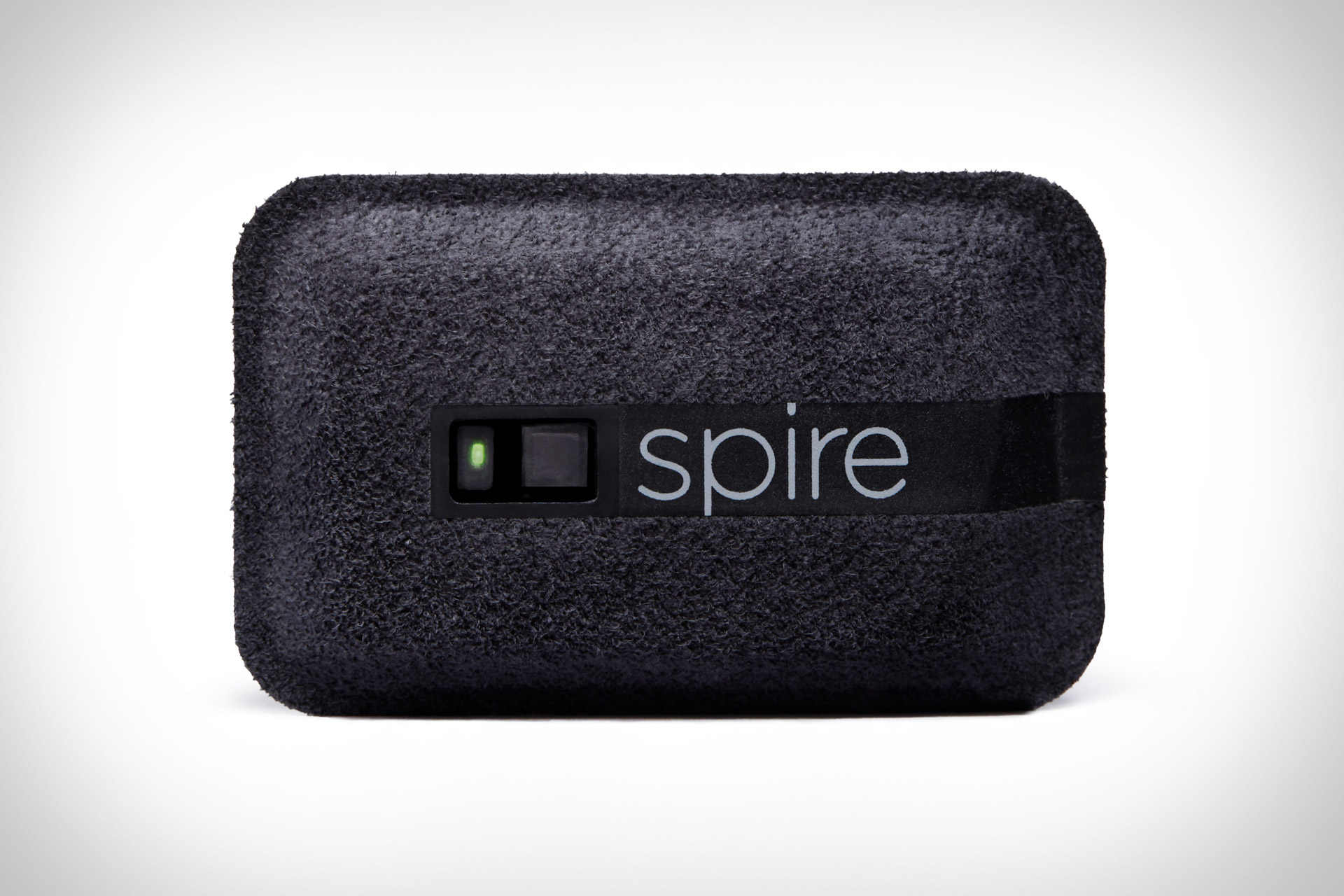
What it is: Spire Health Tag is a small clip-on sensor worn on clothing or a bra strap that monitors breathing patterns throughout the day and sends real-time alerts when it detects tension or stress in the breath.
How it works: Rather than delivering stimulation, Spire tracks the body's physiological signals and nudges the user toward calming action through gentle notifications. It identifies when breathing becomes shallow or erratic, both of which are common physical signs of anxiety.
Key features:
-
Passive, always-on monitoring with no active setup
-
Real-time breathing alerts via paired app
-
Focuses on breath awareness rather than direct stimulation
-
Discreet wearable design compatible with everyday clothing
Who it suits best: People who struggle to notice their anxiety building in real time and need a gentle external prompt to pause and breathe.
Honest limitation: It is a detection and cue tool rather than a stimulation device, so it works best alongside other calming techniques rather than as a standalone solution.
Verdict: An excellent passive awareness layer for people who already have a calming technique ready but need help knowing when to use it.
The right device ultimately depends less on which one is most advanced and more on which one fits how you actually live. The next section breaks that down practically.
How Calming Devices Work: The Science Behind the Relief

Most effective calming devices work by activating the body's rest-and-recover mode (the parasympathetic nervous system), which counteracts the stress response. The central pathway for this is the vagus nerve, a long nerve running from the brainstem through the neck, chest, and abdomen. Stimulating this nerve, whether through electrical pulses, vibration, or resonance, may help shift the body away from a state of tension and toward one of calm. Research suggests this mechanism may support reduced feelings of anxiety over time with consistent use.
The nervous system shift explained simply:
Your body has two main operating modes. The sympathetic nervous system is the accelerator, triggering fight-or-flight when you feel threatened. The parasympathetic nervous system is the brake, slowing heart rate, easing muscle tension, and settling the mind. Anxiety tends to keep the accelerator pressed longer than it needs to be.
The vagus nerve (from the Latin word for "wandering," because it travels so extensively through the body) is the main cable connecting the brain to the heart, lungs, and gut. When this nerve is active and well-toned, the parasympathetic brake is more responsive. When it is under-stimulated, the body stays in a heightened state of alert more easily.
How devices engage this pathway:
Non-invasive vagus nerve stimulator devices like Pulsetto deliver gentle electrical signals to the skin near the neck, where the vagus nerve runs close to the surface. This is thought to engage the nerve without any surgery, needles, or medication. Vibrational devices like Sensate may stimulate the same pathway indirectly through chest resonance.
The key phrase here is "may help." Vagus nerve stimulation is a well-established concept in neuroscience, and the science behind non-invasive approaches to vagal engagement continues to develop. For complementary context, the biofeedback device guide and the overview of non-invasive treatment for anxiety both expand on what these mechanisms look like in practice.
How to Choose the Right Calming Device for Your Lifestyle

Not every calming device suits every person, and the one you will actually use consistently is always the better choice over the one that is technically superior but sits unused. Here is a practical framework for matching device type to daily life.
If you want something discreet for use during the day:
A wearable device worn on the neck or wrist is the most practical option. It requires no setup, no quiet environment, and no interruption to your routine. Pulsetto's neck placement, for example, is designed to be worn during low-activity periods like desk work, commuting, or reading.
If you prefer a structured, intentional wind-down routine:
Chest-placement devices like Sensate, or any device with guided audio sessions, may suit you better. These create a clear ritual around calming, which many people find easier to sustain as a habit.
If you are new to anxiety devices and not sure where to start:
A handheld option offers a lower-commitment entry point. You do not need to commit to a wearable, and you can test whether device-based calming resonates with you before investing more.
If anxiety disrupts your sleep:
Look for devices with dedicated sleep programs or HRV (heart rate variability) tracking. HRV is a measure of how much your heartbeat timing varies, and higher variability generally reflects a calmer, more regulated nervous system. Pulsetto offers app-guided sessions specifically for sleep alongside its anxiety programs, making it a versatile option for users who need coverage across both.
If you want the experience closest to clinical vagus nerve research:
Ear-based transcutaneous devices like Nurosym align most closely with studied delivery methods and may appeal to users who have done their research and want that alignment.
For a broader look at the wearable category, the calming tools for adults guide and the roundup of best relaxation devices both offer useful context alongside the comparison above.
Calming Devices vs. Traditional Anxiety Relief Techniques
Calming devices are not a replacement for therapy, medication prescribed by a doctor, or lifestyle habits like regular sleep, exercise, and connection. They are an addition to those foundations, not a substitute for them.
That said, there is a real reason people exploring devices arrive here after trying breathing apps and meditation. Active techniques require consistent effort and mental engagement, and on difficult days, that effort can feel out of reach. A wearable or handheld device offers a more passive entry point. You do not have to focus, maintain a practice, or remember a sequence. You put it on, start a session, and let the mechanism do the work.
Some users find this passive engagement helpful as a primer. By using a device to settle their nervous system first, they find it easier to then drop into a breathing exercise or body scan with less resistance. The 3-3-3 rule for anxiety (naming three things you see, three sounds you hear, and moving three body parts) is a grounding technique that pairs well with device use, either before or after a session. Tools like these work alongside devices rather than in competition with them.
For moments when anxiety spikes suddenly, the instant anxiety relief guide covers rapid-response techniques that complement device-based routines.
One important note: anyone with a diagnosed anxiety disorder, or anyone taking medication for anxiety or mood, should speak with a healthcare professional before using a vagus nerve stimulation device as a primary tool. Wellness devices are not medical treatments, and that distinction matters.
Ready to Try a Wearable Calming Device?
If this comparison has pointed you toward a wearable, app-guided option, Pulsetto is worth a close look. It is designed to support daily nervous system regulation through gentle vagus nerve stimulation at the neck, without medication, without a complicated setup, and without requiring a quiet room or a clear schedule.
Pulsetto's companion app includes guided programs for anxiety, stress, sleep, and burnout recovery, so it covers more than one use case from a single device. Sessions are short enough to fit into a realistic day, and the neck-worn design means it does not interrupt what you are doing.
It is a wellness device, not a medical one, and results vary between individuals. But for adults who have tried passive techniques that require too much active effort, a vagus nerve stimulator built for consistent daily use is a meaningful next step.
You can explore Pulsetto's full device range and session library at the wearable stress relief device page, or review how it fits into a broader calming routine at the mindfulness stress reduction Pulsetto overview.
For readers who want to compare the vagus nerve stimulator for anxiety category more broadly before deciding, that guide covers the options in detail alongside the scientific background.
Frequently Asked Questions 💬
What not to say when someone has anxiety?
Avoid phrases like "just relax," "it's all in your head," or "you have nothing to worry about." These responses, however well-intentioned, minimize the experience and can make someone feel more isolated rather than supported. Offering presence and acknowledging what the person is feeling, without immediately trying to fix it, is far more helpful. Anxiety is not a choice, and treating it as one makes it harder for people to ask for help.
Why is anxiety worse in the morning?
Cortisol, the body's primary stress hormone, naturally peaks in the first hour after waking. This is sometimes called the cortisol awakening response, and it primes the body for alertness. For people already prone to anxiety, this natural spike can amplify worried thoughts before the day has even started. The absence of daytime distractions also means anxious thinking has more space to occupy in the early morning, making the first hour a commonly difficult window.
How to tell the difference between stress and anxiety?
Stress is typically tied to a specific, identifiable trigger. A deadline, a difficult conversation, or a financial pressure tends to drive a stress response, and when the trigger resolves, the stress usually eases. Anxiety, by contrast, tends to persist even without a clear cause. It often involves a low-level or spiking sense of dread, physical tension, or recurring worry that continues after the original trigger has passed. If the feeling lingers and does not map clearly to a cause, that pattern is more consistent with anxiety.
What is the 3-3-3 rule for anxiety?
The 3-3-3 rule is a grounding technique used to interrupt anxious thought spirals. The method is simple: name three things you can see, identify three sounds you can hear, and deliberately move three parts of your body. The goal is to redirect attention from internal worry loops back to the present moment through direct sensory engagement. It is not a long-term treatment, but as an in-the-moment tool, many people find it genuinely useful for breaking the cycle of escalating anxious thought.
Are calming devices for anxiety safe to use every day?
Most non-invasive calming devices designed for wellness use are considered safe for daily use by healthy adults when used according to manufacturer guidance. Vagus nerve stimulation devices like Pulsetto are designed for regular sessions and are not medical devices requiring prescriptions. However, anyone with a pacemaker, epilepsy, active skin conditions at the placement site, or other relevant medical conditions should consult a doctor before using any electrical stimulation device. Pregnant individuals should also seek medical advice first. Safety profiles vary by device, so reviewing the specific guidance for whichever device you choose is always the right starting point.