Quick Overview: Best Biofeedback Devices in 2026
Looking for a fast reference before diving into the details? Here are the top picks for 2026.
-
HeartMath Inner Balance Coherence Plus - Best overall HRV biofeedback for stress
-
Mendi - Best EEG neurofeedback headband for focus and calm
-
BrainBit Headband - Best wireless EEG for advanced users
-
KYTO Bluetooth HRV Monitor - Best budget HRV biofeedback device
-
Stress Thermometer SC911 - Best for skin temperature biofeedback beginners
-
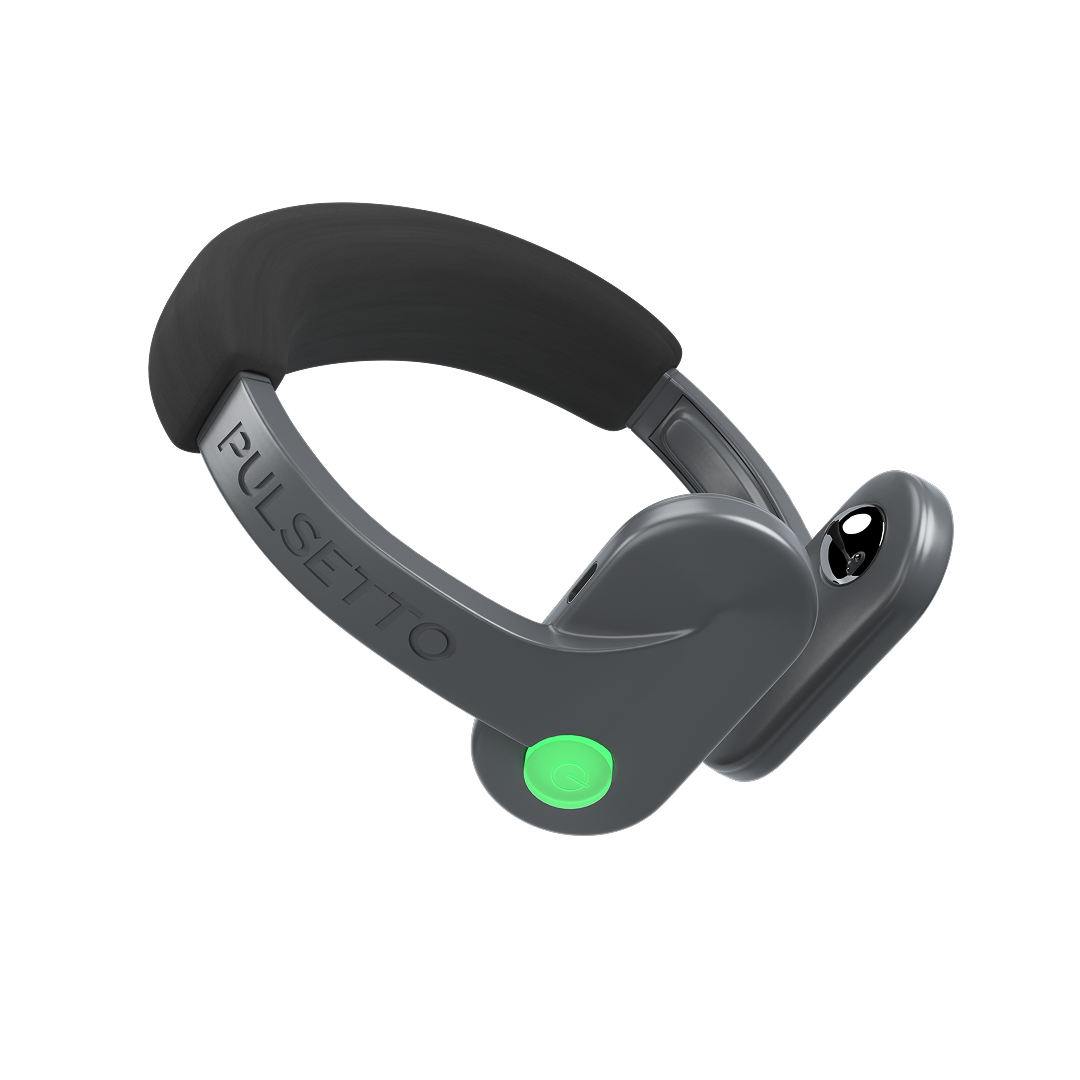
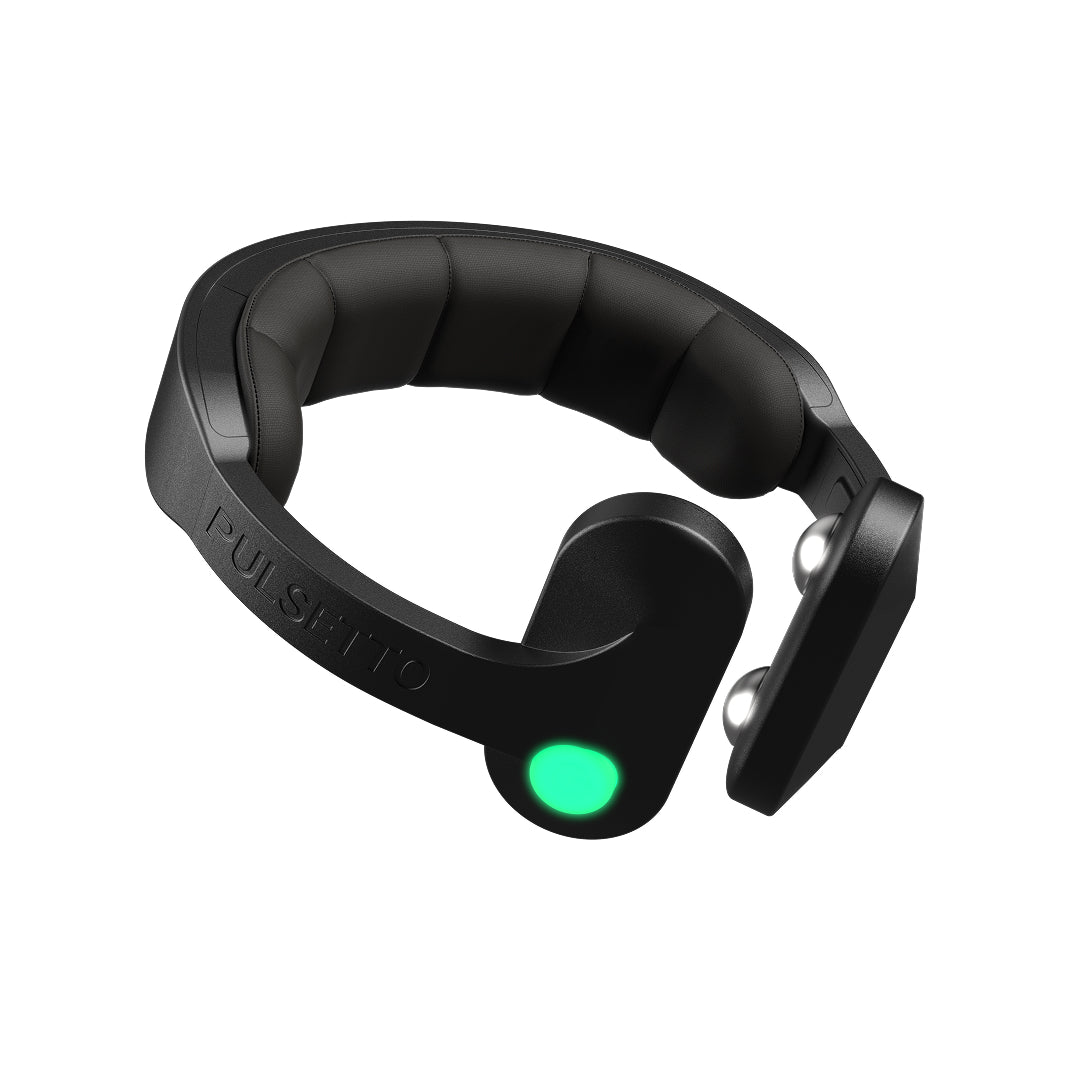
Pulsetto - Best vagus nerve stimulation wearable for passive nervous system support
-
emWave Pro - Best desktop HRV biofeedback for deep training sessions
For deeper comparisons by signal type, see the guides on the best hrv device and the best neurofeedback devices.
Top 7 Best Biofeedback Devices for Home Use

The devices below cover four distinct biofeedback modalities: HRV (heart rate variability), EEG (brainwave activity), skin temperature, and vagus nerve stimulation. Each modality gives you a different window into your nervous system. Understanding which window matters most for your goals is the most useful thing you can do before buying.
1. HeartMath Inner Balance Coherence Plus - Best Overall HRV Biofeedback

The HeartMath Inner Balance Coherence Plus measures heart rate variability (the variation in timing between heartbeats, which reflects how well your autonomic nervous system is adapting to stress) using a clip-on ear or finger sensor paired with the HeartMath app.
What it measures: HRV via photoplethysmography (light-based pulse detection through the skin)
How feedback is delivered: Real-time coherence score displayed in the app, with breathing pacer and progress graphs
Key features:
-
Color-coded coherence zones (low, medium, high) make it immediately readable
-
Guided breathing techniques are built into the app
-
Session history allows you to track trends over days and weeks
-
Compatible with iOS and Android
Best suited for: Adults who want structured, session-based HRV training to manage acute and chronic stress. The app experience is polished and requires no technical knowledge to get started.
Limitations: Requires a wired sensor connection. Not a passive device, so you need to commit dedicated session time. Priced around $199-$229.
Verdict: The most complete entry point into home HRV biofeedback. Well-researched, user-friendly, and supported by a large wellness community.
2. Mendi - Best EEG Neurofeedback Headband

Mendi is a forehead-worn EEG headband that measures blood flow and neural activity in the prefrontal cortex (the brain region associated with attention, decision-making, and emotional regulation). It uses a game-based app interface to deliver feedback, training users to increase focused mental activity.
What it measures: Prefrontal cortex activity via fNIRS (functional near-infrared spectroscopy, a sensor technology that detects changes in blood oxygenation)
How feedback is delivered: A visual game in the Mendi app responds in real time to your brain state. When focus increases, an in-game object rises.
Key features:
-
Game-based feedback lowers the learning curve considerably
-
10-minute sessions are designed for busy schedules
-
App tracks progress across weeks
-
Lightweight, comfortable headband design
Best suited for: Adults who want to improve focus, cognitive calm, or mental resilience. Particularly appealing to those who find breathing-based apps tedious.
Limitations: Measures a narrower brain region than full EEG systems. Not ideal if sleep improvement is the primary goal. Priced around $299.
Verdict: A genuinely enjoyable neurofeedback experience. The game format makes consistent daily use more likely than with drier feedback formats.
3. BrainBit Headband - Best Wireless EEG for Advanced Users

BrainBit is a four-electrode wireless EEG headband that records brainwave activity across multiple brain regions, including frontal and occipital zones. It feeds raw EEG data into a companion app and is also compatible with third-party biosignal platforms.
What it measures: Brainwave activity (alpha, beta, theta, delta waves) via dry EEG electrodes
How feedback is delivered: App-based visualizations, real-time wave graphs, and compatibility with developer-facing biosignal tools
Key features:
-
Four electrodes provide broader brain coverage than single-sensor devices
-
Dry electrodes mean no gel or prep required
-
Open API allows integration with custom wellness apps
-
Bluetooth connectivity for fully wireless use
Best suited for: Tech-curious users who want detailed brainwave data and are comfortable interpreting more complex readouts. Also relevant for biohackers who want to pair EEG data with other health metrics.
Limitations: The raw data can feel overwhelming without prior EEG experience. Less guided than Mendi. Priced around $350-$400.
Verdict: A powerful tool for those who want to go deeper than consumer-grade neurofeedback. Not the right starting point for beginners.
4. KYTO Bluetooth HRV Monitor - Best Budget Biofeedback Option
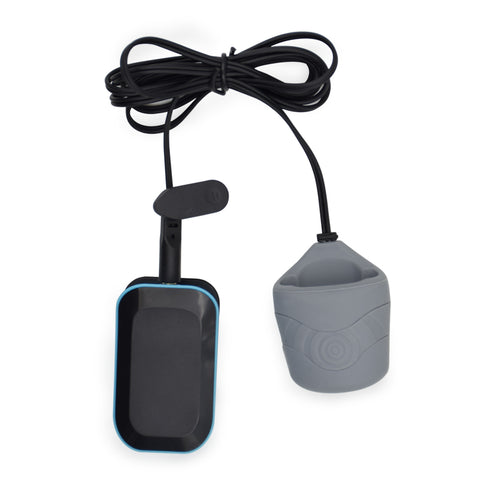
The KYTO Bluetooth HRV Monitor is a finger-clip pulse oximeter-style sensor that pairs with HRV-compatible apps to deliver basic heart rate variability biofeedback. It captures the raw signal needed for HRV analysis at a fraction of the cost of premium HRV devices.
What it measures: HRV via photoplethysmography, similar to the HeartMath sensor
How feedback is delivered: Works with third-party HRV apps (such as Elite HRV or HRV4Training) that display real-time readings and trend data
Key features:
-
Very low entry price, typically under $50
-
Bluetooth 4.0 connectivity
-
Finger-clip form factor is comfortable for seated sessions
-
Broad app compatibility
Best suited for: Adults who want to explore HRV biofeedback before committing to a premium system. Good for anyone who already uses an HRV app and simply needs a reliable sensor.
Limitations: No dedicated app of its own. The biofeedback experience depends entirely on the third-party app you pair it with. Less polished than HeartMath as an end-to-end system.
Verdict: The most accessible way to start measuring HRV at home. Ideal as a starter device, with room to upgrade later.
5. Stress Thermometer SC911 - Best for Skin Temperature Biofeedback

The SC911 is a handheld skin temperature biofeedback device that measures peripheral finger temperature, a reliable indicator of the stress response. When the body is under stress, blood flow shifts away from the extremities. Warming the hands through relaxation techniques is a measurable sign of parasympathetic (rest-and-recover mode) activation.
What it measures: Peripheral skin temperature, which reflects blood flow changes driven by the autonomic nervous system
How feedback is delivered: Digital temperature display with audio tone that changes pitch as temperature rises or falls
Key features:
-
No app or screen required, making setup extremely simple
-
Immediate audio feedback during relaxation practice
-
Durable, portable form factor
-
Very low price point, typically under $100
Best suited for: Biofeedback beginners, or anyone who finds HRV or EEG devices overly complex. Also useful as a complementary tool alongside other biofeedback modalities.
Limitations: Skin temperature is a slower-moving signal than HRV, so feedback loops take longer to perceive. No data logging or progress tracking.
Verdict: Underrated as a starting point. If you want to learn what genuine physiological relaxation feels like in real time, this device makes it tangible immediately.
6. Pulsetto - Best Vagus Nerve Stimulation Wearable

Pulsetto takes a fundamentally different approach from every other device on this list. Rather than measuring a physiological signal and asking you to regulate it consciously, Pulsetto delivers gentle, low-level electrical pulses to the vagus nerve (the major nerve running from the brainstem to the abdomen that governs the body's rest-and-recover response) through electrodes placed on the neck.
What it does: Delivers transcutaneous vagus nerve stimulation (tVNS) via a neck-worn wearable. This is a form of transcutaneous vagus nerve stimulation device technology, meaning it works through the skin without any surgical component.
How feedback is delivered: The Pulsetto app guides users through session selection, intensity control, and session tracking. The app provides the feedback loop: users select a goal (stress, sleep, anxiety, focus), run a session, and monitor how they feel over time. For more on how this approach connects to anxiety relief, see vagus nerve stimulation for anxiety.
Key features:
-
Passive stimulation during sessions, no active interpretation required
-
App-guided protocols for different goals (stress relief, sleep, focus)
-
Session lengths typically 4-10 minutes
-
Wearable design for convenient daily use
-
No sensors to calibrate or signals to analyze
Best suited for: Adults who want a passive, session-based approach to nervous system support without the cognitive effort of active biofeedback training. Particularly relevant for those who want nervous system support during a short break rather than a dedicated training session.
Important note: Pulsetto is a wellness wearable, not an FDA-cleared medical device. It is not designed to treat, diagnose, or cure any medical condition. It is designed to support nervous system regulation at a wellness level. Users with pacemakers, epilepsy, or other relevant health conditions should consult a doctor before use.
Limitations: Does not provide real-time physiological readouts in the way HRV or EEG devices do. The feedback experience is more experiential than data-driven.
Verdict: A genuinely distinct category. If you want to support your nervous system without managing sensors or interpreting graphs, Pulsetto offers one of the most accessible approaches available. To explore the broader category, see best vagus nerve stimulation devices.
7. emWave Pro - Best Desktop HRV Training System

The emWave Pro is HeartMath's professional-grade desktop HRV biofeedback system. It connects via USB to a laptop or desktop and delivers the most comprehensive HRV analysis and guided training experience in the HeartMath range.
What it measures: HRV via an ear clip or finger pulse sensor, with significantly more detailed analysis than the mobile Inner Balance system
How feedback is delivered: Desktop software with real-time coherence graphs, waveform display, and multiple training game interfaces
Key features:
-
More detailed HRV waveform visualization than mobile alternatives
-
Multiple feedback modes including a visual coherence graph and interactive game
-
Session history with exportable data
-
Option to add a second sensor for practitioner-assisted use
-
Used in both home and clinical wellness settings
Best suited for: Adults who want the deepest available home HRV training experience, or who prefer a desktop setup over a mobile app. Also suitable for wellness practitioners working with clients in informal settings.
Limitations: Desktop-based, so not portable. Higher price point, typically $299-$350. Overkill for casual or exploratory users.
Verdict: The gold standard for home HRV biofeedback depth. Recommended for users who have already tried a simpler HRV device and want to go further.
What Is a Biofeedback Device?
A biofeedback device measures a physiological signal from the body, such as heart rate variability, brainwave activity, skin temperature, muscle tension, or skin conductance, and presents that data to the user in real time through an app, audio tone, or visual display. The goal is to make invisible stress responses visible so the user can learn to influence them.
The underlying mechanism relies on the connection between the body's autonomic nervous system (the automatic control system governing heart rate, breathing, and digestion) and voluntary behaviors like controlled breathing, focused attention, or relaxation. Once you can see how your body is responding to stress, you can practice shifting that response deliberately.
Home-use biofeedback devices are simpler than clinical systems but operate on the same physiological principles used in professional biofeedback therapy. They are designed to be safe, accessible, and practical for unsupervised daily use.
Vagus nerve stimulation wearables represent a related but distinct category. Rather than passively measuring and displaying physiological signals, they actively deliver gentle stimulation to support nervous system regulation. They are increasingly used alongside traditional biofeedback tools by adults looking for a more passive approach to stress management.
For guidance on related device categories, see the guides on the nervous system regulation device and biohacking devices.
How to Choose the Right Biofeedback Device for Your Goals
Matching Device Type to Your Wellness Goal
The most important question is not "which device is best?" but "which modality fits my specific problem?"
If stress is the main goal, HRV biofeedback is the most direct match. The heart rate variability signal reflects autonomic nervous system balance in real time, making it the most widely used biofeedback modality for stress management. HeartMath Inner Balance or the KYTO monitor are both solid starting points, depending on your budget.
If anxiety or racing thoughts are the main issue, EEG neurofeedback may be more relevant. Devices like Mendi train prefrontal cortex activity, which is associated with the ability to regulate emotional responses. Some users find that watching their own brain state shift is more compelling than watching a heart rate graph.
If sleep quality is the primary concern, both HRV training and vagus nerve stimulation may be worth considering. HRV devices can reveal how your nervous system is recovering overnight, while a device like Pulsetto offers a pre-sleep wind-down session designed to support the shift from sympathetic (alert mode) to parasympathetic (rest mode) activation.
If you want a passive approach, vagus nerve stimulation wearables remove the need for active feedback interpretation entirely. This suits adults who want nervous system support during a short daily break without managing sensors or analyzing graphs. For a broader look at this approach, the best wearable device for anxiety collection covers several relevant options.
Practical Factors: Budget, Time, and Ease of Use
Budget and time commitment are practical filters that should shape your choice as much as the modality itself.
-
Under $100: The KYTO HRV monitor or the SC911 skin temperature device are both capable starting points.
-
$100-$250: HeartMath Inner Balance Coherence Plus offers the most complete end-to-end experience at this price range.
-
$250-$400: Mendi, BrainBit, and emWave Pro all sit in this range and offer deeper data or a more specialized modality.
Time commitment varies significantly. EEG and HRV devices typically require 10-20 minutes of focused daily sessions to build skill. Vagus nerve stimulation sessions with Pulsetto are typically 4-10 minutes and can be done passively, without active attention.
Several devices can also be used together. Pairing an HRV monitor with a VNS wearable, for example, gives you both a measurement tool and an active support tool. Users who want both visibility into their nervous system state and a direct way to influence it often find this combination more effective than either device alone.
For further guidance on calming tools, the calming device for anxiety roundup covers complementary options.
Is At-Home Biofeedback Safe and Effective?
Biofeedback is widely used in clinical settings and is generally considered safe for healthy adults when devices are used as directed. Home-use devices are designed to operate at lower intensity than clinical systems and do not deliver stimulation or perform medical measurements in the clinical sense.
The evidence base for biofeedback varies by modality and device type. HRV biofeedback has one of the stronger evidence bases among consumer-grade tools, and many users report meaningful improvements in how they perceive and manage stress over several weeks of consistent use. EEG neurofeedback has a longer clinical history, though the home-use versions are newer and less studied than lab-based systems.
Skin temperature biofeedback is a well-established modality in clinical practice, and its home-use form is straightforward and low-risk.
On vagus nerve stimulation: Non-invasive, transcutaneous options like Pulsetto are distinct from implanted VNS devices used in clinical neurology. Transcutaneous devices operate at much lower intensities and are designed for wellness use, not medical intervention. For a breakdown of the regulatory landscape, see best vagus nerve stimulation device fda approved.
For context on how vagus nerve stimulation relates to stress management more broadly, the vagus nerve stimulation for stress guide covers the physiological mechanisms in plain language.
Anyone with a diagnosed medical condition, a cardiac device, epilepsy, or another relevant health concern should consult a healthcare professional before starting any biofeedback or neuromodulation protocol. These are wellness tools, not replacements for medical care.
Tips for Getting the Most from a Biofeedback Device
Consistency matters more than session length. Short daily sessions of 10-15 minutes tend to produce better results over time than occasional long sessions, because you are training a physiological skill that builds with repetition.
Practical tips for better results:
-
Use your device in a calm, consistent environment. The nervous system learns through association, and practicing in the same quiet space may help sessions become more effective over time.
-
Track progress over weeks, not days. Physiological changes from biofeedback training accumulate gradually, and day-to-day variation is normal.
-
Do not judge individual sessions. A single low-coherence HRV reading or a difficult neurofeedback session does not indicate failure. Trend direction over several weeks is what matters.
-
For VNS wearables like Pulsetto, following the app-guided session protocols is recommended for best results. The app is designed to match session type and intensity to your stated goal. For guidance on session frequency, see can you use pulsetto too much.
-
Consider pairing your biofeedback device with a simple breathing practice, such as slow diaphragmatic breathing at five to six breaths per minute, which is known to support HRV coherence and may enhance the effectiveness of your sessions.
For a broader look at tools in this space, the best relaxation devices guide includes complementary options worth considering.
Ready to Support Your Nervous System Without the Learning Curve?
Not every adult dealing with chronic stress has the time or inclination to spend 20 minutes a day watching a coherence graph. For those who want a simpler, more passive approach to nervous system regulation, Pulsetto offers a practical alternative.
As a vagus nerve stimulator designed for daily home use, Pulsetto works by delivering gentle electrical pulses to the vagus nerve through a comfortable neck-worn device. The app guides each session with preset protocols for stress relief, sleep support, and anxiety management. You do not need to interpret readouts or master a new skill. You simply wear it, follow the session, and let the stimulation do the work.
Pulsetto is designed for adults who want nervous system support built into a short daily routine, not a dedicated training regimen. It is particularly well-suited for those who have tried meditation or breathing apps and found the active effort hard to sustain.
For mindfulness stress reduction and for those exploring how to improve sleep by pulsetto, the Pulsetto app offers targeted session modes for each use case. It is not a medical device, and it does not replace professional care, but for daily wellness support, it is one of the most accessible options currently available.
Frequently Asked Questions 💬
What does a biofeedback device do?
A biofeedback device measures a physiological signal such as heart rate variability, skin temperature, or brainwave activity. It then presents that signal to the user in real time through an app, audio tone, or visual display, so the user can learn to recognize their stress response and practice regulating it through breathing, relaxation, or focused attention. The process turns an invisible body process into something you can see and work with directly.
Does biofeedback really work?
Research suggests biofeedback may help reduce perceived stress and anxiety for many users, though individual results vary considerably. Clinical biofeedback has a longer and more robust evidence base than consumer home-use devices. However, most home devices are built on the same physiological principles and the same signal types used in clinical practice. Consistent daily use over several weeks tends to produce more noticeable results than occasional sessions.
Can biofeedback help with incontinence?
Biofeedback is used in clinical settings as part of pelvic floor therapy for some types of urinary incontinence, typically under direct professional supervision using specialized equipment. The home wellness biofeedback devices covered in this article, including HRV monitors, EEG headbands, and VNS wearables, are not designed or intended for pelvic floor therapy or incontinence treatment.
Can I buy my own neurofeedback machine?
Yes. Several consumer-grade neurofeedback devices are available for home purchase without a prescription or clinical referral. EEG headbands like Mendi and BrainBit are designed specifically for home use and are considerably more accessible than clinical neurofeedback equipment. They are less powerful than clinical systems and produce a narrower range of feedback, but they are built to be safe and practical for unsupervised daily use.
What is the difference between biofeedback and vagus nerve stimulation?
Biofeedback devices measure a physiological signal and display it so the user can actively learn to regulate their body's stress response through conscious effort. Vagus nerve stimulation wearables like Pulsetto take a different approach: they deliver gentle stimulation directly to the vagus nerve, which is thought to support the parasympathetic nervous system (your body's rest-and-recover mode) without requiring the user to interpret data or perform a specific technique in real time. Both approaches are aimed at nervous system regulation, but they ask different things of the user.