Why Can't I Unwind After Work?
The brain does not automatically switch off when work ends, particularly for people who work from home or check messages in the evening. The most common reasons people struggle to destress after work are blurred work-life boundaries, lingering cortisol from the day, overstimulation from screens, and the habitual checking of emails or notifications that keeps the brain in a partial work state.
The cortisol effect is real and measurable. A study of 108 workers found that those who mentally replayed work thoughts in the evening had measurably higher cortisol levels at 10pm compared to low ruminators, regardless of what they did during that time (Cropley et al., Stress and Health, 2015).
The implication is that the activities themselves matter less than whether the mind is still running on work. Setting clear work-life boundaries is one of the most effective ways to destress after work because it prevents that mental loop from starting.
Those looking for structured workplace stress relief strategies alongside personal decompression habits will find the two approaches most effective in combination.
Why Does My Job Stress Me Out So Much?
Job stress often comes from a combination of high demands, low control, unclear expectations, and insufficient recovery time between tasks. The demand-control gap is the key mechanism: when work asks more of a person than they feel able to manage, and they have little influence over how or when they do it, the stress response stays activated well into the evening. Without adequate decompression, the nervous system never fully leaves alert mode, and what feels like chronic stress is often just an incomplete recovery cycle repeating day after day.
Physical activity helps break this cycle by releasing endorphins that directly lower stress hormones, which is one reason a post-work walk or movement session is so effective even when it feels counterintuitive after a draining day. The idea behind biohacking stress is that the most effective post-work recovery tools are those that interrupt the stress cycle biologically rather than just distracting from it.
Build a Post-Work Ritual That Actually Works
A post-work ritual creates a consistent routine for relaxation by signaling to the brain that the workday is definitively over. The most effective rituals involve a sensory shift: something that changes what you see, feel, smell, or do in a way that is distinct from the work environment.
Changing clothes, making a drink, stepping outside, or even just closing the laptop and not reopening it are all valid markers. A ritual that ends in a consistent relaxing bedtime routine gives the nervous system a reliable sequence of cues from workday end to sleep onset, which makes both decompression and sleep easier over time.
Do a Brain Dump Before You Log Off
A brain dump, writing down unfinished tasks, open questions, and tomorrow's priorities before closing the laptop, gives the brain permission to stop holding onto those loops. Work thoughts intrude into evenings most often because the brain is trying to keep track of incomplete items. Writing them down transfers the holding function to paper and signals that the mental work is done for the day. A five-minute brain dump at the end of the workday is one of the most underrated tools for improving evening relaxation.
Change Your Environment
Changing into comfortable clothes sends a physical cue that the day is done in a way that staying in work clothes does not. A clean and organised space reduces the background sensory load that contributes to stress levels, even when it is not consciously noticed. Small changes compound: dimming the lights, tidying the desk, silencing work notifications, and adding a calming scent like lavender each reduce the environmental stimuli that keep the brain in a half-alert state.
Physical Ways to Destress After Work
Light physical activity helps release the stress hormones that accumulate during the day and produces endorphins that directly improve mood. The best relaxation exercises for after-work decompression combine physical movement with a deliberate shift in mental state rather than intensity for its own sake. The goal is decompression, not performance.
Take a Short Walk
A 10 to 20 minute walk without headphones is one of the most effective single-habit resets available at the end of a workday. Research published in Frontiers in Public Health found that walking significantly reduced salivary cortisol concentrations, confirming that even a short walk produces measurable reductions in the body's primary stress hormone (Ochiai et al., 2019).
Walking outdoors without audio input also allows the mind to process the day passively rather than consuming new information, which supports mental disconnection from work.
Try a Warm Bath or Shower
A warm bath or shower eases muscle tension and supports the nervous system shift from alert to recovery mode. A systematic review and meta-analysis of 17 studies found that a warm bath or shower taken one to two hours before bedtime significantly improved sleep quality and reduced the time it takes to fall asleep, by triggering a natural drop in core body temperature after the bath ends (Haghayegh et al., Sleep Medicine Reviews, 2019). As a post-work tool, a warm shower works both as a sensory transition and as a practical sleep preparation step.
Mindfulness and Mental Decompression Techniques
Mindfulness can reduce stress in as little as 10 to 15 minutes, making it one of the most accessible after-work tools for people who struggle to physically distance from work. The best relaxation techniques for sleep tend to work equally well as post-work decompression tools because both require the same physiological shift toward parasympathetic dominance.
What Is the 3-3-3 Rule for Calming?
The 3-3-3 rule is a grounding technique that works by redirecting attention to the immediate sensory environment. Name 3 things you can see. Identify 3 sounds you can hear. Move 3 parts of your body deliberately. The sequence interrupts anxious or work-related thought loops by occupying the mind with specific, non-threatening present-moment observations. It takes under two minutes and can be done anywhere, making it one of the most practical tools for stopping a work spiral before it runs into the evening.
Try a Body Scan
A three to five minute body scan involves slowly moving attention from the top of the head to the feet and noticing where tension is held without trying to change it. The act of noticing is enough to begin releasing held stress in many people. A body scan works through the same mechanism as learning how to activate parasympathetic nervous system through slow deliberate attention: the breath slows, the muscles soften, and the nervous system registers that no immediate threat is present.
Listen to Calming Music
Listening to calming music after work creates a low-stimulation sensory environment that supports mental decompression. The brain begins to associate specific audio environments with relaxation over time, which means a consistent music habit compounds into a reliable transition signal. Low-stimulation audio at low volume, without lyrics or abrupt changes in tempo, is generally the most effective choice for winding down rather than re-energizing.
What Is the 42% Rule for Burnout?
The 42% rule refers to research suggesting that people who spend at least 42% of their working time on tasks they find personally meaningful report significantly lower rates of burnout than those who do not reach this threshold. The number matters less than the principle it represents: meaningful work is protective, but it is not sufficient on its own. Without adequate recovery and decompression time after work, even genuinely meaningful jobs become draining over time. Recovery is not optional for long-term engagement.
Drug-Free Nervous System Support for After-Work Recovery
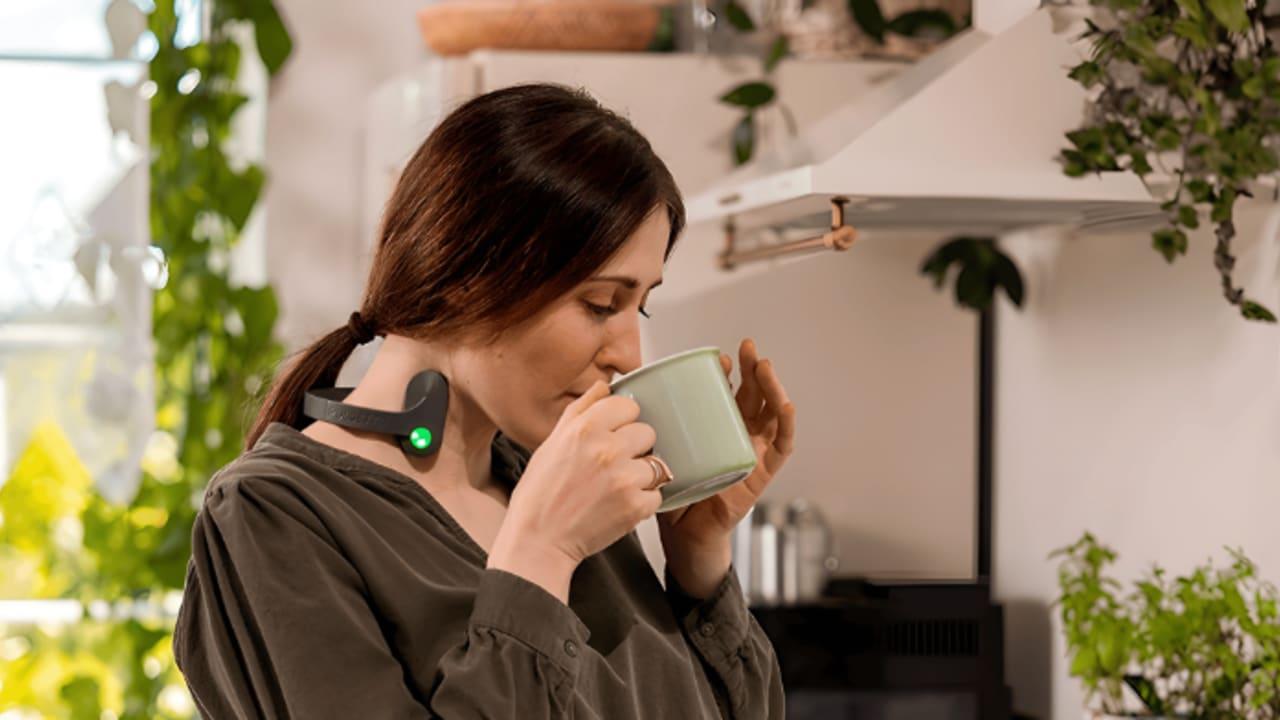
For people whose nervous systems stay in alert mode well after work ends, behavioral decompression tools sometimes reach their limit. When the physiology is the problem, the solution needs to work at the physiological level.
The mechanism behind vagus nerve stimulation for stress is directly relevant to after-work recovery: it activates the same parasympathetic pathway that the stress response suppresses during the day, addressing the root cause rather than working around it.
The research supports this approach. A 2020 review in the Journal of Personalized Medicine found that non-invasive vagus nerve stimulation reduces sympathetic arousal and increases parasympathetic tone, supporting its potential as a drug-free approach for nervous system recovery after stress (Bremner et al., 2020). Another randomized sham-controlled study confirmed the effect in real stress conditions, finding that transcutaneous cervical vagus nerve stimulation reduced sympathetic activation and prevented parasympathetic withdrawal across multiple stress scenarios including mental and speech-based tasks (Gurel et al., Brain Stimulation, 2021).
That evidence is what distinguishes cervical nVNS from passive relaxation tools. People searching for the best wearable device for stress relief for after-work use will find Pulsetto addresses the physiological state driving the problem rather than simply creating calming conditions around it.
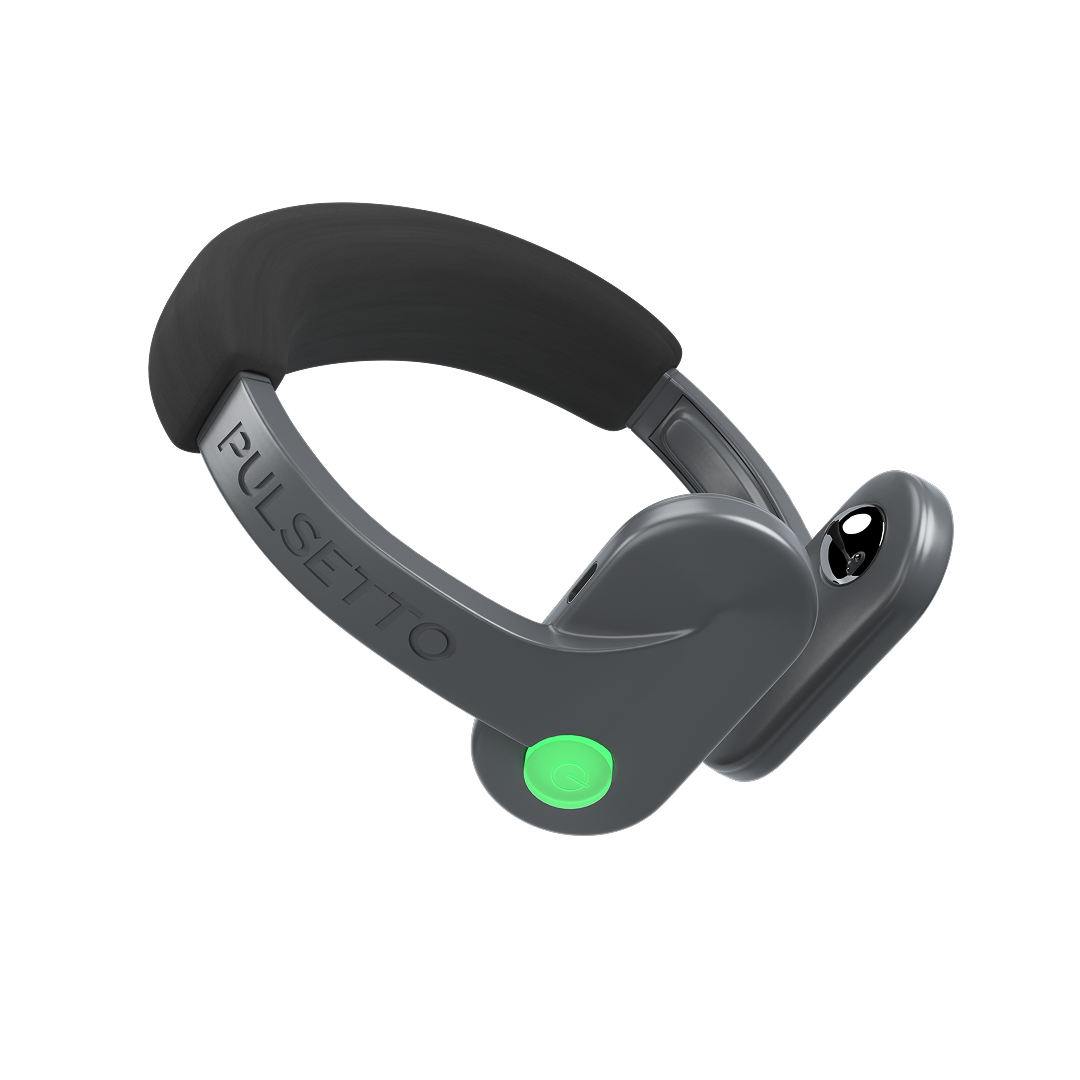
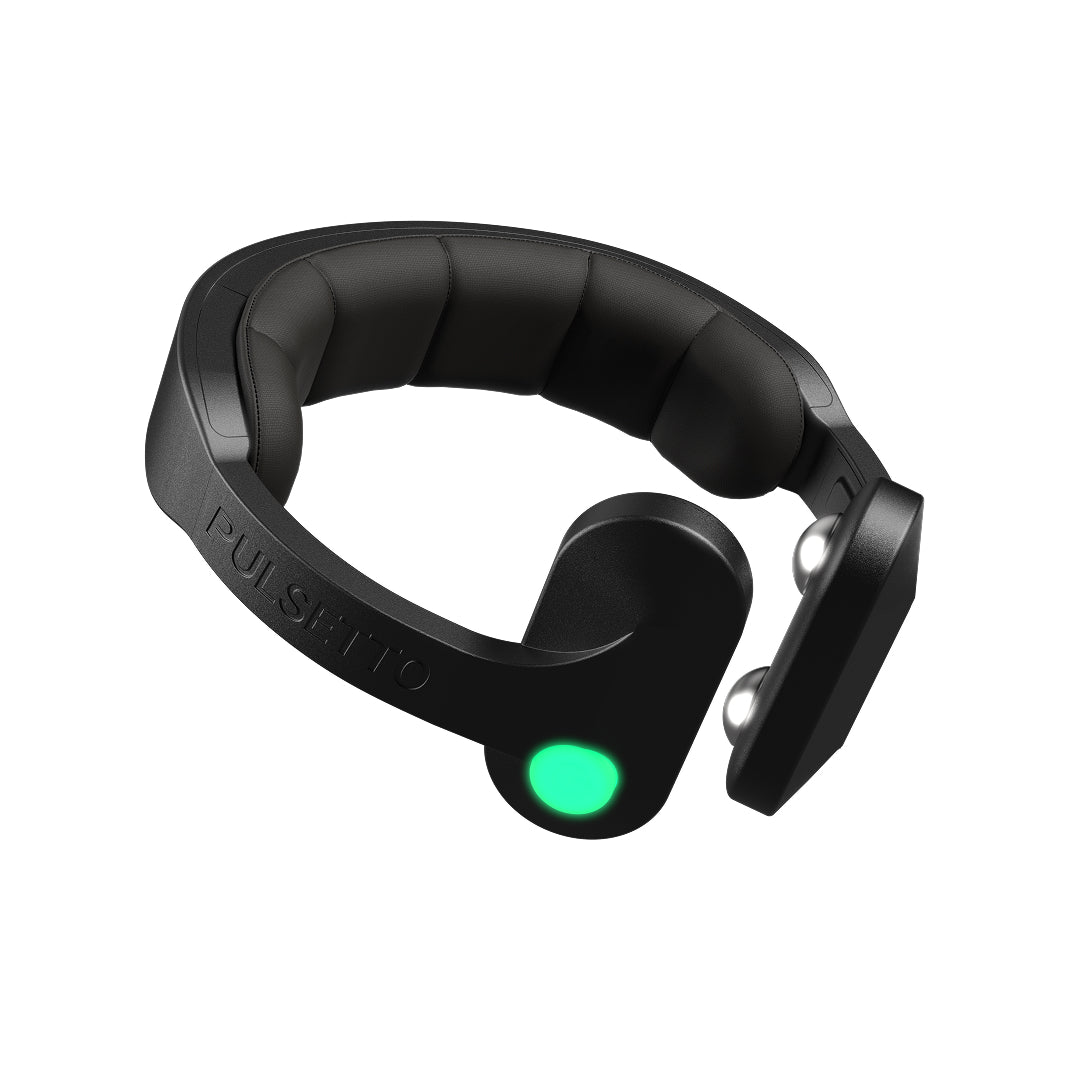
Pulsetto's vagus nerve stimulation device delivers 4-minute hands-free sessions, CE certified for general wellness use, with a companion app offering programs for stress, anxiety, sleep, burnout, and pain management. In Pulsetto's own randomized open-label pilot study (n=40, 4 weeks), GAD-7 anxiety scores improved by 45.3% in the bilateral group.
Disclaimer: Pulsetto is a general wellness product and is not intended to diagnose, treat, cure, or prevent any disease or medical condition. People with pacemakers, implantable cardiac devices, epilepsy, or who are pregnant should consult a physician before using any electrical stimulation device.
Spend Time With People You Care About
Human connection is one of the most effective and most overlooked tools for unwinding after work. Sharing the day with someone else, whether through a shared meal, a short walk, or a phone call, reduces the psychological load of carrying the day alone and activates the co-regulation mechanisms that calm the nervous system through social contact. The best ways to unwind after work are often the simplest: low-key connection without an agenda tends to decompress more effectively than structured social activities, particularly after demanding days.
Ready to Make Your Evenings Feel Like Your Own Again?
Unwinding after work is a skill, and like any skill it improves with consistent practice. The habits in this article work best in combination: a brain dump to close the workday, a walk to discharge the cortisol, a body scan or music session to shift the sensory environment, and a consistent rhythm that tells the nervous system the day is done.
For those whose nervous system needs more direct support, Pulsetto may provide the physiological shift that behavioral tools alone are working toward. In the Pulsetto reviews, pairing the device with a consistent post-work decompression ritual is a recurring theme.
Those who also need instant stress relief during the workday itself will find these after-work habits more effective when paired with in-the-moment tools.
FAQs: How to Unwind After Work
These answers cover common questions about decompressing after work, managing job stress, and building effective evening routines.
Why do I struggle to relax after work?
The brain does not switch off automatically when work ends, particularly when work-life boundaries are blurred. Lingering cortisol, screen overuse, and the habitual checking of notifications keep the brain in a partial work state even when the workday has technically ended. A clear finish-line ritual, whether that is a brain dump, a walk, or a sensory shift, is the most effective first step for people who struggle to relax after work.
What is the fastest way to decompress after work?
A short walk, slow breathing, a body scan, or a warm shower are the fastest single-tool decompression options, each producing measurable physiological changes within 10 to 20 minutes. Combining a physical reset with a mental one, movement followed by a mindfulness moment, tends to work better than either alone for how to decompress after work effectively. Consistency matters as much as the specific tool chosen.
How long does it take to unwind after work?
It varies by person and stress level. Mindfulness and slow breathing can reduce stress in as little as 10 to 15 minutes for many people. Physical activity begins reducing cortisol within 20 to 30 minutes. Building a consistent post-work ritual shortens the decompression window over time because the brain learns to shift state faster in response to familiar transition cues.
Is vagus nerve stimulation safe to use after work?
Non-invasive VNS is a CE-certified general wellness approach designed to support nervous system calming and may be used as part of a post-work decompression routine. Contraindications include pacemakers, implantable cardiac devices, epilepsy, and pregnancy. Consulting a healthcare professional before use is recommended for anyone with these conditions. Those who want to review the Pulsetto side effects before starting should do so alongside professional guidance.
Scientific Research
[1] The relationship between work-related rumination and evening and morning salivary cortisol secretion (Cropley M, Rydstedt LW, Devereux JJ, Middleton B, 2015, Stress and Health)
[2] Before-bedtime passive body heating by warm shower or bath to improve sleep: a systematic review and meta-analysis (Haghayegh S, Khoshnevis S, Smolensky MH, Diller KR, Castriotta RJ, 2019, Sleep Medicine Reviews)
[3] Combined effect of walking and forest environment on salivary cortisol concentration (Ochiai H et al., 2019, Frontiers in Public Health, PMC)
[4] Application of Noninvasive Vagal Nerve Stimulation to Stress-Related Psychiatric Disorders (Bremner JD, Gurel NZ, Wittbrodt MT et al., 2020, Journal of Personalized Medicine, PMC)
[5] Quantifying acute physiological biomarkers of transcutaneous cervical vagal nerve stimulation in the context of psychological stress (Gurel NZ, Wittbrodt MT, Jung H et al., 2021, Brain Stimulation, PMC)