How to recognize good stress resilience

1. You recover faster than you used to
The clinical definition of resilience is blunt about this: it's "the ability to maintain or quickly return to a stable physical and psychological equilibrium despite experiencing stressful events" [1]. Not the absence of a stress response. The speed of the return.
If a stressful email used to wreck your whole afternoon and now it wrecks about twenty minutes, that's resilience building, not luck. Researchers studying cardiac vagal recovery after acute psychological stress found that people with stronger resilience showed measurably faster return to baseline heart rate variability after a stressor ended [2].
2. Your body calms down quickly, not just your mind
This is the physical half of sign #1, and it's worth separating out because it's the one people notice least in themselves. A 2025 study using the Trier Social Stress Test found that people who scored higher on a standard resilience scale showed greater parasympathetic activity and faster autonomic recovery after the stress task ended, while people with high perceived stress showed reduced parasympathetic activity even at rest [3]. Pulsetto's own published pilot study points the same way: in a randomized, open-label trial (n=37 completers, 4 weeks), bilateral cervical vagus nerve stimulation produced a significant drop in hair cortisol, a chronic-stress biomarker (p=0.024) [10], the kind of measurable physiological shift this sign is describing.
This is also where bilateral cervical vagus nerve stimulation comes in. The vagus nerve is the main channel carrying calm-down signals from your brain to your heart, lungs, and gut. Higher vagally-mediated HRV is associated with better emotional regulation and better modulation of cortisol and cardiovascular stress responses [4]. If your body struggles to downshift after stress, that's a nervous system pattern, not a personality flaw, and it's one you can influence. Some people work on it directly through nervous system reset strategies like paced breathing, cold exposure, or a stimulation device.
3. You reframe setbacks instead of spiraling
Cognitive reappraisal, deliberately reinterpreting a stressful situation in a more workable light, is one of the most consistently replicated resilience factors in the research. A 2024 meta-analysis of 64 independent samples covering nearly 30,000 people found a strong, statistically significant relationship between cognitive reappraisal and personal resilience [5]. Not a hunch. A pooled effect across dozens of studies.
In practice this looks like: "This deadline is brutal" turning into "This deadline is brutal, and I've handled worse before." Same facts. Different frame. Different stress load.
4. You reach out instead of shutting down
Withdrawing when things get hard feels protective in the moment. It usually isn't. The stress-buffering research on social support, some of it going back to a landmark 1985 review with over 18,000 citations, shows that perceived availability of support specifically protects people from the negative effects of stressful events [6]. It's not just having people around. It's believing you could call them if you needed to.
If your instinct under pressure is to text a friend, ask for help, or say "I'm struggling" out loud, that's a resilience sign, not a weakness.
5. You can name what you're feeling, specifically
"Stressed" is not a feeling. "Overwhelmed because I have three deadlines and slept badly" is. People with stronger emotional granularity, the ability to identify specific emotions rather than vague unease, tend to regulate those emotions more effectively. If you can catch yourself thinking "this is dread, not anger" instead of just feeling bad, you're doing real regulatory work, even if it doesn't feel like it.
6. You keep your routines even when things get hard
Resilient people don't necessarily feel less stressed during a hard stretch. They keep functioning through it: showing up, eating something, going to bed at a reasonable hour, maintaining the relationships that matter. Researchers call this "resilient functioning," and it accumulates. Barely holding it together while still meeting your responsibilities builds capacity for the next hard stretch, even when it doesn't feel like progress in the moment.
7. You sleep reasonably well, even during rough weeks
Sleep and resilience have a genuinely bidirectional relationship. Poor sleep erodes your capacity to cope; better sleep strengthens it. A systematic review and meta-analysis across 63 studies found a positive correlation between both sleep duration and sleep quality with resilience [7], and more recent work argues that post-stress sleep may actively contribute to stress recovery through specific neural pathways [8].
This doesn't mean resilient people sleep perfectly through every crisis. It means their sleep doesn't collapse entirely, and it recovers quickly once the acute stressor passes. If you notice one rough night instead of a week of 3 a.m. staring at the ceiling, pay attention to what's different. Some people find a consistent wind-down routine does more for this than anything else.
8. You can find meaning, or even humor, in the middle of it
This one surprises people. A study on adolescents navigating pandemic-era stress found that those who scored high in self-enhancing humor and cognitive reappraisal showed no meaningful link between COVID-19 impact and psychiatric symptoms, while lower-scoring peers did [9]. Humor and meaning-making aren't avoidance. They're active coping strategies with measurable protective effects.
If you can occasionally laugh about how absurd a hard situation is, or find some version of "at least this taught me X," that's not denial. That's a documented resilience mechanism.
9. You take action instead of freezing
Resilient people default to doing something, even something small, rather than staying stuck. Making a list when everything feels unmanageable. Sending the awkward email instead of avoiding it for a week. Booking the appointment you've been putting off. This isn't about being fearless. It's about not letting uncertainty become an excuse for total inaction.
10. You notice your stress signals before they escalate
This is an underrated sign because it's quiet by nature. Resilient people tend to catch their own early warning signs, a tight jaw, shorter temper, skipped meals, before things spiral into a full shutdown or blowup. That early noticing is what makes signs #1 and #2 possible in the first place. You can't recover fast from something you don't notice starting. People who work on this deliberately often lean on simple nervous-system check-ins throughout the day rather than waiting for a full-blown reaction.
Stress Resilience Self-Assessment Checklist
This is an informal self-reflection tool, not a validated clinical instrument. If you want a scientifically validated measure, look up the Brief Resilience Scale (BRS) or the Connor-Davidson Resilience Scale (CD-RISC), both referenced in the research above. For a quick gut-check, score yourself 0–2 on each sign: 0 = rarely, 1 = sometimes, 2 = often.
|
#
|
Sign
|
Rarely (0)
|
Sometimes (1)
|
Often (2)
|
|
1
|
I recover faster from stress than I used to
|
|
|
|
|
2
|
My body calms down quickly after a stressful moment
|
|
|
|
|
3
|
I reframe setbacks instead of spiraling
|
|
|
|
|
4
|
I reach out for support instead of withdrawing
|
|
|
|
|
5
|
I can name specifically what I'm feeling
|
|
|
|
|
6
|
I keep my routines going even under pressure
|
|
|
|
|
7
|
My sleep holds up reasonably well during hard weeks
|
|
|
|
|
8
|
I can find meaning or humor in difficulty
|
|
|
|
|
9
|
I take action instead of freezing
|
|
|
|
|
10
|
I notice my stress signals before they escalate
|
|
|
|
Add up your score (0–20):
-
0–7: You're building the foundations. Pick one or two signs above and work on those specifically rather than trying to fix all ten at once.
-
8–14: You have solid resilience in some areas and room to grow in others. Look at which specific signs scored lowest.
-
15–20: You're showing strong stress resilience across the board. The signs that scored lower are still worth attention. Resilience isn't a fixed state.
Measuring progress over time
A one-time score is a snapshot. Resilience is worth tracking the way you'd track fitness or sleep, because it moves, and because self-report alone can be unreliable when you're the one under stress.
A few practical ways to measure progress:
-
Retake the checklist above monthly. Not weekly. Resilience shifts take longer than a week to show up honestly.
-
Track resting heart rate variability if you have a wearable. Rising HRV trends over weeks generally track with better stress recovery capacity, since HRV and biofeedback tools are increasingly used exactly for this purpose.
-
Watch your sleep recovery window. Not "do I sleep perfectly," but "how many bad nights does it take me to bounce back after a hard stretch."
-
Notice your reaction time to setbacks, informally. Are you spiraling for hours, or minutes? That gap closing is real progress.
Some people pair this checklist with a one-line weekly note: what the stressor was, and roughly how long it took to settle. Patterns are easier to spot in your own words over a few weeks than in a single monthly score.
Whichever method you use, the point is the same: catch the trend early, instead of relying on memory alone to tell you whether you're actually improving.
Start with the one sign you can train directly
Nine of the ten signs above are things you build over time: reframing, reaching out, staying in your routines, catching your own early warning signs. That work is real, and no device replaces it.
Sign #2, how fast your body physically calms down after a stressor, is different. It's a nervous system pattern, and it responds to direct stimulation as well as to time.
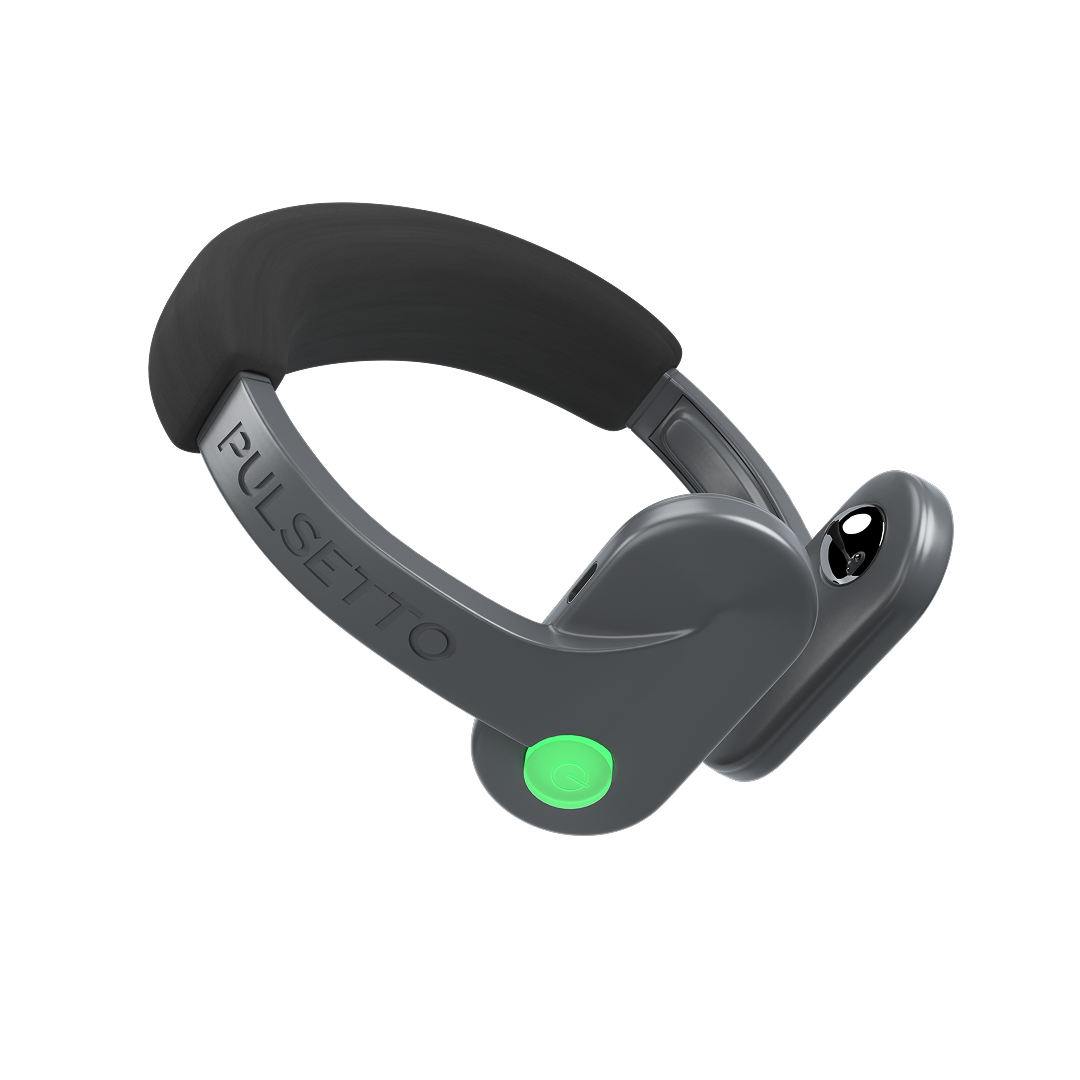
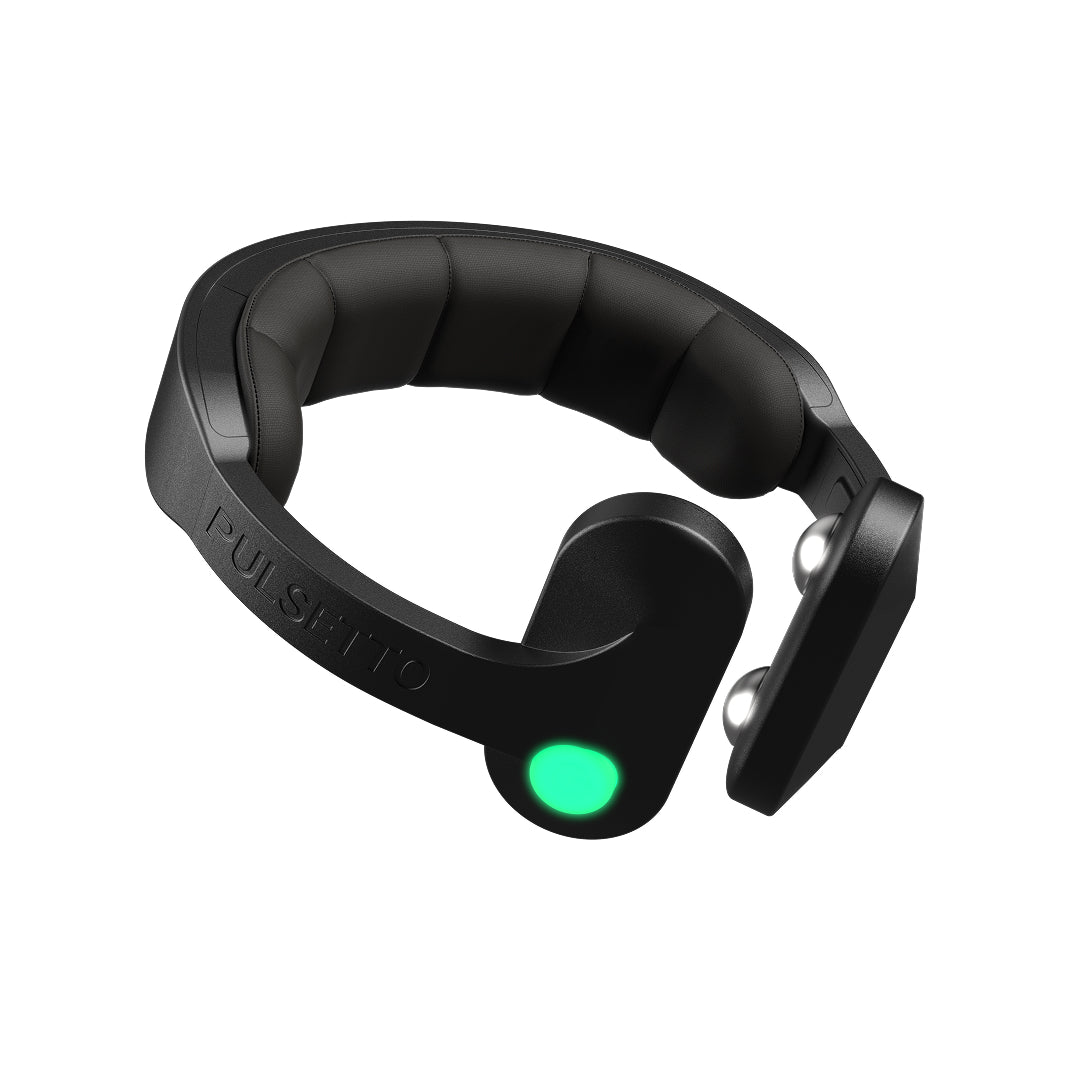
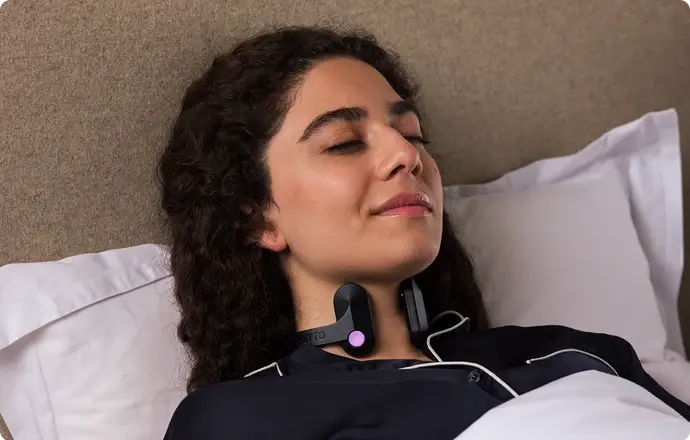
That's the piece Pulsetto is built around: a hands-free vagus nerve stimulator that delivers bilateral cervical vagus nerve stimulation in 4-minute guided sessions, designed to support the parasympathetic reset that sign #2 depends on. The Free Lifetime App tracks your HRV and sleep alongside those sessions, so you can watch that one physiological sign move over the same weeks you're working on the other nine.
Pulsetto Lite starts at $269 (regularly $469), and Pulsetto FIT, built for more active use, starts at $296 (regularly $546). Both come with 14-days of Premium app access included, so you can try the guided programs before deciding. See current pricing and specs, or read the research behind Pulsetto's approach first if you'd rather start there.
Please note: Pulsetto is a general wellness product and is not intended to diagnose, treat, cure, or prevent any disease or medical condition.
Good Stress Resilience FAQ
What are the symptoms of extreme stress?
Symptoms of extreme stress include persistent tension, disrupted sleep, irritability, difficulty concentrating, and physical symptoms like headaches or digestive issues. Low resilience isn't about having these symptoms, everyone does under enough pressure, it's about how long they linger and how hard it is to reset once the stressor passes.
What are 5 signs of poor resilience?
A stress reaction that's still running the next morning instead of fading within the hour. Going quiet and pulling away from people right when you need them most. Treating one bad outcome as proof the whole effort failed. Letting meals, sleep, and basic routines fall apart the moment things get hard. And freezing on a decision entirely, rather than making even a small, imperfect move forward.
Can a vagus nerve stimulator actually help with stress resilience?
Yes, generally, and for many people it's a genuinely useful addition to a resilience routine. Bilateral cervical vagus nerve stimulation is designed to support the parasympathetic activation involved in the physiological side of resilience, how quickly your body downshifts after a stressor, which is exactly sign #2 above.
It's not a substitute for the psychological work (reframing, social support, keeping your routines) covered in the other nine signs, and it's not intended to cure or treat any stress-related condition. As with most wellness devices in this category, it's worth checking with a healthcare professional first, especially if you have a pacemaker or other implantable device, epilepsy, or are pregnant.
Is stress resilience something you're born with, or can you build it?
Built, mostly. Temperament plays some role, but resilience researchers increasingly treat it as a set of trainable patterns rather than a fixed trait, which is the entire premise of a self-assessment checklist. If it were fixed, there'd be nothing to track.
Scientific research
[1] Heart Rate Variability as an Index of Resilience — An et al., 2020, Military Medicine
[2] Cardiac vagal recovery following acute psychological stress in human adults — Roddick et al., 2025, Neuroscience and Biobehavioral Reviews
[3] Heart Rate Variability Responses to Acute Stress as Indicators of Perceived Stress and Resilience — Lee et al., 2025, IEEE Access
[4] Heart rate variability: Can it serve as a marker of mental health resilience? — Perna et al., 2020, Journal of Affective Disorders
[5] A meta-analysis of cognitive reappraisal and personal resilience — Stover, Shulkin, Lac & Rapp, 2024, Clinical Psychology Review
[6] Stress, social support, and the buffering hypothesis — Cohen & Wills, 1985, Psychological Bulletin
[7] A systematic review and meta-analysis... sleep duration/quality, mental toughness and resilience — Arora et al., 2022, Sleep Medicine Reviews
[8] Sleep and the recovery from stress — Yu, Nollet, Franks & Wisden, 2025, Neuron
[9] Predictors of Adolescent Resilience During the COVID-19 Pandemic: Cognitive Reappraisal and Humor — Kuhlman et al., 2021, The Journal of Adolescent Health