How Each Device Works
Both devices aim to support a calmer nervous system, but they take fundamentally different routes to get there. Understanding that difference is the fastest way to choose the one that is right for you.
Pulsetto FIT X: Electrical Vagus Nerve Stimulation

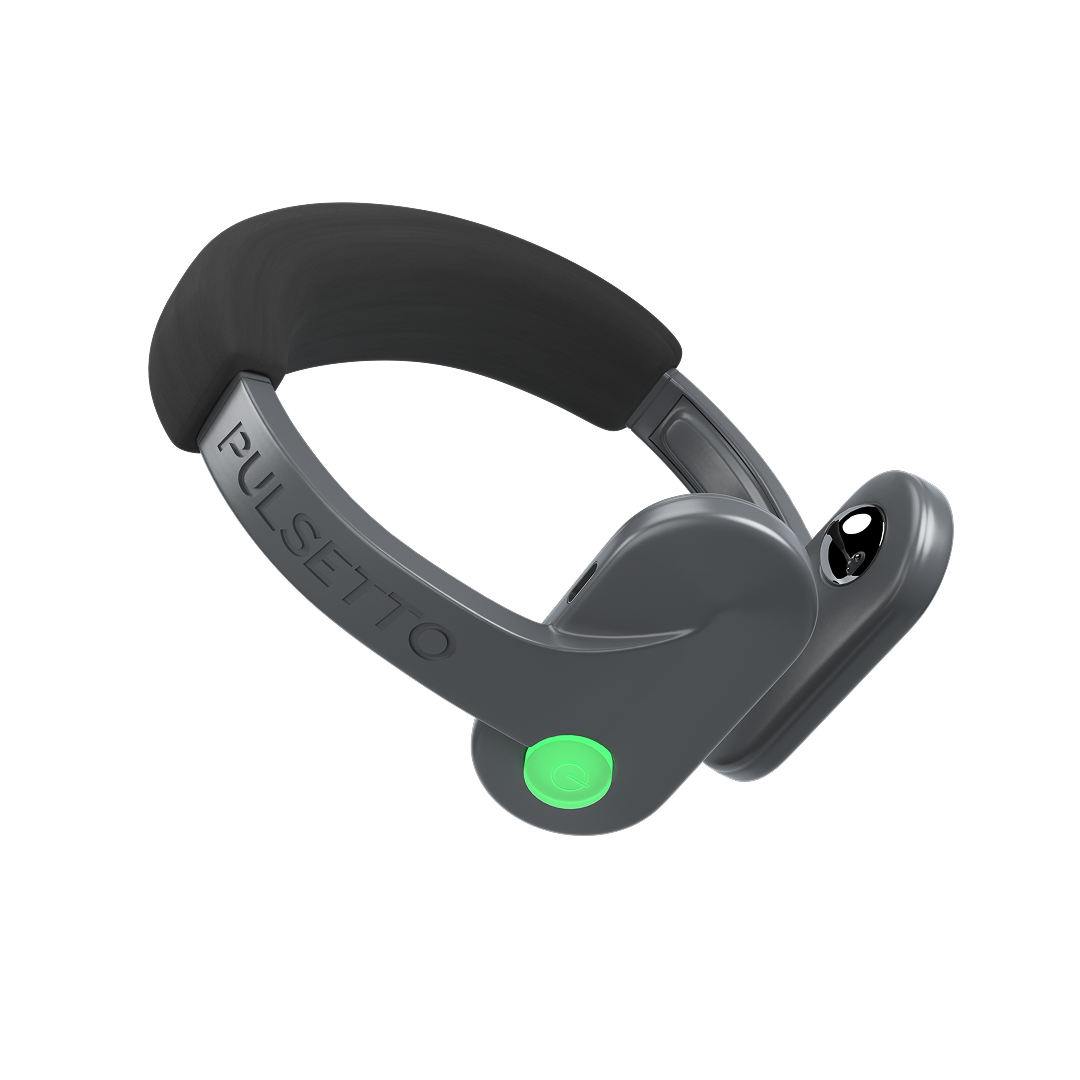
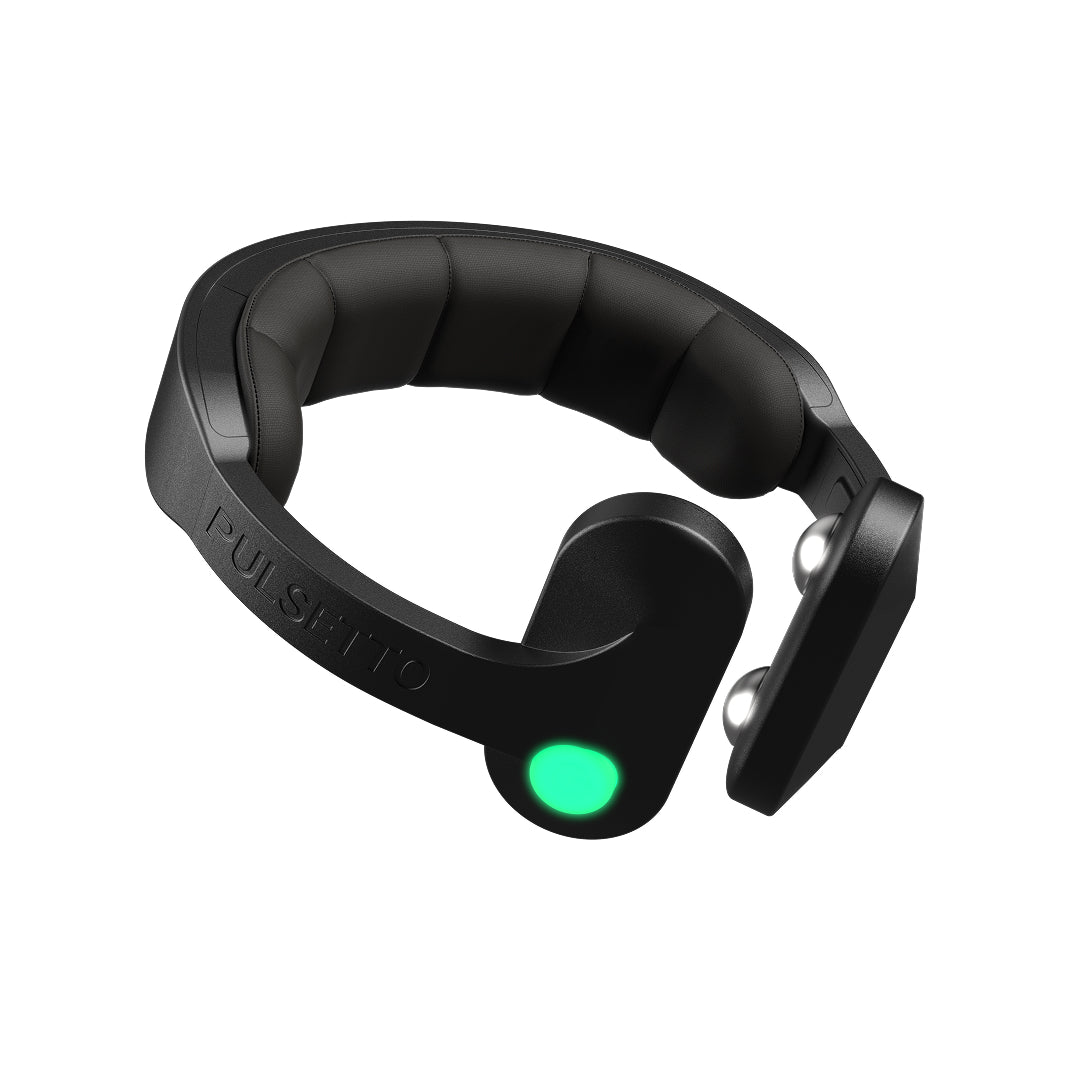
Pulsetto delivers low-level electrical pulses to the neck, targeting the cervical branch of the vagus nerve directly through the skin. This approach is known as transcutaneous vagus nerve stimulation (TVNS), which simply means stimulating the nerve from outside the body without any surgery or implant.
The electrical pulses are thought to activate the vagus nerve, which runs from the brainstem down through the neck and into the chest and abdomen. The vagus nerve plays a central role in the body's rest-and-recover mode (the parasympathetic nervous system), and stimulating it may help shift the body away from a stress response. Sessions typically last around four minutes, and Pulsetto connects to a smartphone app that guides the session and tracks usage over time.
For anyone curious about the broader science behind this approach, Pulsetto has published accessible information on vagus nerve stimulation therapy that provides useful context without requiring a medical background.
Apollo Neuro: Touch Therapy Technology Explained

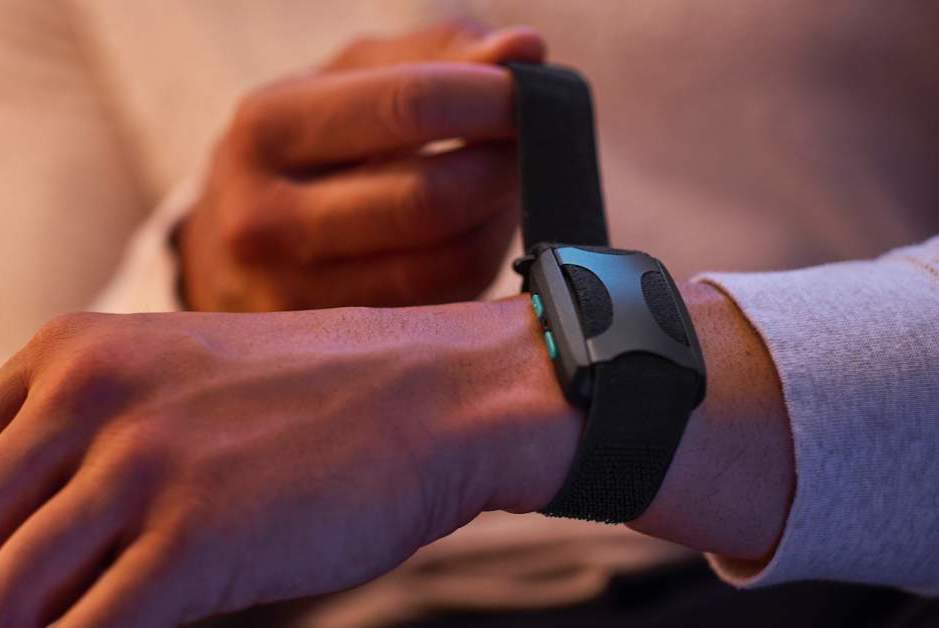
Apollo Neuro works differently. It delivers gentle, low-frequency vibrations to the body through a wristband or ankle band, and its mechanism is based on touch therapy rather than direct nerve stimulation. The idea is that specific vibration frequencies are sensed by the body's touch and movement receptors (a process called proprioception, or the body's awareness of its own physical state), and this sensory input is thought to influence the autonomic nervous system indirectly.
Apollo Neuro does not target the vagus nerve through electrical stimulation. Instead, it uses the body's response to rhythmic physical sensation as its pathway. This is a legitimate and distinct approach, and many users report that it helps them feel calmer or more focused. However, it is important to note that vibration-based touch therapy and transcutaneous vagus nerve stimulation are different physiological pathways. Neither device is a medical treatment. Both are designed as wellness tools for everyday use.
As a dedicated vagus nerve stimulator, Pulsetto is engineered specifically for this type of direct cervical stimulation, which is an important distinction for buyers who want targeted nerve engagement rather than broader sensory input.
Technology and Clinical Evidence
The evidence question is one of the most common concerns among buyers in this category, and it deserves a direct answer. Both devices have research backing them, but the nature and depth of that evidence differs.
Pulsetto has been involved in a publicly documented clinical study, known as the Bechterew study, which examined its use in a real-world health context. Details of this study are available directly through Pulsetto's website for anyone who wants to review the methodology and findings. You can read more about the pulsetto clinical trial and what it examined. Having a documented clinical study is a meaningful signal that separates Pulsetto from devices that rely solely on general wellness claims without any formal investigation.
Apollo Neuro has also published findings from its own internal research program, accessible on its website. The company has been active in generating data around its device and has made some of that information publicly available.
It is worth being honest here: for both devices, the evidence base is growing but not yet conclusive for all the benefits each brand describes. Early research indicates that vagus nerve stimulation may support stress regulation and autonomic balance, and some users report improvements in sleep and anxiety levels. But wellness tools at this price point are not the same as clinically validated medical interventions.
For anyone exploring the evidence around vagus nerve stimulation for stress, Pulsetto's own resources offer a balanced overview of what the current science does and does not confirm. Both devices should be approached with realistic expectations, which is also how the most satisfied users tend to approach them.
A question that surfaces frequently in buyer forums is whether Pulsetto is meaningfully different from a general TENS (transcutaneous electrical nerve stimulation) unit. The answer is yes. A general TENS device is designed to address muscle discomfort and pain through broad electrical stimulation. Pulsetto is engineered specifically for the cervical vagus nerve, using pulse parameters and electrode placement designed for that anatomical target. The intended physiological outcome is different, and the device is built accordingly.
Design, Wearability, and Daily Use

Wearability matters more than most buyers expect before they purchase. A device that does not fit naturally into daily life tends to get used less frequently, which limits its potential benefit regardless of how good the technology is.
Pulsetto is worn around the neck for sessions of around four minutes. Users apply a small amount of gel to the electrode contact points before each session, which helps ensure consistent electrical contact with the skin. The device does not need to be worn all day. Instead, it is designed for short, intentional sessions, typically once or twice daily. This makes it well suited to people who prefer a structured wellness routine with a clear start and end point.
The Pulsetto app is a meaningful part of this experience. It guides each session, offers different programs based on the user's goal (stress, sleep, focus, and others), and logs session history so users can monitor their consistency over time. This kind of session tracking creates a personal feedback loop that many users find motivating.
Apollo Neuro is worn on the wrist or ankle and operates passively throughout the day. Users can set different vibration modes depending on whether they want to feel calmer, more energised, or ready for sleep, and the device runs in the background without requiring active engagement. This makes it a more ambient experience, which suits users who prefer not to think about their wellness tool during the day.
Neither approach is objectively better. It comes down to lifestyle. For guidance on which Pulsetto model fits different needs, the comparison between pulsetto fit vs lite is a helpful starting point. And for users wondering about session frequency, Pulsetto addresses this directly in its guidance on how often you can use Pulsetto.
HRV Benefits and What to Expect
Heart rate variability (HRV), which is the variation in time between consecutive heartbeats, is one of the most commonly cited metrics in wearable wellness. Higher HRV is generally associated with better stress resilience, more effective recovery, and a healthier balance between the body's stress and rest systems. It is not a perfect measure, but it is widely used by health-conscious individuals as a practical window into how the autonomic nervous system is functioning.
Both Pulsetto and Apollo Neuro are discussed in connection with HRV improvements, but it is important to be precise about what that means.
Pulsetto's approach to direct vagus nerve stimulation may support improvements in HRV over consistent use. Because the vagus nerve is central to the parasympathetic nervous system (the body's rest-and-recover mode), activating it regularly is thought to gradually increase vagal tone (how active and responsive the vagus nerve is), which may in turn be reflected in HRV readings over time. Some users report noticeable changes in their tracked HRV after several weeks of consistent use, though individual results vary considerably and no specific outcomes can be guaranteed.
The Pulsetto app's session logging means users can correlate their device usage with any HRV data they track through a smartwatch or fitness tracker, which creates a practical feedback loop without requiring separate equipment.
Apollo Neuro also aims to support HRV indirectly through its vibration-based approach, working through the autonomic nervous system via sensory input rather than direct nerve stimulation. Some users report feeling calmer after sessions, which may have downstream effects on HRV, but the pathway is less direct than electrical vagus nerve stimulation.
For readers researching the overlap between vagus nerve stimulation and anxiety management, Pulsetto's dedicated resource on vagus nerve stimulation for anxiety addresses how these outcomes are connected in plain language.
Neither device is a medical HRV treatment. Any benefits should be viewed as supportive wellness outcomes rather than clinical results.
Side Effects and Safety Considerations
Both devices are designed for consumer wellness use, and both have straightforward safety profiles for most healthy adults. Being aware of the basics before purchasing is good practice.
Pulsetto may cause mild tingling or skin sensitivity during sessions, particularly for first-time users who are not yet accustomed to electrical stimulation. This sensation is generally mild and temporary, and most users find it comfortable after the first few sessions. Applying the gel correctly before each session also helps reduce any discomfort at the contact points.
Both Pulsetto and Apollo Neuro carry contraindications related to certain medical conditions and implanted devices. Anyone with a pacemaker, cochlear implant, or other implanted electrical device should not use Pulsetto without consulting a medical professional first. Users with epilepsy, cardiovascular conditions, or who are pregnant should also seek professional guidance before using either device.
Apollo Neuro's vibration mechanism gives it a different side effect profile from electrical stimulation devices. There are no electrodes involved, so skin sensitivity at contact points is not a concern, but users with certain sensory sensitivities may find sustained vibration uncomfortable.
Both brands provide contraindication guidance on their websites. Pulsetto's full guidance on safety and contraindications is available on its pulsetto side effects page. Reading this before purchase is recommended for all users, not just those with known health conditions.
What’s New in Pulsetto FIT X
FIT X is the current generation of the Pulsetto platform, and the changes are mostly about removing the variables the earlier device left to the user. Intensity adapts while the session runs instead of being set once at the start. Intelligent contact sensing checks electrode contact rather than leaving it to guesswork. The electrodes are angled to form an X across the neck, creating a crossed field that reaches both vagus nerve pathways instead of one side at a time. Vibro-tactile feedback confirms the device is responding, and offline mode plus improved battery life remove the two most common reasons people skip a session.
Adaptive stimulation that adjusts to you while the session runs
Intelligent contact sensing, so quality does not depend on manual tuning
X-shape electrode design creating a crossed field across both vagus nerve pathways
Advanced stimulation profiles for different goals and situations
Vibro-tactile feedback, offline mode and improved battery life
Deeper app integration, with progress tracked over time
What does the X mean? Two things. First, geometry: the electrodes are angled so they form an X across the neck. Second, multiplication. FIT X is not a cosmetic refresh of Pulsetto FIT but the next generation of the same platform. Pulsetto FIT and Lite remain available as lower-cost entry points.
Pricing and Value Comparison
Price is often the deciding factor once a buyer is convinced both devices could work for them. Here is an honest breakdown of what each device costs and what ongoing expenses to expect.
As of 2026, Pulsetto is generally priced lower than Apollo Neuro at the point of purchase. Pulsetto devices are available in the range of approximately $149 to $269 depending on the model, while Apollo Neuro is typically priced around $349. Both prices should be verified on each brand's official website before purchasing, as promotional pricing and product updates may affect current figures.
One of the most common questions about Pulsetto is whether it requires a paid subscription to function. The answer is no. Basic device functionality is available without a premium subscription. Pulsetto does offer a premium app tier that unlocks additional programs, guided sessions, and more detailed tracking features, but the core device works out of the box without it. This is an important point because buyers who have seen subscription fees mentioned in reviews sometimes assume the device is unusable without paying monthly, which is not the case.
Apollo Neuro does not require a subscription, but its higher upfront cost means the total investment is greater from the start.
For users primarily concerned with value, Pulsetto offers direct vagus nerve stimulation at a more accessible price point. Pulsetto also offers a return policy that reduces the financial risk for buyers who want to try the device without full commitment. Details are available on the pulsetto return policy page. For clarity on the subscription question specifically, Pulsetto addresses it directly in its guide on whether you need a premium subscription to use Pulsetto.
Which Device Is Right for You?
This is the question every reader in this comparison ultimately needs answered. Here is a clear, scenario-based verdict.
Choose Pulsetto if:
The goal is direct vagus nerve stimulation through targeted electrical pulses to the cervical branch of the vagus nerve.
Shorter, intentional daily sessions of around four minutes fit the lifestyle better than all-day wearable use.
Budget is a meaningful factor and a lower upfront price combined with no required subscription is important.
Measurable session tracking through an app is a feature that would support consistency.
Choose Apollo Neuro if:
All-day passive vibration therapy suits the lifestyle better and wearing a device continuously feels more natural.
A wrist-worn or ankle-worn format is preferred over a neck device.
The preference is ambient background support rather than a dedicated daily practice.
For users who specifically want to target the vagus nerve and track the potential impact on stress and sleep, Pulsetto is the more direct option. For users who want continuous sensory support throughout the day without a specific session routine, Apollo Neuro may be a better fit.
Both are legitimate choices. The decision comes down to mechanism preference, lifestyle format, and budget. For additional side-by-side context on how Pulsetto compares to other devices in this category, the pulsetto vs sensate comparison covers similar ground for another popular alternative. And for readers specifically exploring Pulsetto's potential for sleep support, the dedicated sleep enhancement device page offers more detail on how it is designed to help.
Ready to Try Direct Vagus Nerve Stimulation?
If this comparison has helped clarify that direct, targeted vagus nerve stimulation is what you are looking for, Pulsetto is worth a closer look. It is designed specifically for this purpose, priced competitively within the category, and does not lock core functionality behind a subscription. The return policy also means trying it carries less financial risk than many wellness purchases at this level. Pulsetto currently has an offer page where you can check the latest pricing and any available promotions. You can find the current deal on the pulsetto sale page.
If you are still comparing options beyond these two, Pulsetto has published honest comparisons covering nurosym vs apollo neuro and sensate vs apollo neuro for anyone still mapping the broader landscape before deciding.
Frequently Asked Questions 💬
Does Pulsetto actually stimulate the vagus nerve?
Yes. Pulsetto delivers low-level electrical pulses to the neck, specifically targeting the cervical branch of the vagus nerve through the skin. This is the same general approach used in transcutaneous vagus nerve stimulation, which means stimulating the nerve externally without any implant or invasive procedure. The device is designed as a wellness tool, not a medical device, and individual responses to stimulation vary depending on factors like skin conductivity, session consistency, and baseline nervous system state.
What is similar to Apollo Neuro?
Pulsetto is the most commonly compared alternative to Apollo Neuro in the vagus nerve stimulation space, though the two work through different mechanisms. Pulsetto uses electrical pulses directed at the vagus nerve, while Apollo Neuro uses vibration-based touch therapy. Other devices in the broader wearable wellness category include Sensate, which uses vibration and sound delivered through the chest, Nurosym, which is a medical-grade TVNS device, and Hoolest, which also uses vibration-based approaches. Each targets the autonomic nervous system through a different pathway and at a different price point.
Is Pulsetto worth the money?
For users specifically seeking targeted vagus nerve stimulation, Pulsetto offers strong value relative to other devices in this category. It is generally priced lower than Apollo Neuro at the point of purchase, does not require a premium subscription to use the core device functionality, and is backed by a publicly documented clinical study. The return policy further reduces the financial risk for new users. Whether any wellness device is worth the money ultimately depends on consistent use and realistic expectations, but Pulsetto's combination of direct stimulation technology and accessible pricing makes it a competitive option.
Does Apollo Neuro stimulate the vagus nerve?
Not directly. Apollo Neuro uses gentle vibrations delivered through the skin rather than electrical stimulation of the vagus nerve. It is classified as a touch therapy device that works through the body's sensory and proprioceptive pathways. While it targets the autonomic nervous system and may influence the same general outcomes as vagus nerve stimulation devices, it does not use a direct electrical pathway to the vagus nerve. This is one of the core mechanical differences between the two products, and it matters for buyers who specifically want TVNS rather than vibration-based sensory input.
Can Pulsetto and Apollo Neuro be used alongside medication?
Both devices are wellness tools and are not substitutes for prescribed medication or professional medical advice. They are not designed to interact with, replace, or modify any pharmaceutical treatment. That said, anyone taking medication for a neurological, cardiovascular, or psychiatric condition, or managing any ongoing health condition, should consult a healthcare professional before using either device. This is particularly important for Pulsetto given that electrical stimulation is not appropriate for everyone, and a qualified professional can help determine whether it is suitable for a specific individual's circumstances.
Is Pulsetto FIT X different from Pulsetto FIT?
Yes. FIT X is the next generation of the same platform rather than a redesign. It adds adaptive stimulation that adjusts to you during the session, intelligent contact sensing, X-shape electrodes that target both vagus nerve pathways, advanced stimulation profiles, vibro-tactile feedback, improved battery life and a more stable Bluetooth connection. Pulsetto FIT and Lite remain available as lower-cost entry points.
Train your nervous system. Build your stress resilience. Pulsetto FIT X combines adaptive stimulation, guided protocols and measurable progress in one connected Stress Fitness system. Meet Pulsetto FIT X.