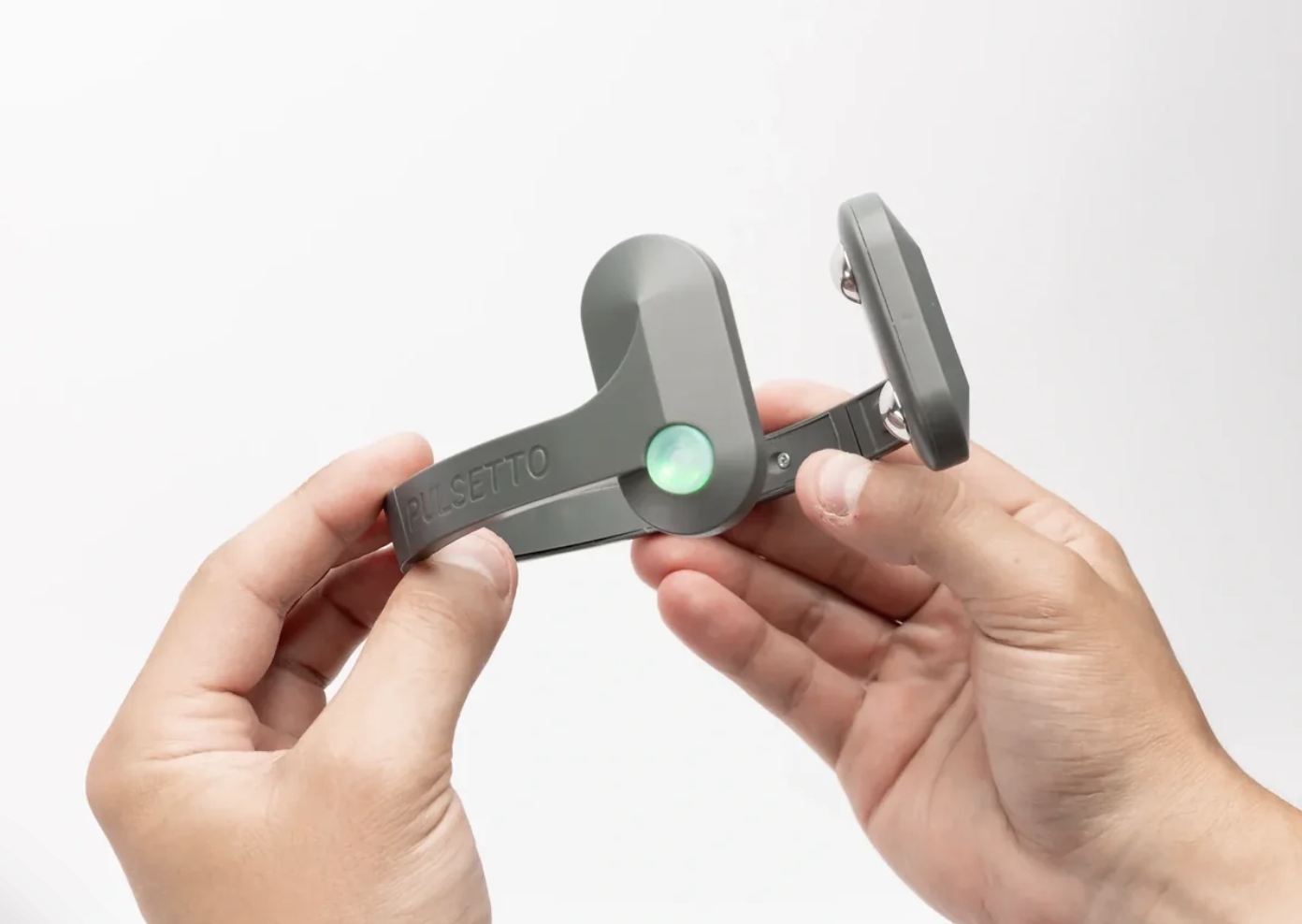
If you are shopping for the best vagus nerve stimulation devices in Spain, the short answer is Pulsetto. It is a CE-certified, hands-free wearable that delivers bilateral cervical (neck) stimulation in roughly four-minute sessions, ships to Spain in euros, and comes with a free lifetime app for stress, sleep, anxiety, burnout and HRV tracking. Below you will find a full comparison of the devices available to Spanish buyers, with EUR pricing, EU availability notes, per-use-case picks, a buying guide, the underlying science, and answers to the questions people ask most.
Vagus nerve stimulation has moved from clinical settings into homes across Spain, from Madrid and Barcelona to smaller cities along the coast. The category now spans neck-worn wearables, ear clips, earbuds, chest devices and handheld units, at prices ranging from around 200 euros to nearly 700 euros. This guide focuses on what actually matters when you buy from Spain: certification, shipping, euro pricing, session length, and which device suits your goal.
Pulsetto is a general wellness product and is not intended to diagnose, treat, cure, or prevent any disease or medical condition. The aim here is to help you choose a device for everyday relaxation, sleep support and nervous-system balance, not to manage a medical condition.
Comparison of vagus nerve stimulation devices available in Spain
The table below summarizes the main consumer options Spanish buyers can realistically order. Prices are approximate, shown in euros where the device sells in the EU, and change with promotions and exchange rates. Always confirm the current price and shipping terms at checkout.
Device
Type / placement
Approx. price (EUR)
Session length
Certification & EU availability
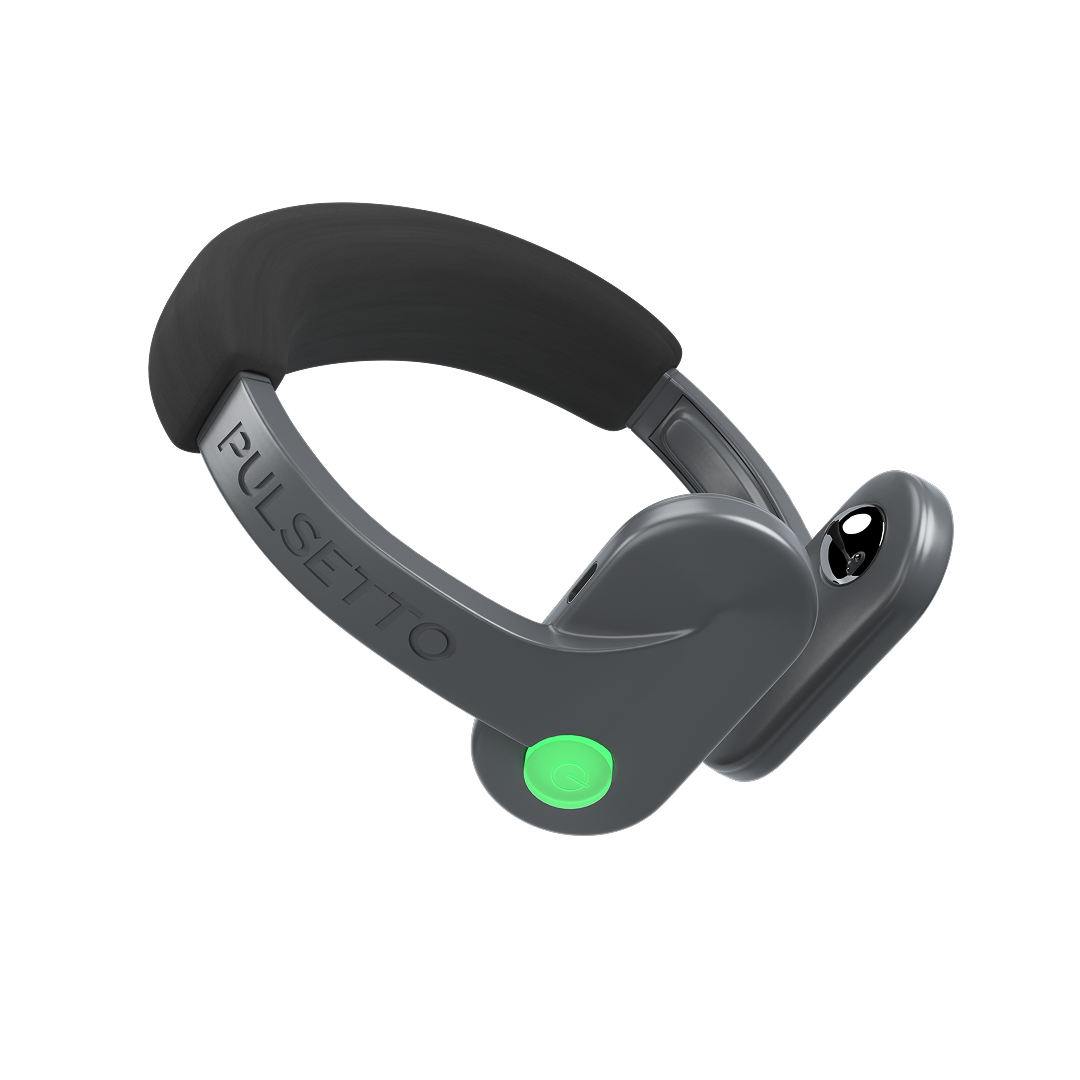
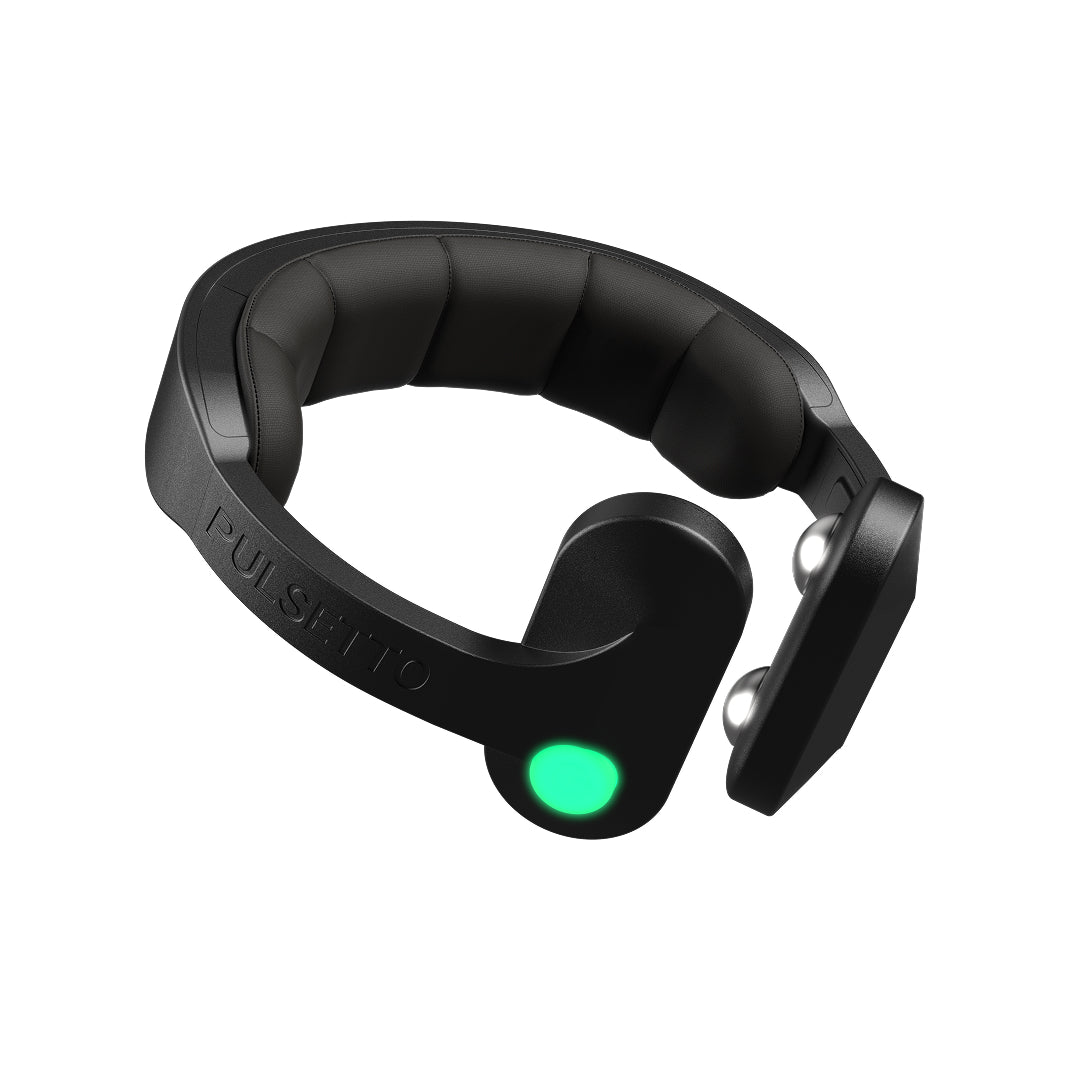
Pulsetto
Electrical, bilateral cervical (neck), hands-free
Around 249-269 euros
About 4 minutes
CE + FCC certified, made in Lithuania (EU), ships to Spain
Nurosym
Electrical, single-ear clip + controller
Around 699 euros
About 30 minutes
CE marked, EU brand, ships to Spain
Vagustim
Electrical, bilateral auricular (both ears) + app
Around 360 euros (often discounted)
Varies by program
Ships internationally, EU delivery available
Neuvana Xen
Electrical, auricular earbuds synced to music
Around 370-420 euros
About 10-30 minutes
Mainly US-based brand, international shipping
Sensate
Infrasonic chest vibration (not electrical)
Around 280-300 euros
About 10 minutes
CE marked, ships to Spain
Apollo Neuro
Haptic vibration, wrist or ankle (not electrical)
Around 320-340 euros
Adjustable
Mainly US brand, ships internationally
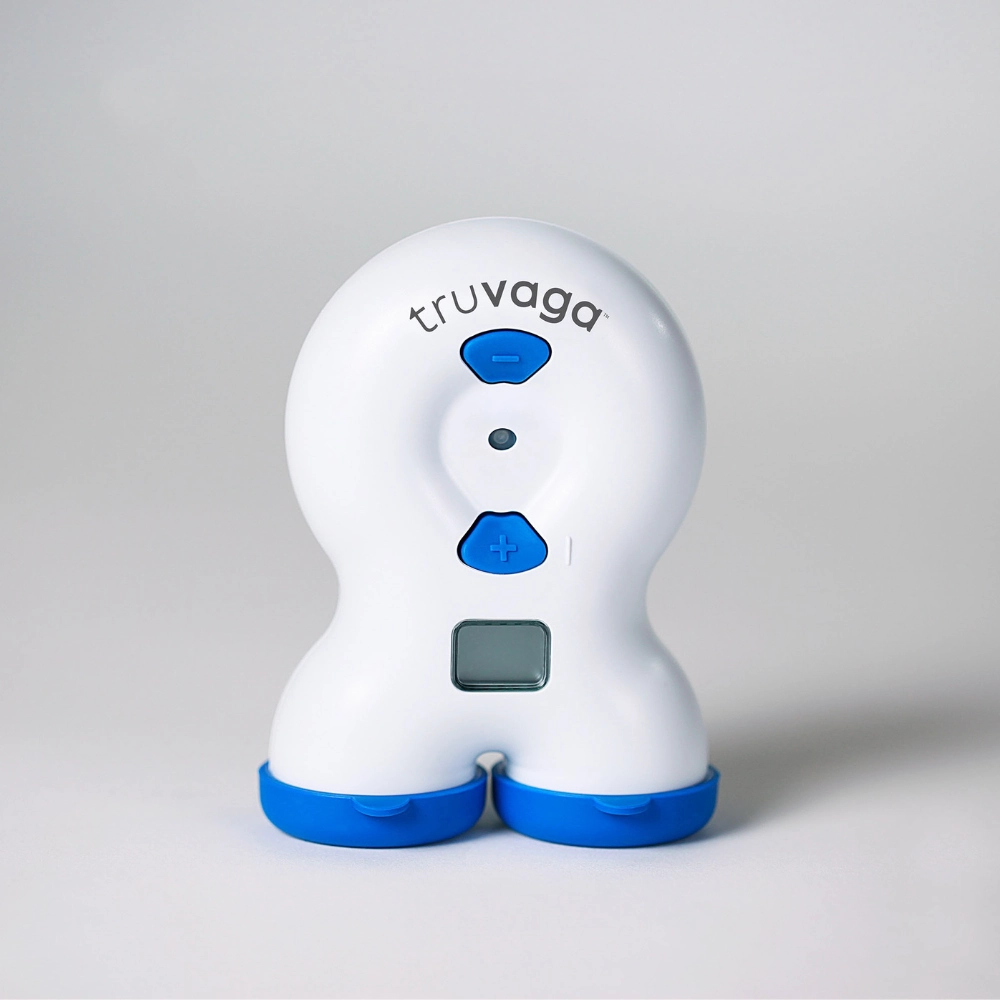
Truvaga
Electrical, handheld unilateral cervical
Around 180-460 euros
About 2 minutes
Mainly US availability
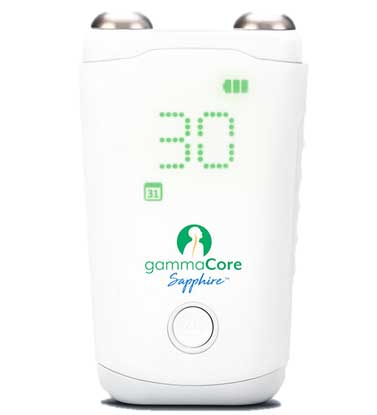
gammaCore Sapphire
Prescription cervical device
Via clinician
Per clinician guidance
Prescription only, obtained through a doctor
Pricing note: Pulsetto is not the cheapest device on this list (handheld and chest options can sit lower), and it is not the only ear-or-bilateral option, since Nurosym, Vagustim and Neuvana also work at the ear. What sets Pulsetto apart for Spanish buyers is the combination of neck placement, hands-free wear, short four-minute sessions, a free app with no required subscription, and EU manufacturing with CE certification.
Rated 4.5/5 by 20,137+ Customers
Pulsetto vagus nerve stimulator: feel calmer and sleep better in just 4 minutes a day
Experience immediate relaxation with the Pulsetto vagus nerve stimulator.
Sit back, close your eyes, and immerse yourself in the soothing Pulsetto experience, designed to gently promote a state of calmness and well-being.
Best Value Deal!
FREE WORLDWIDE SHIPPING
Select your device:
Pulsetto Lite vs Pulsetto FIT
Which one is right for you?
PULSETTO FIT
PULSETTO LITE
Dual-technology, hands-free stimulation
Yes
Yes
New wave-like stimulation (more engaging)
Yes
No
Battery life
Up to 12 days (20% longer)
Up to 10 days
Fits all necks for consistent stimulation
Yes
No
Stays secure no matter what you're doing
Yes
No
Great for sharing (adjusts to any neck size)
Yes
No
Free lifetime wireless updates
Yes
No
Premium all-black design with medical-grade materials
Best if you wear size S or smaller tops. Only with FIT
New stimulation that rises and falls, which feels more fun (coming July–Aug 2025). Only with FIT
20% longer battery life for fewer recharges. Only with FIT
Free lifetime Pulsetto App with 5 expert-designed programs for Stress, Anxiety, and More.
One 60g gel tube (can be used up to a month), USB-C charging cable, user guide included
Extra gift: Pulsetto Premium Free Trial. 3 extra stimulations, 11 unique guided meditations, 54 breathing exercises, 1200 positive affirmations, and more.
$296/$546
Best Vagus Nerve Stimulation Devices in Spain
What is vagus nerve stimulation?
The vagus nerve is the longest cranial nerve and the main pathway of the parasympathetic nervous system, the branch that acts as a "brake" to slow the heart and shift the body toward rest and recovery. Vagus nerve stimulation (VNS) sends gentle electrical or sensory signals along this pathway to encourage that calmer state.
Non-invasive VNS reaches the nerve from outside the body, with no surgery. Two access points dominate the consumer market. Cervical (neck) stimulation, used by Pulsetto, places electrodes over the area where branches of the vagus nerve run through the neck. Auricular (ear) stimulation, used by ear clips and earbuds, targets the vagus branch that reaches a small area of the outer ear. Both approaches aim at the same nerve through different doorways. For a deeper explanation of how this works, see this overview of non-invasive vagus nerve stimulation explained and the broader vagus nerve stimulation ultimate guide.
It helps to know what VNS is not. A neck-worn VNS wearable is not a TENS unit. TENS targets muscles and pain signals, while a vagus nerve device targets the autonomic nervous system and the balance between its stress and recovery branches. If you want the anatomy in detail, this guide to vagus nerve anatomy and core functions covers where the nerve runs and what it influences.
Try Pulsetto. If you want a hands-free, CE-certified device that ships to Spain in euros and fits a four-minute routine into a busy day, Pulsetto is the place to start. Explore the Pulsetto vagus nerve stimulation device and its free lifetime app.
Why vagus nerve stimulation devices are popular in Spain
Interest in at-home nervous-system tools has grown quickly across Spain, and a few practical reasons explain it. Home wellness devices let people build a calming routine without booking appointments. Euro pricing and EU shipping have made several reputable devices easy to order directly. And the rise of HRV tracking through smartwatches has made more Spanish users curious about the autonomic nervous system in the first place.
CE certification matters here. In the EU, the CE mark signals that a device meets the relevant European safety and performance requirements, which is reassuring when you are buying a device you will wear against your neck or ear. For Spanish buyers, prioritizing CE-certified options that clearly state they ship to Spain in euros removes most of the guesswork. Pulsetto checks both boxes: it is CE and FCC certified and made in Lithuania, inside the EU.
Best vagus nerve stimulation devices in Spain, ranked
Below are the leading options for buyers in Spain, starting with the top recommendation and followed by honest "good fit for" entries for the rest. Strengths come first, then the trade-offs worth knowing before you buy.
1. Pulsetto: best overall vagus nerve stimulator in Spain
Pulsetto is a non-invasive wearable that delivers direct electrical stimulation to the vagus nerve through bilateral cervical placement, meaning both sides of the neck. You settle it around your neck, choose a program in the app, and sit back for a session of about four minutes. Because it is hands-free, you are not holding anything in place, which is a meaningful difference from handheld cervical devices and from ear clips that you have to position by hand.
What it is and who it is for. Pulsetto suits people in Spain who want a simple, repeatable routine for stress, sleep, anxiety, burnout and recovery, and who would rather not fiddle with earbuds or hold a device against their neck. It is a strong starting point for anyone new to VNS as well as for experienced users who track HRV.
Key features. Bilateral cervical stimulation, hands-free wear, and short four-minute sessions are the core differentiators. The free lifetime app includes Stress, Sleep, Burnout, Pain and Anxiety programs, plus HRV and sleep tracking and guided breathing. Core use requires no subscription, with Premium available as an option rather than a gate. The device is CE and FCC certified and made in Lithuania, so it carries EU manufacturing and the CE mark that Spanish buyers look for. Two models are available, Pulsetto Lite and Pulsetto FIT, and you can compare them in detail in the Pulsetto FIT vs Pulsetto Lite guide.
What the data shows. In Pulsetto's own randomized open-label pilot study (n=40, 4 weeks), participants reported a 55.9% reduction in depressive symptoms (PHQ-9), a 45.3% reduction in anxiety symptoms (GAD-7), and a 41.0% improvement in sleep quality (PSQI). Bilateral stimulation reduced the chronic-stress biomarker hair cortisol by 47.5%, compared with 31.4% for unilateral stimulation. These are pilot results from a single open-label study, so treat them as encouraging early evidence rather than a guarantee, and read them alongside the wider literature summarized further down. You can review the program in more depth on the Pulsetto science page.
Pricing in euros. Pulsetto sells for roughly 249 to 269 euros depending on the model and any current promotion, with shipping to Spain. Prices change, so confirm at checkout. There is no required subscription to use the core programs.
Pros. Hands-free neck wear, very short sessions, free app with HRV and sleep tracking, CE and FCC certified, EU made, two model choices, and no subscription needed for core use.
Cons. It is not the cheapest VNS device on the market, since some handheld and chest options sit lower. The neck form factor suits at-home and quiet-moment use rather than wearing it while walking around in public. And like all VNS, individual response varies.
Stress Reduction via Vagus Nerve Stimulation: Experience significant relief from daily stress by activating your vagus nerve and shifting your body into a "rest and digest" state.
Improved Sleep: Pulsetto supports restful sleep by calming your nervous system, helping you wake up refreshed and energized.
Anxiety Relief via Vagus Nerve Stimulation: By stimulating the vagus nerve and regulating the parasympathetic nervous system, Pulsetto helps calm the body and reduce anxiety naturally.
Digestive Health Support: Vagus nerve stimulation positively impacts the gut-brain connection, aiding digestion and reducing bloating.
Chronic Pain and Health Support: Pulsetto offers support for individuals managing chronic stress, anxiety, and fatigue, helping to improve their quality of life.
2. Nurosym
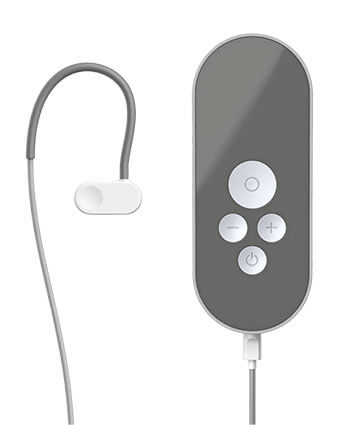
Nurosym, from Parasym Health, is an electrical auricular device that clips to one ear and connects to a small controller. It is app-free, with sessions of around 30 minutes, and sells for around 699 euros. It is an EU brand and ships to Spain.
Good fit for buyers who prioritize the deepest external published evidence base and are comfortable with a premium price. Nurosym has accumulated more independent clinical research than most consumer ear devices, which is its standout strength.
Trade-offs. It is the most expensive option in this guide by a wide margin. Sessions are longer at around 30 minutes, and it is a single-ear clip you position by hand rather than a hands-free wearable. There is no companion app, so you do not get the built-in HRV tracking and program library that some users want.
3. Vagustim
Vagustim is an electrical bilateral auricular device, with earpieces for both ears and an app to control programs. It typically lists around 790 euros but is frequently discounted to roughly 360 to 390 euros. It ships internationally, with EU delivery available.
Good fit for buyers who want an app-controlled ear device at a lower price than Nurosym. The bilateral ear approach and app programs are its main draws.
Trade-offs. It is a newer device with fewer independent reviews, and some users report mild ear discomfort during longer sessions. As an in-ear device, it asks more of you to fit and wear than a neck wearable does.
4. Neuvana Xen
Neuvana Xen takes an earbud approach, delivering auricular stimulation through the ear and syncing it to music via an app. Sessions commonly run 10 to 30 minutes, and it sells for around 370 to 420 euros. Neuvana is mainly a US-based brand, so Spanish buyers should confirm international shipping, import handling and warranty terms before ordering.
Good fit for people who want to combine ear stimulation with music listening and like the idea of a familiar earbud format.
Trade-offs. It needs the app and audio to operate as designed, so it is less of a quick, standalone session than a neck device. US-based availability can mean longer delivery to Spain and more to check on returns. Stimulation through earbuds also has to compete with comfort during music playback.
5. Sensate
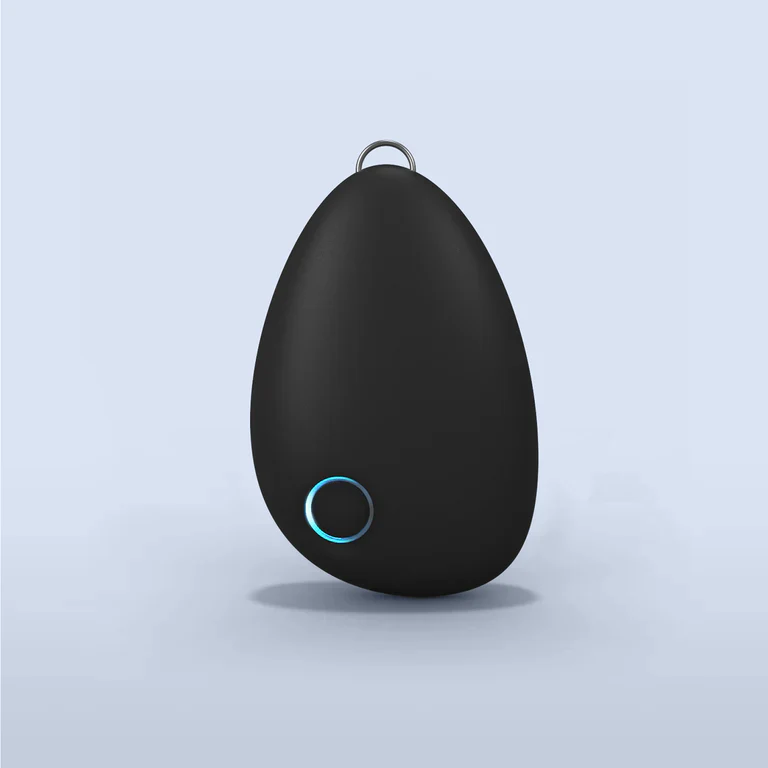
Sensate is a chest-resting device that uses infrasonic vibration rather than electrical stimulation. You lie down for about 10 minutes with the pebble-shaped device on your sternum, paired with soundscapes in its app. It sells for around 280 to 300 euros, is CE marked, and ships to Spain.
Good fit for people who want a meditation-style relaxation ritual and prefer vibration and sound over electrical stimulation.
Trade-offs. It is not an electrical VNS device, so it works differently from the neck and ear options here. Sessions require lying down, which suits a calm-down routine more than a quick reset during the day.
6. Apollo Neuro
Apollo Neuro is a wrist or ankle wearable that uses gentle haptic vibration, not electrical stimulation, and is not vagus stimulation in the electrical sense. It sells for around 320 to 340 euros and is mainly a US brand that ships internationally.
Good fit for people who want a discreet wearable they can keep on through the day and who respond well to soothing vibration.
Trade-offs. Because it relies on haptic vibration at the wrist or ankle, it is a different mechanism from neck or ear VNS. Spanish buyers should check shipping, import and warranty details given the US base.
7. Truvaga
Truvaga, from electroCore, is a handheld unilateral cervical device. You hold it against one side of the neck for short held sessions of about two minutes. Pricing runs roughly 180 to 460 euros across its models. Availability is mainly in the US, so Spanish buyers should verify whether and how it ships to Spain before counting on it.
Good fit for buyers who specifically want handheld cervical use and are mainly shopping in the US market.
Trade-offs. It is held by hand rather than hands-free, stimulates one side of the neck at a time, and its mainly-US availability makes it harder to buy and support from Spain. There is no bilateral wearable convenience.
8. gammaCore Sapphire (prescription option)
gammaCore Sapphire, also from electroCore, is a cervical device that is not sold direct to consumers. It is a prescription device obtained through a clinician. It is included here only so the picture is complete: if a doctor in Spain recommends a prescription cervical device, this is the route. For everyday wellness shopping, the consumer options above are the relevant choices.
Best vagus nerve stimulation device by use case
If you have a specific goal, here is where each fits best.
Best for sleep
For winding down before bed, Pulsetto is the top pick in Spain. The short four-minute, hands-free session fits neatly into an evening routine, and the app includes a dedicated Sleep program plus sleep tracking. In Pulsetto's pilot study, participants reported a 41.0% improvement in PSQI sleep quality. For a wider look at options, see this roundup of the best device for sleep.
Best for anxiety
For everyday anxious moments, Pulsetto's Anxiety program and quick reset suit people who want something repeatable and calming. Its pilot reported a 45.3% reduction in GAD-7 anxiety scores. If anxiety is your main reason for buying, this guide to the best vagus nerve stimulator for anxiety goes deeper.
Best for stress and burnout
For day-to-day stress and burnout, the combination of short sessions and a Burnout program makes Pulsetto easy to keep up with. Slow, consistent use tends to matter more than any single session. You can compare broader stress-relief tools in this guide to the best wearable device for stress relief.
Best for HRV
If you track heart rate variability and want a device that pairs stimulation with built-in HRV insight, Pulsetto's free app records HRV and sleep alongside your sessions. For context on what your numbers mean, see why we should care about HRV and the HRV chart by age and gender. You can also compare dedicated tools in the best HRV device guide.
How to choose a vagus nerve stimulation device in Spain
Use these criteria to narrow the field for your situation.
Certification and EU availability. Favor devices that clearly state CE certification and that ship to Spain in euros. CE marking shows the device meets European safety and performance requirements, and euro pricing avoids currency and import surprises. Pulsetto is CE and FCC certified and EU made.
Placement and comfort. Decide whether you prefer a neck wearable, an ear clip or earbud, a chest device or a wrist wearable. Neck wearables like Pulsetto are hands-free; ear devices require positioning by hand; chest devices need you to lie down. Comfort is personal, so think about how and when you will actually use it.
Session length and routine. Some devices run two to four minutes, others 10 to 30. If you want something that fits into a packed day, shorter hands-free sessions are easier to sustain. Consistency over weeks tends to matter more than any single long session.
App, tracking and subscription. Check whether a companion app is included, whether it tracks HRV and sleep, and whether core features need a subscription. Pulsetto's app is free for core use with HRV and sleep tracking, and Premium is optional. Some devices are app-free, and at least one ear device sells at a premium without an app at all.
Price in euros. Set a realistic budget. Consumer VNS devices in Spain range from around 180 euros to nearly 700 euros. More expensive does not automatically mean better for your goal, so weigh price against placement, session length and the app you will actually use.
Evidence. Look at both the device's own data and the wider published research on VNS. No single pilot study settles the matter, so read company claims alongside independent literature, summarized in the next section.
Non-invasive VNS is designed for general wellness use, and most people use it without issue. Even so, it is not suitable for everyone. Do not use a vagus nerve stimulation device, or speak with a doctor first, if any of the following apply to you.
A pacemaker
Any implanted electrical medical device
Epilepsy or a seizure disorder
Pregnancy
Cardiac arrhythmia or a serious cardiovascular condition (consult a doctor first)
Recent neck or throat surgery (consult a doctor first)
What is the highest rated vagus nerve stimulator in Spain?
Among consumer devices available to Spanish buyers, Pulsetto is our top-rated pick. It combines hands-free bilateral neck stimulation, four-minute sessions, a free app with HRV and sleep tracking, CE and FCC certification, and EU manufacturing. The right device for you also depends on your goal and your preferred placement, so use the comparison table and use-case section above to confirm the fit.
Is there a vagus nerve stimulator that actually works?
Published research on non-invasive VNS is encouraging, with studies reporting raised HRV markers, a reduced sympathetic stress response and improved sleep and anxiety scores in some participants. Effects vary by protocol and by person, and they tend to build with consistent use rather than appearing instantly. The science section below links the studies directly. Treat any single result as part of a wider, still-developing picture rather than a guarantee.
Is it worth buying a vagus nerve stimulator?
It can be, if your goal is everyday relaxation, sleep support and nervous-system balance, and you will actually use the device consistently. The value depends on choosing a placement and session length you will keep up with, and on setting realistic expectations. A device with a free app and short sessions, like Pulsetto, makes a daily habit easier to maintain, which is often what determines whether people see a benefit.
Where can I buy a vagus nerve stimulator in Spain?
Reputable consumer VNS devices are sold online and ship to Spain. The most straightforward path is to buy from a brand that lists euro pricing, states CE certification, and confirms delivery to Spain at checkout. Pulsetto ships to Spain in euros and can be ordered directly. For other brands, confirm international shipping, import handling and warranty terms before you order, especially for mainly-US devices.
Which vagus nerve stimulation devices ship to Spain?
Several do. Pulsetto (EU made, CE certified) ships to Spain in euros. Nurosym and Sensate are EU-marketed and ship to Spain. Vagustim and Apollo Neuro ship internationally with EU delivery available. Neuvana Xen and Truvaga are mainly US-based, so Spanish buyers should confirm shipping, customs and warranty before ordering. gammaCore Sapphire is a prescription device obtained through a clinician rather than bought online.
Are vagus nerve stimulators safe for people with epilepsy or a pacemaker?
Non-invasive VNS devices are not suitable for everyone. People with epilepsy or a seizure disorder, a pacemaker, or any implanted electrical medical device should not use a consumer VNS device. Pregnancy, cardiac arrhythmia or serious cardiovascular conditions, recent neck or throat surgery, and carotid artery conditions also call for caution, and you should consult a doctor first. See the full contraindications list above before buying.
What is the difference between ear and neck vagus nerve stimulation?
Both reach the same vagus nerve through different access points. Neck (cervical) devices like Pulsetto place electrodes over the area where vagus branches run through the neck, and the design here is hands-free. Ear (auricular) devices, such as ear clips and earbuds, target the vagus branch in the outer ear and are positioned by hand. Neither is universally better; the choice comes down to comfort, session style and whether you want hands-free wear.
What is the 7 minute vagus nerve reset?
The phrase refers to short breathing and relaxation routines, often a few minutes long, that aim to shift the body toward its parasympathetic, calmer state. Slow breathing and HRV-style exercises have research support for reducing stress and anxiety. A VNS device is a complementary tool rather than a replacement for these practices, and many people pair a short device session with guided breathing, which Pulsetto's app includes.
Scientific research
Pulsetto is a general wellness product and is not intended to diagnose, treat, cure, or prevent any disease or medical condition. The references below were identified via the Consensus and PubMed databases, are linked directly by DOI, and are indexed in PubMed. They cover the autonomic physiology behind vagus nerve stimulation and the published effects of transcutaneous cervical and auricular VNS, HRV biofeedback, breathwork, meditation and wearable HRV tracking. Effects vary by protocol and individual and tend to build with consistent use.
The vagus nerve is the main parasympathetic pathway, and heart rate variability (HRV), the beat-to-beat variation in heart rate, is the clearest non-invasive window into autonomic and vagal balance. HRV typically falls under stress, which is why it is used as a marker in much of this research.