30 Best Stress Relievers
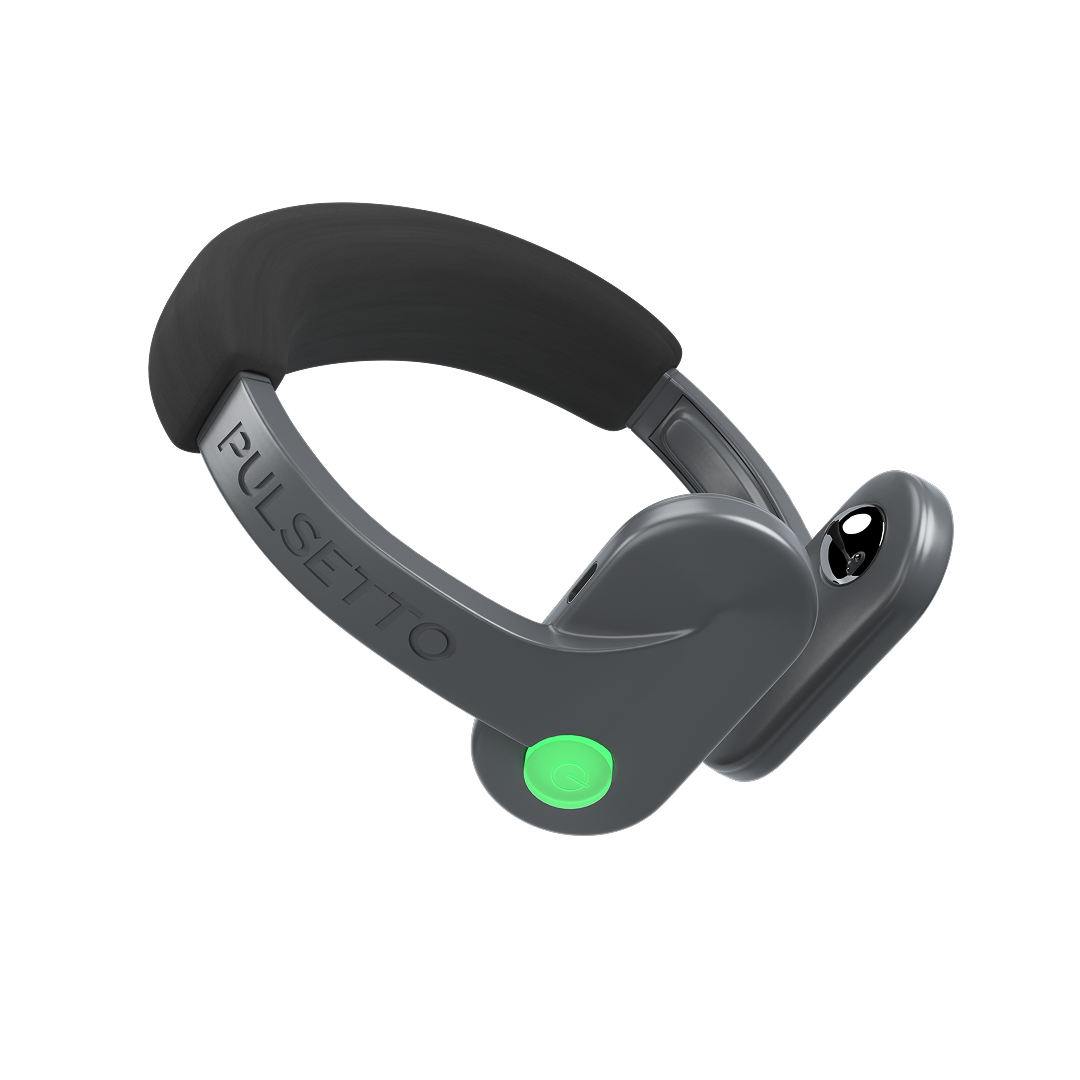
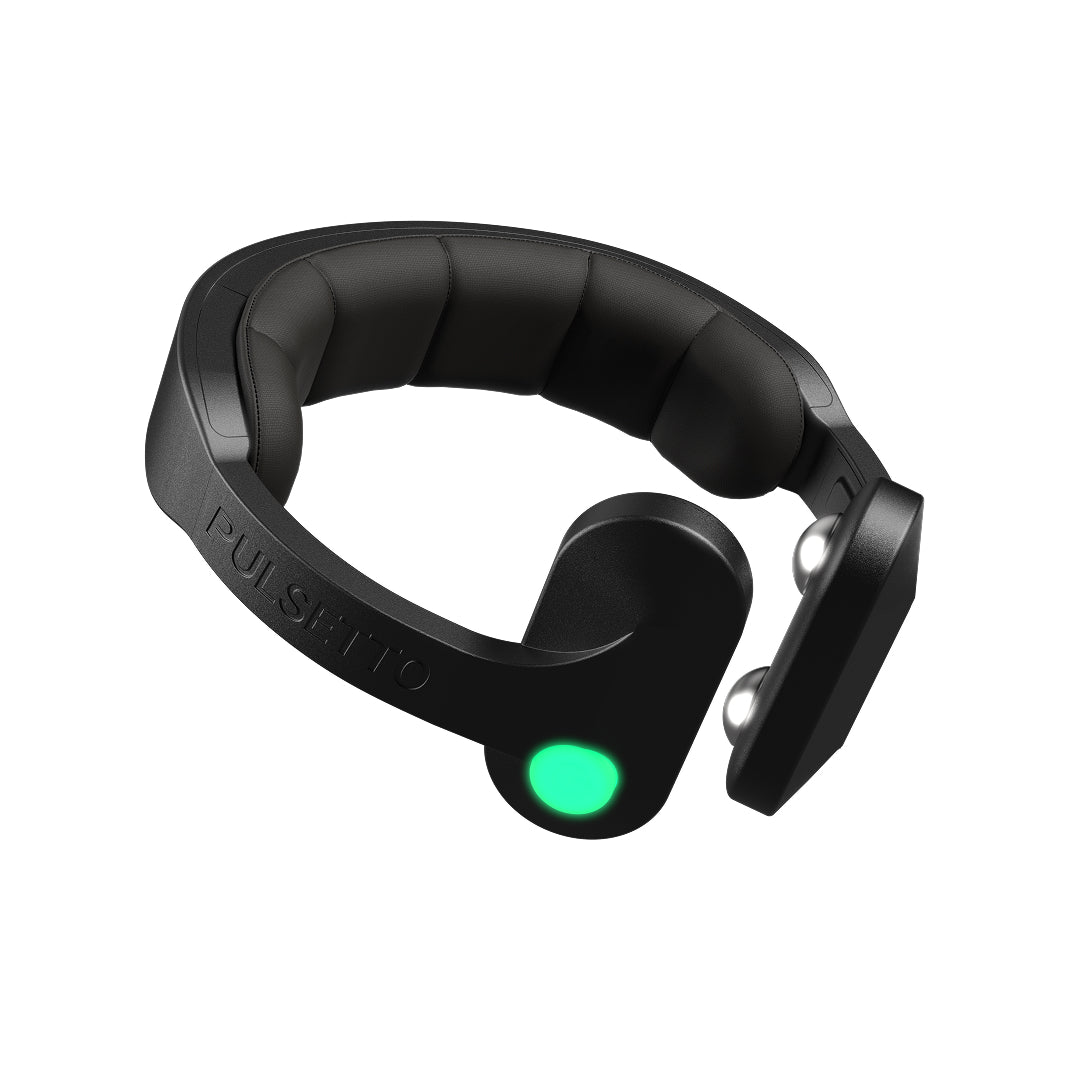
1. Pulsetto Vagus Nerve Stimulator
Best for: Fast nervous system relaxation and stress reduction.
When nothing else is working quickly enough, this is what I reach for. The Pulsetto Vagus Nerve Stimulator sends gentle electrical pulses to the vagus nerve, activating the body's "rest and digest" response within minutes. Sessions run 4 to 10 minutes, controlled through an app with programs for stress, anxiety, sleep, and burnout. As one of the most science-backed stress relievers available today, it delivers real stress relief without requiring you to clear your schedule. Learning what is vagus nerve massage alongside using Pulsetto gives you a fuller picture of how this kind of stimulation supports managing stress over time.
2. Deep Breathing Exercises
Best for: Instant stress relief anywhere.
Box breathing and diaphragmatic breathing work because they directly influence the autonomic nervous system. Breathing in for four counts, holding for four, exhaling for four, and holding again slows heart rate and signals safety to the brain within seconds. Two minutes of instant stress relief breathing before a high-stakes situation measurably changes how the body responds to pressure.
3. Meditation Apps (Calm, Headspace)
Best for: Daily stress management.
Apps like Calm and Headspace make meditation accessible without any prior experience. They offer guided sessions, sleep stories, and breathing exercises short enough to fit into genuine gaps during the day. Comparing meditation tools across app-based and physical formats makes it easier to identify what actually holds attention long enough to become a habit.
4. Weighted Blanket
Best for: Reducing anxiety and improving sleep.
The gentle, distributed pressure mimics deep touch stimulation, which calms the nervous system and reduces the physical sensation of anxiety. Most adults do best with a blanket that's around 10% of their body weight. Pairing it with a consistent sleep environment helps. Once you learn how to increase deep sleep through small environmental changes, the blanket became part of a system rather than a standalone fix.
5. Massage Gun
Best for: Releasing physical tension.
Stress accumulates in the body as muscular tension, most predictably in the shoulders, neck, and upper back. Percussive therapy increases blood flow, loosens tight muscle groups, and interrupts the feedback loop between physical tension and psychological stress. A few minutes of targeted use changes the body's stress state faster than most mental strategies. Knowing what to look for among best massage tools (particularly attachment types and speed range) makes the difference between a device that gets used daily and one that sits in a drawer.
6. Walking Outdoors
Best for: Natural stress reduction.
Twenty minutes of outdoor walking without a phone is one of the most consistently effective natural stress relievers available. Movement lowers cortisol, natural light exposure regulates the circadian rhythm, and environmental change interrupts the rumination cycles that amplify stress. Research shows that even low-intensity outdoor movement improves mood and reduces anxiety markers reliably.
7. Journaling
Best for: Processing thoughts and emotions.
Journaling creates distance between a person and their thoughts. Instead of running the same worry loop internally, writing moves it onto the page where it becomes something that can be examined rather than just felt. The format matters less than the act, stream-of-consciousness writing, a daily brain dump, or logging stress triggers all produce the same core benefit. Writing slows down anxious thinking in a way that reviewing a to-do list or talking through a problem rarely achieves.
8. Aromatherapy Diffuser
Best for: Creating a calming environment.
Scent has a direct pathway to the limbic system, the part of the brain that processes emotion and stress response. Lavender in particular has well-documented calming effects and begins working within minutes of diffusion. An aromatherapy diffuser running during focused work blocks or before sleep changes the environmental baseline without requiring any active attention.
9. Yoga Practice
Best for: Mind-body relaxation.
Yoga addresses stress through three mechanisms simultaneously: cortisol reduction from movement, nervous system regulation through breath control, and body awareness that interrupts the cognitive patterns driving tension. What consistent yoga practice builds over time is a higher baseline tolerance for discomfort, which transfers directly to how pressure is experienced at work. Pairing it with other relaxation techniques builds a wind-down system that covers different types of stress.
10. Cold Showers
Best for: Resetting the nervous system.
Cold exposure triggers a norepinephrine release that sharpens focus and improves mood, with effects that last several hours after the exposure ends. The adaptation process also builds stress tolerance over time, and the physiological response to discomfort becomes more controlled with regular practice. Starting with 30 to 60 seconds of cold at the end of a warm shower is enough to begin seeing the effect. Full cold immersion produces stronger results but is not required to benefit from the mechanism.
11. Progressive Muscle Relaxation
Best for: Full-body stress relief.
Progressive muscle relaxation involves tensing and releasing muscle groups systematically from the feet upward through the body. The technique interrupts the physical expression of stress such as tight chest, jaw tension, and braced back, by bringing deliberate awareness to each area and then releasing it. A full session takes around 15 minutes and is particularly effective before sleep when accumulated tension resists standard breathing techniques. The only requirement is a quiet space and enough time to lie still.
12. Listening to Music
Best for: Quick mood improvement.
Music influences the autonomic nervous system directly through tempo, key, and rhythm. Slow instrumental music lowers heart rate. High-tempo music raises energy and motivation. The mechanism is involuntary, which makes music one of the fastest and most accessible stress relievers.
13. Noise-Canceling Headphones
Best for: Reducing sensory overload.
Open offices, co-working spaces, and busy households generate a constant low-level cognitive load from unpredictable noise. That load compounds stress over time without ever being the obvious cause. Noise-canceling headphones remove the background demand without requiring a change of location. Used during any task that needs sustained concentration, the reduction in environmental noise alone lowers the stress response, even without music playing through them.
14. Acupressure Mat
Best for: Physical relaxation.
An acupressure mat stimulates pressure points across the back and neck, triggering endorphin release and promoting parasympathetic activity. The sensation is intense for the first two minutes and then shifts into deep relaxation, a pattern users consistently report across different mat designs. Used for 15 to 20 minutes in the evening, it produces a reliable physiological shift out of alert mode before sleep.
15. Herbal Teas (Chamomile, Ashwagandha)
Best for: Natural calming support.
Chamomile contains apigenin, a compound that binds to GABA receptors in the brain and produces a mild sedative effect. Ashwagandha supports the HPA axis and reduces cortisol output over time, available in both tea and supplement form. Neither delivers fast-acting intervention in the way breathing or cold exposure does, but used as daily habits they lower the stress baseline measurably over weeks. They sit among the most cost-effective natural stress relievers available, with a strong body of evidence behind both.
16. Digital Detox (No Screens)
Best for: Reducing mental fatigue.
Constant connectivity keeps the brain in a low-grade state of alertness that depletes stress resilience without producing output. A screen-free hour (no phone, no laptop, no television) produces a measurable drop in mental tension. Structured screen-free blocks work as well as full detox periods for most people. This is consistently one of the most recommended interventions among stress relievers for students managing cognitive overload, and the mechanism is identical for working adults under sustained digital pressure.
17. Sleep Optimization Tools
Best for: Improving recovery and stress levels.
Poor sleep and elevated stress reinforce each other in a loop that resists behavioral change alone. Sleep optimization tools like smart alarm apps, cooling mattress pads, and light therapy devices, target the environmental and physiological conditions that allow genuine nervous system recovery overnight. Tracking sleep reveals patterns that subjective experience misses entirely, often showing that a single habit change produces more stress reduction than multiple active interventions. The best sleep aid options are mostly device-based and work passively once integrated into a consistent sleep environment.
18. Breathing Devices (Moonbird)
Best for: Guided stress reduction.
Moonbird is a handheld device that expands and contracts in the hand, physically guiding breath rate into a coherent rhythm. The tactile feedback keeps attention anchored without requiring screen use or internal counting, which makes it more effective than audio-guided breathing for people whose focus drifts under stress. Paced breathing at five to six breaths per minute activates the vagus nerve and shifts the nervous system toward calm within minutes. It's a strong option for anyone who finds purely mental techniques difficult to sustain.
19. Exercise (Strength or Cardio)
Best for: Long-term stress management.
Regular exercise lowers baseline cortisol, increases BDNF, and improves sleep quality, three factors that directly determine stress resilience. The effect shows most clearly not during training sessions but in how the body responds to pressure in the hours and days that follow. Three to four sessions per week is sufficient to produce a measurable difference in stress baseline. Consistency over intensity is the governing principle: moderate exercise done regularly outperforms intense exercise done sporadically for stress management purposes.
20. Stretching Routine
Best for: Releasing tension.
Stress stores in the body as muscular tension, most heavily in the neck, shoulders, hip flexors, and lower back. A 10-minute stretching routine targeting those areas addresses the physical dimension of stress directly. Slow, held stretches activate the parasympathetic nervous system through a similar mechanism to progressive muscle relaxation. Used consistently at the end of the workday, stretching functions as a behavioral signal that transitions the body out of alert mode, which is often the gap that other stress management approaches leave unaddressed.
21. Social Connection
Best for: Emotional stress relief.
Talking with a trusted person lowers cortisol and raises oxytocin through social bonding. The research on isolation and stress is consistent: pulling back from social contact during high-stress periods worsens the physiological response, even when isolation feels preferable. Even a short conversation with someone who reduces rather than activates the nervous system shifts the stress state measurably. Scheduling regular contact with those people is a legitimate and underused stress management strategy.
22. Guided Relaxation Audio
Best for: Mental relaxation.
Body scan recordings and NSDR (non-sleep deep rest) protocols guide attention through the body systematically, releasing accumulated tension without requiring active effort or mental discipline. Unlike meditation, they don't require managing a wandering mind, the audio handles direction, and the listener follows. A 20-minute NSDR session after a high-output morning consistently restores the cognitive and emotional resources that stress depletes, with users reporting better afternoon performance compared to caffeine or brief rest alone.
23. Mindfulness Practice
Best for: Reducing overthinking.
Mindfulness trains attention to stay in the present moment rather than loop through future worries or past frustrations. Five minutes of breath observation without trying to control it builds the neural habit of faster return to the present when stress pulls attention away. The compound effect over weeks is significant, even when individual sessions feel unremarkable. Comparing a few mindfulness apps before committing to one is worthwhile, the structural differences between formats are larger than they appear, and the right match makes consistency substantially easier.
24. Adaptogen Supplements
Best for: Supporting stress resilience.
Adaptogens including ashwagandha, rhodiola rosea, and holy basil modulate the body's stress response at the hormonal level over time. They don't produce immediate calm, but they reduce stress reactivity over weeks of consistent use by supporting HPA axis regulation. They work most effectively as a supporting layer alongside behavioral and lifestyle tools, not as standalone interventions. Extract quality and dosage matter significantly, which makes researching specific products more important than with most other supplements on this list.
25. Eye Massager
Best for: Reducing screen-related stress.
Eye tension from sustained screen time contributes to headaches, fatigue, and a general sense of overstimulation that is easy to misattribute to other causes. An electric eye massager applies gentle compression and heat around the eye socket, releasing that tension and activating the relaxation response through the trigeminal nerve. Used for 10 minutes between long focus blocks, the effect on eye strain and mental fatigue is immediate.
26. Nature Sounds or White Noise
Best for: Calming the mind.
Consistent auditory environments mask the unpredictable noise spikes that keep the brain on alert. Nature sounds lower stress markers more effectively than standard white noise, likely because the brain registers them as signals of environmental safety. Running a nature sounds track during deep work sessions reduces the low-level anxiety that comes from working in acoustically unpredictable spaces, with a measurable effect on both concentration quality and sustained calm.
27. Creative Activities (Drawing, Music)
Best for: Mental distraction and relaxation.
Engaging in a creative task shifts brain activity away from the default mode network, the system responsible for rumination and worry. The specific activity matters less than the absorption it produces. Drawing, playing an instrument, knitting, or woodworking all work through the same mechanism: complete attentional engagement that gives the stress-processing systems a genuine rest. Twenty minutes of creative activity during a high-stress period produces a qualitative shift in mental state that passive rest rarely achieves.
28. Time Management Techniques
Best for: Reducing work-related stress.
Managing time better is one of the most leveraged stress relievers available because it addresses the structural source of stress rather than its downstream symptoms. Time-blocking, the two-minute rule, and weekly planning sessions reduce that load by front-loading decision-making into a single dedicated window. The result is a workday where attention goes to execution rather than triage.
29. Sauna or Heat Therapy
Best for: Deep relaxation.
Heat exposure triggers heat shock protein release, lowers cortisol, and raises endorphins. Regular sauna use has well-documented cardiovascular benefits alongside its stress-reduction effect, which is significant both during and after a session. Fifteen to twenty minutes at around 80 degrees produces one of the most complete combinations of physical and mental unwinding available. Infrared saunas operate at lower temperatures with comparable physiological benefits and are the more accessible option for home use.
30. Therapy or Coaching
Best for: Long-term stress management.
Therapy and coaching address the underlying patterns that generate chronic stress rather than managing its symptoms. CBT, somatic therapy, and stress-specific coaching provide tools that compound over time and change how pressure is interpreted, not just how it's responded to in the moment. It's the most resource-intensive option on this list and also the most structurally transformative.
Natural vs Tech-Based Stress Relievers
Natural stress relievers work by engaging systems the body already has. They're free, have no side effects, and build capability over time. The limitation is that they require consistency and a baseline level of motivation, which stress itself tends to erode. When someone is already depleted, the habits that would help most are often the hardest to initiate.
Technology-based tools like Pulsetto, meditation apps, and breathing devices lower the activation barrier. Pulsetto stimulates the vagus nerve directly, producing a physiological shift without requiring mental discipline or a specific environment. Apps provide structure when self-direction is hard. Sleep devices optimize recovery passively. The limitation of tech tools is cost and the risk of reliance without building the underlying capacity.
The most effective approach combines both. A device or app stabilizes the nervous system in acute moments while natural stress relievers build long-term resilience. Neither category works as well alone as they do together.
Key Features to Look for in the Best Stress Relievers
Finding the best stress relievers for a specific situation depends on a few practical criteria worth evaluating before committing to any tool or technique.
Ease of use determines whether someone actually reaches for a tool under pressure. A stress reduction method that requires 30 minutes of setup gets skipped on the hardest days.
Speed of relief matters for acute stress. Tools that produce results in under 10 minutes are worth having alongside slower-acting methods that shift the longer-term baseline.
Long-term effectiveness separates tools that address symptoms from those that build resilience. Exercise, therapy, and consistent mindfulness practice improve the stress response over time, not just in isolated moments.
Accessibility and cost affect how consistently a tool gets used. The best stress relievers fit within existing constraints, a free breathing technique or a device already integrated into a daily routine.
Integration into daily routine is the deciding factor for most people managing stress long-term. A stress reliever that fits naturally into an existing habit will outlast any tool that requires carving out separate time.
Ready to Try the Best Stress Reliever for Your Lifestyle?
Stress relief is personal. What works consistently in one person's life may not fit another's, and that's not a failure of the method, it's a function of how differently stress presents across triggers, schedules, and nervous systems. The most important factor is finding a combination that can actually be maintained.
Start here:
-
Identify your main stress triggers like work, sleep, social pressure, or digital overload
-
Choose one fast-acting tool and one long-term practice
-
Test them for two weeks before adding anything else
-
Build a routine around what works, and cut what doesn't
Consistency matters more than variety. A few stress relievers used daily outperform ten rotated through inconsistently. For a modern option that works fast and integrates into any routine without friction, a vagus nerve stimulator like Pulsetto addresses stress at the physiological level, making it one of the most effective starting points available.
FAQs: Top Stress Relievers
What Are the Best Stress Relievers?
The best stress relievers combine fast-acting tools with long-term habits. Pulsetto, deep breathing, regular exercise, and consistent sleep all address stress through different mechanisms. Building a small toolkit that covers both immediate relief and baseline resilience produces the best results over time.
What Helps Reduce Stress Quickly?
Deep breathing exercises, cold exposure, and vagus nerve stimulation all reduce stress within minutes. Box breathing requires no equipment and works anywhere. Pulsetto delivers measurable nervous system calming in sessions as short as four minutes, making it one of the fastest device-based options available.
What Are Natural Stress Relievers?
Natural stress relievers include exercise, walking outdoors, breathwork, yoga, journaling, social connection, and herbal teas like chamomile and ashwagandha. These approaches work with the body's existing stress-response systems and build resilience over time, most effective when practiced consistently rather than used reactively.
How Can I Manage Stress Daily?
Managing stress daily works best with a structured routine rather than improvised responses. A morning practice sets the nervous system baseline for the day. Evening habits like stretching, limiting screens, and consistent sleep times prevent accumulation overnight. Small repeated actions compound more reliably than occasional intensive interventions.
What Is the Best Stress Reliever for Anxiety?
For anxiety specifically, tools that directly regulate the nervous system tend to work best. Vagus nerve stimulation through Pulsetto, diaphragmatic breathing, and progressive muscle relaxation all reduce the physiological arousal that drives anxious states.
How Do Stress Relief Devices Work?
Stress relief devices influence the autonomic nervous system directly. Pulsetto uses gentle electrical stimulation to activate the vagus nerve, triggering the parasympathetic response. Breathing devices like Moonbird guide breath into a coherent rhythm that slows heart rate. Each targets a different physiological pathway that chronic stress disrupts.