Dysautonomia: real relief from vagus nerve
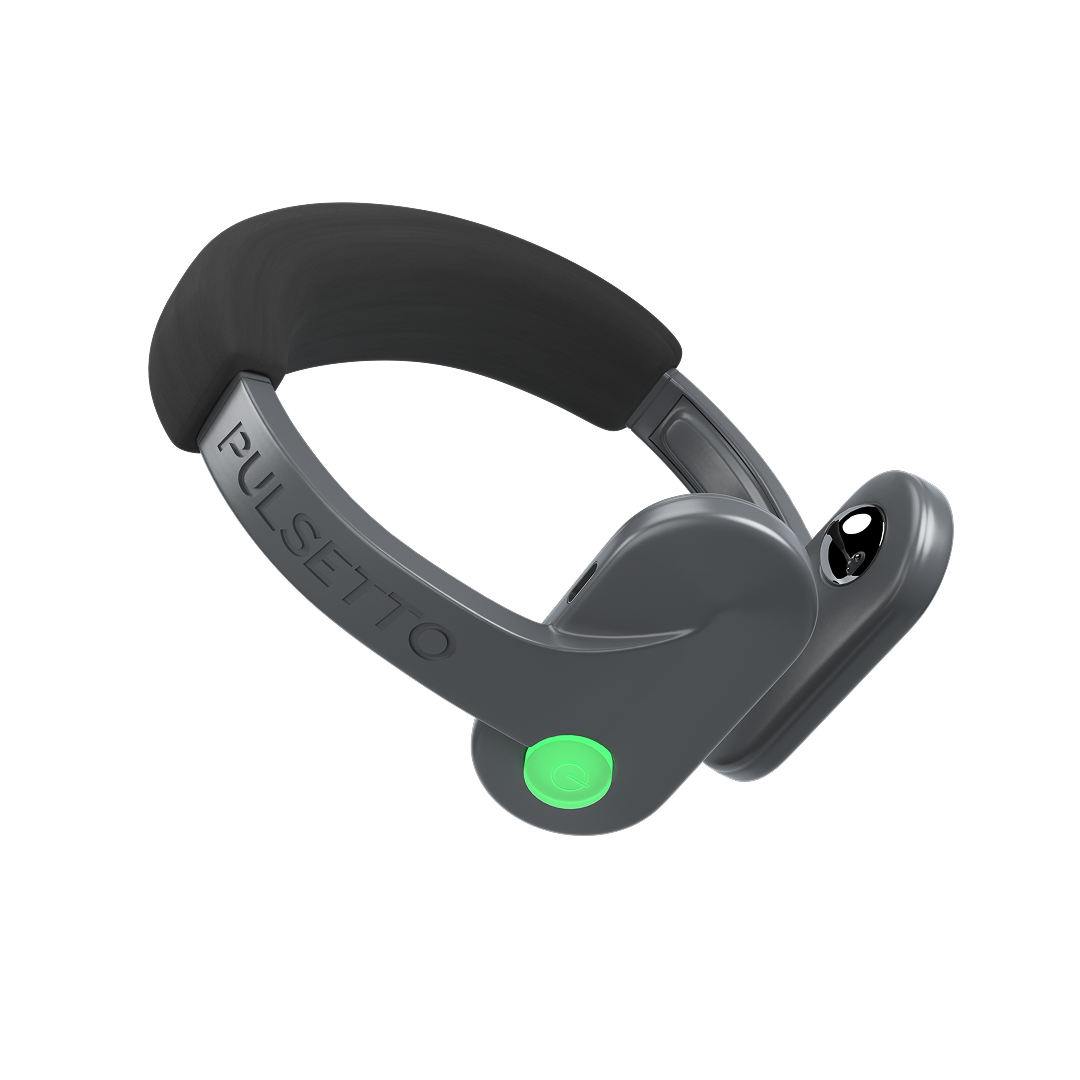
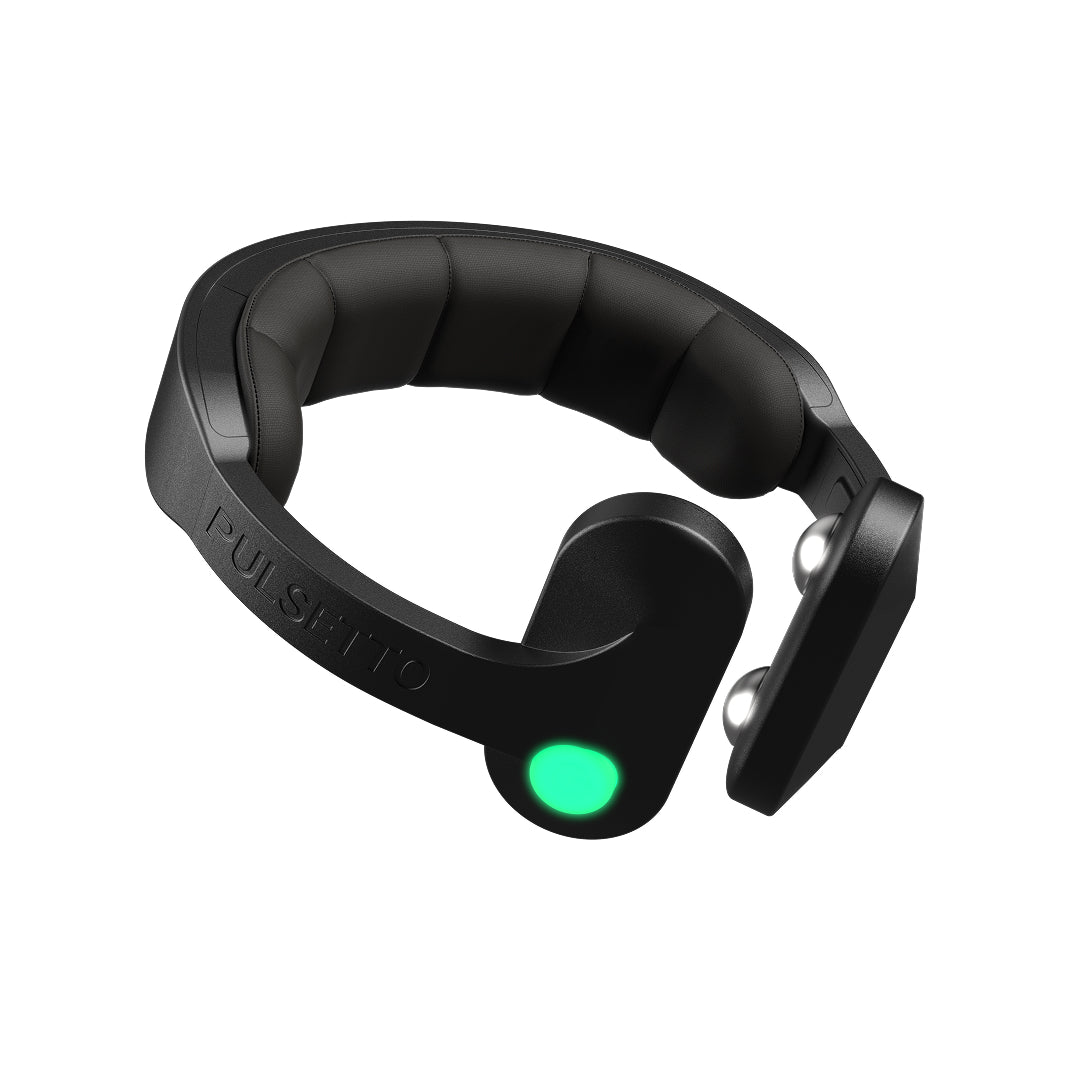
Pulsetto's non-invasive cervical VNS targets autonomic balance, delivering consistent vagal engagement to support daily function.
Autonomic imbalance in daily life
Dysautonomia disrupts heart rate, digestion, and energy. You deserve a reliable, non-invasive approach that supports stability and resilience.
You notice these signs in daily life:
Autonomic regulation via the vagus nerve
The vagus nerve drives rest-and-digest
The vagus nerve links brain and body, coordinating parasympathetic regulation that dampens overactivation during stress.
Chronic stress dulls vagal responsiveness
Persistent stress reduces vagal tone, making autonomic swings more likely; targeted stimulation rebuilds this tone.
You can train it like a muscle
Brief, consistent stimulation strengthens the rest response, making calmer states easier over time.
tVNS is non-invasive
Non-invasive cervical stimulation places gentle electrical pulses on the neck, with no needles and no drugs.
Autonomic balance improvements with vNS
Pulsetto clinical observations in autonomic regulation —
Participants show a 40% reduction in high-autonomic arousal scores after 4 weeks of daily sessions.
HRV measures improve by 38% after 4 weeks of use in autonomic-stress cohorts.
Hair cortisol levels decrease by 36% after 4 weeks, indicating reduced chronic stress exposure.
Pulsetto supports autonomic stability
Four-minute sessions before bed train the body toward calm, predictable autonomic response. Each session tightens vagal tone.
Lowers sympathetic load
Each 4-minute session reduces physiological arousal, enabling calmer daytime function.
Promotes parasympathetic activity
Stimulation shifts the nervous system toward rest-and-digest, supporting digestion and sleep.
Supports calmer heart rate
Heart rate variability and resting heart rate respond to sessions, easing autonomic fluctuations.
Quiets internal chatter
As the body relaxes, the mind follows; users report more predictable days.
Autonomic balance over the first 8 weeks
Users feel the shift early and experience deeper regulation with time.
You notice the shift
Initial sessions calm the body, with heart rate slowing and shoulders relaxing.
Sleep and focus begin
Early improvements in sleep onset and daytime clarity emerge with consistent use.
Clearer autonomic rhythm
Autonomic patterns stabilize; anxiety and sleep quality trend toward healthier baselines.
Sustainable balance
Vagal tone maintains gains; ongoing use sustains calmer daily function.
Stories from families using Pulsetto
“We were cautious, but within weeks our child settled more calmly and slept through the night.”
“I was skeptical; after 4 weeks IBS symptoms declined and daytime focus improved.”
“The device helped my autonomic symptoms without meds; it feels like a steadying force.”
Pulsetto vs generic approaches for dysautonomia
Pulsetto tVNS
- Direct vagus nerve stimulation
- No drugs, no dependency
- 4-minute sessions you will do
- Clinical signals in autonomic balance
- 30-day trial
IBS-focused device
- Targeted gut-brain approach
- No drugs
- Requires daily use
- Clear improvement in digestion
Digestive support device
- Biofeedback quality varies
- No long-term data on all symptoms
- Consistency matters
Calm routines
- Low side effects
- Requires daily practice
- Not a magic fix
- Consistency is key
Ready to try a clinically-backed approach?
30-day money-back guarantee. No subscription. Ships worldwide in 3–7 days.
Related reading
Vagus Nerve Stimulator For Autonomic Dysfunction
Explore Pulsetto's non-invasive vagus nerve stimulation approach for autonomic balance. Learn how it supports autonomic regulation and daily function.
Vagus Nerve Stimulator For POTS
Explore non-invasive cervical VNS for PoTS to support autonomic balance and tolerance to daily stress. Clinically guided and caregiver-approved.
Vagus Nerve Stimulator For Gastroparesis
Explore non-invasive cervical VNS for gastroparesis. Pulsetto supports autonomic balance to aid stomach motility and digestive comfort.
Vagus Nerve Stimulator For Autism
Explore non-invasive cervical VNS with Pulsetto to support autonomic balance and daily function in autism. Safe, simple, science-guided.
Vagus Nerve Stimulator For Vertigo
Non-invasive cervical VNS by Pulsetto supports balance by engaging vagal pathways, aiming to reduce vertigo symptoms.
Vagus Nerve Stimulator For Crohn's Disease
Explore how non-invasive cervical VNS via Pulsetto supports gut–brain communication in Crohn’s disease for calmer digestion and improved daily comfort.
Frequently asked questions
Yes. Early Dysautonomia cohorts report calmer heart rate and steadier digestion with daily use.
The device is non-invasive and designed for regular home use; follow safety notes and consult a clinician for guidance.
Pulsetto is not a medication; discuss treatment plans with your clinician and use as a neuromodulation complement.
Autonomic stability can reduce episodes for some users, but results vary by individual and condition.
Return policy applies; 30-day window to assess impact and decide on next steps.
Daily sessions are recommended, with 4-minute blocks fitting into most routines.
Try a 30-day autonomic-balance trial
If you don’t feel calmer and more regulated within 30 days, return it for a full refund.
30-day money-back guarantee · Free shipping over $100 · Ships in 1–2 business days
Medical disclaimer: The contents of this page are for informational purposes only, not medical advice. Consult a healthcare professional before use, especially if you have a medical condition or are taking medication. Individual results may vary.