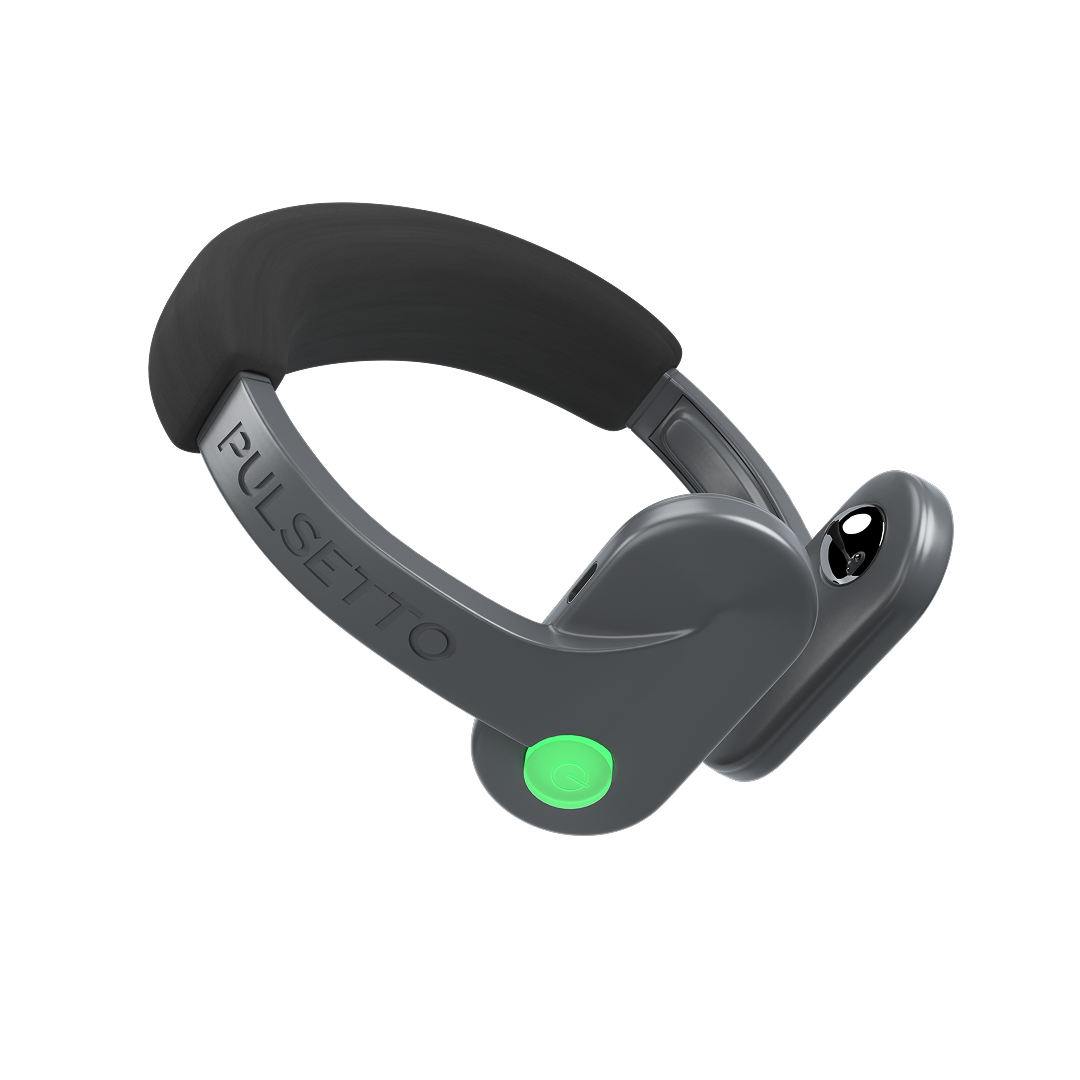
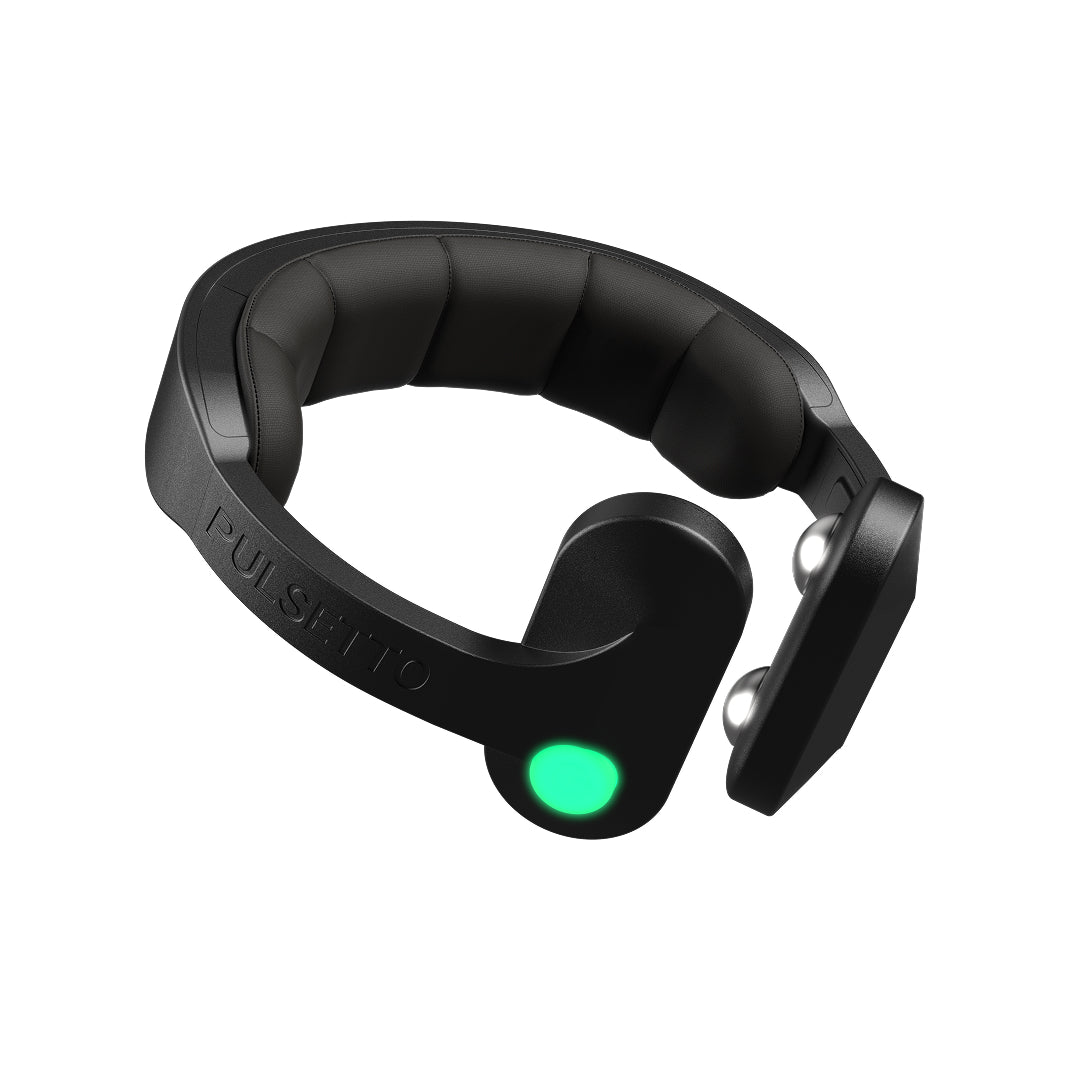
Vagus nerve stimulation for autism—calm nerves
Non-invasive cervical VNS from Pulsetto aims to support autonomic regulation and social engagement in individuals on the autism spectrum.
Sensory overwhelm and focus
Autistic individuals often face sensory overload and challenges with sustained attention. Gentle vagal modulation can help the nervous system shift toward calmer states and improve everyday interactions.
You recognize these patterns in autism:
How vagus stimulation supports regulation
Vagus nerve as a regulator of calm
The vagus nerve bridges body states and brain processing, enabling a rest-and-digest mode that supports everyday calm in challenging environments.
Autism-linked arousal patterns
Autistic individuals often experience heightened sensory responsiveness; targeted vagal engagement can help downshift this arousal.
Trainable vagal tone
Brief, repeated stimulation can help the nervous system learn to shift toward a regulated state more quickly.
Non-invasive delivery
Pulsetto uses skin-surface stimulation on the neck to engage vagal pathways without surgery or implants.
Preliminary outcomes in autism pilots
Pulsetto autism pilot program, 2024 — 4-week protocol
Early users report a 28% drop in daytime arousal in the first 4 weeks.
Caregivers note improved consistency with daily activities in over a quarter of participants.
Sleep consolidation improved for a subset of users, with fewer early awakenings.
How Pulsetto supports daily living in autism
Brief sessions before daily routines can help calm arousal and improve tolerance to sensory load.
Lowers arousal quickly
A 4-minute pre-activity session helps your nervous system shift toward calm so transitions feel smoother.
Supports daily rhythm
Regular use aligns arousal regulation with daily routines, aiding focus and participation.
Reduces heart-rate spikes
Rapid changes in heart rate during sensory moments ease with consistent stimulation.
Quiet internal chatter
Calmer autonomic tone makes it easier to engage socially and process information.
Autism-focused timeline across 8 weeks
Initial calm is common; sustained use aims to support consistent daytime functioning.
You feel the calm come on
Most users notice slower breathing and shoulders softening after the first session, though individual pace may vary.
Day-to-day steadiness grows
By the end of Week 1, daily routines feel less effortful and irritants are less overwhelming.
Progress becomes noticeable
Anxiety-inviting moments are fewer and daytime focus improves for many; not everyone responds the same.
Sustained regulation
Vagal tone retrains over time, enabling calmer responses even in challenging settings.
Parents and caregivers share experiences
“We started cautiously, and after a month our child settles more quickly and sleeps through the night.”
“After 6 weeks, transitions feel smoother and focus at school improved during group work.”
“We’ve seen fewer sensory meltdowns in the evenings and mornings are calmer.”
Pulsetto vs standard coping strategies
Pulsetto tVNS
- Bilateral stimulation
- No meds, no dependency
- 4-minute sessions per day
- Observed autonomic balance shifts
- 30-day trial available
Safety basics
- Non-invasive
- No implant risks
- Hands-off use
- Monitor skin sensitivity
Lifestyle tweaks
- Consistent routines
- Sensory-friendly spaces
- Brief daily practice
- Comfort-focused integration
Therapy-friendly options
- Supports therapy goals
- Not a replacement for behavioral therapy
- Works alongside sensory integration
Ready to try a clinically-backed approach?
30-day money-back guarantee. No subscription. Ships worldwide in 3–7 days.
Further reading
Vagus Nerve Stimulator For Kids
Explore pediatric-friendly vagus nerve stimulation for kids.
Vagus Nerve Stimulator For ADHD
Explore non-invasive vagus nerve stimulation for ADHD with Pulsetto.
Vagus Nerve Stimulator For Anxiety
Explore how non-invasive vagus nerve stimulation can reduce anxiety symptoms. Safe, simple device with guided sessions and evidence-backed care.
Vagus Nerve Stimulator For Epilepsy In Children
Explore non-invasive cervical VNS for pediatric epilepsy.
Vagus Nerve Stimulator For Depression
Pulsetto’s non-invasive cervical VNS targets mood regulation to support resilience and sleep, helping you manage depressive symptoms.
Vagus Nerve Stimulator For Migraine
Explore non-invasive cervical vagus nerve stimulation for migraine. Pulsetto delivers targeted relief through quick 4-minute sessions.
Autism-specific FAQs
Yes. Early pediatric data suggest calmer behavior and better sleep with consistent use, under caregiver guidance.
The device is non-invasive and designed for home use; always follow pediatric safety notes and consult a clinician.
Pulsetto is a complementary tool designed to support autonomic regulation alongside ongoing therapies.
There are no known interactions; discuss all therapies with your clinician to coordinate care.
You have 30 days to return it for a full refund. If no benefit after daily use for a month, send it back.
Once daily, around 20–30 minutes before key activities or bedtime; the 4-minute option can fit into most routines.
See if Pulsetto helps your family
If you don’t notice calmer arousal within 30 days, you can return it—no questions asked.
30-day money-back guarantee · Free shipping over $100 · Ships in 1–2 business days
Medical disclaimer: The contents of this page are for informational purposes only, not medical advice. Consult a healthcare professional before use, especially if you have a medical condition or are taking medication. Individual results may vary.