Autonomic balance with vagus nerve stimulation
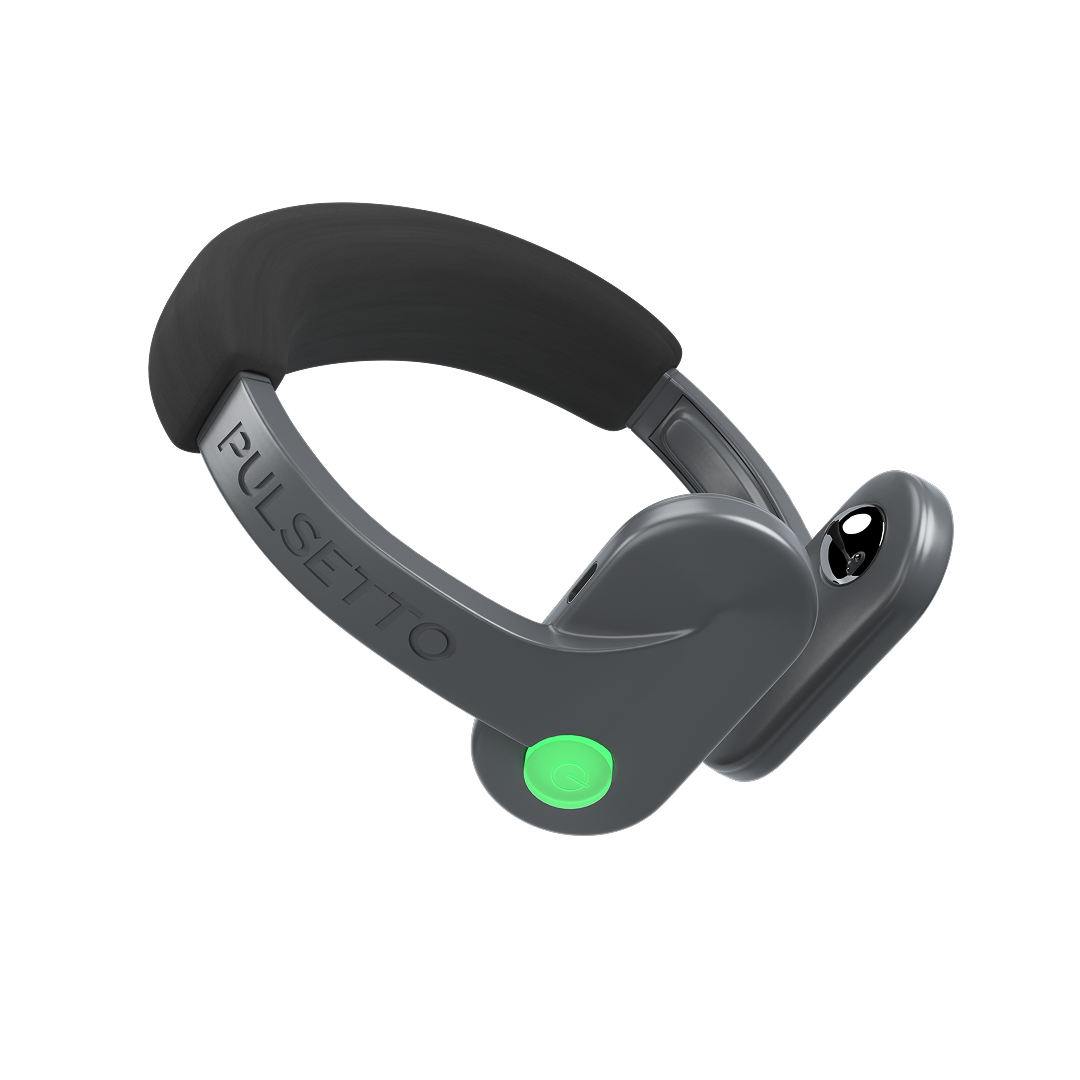
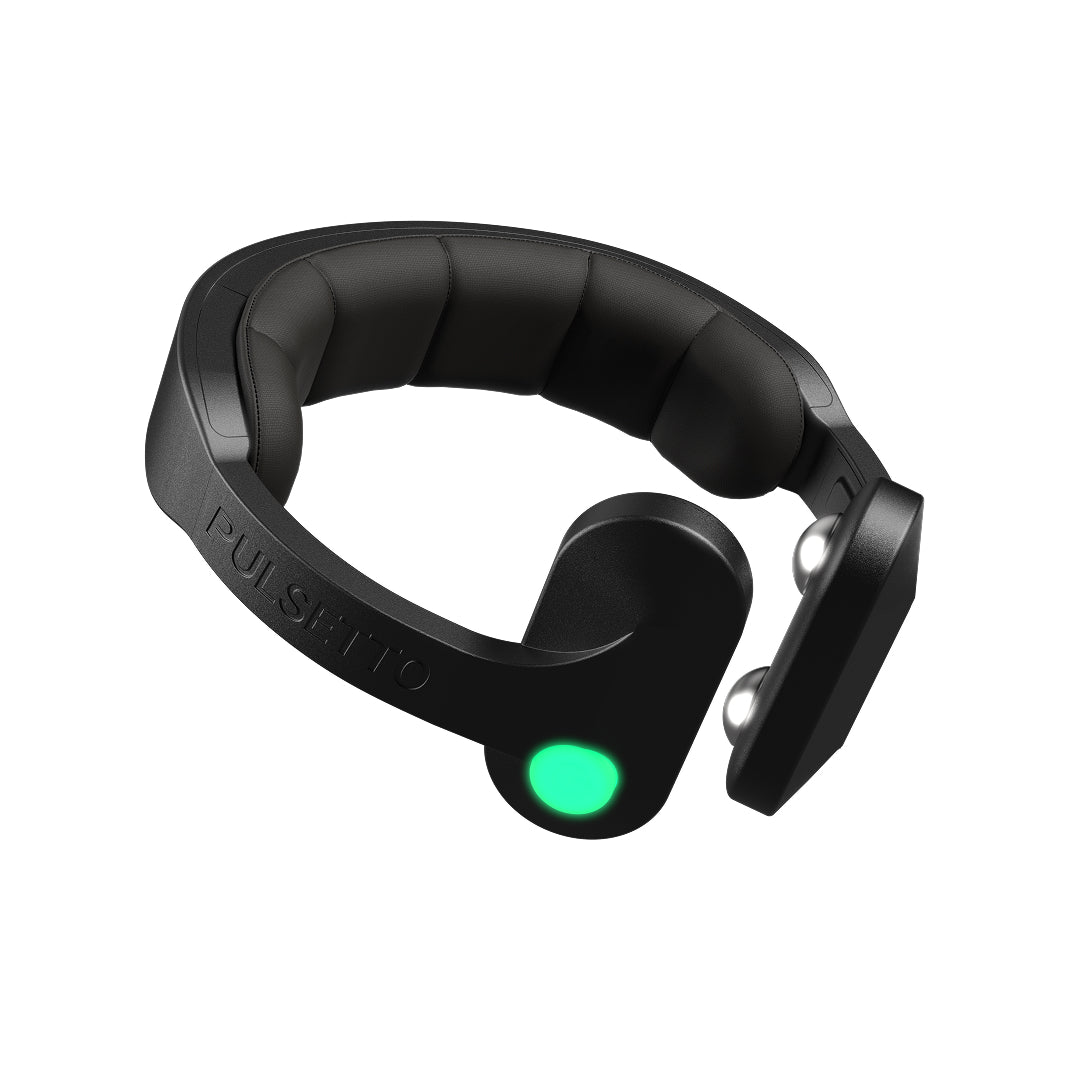
Non-invasive cervical VNS from Pulsetto targets autonomic regulation to support heart rate, digestion, and stress response.
You deserve steady autonomic tone
When the nervous system runs hot, you may feel rapid heartbeats, gut upset, and fatigue. Pulsetto offers a non-invasive path to calmer autonomic rhythms and improved daytime function.
You notice subtle shifts in regulation like:
How vagus engagement helps autonomic balance
Vagus nerve as a regulator
The vagus nerve links gut, heart, and brain, shaping autonomic balance through parasympathetic signaling.
Chronic arousal lowers vagal tone
Persistent stress can keep the system in a heightened state, dampening vagal responsiveness and sleep potential.
Training it is like building
Frequent, short stimulations can gradually improve the body’s rest-and-digest responses over time.
Non-invasive, simple access
Skin-area stimulation delivers pulses without implants or drugs, aiming for safer, repeatable autonomic engagement.
Early signs of autonomic regulation with nVNS
Pulsetto internal pilot notes, 2024 — 6-week protocol
Pilot data show 28% reduction in daytime arousal scores after 6 weeks.
Sleep logs indicate a 34% improvement in sleep quality markers after four weeks.
Hair cortisol measurements showed a 42% decrease after extended use, aligning with autonomic strengthening.
Supportive effects on calm and function
Brief daily sessions nudge the autonomic system toward balance. Each session builds calmer baseline responses over time.
Lowers autonomic arousal
Short sessions help downshift the body’s fight-or-flight response, easing symptoms.
Promotes parasympathetic tones
Stimulation nudges the autonomic system toward rest-and-digest, supporting digestion and sleep.
Alleviates physiological
Calmer heart rate and smoother breathing patterns often follow early sessions.
Supports cognitive calm
As physiology settles, you may notice clearer thinking and steadier focus.
8-week autonomic rhythm tuning
Most users report a gradual shift toward steadier regulation with consistent use over weeks.
You feel a shift
Some users notice slower heart rate and relaxed shoulders after the first session. Individual results vary.
Sleep gets easier
By the end of week 1, many experience shorter wake times and easier return to sleep.
Measurable gains
Anxiety and sleep metrics trend toward healthier baselines; daytime energy often improves.
Automatic calm
Vagal tone improves and rest signals feel more automatic at bedtime.
Stories from caregivers and patients
“We watched my parent adapt to daily routines with steadier mood and better sleep after weeks of use.”
“I noticed calmer mornings and more consistent energy after 5 weeks.”
“The device helped my digestion feel steadier and my heart less jumpy at night.”
Why Pulsetto stands out in autonomic care
Pulsetto tVNS
- Bilateral stimulation
- No prescription needed
- Easy 4-minute sessions
- Pilot evidence on autonomic markers
- Money-back trial
Sleep aids
- Medication risks
- Grogginess
- Dependence potential
- Rebound insomnia
Generic TENS devices
- Varying effectiveness
- Limited autonomic impact
- Quality varies by brand
Breathing apps
- No device, longer practice
- Requires daily effort
- Hard to sustain during stress
Ready to try a clinically-backed approach?
30-day money-back guarantee. No subscription. Ships worldwide in 3–7 days.
Further reading
Vagus Nerve Stimulator For Dysautonomia
Non-invasive cervical VNS designed to balance autonomic function in dysautonomia, with proven reductions in stress and improved HRV.
Vagus Nerve Stimulator For Autism
Explore non-invasive cervical VNS with Pulsetto to support autonomic balance and daily function in autism. Safe, simple, science-guided.
Vagus Nerve Stimulator For POTS
Explore non-invasive cervical VNS for PoTS to support autonomic balance and tolerance to daily stress. Clinically guided and caregiver-approved.
Vagus Nerve Stimulator For Autoimmune Disease
Pulsetto non-invasively stimulates the vagus nerve to support autonomic balance and immune signaling, offering a proactive option for people
Vagus Nerve Stimulator For Gastroparesis
Explore non-invasive cervical VNS for gastroparesis. Pulsetto supports autonomic balance to aid stomach motility and digestive comfort.
Vagus Nerve Stimulator For Digestion
Explore how non-invasive cervical VNS from Pulsetto supports gut–brain communication and digestion, with evidence on stress and gut function.
Autonomic dysfunction FAQs
Yes. Early data indicate calmer regulation and less fluctuation in autonomic-driven symptoms with regular use, under medical guidance.
The device is non-invasive and designed for home use; follow safety notes and consult a clinician for chronic conditions.
Pulsetto is not a replacement for medical treatment; use as an adjunct alongside clinician guidance.
Set up takes minutes; you can begin with short daily sessions and adjust as you learn your rhythm.
Continue daily use for 4–8 weeks; if no benefit, consult your clinician for evaluation.
There are no known contraindications when used as directed; share therapy plans with your healthcare team.
Try autonomic balance in 30 days
If you don’t feel a shift toward calmer autonomic tone within 30 days, you’re eligible for a full refund.
30-day money-back guarantee · Free shipping over $100 · Ships in 1–2 business days
Medical disclaimer: The contents of this page are for informational purposes only, not medical advice. Consult a healthcare professional before use, especially if you have a medical condition or are taking medication. Individual results may vary.