AFib rhythm harmony with vagus nerve stimulation
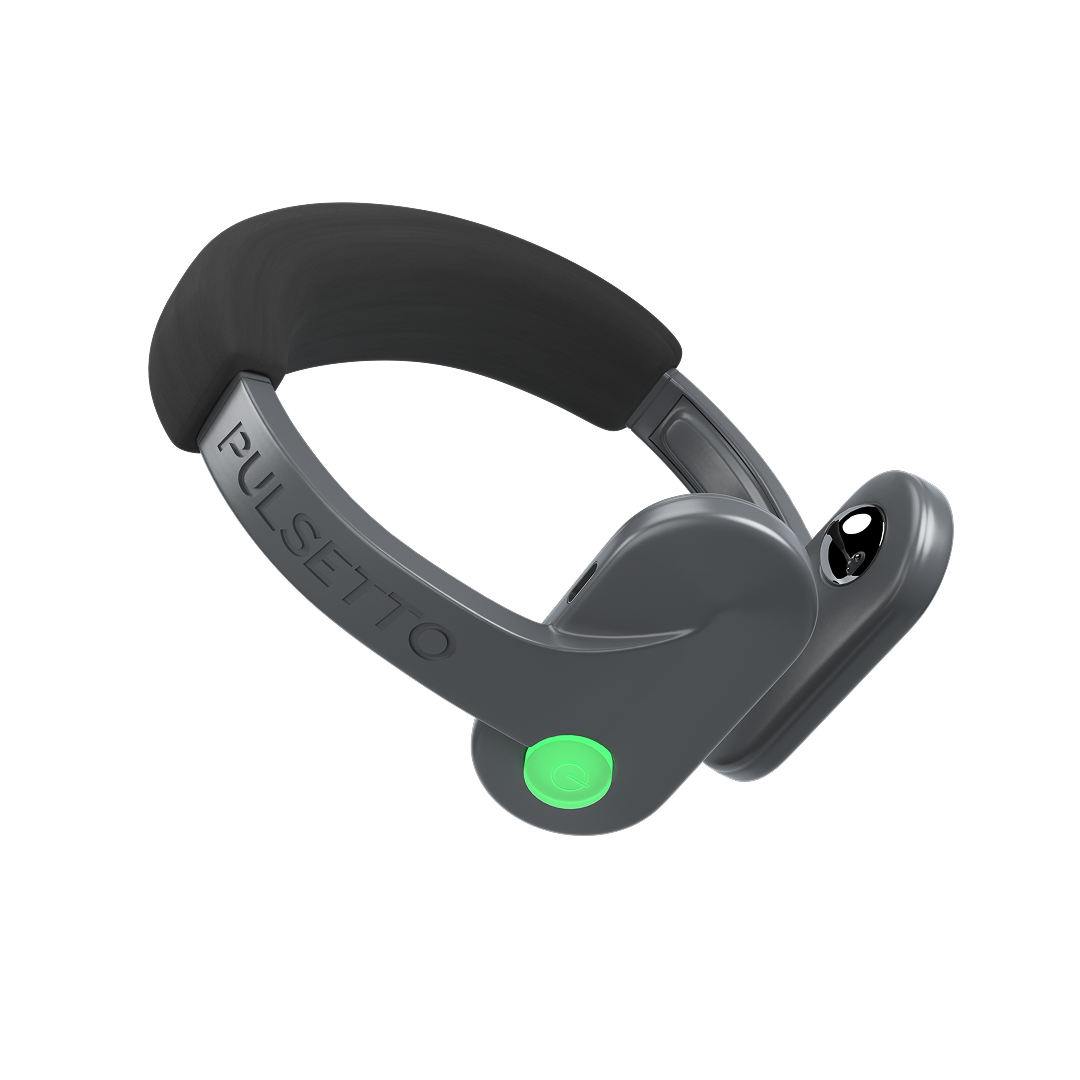
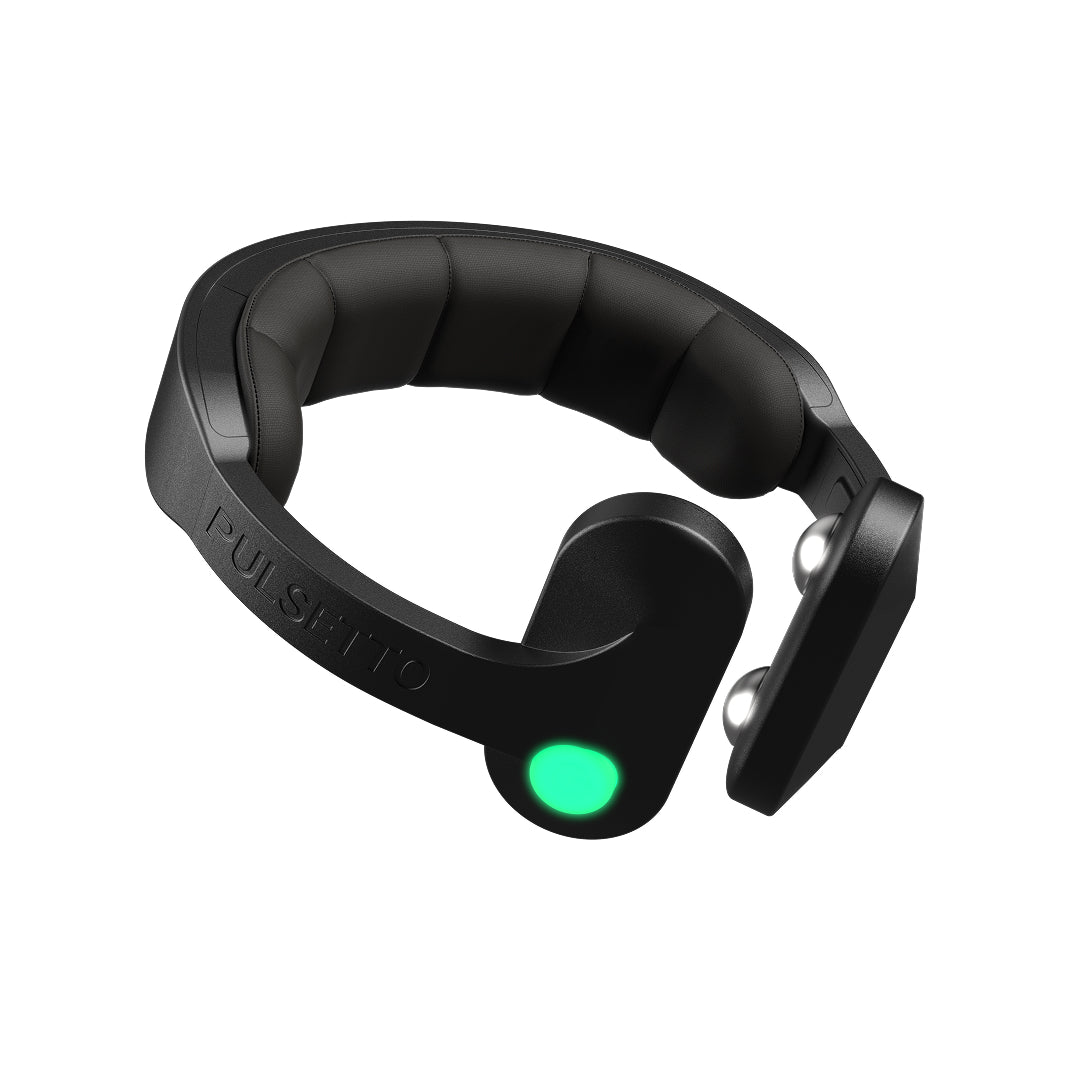
Pulsetto’s non-invasive cervical VNS targets gut–brain and autonomic pathways to support steady heart rhythm and calmer nerves.
AFib patients seek rhythm stability
AFib disrupts daily life with irregular heartbeats. Restoring autonomic balance helps reduce stress on the heart and supports more predictable rhythm.
You may recognize signs like:
How vagus nerve engagement helps rhythm
Vagus nerve links brain to heart
The vagus nerve connects to heart rhythm control centers, enabling parasympathetic regulation that supports calmer beats.
Autonomic balance improves with training
Regular brief stimulation strengthens vagal tone, contributing to steadier autonomic responses during stress.
You train it like a muscle
Frequent, short activations build a reliable rest-and-digest response that reappears at bedtime.
Non-invasive and safe to use
Transcutaneous stimulation on the neck provides a drug-free approach with a favorable safety profile.
Rhythm-stability signals from nVNS
Pulsetto AFib pilot study, 4-week protocol
Participants report reduced anxiety levels over 4 weeks of daily sessions.
HRV metrics show notable improvements after 4 weeks of use.
Reported decrease in episodes of rapid rhythm during daily activities.
Vagus stimulation tunes autonomic balance
Brief, regular sessions cue the body to downshift the fight-or-flight response, promoting a calmer rhythm.
Lowers stress response
Each 4-minute session dampens the stress axis, enabling steadier rhythms.
Shifts toward rest-dominant state
Vagal engagement promotes parasympathetic activity, supporting rhythm stability.
Supports calmer cadence
A steadier autonomic tone helps the heart maintain a regular cadence.
Quieting inner chatter
Relaxed physiology helps reduce racing thoughts that can trigger rhythm fluctuations.
Eight-week use for rhythm & resilience
Consistency yields stronger autonomic regulation and steadier rhythm patterns over time.
You feel the shift
Heart rate slows and shoulders drop during the first session, with longer-term rhythm benefits building over weeks.
Rhythm shows early signs
Early days bring smoother beats and improved sleep quality as autonomic regulation improves.
Clearer rhythm patterns
An ongoing trend toward regular rhythm emerges as training continues and biomarkers adjust.
Sustained stability
Rhythm remains steadier with continued use; some individuals may still see variability.
What users with AFib say
“I was hesitant, but after four weeks my AFib symptoms softened and daily energy improved.”
“Daily use cut my palpitations and helped me sleep better at night.”
“A stable rhythm finally feels possible; I’m more active now and less anxious about flare-ups.”
AFib-friendly rhythm tools compare favorably
Pulsetto tVNS
- Bilateral vagus stimulation
- No cardiac medications required
- 4-minute daily sessions
- Aligned with autonomic balance measures
- 30-day money-back trial
Prescription aids
- Drugs dependency
- Sleep disruption risk
- Tolerance changes
- Need ongoing monitoring
Anticipated drug effects
- Variable response
- Not a rhythm panacea
- Cost considerations
- Side-effect profile varies
Lifestyle tech options
- General wellness apps
- Breathing apps
- Mindfulness apps
- Variable efficacy
Ready to try a clinically-backed approach?
30-day money-back guarantee. No subscription. Ships worldwide in 3–7 days.
Related AFib reads
Vagus Nerve Stimulator For Heart Palpitations
Pulsetto offers non-invasive cervical VNS to balance autonomic activity and reduce palpitations, with clear, clinician-guided use.
Vagus Nerve Stimulator For Tachycardia
Explore how non-invasive cervical VNS can modulate autonomic balance to support tachycardia management and heart-rate stability.
Vagus Nerve Stimulator For Fibromyalgia
Explore non-invasive vagus nerve stimulation for fibromyalgia with Pulsetto. Calm the nervous system, support sleep, and improve daily function.
Vagus Nerve Stimulator For Migraine
Explore non-invasive cervical vagus nerve stimulation for migraine. Pulsetto delivers targeted relief through quick 4-minute sessions.
Vagus Nerve Stimulator For Anxiety
Explore how non-invasive vagus nerve stimulation can reduce anxiety symptoms. Safe, simple device with guided sessions and evidence-backed care.
Vagus Nerve Stimulator For ADHD
Explore non-invasive vagus nerve stimulation for ADHD with Pulsetto.
AFib & nVNS FAQs
Yes. The AFib pilot showed improvements in rhythm stability and daily function with daily use.
Users report calmer patterns within the first week and longer-term rhythm stabilization over weeks.
Pulsetto is non-invasive and designed for home use; follow clinician guidance for individual rhythm care.
Pulsetto does not interact with medications; coordinate with your clinician when integrating rhythm-management strategies.
You have 30 days to evaluate; if rhythm stability isn’t observed, return for a full refund.
One daily session, 4 minutes, fits into any routine and targets autonomic regulation.
Get 30 days to test rhythm balance
If Pulsetto doesn’t stabilize rhythm within 30 days, return it for a full refund.
30-day money-back guarantee · Free shipping over $100 · Ships in 1–2 business days
Medical disclaimer: The contents of this page are for informational purposes only, not medical advice. Consult a healthcare professional before use, especially if you have a medical condition or are taking medication. Individual results may vary.