Most Common Signs of Migraine Coming On
The most common signs of migraine coming are usually not dramatic. That is why people talk themselves out of them. Still, some patterns show up again and again in both research and migraine education resources. These signs before a migraine are worth paying attention to, especially if they repeat in the same order for you.
-
unusual fatigue or low energy
-
neck stiffness or shoulder tension
-
mood changes, irritability, or anxiety
-
food cravings or appetite shifts
-
sensitivity to light, sound, or smell
-
trouble concentrating
-
yawning more than usual
Fatigue and Low Energy
One of the most common early migraine symptoms is fatigue. Not normal tiredness. More like the kind where your brain feels slower, your focus drops, and a nap suddenly sounds necessary at 11 a.m. People often blame sleep, work, or stress. Sometimes they are wrong. Sometimes the migraine already started, just without pain yet.
Neck Stiffness and Migraine Body Aches
Migraine body aches and neck stiffness are easy to misread as posture issues or bad sleep. They can be that. They can also be one of the clearest signs of migraine for some people. Neck pain and muscle stiffness show up often in prodrome research, and many people feel it in the neck and shoulders before the headache phase arrives.
Mood Changes and Anxiety Before Migraine
Anxiety before migraine is real. So are irritability, sudden sadness, restlessness, or feeling emotionally off for no obvious reason. It is tempting to treat those changes as purely emotional. More likely, they are neurological. The prodrome phase can alter mood before head pain starts, which is why some people feel mentally strange long before they feel physical pain.
Food Cravings or Appetite Changes
Some people get sugar cravings. Others want salty food. Others lose appetite completely. These symptoms before a migraine are common enough that they often get mistaken for triggers. In some cases, they may not be triggers at all. They may be part of the migraine process already underway. The American Migraine Foundation specifically notes that cravings are often prodrome symptoms that people misattribute to something that “caused” the attack.
Sensitivity to Light, Sound, or Smell
People usually associate sensory sensitivity with the peak migraine phase. Fair enough. But migraine attack symptoms like light, sound, or smell sensitivity can begin earlier too. In the prodrome stage, the sensitivity may feel milder and easier to dismiss. That is exactly why it matters. Catching it there may give you a chance to respond before the attack gets worse.
Why Do Pre Migraine Symptoms Happen?

The onset of migraine symptoms does not begin with head pain. That is the first thing to keep in mind. Migraine is a neurological event with multiple phases. Reviews of the prodrome phase point to early changes in the hypothalamus, brainstem networks, sensory pathways, and neurotransmitters such as dopamine and CGRP-related systems. In plain English, the brain starts shifting before the pain arrives.
That also helps explain why migraine attack symptoms can look so varied. Mood changes, fatigue, yawning, neck pain, cravings, and sensory sensitivity are all different on the surface, but they can come from the same broader neurological shift. If you are looking at migraines through a nervous system lens, this is where it starts. For more background on that side of the picture, our guide on vagus nerve health connects well here.
How to Respond to Early Migraine Symptoms
Once you notice the signs of migraine coming, the goal is not to panic. The goal is to reduce load. Less sensory input. Less dehydration. Less chaos. More support. That will not stop every attack, but it can help you manage the window better. And for many people, that matters a lot.
If you want a broader starting point for nervous system downshifting, our tips for instant stress relief will suit you well.
Reduce Sensory Input
When early migraine symptoms show up, reduce the amount of input your brain has to process. Lower the lights. Step away from screens. Cut background noise if you can. A dark, quiet room still works because it lowers the sensory burden at the exact time your brain may be getting more sensitive to it.
Hydration and Nutrition Adjustments
When pre migraine signs appear, I would keep hydration and food simple. Drink water. Eat something balanced if you have not eaten. Do not wait until you are depleted and then expect the body to behave well. Irregular meals and poor hydration can make an already stressed system harder to manage, and AMF also highlights irregular or unbalanced meals among common migraine-related management issues.
Relaxation and Stress Regulation Techniques
If you notice signs before a migraine, use calming tools early rather than waiting for pain to force you into recovery mode. Slow breathing, mindfulness, body scans, and reducing external demands can all help lower the overall load. I would keep it simple and not turn it into a full wellness ritual while your head is already getting crowded. For people who want more options, check our guide about relaxation tools.
Long-Term Strategies to Reduce Migraine Frequency

Recognizing pre migraine symptoms is useful. Still, prevention matters more than pattern recognition alone. Long-term migraine management usually comes down to consistency: better sleep, more stable routines, less unmanaged stress, fewer skipped meals, and a better understanding of what reliably throws your system off. That does not sound glamorous. It still works better than guessing.
That is also where broader wellness tools can earn their place. If you are interested in that angle, our piece on biohacking products will lend a hand.
Sleep Optimization and Recovery
Before migraine symptoms often hit harder when sleep is unstable. Many people with migraine already know this from experience. A consistent sleep schedule, enough recovery time, and fewer late-night disruptions can help reduce how often the body gets pushed into a more vulnerable state. If sleep is part of your pattern, our guide on improving sleep is worth checking next.
Stress and Nervous System Balance
Chronic stress does not cause every migraine. Still, it does make the system easier to tip. That is one reason anxiety before migraine feels so common. Stress and migraine interact in both directions. The stress can raise vulnerability, and the incoming migraine can create mood and body changes that feel like stress. Either way, nervous system balance matters more than most people give it credit for.
Supporting the Vagus Nerve for Resilience
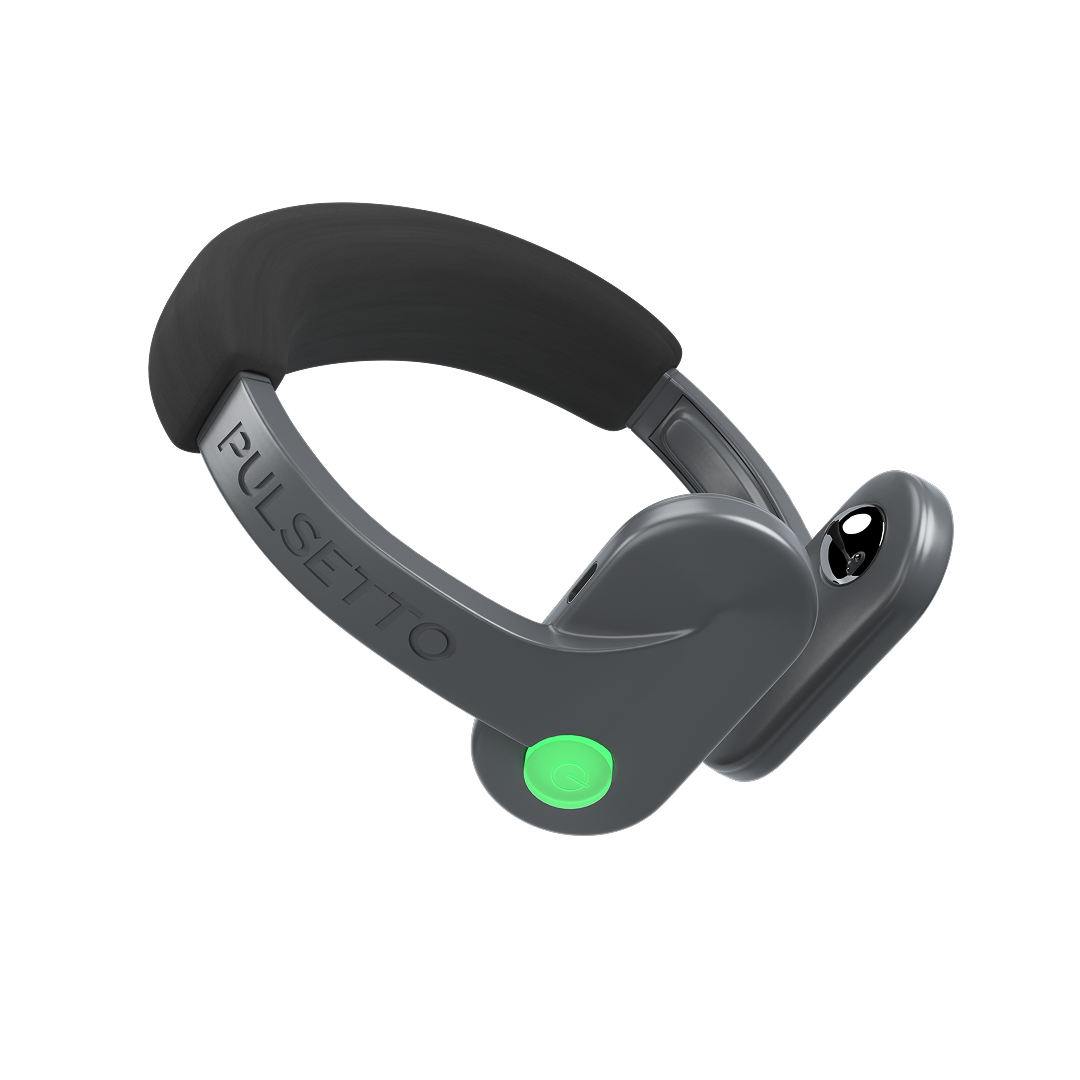
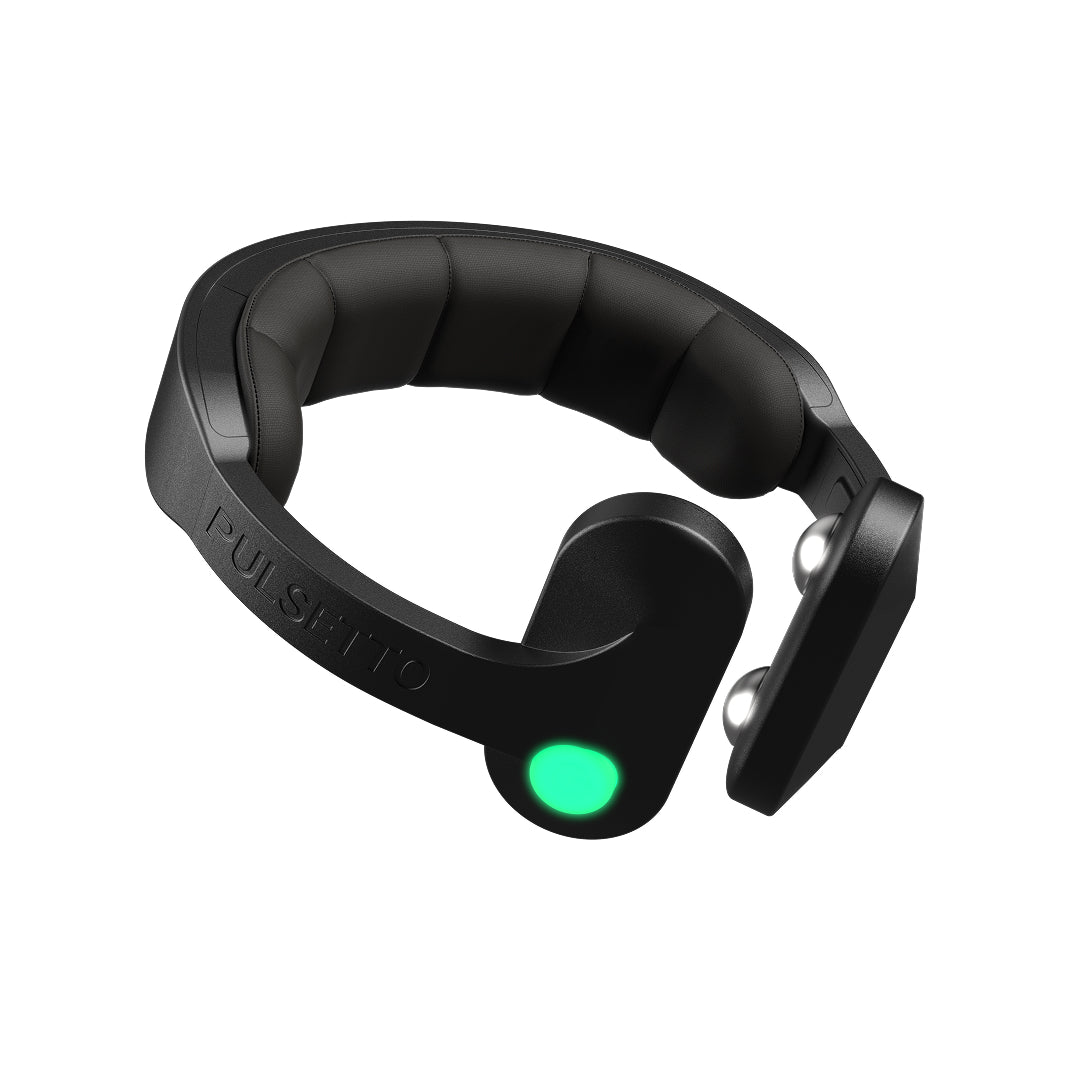
For people looking at migraines through a recovery and resilience lens, support for autonomic balance makes sense. That is where vagus nerve work enters the conversation. Not as a cure. Not as detection. More as part of a longer routine aimed at better regulation, better sleep, and a steadier baseline over time. Pulsetto’s vagus nerve activation science page is the right place to go deeper on that angle.
Support Your Nervous System for Fewer Migraines
If you want fewer attacks over time, pay attention to pre migraine symptoms early and support the system behind them. That usually means better routines, better recovery, and fewer days spent pushing through signals your body keeps repeating. The more clearly you spot your own signs of migraine, the more options you give yourself before the pain phase arrives.
Pulsetto fits best as part of that long-term routine, not as a shortcut. If you want to explore that side further, you can buy vagus nerve stimulator and treat it like what it should be: one support tool in a bigger recovery system.
Pre Migraine Symptoms FAQs
What are the earliest signs of a migraine coming on?
The earliest signs are often fatigue, mood changes, yawning, neck pain, cravings, trouble concentrating, and light or sound sensitivity. For many people, these start hours before pain. For some, they start a day or two earlier.
How long do pre migraine symptoms last before pain starts?
The prodrome phase can last hours to days before the headache phase begins. The timing varies from person to person and from attack to attack.
Can anxiety be a sign of an upcoming migraine?
Yes. Anxiety, irritability, and other mood changes can be part of the prodrome phase. That does not mean anxiety always predicts migraine, but it can be one of the early warning signs for some people.
Are neck pain and stiffness early migraine symptoms?
Yes. Neck pain and stiffness are commonly reported prodrome symptoms and are often misunderstood as separate posture or muscle issues.
What should I do when I notice pre migraine symptoms?
Reduce sensory load, hydrate, eat if needed, and shift into a lower-stimulation mode as early as possible. The goal is to respond early, not wait until the headache phase forces you to. If you want more ideas for the acute phase, follow our guide on the best migraine relief.
Can you stop a migraine if you catch it early?
Sometimes early action can reduce severity or help you manage the attack better. It does not guarantee you can stop every migraine completely. Still, learning your prodrome pattern gives you a better chance of acting at the right time.