Heart Rate Variability Chart by Age: Normal Ranges
Heart Rate Variability Chart by Age: Normal Ranges
Key Takeaways ✨
HRV declines naturally with age, but lifestyle choices such as sleep, exercise, and stress management can keep your score well above the average for your age group.
Your personal 30-day baseline is a more actionable benchmark than any population chart, because HRV varies significantly between individuals.
A sustained drop of 20 percent or more below your personal average is a more meaningful warning signal than any single low reading.
Vagus nerve stimulation is an emerging, non-pharmaceutical approach that may support healthy HRV by directly engaging the parasympathetic nervous system.
Rated 4.5/5 by 20,137+ Customers
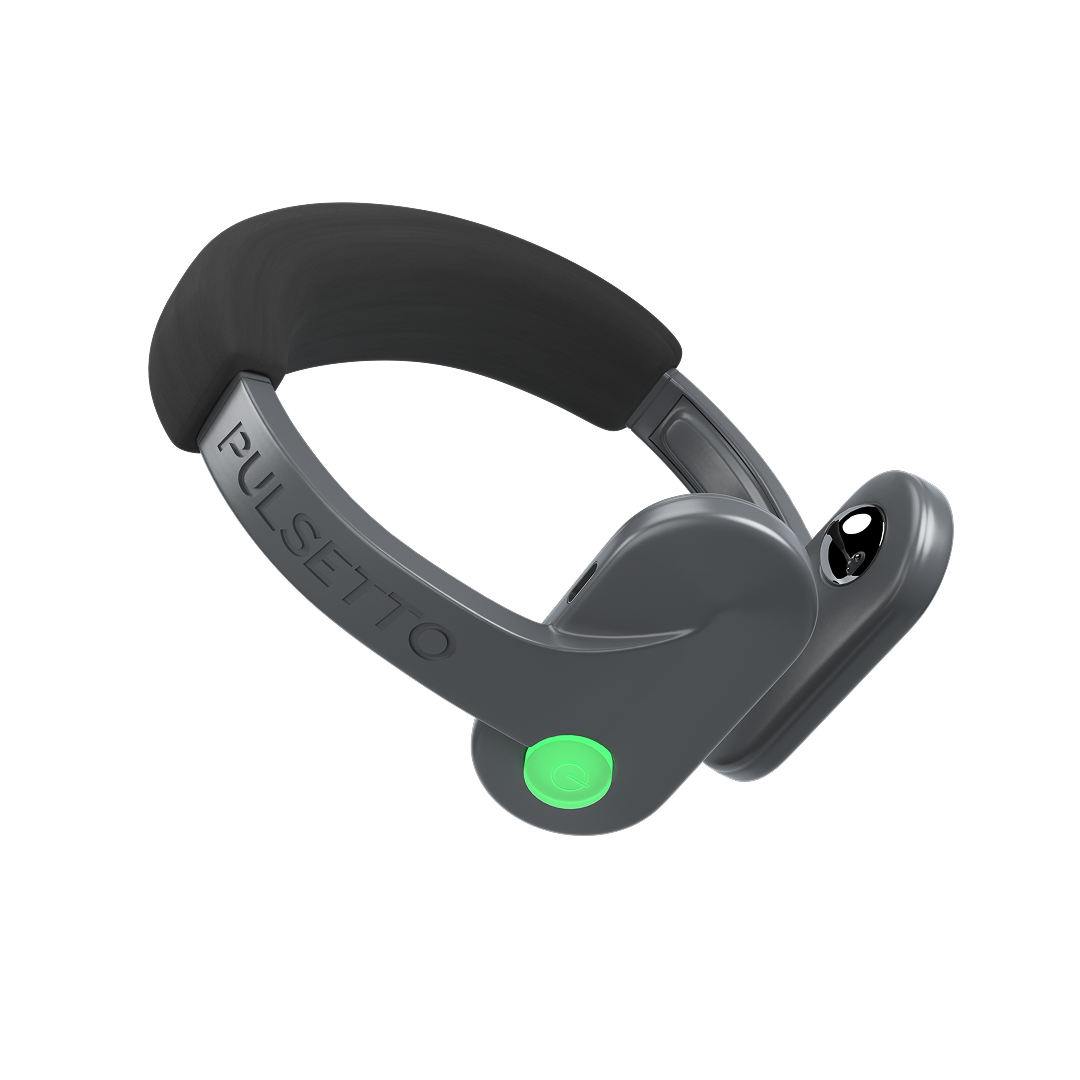
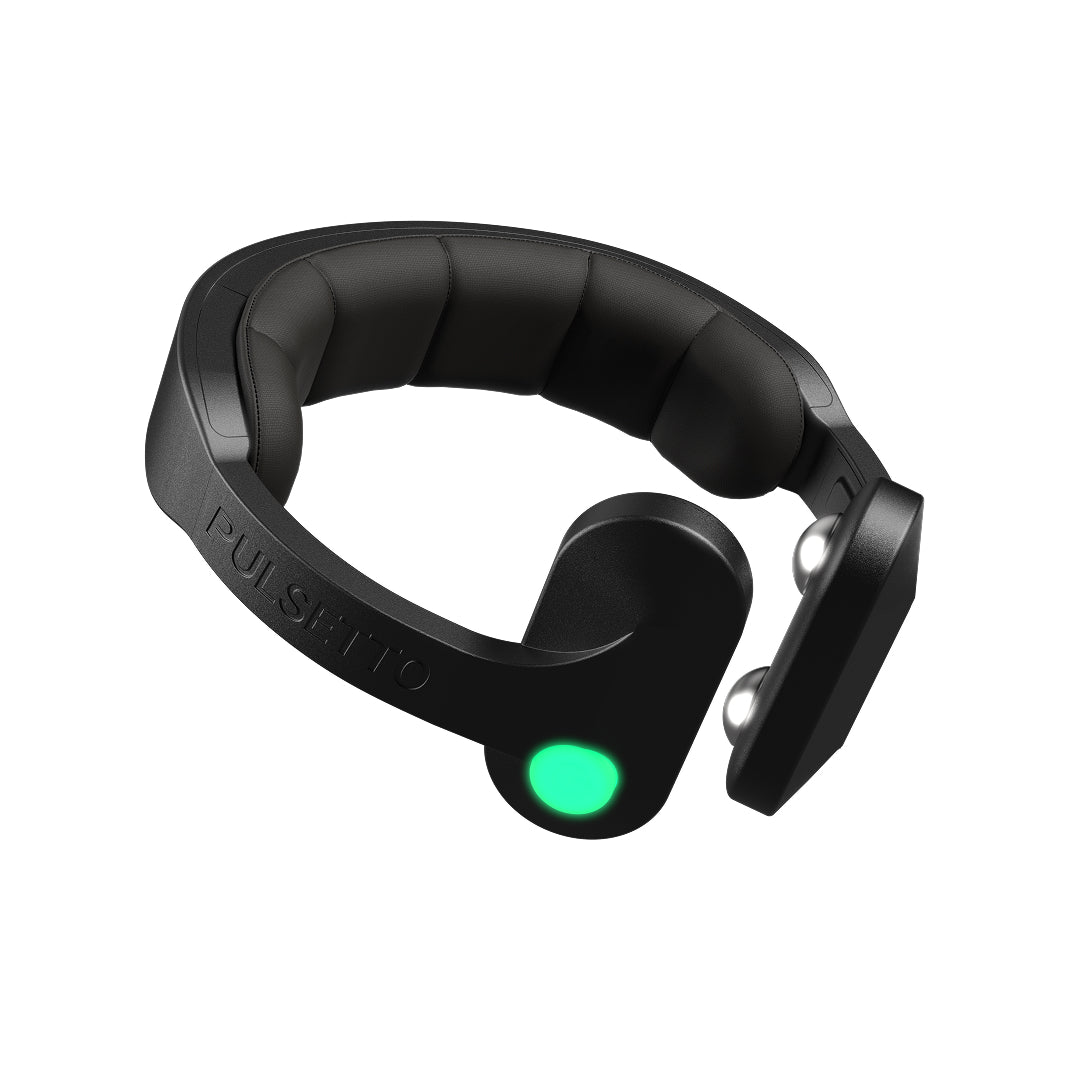
Pulsetto vagus nerve stimulator: feel calmer and sleep better in just 4 minutes a day
Experience immediate relaxation with the Pulsetto vagus nerve stimulator.
Sit back, close your eyes, and immerse yourself in the soothing Pulsetto experience, designed to gently promote a state of calmness and well-being.
Best Value Deal!
FREE WORLDWIDE SHIPPING
Select your device:
Pulsetto Lite vs Pulsetto FIT
Which one is right for you?
PULSETTO FIT
PULSETTO LITE
Dual-technology, hands-free stimulation
Yes
Yes
New wave-like stimulation (more engaging)
Yes
No
Battery life
Up to 12 days (20% longer)
Up to 10 days
Fits all necks for consistent stimulation
Yes
No
Stays secure no matter what you're doing
Yes
No
Great for sharing (adjusts to any neck size)
Yes
No
Free lifetime wireless updates
Yes
No
Premium all-black design with medical-grade materials
Best if you wear size S or smaller tops. Only with FIT
New stimulation that rises and falls, which feels more fun (coming July–Aug 2025). Only with FIT
20% longer battery life for fewer recharges. Only with FIT
Free lifetime Pulsetto App with 5 expert-designed programs for Stress, Anxiety, and More.
One 60g gel tube (can be used up to a month), USB-C charging cable, user guide included
Extra gift: Pulsetto Premium Free Trial. 3 extra stimulations, 11 unique guided meditations, 54 breathing exercises, 1200 positive affirmations, and more.
$296/$546
Heart Rate Variability Chart by Age: Normal Ranges
What Is Heart Rate Variability and Why Does It Matter?
Heart rate variability measures the tiny fluctuations in time between consecutive heartbeats, not the number of beats per minute. A heart beating at 60 beats per minute does not beat exactly once every second. The gaps between beats vary slightly, and that variation is your HRV.
Higher variability generally signals a well-regulated autonomic nervous system (the network of nerves that controls automatic body functions like breathing, digestion, and heart rate). Specifically, it reflects strong parasympathetic activity, which is your body's rest-and-recover mode, sometimes called the "rest-and-digest" system.
Most consumer wearables, including Garmin, Apple Watch, WHOOP, and Oura Ring, measure HRV using a metric called RMSSD (root mean square of successive differences, which is essentially how much your heartbeat timing varies from moment to moment, measured in milliseconds). RMSSD is preferred for short-term consumer readings because it captures fast-changing autonomic shifts more accurately than older metrics like SDNN.
Think of HRV as a reflection of your total stress load, combining physical, emotional, and environmental stress into one number. A low reading does not mean something is wrong. It means your body is carrying a heavier burden than usual. For a deeper look at why this signal matters, how to improve HRV is a useful next read.
Heart Rate Variability Chart by Age and Gender (RMSSD Reference)
For adults aged 20 to 25, a typical RMSSD score falls between 55 ms and 105 ms, making this the highest-HRV window across the lifespan. Scores decline gradually from there, with most adults in their 50s and 60s sitting in the 25 ms to 55 ms range. The table below reflects approximate population norms drawn from large wearable datasets and published population health data.
Age Group
Typical RMSSD Range (ms)
Notes
20-25
55 - 105 ms
Highest average HRV across lifespan; women often score slightly higher
26-35
45 - 90 ms
Gradual decline begins; fitness level has strong influence
36-45
35 - 75 ms
Lifestyle factors become more significant; stress management matters
46-55
28 - 60 ms
Midlife decline accelerates; sleep quality is a key driver
56-65
22 - 50 ms
Trained individuals can maintain scores well above average
65+
18 - 40 ms
Lower range expected; consistent activity supports higher scores
These ranges are approximate. Wearable algorithms differ, so a Garmin reading and a WHOOP reading taken simultaneously may not match. What matters is the direction and pattern of your score over time, not the exact millisecond value.
How to Read the Chart for Your Age Group
Find your age band and note where your 30-day average sits within the range. Sitting near the upper end suggests strong parasympathetic tone. Sitting at the lower end is not automatically a problem, especially if your reading has been consistent there for months.
If your score falls below the lower boundary of your age group range consistently, that is worth paying attention to. Pair that observation with other signals: sleep quality, resting heart rate, energy levels, and perceived stress. HRV is one data point, not a verdict.
Gender differences are real but modest. Women in the 20-35 age range tend to average slightly higher RMSSD scores than men of the same age. This gap narrows through midlife and becomes minimal after 55. If you are comparing your score to a chart that does not separate by gender, the numbers may not reflect your individual baseline accurately.
Why Your Personal Baseline Is More Useful Than Population Averages
Population averages include everyone, trained athletes and sedentary individuals, heavy sleepers and chronic insomniacs, people under low stress and those under extreme pressure. Your score is personal, and the most useful benchmark is your own 30-day rolling average.
Being within 10 percent of your personal 30-day average on any given morning is a good sign that your body is recovering normally. A drop of 10 to 20 percent below that average suggests something is suppressing your recovery, often sleep, stress, or illness. A drop of more than 20 percent sustained across several consecutive days is the threshold most HRV researchers and wearable platforms use as a meaningful alert.
This is why vagus nerve stimulation for heart rate regulation has gained attention as a practical tool: it targets the parasympathetic side of the autonomic nervous system directly, which is the same mechanism that drives healthy HRV. For context on how scoring compares across platforms, the HRV HeartMath approach offers an alternative framing that some users find complementary.
Why HRV Declines with Age
HRV declines with age because the autonomic nervous system becomes less flexible over time. The parasympathetic branch, which drives the beat-to-beat variation that HRV measures, gradually loses influence as the sympathetic branch (your body's alert-and-activate mode) becomes relatively more dominant.
Structural changes inside the heart also play a role. The heart's electrical conduction system (the network of signals that coordinates each beat) becomes slightly less responsive with age. Baroreflex sensitivity, which is the body's ability to rapidly adjust heart rate in response to blood pressure changes, also decreases. Both of these changes narrow the window of beat-to-beat variation that HRV captures.
Beyond biology, lifestyle factors compound the decline. Chronic stress accumulated over decades, the poorer sleep quality that commonly develops in midlife, and reduced physical activity all suppress parasympathetic tone in ways that show up directly in HRV scores.
The reassuring reality is that the pace of decline is not fixed. People who manage stress consistently, exercise regularly, and prioritize sleep routinely show HRV scores well above the average for their age group. The biological floor exists, but how close you sit to that floor depends heavily on daily choices. The right approach to vagus nerve stimulation for stress management can meaningfully influence where your score lands within your age range.
Factors That Can Skew Your HRV Reading
A single low HRV reading is rarely cause for concern. Many short-term factors suppress HRV temporarily, and understanding them prevents unnecessary worry.
Alcohol. Even one or two drinks can lower HRV for 24 to 48 hours by activating the sympathetic nervous system during sleep.
Poor or shortened sleep. This is one of the strongest single-night suppressors. Missing even 90 minutes of sleep can noticeably reduce your morning reading.
Illness. The immune response activates the sympathetic nervous system, which temporarily overrides parasympathetic recovery signals.
Intense training. Hard exercise is a physiological stressor. HRV typically drops in the 24 to 48 hours after a heavy session before rebounding higher as the body adapts.
Travel and time zone shifts. Circadian disruption directly affects autonomic regulation, and HRV often stays suppressed for two to three days after long-haul travel.
High emotional stress. Arguments, anxiety, and workplace pressure all activate the sympathetic branch and reduce HRV in real time.
Measurement timing and method. Morning readings on waking, taken while still lying down, are the most consistent. Readings taken throughout the day fluctuate with activity and posture. Chest strap ECG sensors capture HRV more accurately than wrist-based optical sensors, which can struggle with movement artifacts.
Strategies for how to handle workplace stress are worth exploring if stress is a regular suppressor of your readings, since chronic sympathetic activation is harder to recover from than any single acute event.
How to Improve Your HRV Regardless of Age
HRV improvement is not quick, but it is achievable across all age groups with the right combination of habits. The mechanisms behind each approach connect directly to the autonomic nervous system, so understanding the "why" makes it easier to stay consistent.
Exercise and Physical Recovery
Consistent aerobic exercise is one of the most reliable ways to improve vagal tone (how active and responsive the vagus nerve is) over time. Even 20 to 30 minutes of moderate-intensity walking or cycling most days is enough to create a measurable upward trend in HRV over six to twelve weeks. The key word is consistency: sporadic intense exercise may actually suppress HRV short-term without providing the long-term parasympathetic benefit that regular moderate activity delivers.
Strength training also has supporting evidence for modest HRV improvements, particularly in middle-aged and older adults. It is thought to improve autonomic regulation by reducing resting heart rate and improving cardiovascular efficiency over time.
Recovery between sessions matters as much as the training itself. Overtraining without adequate rest consistently suppresses HRV, which is why many athletes use their HRV score to decide whether to train hard or take an easier day.
Sleep and Breathing Practices
Sleep is when the parasympathetic nervous system does its deepest recovery work. Prioritizing consistent bedtimes, limiting screen exposure in the hour before sleep, and keeping the bedroom cool and dark may support higher morning HRV by improving the quality of deep sleep stages.
Controlled breathing practices, particularly slow breathing at around 5 to 6 breaths per minute (which is roughly a 5-second inhale followed by a 5-second exhale), are thought to directly activate the vagus nerve through a mechanism called respiratory sinus arrhythmia (the natural rise and fall of heart rate that happens with each breath). Practicing this pattern for 10 to 15 minutes daily may support measurable HRV improvement with regular use over several weeks.
Stress Management and Vagus Nerve Support
Chronic stress is arguably the most damaging long-term suppressor of HRV because it keeps the sympathetic nervous system in a low-grade activated state, which directly overrides parasympathetic recovery. Meditation, cold water exposure, and mindfulness practices are all approaches that some users report as helpful for shifting the autonomic balance back toward parasympathetic dominance.
Vagus nerve stimulation is a more direct approach to this same goal. By delivering gentle electrical signals to the vagus nerve (the main communication pathway between the brain and the body's parasympathetic system), stimulation devices may support HRV improvement by directly engaging the rest-and-recover pathway. Research in this area is ongoing and results vary by individual, but the mechanism is well-grounded in autonomic neuroscience.
Learning how to reset vagus nerve function through a combination of breathwork, movement, and direct stimulation is a practical framework for approaching HRV improvement holistically. For hands-on techniques, how to stimulate vagus nerve covers several accessible methods. Those looking to support both HRV and sleep quality may also find value in exploring how to improve sleep by Pulsetto, since sleep and HRV are closely linked.
What Your HRV Score Is Actually Telling You
Your HRV score is a signal, not a diagnosis. Reading it correctly means looking at patterns rather than individual numbers.
A score within your normal personal range suggests your body is recovering well and your current stress load is manageable. This is the baseline state you are aiming for most days.
A score 10 to 20 percent below your personal average may signal that something needs attention, whether that is recovery, sleep quality, or emotional stress. It does not necessarily mean something is wrong. It means your body is working harder than usual and may benefit from a lighter day or an earlier bedtime.
A score more than 20 percent below your 30-day average across several consecutive days is a more meaningful signal. At that point, lifestyle adjustments are worth prioritizing. If the low readings are accompanied by persistent fatigue, chest discomfort, or other physical symptoms, discussing the pattern with a healthcare provider is a sensible step. HRV is a wellness tracking tool, not a diagnostic instrument.
Improvement takes weeks, not days. Most people who make consistent changes to sleep, exercise, and stress management see their 30-day HRV average shift upward over four to twelve weeks. Patience with the process is part of the strategy. For those interested in the broader longevity picture, how to biohack your metabolism connects HRV to a wider set of health optimization levers.
Supporting Your HRV with Pulsetto FIT X
For readers who want a science-backed, non-pharmaceutical way to support their HRV, Pulsetto offers a dedicated vagus nerve stimulator designed to engage the parasympathetic nervous system directly. The device delivers gentle, non-invasive electrical stimulation to the vagus nerve through the neck, which is thought to promote the parasympathetic activation that underlies healthy HRV.
Pulsetto is not a medical device and does not treat or diagnose any condition. It is a wellness tool designed for people who want to complement their existing sleep, exercise, and stress management habits with direct vagal support. Many users report a sense of calm after sessions, and some report gradual improvements in their HRV trend over several weeks of consistent use. Individual results vary.
The science behind vagus nerve stimulation and autonomic regulation is an active area of research. Pulsetto has supported clinical investigation of its approach, and those curious about the evidence can explore the Pulsetto clinical trial for more detail on what has been studied. For a closer look at the specific connection between vagal stimulation and HRV, the overview of vagus nerve stimulation for heart rate regulation explains the mechanism in practical terms.
Pulsetto is best understood as one piece of a broader wellness approach, alongside consistent sleep habits, regular movement, and effective stress management. For anyone frustrated by a persistently low HRV score despite lifestyle efforts, it may offer a complementary path worth exploring.
Frequently Asked Questions 💬
What should my HRV be for my age?
Typical RMSSD scores for adults range from roughly 20 ms to 105 ms depending on age, gender, and fitness level. Younger adults in their 20s tend to average in the 55-105 ms range, while adults in their 60s more commonly sit between 18-40 ms. However, your personal 30-day baseline is a more useful benchmark than any population table, because individual variation within age groups is wide. Focus on your own trend rather than comparing your number to a chart.
Should I worry if my HRV is 15?
An HRV of 15 ms is below the typical range for most adult age groups, but it is not automatically alarming on its own. Context matters significantly. A single reading of 15 ms after a poor night of sleep, a night of alcohol consumption, or the early stages of illness is common and expected. A sustained score of 15 ms across many consecutive days, particularly alongside other symptoms such as persistent fatigue or elevated resting heart rate, is worth discussing with a healthcare provider to rule out any underlying factors.
Why don't doctors use HRV?
HRV is used in clinical research and some cardiology settings, but consumer-grade wearable HRV lacks the standardization needed for clinical diagnosis. Different devices use different algorithms, different measurement windows, and different underlying metrics, making cross-device and cross-patient comparison unreliable in a clinical context. A Garmin and a WHOOP may give different readings for the same person at the same time. HRV from a consumer wearable is best understood as a personal wellness tracking signal rather than a clinical instrument.
What is a concerning heart rate variability?
No single number is universally concerning because optimal HRV varies widely by individual, age, gender, and fitness level. The most practical definition of a concerning reading is a sustained drop of 20 percent or more below your personal 30-day average across several consecutive days. That pattern suggests something meaningful is affecting your autonomic recovery. If low HRV is accompanied by persistent fatigue, difficulty exercising, chest discomfort, or other physical symptoms, consulting a healthcare provider is the appropriate next step rather than relying on the wearable alone.
Does vagus nerve stimulation improve HRV?
Vagus nerve stimulation is thought to enhance parasympathetic tone, which is the primary driver of healthy HRV. By activating the vagus nerve directly, stimulation devices may help shift the autonomic nervous system toward its rest-and-recover mode, which is reflected as higher beat-to-beat variability. Some users report gradual improvements in their HRV trend with regular use over several weeks. Results vary by individual, and vagus nerve stimulation works best as part of a broader routine that includes quality sleep, consistent exercise, and active stress management rather than as a standalone intervention.
HRV shows the state. Training moves it.
HRV tells you where your recovery capacity stands today. It does not, on its own, change it. That is the gap Stress Fitness™ is meant to fill: measurement shows the state, training moves it. Pulsetto FIT X pairs daily vagus nerve stimulation with a resilience score that makes the change visible over weeks rather than days.
What’s new in Pulsetto FIT X
FIT X is the current generation of the Pulsetto platform, and the changes are mostly about removing the variables the earlier device left to the user. Intensity adapts while the session runs instead of being set once at the start. Intelligent contact sensing checks electrode contact rather than leaving it to guesswork. The electrodes are angled to form an X across the neck, creating a crossed field that reaches both vagus nerve pathways instead of one side at a time. Vibro-tactile feedback confirms the device is responding, and offline mode plus improved battery life remove the two most common reasons people skip a session. Pulsetto FIT and Lite remain available as lower-cost entry points.
Train your nervous system. Build your stress resilience.Meet Pulsetto FIT X.