Sleep Hygiene: The Foundation of Every Sleep Technique
No technique works well in a poor sleep environment. The core relaxation techniques for sleep depend on a foundation that the body can actually respond to: a consistent sleep and wake schedule that reinforces the circadian rhythm, a bedroom kept cool between 15 and 19 degrees Celsius, dark using blackout curtains, and quiet. Screens should be avoided at least an hour before bed, and caffeine should be limited at least four to six hours before sleep. Using the bed only for sleep builds a stronger mental association between lying down and feeling sleepy. Learning how to increase deep sleep starts with the same circadian principles that make sleep hygiene work.
Wind Down Before Bed
A consistent wind-down period before bed is one of the most effective preparation habits for sleep. The value of dedicated wind down time before bed is one of the most consistently supported habits in sleep research, with dimming lights, avoiding heavy meals two to three hours before bedtime, reducing screen use, and doing something calm like reading or gentle stretching all shown to reduce cognitive arousal. Practicing relaxation techniques during this window can help improve sleep quality, and practicing good sleep hygiene consistently can help reduce insomnia symptoms over time.
Breathing Techniques for Sleep
Deep breathing exercises help activate the relaxation response for better sleep. A perspective published in Frontiers in Psychiatry found that slow, deep breathing techniques used alongside sleep hygiene practices may be highly effective in initiating sleep by reducing sympathetic nervous system hyperactivation, one of the primary drivers of insomnia (Jerath et al., 2019).
These techniques are the most accessible starting point for adults new to sleep practice because they require no equipment and can be used in bed immediately.
What Is the 4-7-8 Sleep Trick?
The 4-7-8 breathing technique calms the nervous system and slows heart rate by extending the exhalation well beyond the inhalation. The method: inhale through the nose for 4 seconds, hold the breath for 7 seconds, then exhale slowly through the mouth for 8 seconds. The 4-7-8 method is particularly useful for quieting an overactive mind before sleep because the extended hold and exhalation activate the parasympathetic nervous system more forcefully than standard slow breathing. Repeat 3 to 4 cycles.
Box Breathing for Pre-Sleep Calm
Box breathing is a simple alternative with a symmetrical structure: inhale for 4 counts, hold for 4, exhale for 4, hold for 4. Used by athletes and military personnel for rapid nervous system calming, it translates well to the pre-sleep context. Working on how to activate parasympathetic nervous system response before sleep is the core mechanism behind both box breathing and 4-7-8, and either can be practiced alongside dimmed lights and a comfortable position in bed.
The Military Sleep Method
The military method helps fall asleep in approximately 120 seconds and was reportedly developed to help US military pilots sleep quickly in difficult conditions. The full sequence: relax the face and jaw completely, drop the shoulders and release the arms, relax the chest with a slow exhale, then relax the legs from thighs to calves. Finally, clear the mind for 10 seconds by imagining a calm, still scene or repeating "don't think." The military method is one of the best sleeping techniques for adults who struggle with intrusive thoughts at bedtime, though reliable results may take several weeks of consistent practice to achieve.
Progressive Muscle Relaxation for Sleep
Progressive muscle relaxation reduces muscle tension and promotes relaxation by systematically tensing and releasing muscle groups from feet to face. A systematic review and meta-analysis of randomized controlled trials found that progressive muscle relaxation is a non-pharmacological intervention that produces consistent improvements in sleep quality and mental health across diverse adult populations (Ogasawara Donato et al., Journal of Psychosomatic Research, 2026). PMR is especially effective for those holding stress in muscles after a demanding day and is among the best relaxation techniques for sleep with a growing evidence base behind it.
The basic sequence: tense each muscle group for 5 seconds, then release for 30 seconds, moving upward from the feet through the calves, thighs, abdomen, hands, arms, shoulders, neck, and face. Progressive muscle relaxation combines breathing with muscle tension release for a compounded calming effect that addresses both the physical and mental dimensions of pre-sleep arousal.
Guided Imagery and Visualization for Sleep
Guided imagery helps techniques to sleep by visualizing peaceful settings for relaxation. A scoping review of randomized controlled trials found that guided imagery consistently reduced anxiety and stress responses across diverse populations, key preconditions for faster sleep onset (Giacobbi et al., PMC, 2015). Those also exploring the best meditation tools alongside guided imagery will find the two approaches target the same pre-sleep cognitive arousal from different angles.
The technique: close the eyes and build a detailed mental image of a calm, familiar place such as a beach, a forest, or a quiet room. Focus on sensory details including sounds, smells, textures, and temperature. Focusing on sensory details enhances the effectiveness of guided imagery because it occupies the visual and sensory cortex with peaceful content, leaving less mental bandwidth for anxious thoughts.
What Is the Japanese Trick to Sleep?
The Japanese sleep trick commonly referenced online combines slow breathing with a full-body scan, drawing on principles from traditional Japanese mindfulness practices. Some sources also describe Yoga Nidra, a body-based relaxation practice with roots in yogic tradition, as the technique. The core approach: lie still, scan the body slowly from head to toe, consciously release tension at each point, and breathe slowly throughout. The overlap with progressive muscle relaxation and guided imagery is significant, and the effectiveness comes from the same mechanism: systematically reducing physical and cognitive arousal before sleep.
What Is the 3-3-3 Rule for Sleep?
The 3-3-3 rule for sleep is a calming pre-sleep framework: write down 3 things you are grateful for, note 3 things you are looking forward to tomorrow, and spend 3 minutes doing slow breathing or a body scan. The goal is to bookend the day with positive focus rather than unresolved stress, reducing the cognitive arousal that delays sleep onset. The 3-3-3 rule fits naturally into a broader effort to build a relaxing evening routine that the body learns to associate with sleep through repeated cues. For people who feel pressure to fall asleep, paradoxical intention, deliberately trying to stay awake rather than forcing sleep, may reduce that performance anxiety as a complementary approach.
Drug-Free Nervous System Support for Better Sleep
For people whose best sleep techniques are not producing results because the nervous system stays in alert mode at night, supporting parasympathetic activity, the body's rest-and-digest response, may help the body transition into sleep more easily. A randomized controlled trial published in Brain Sciences found that transcutaneous vagus nerve stimulation significantly improved sleep quality outcomes in patients with primary insomnia compared to a sham control group (Wu et al., 2022). A multicenter randomized clinical trial found that transcutaneous vagus nerve stimulation significantly improved sleep quality in insomnia participants compared to a sham non-vagus stimulation control, with researchers proposing that VNS may balance sympathetic nervous system hyperactivity, a key contributor to insomnia (Jiao et al., 2020).
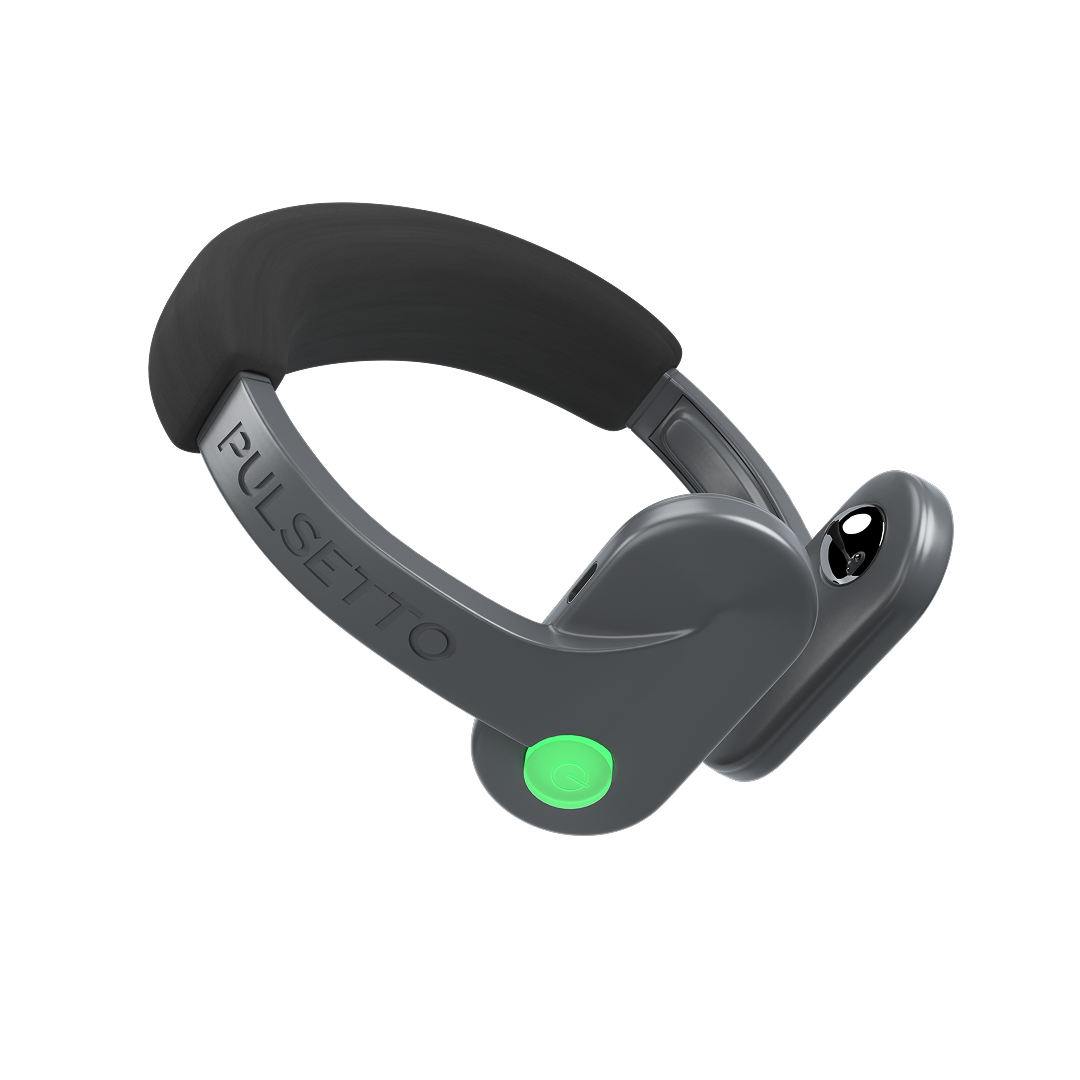
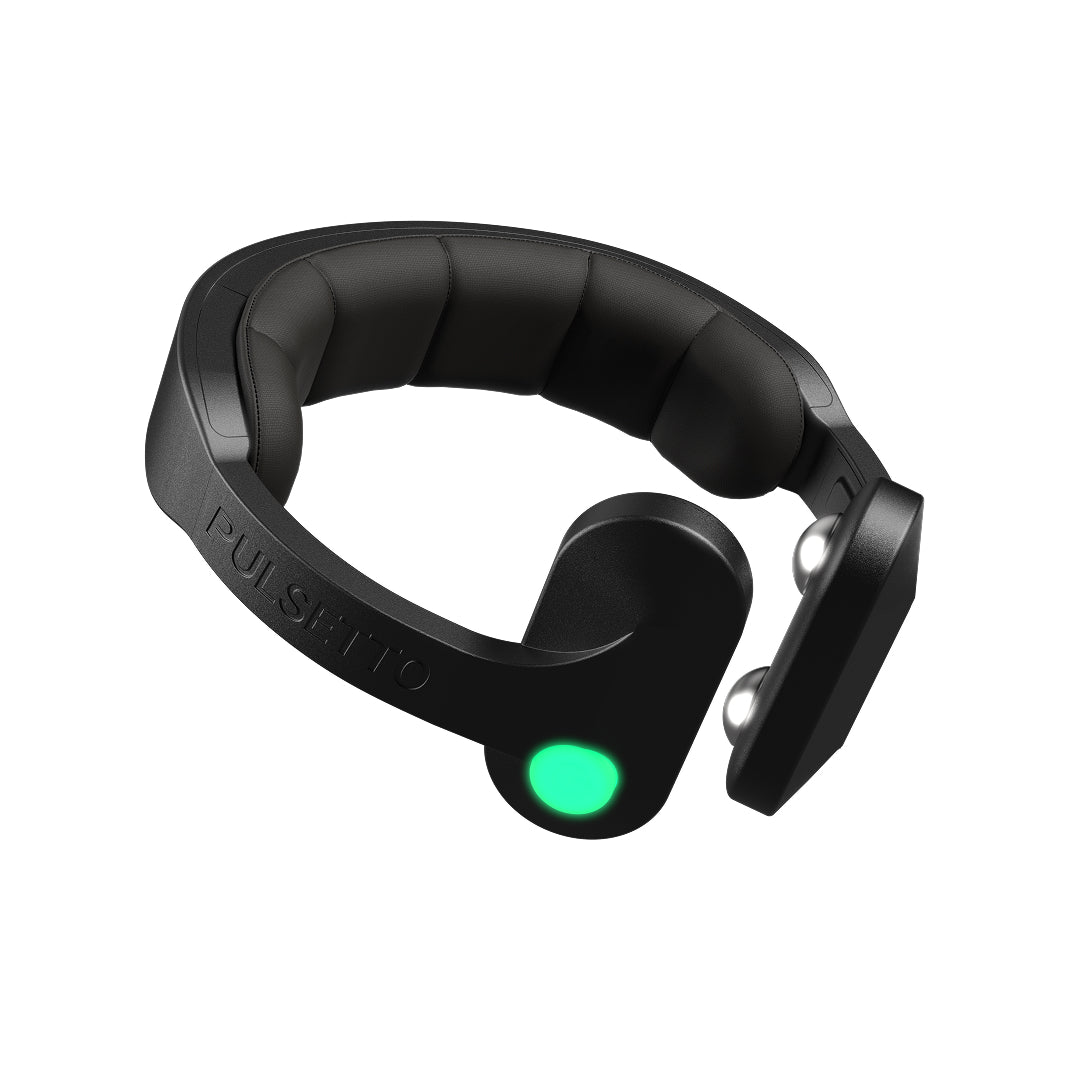
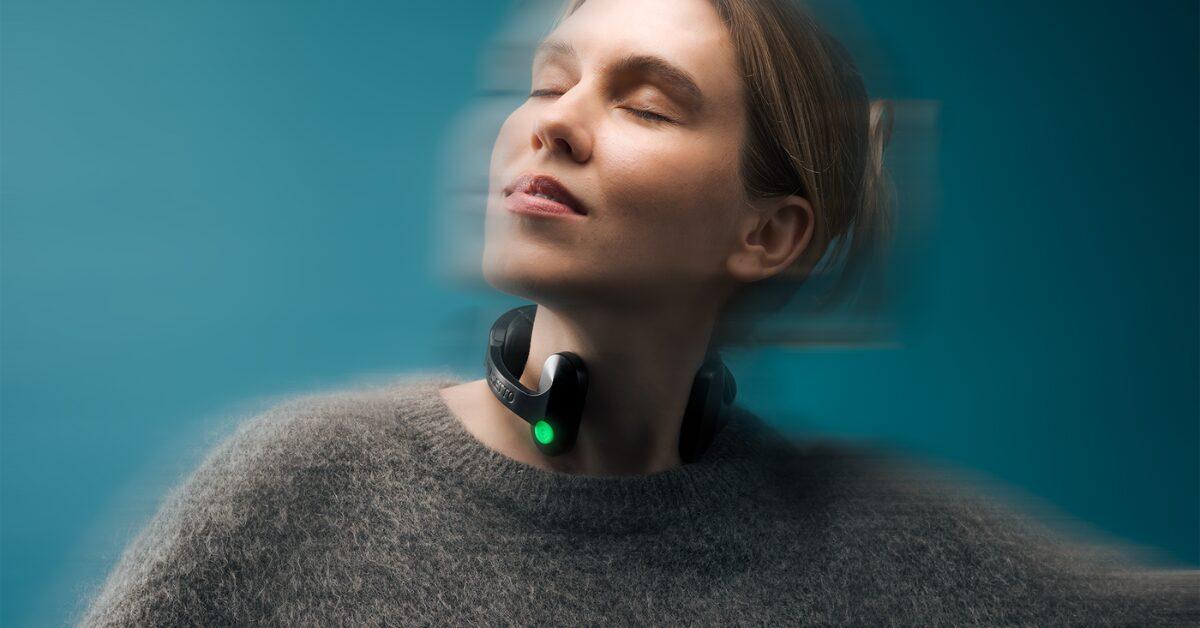
Those exploring vagus nerve stimulation for sleep as a drug-free complement to behavioral techniques will find it targets the parasympathetic pathway directly rather than relying on relaxation practice alone. Pulsetto applies that mechanism through a bilateral cervical vagus nerve stimulation device, CE certified for general wellness use, delivering 4-minute hands-free sessions designed to support nervous system calming and stress reduction. Pulsetto is considered the best device for sleep by users dealing with stress-driven sleep difficulty because it addresses the physiological state rather than just the environment. In Pulsetto's own randomized open-label pilot study (n=40, 4 weeks), PSQI sleep scores improved by 41.0% in the bilateral group.
Disclaimer: Pulsetto is a general wellness product and is not intended to diagnose, treat, cure, or prevent any disease or medical condition. People with pacemakers, implantable cardiac devices, epilepsy, or who are pregnant should consult a physician before using any electrical stimulation device.
Ready to Build a Better Bedtime Routine?
The techniques above work best when they are combined and practiced consistently rather than tried once and abandoned. Pairing a breathing method with progressive muscle relaxation, anchoring it to a fixed wind-down window, and supporting the nervous system directly where needed gives the body a reliable signal that sleep is coming.
Pulsetto may support the parasympathetic calming step as a complement to these techniques for those whose nervous system stays activated despite good sleep habits. Building a relaxing bedtime routine around the techniques in this article gives the body a reliable cue that sleep is approaching, and in Pulsetto reviews, pairing the device with a consistent wind-down routine is a recurring theme.
FAQs: Sleep Techniques
These answers cover common questions about sleep techniques, breathing methods, and drug-free sleep support. They address the best techniques for sleep across different use cases.
What is the best trick to fall asleep?
The military method and 4-7-8 breathing are two of the most consistently recommended sleep techniques for falling asleep faster. The military method addresses both physical tension and mental noise in sequence. 4-7-8 breathing directly activates the parasympathetic nervous system through the extended exhalation. Combining a breathing technique with progressive muscle relaxation tends to produce stronger results than either method alone.
How long does it take for sleep techniques to work?
Some techniques like 4-7-8 breathing can produce a calming effect within minutes of starting. Others like progressive muscle relaxation and the military method may take several weeks of consistent practice before producing reliable results. A healthy sleep latency period typically ranges from 15 to 20 minutes, so the goal is not immediate sleep but a steady reduction in the time it takes to get there.
What should I do if I cannot fall asleep after 20 minutes?
If unable to fall asleep within 20 minutes, the recommendation is to get out of bed and do something calm in low light, such as reading, gentle stretching, or quiet breathing, until feeling sleepy again. Staying in bed while awake can reinforce the association between the bed and wakefulness, which works against sleep over time.
Is vagus nerve stimulation safe to use before sleep?
Non-invasive VNS is a CE-certified general wellness approach designed to support nervous system calming and may be used as part of a pre-sleep routine. Contraindications include pacemakers, implantable cardiac devices, epilepsy, and pregnancy. Consulting a healthcare professional before use is recommended for anyone with these conditions. Those who want to review Pulsetto side effects before starting should do so alongside consultation with a healthcare professional.
When should I see a doctor about sleep problems?
Seek professional support when sleep difficulties are persistent, affecting daily functioning, linked to breathing issues during sleep such as snoring or gasping, or accompanied by significant daytime fatigue. A healthcare professional can identify underlying causes and recommend appropriate treatment, including cognitive behavioral therapy for insomnia, which has the strongest evidence base for long-term sleep improvement.
Scientific Research
[1] Self-Regulation of Breathing as an Adjunctive Treatment of Insomnia (Jerath R, Beveridge C, Barnes VA, 2019, Frontiers in Psychiatry)
[2] Progressive Muscle Relaxation Technique Improves Sleep Quality and Mental Health: A Systematic Review and Meta-Analysis of Randomized Controlled Trials (Ogasawara Donato K et al., 2026, Journal of Psychosomatic Research)
[3] A Scoping Review of Health Outcomes Examined in Randomized Controlled Trials Using Guided Imagery (Giacobbi PR et al., 2015, Progress in Community Health Partnerships, PMC)
[4] Transcutaneous Vagus Nerve Stimulation Could Improve the Effective Rate on the Quality of Sleep in the Treatment of Primary Insomnia: A Randomized Control Trial (Wu Y, Song L, Wang X et al., 2022, Brain Sciences)
[5] Effect of Transcutaneous Vagus Nerve Stimulation at Auricular Concha for Insomnia: A Randomized Clinical Trial(Jiao Y, Guo X, Luo M et al., 2020, Evidence-Based Complementary and Alternative Medicine)