Nurosym vs Truvaga Overview

Nurosym and Truvaga are two of the most frequently compared non-invasive vagus nerve stimulators available to consumers in 2026. Nurosym is an ear-worn device developed in Europe that targets the auricular branch of the vagus nerve using a patented electrical waveform. Truvaga is a handheld device held against the neck to stimulate the cervical branch of the vagus nerve. Both are designed for home use and may help support stress relief, sleep quality, and nervous system balance.
What Is Nurosym?
Nurosym is an auricular transcutaneous vagus nerve stimulator, meaning it delivers gentle electrical pulses through the ear rather than the neck. The device clips onto the outer ear and targets the auricular branch of the vagus nerve, which runs close to the surface of the ear canal and outer ear tissue.
It is manufactured by Parasym, a European health technology company, and has been associated with a growing body of clinical investigations. The device is positioned toward users who prioritize scientific backing and are comfortable investing significantly in a single device. For comparison shoppers, it is also worth reading about nurosym vs apollo neuro to understand how ear-based VNS compares across multiple brands.
What Is Truvaga?
Truvaga is a cervical transcutaneous vagus nerve stimulator, meaning it delivers stimulation through the skin of the neck rather than the ear. Users hold the device against the side of the neck for short sessions, typically around two minutes per use.
Truvaga is made by electroCore, a US-based neurostimulation company. It comes in two versions, the base Truvaga model and the more feature-rich Truvaga Plus, giving buyers flexibility based on budget and intended frequency of use. The cervical stimulation approach differs meaningfully from auricular devices, both in feel and in the specific nerve pathways targeted.
Both devices are non-invasive and designed for personal, home-based use. However, they differ significantly in design, stimulation method, price, and intended user profile. Understanding the difference between these two approaches is key to choosing the right device, and the section below on vagus nerve stimulation for stress provides useful additional context on how VNS fits into a broader stress management approach.
Nurosym vs Truvaga Comparison Table

When evaluating any vagus nerve stimulator, the most important decision factors are stimulation method, price, ease of daily use, and whether the device has earned relevant certifications. The table below puts both devices side by side across these criteria so buyers can make a fast, informed comparison.
|
Feature
|
Nurosym
|
Truvaga / Truvaga Plus
|
|
Stimulation Site
|
Auricular (ear-based)
|
Cervical (neck-based)
|
|
Stimulation Type
|
Transcutaneous electrical, patented waveform
|
Transcutaneous electrical, handheld
|
|
Price
|
~700 euros (one-time purchase)
|
~$199 (Truvaga) / ~$349 (Truvaga Plus)
|
|
App Required
|
Optional companion app available
|
App supported, limited dependency
|
|
Session Length
|
Typically 30 minutes
|
Typically 2 minutes per session
|
|
Certifications
|
CE marked (Europe)
|
FDA-registered device
|
|
Warranty
|
1 year standard
|
1 year standard
|
|
Hands-Free Use
|
Yes, ear-worn
|
No, must be held manually
|
For a deeper look at how Truvaga specifically compares to another popular neck-worn device, the pulsetto vs truvaga article covers that comparison in detail. The sections below explain each row in practical terms.
Nurosym: Key Features, Benefits, and Drawbacks
How Nurosym Works
Nurosym delivers gentle electrical pulses through electrodes placed on the outer ear, specifically targeting the auricular branch of the vagus nerve. This branch, sometimes called the ABVN, runs near the surface of the ear and can be reached non-invasively without surgery or implantation.
The device uses a patented waveform, meaning the pattern and timing of electrical pulses is proprietary and optimized for auricular stimulation. Sessions typically last around 30 minutes, during which the user wears the device in the ear much like an earbud. This hands-free design allows for multitasking during sessions, which many users appreciate for building consistent daily habits.
Nurosym is CE marked in Europe, which indicates it has met the region's safety and performance requirements for medical devices. This certification is one of the reasons it is positioned as one of the more credibly validated consumer VNS devices on the market.
Nurosym HRV Benefits and Side Effects
HRV (heart rate variability), which refers to the natural variation in time between each heartbeat, is a commonly used indicator of how well the body's rest-and-recover system is functioning. Higher HRV is generally associated with a more balanced nervous system response. Some users who incorporate Nurosym into their routine report noticing gradual improvements in their HRV readings over several weeks, though individual results vary considerably.
Reported wellness benefits may include reduced feelings of stress, improved sleep quality, and a calmer overall mood. These are wellness support outcomes, not medical treatments, and no specific result is guaranteed.
Potential drawbacks include the ear-worn form factor, which some users find uncomfortable for sessions as long as 30 minutes. The high price point, around 700 euros, is the most commonly cited barrier among potential buyers. Nurosym also targets one specific nerve branch rather than offering broader cervical coverage, which may matter to users comparing approaches.
For those considering Nurosym against similar ear-based or sensor-based devices, the comparisons nurosym vs sensate and nurosym vs vagustim offer additional context.
Truvaga: Key Features, Benefits, and Drawbacks
How Truvaga Works
Truvaga works by delivering brief electrical pulses to the cervical branch of the vagus nerve, which runs along the side of the neck. The user holds the device against the skin of the neck and activates a session, which typically lasts around two minutes per use.
The device is compact and portable, roughly the size of a large electric toothbrush handle, making it easy to carry and use discreetly. Because sessions are short, Truvaga is designed for use throughout the day rather than a single extended sitting. This suits users who want fast, repeatable micro-sessions rather than one long daily session.
Truvaga is registered with the FDA as a wellness device. It does not require continuous app connectivity, which appeals to users who prefer a simpler, less screen-dependent experience.
Is Truvaga Plus Worth It?
Truvaga Plus is the upgraded version of the base Truvaga device, priced at approximately $349 compared to $199 for the standard model. Truvaga Plus offers additional session counts and expanded features. For users who plan to use the device multiple times daily as part of a regular wellness routine, the added flexibility of Truvaga Plus likely justifies the extra cost. For occasional or trial users, the base model may offer sufficient functionality without the premium price.
Reported wellness benefits from Truvaga may include a calmer stress response, improved focus during the day, and reduced tension after difficult moments. These are wellness support claims only, and individual experiences vary.
The primary limitation of Truvaga is that it must be held manually during use. This means both hands are not fully free during a session, unlike ear-worn devices. The research base behind Truvaga is also less extensive than what is available for Nurosym's auricular approach, which matters to users who rely on scientific literature to guide purchasing decisions.
For buyers comparing neck-based options more broadly, the article on nurosym vs hoolest verelief provides a useful parallel comparison.
Nurosym vs Truvaga: Head-to-Head Differences
Stimulation Site and Method
The most fundamental difference between these two devices is where they deliver stimulation and how. Nurosym targets the auricular branch of the vagus nerve, the part that surfaces near the ear. Truvaga targets the cervical branch, which runs along the neck below the jawline.
Both approaches are transcutaneous, meaning stimulation passes through the skin without any penetration. However, the experience is quite different. Nurosym users wear the device in the ear, similar to a hearing aid, and typically run longer sessions in a relaxed position. Truvaga users hold the device to their neck for short bursts, fitting sessions into natural breaks during the day.
Neither method is universally superior. Auricular stimulation has a longer track record in research contexts, while cervical stimulation is more commonly associated with the broader electroCore technology platform. The choice between them often comes down to personal comfort and how the device fits into daily life.
Price and Value for Money
Price is the clearest differentiator in this comparison. Nurosym costs approximately 700 euros as a one-time purchase. Truvaga starts at around $199 for the base model and rises to approximately $349 for Truvaga Plus. Depending on currency and region, Nurosym may cost three to four times the price of the base Truvaga device.
For users prioritizing value for money, Truvaga is the practical choice, particularly for those new to vagus nerve stimulation who are not yet certain the technology will work for their needs. Nurosym makes more sense for users who have already explored VNS and want a device with a stronger research profile and hands-free ear-based design.
Importantly, neither Nurosym nor Truvaga currently includes built-in HRV tracking. Users who want to monitor their HRV (heart rate variability) over time will need a separate wearable, such as a smartwatch or chest strap, to capture that data alongside their VNS sessions. This is worth factoring into the total cost comparison.
Discussions on Reddit's r/VagusNerve community reflect a similar split: users who prioritize clinical credibility tend to lean toward Nurosym, while those focused on daily convenience and lower cost tend to find Truvaga sufficient for their needs. Neither device receives a clear consensus as being objectively better.
For additional head-to-head perspectives, the comparisons nurosym vs neuvana xen and nurosym vs dolphin neurostim are worth reading for broader market context.
Which Vagus Nerve Stimulator Is Right for You?
Choosing between Nurosym and Truvaga is not about picking the objectively better device. It is about matching the right device to the right person based on how they live, what they value, and what they are willing to spend.
Choose Nurosym if you prioritize clinically studied auricular stimulation, are comfortable spending around 700 euros on a single device, want a hands-free ear-worn design, and prefer longer daily sessions. Nurosym suits the methodical, research-driven buyer who wants confidence in the science behind the device they are using.
Choose Truvaga if you want a more accessible entry point into cervical VNS, prefer short two-minute sessions that fit into an already busy day, and do not want to wear anything in your ear. The base Truvaga model suits users who are exploring VNS for the first time without a large financial commitment. Truvaga Plus is worth considering for those who anticipate using the device frequently and want more session flexibility.
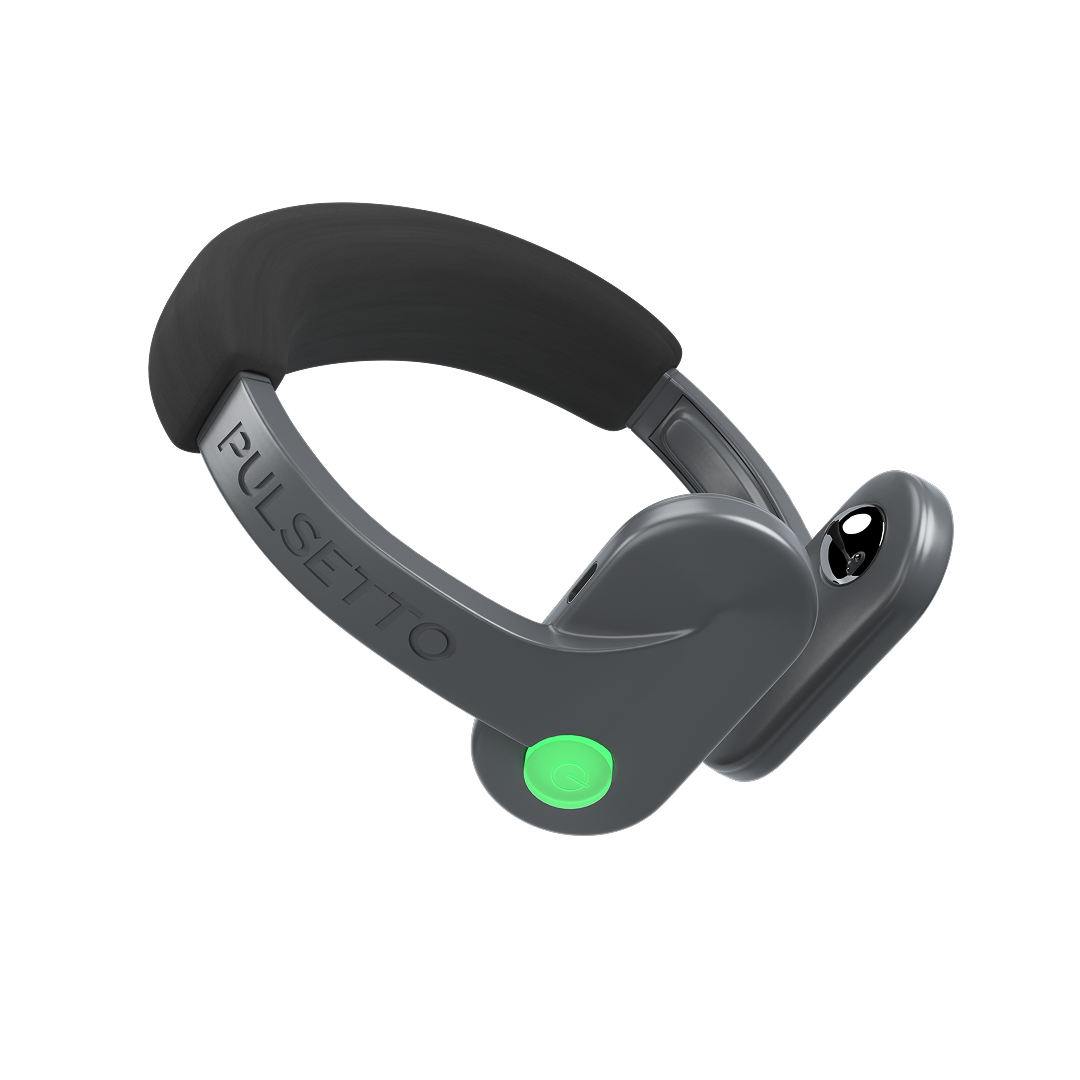
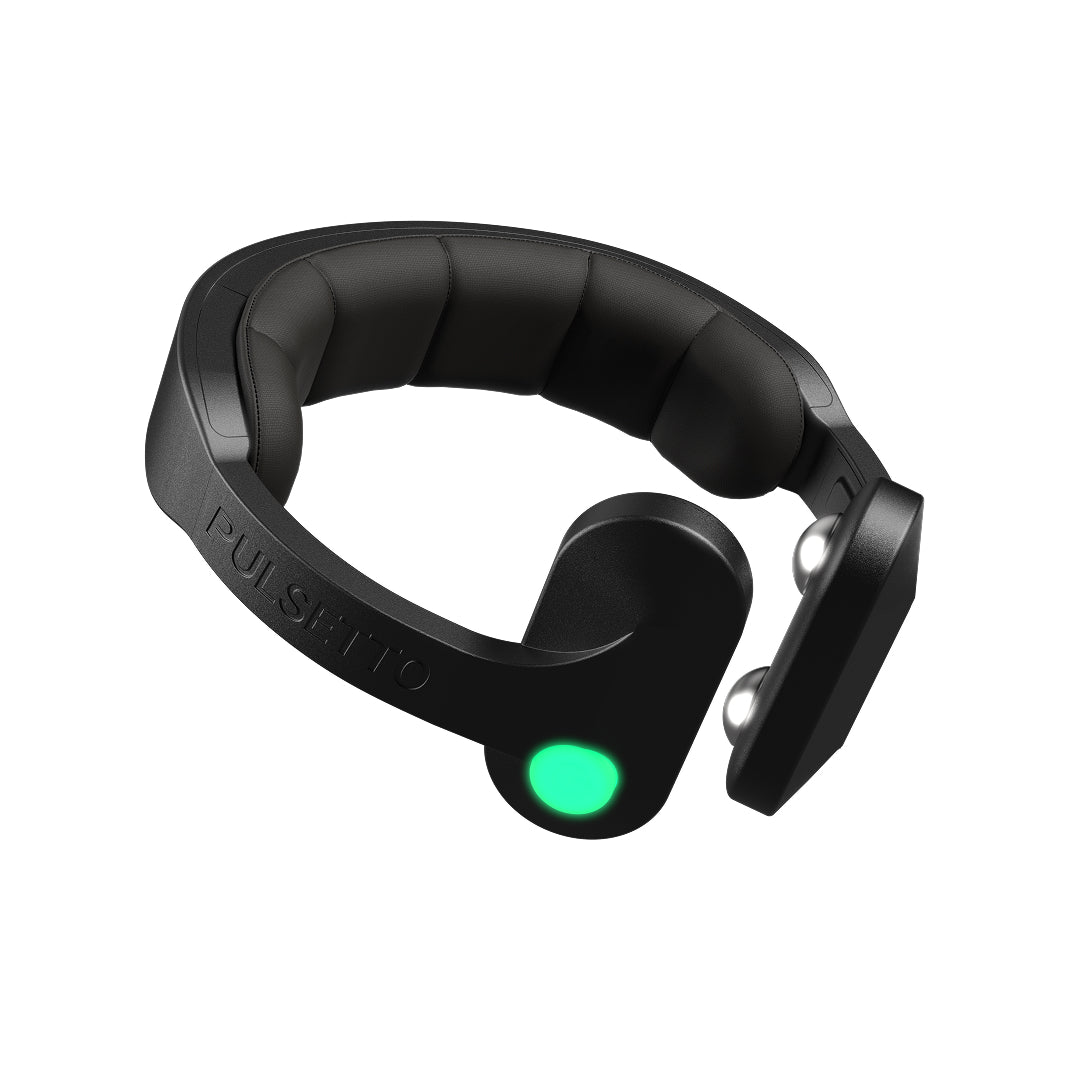
Consider Pulsetto if you want a neck-worn, hands-free device with app-guided sessions that fits between the two extremes in both price and usability. Pulsetto is a neck-based vagus nerve stimulator designed for daily lifestyle integration, with a companion app that guides each session and tracks usage over time. It may appeal to users who find Nurosym too expensive and Truvaga too manual, and who want a device they can wear continuously rather than hold in place.
Community sentiment on r/VagusNerve frequently mentions all three devices, and the general consensus is that personal preference plays a larger role than technical superiority. Users report varied experiences across all three, and no single device dominates the conversation as a clear winner.
For buyers also considering other neck-based options, the nurosym vs amofit s comparison is another useful reference.
What Is a Cheaper Alternative to Nurosym?
For buyers who find Nurosym's price of approximately 700 euros too high, there are several credible alternatives worth considering. Truvaga is the most direct lower-cost alternative in the handheld cervical category, at roughly one-third to one-half the price depending on which tier the buyer chooses. It uses a different stimulation site but delivers a similar non-invasive, transcutaneous approach to vagus nerve stimulation.
Pulsetto is a neck-worn alternative that offers app-guided vagus nerve stimulation sessions at a price point significantly below Nurosym. Unlike Truvaga, Pulsetto is worn around the neck and does not need to be held in place, making it hands-free during sessions. It may suit users who want continuous stimulation as part of their daily routine rather than short manual sessions.
Other alternatives worth exploring include Apollo Neuro, which uses vibration-based stimulation rather than electrical pulses, and Sensate, a chest-placed device focused primarily on relaxation. The nurosym vs caremax tens comparison also covers a TENS-based alternative for budget-conscious buyers.
Each of these devices uses a different stimulation method and targets slightly different wellness outcomes, so the best alternative depends on what the user is hoping to achieve and how they prefer to interact with the device.
Try Pulsetto as a Third Option Worth Exploring

If neither Nurosym nor Truvaga feels like the right fit, Pulsetto is a vagus nerve stimulator worth adding to your shortlist. It sits comfortably between both devices in terms of price and delivers neck-based electrical stimulation in a hands-free, wearable format, rather than requiring the user to hold the device or wear something in the ear.
Pulsetto is designed for daily lifestyle integration. The companion app guides each session, helping users build a consistent routine without needing to manually adjust settings. Sessions are structured around specific wellness goals, including stress support, sleep preparation, and focus, which may appeal to users who want a more directed experience than Truvaga's relatively simple interface offers.
For users who are uncertain whether Nurosym's ear-based approach is comfortable, or who find Truvaga's manual hold inconvenient for regular use, Pulsetto represents a genuine middle ground. It may help support relaxation, nervous system balance, and sleep quality as part of a broader wellness routine.
The device also addresses one of the most common objections to ear-based stimulation: comfort during long sessions. Because Pulsetto is worn around the neck, many users find it easier to keep on during daily activities. Learn more about how vagus nerve stimulation for anxiety fits into a broader approach to nervous system wellness, and explore Pulsetto to see if it fits your routine.
Frequently Asked Questions 💬
What is the best vagus nerve stimulator on the market?
No single device is best for every user. The answer depends on whether you prefer ear-based or neck-based stimulation, your budget, and whether you prioritize research depth or daily convenience. Commonly recommended options include Nurosym, Pulsetto, Truvaga, Apollo Neuro, and Sensate, each with distinct strengths. Pulsetto is frequently cited for its accessible price and hands-free neck-worn design.
Is Truvaga Plus worth it?
Truvaga Plus adds more session flexibility and additional features compared to the base Truvaga model. For users who plan to use the device frequently, multiple times daily, the upgrade is likely worthwhile. For occasional users or those new to VNS, the base Truvaga model may offer sufficient functionality at a lower cost. The value depends on how central daily sessions are to your wellness routine.
What is a cheaper alternative to Nurosym?
Truvaga is the most direct lower-cost alternative, offering cervical VNS at roughly one-third to one-half of Nurosym's price. Pulsetto is a neck-worn alternative that may support similar stress and sleep wellness goals at a more accessible price point. Other alternatives include Apollo Neuro and Sensate, which use different stimulation approaches but address similar wellness outcomes.
What is the best nerve stimulator?
For vagus nerve stimulation specifically, top consumer devices include Nurosym, Pulsetto, Truvaga, Apollo Neuro, and Sensate. The best option depends on whether you prefer ear-based, neck-worn, or handheld stimulation, and your primary wellness goal, whether that is stress relief, better sleep, or improved focus. Pulsetto is a well-regarded neck-worn option designed for daily use with guided app sessions.
How long before results are noticeable with a vagus nerve stimulator?
Many users report noticing some effect, such as a calmer feeling or reduced tension, within the first few sessions. However, consistent daily use over several weeks may be needed for more sustained results. Individual responses vary considerably depending on baseline stress levels and consistency of use. Nurosym, Truvaga, and Pulsetto all position their results as wellness support rather than guaranteed medical outcomes.