Nurosym vs Neuvana Xen: Side-by-Side Comparison
Both Nurosym and Neuvana Xen target the same nerve pathway, but they take noticeably different approaches to how they deliver stimulation, what they cost, and how they fit into a daily routine. Understanding those differences makes it easier to choose the device that will actually get used.
Nurosym vs Neuvana Xen Comparison Table
|
Feature
|
Nurosym
|
Neuvana Xen
|
|
Device type
|
Ear clip stimulator
|
Music earbuds with stimulation
|
|
Stimulation method
|
Controlled electrical pulses via ear clip
|
Electrical stimulation synced to music
|
|
Placement
|
Left outer ear (auricular branch)
|
Left earbud canal
|
|
Price
|
~€449, check nurosym.com for current pricing
|
~$299, check neuvana.com for current pricing
|
|
App availability
|
Yes, dedicated app with session control
|
Yes, Neuvana app required
|
|
Session length
|
Typically 30 minutes
|
Typically 10-30 minutes
|
|
HRV tracking
|
Yes, via app
|
Limited, app shows basic wellness data
|
|
Battery life
|
~6-8 hours of use
|
~6 hours per charge
|
|
Certifications
|
CE-marked medical device
|
Consumer wellness product
|
The headline differences are clear. Nurosym costs more, carries a CE medical device marking, and gives users direct control over stimulation intensity through the app. Neuvana Xen is more accessible in price and integrates with music, but it offers fewer customization options and less detailed biometric feedback. For buyers focused on clinical positioning and data, Nurosym leads. For buyers who want something low-friction and lifestyle-friendly, Xen is easier to pick up and use.
How Each Device Works
Both Nurosym and Neuvana Xen use transcutaneous auricular vagus nerve stimulation, or taVNS, which targets the auricular branch of the vagus nerve in the outer ear without surgery or implants. The nerve branch runs through the ear and, when stimulated, is thought to activate the wider vagus nerve pathway connected to the parasympathetic nervous system (your body's rest-and-recover mode).
How Nurosym Works

Nurosym delivers controlled electrical pulses through a small clip that attaches to the left outer ear. The intensity of stimulation is adjustable through the companion app, allowing users to find a comfortable level and increase it gradually over time. Sessions typically run for 30 minutes, and the device connects via Bluetooth so users can monitor their session and adjust settings in real time.
The electrical signal Nurosym uses follows a patented waveform designed to target the cymba conchae, the specific part of the ear considered most effective for auricular vagus nerve stimulation. This precision is part of what justifies its premium price and medical device positioning.
How Neuvana Xen Works

Neuvana Xen takes a different approach. It looks and functions like a standard pair of earbuds, with the stimulation delivered through the left earbud while the user listens to music or audio content through both. The theory behind this design is that pairing stimulation with a positive auditory experience may enhance the calming effect by engaging multiple sensory pathways simultaneously.
Stimulation intensity is adjustable through the Neuvana app, and sessions can be layered over any audio the user already enjoys. This makes the device genuinely passive in practice. The tradeoff is that users are dependent on the earbud format, which may feel less targeted than Nurosym's dedicated clip.
For more context on how vagus nerve stimulation for stress compares across different device types, the linked article covers the broader landscape well.
HRV Benefits, Wellness Support, and What Users Report
Both devices aim to activate the parasympathetic nervous system, which may support lower perceived stress levels, improved heart rate variability (HRV, or how much your heartbeat timing varies between beats), and better sleep quality over consistent use. Neither device guarantees these outcomes, and individual results can vary considerably.
Nurosym is marketed with references to clinical research and is positioned closer to the medical wellness end of the spectrum. Some users report noticing a measurable shift in HRV scores after several weeks of daily use, and the app's session data makes it easier to track changes over time. The general sentiment in communities like r/VagusNerve is that consistency matters more than any single session, and Nurosym's structure supports that routine-building.
Neuvana Xen draws more of its user feedback from the lifestyle and general wellness space. Some users report feeling calmer after sessions, particularly when using the device before bed or during a commute. The music integration can make sessions feel more pleasant and sustainable, though some users find it harder to gauge whether the stimulation is doing anything without deeper biometric tracking.
Both devices are thought to support HRV improvement by reducing the dominance of the sympathetic nervous system (the stress response) and giving the parasympathetic side more room to operate. How quickly someone notices a difference depends on their baseline stress levels, how regularly they use the device, and how sensitive they are to mild electrical stimulation.
For a broader comparison, the article on nurosym vs apollo neuro offers useful context on how different stimulation approaches compare for similar wellness goals.
Price, Design, and User Experience
Price is one of the sharpest dividing lines in this comparison. Nurosym sits at roughly 449 EUR as of early 2026, making it one of the more expensive non-invasive vagus nerve stimulators on the market. Neuvana Xen comes in at around 299 USD, which positions it as a more accessible entry point, though still a meaningful investment for a wellness device.
Whether that price gap is justified depends on what the buyer values. Nurosym's premium reflects its CE medical device certification, its precision stimulation waveform, and the depth of its app-based tracking. Neuvana Xen's price reflects a consumer product with a broader appeal but fewer clinical-grade features.
Battery Life and Charging
Nurosym offers approximately 6 to 8 hours of use per charge, which is enough to cover daily 30-minute sessions for nearly two weeks before needing to plug in. The device charges via USB and is compact enough to travel with easily.
Neuvana Xen offers around 6 hours of battery life, which is consistent with standard wireless earbuds. It charges via a proprietary case. For most users running one session per day, neither device will feel like a charging burden in practice.
App and Session Experience
The Nurosym app is the stronger of the two from a data perspective. It displays HRV trends, logs session history, and allows intensity adjustments in real time. Onboarding is guided, which helps new users start at an appropriate stimulation level before increasing over time.
The Neuvana app is more straightforward. It controls stimulation intensity and syncs with the user's music library, but it does not offer the same depth of biometric tracking. Users who are primarily interested in the experience rather than the data will find it easier to use day to day.
From a form factor standpoint, Nurosym's ear clip is more visible than earbuds but stays in place well during a seated session. Neuvana Xen blends in as standard earbuds, making it genuinely discreet in public or at the office. If discretion matters, Xen has the edge.
For more detail on how each device compares to other options in this space, see the full breakdown in pulsetto vs neuvana xen and nurosym vs sensate.
Safety, Side Effects, and Who Should Avoid These Devices
Both Nurosym and Neuvana Xen are generally considered low-risk for healthy adults. They are non-invasive and do not require any piercing, implant, or prescription. That said, honest safety awareness matters before starting with either device.
Some users report mild side effects, particularly during early sessions or at higher intensity settings. These can include:
-
Skin irritation or redness at the contact point on the ear
-
Mild dizziness or lightheadedness during or shortly after a session
-
Discomfort if the stimulation intensity is set too high too quickly
These effects typically resolve on their own and can usually be avoided by starting at the lowest intensity setting and increasing slowly over days or weeks.
Certain individuals should consult a healthcare professional before using any vagus nerve stimulator. This includes people with:
-
Cardiac pacemakers or implanted electrical devices
-
A history of epilepsy or seizure disorders
-
Diagnosed heart arrhythmias or other cardiac conditions
-
Active skin conditions or wounds near the ear
Neither device is a medical treatment. They are wellness tools designed to support relaxation and stress management, not to diagnose, treat, or cure any health condition. Anyone considering using one of these devices to manage a specific health condition should discuss it with their doctor before starting.
For a head-to-head comparison that also covers safety considerations with another popular option, see nurosym vs truvaga.
Which Device Is Right for You?
If you have read through the comparison and are still weighing both options, the decision usually comes down to two things: how much you want to spend, and how much you care about customization and data.
Choose Nurosym if you want a clinically positioned device with adjustable stimulation intensity, detailed HRV tracking through the app, and the reassurance of a CE-marked product. It is the better fit for users who treat vagus nerve stimulation as a deliberate, structured wellness practice and are comfortable with the higher price. The device rewards consistent, attentive use and gives you data to track progress over time.
Choose Neuvana Xen if you prefer a lifestyle-friendly device that slots into your existing audio habits without requiring a separate session routine. It is well-suited to users who want something low-friction, are newer to vagus nerve stimulation, and prefer a lower entry cost. The music integration makes it easy to stay consistent, even if the biometric feedback is less detailed.
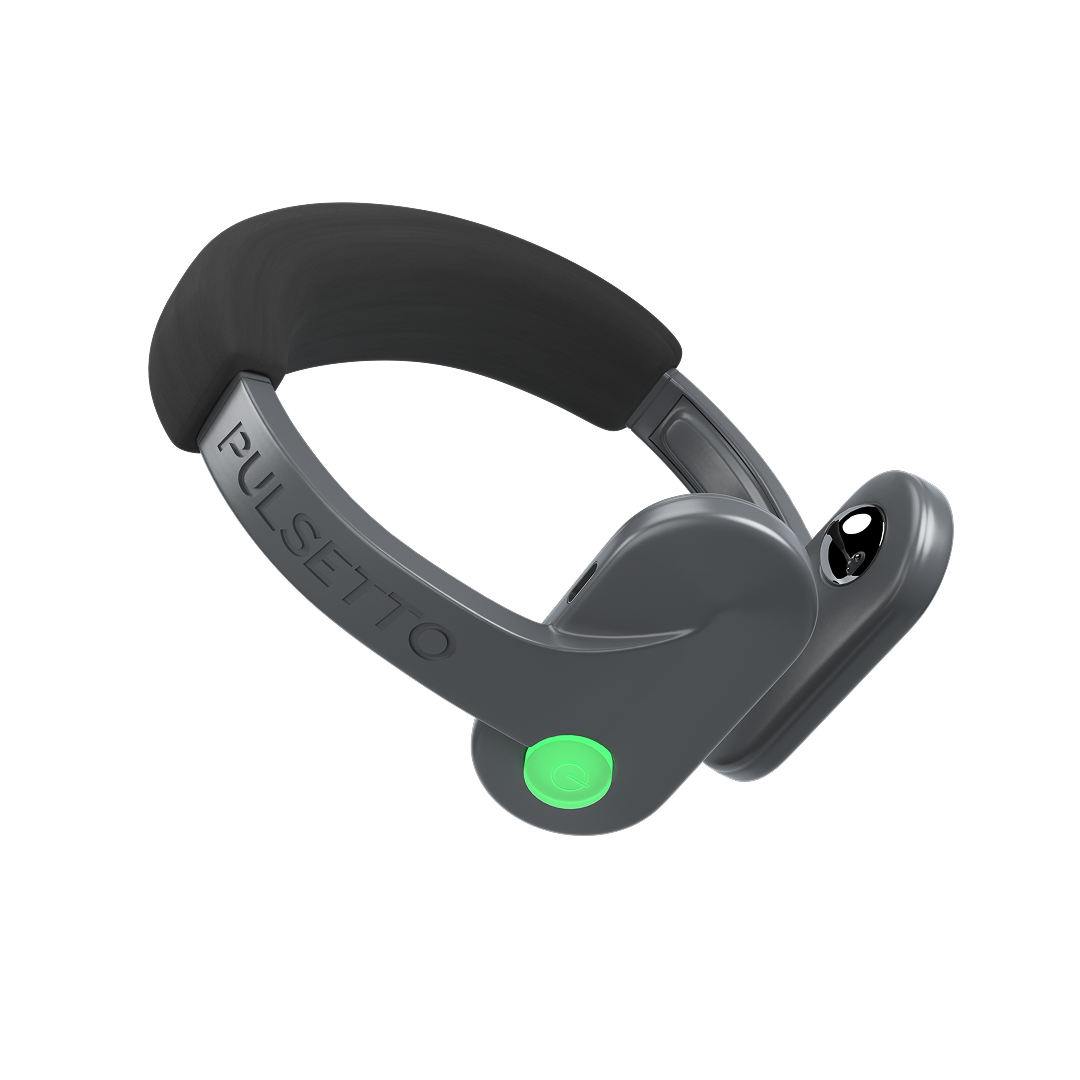
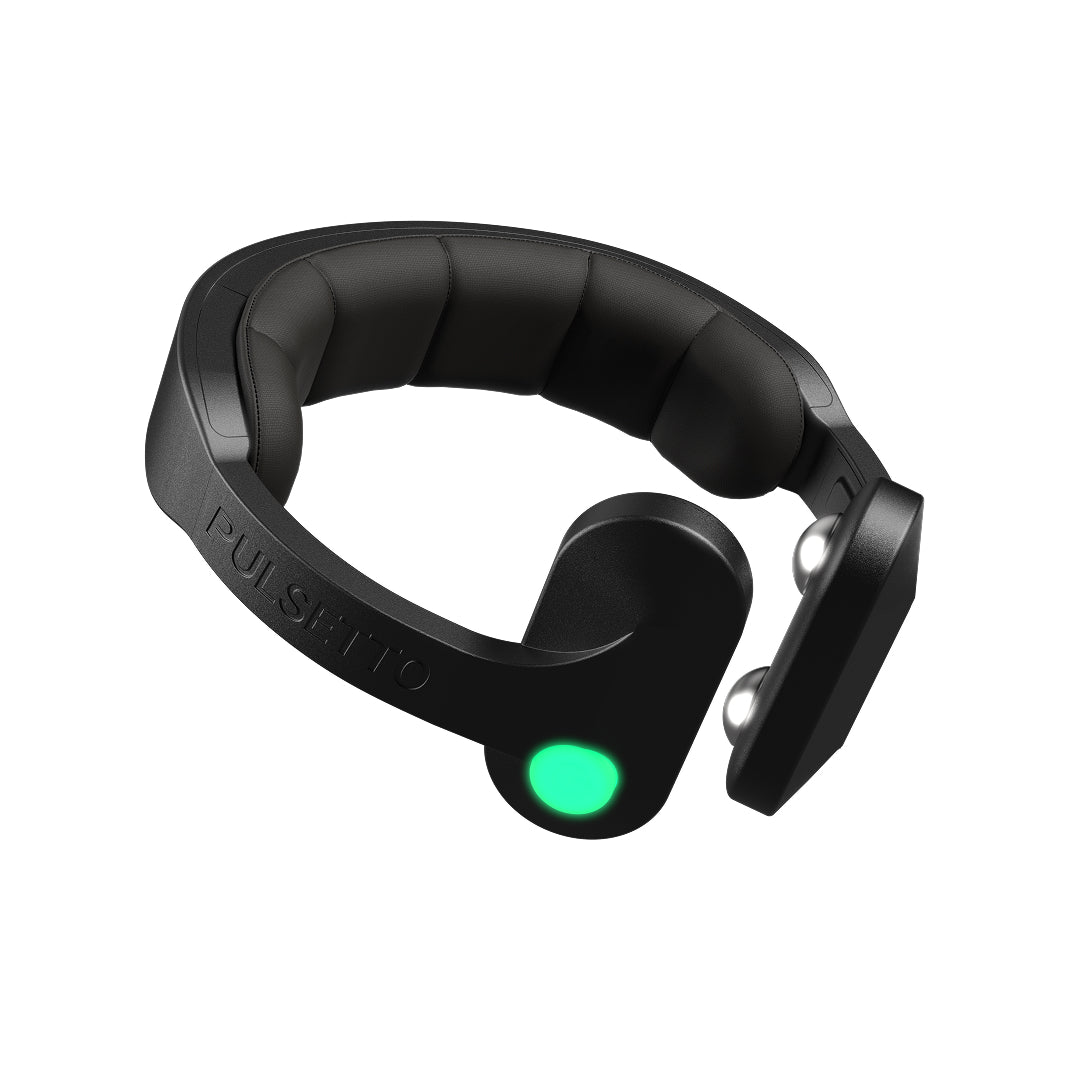
If neither device feels like the right fit, a neck-based option may be worth exploring before committing. Pulsetto takes a different approach entirely, delivering stimulation through a device worn at the neck rather than the ear. This makes it a practical alternative for users who find ear-based stimulation uncomfortable or who want a different form factor. A comparison of the approaches is available in the nurosym vs pulsetto article.
For another comparison that contextualizes where these devices sit in the broader market, the nurosym vs hoolest verelief article covers a few additional angles worth reading before deciding.
Still Undecided? Pulsetto Might Be Worth a Look

If you have compared Nurosym and Neuvana Xen and still feel like neither device is quite right for your situation, Pulsetto is worth considering before making a final decision.
Pulsetto is a vagus nerve stimulator designed to be worn at the neck rather than the ear. This means no ear clip, no earbud format, and no dependence on music content to complete a session. For users who find ear-based stimulation uncomfortable during extended wear, or who simply prefer a different physical approach, the neck placement offers a meaningful alternative.
Pulsetto pairs with a companion app that includes guided sessions designed around specific goals, including stress relief and sleep preparation. Sessions are typically around four minutes, which makes it one of the shorter commitments in this category. Pricing is generally below Nurosym, which addresses one of the most common objections to the ear-clip devices.
It is not a clinical device and does not claim to be superior to Nurosym or Neuvana Xen in terms of stimulation precision. But for users who prioritize ease of use, session brevity, and neck-based comfort, it is a genuinely different option rather than just a cheaper substitute. If vagus nerve stimulation for anxiety is your primary concern, exploring how different stimulation placements feel in practice may help you land on the right choice.
Frequently Asked Questions 💬
What is the best vagus nerve stimulator on the market?
There is no single best vagus nerve stimulator for everyone. The right device depends on individual goals, budget, and preferred stimulation method. Nurosym is well-regarded for its clinical positioning and adjustable intensity. Pulsetto is a strong option for users who want brevity and a neck-based format. Apollo Neuro suits users who prefer vibration-based stimulation rather than electrical. Each serves a different type of user, so matching the device to your lifestyle matters more than chasing a universal top pick.
What is a cheaper alternative to Nurosym?
Nurosym sits at a premium price point, and several alternatives offer vagus nerve stimulation at a meaningfully lower cost. Pulsetto and Neuvana Xen are both typically priced below Nurosym. Pulsetto uses a neck-based delivery method and focuses on short guided sessions, while Neuvana Xen uses an earbud format paired with music. Neither is a direct downgrade from Nurosym. They are simply different approaches with different tradeoffs in terms of customization, data tracking, and stimulation precision.
What is the best nerve stimulator?
The term "nerve stimulator" covers a wide category that includes prescription and implantable devices alongside consumer wellness products. This article focuses specifically on non-invasive vagus nerve stimulators for everyday wellness use. Within that category, top-rated options in 2026 include Nurosym, Pulsetto, and Apollo Neuro. Nurosym is preferred for clinical positioning, Pulsetto for ease of use and session brevity, and Apollo Neuro for users who prefer tactile vibration over electrical stimulation. The best choice depends on which approach fits your comfort level and daily routine.
What is the best vagus nerve stimulator for tinnitus?
Tinnitus is a specific medical condition, and anyone considering a vagus nerve stimulator to help manage it should speak with a healthcare professional before starting. Some taVNS devices have been explored in preliminary contexts for tinnitus support, but this area is still developing and no consumer device should be positioned as a tinnitus treatment. Nurosym and Neuvana Xen are general wellness devices, not tinnitus-specific products. Some tinnitus sufferers do report finding them helpful for associated stress and sleep disruption, but that is a separate benefit from directly addressing the condition.
How do Nurosym and Neuvana Xen improve HRV and well-being?
Both Nurosym and Neuvana Xen may support HRV improvement by activating the parasympathetic nervous system through auricular vagus nerve stimulation. Higher HRV (greater variability in the timing between heartbeats) is generally associated with better stress resilience, calmer baseline functioning, and improved recovery. Both devices are thought to shift the nervous system away from the sympathetic stress response and toward a more relaxed state. Individual results vary, and consistent daily use is generally associated with better reported outcomes. Neither device guarantees a specific HRV improvement, and results depend on baseline health, consistency, and lifestyle factors.