Why people compare cold plunging and vagus nerve stimulation for stress
A few real reasons drive this specific comparison, more than a generic "which wellness trend is better" curiosity:
-
Cold plunging has a real barrier to entry. Full-body immersion below 15°C requires a tub, ice, or a chiller, plus tolerance for genuine discomfort that many people never get past.
-
The immediate experience of a cold plunge is stress, not calm. Anyone who's done one knows the first 30 to 60 seconds feel like an alarm. That's not a subjective impression; measured plasma norepinephrine after cold-water immersion has been recorded rising from a baseline near 360 pg/ml to over 1,100 pg/ml within 45 minutes of continued exposure, a finding covered in more detail further down.
-
Vagus nerve stimulation markets itself as the "gentler" version of the same goal. Devices in this category claim to train the same recovery system cold plunging is known for, minus the shock.
-
People want to know if VNS actually does what cold plunging does, or something different. That's a fair question, and the honest answer is: somewhat different things, which is exactly what makes them worth comparing instead of treating as interchangeable.
Most of this comes down to what "working" actually means. It helps to run through the measurable signs of good stress resilience before deciding which method is doing its job, since recovery speed, not the absence of a stress response, is the actual target both methods are aiming at.
Ready to feel the difference for yourself?
|
Method
|
Session length
|
Immediate feeling
|
Hands-free
|
Evidence base
|
|
Bilateral cervical VNS
|
~4 minutes
|
Calming
|
Yes
|
Pilot study + multiple third-party stimulation trials
|
|
Cold plunge (whole-body, under 15°C)
|
2-5 minutes
|
Acute stress, then delayed calm
|
No
|
Strong on acute physiology, mixed on lasting stress reduction
|
|
Auricular VNS (ear-clip devices)
|
15-30 minutes
|
Neutral to calming
|
Partial
|
Largest published evidence base for VNS generally
|
|
Cold shower
|
1-3 minutes
|
Mild stress
|
No
|
Thin; mostly extrapolated from full immersion studies
|
What actually happens in your body with each method
Cold plunging and vagus nerve stimulation both eventually touch the same system, the balance between your sympathetic ("go") and parasympathetic ("recover") nervous system. They just start from opposite ends of it.
A cold plunge starts by triggering the sympathetic side hard. Full-body immersion below 15°C activates cold-sensing receptors in the skin, which fire off a cascade of norepinephrine and cortisol release alongside a faster heart rate and the gasping response anyone who's tried it recognizes immediately. The theory behind cold plunging for stress resilience is that repeatedly surviving this jolt and recovering from it trains your nervous system to recover faster from other stressors too.
Vagus nerve stimulation works from the other end. The vagus nerve is the main channel your parasympathetic system uses to slow your heart and calm digestion. It's also how the body signals "the threat has passed" to the brain. Stimulating it directly, whether through the ear or the neck, activates that recovery signal without needing a stressor to trigger it first. In one trial designed specifically to test this head-to-head idea, transcutaneous auricular VNS measurably reduced the early heart-rate spike caused by sudden cold exposure during a cold pressor test, blunting the exact stress response cold plunging relies on, a study covered in more detail in the research section below.
Jonė Pukėnaitė, MD, Medical & Science Lead at Pulsetto: "Cold plunging and vagus nerve stimulation aren't really competing for the same physiological event. One creates a stress response and asks your body to recover from it. The other activates the recovery machinery on demand. Both can train a nervous system to settle faster, but only one of them requires the discomfort as part of the mechanism."
What the research says about cold plunging for stress

Cold-water immersion has more research behind its acute physiology than almost any other stress-resilience trend, and the picture that research paints is more complicated than "cold plunging calms you down."
-
The stress response is immediate and measurable. Plasma norepinephrine rises sharply within the first few minutes of cold-water exposure and keeps climbing the longer the exposure continues [1].
-
Any calming effect shows up later, not during or right after. A 15-minute cold-water immersion at 10°C left mood unchanged immediately afterward, with a measurable drop in negative affect and cortisol only appearing three hours later [2].
-
Regular practice changes the acute response over time. Winter swimmers show a blunted catecholamine spike compared to first-time cold-water exposure, suggesting the body adapts with repetition; the plunge itself doesn't actually become pleasant.
None of this makes cold plunging worthless for stress resilience. It means the mechanism is closer to controlled adversity training than direct relaxation, and the payoff arrives hours later, not in the tub. That timeline matters for expectations: whatever method someone picks, expect physiological adaptation to run on a slower clock than any mindset shift, not just with cold plunging.
What the research says about vagus nerve stimulation for stress

VNS research runs in a different direction: fewer headlines about extreme physiology, more direct measurement of the stress response shutting off in real time.
-
It blunts stress responses as they happen, including the acute heart-rate spike from a cold-pressor stress test [3] and the broader cardiovascular and autonomic signature of a psychological stressor [4].
-
It affects the hormonal side of stress too. Transcutaneous stimulation has been shown to attenuate the decline in salivary cortisol that normally follows a stress task, alongside changes in salivary alpha amylase [5].
-
Cervical placement (the neck, not the ear) shows effects on cognitive performance under stress specifically, including better sustained attention and lower fatigue during extended sleep deprivation, a proxy for chronic stress load [6].
The honest caveat here: the evidence base is younger and the studies are smaller than a century of cold-exposure physiology. It's consistent and mechanistically clear, but it hasn't been running as long.
How Pulsetto fits into a comparison like this

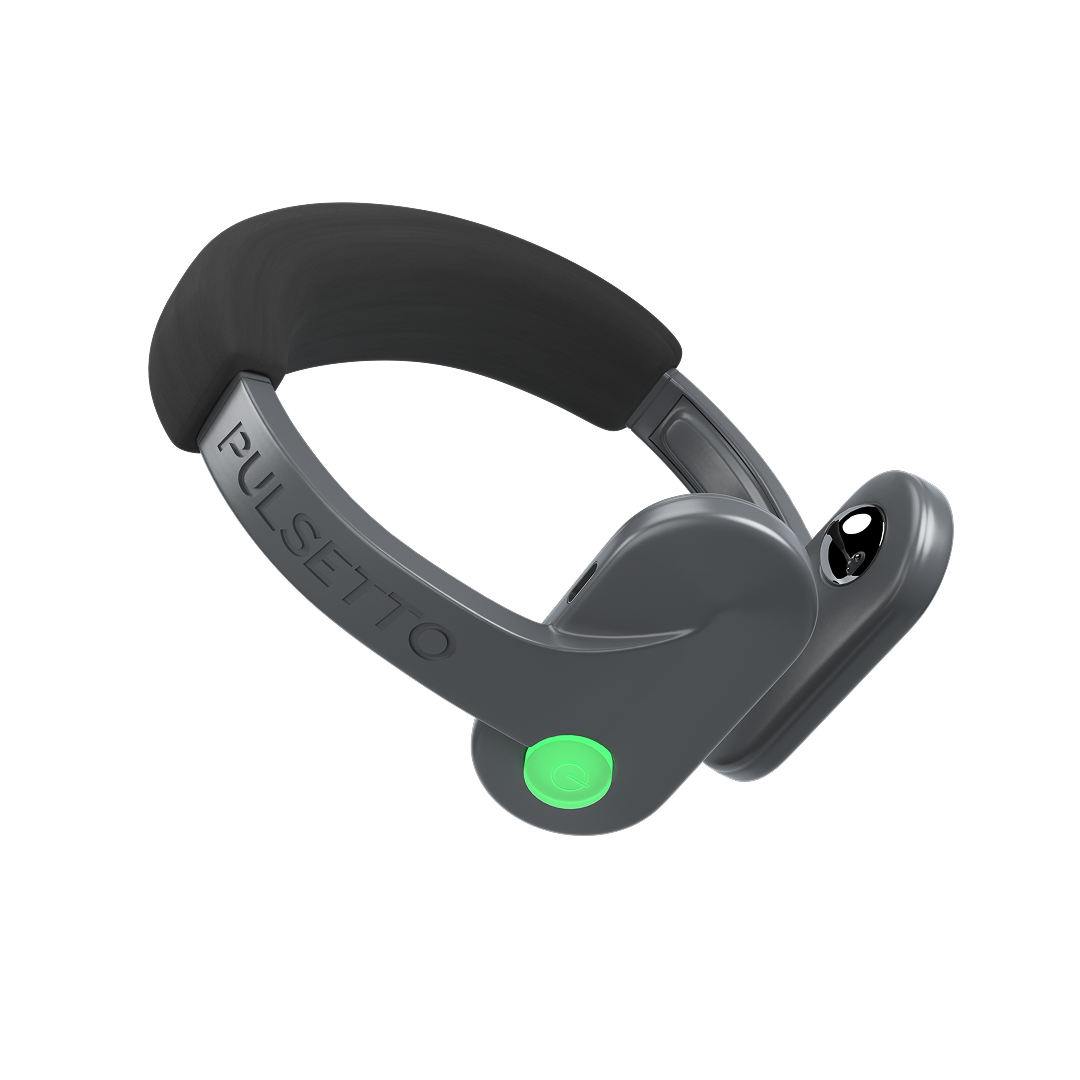
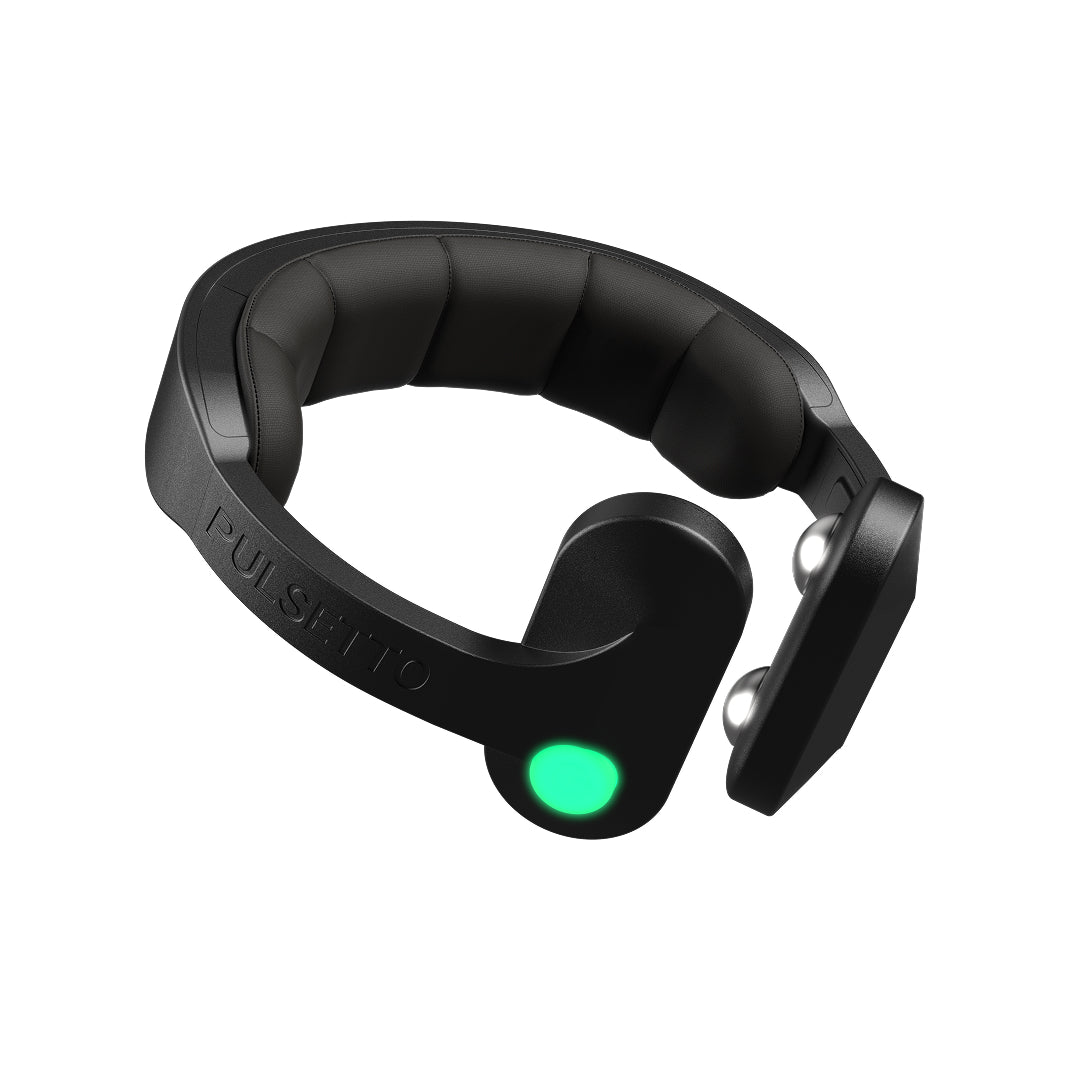
Pulsetto is a vagus nerve stimulator that uses bilateral cervical stimulation, both sides of the neck at once, which is the same anatomical target as the cervical VNS research showing effects on attention and fatigue under stress load. Most consumer VNS devices stimulate only one ear or one side of the neck; Pulsetto's pilot study found bilateral stimulation significantly outperformed unilateral on hair cortisol reduction, which is part of why the device is built around both sides instead of one.
Sessions run about four minutes, worn hands-free on the neck. That matters for the comparison specifically because it removes the two biggest barriers cold plunging has: no tub, ice, or chiller to source, and no discomfort tolerance to build up before the method actually works.
Pulsetto's own pilot study found reductions in self-reported anxiety and depressive symptoms, plus a measurable drop in hair cortisol, after four weeks of regular bilateral use.
In Pulsetto's own in-app wellbeing check-ins, 73% of users reported lower stress within their first two weeks of consistent use, growing to an average 26% reported reduction by their next check-in.
That mix of an evidence-backed mechanism and a four-minute daily session is why Pulsetto belongs in this comparison: cold plunging asks for more time and tolerance than most people will keep giving it, and VNS asks for very little of either.
Which one is right for you
A few honest questions narrow this down faster than a generic recommendation would:
-
Do you actually enjoy cold exposure, or are you doing it because it's trendy? If the answer is genuine enjoyment, cold plunging has real physiological backing and there's no reason to abandon it for VNS instead.
-
Do you have 15 to 20 minutes and access to genuinely cold water on a regular basis? Cold plunging's research is built on real immersion, not a cold shower; without consistent access, the method is hard to practice the way it's been studied.
-
Do you have any cardiovascular condition, uncontrolled hypertension, or Raynaud's phenomenon? These are reasons a clinician might advise against cold plunging specifically; VNS carries a different, shorter contraindication list (see the FAQ below).
-
Do you want a method that fits into a commute, a work break, or bedtime without changing clothes or getting wet? That's where hands-free VNS has a structural advantage that cold plunging can't match.
Plenty of people end up using both: cold exposure a few times a week for the parts of it that are genuinely enjoyable or performance-related, and a daily VNS session for the days a tub isn't practical.
If the discomfort, the equipment, or the time cold plunging demands has kept you from building a consistent stress-resilience routine, give Pulsetto a few weeks and see whether four hands-free minutes gets you to the same steadiness without the ice.
Frequently asked questions
Can vagus nerve stimulation replace cold plunging entirely?
For the stress-resilience goal specifically, yes for most people, since VNS targets the same recovery system without requiring the initial shock. If part of the appeal of cold plunging is the mental-toughness or discipline-building side of it rather than the physiology, that's a separate benefit VNS doesn't replicate.
Does cold exposure actually build stress tolerance, or does it just feel that way?
The physiological picture is real but slower than it feels in the moment. Regular cold-water exposure blunts the catecholamine spike over repeated sessions, which is a genuine adaptation, but any calming effect from a single session shows up hours later rather than during the plunge itself, so the "toughness" you feel building is a real training effect on a longer timescale than the immediate experience suggests.
How much does Pulsetto cost?
Pulsetto Lite runs $269 and Pulsetto FIT runs $296. Both include free worldwide shipping. Both also come with a 30-day money-back guarantee backed by a two-year warranty.
Is Pulsetto FDA approved?
No. Pulsetto is a general wellness product, not an FDA-cleared medical device, and it is not intended to diagnose, treat, cure, or prevent any disease or medical condition. For FDA-cleared vagus nerve stimulation for migraine or cluster headache specifically, gammaCore from electroCore is the prescription-grade option; Pulsetto is positioned for general wellness use instead.
What are the contraindications for each method?
Vagus nerve stimulation devices, including Pulsetto, aren't recommended for anyone with a pacemaker or other active implantable medical device, epilepsy, or pregnancy; check with a healthcare provider first if any of those apply. Cold plunging carries its own separate list: uncontrolled hypertension, certain heart arrhythmias, and Raynaud's phenomenon are common reasons a clinician might advise against it.
Can I use both cold plunging and vagus nerve stimulation together?
Yes, and plenty of people do. There's no known interaction between the two, so cold exposure a few times a week alongside a daily VNS session is a reasonable way to get the discipline and physiological benefits some people value from cold plunging while still getting daily, hands-free recovery support on the days a plunge isn't practical.
Scientific research
[1] Human physiological responses to immersion into water of different temperatures (Šrámek et al., 2000, European Journal of Applied Physiology)
[2] Cardiovascular and mood responses to an acute bout of cold water immersion (Reed et al., 2023, Journal of Thermal Biology)
[3] Transcutaneous Auricular Vagus Nerve Stimulation Attenuates Early Increases in Heart Rate Associated With the Cold Pressor Test (Austelle et al., 2023, Neuromodulation)
[4] Quantifying acute physiological biomarkers of transcutaneous cervical vagal nerve stimulation in the context of psychological stress (Gurel et al., 2019, Brain Stimulation)
[5] The neuromodulatory and hormonal effects of transcutaneous vagus nerve stimulation as evidenced by salivary alpha amylase, salivary cortisol, pupil diameter, and the P3 event-related potential (Warren et al., 2019, Brain Stimulation)
[6] Cervical transcutaneous vagal nerve stimulation (ctVNS) improves human cognitive performance under sleep deprivation stress (McIntire et al., 2021, Communications Biology)