Why Pillow Choice Matters for Vagus Nerve Health
The vagus nerve passes through the neck alongside major blood vessels and other cervical structures, which is why cervical positioning during sleep matters to vagal function. Vagus nerve anatomy shows that compression or misalignment in the neck can create tension in the surrounding tissues that may impair vagal signaling over time. Deep breathing, muscle tension relief, and spinal alignment are all essential for vagus nerve health, and a well-chosen vagus nerve pillow supports all three passively throughout the night.
The scale of the problem this addresses is significant. Four in five people experience neck pain at some point in their lives, and poor pillow support is a common contributing factor. A randomized controlled trial found that a cervical support pillow significantly improved neck pain, sleep quality, and disability compared to standard care, confirming that what the head rests on during sleep has measurable consequences for musculoskeletal recovery (Vanti et al., Physical Therapy, 2019).
Best Sleep Position for the Vagus Nerve
Sleep position affects both spinal alignment and the body's ability to maintain parasympathetic nervous system activity during sleep. Pillow for vagus nerve compression varies significantly by position, and the best vagus nerve pillow for a side sleeper is a different product than the right choice for a back sleeper.
Side Sleeping
Side sleeping is generally the most neutral position for vagal health. It reduces pressure on the neck, keeps the airway open, and distributes body weight across a wider surface area than stomach sleeping. Side sleepers benefit from high loft pillows that keep the head aligned with the spine rather than tilting upward or sinking downward. A medium-firm to firm pillow with enough height to fill the space between the shoulder and ear is the target, and cervical pillows designed for side sleeping promote neutral spine alignment for this position specifically.
Back Sleeping
Back sleeping is a good position for vagus nerve support when paired with the right pillow. A medium loft pillow is ideal for back sleepers' spinal alignment because it supports the head without pushing the chin toward the chest. Pillows with a raised bolster under the neck prevent compression on nerves and blood vessels at the cervical level. A contoured cervical pillow that follows the natural curve of the spine is the most targeted option for back sleepers focused on vagal decompression.
Stomach Sleeping
Stomach sleeping places the most strain on the cervical spine and is generally the least favorable position for vagus nerve health because it requires the neck to rotate to one side for extended periods. Stomach sleepers should use soft, low-loft pillows to reduce the degree of neck rotation. Transitioning to side sleeping over time is the more supportive long-term option for anyone whose vagus nerve health is a priority.
What to Look for in a Vagus Nerve Pillow
The ideal vagus nerve pillow keeps the cervical spine in a neutral position, supports muscle relaxation, and allows for comfortable breathing throughout the night. Three features matter most.
Loft and Firmness
Loft, the height of the pillow, is the most important variable for spinal alignment. The right loft depends on sleep position and shoulder width: side sleepers typically need more loft to bridge the gap between shoulder and ear, while back sleepers need less.
Good pillow height is critical for neck alignment especially during side sleeping, and getting the height wrong in either direction creates the same tension and compression that the pillow is meant to prevent. Adjustable pillows allow the user to customize fill for their specific needs, making them the most versatile starting point for anyone unsure of their ideal loft.
Pillow Materials
-
Memory foam conforms to the shape of the head and neck, distributing pressure evenly and reducing muscle tension during sleep.
-
Latex offers bouncy support and improved breathability compared to memory foam, maintaining shape consistently throughout the night without the slow-response sink that some people find disorienting when they move.
-
Buckwheat provides firm support and is long-lasting, with a fill that can be adjusted and repositioned to fine-tune loft.
-
Certified breathable materials across all types reduce chemical off-gassing, which matters for people with sensitivities.
Cooling Features
Sleep temperature affects nervous system recovery overnight, and overheating during sleep can impair parasympathetic activity. A review published in Current Opinion in Physiology found that body cooling before and during sleep is tightly linked to NREM sleep onset and depth, with skin temperature playing a direct role in activating the neural circuits that initiate sleep (Harding et al., PMC, 2020).
For anyone trying to understand how to increase deep sleep, temperature is one of the most actionable variables, which is why cooling features including GelFlex grid technology, GlacioTex covers, COOLMAX fabric, and copper-infused materials are worth prioritizing rather than treating as a luxury add-on.
Best Pillow Types for Vagus Nerve Support
Individual needs vary by sleep position, body size, and personal preference, but the pillow types below offer the most relevant features for vagus nerve health through alignment, material, and design. These are the best pillow for vagus nerve compression options across the main sleep positions and preferences, covering the best vagus nerve pillow categories with documented evidence.
1. Adjustable Fill Pillows
Best for: Personalizing loft for optimal neck alignment
Adjustable fill pillows are the most versatile option for vagus nerve support because they allow the user to dial in the exact loft needed for their sleep position. Getting the height right is the single most important factor for cervical alignment and vagal nerve decompression, and adjustability removes the guesswork that makes fixed-loft pillows a gamble for first-time buyers.
Examples include the Coop Original Adjustable Pillow, the Eli and Elm Side Sleeper Pillow, the Avocado Green Pillow, the Helix ComfortAdjust Cooling Pillow, and the Saatva Latex Pillow with two inner pillows for loft adjustment.
2. Cervical Contour Pillows
Best for: Back sleepers needing structured neck support
Cervical contour pillows are specifically designed to support the natural curve of the cervical spine. They typically feature a lower central section for the head and a raised bolster that supports the neck, helping prevent compression on nerves and blood vessels during back sleeping.
These are the most targeted option for people whose vagus nerve health goals are specifically linked to neck alignment and cervical decompression during the night.
3. Latex Pillows
Best for: Responsive support with natural breathability
Latex pillows offer bouncy support and improved breathability compared to memory foam, making them a strong option for people who find memory foam too warm or too slow to respond to movement. They maintain their shape consistently throughout the night, supporting cervical alignment without the sink associated with softer fills.
That consistent support translates into measurable outcomes: a randomized controlled trial found that an ergonomic latex pillow improved head and neck posture and cervical muscle endurance compared to standard pillows (Fazli et al., Journal of Chiropractic Medicine, 2020).
4. Memory Foam Pillows
Best for: Consistent contouring support for side and back sleepers
Memory foam pillows conform to the shape of the head and neck, distributing pressure evenly and reducing muscle tension during sleep. A well-fitted memory foam pillow can reduce the likelihood of waking with neck stiffness that may contribute to daytime vagal tone disruption. Memory foam or latex pillows maintain their shape and provide consistent support across the night, making them reliable choices for people who move during sleep and want alignment maintained throughout position changes.
5. Acupressure and Weighted Eye Pillows
Best for: Pre-sleep nervous system calming
Acupressure pillows stimulate pressure points on the neck and upper back, which some users find promotes relaxation before sleep. Organic weighted eye pillows engage the oculocardiac reflex, applying gentle pressure to the eyes to promote a slowing of the heart rate and a calming of the nervous system. These are not primary sleep pillows but pre-sleep tools, and they suit people who want to build relaxing evening routine habits that reliably signal the nervous system toward rest.
What Else Calms the Vagus Nerve During Sleep
A vagus nerve pillow addresses the structural side of sleep, but several other habits support vagal tone during the hours before and during sleep. The most effective relaxation techniques for sleep address the same parasympathetic pathway that good cervical alignment supports passively. Slow breathing before bed, a consistent sleep schedule, cool room temperature, and reduced screen exposure in the evening all create the autonomic conditions that make vagal recovery during sleep more effective.
Dedicated wind down time before bed gives these habits a consistent trigger window that the body learns to associate with the approaching shift into parasympathetic dominance. The vagus nerve support cocoon technique, lying still, covering the body warmly, using an eye pillow, and breathing slowly, can also help reset the nervous system for relaxation before sleep begins.
Active Vagus Nerve Support: Beyond Pillow Choice
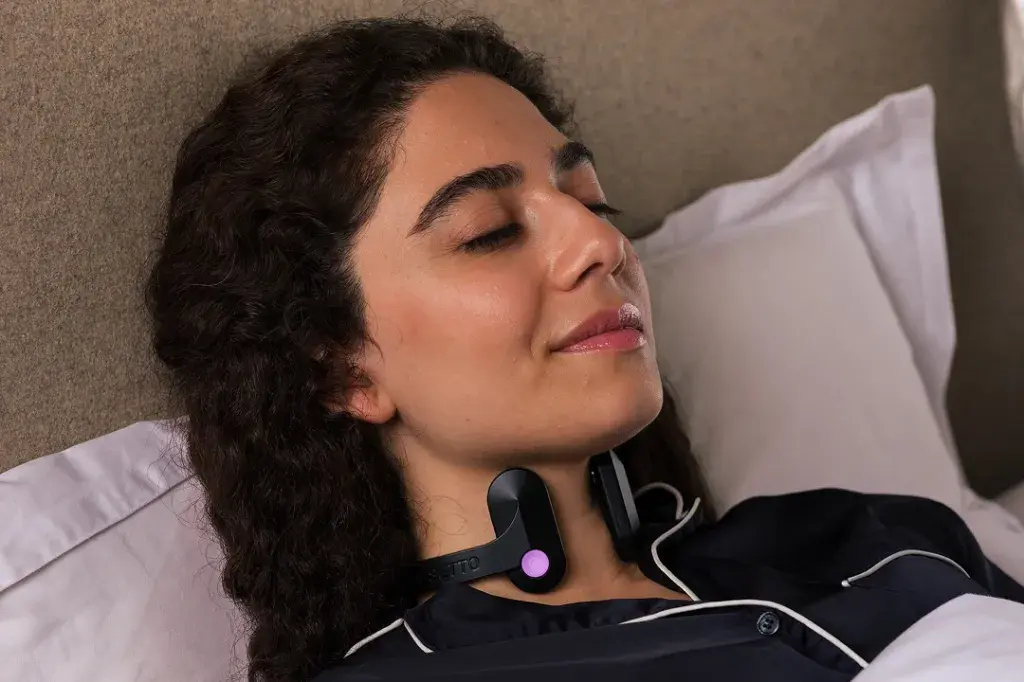
A vagus nerve pillow supports alignment and decompression passively during sleep. However, some people want to actively stimulate the vagus nerve as part of their evening routine rather than relying on posture alone.
Non-invasive vagus nerve stimulation activates the parasympathetic nervous system directly at the nerve level rather than through posture or breathing. The research supports this approach for both the mechanism and the sleep outcome.
A study published in Brain Stimulation found that non-invasive vagus nerve stimulation measurably reduced sympathetic nerve activity in healthy humans, confirming that direct vagal activation produces the same parasympathetic shift that a well-chosen pillow supports passively through alignment (Clancy et al., Brain Stimulation, 2014). That mechanism translates into sleep outcomes: a multicenter randomized clinical trial found that transcutaneous VNS significantly improved sleep quality in insomnia participants compared to a non-vagus sham control, suggesting that pre-sleep vagal activation supports more restful overnight recovery (Jiao et al., PMC, 2020).
Those exploring vagus nerve stimulation for sleep as a complement to their pillow setup will find the two approaches target the same vagal pathway through different entry points: passive alignment through the night, and active stimulation before sleep begins.
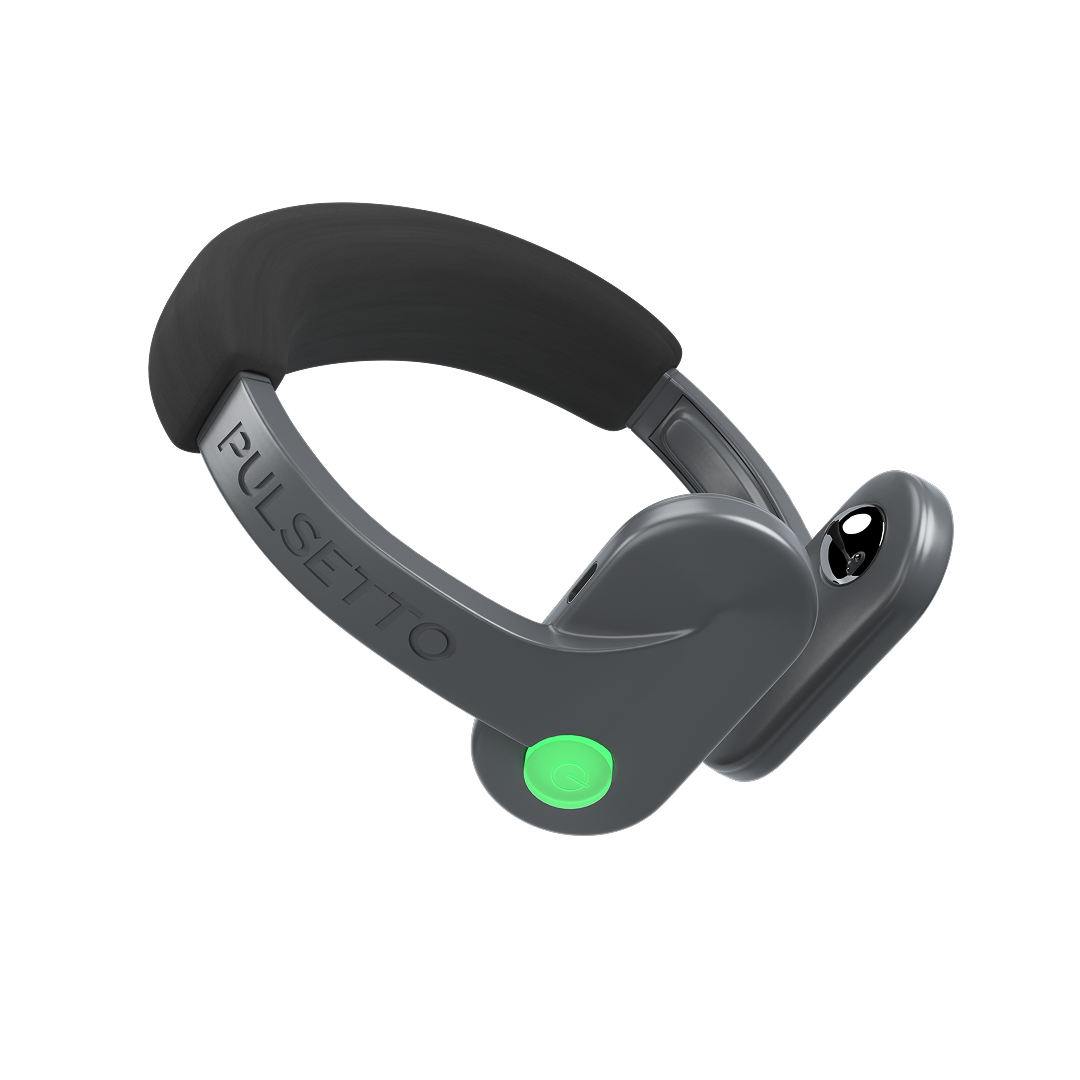
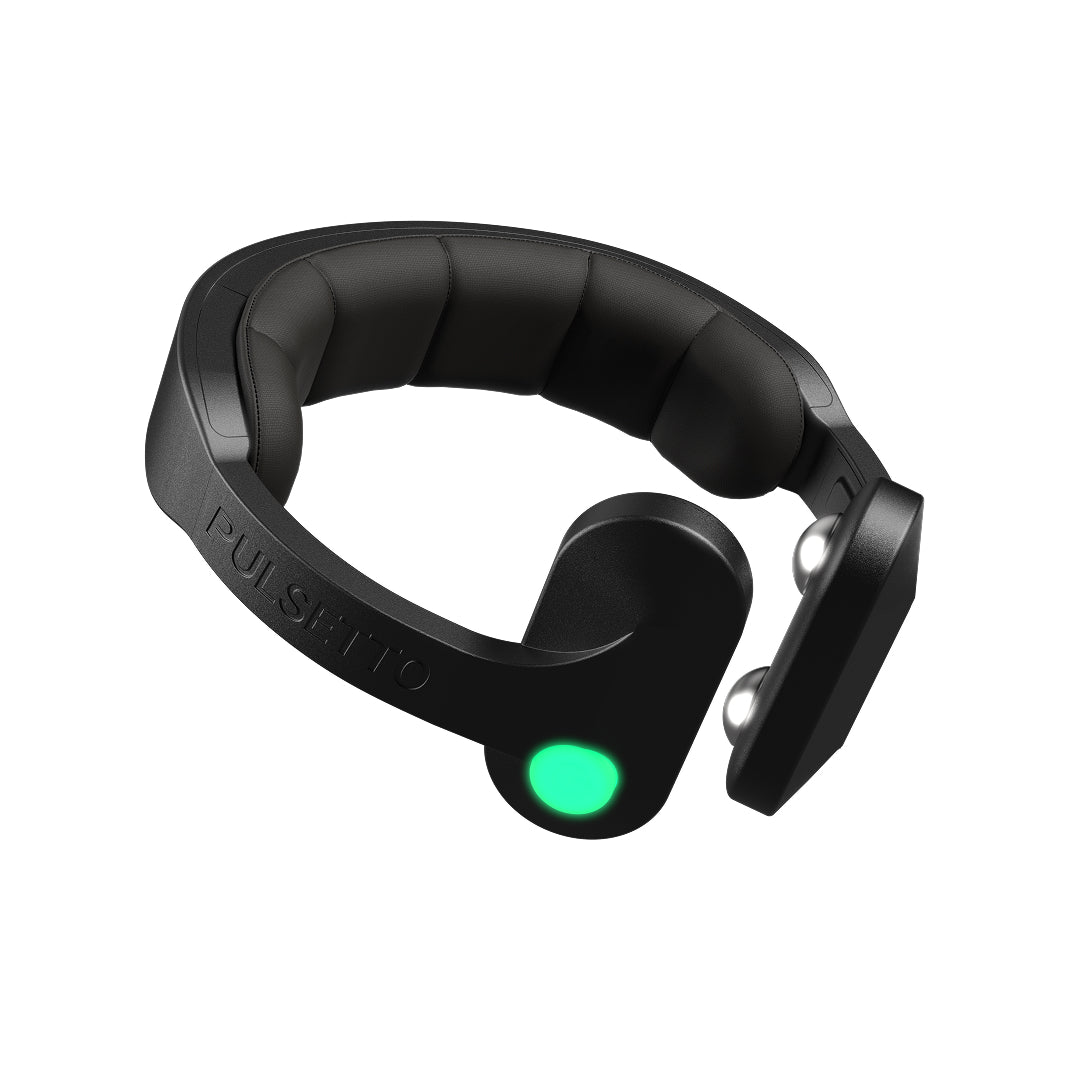
Pulsetto applies that mechanism through a bilateral cervical vagus nerve stimulation device, CE certified for general wellness use, delivering 4-minute hands-free sessions designed to support nervous system calming and stress reduction. In Pulsetto's own randomized open-label pilot study (n=40, 4 weeks), that approach produced a 41.0% improvement in PSQI sleep scores in the bilateral group. People searching for the best device for sleep to complement a supportive pillow will find cervical nVNS occupies a distinct tier from environmental tools because it targets the physiological state rather than the surroundings.
Disclaimer: Pulsetto is a general wellness product and is not intended to diagnose, treat, cure, or prevent any disease or medical condition. People with pacemakers, implantable cardiac devices, epilepsy, or who are pregnant should consult a physician before using any electrical stimulation device.
Ready to Build a Better Sleep Routine for Your Vagus Nerve?
A supportive pillow and an active vagus nerve stimulation routine are two complementary parts of the same approach to better sleep and nervous system recovery. The pillow handles alignment and decompression through the night. Pulsetto handles direct parasympathetic activation before sleep begins. Together, they create both the structural environment and the physiological state that vagal recovery during sleep depends on. In Pulsetto reviews, pairing the device with a supportive pillow and consistent wind-down routine is a recurring theme among users who report consistent improvements in sleep quality.
Want to learn more? The vagus nerve stimulation ultimate guide covers the full active side of this approach.
FAQs: Best Pillow for Vagus Nerve
These answers cover common questions about sleep position, pillow for vagus nerve choice, and best vagus nerve pillow selection for overnight nervous system support.
What is the best sleep position for the vagus nerve?
Side sleeping is generally the most favorable position for vagus nerve health as it supports spinal alignment, keeps the airway open, and reduces the cervical compression associated with stomach sleeping. Back sleeping with a cervical contour pillow is also a good option when the pillow keeps the natural curve of the neck supported. Stomach sleeping creates the most cervical strain and is generally the least favorable position for anyone prioritising vagal health through their sleep setup.
Can a pillow really affect the vagus nerve?
A pillow affects the vagus nerve indirectly through its impact on cervical alignment and muscle tension in the neck. The vagus nerve passes through the neck, and compression or misalignment in this region may create surrounding tissue tension that influences vagal signaling over time. While a pillow cannot directly stimulate the vagus nerve, maintaining consistent neutral alignment through the night reduces the structural factors that may impair vagal function. Pillow for vagus nerve compression matters most for people who already experience neck tension or who have noticed that poor sleep posture worsens their stress or mood the following day.
What calms the vagus nerve before sleep?
Slow breathing, a body scan, reduced screen light, a consistent bedtime, a cool room, and pre-sleep use of an acupressure or weighted eye pillow all support parasympathetic activation before sleep. Non-invasive vagus nerve stimulation devices can also be used as part of a pre-sleep routine for direct vagal activation. Those who want to review Pulsetto side effects before starting should do so alongside consultation with a healthcare professional. Contraindications for nVNS devices include pacemakers, implantable cardiac devices, epilepsy, and pregnancy.
Is memory foam or latex better for vagus nerve support?
Both memory foam and latex can support vagus nerve health through cervical alignment, and neither is universally superior. Latex offers better responsiveness and breathability, making it a stronger choice for people who run warm or who find memory foam too slow to adjust to position changes. Memory foam provides more contouring and even pressure distribution, which benefits people who find firm surfaces uncomfortable. The best choice depends on sleep position, temperature preference, and personal comfort rather than on any meaningful difference in vagal nerve outcomes.
Scientific Research
[1] Effectiveness of a "Spring Pillow" Versus Education in Chronic Nonspecific Neck Pain: A Randomized Controlled Trial (Vanti et al., Physical Therapy, 2019)
[2] The Effect of Ergonomic Latex Pillow on Head and Neck Posture and Muscle Endurance in Patients With Cervical Spondylosis: A Randomized Controlled Trial (Fazli et al., Journal of Chiropractic Medicine, 2020)
[3] Sleep and Thermoregulation (Harding et al., Current Opinion in Physiology, 2020)
[4] Non-Invasive Vagus Nerve Stimulation in Healthy Humans Reduces Sympathetic Nerve Activity (Clancy et al., Brain Stimulation, 2014)
[5] Effect of Transcutaneous Vagus Nerve Stimulation at Auricular Concha for Insomnia: A Randomized Clinical Trial(Jiao et al., Evidence-Based Complementary and Alternative Medicine, 2020)