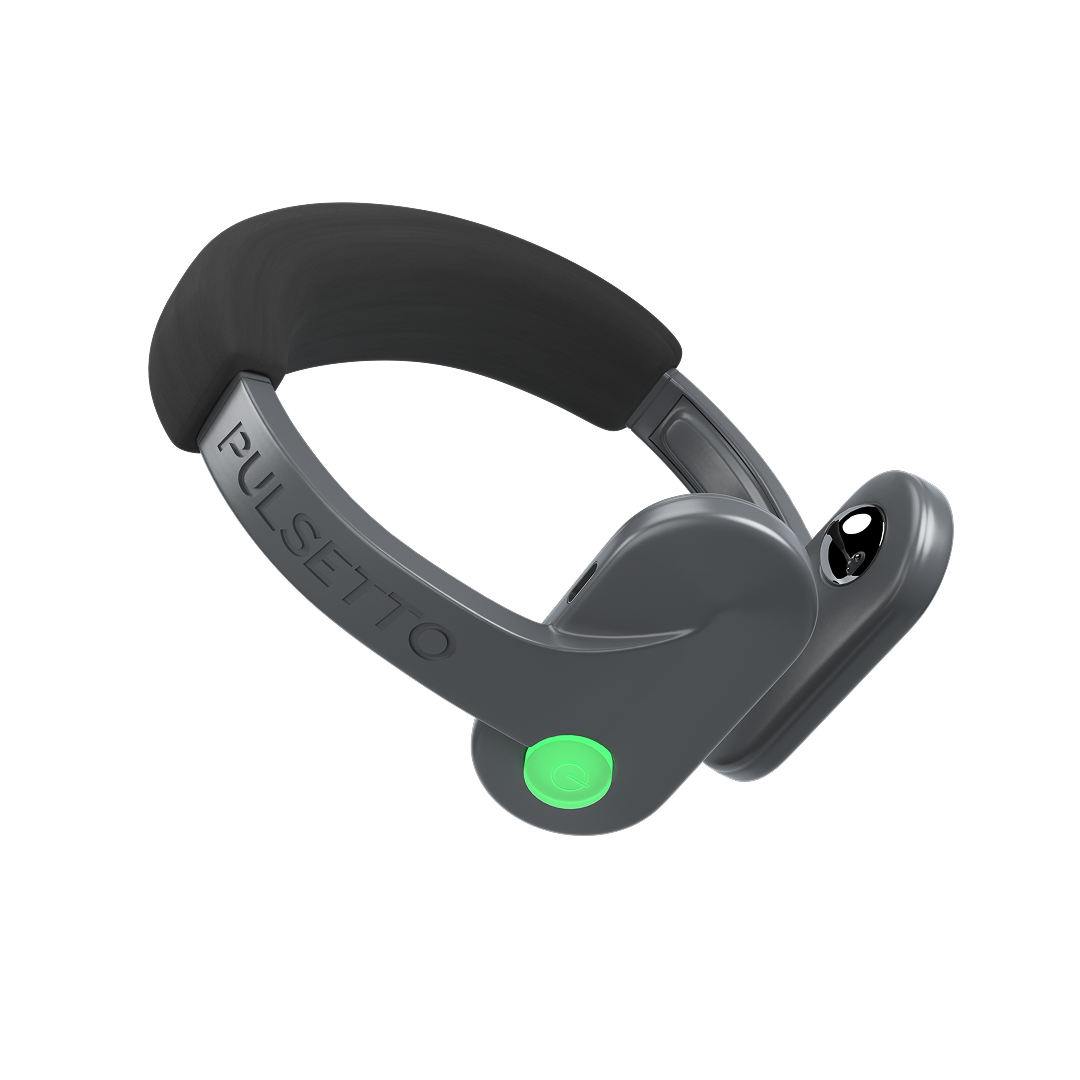
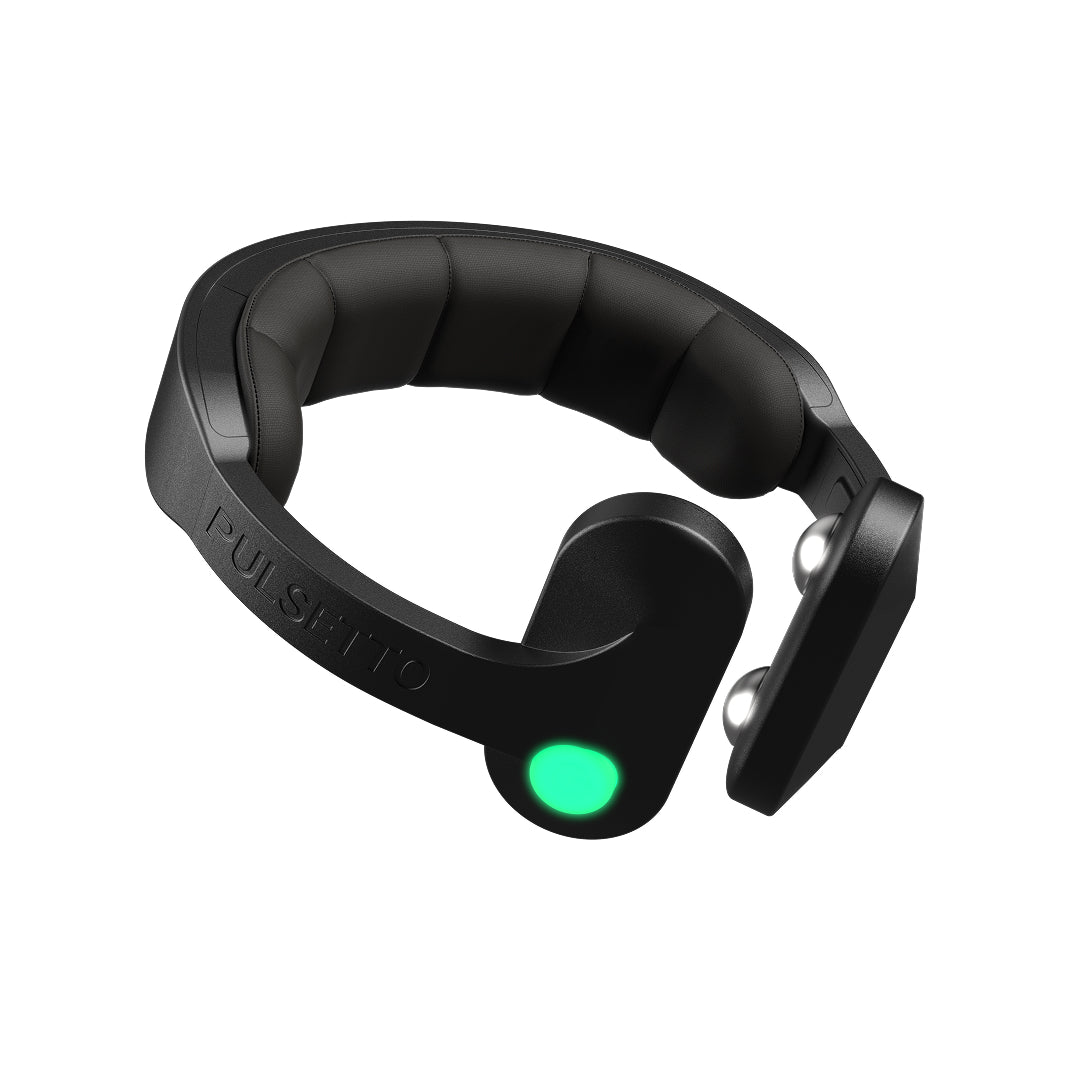
Bryan Johnson publicly named Pulsetto, Nurosym, and Sensate as vagus nerve stimulation devices he uses to fall back to sleep in a January 2025 X post.
His evening protocol combines 15-20 minutes of device use with breathing exercises and body relaxation to shift the nervous system into a calm state.
Vagal tone, the measure of how active the vagus nerve is, is closely linked to HRV (heart rate variability), a core biomarker in Johnson's Project Blueprint longevity tracking.
Replicating Johnson's approach does not require a multi-million dollar protocol. The core method is accessible, consistent, and device-supported.
Rated 4.5/5 by 20,137+ Customers
Pulsetto vagus nerve stimulator: feel calmer and sleep better in just 4 minutes a day
Experience immediate relaxation with the Pulsetto vagus nerve stimulator.
Sit back, close your eyes, and immerse yourself in the soothing Pulsetto experience, designed to gently promote a state of calmness and well-being.
Best Value Deal!
FREE WORLDWIDE SHIPPING
Select your device:
Pulsetto Lite vs Pulsetto FIT
Which one is right for you?
PULSETTO FIT
PULSETTO LITE
Dual-technology, hands-free stimulation
Yes
Yes
New wave-like stimulation (more engaging)
Yes
No
Battery life
Up to 12 days (20% longer)
Up to 10 days
Fits all necks for consistent stimulation
Yes
No
Stays secure no matter what you're doing
Yes
No
Great for sharing (adjusts to any neck size)
Yes
No
Free lifetime wireless updates
Yes
No
Premium all-black design with medical-grade materials
Best if you wear size S or smaller tops. Only with FIT
New stimulation that rises and falls, which feels more fun (coming July–Aug 2025). Only with FIT
20% longer battery life for fewer recharges. Only with FIT
Free lifetime Pulsetto App with 5 expert-designed programs for Stress, Anxiety, and More.
One 60g gel tube (can be used up to a month), USB-C charging cable, user guide included
Extra gift: Pulsetto Premium Free Trial. 3 extra stimulations, 11 unique guided meditations, 54 breathing exercises, 1200 positive affirmations, and more.
$296/$546
Bryan Johnson Vagus Nerve Stimulation Guide
What Is the Vagus Nerve and Why Does Bryan Johnson Target It
Bryan Johnson does not leave his wellness routine to chance. Every protocol in Project Blueprint is tracked, measured, and adjusted based on data, and his approach to vagus nerve stimulation is no different.
The vagus nerve is the longest cranial nerve in the body. It runs from the brainstem through the neck and into the chest and abdomen, connecting the brain to the heart, lungs, and digestive system. Understanding vagus nerve anatomy helps explain why it plays such a central role in how the body manages stress.
The vagus nerve is a key part of the parasympathetic nervous system, which is the body's rest-and-digest mode. When this system is active, heart rate slows, breathing deepens, and the body moves out of the fight-or-flight state that chronic stress creates.
Vagal tone, which refers to how active and responsive the vagus nerve is, is directly connected to HRV (heart rate variability). HRV measures the variation in time between heartbeats. Higher vagal tone generally corresponds to higher HRV, and higher HRV is associated with better stress resilience and recovery.
For Bryan Johnson, HRV is not just a wellness metric. It is a measurable proxy for biological aging. When HRV trends upward over time, it suggests the autonomic nervous system (the system that controls automatic body functions like heart rate and digestion) is becoming more balanced and responsive.
This is why vagus nerve and stress management sits at the center of his longevity approach. Targeting the vagus nerve is one of the few interventions that may directly improve a measurable biomarker of biological age.
What Does Bryan Johnson Use to Stimulate the Vagus Nerve
Bryan Johnson uses wearable vagus nerve stimulation devices as part of a structured evening protocol designed to calm the nervous system and support sleep. In a January 2025 post on X, he named three devices he uses for this purpose: Pulsetto, Nurosym, and Sensate. He described using one of these devices to help fall back to sleep when waking during the night.
Bryan Johnson's Exact Evening VNS Protocol
His method is specific enough to replicate. The protocol involves using a vagus nerve stimulation device for 15-20 minutes while simultaneously practicing body relaxation techniques and breathing exercises. The goal is to shift the nervous system out of a sympathetic (activated, alert) state and into a parasympathetic (calm, recovery) state, which may support both sleep onset and sleep maintenance.
Each of the three devices Johnson mentioned works differently in terms of form factor, but all three use non-invasive vagus nerve stimulation to activate the nerve without any surgical procedure or prescription requirement.
Pulsetto is a transcutaneous vagus nerve stimulator worn on the neck. It sends gentle electrical pulses to the vagus nerve through the skin at the side of the neck, where the nerve runs close to the surface. The device connects to a smartphone app, allowing users to select sessions by goal, such as stress reduction or sleep support. It requires no gel preparation and is designed for daily use at home.
This positions Pulsetto as a practical, at-home vagus nerve stimulator that fits naturally into the kind of evening wind-down routine Johnson describes.
The breathing component of Johnson's protocol is not incidental. Slow, diaphragmatic breathing with a longer exhale than inhale independently activates the vagus nerve by stimulating stretch receptors in the diaphragm and lungs. Combining this with device-based stimulation may create a stronger signal to the nervous system than either approach alone.
For anyone researching vagus nerve stimulation for stress reduction, Johnson's protocol offers a clear structure. Place the device on the neck, run a 15-20 minute session, breathe slowly and deeply, and allow the body to progressively relax. This is a repeatable routine, not a complicated biohacking experiment.
How Bryan Johnson Uses Vagus Nerve Stimulation to Increase HRV
Bryan Johnson tracks HRV as one of Project Blueprint's most important biomarkers, viewing consistent HRV improvement as a signal that his biological age is declining rather than advancing. His approach to vagus nerve stimulation is partly motivated by its potential to support HRV over time through regular, measurable practice rather than one-off interventions.
HRV (heart rate variability) measures the variation in time between consecutive heartbeats. A higher HRV generally suggests that the autonomic nervous system is flexible and responsive, able to shift between states of activity and recovery as needed. Lower HRV is often associated with chronic stress, poor sleep, and a nervous system that is stuck in a state of low-grade activation.
Bryan Johnson has consistently tracked HRV as a core Project Blueprint biomarker, treating improvements in HRV as evidence of progress toward biological age reversal. His overall protocol, which includes diet, sleep optimization, exercise, and nervous system regulation, is designed to push every measurable biomarker in a favorable direction.
Vagus nerve stimulation is thought to increase vagal tone over time. Since vagal tone and HRV are closely linked, regular stimulation may support gradual HRV improvement, though individual results vary considerably and are influenced by sleep quality, stress levels, and overall lifestyle.
It is worth noting that Johnson's approach is built on consistency, not single-session effects. Tracking HRV with a wearable over 4-8 weeks provides a much clearer picture of whether a practice is producing results than any individual reading. This is why the data-driven framing of Project Blueprint matters. The goal is not a one-night improvement but a measurable trend.
Readers interested in how vagus nerve stimulation connects to Johnson's broader supplementation and lifestyle approach can find additional context in the bryan johnson supplement stack breakdown, which covers how different interventions are layered together for cumulative effect.
The relationship between the vagus nerve and broader systemic vagus nerve health outcomes is well-supported in principle, even if the precise magnitude of effect from device-based stimulation varies by person and protocol.
Natural Methods Bryan Johnson Combines with Device Stimulation
Device-based vagus nerve stimulation is one layer of Johnson's approach, not the whole picture. His protocol incorporates several natural methods that independently activate the vagus nerve and that work alongside device use to create a more comprehensive parasympathetic response.
Breathing exercises are the most direct natural complement. Diaphragmatic breathing, where the breath moves through the belly rather than the chest, stimulates the vagus nerve through the lungs and diaphragm. Extending the exhale to be longer than the inhale, for example inhaling for four counts and exhaling for six, is thought to be particularly effective at triggering a calming response.
Johnson's evening wind-down also includes body relaxation practices and meditation, which reduce cortisol (the stress hormone) and help the nervous system downregulate before sleep. These are not add-ons. They are core to the layered approach that makes his protocol more than just wearing a device.
Other natural methods associated with supporting vagal tone include yoga, which combines slow movement, breathing, and attention in ways that may encourage parasympathetic activation. Cold exposure, such as cold water face splashing or brief cold showers, is another method sometimes included in vagus nerve protocols, as the cold-shock response may briefly stimulate the vagus nerve.
These natural approaches complement device use rather than replacing it. The combination of targeted electrical stimulation and breath-based activation may produce a stronger cumulative effect on the nervous system than either method alone, though this has not been established in large-scale clinical trials.
A full overview of practical techniques can be found in the how to stimulate the vagus nerve guide, which covers the range of options from device-based to manual methods. For hands-on approaches specifically, how to stimulate vagus nerve through massage and physical techniques is also worth exploring.
Is Vagus Nerve Stimulation Safe
Non-invasive transcutaneous vagus nerve stimulation, the type used by wearable devices like Pulsetto, is considered generally safe for healthy adults when used as directed. Because the stimulation is applied to the skin's surface rather than implanted, it does not carry the risks associated with surgical vagus nerve stimulators.
The most commonly reported side effects are mild. Users sometimes experience a light tingling sensation at the electrode contact point on the neck, or minor skin irritation that resolves after the session ends. These effects are typically temporary and not a cause for concern in otherwise healthy individuals.
However, certain groups should seek medical advice before using any electrical stimulation device. People with pacemakers, a history of epilepsy, or those who are pregnant should consult a healthcare provider before starting a vagus nerve stimulation routine. The electrical pulses, even at low intensity, may interact with implanted devices or underlying conditions in ways that have not been fully characterized.
For a broader overview of what to expect, the vagus nerve stimulation benefits page covers both the potential upside and the practical considerations of regular device use.
Pulsetto is a wellness device and is not intended to diagnose, treat, or cure any medical condition. Anyone with a pre-existing health condition should always consult a qualified healthcare provider before adding any new device or practice to their routine.
How to Start Your Own Vagus Nerve Stimulation Routine
Replicating the core of Bryan Johnson's vagus nerve protocol is more straightforward than most people expect. The fundamentals are accessible, consistent, and do not require an expensive laboratory or a full Blueprint stack.
Start with the evening timing. Johnson's protocol places vagus nerve stimulation in the wind-down period before sleep or during nighttime wake-ups. Running a 15-20 minute session in the hour before bed, rather than during peak activity hours, aligns with the body's natural shift toward parasympathetic dominance at night.
Pair the device with slow breathing. Inhale for four counts, exhale for six. This ratio, with the exhale longer than the inhale, is one of the most reliable ways to activate the vagus nerve through breath alone. Combined with device stimulation, it reinforces the parasympathetic signal from two directions simultaneously.
Track HRV from day one. Most modern fitness wearables and smartwatches provide overnight HRV readings. Recording a baseline before starting and reviewing trends over 4-8 weeks gives a data-driven way to assess whether the routine is producing measurable results. Some people find meaningful shifts within two to four weeks of consistent practice.
Add free methods in the morning. Humming, gargling with water, or splashing cold water on the face are all simple, device-free practices that may support vagal tone and cost nothing. These work well as a morning complement to an evening device session.
For a deeper look at how this fits into a broader longevity lifestyle, the bryan johnson daily routine breakdown shows how vagus nerve stimulation sits within his full daily structure.
If stress or anxiety is the primary motivation for starting a routine, the dedicated guide on vagus nerve stimulation for anxiety provides additional context on how the approach may help.
Start With the Same Device Bryan Johnson Named
Bryan Johnson mentioned Pulsetto by name in his January 2025 X post, alongside Nurosym and Sensate, as one of the devices he uses for vagus nerve stimulation during sleep recovery. That public mention makes Pulsetto one of the most directly validated options for anyone wanting to follow a similar approach.
Pulsetto is designed for exactly the kind of routine Johnson describes. A 15-20 minute session, placed on the neck, paired with slow breathing, and tracked over time. It does not require a prescription, a clinical setting, or a complex setup.
For anyone ready to move from researching to doing, Pulsetto offers one of the most accessible entry points into the protocol Bryan Johnson has made public. Explore how Pulsetto works and whether it fits your evening routine.
Frequently Asked Questions 💬
What does Bryan Johnson use to stimulate the vagus nerve?
In a January 2025 post on X, Bryan Johnson named three vagus nerve stimulation devices he uses to help fall back to sleep: Pulsetto, Nurosym, and Sensate. His method involves using one of these devices for 15-20 minutes while combining slow breathing exercises and progressive body relaxation. The goal is to shift the nervous system from an activated state to a calm, parasympathetic state that supports sleep.
What is the fastest way to calm the vagus nerve?
Slow diaphragmatic breathing with an extended exhale is one of the fastest natural methods for activating the vagus nerve. Focusing on a longer exhale than inhale, for example a four-count inhale followed by a six-count exhale, signals the nervous system to downregulate. Transcutaneous vagus nerve stimulation devices may support this process by delivering targeted electrical pulses to the nerve. Some users report noticing a calming sensation within the first few minutes of a session, though individual responses vary.
What are the symptoms of a blocked vagus nerve?
The vagus nerve does not "block" in a literal sense, but low vagal tone (meaning reduced vagus nerve activity) is sometimes associated with a cluster of symptoms including difficulty managing stress, disrupted digestion, trouble falling or staying asleep, chronically low HRV, and a persistent sense of feeling wired or unable to fully relax. These are not diagnostic criteria. Anyone experiencing persistent symptoms of this kind should consult a qualified healthcare provider rather than self-diagnosing based on vagus nerve function.
How did Bryan Johnson increase his HRV?
Bryan Johnson attributes his HRV improvements to the full Project Blueprint protocol, which includes highly consistent sleep timing, a structured diet, daily exercise, and nervous system regulation practices including vagus nerve stimulation. There is no single intervention responsible for his results. Vagus nerve stimulation is thought to support HRV improvement over time by increasing vagal tone, but it works best as part of a consistent, multi-method approach. Individual results vary depending on baseline health, sleep quality, and overall lifestyle.
What’s New in Pulsetto FIT X
FIT X is the current generation of the Pulsetto platform, and the changes are mostly about removing the variables the earlier device left to the user. Intensity adapts while the session runs instead of being set once at the start. Intelligent contact sensing checks electrode contact rather than leaving it to guesswork. The electrodes are angled to form an X across the neck, creating a crossed field that reaches both vagus nerve pathways instead of one side at a time. Vibro-tactile feedback confirms the device is responding, and offline mode plus improved battery life remove the two most common reasons people skip a session.
Adaptive stimulation that adjusts to you while the session runs
Intelligent contact sensing, so quality does not depend on manual tuning
X-shape electrode design creating a crossed field across both vagus nerve pathways
Advanced stimulation profiles for different goals and situations
Vibro-tactile feedback, offline mode and improved battery life
Deeper app integration, with progress tracked over time
What does the X mean? Two things. First, geometry: the electrodes are angled so they form an X across the neck. Second, multiplication. FIT X is not a cosmetic refresh of Pulsetto FIT but the next generation of the same platform. Pulsetto FIT and Lite remain available as lower-cost entry points.
Is Pulsetto FIT X different from Pulsetto FIT?
Yes. FIT X is the next generation of the same platform rather than a redesign. It adds adaptive stimulation that adjusts to you during the session, intelligent contact sensing, X-shape electrodes that target both vagus nerve pathways, advanced stimulation profiles, vibro-tactile feedback, improved battery life and a more stable Bluetooth connection.
Train your nervous system. Build your stress resilience.Meet Pulsetto FIT X.