Recognize the Early Warning Signs of a Migraine
Migraines often begin hours or even days before head pain starts. Recognizing these early signals gives you the time needed to stop migraine before it starts or at least reduce its impact. Common early signs include nausea and sensitivity to light, and catching them early is the first practical step toward prevention.
Prodrome: The Days Before
The prodrome phase can begin one to three days before a migraine. Common symptoms include fatigue, mood changes, food cravings, neck stiffness, yawning, and light sensitivity. A 2022 systematic review published in the Journal of Headache and Pain found that prodromal symptoms are reported by a substantial portion of people with migraine, with fatigue, mood changes, and food cravings among the most frequently identified (Eigenbrodt et al., Journal of Headache and Pain, 2022). Tracking these patterns over several weeks is the most reliable way to identify your individual prodrome signature.
Aura: The Hour Before
Aura occurs in up to one in three migraine sufferers. Common signs include visual disturbances such as flickering lights or blind spots, tingling in the face or hands, and temporary speech changes. Migraine auras can include vision disturbances lasting up to an hour. Acting during the aura phase, even before head pain has begun, may still reduce overall attack severity.
Know Your Triggers So You Can Stop Migraines From Happening
Trigger awareness is one of the most practical tools for anyone trying to stop migraines from happening before they develop into full attacks. Common triggers include strong smells, bright lights, loud noises, stress, and certain foods. The connection between the vagus nerve and stress is particularly relevant here, since chronic activation of the stress response is one of the most consistent migraine trigger pathways and nervous system regulation is central to any prevention plan. Keeping a headache diary to identify personal patterns is the starting point for how to prevent migraine before it starts.
Food and Drink Triggers
Alcohol (especially red wine), caffeine changes, skipped meals, and blood sugar fluctuations are among the most frequently reported food-related triggers. A 2021 review published in Neuropsychiatric Disease and Treatment identified fasting, hypoglycemia, dehydration, and alcohol as metabolic factors linked to reduced brain energy levels in migraine patients (Gazerani, 2021). Consistent meals stabilize blood sugar and help avoid fluctuation-driven attacks. Moderate caffeine taken at the very first warning sign may offer early relief, but caffeine overuse or sudden withdrawal can itself trigger attacks.
Sleep and Stress Triggers
Inconsistent sleep is one of the most commonly overlooked migraine triggers. A 2022 study published in Frontiers in Neurology found that poor sleep quality was significantly associated with higher migraine burden, frequency, and pain severity (Duan et al., 2022). Aiming for at least eight hours of sleep per night at consistent times stabilizes the body's internal clock and reduces vulnerability. Because stress-triggered migraines and anxiety share the same autonomic root, learning how to reduce anxiety transfers directly to migraine prevention as well.
Environmental and Screen Triggers
Bright lights, strong smells, loud noises, and extended screen time can all initiate or accelerate a migraine. Limiting screen exposure reduces eye strain and helps prevent migraines in screen-sensitive individuals. The 20/20/20 rule addresses this directly: every 20 minutes, look at something 20 feet away for at least 20 seconds to reduce the eye strain that contributes to screen-related migraine onset.
How to Stop a Migraine When You Feel It Coming On
The moment the first warning sign appears is the most critical window for action. Acting on the best migraine relief principles at this early stage works significantly better than waiting for pain to peak. A practical first-response sequence: move to a quiet dark room, drink a full glass of water, apply a cold or warm compress, reduce screen exposure, and begin slow breathing with extended exhalations. How to stop a migraine from coming on is largely about speed, so starting this sequence at the first sign rather than the first wave of pain is the key variable.
Hydrate Immediately
Dehydration is a direct migraine trigger for many people. Drinking a full glass of water at the first warning sign addresses this factor immediately. This step carries no downside and takes under a minute, making it the most frictionless first action available.
Apply Cold or Heat Therapy
Cold packs on the forehead, temples, or back of the neck can reduce inflammation and blunt the initial pain response during an early attack. Applying cold or heat therapy can help minimize migraine pain before it escalates. Heat is the better option when neck muscle tension is the primary driver rather than vascular pain.
The Hand Trick for Migraines
The hand trick for migraines refers to applying firm, steady pressure to the LI-4 acupressure point, the web of skin between the thumb and index finger. Some people find this may help ease early headache pain by influencing pain-modulating nerve pathways. Evidence is largely anecdotal, and it works best as a complementary step alongside hydration and environmental reduction rather than as a primary intervention.
Drug-Free Neuromodulation: Stop a Migraine Before It Starts With Technology
Portable neuromodulation devices represent a drug-free category designed to influence the nervous system's response during early migraine phases. The most clinically established example is gammaCore, a device FDA-cleared specifically for migraine prevention that works by stimulating the vagus nerve non-invasively through the skin of the neck. That clinical precedent demonstrates a key principle: targeting the vagus nerve during early migraine phases can reduce attack frequency and severity without medication.
The mechanism behind vagus nerve stimulation for migraine headaches is documented in peer-reviewed research. A study by Clancy et al. (2014, Brain Stimulation) established that non-invasive vagus nerve stimulation significantly increases HRV and reduces sympathetic nerve activity in healthy adults, producing the autonomic shift that early migraine intervention aims to create before an attack takes hold.

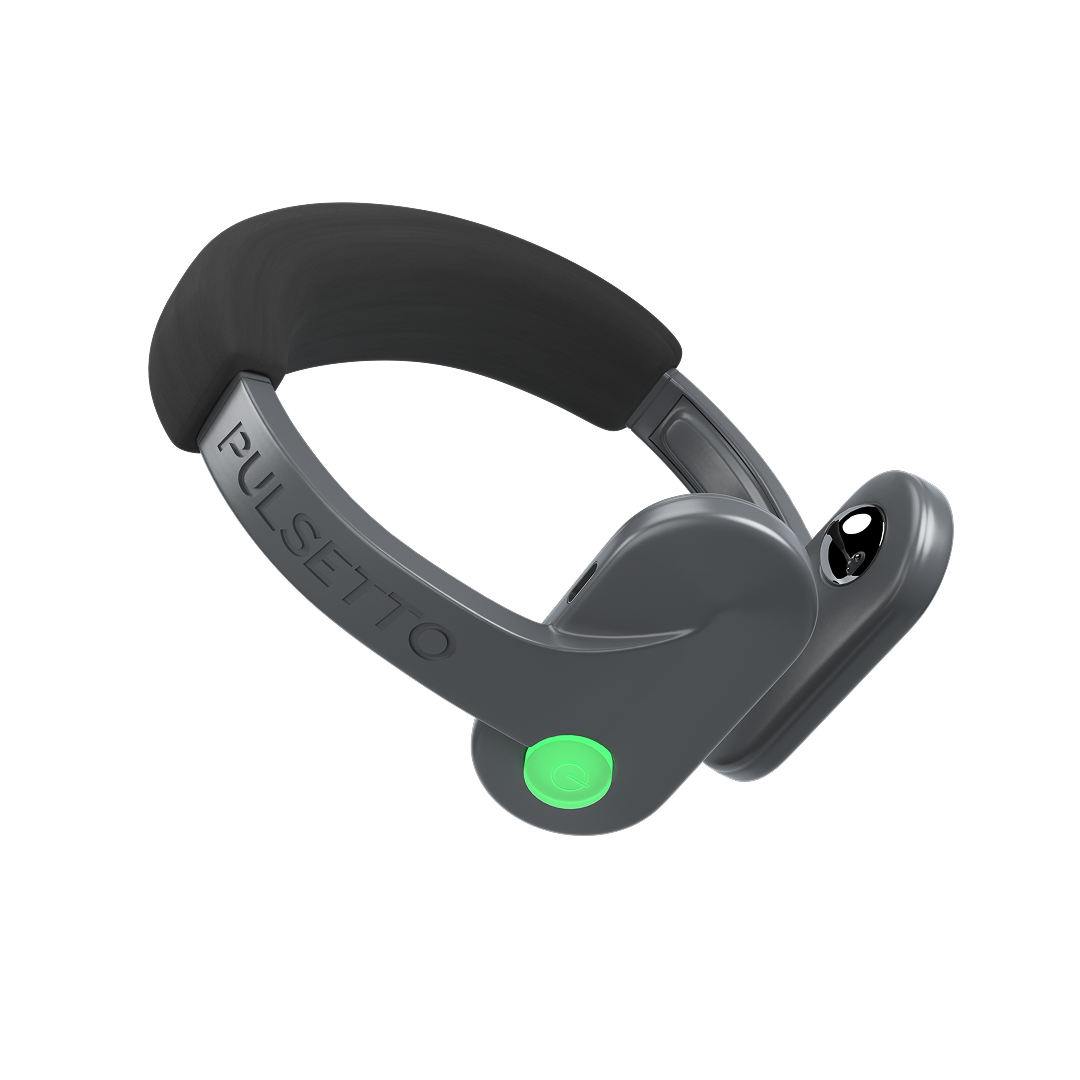
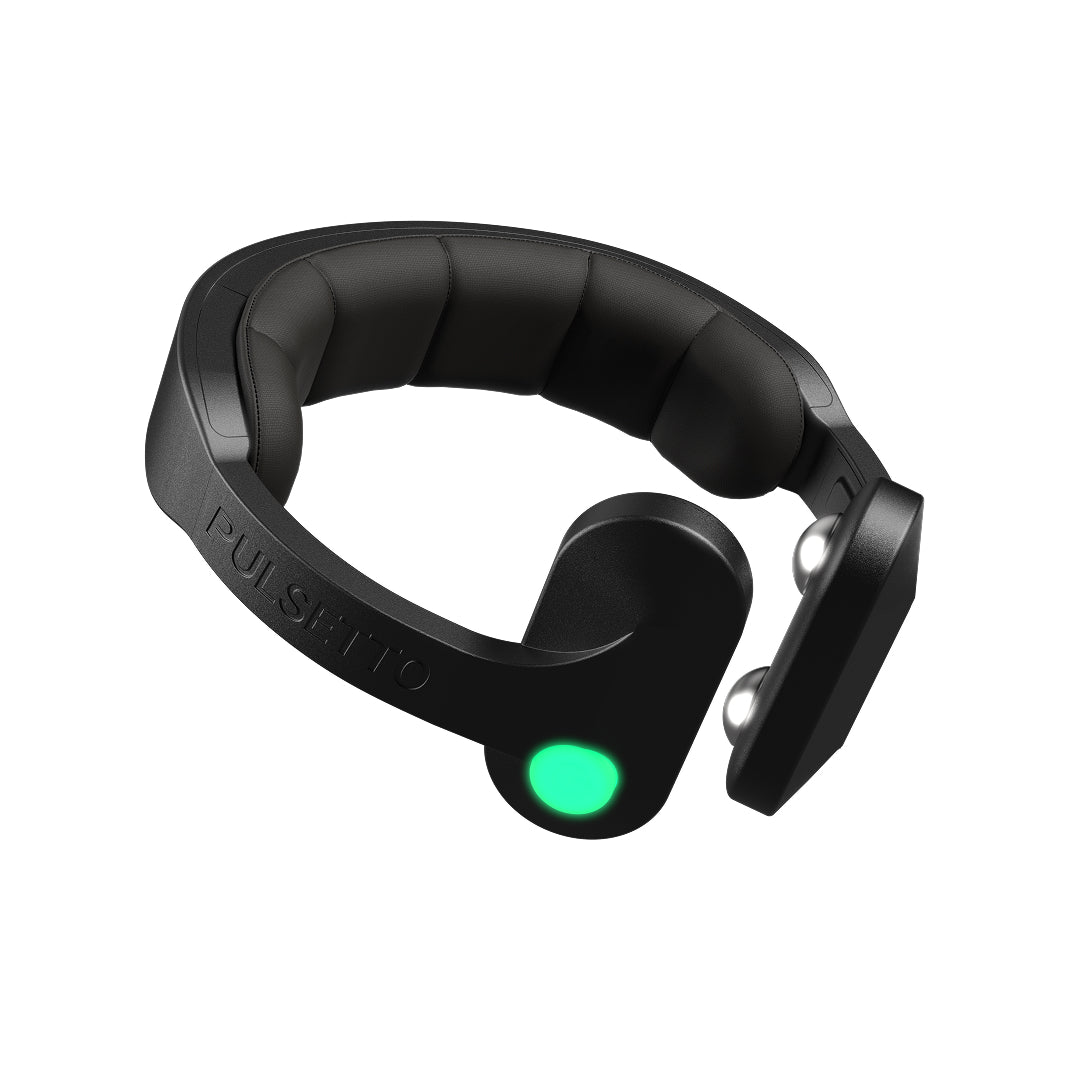
Pulsetto applies that same mechanism as a consumer-accessible bilateral cervical vagus nerve stimulation device, CE certified for general wellness use, delivering 4-minute hands-free sessions designed to support nervous system calming and relaxation. In Pulsetto's own randomized open-label pilot study (n=40), the bilateral stimulation approach produced positive outcomes in stress and sleep, two of the most significant migraine trigger categories. Those comparing Pulsetto vs GammaCore will find meaningful differences in clinical certification, evidence base, and intended use context.
Disclaimer: Pulsetto is a general wellness product and is not intended to diagnose, treat, cure, or prevent any disease or medical condition. People with pacemakers, implantable cardiac devices, epilepsy, or who are pregnant should consult a physician before using any electrical stimulation device.
Lifestyle Habits That Help Prevent Migraines Long-Term
Daily routines are the foundation that makes all short-term interventions more effective. Knowing how to prevent migraine before it starts consistently means building these habits alongside medical strategies rather than relying on reactive measures alone. Those also wanting to know how to prevent headaches through a biohacking lens will find the same trigger categories addressed here from a different, evidence-informed angle.
Sleep Consistency
Maintaining a consistent sleep schedule is one of the highest-leverage habits a migraine sufferer can build. Inconsistent sleep is one of the most frequently overlooked triggers, and the nervous system restoration that occurs during deep sleep reduces vulnerability across multiple trigger categories. Learning how to increase deep sleep directly reduces exposure to one of the most common migraine trigger states, since deep sleep is when the nervous system performs its most significant restoration. Aiming for at least eight hours per night at steady wake times is the baseline.
Exercise and Stress Management
Regular low-intensity exercise helps reduce migraine frequency by lowering baseline stress hormones and improving autonomic tone. A randomized controlled trial by Varkey et al. (Cephalalgia, 2011) found that aerobic exercise three times per week produced a comparable reduction in migraine attack frequency to both relaxation therapy and the preventive medication topiramate. Low-impact options like walking, yoga, and swimming minimize the risk of exercise-triggered attacks. Exploring how to calm your nervous system complements physical activity by reducing the autonomic arousal that connects stress to migraine onset between sessions.
What Are the 5 C's of Migraines?
The 5 C's of migraines is a framework sometimes used by headache specialists as a practical prevention teaching tool. The five areas are: Consistency (maintaining regular sleep, meal, and activity schedules), Caffeine (using it in moderation and avoiding sudden changes), Calories (eating regular meals to prevent blood sugar drops), Cool-down (managing stress through relaxation and nervous system regulation techniques), and Catch it early (recognizing prodrome and aura signs and acting on them immediately). This is a clinical teaching framework rather than a universally published guideline, but it covers the core prevention categories reliably.
Medical Prevention Options Worth Discussing With Your Doctor
Preventive treatments range from lifestyle changes to prescription medications. Preventive medications can reduce migraine frequency and severity, and knowing how to stop a migraine from coming on repeatedly often requires a medical component alongside behavioral strategies. Beta-blockers are FDA-approved medications used for migraine prevention. CGRP inhibitors are a newer class designed to block the protein involved in migraine signaling. Consulting a healthcare provider to develop a personalized migraine management plan gives you the strongest possible combination of prevention tools.
Ready to Build a Migraine Prevention Routine?
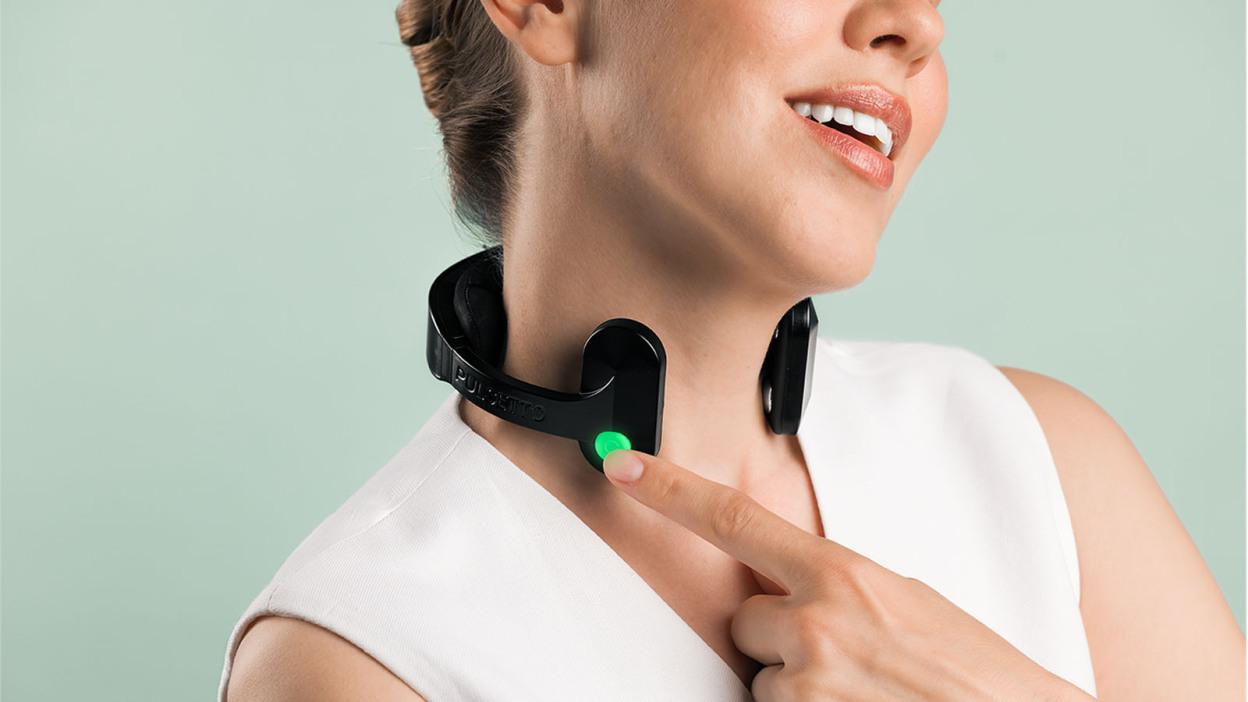
Building a consistent migraine prevention routine means combining trigger management, sleep consistency, stress regulation, and early intervention into daily habits. For people who want to add a drug-free nervous system calming layer to that routine, Pulsetto may support the autonomic regulation component as a complement to lifestyle habits and any medical guidance you are already following. This is one approach to how to stop a migraine before it starts at the physiological level rather than purely through behavioral management.
For those who want to start with real-world experience, Pulsetto reviews show how others have incorporated it into their prevention approach. Those who want to understand the mechanism and evidence before starting will find both on the Pulsetto migraine page.
FAQs: How to Stop a Migraine Before It Starts
These answers cover common questions about stopping migraines early, recognizing warning signs, and using drug-free strategies. Whether you are asking can you stop a migraine before it starts or looking for specific tools and techniques, the answers below address the most frequently searched scenarios on how to stop a migraine before it starts.
Can you really stop a migraine before it starts?
For many people, yes. Acting during the prodrome or aura phase can reduce severity or prevent a full attack, though results vary by individual and migraine type. Can you stop a migraine before it starts every time? Not always, but treating symptoms immediately at the first sign and building a consistent prevention routine significantly improves outcomes over time.
What are the first signs a migraine is coming?
Prodrome signs can appear one to three days before head pain and include fatigue, mood changes, food cravings, neck stiffness, and excessive yawning. Aura signs typically arrive within an hour of pain onset and include visual disturbances and tingling. Recognizing these early signs and acting on them immediately is the foundation of migraine prevention.
What helps stop a migraine fast at home?
Hydration, cold therapy on the forehead or neck, moving to a dark quiet room, slow breathing with extended exhalations, and acupressure at the LI-4 pressure point are all practical first steps. Knowing how to stop a migraine from happening often comes down to combining several of these steps quickly rather than relying on any one remedy alone.
Is vagus nerve stimulation safe for migraine prevention?
Non-invasive vagus nerve stimulation is a drug-free neuromodulation approach used for migraine support. Pulsetto is CE certified for general wellness use. Contraindications include pacemakers, implantable cardiac devices, epilepsy, and pregnancy. Anyone with these conditions should consult a physician before using any electrical stimulation device. The full range of vagus nerve stimulation benefits extends beyond migraine to include improvements in anxiety, heart rate variability, and autonomic recovery. Frequent migraines should always be discussed with a healthcare professional.
When should I see a doctor about my migraines?
Seek immediate medical attention for a sudden severe headache unlike anything you have experienced before, headache following a head injury, neurological symptoms such as weakness or speech difficulty, vision changes, fever with stiff neck, or headaches that are rapidly worsening or changing in character. Consult a healthcare provider to develop a personalized migraine management plan if attacks are frequent, disabling, or not responding to current strategies.
Scientific Research
[1] Non-invasive vagus nerve stimulation in healthy humans reduces sympathetic nerve activity (Clancy et al., 2014, Brain Stimulation, 459 citations)
[2] Premonitory symptoms in migraine: a systematic review and meta-analysis of observational studies reporting prevalence or relative frequency (Eigenbrodt et al., 2022, Journal of Headache and Pain)
[3] Association between sleep quality, migraine and migraine burden (Duan et al., 2022, Frontiers in Neurology)
[4] A Bidirectional View of Migraine and Diet Relationship (Gazerani, 2021, Neuropsychiatric Disease and Treatment)
[5] Exercise as migraine prophylaxis: A randomized study using relaxation and topiramate as controls (Varkey et al., 2011, Cephalalgia)