Key Takeaways
-
Anxiety neck pain is common. Stress can keep the neck and shoulder muscles contracted for longer than they should be.
-
Anxiety causing neck pain is not just a posture problem. It is also a nervous system problem.
-
Short-term tools like stretching and massage help. However, long-term relief usually needs breathing, exercise, and better recovery habits.
-
Progressive muscle relaxation works well when the body feels “stuck on.”
-
Nervous system regulation matters because tight muscles often reflect a body that still thinks danger is nearby.
Best Ways to Reduce Stress-Related Neck & Shoulder Tension

The best relief usually comes from a mix of physical release and nervous system support. One without the other can help, but usually not for long. That is why this list moves between muscles and stress response instead of pretending they are separate things.
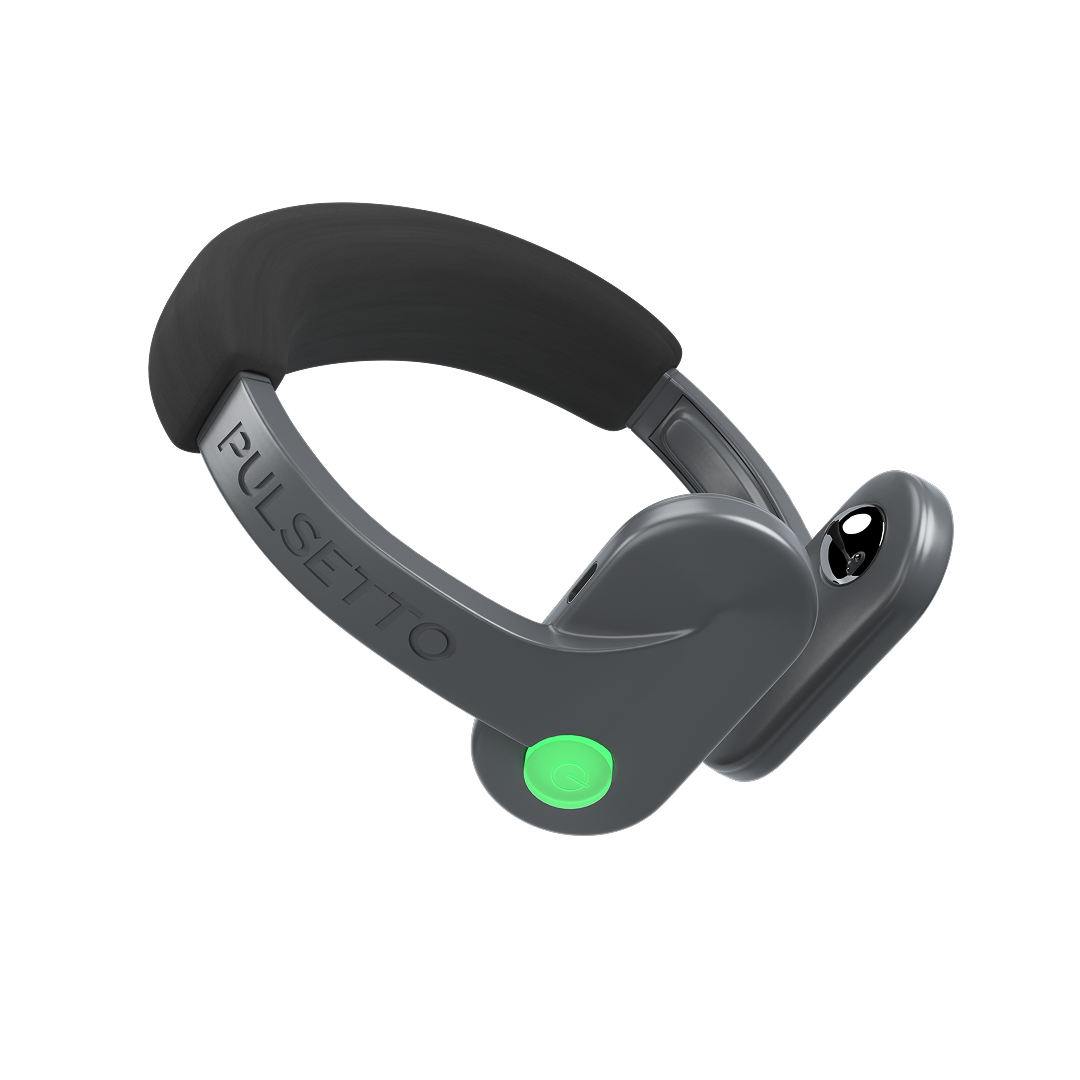
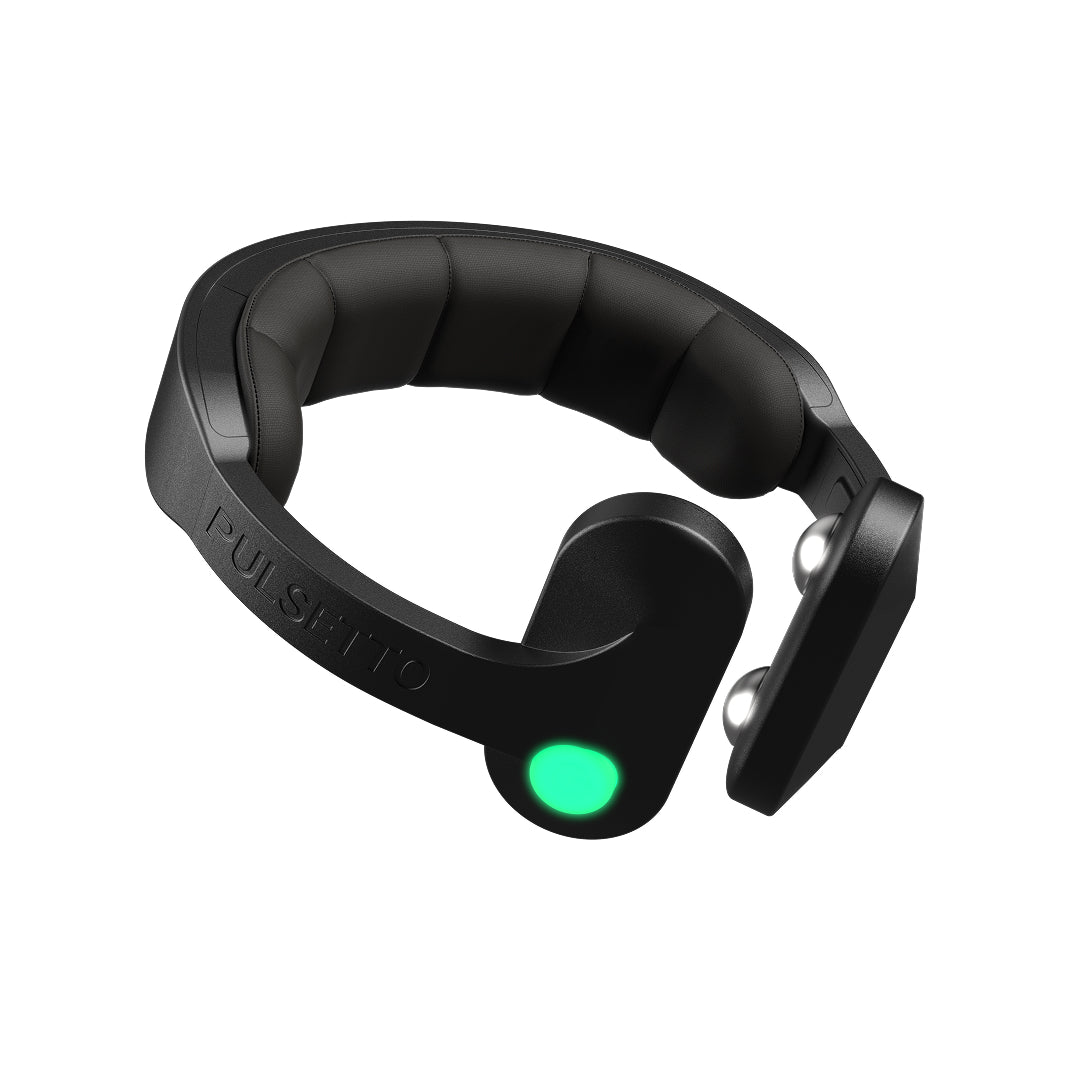
1. Use Pulsetto (Target the Root Cause)

When people look for a vagus nerve stimulator for anxiety, they are usually trying to solve a deeper problem than tight muscles. They are trying to stop the body from clenching in the first place. That makes sense. If stress is driving the tension, calming the nervous system can make the muscles let go more naturally.
Vagus nerve stimulation is meant to support parasympathetic activity, the side of the nervous system linked to rest and recovery. Non-invasive VNS is still an evolving field, but there is growing research around stress regulation, autonomic balance, and even chronic pain-related use cases. We see Pulsetto as a support tool for that bigger routine, not a replacement for movement or stretching. If you want to explore the category first, here is our guide to the best vagus nerve stimulator for anxiety. And if you want the product itself, this is the Pulsetto device.
2. Gentle Neck Stretches
A stiff neck anxiety combo usually responds well to simple, slow stretches. I would keep it basic: side bends, chin tucks, and turning the head gently left and right. Nothing aggressive. Nothing that feels like punishment.
The best time to do these is when you first notice yourself creeping upward into your shoulders. That is often earlier than people think. A few calm reps can stop anxiety and stiff neck from building into a full day of tension. Stretching is not everything, but it does help create a break in the pattern.
3. Shoulder Release Exercises
When neck tightness anxiety shows up, the trapezius muscles usually join the party. That means shoulder rolls, scapular squeezes, and gentle upper trap stretches are worth doing, especially if you work at a desk.
I usually think of this as giving the shoulders a reason to stop guarding. Move them through range. Lift them up, let them drop, repeat. It sounds almost too simple. Still works. Research on exercise therapy and stretching for neck pain supports this kind of gradual movement-based relief.
4. Child’s Pose

If anxiety neck tension feels like your whole upper body is braced, Child’s Pose can help because it does two things at once. It gently opens the back and shoulders, and it naturally slows you down.
Stay there for a few breaths. Let the jaw unclench. Let the shoulders fall away from the ears. It is not a miracle pose. It is just one of the easiest ways to pair physical release with a calmer breathing rhythm. That combination matters.
5. Cat-Cow Pose
For anxiety and neck pain, Cat-Cow is useful because it brings movement and breathing back together. That matters more than people think. When stress rises, mobility gets smaller and breathing gets shorter.
Slow Cat-Cow helps reverse that. Move with the breath. Do not rush it. I would rather do five clean, slow rounds than twenty mindless ones. The goal is not to “work out” the tension. The goal is to show the body it can move safely again.
6. Thread the Needle Stretch
If you want a deeper shoulder release for neck pain stress anxiety, Thread the Needle is worth trying. It gets into the back of the shoulder and upper back in a way that many neck-only stretches do not.
This one is especially good if your tension sits more between the shoulder blade and the base of the neck. Move slowly into it. Breathe there. Let the stretch be enough without forcing more range than you have today.
7. Massage or Physiotherapy
Sometimes neck pain and anxiety need another pair of hands. Massage can help with short-term relaxation, and physiotherapy can help if the issue keeps coming back, especially when posture, mobility, and muscle imbalances are involved.
I would think of this as outside support, not surrender. Massage can lower both physical and psychological tension. Physio makes more sense when pain keeps repeating, range of motion is limited, or daily function is affected.
8. Breathing Exercises
When neck tension is high, breathing often becomes shallow without you noticing. That keeps the body in a more alert state. Slow breathing can help shift the nervous system in the other direction.
A simple starting point is inhale for 4 seconds, exhale for 6. Do that for 2 to 5 minutes. Nothing fancy. We also covered more options in this guide on techniques to soothe your nervous system. Breathing exercises have shown short-term benefits for persistent neck pain and stress reduction, which makes sense when you look at how breathing and muscle tension feed each other.
9. Progressive Muscle Relaxation
Anxiety and neck tension often feel hard to switch off because you are so used to being tight that “relaxed” stops feeling familiar. Progressive muscle relaxation fixes that by making the contrast obvious.
Tense the shoulders for a few seconds. Release. Tense the jaw. Release. Move through the body like that. Mayo Clinic and multiple reviews support PMR as a useful stress-management tool. It is simple, practical, and effective when your body has forgotten how to let go on its own.
10. Regular Exercise

Yes, can depression and anxiety cause neck pain? They can absolutely make it worse, partly because low mood, stress, and inactivity often feed the same tension loop. Regular exercise helps break that loop over time.
You do not need a perfect program. Walk more. Lift a little. Move often. Exercise therapy has solid support for chronic neck pain, and physical activity also helps with stress regulation more broadly. Long-term, this is one of the strongest things you can do for yourself.
Can Anxiety Cause Neck and Shoulder Pain?

Yes, can anxiety cause neck pain? It can. Stress activates the fight-or-flight response. That state prepares the body for action, which often means tighter muscles, faster breathing, and less recovery. If that state becomes frequent, the neck and shoulders can stay slightly contracted for hours or days at a time. That is where anxiety and stress neck pain often starts. And yes, can anxiety cause a stiff neck? Also yes.
Why Your Neck and Shoulders Hold Stress
Neck tension anxiety tends to land in the same places for a reason. Desk posture loads the upper back. Stress raises the shoulders. Jaw clenching spreads upward. Shallow breathing changes the whole upper body.
You know the pose. Chin forward. Shoulders up. Breath stuck high in the chest. That is what anxiety in neck tension often looks like in real life. Not mysterious. Just repeated enough to become normal.
Stress Explained: Why Your Body Stays Tense
If the body keeps expecting stress, it keeps preparing for it. That is the problem. Anxiety causes neck pain is often less about one stressful moment and more about a nervous system that never fully comes back down.
Our Response to Stress
Fight-or-flight helps when you need it. Rest-and-digest helps when the danger is gone. Trouble starts when the first system stays on too often and the second one does not get enough airtime. That is also why vagus nerve support, breathing, and recovery work matter here.
Physical Signs of Stress
Common signs are easy to recognize once you know what to look for:
5 Practical Tips for Daily Tension Relief
If tightness in neck and jaw anxiety keeps creeping back, daily habits matter more than occasional fixes.
-
Check your posture every couple of hours. Not perfectly. Just enough to stop collapsing forward.
-
Get up and move between long desk sessions.
-
Hydrate. Tight muscles tend to feel worse when the basics are ignored.
-
Keep your screen closer to eye level.
-
Exhale longer than you inhale a few times during the day. It helps more than people expect.
Tips for Managing Stress and Anxiety Long-Term
Long-term relief for neck pain anxiety usually comes from making your body feel safer more often. Better sleep. Less caffeine if it makes you more wired. More movement. More recovery. Fewer hours living with your shoulders near your ears.
If you want to go deeper into the bigger picture, our guide on biohacking stress fits here well. And yes, anxiety causing neck pain may ease when the anxiety itself becomes easier to regulate. That is the point.
Common Misconceptions About Shoulder Pain and Anxiety
One of the biggest myths is this: it is just posture. The answer is no.
Can neck pain cause anxiety on its own? It can make you more stressed, absolutely. However, anxiety can also cause or worsen the pain. Another myth is that stretching alone will fix everything. It helps. It just usually does not solve the full loop without nervous system work too.
What Happens If You Ignore Shoulder Tension
Ignoring neck pain anxiety does not always lead to disaster, but it often leads to more of the same. Chronic tightness can turn into headaches, reduced mobility, poor sleep, and a body that feels tired even when you are technically resting.
Over time, that becomes its own stressor. The pain creates anxiety. The anxiety creates more pain. That loop is exactly what you want to interrupt early.
Ready to Finally Release Deep Tension
Temporary relief is good. Most people need it. However, if the same tension keeps coming back, it makes sense to go one level deeper and support the system that keeps creating it.
That is where Pulsetto fits in best. Not as a magic fix. More like a steady part of a better routine. If you want to make that routine easier, you can explore the Pulsetto app and learn how to use Pulsetto. Vagus nerve stimulation makes the most sense when it supports habits you are already building, not when it tries to replace them.
Anxiety Shoulder & Neck Tension FAQs
How do I know if my neck pain is caused by anxiety?
If the pain flares with stress, comes with jaw clenching or shallow breathing, and improves when you relax, anxiety may be part of it. It is still worth checking with a doctor if pain is severe, new, or persistent.
What is the fastest way to relieve neck and shoulder tension from anxiety?
Usually a mix of slow breathing, gentle stretching, shoulder release, and stepping away from the stressor for a moment. Quick relief is possible. Lasting relief takes repetition.
Can anxiety cause a stiff neck and tight shoulders?
Yes. Stress can keep the muscles in that area partially contracted for too long, which can make the neck feel stiff and the shoulders feel heavy or sore.
What does anxiety-related neck pain feel like?
Usually dull, tight, aching, or pressure-like. Some people feel it as a band of tension from the base of the skull into the shoulders.
When should I see a doctor for neck pain?
See a doctor if the pain is severe, follows injury, comes with numbness, weakness, fever, chest pain, or keeps getting worse instead of better.
Can reducing anxiety permanently stop neck tension?
It can reduce it a lot. In some cases, yes. In others, posture, work setup, mobility, and chronic pain patterns still need attention too. The best results usually come when you address both the mind and the body together.