Quick Relief vs Long-Term Nervous System Healing
Some nervous system regulation techniques work fast. Others work slowly but last longer. You need both.
|
Quick Relief (Instant Calm)
|
Long-Term Healing (Sustainable Change)
|
|
Deep breathing
|
Daily breathwork practice
|
|
Cold water exposure
|
Consistent nervous system training
|
|
Grounding techniques
|
Meditation habits
|
|
Humming or gargling
|
Vagus nerve support routines
|
|
Short walks
|
Regular exercise and movement
|
|
Pulsetto use
|
Daily vagus nerve stimulation routine
|
Quick tools help you come down when stress spikes. Long-term habits help you build a steadier baseline over time. That combination tends to work best.
How to Regulate Your Nervous System: 10 Proven Techniques
If you are trying to regulate your nervous system, start simple. You do not need a perfect morning routine or a life reset. You need practical tools you can repeat at home. The techniques below are grounded in what we know about breathing, vagal activity, stress recovery, sleep, movement, and attention. Pick a few. Stay with them. Consistency matters more than intensity.
1. Deep Diaphragmatic Breathing
Slow breathing is one of the fastest ways to calm your nervous system because breathing sits right at the intersection of body and mind. When you slow it down, especially with a longer exhale, you tend to increase parasympathetic activity and reduce the physical intensity of stress. Research on breathwork found that structured breathing can improve mood and reduce stress, with exhale-focused cyclic sighing performing especially well in one Stanford-led trial.
A good place to start is Andrew Huberman’s physiological sigh. In plain English, it is two inhales through the nose followed by one long exhale through the mouth. It is simple, quick, and useful when you feel yourself spiraling. For more breathing exercises, Huberman Lab has a helpful overview of breathwork protocols for stress.
2. Vagus Nerve Stimulation with Pulsetto
Vagus nerve stimulation, or VNS, is exactly what it sounds like: stimulating the vagus nerve, which helps regulate heart rate, digestion, and the shift between “fight or flight” and “rest and digest.” In clinical medicine, VNS has been studied for years. More recently, non-invasive forms of VNS have gained attention as a wellness tool for stress regulation, sleep, and emotional balance, although the evidence is still developing and should not be overstated.
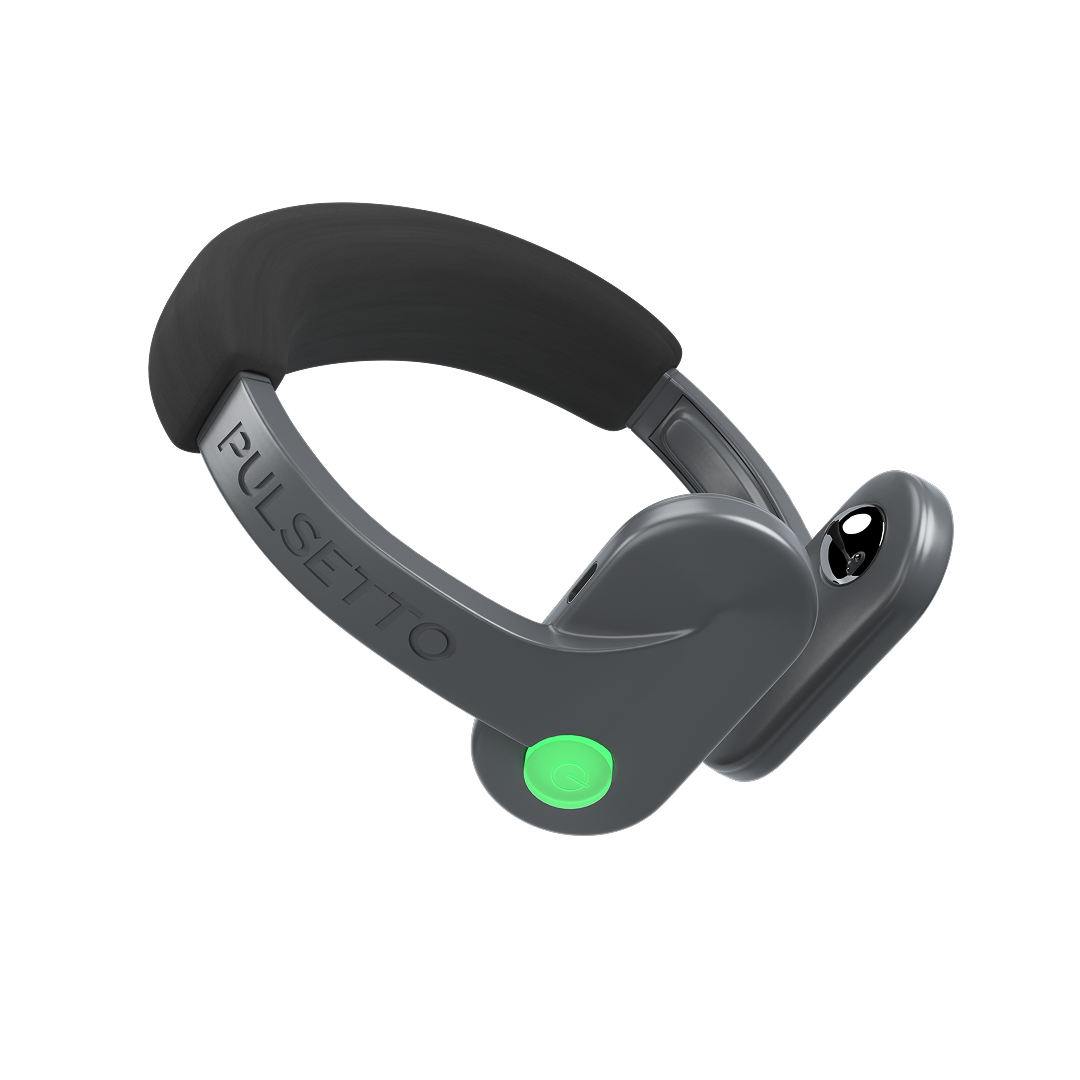
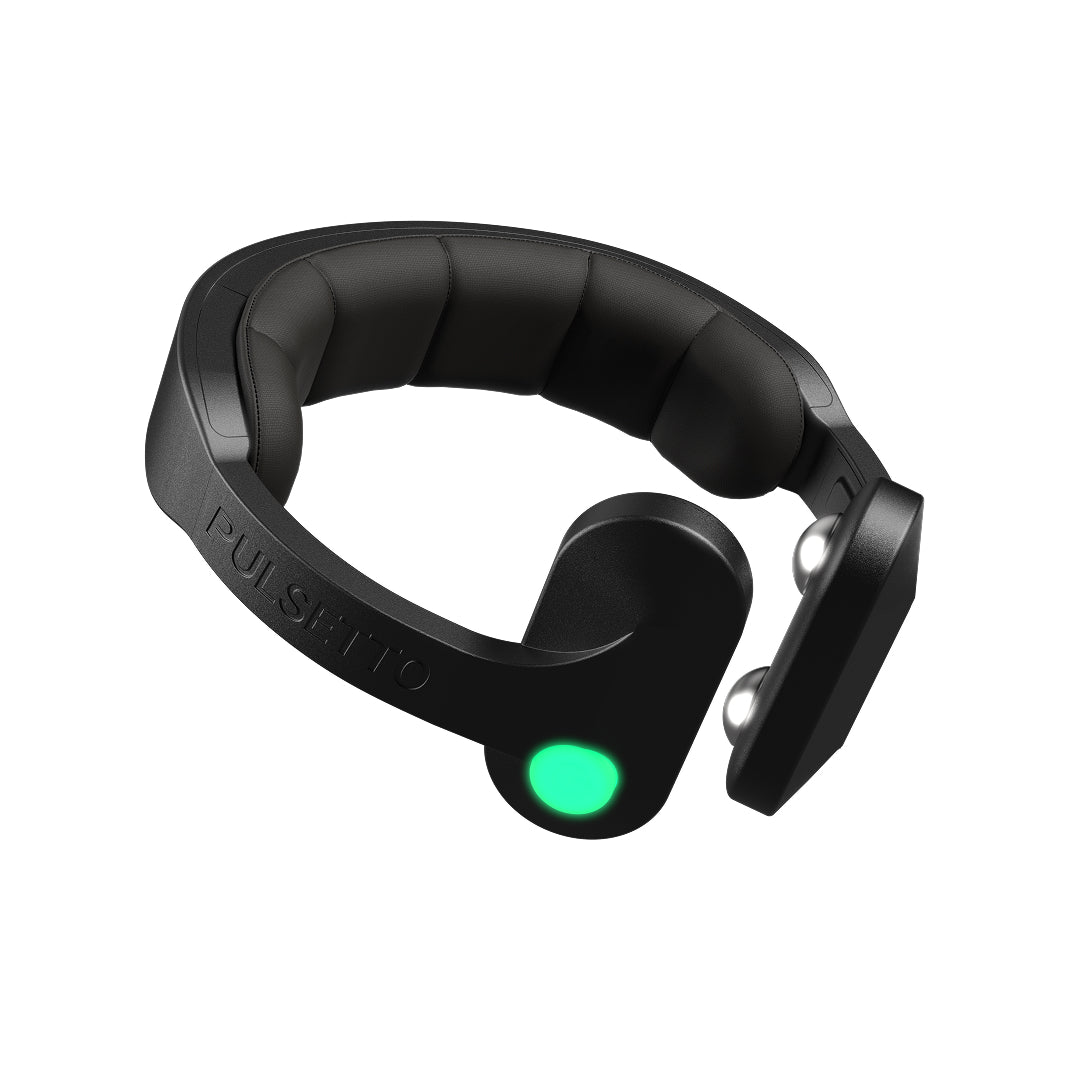
That is where Pulsetto fits in. Our vagus nerve stimulator is designed to support relaxation and better sleep through gentle, non-invasive vagus nerve stimulation. We see it as a supportive tool, not a replacement for breathwork, movement, or sleep hygiene. Used well, it can make nervous system regulation easier to practice consistently. Pulsetto also states that its device is a general wellness product, not a treatment for disease.
3. Somatic Shaking and Movement
Stress does not live only in your thoughts. It often shows up in the body first - tight shoulders, shallow breathing, clenched jaw, restless legs. That is one reason movement helps. Regular physical activity is associated with lower anxiety, better mood, and better sleep, and even simple movement can interrupt a stress loop that keeps you stuck in a dysregulated state.
Somatic shaking is one option. So is stretching, dancing, walking, or letting your body move without trying to “perform” wellness. The point is not to look graceful. The point is to discharge some tension and remind your system that it is allowed to move again. If you want more ideas, here is our guide on how to calm your nervous system.
4. Cold Water Exposure
Cold water can act like a reset button for some people. Splashing cold water on your face or briefly applying cold to the face can trigger part of the diving reflex, which has been linked to increased vagal activity and short-term shifts in autonomic state. Some studies found cold face exposure can influence stress responses and parasympathetic activation.
Keep it beginner-friendly. Start with a cold face splash or a few seconds of cool water at the end of a shower. You do not need to suffer through an ice bath to get a signal. Also, this is optional. Cold exposure is not for everyone, especially if you have certain heart conditions, arrhythmias, or feel faint with cold. When in doubt, ask a clinician first.
5. Mindful Grounding (5-4-3-2-1 Technique)
When stress pulls you out of the present, grounding brings you back through the senses. The 5-4-3-2-1 technique is simple:
-
5 things you can see
-
4 things you can touch
-
3 things you can hear
-
2 things you can smell
-
1 thing you can taste
This works because you stop feeding the spiral and start noticing what is actually here, now. It is one of the most accessible ways to regulate a stressed nervous system in the moment, especially when your thoughts are running ahead of you.
6. Consistent Sleep Hygiene
If your sleep is broken, your nervous system usually feels it. Sleep is one of the main recovery windows your body gets every day, and the CDC notes that good sleep supports emotional well-being, stress reduction, mood, attention, and overall health. Adults generally need 7 or more hours per night, though individual needs vary.
The basics still matter: go to bed around the same time, wake up around the same time, reduce evening light, and keep screens from taking over the last hour of your night. It sounds obvious because it is. However, obvious things are often the first to collapse under stress. If sleep is part of your struggle, take a look at improve sleep by Pulsetto.
7. Limiting Stimulants and Inflammatory Foods
This part does not need to turn into food anxiety. The point is simply to notice what pushes your system harder than it needs to be pushed. Too much caffeine can contribute to anxiety, restlessness, fast heart rate, and difficulty sleeping. For someone already dealing with nervous system dysregulation, that can be enough to keep the cycle going.
Try moderation instead of extremes. Eat regularly. Build meals around protein, fiber, and enough overall energy intake. Pay attention to micronutrients and hydration. If your body is running on caffeine, sugar spikes, and convenience food alone, it is harder to feel stable. There is also growing research looking at how more inflammatory dietary patterns and ultra-processed foods may relate to mental health symptoms, though the field is still evolving.
8. Co-Regulation and Social Connection
Humans regulate each other more than we like to admit. A calm, safe person can help your body settle. A chaotic environment can do the opposite. Research on social support and co-regulation suggests that connection helps buffer stress and supports resilience, partly through biological and behavioral synchronization.
This does not need to be deep or dramatic. It can look like sitting with someone who makes you feel safe. A call with a grounded friend. A hug. A quiet walk with your partner. A good therapist also belongs here. Sometimes healing a dysregulated nervous system starts with borrowing calm from another nervous system until yours remembers how.
9. Nature Immersion (Forest Bathing)
Nature helps because it asks very little from you. No notifications. No urgency. No background pressure to perform. Reviews of nature exposure research suggest time in natural settings can support lower perceived stress, and some studies also found reductions in cortisol or other physiological stress markers.
You do not need a forest retreat. A park is enough. A walk under trees is enough. Even visual contact with natural environments may have calming effects on autonomic activity. Go where you can hear birds, wind, or water. Let your attention widen again. That alone can help regulate an overloaded system.
10. Daily Meditation and Mindfulness
Meditation is less about becoming a different person and more about giving your attention somewhere stable to land. Mindfulness and meditation are commonly recommended as stress-management tools, and the NIMH includes relaxation techniques such as meditation and breathing exercises among helpful practices for mental well-being and anxiety symptom reduction.
Start with five minutes. Ten if that feels realistic. Sit down, breathe normally, and notice what is happening without chasing every thought. That is enough. Daily repetition matters more than one perfect session. This is how you start regulating your nervous system in a way that lasts.
What Causes a Dysregulated Nervous System?
A dysregulated nervous system usually does not appear out of nowhere. More often, it is the accumulated result of too much stress and too little recovery.
Common contributors include:
-
Chronic stress - ongoing pressure keeps the body in a more reactive state.
-
Unresolved trauma - trauma can leave the nervous system more sensitive to threat cues and stress reactivity.
-
Poor sleep - lack of sleep reduces recovery and makes emotional regulation harder.
-
Overstimulation - constant noise, screens, alerts, and context switching keep the brain on high alert. NIMH and CDC both emphasize reducing stress load and protecting healthy routines.
-
Caffeine and diet - stimulants and inconsistent eating patterns can amplify anxiety, restlessness, and sleep problems.
-
Lack of recovery time - without downtime, the system never fully comes back to baseline.
None of this is a moral failure. It is a load problem. And load can be reduced.
Recognizing the Signs of a Dysregulated Nervous System
The phrase signs of a dysregulated nervous system usually points to two broad states.
Hyper-arousal is the “too on” state. It can feel like anxiety, irritability, racing thoughts, tight muscles, fast heart rate, or trouble sleeping. Hypo-arousal is the “too off” state. It can feel like exhaustion, numbness, low motivation, shutdown, brain fog, or disconnection. These patterns overlap with common stress and anxiety symptoms described by major health sources, even though they are not diagnostic labels on their own.
Common symptoms can include:
These states are common. They are also changeable. Still, if your symptoms are intense, persistent, or interfering with daily life, talk to a licensed healthcare professional.
What It Takes to Heal a Dysregulated Nervous System?
Healing usually takes longer than people want and less force than people expect. That is the truth. How to heal a dysregulated nervous system is not about one perfect intervention. It is about repetition. You send the brain and body small signals of safety often enough that they begin to trust them.
This means daily habits matter. A few minutes of breathing. Better sleep timing. Less caffeine. More movement. A short Pulsetto session. A walk outside. None of these changes everything in one day. However, they can compound over weeks. The nervous system is adaptable. Progress is rarely linear, but it is still progress.
The Science Behind Nervous System Regulation
At a basic level, your autonomic nervous system has two major modes people talk about most often: sympathetic, which prepares you for action, and parasympathetic, which supports rest, digestion, and recovery. You need both. Problems start when stress keeps one side dominating for too long.
The vagus nerve matters here because it is one of the main pathways involved in parasympathetic signaling. Breathing, social safety, rest, movement, cold face exposure, and non-invasive vagus nerve stimulation can all influence how “safe” the body feels, which is why these practices show up again and again in nervous system regulation discussions. That science is exactly what makes the practical techniques above worth doing.
Turning 10 Steps into a Daily Routine
Knowledge helps. Routine helps more. Here is a realistic way to turn these ideas into daily practice.
Morning - Start calm
-
2 minutes of deep breathing
-
brief cold face splash or cool rinse, if it feels good for you
-
light stretching or a short walk
-
optional short Pulsetto session if mornings feel tense or rushed
Midday - Reset and regulate
Evening - Wind down
-
dim screens and reduce stimulation
-
meditate for 5 to 10 minutes
-
keep bedtime consistent
-
use vagus nerve stimulation as part of your evening routine if it helps you settle
Keep it flexible. The goal is not perfection. The goal is to make nervous system regulation part of everyday life instead of something you only think about when things fall apart.
Ready to improve your day with Pulsetto?
Learning how to regulate your nervous system is less about chasing one magical fix and more about building a system that supports you back. Breathwork helps. Sleep helps. Movement helps. So does giving your body a quicker path back to calm when stress is high. That is why we built Pulsetto.
If you want a practical tool to support your daily stress routine, get your Pulsetto device today. We designed it to fit into real life - not some imaginary version of it where you always have time, energy, and perfect habits.
Dysregulated Nervous System FAQs
What are the main signs of a dysregulated nervous system?
The most common signs include anxiety, racing thoughts, irritability, poor sleep, fatigue, brain fog, muscle tension, emotional numbness, and feeling disconnected. Some people lean more toward hyper-arousal. Others lean toward hypo-arousal. Many move between both.
How long does it take to heal a dysregulated nervous system?
Usually longer than a few days and shorter than forever. Many people notice early relief quickly from breathing, grounding, or better sleep. Lasting change tends to come from repeated daily practice over weeks and months, not from a one-off reset.
Can technology help with nervous system dysregulation?
It can help as a support tool. Breathwork apps, meditation apps, sleep trackers, and non-invasive VNS devices can make consistency easier. If you want to explore that route, this guide on the best nervous system regulation device is a good place to start. Evidence for non-invasive VNS is promising, but it is still important to stay realistic and use tech alongside core habits.
Is it possible to learn how to regulate your nervous system at home?
Yes. Many effective tools can be practiced at home, including slow breathing, grounding, meditation, better sleep habits, movement, and time in nature. Severe or persistent symptoms still deserve professional support.
What is the fastest way to achieve nervous system regulation?
For many people, the fastest relief comes from a few rounds of physiological sighs, grounding through the senses, a cold face splash, or a short calming routine with a wellness device like Pulsetto. Fast relief is useful. However, long-term healing comes from repetition.
Does nervous system regulation help with anxiety?
It can help reduce the physical intensity of anxiety and improve how you respond to stress. Practices like breathing, mindfulness, exercise, social support, and sleep hygiene are commonly recommended as part of anxiety care. If you want an extra support tool, you can get your Pulsetto device today.