What "stress resilience" actually means, physiologically
Physiologically, stress resilience is your nervous system's capacity to activate a stress response when needed and then return to baseline efficiently afterward. It isn't the absence of a stress response; everyone has one. Low resilience shows up as a slow, incomplete recovery: elevated heart rate, disrupted sleep, and lingering cortisol long after the stressor has passed, a shorter fuse for minor frustrations, and feeling depleted by things that didn't used to affect you this much. None of these signs is diagnostic on its own, but a cluster of them showing up together is a reasonable signal that the nervous system's recovery capacity needs attention, not just your schedule or your mindset.
That distinction matters because most advice on this topic quietly assumes resilience means suppressing the stress response, staying calm no matter what happens. It doesn't. A resilient nervous system still reacts. What changes is what happens next: how quickly heart rate drops back down, how quickly cortisol clears, how quickly the mind stops replaying the event.
When recovery is incomplete often enough, the cost accumulates. Physiologists call this allostatic load: the cumulative wear on the body from a stress-response system that keeps firing before it's finished resetting from the last one. For someone dealing with a single bad week, that's a temporary state. For a healthcare worker on their fourth consecutive high-acuity shift, a caregiver managing a parent's declining health with no end date, or an executive carrying quarter after quarter of unpredictable pressure, incomplete recovery isn't occasional. It's the baseline. That's precisely the population resilience training is built for: not people facing one crisis, but people under prolonged, cumulative load.
This is also why resilience is trainable rather than fixed. If the problem were personality, no amount of practice would move it. Because the problem is recovery efficiency, and recovery efficiency is a physiological process, it responds to the same principle that governs physical training: repeated, structured exposure changes the system's baseline capacity.
The neuroscience: how repeated stress reshapes the brain
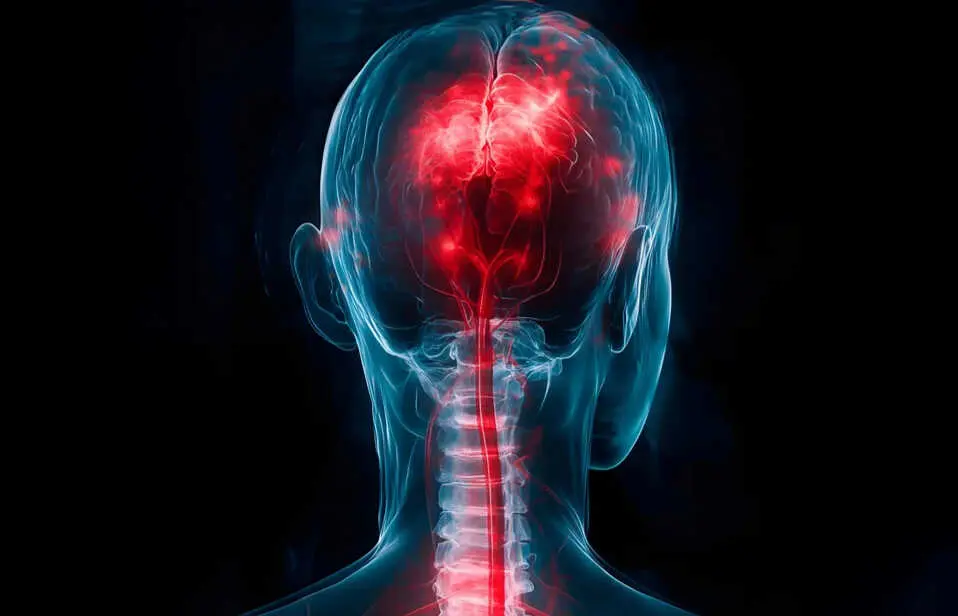
Neuroplasticity, the brain's ability to physically rewire itself based on repeated experience, works both against you and for you under stress. Chronic, unmanaged stress strengthens the neural pathways that keep the amygdala on high alert. But the same mechanism runs in reverse: repeated, structured practice of resilience skills builds and strengthens the pathways that support calm, controlled recovery.
This isn't a metaphor borrowed from fitness marketing. Neural circuits genuinely change with repetition, in both directions. Under sustained, unmanaged stress, the brain gets efficient at threat detection: the amygdala fires faster, and the connections that would normally down-regulate that response weaken from disuse. That's the mechanism behind the person who startles at every notification after a bad year at work. It isn't a character flaw. It's a circuit that got practiced.
The reverse holds too. Research on fear extinction, the process by which a learned threat response fades with repeated safe exposure, has traced this to measurable changes in the connection between the ventromedial prefrontal cortex and the amygdala [5].
Strengthening that pathway is what allows the brain to override an automatic alarm response once it's recognized the threat has passed. That's the biological basis for graded exposure and cognitive reappraisal working as resilience-training methods: they aren't just changing what you think about a stressor, they're changing which circuit handles it.
None of this happens instantly. Neuroplasticity operates on the same timeline as physical training: weeks of consistent practice, not a single session. That's worth stating plainly, because most resilience content skips the mechanism and jumps straight to techniques, leaving the reader to take "practice this" on faith. The techniques work because of this circuit-level change, not despite skipping it.
Autonomic conditioning: vagal tone, HRV, and your body's stress-recovery buffer
Vagal tone is a measure of how strongly your vagus nerve, the main channel between your brain and your internal organs, can trigger parasympathetic activation, your body's rest-and-recover state, after a stressor. Higher vagal tone means faster heart-rate recovery, better heart rate variability (HRV), and a shorter window of physiological stress after each spike. Like neuroplasticity, vagal tone responds to repeated conditioning, which is what autonomic regulation training is actually doing under the hood.
This is the half of the resilience-training conversation that gets skipped most often. Ask around and you'll find two competing explanations for how resilience actually works: one frames it as retraining your thoughts and behavior, the other frames it as switching which physiological system is running the show, the stress-response system versus the calming, recovery-oriented one. Both are partially right. Cognitive reappraisal changes how the brain interprets a stressor. Autonomic conditioning changes how fast the body clears the physiological aftermath once the interpretation is done. Most resilience-training content covers the first and quietly skips the second.
The vagus nerve is increasingly recognized as a central mechanism in stress recovery and performance under pressure, not a peripheral detail [6]. Several practices condition vagal tone directly: slow, extended-exhale breathwork, cold exposure, HRV biofeedback training, and non-invasive vagus nerve stimulation (nVNS), a wearable-based approach that stimulates the vagus nerve directly rather than relying on a breathing or cold-exposure protocol to trigger it indirectly. What that stimulation actually changes week to week builds gradually rather than all at once, which is consistent with how conditioning works in the neuroplasticity and vagal-tone sections above.
None of these methods replace the cognitive side of resilience training. They address a different half of the same system: the body's capacity to recover, independent of whether the mind has finished processing the event.
So does resilience training actually work?
Yes, with real evidence behind it, though format matters. A peer-reviewed cohort study of Harvard-affiliated hospitals' 8-week SMART program found statistically significant reductions in perceived stress (p<0.001, Cohen's d=0.78) and improvements in global mental health (p=0.001, Cohen's d=0.61) among healthcare professionals [3]. A separate systematic review and meta-analysis of resilience-training programs found small-to-moderate but consistent positive effects across a wide range of trial designs [1]. In Pulsetto's own study, comparable measures moved in the same direction within four weeks.
Format is the variable that decides whether "does it work" gets a yes or a shrug. A related meta-analysis of randomized resiliency-training trials found that in-person, structured programs outperformed one-off or purely self-directed formats, and that participant motivation mediated how much benefit showed up [2]. That's consistent with what the mechanism sections above would predict: neuroplasticity and vagal conditioning both require repetition, so a single workshop or a read-once article was never going to move either one much.
Pulsetto's own randomized, open-label, parallel-group pilot study followed 37 participants over four weeks of daily bilateral cervical vagus nerve stimulation. Depression symptoms (PHQ-9) decreased significantly in both stimulation groups (p<0.001). Anxiety symptoms (GAD-7) improved in both groups as well (p=0.0004 unilateral, p=0.003 bilateral), as did sleep disturbance (PSQI, p<0.001 for both). Hair cortisol, a biomarker of chronic stress, decreased significantly overall (p=0.013), with the effect more pronounced in the bilateral group. These results come from Pulsetto's own open-label study rather than a blinded trial, a real limitation to keep in view alongside the numbers above.
Taken together, the honest answer to "does resilience training actually work" is: yes, for the methods and formats that have actually been tested, and the effect sizes are real but moderate, not miraculous. Anyone promising otherwise is oversimplifying the research cited above.
How resilience training actually works: the methods with evidence behind them
Six approaches show up repeatedly in the resilience-training literature, and they split cleanly across the two mechanisms described above.
On the cognitive side: CBT-based reappraisal teaches the brain to interpret a stressor differently before it triggers a full response, and graded stress exposure builds tolerance by introducing manageable, incremental stressors under controlled conditions rather than avoiding them. A randomized controlled trial in Swiss military officer cadets used exactly this combination, four 90-minute sessions built around CBT principles and positive psychology, and found measurable improvements in mental, emotional, and physical stress outcomes in a genuinely high-stress training population [4].
Mindfulness-based practice sits between the two mechanisms: it trains attention and non-reactivity cognitively, but the breath-focused component also engages the vagal pathway described earlier. That overlap is why mindfulness techniques built around breath awareness show up in both cognitive and physiological resilience research, rather than being filed under one category or the other.
On the physiological side: physical exercise conditions the cardiovascular system's recovery capacity in a way that carries over to psychological stress recovery, an effect that gets less attention in resilience content than it deserves given how consistently it shows up in the literature. Breathwork, specifically slow exhalation-focused patterns, is one of the more direct ways to activate the vagus nerve, which is why it shows up in both immediate stress-relief research and long-term conditioning studies. Non-invasive vagus nerve stimulation (nVNS) is the most direct method on this list: rather than relying on breath or movement to trigger vagal activation, it stimulates the nerve pathway itself.
None of these six methods is a complete resilience-training program by itself. The programs that show up in the clinical literature, including the Harvard-affiliated one cited above, combine several of them rather than betting on one technique alone.
Where vagus nerve stimulation fits into building your resilience buffer
Vagus nerve stimulation is one input among the six evidence-based methods above, not a replacement for the others. Where it earns a specific place in a resilience-training routine is the vagal-conditioning half of the mechanism: rather than relying on breathwork or cold exposure to trigger vagal activation indirectly, it stimulates the nerve pathway directly.
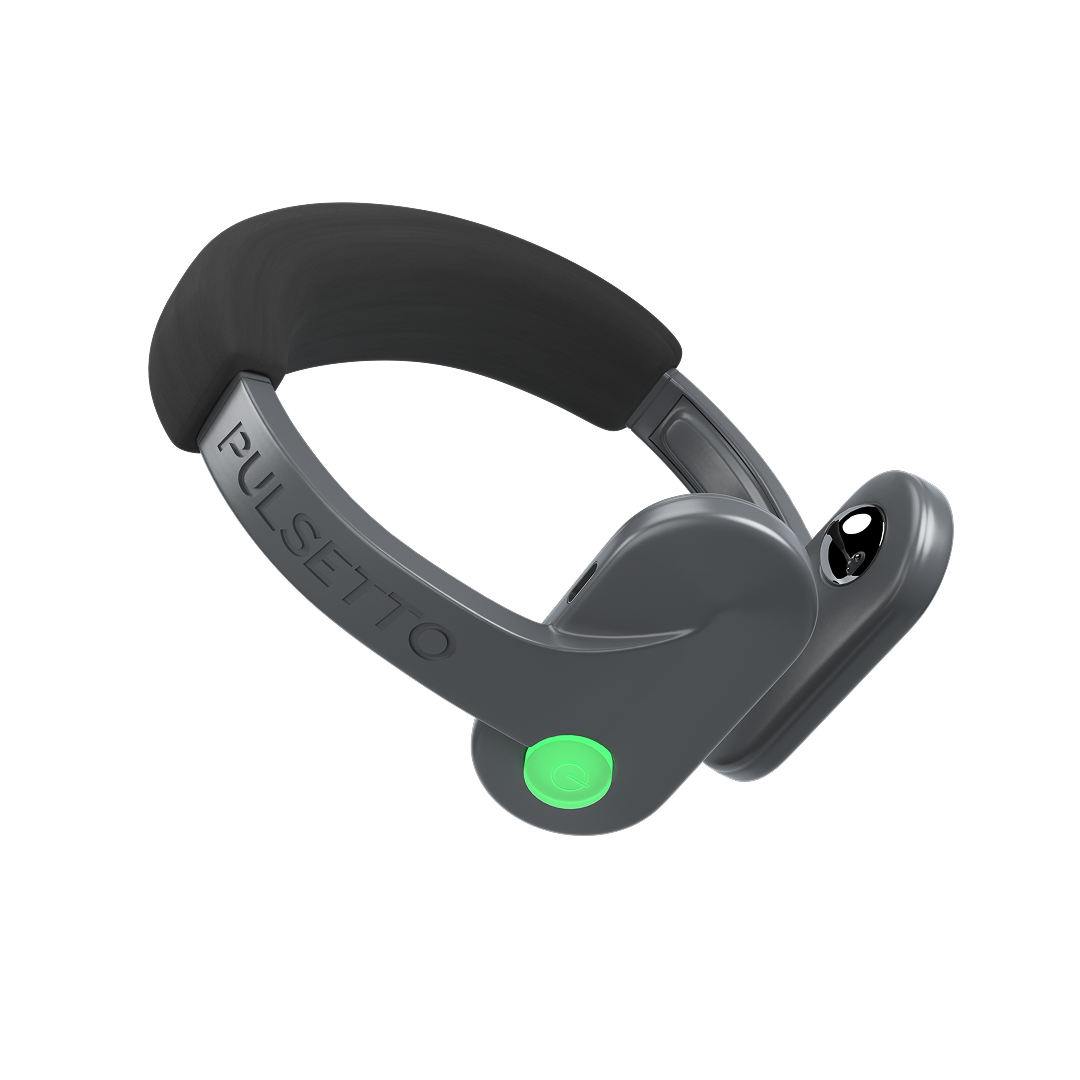
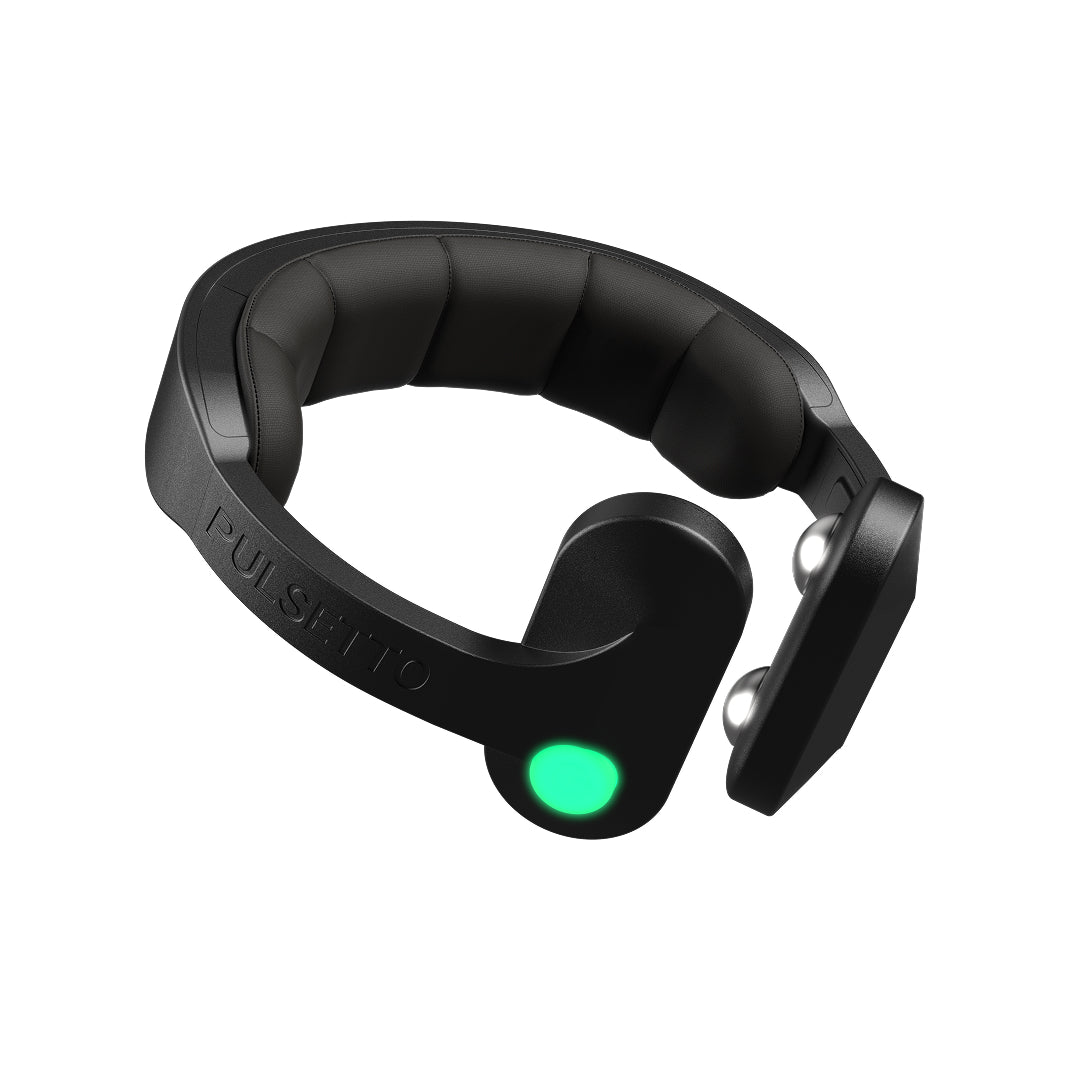
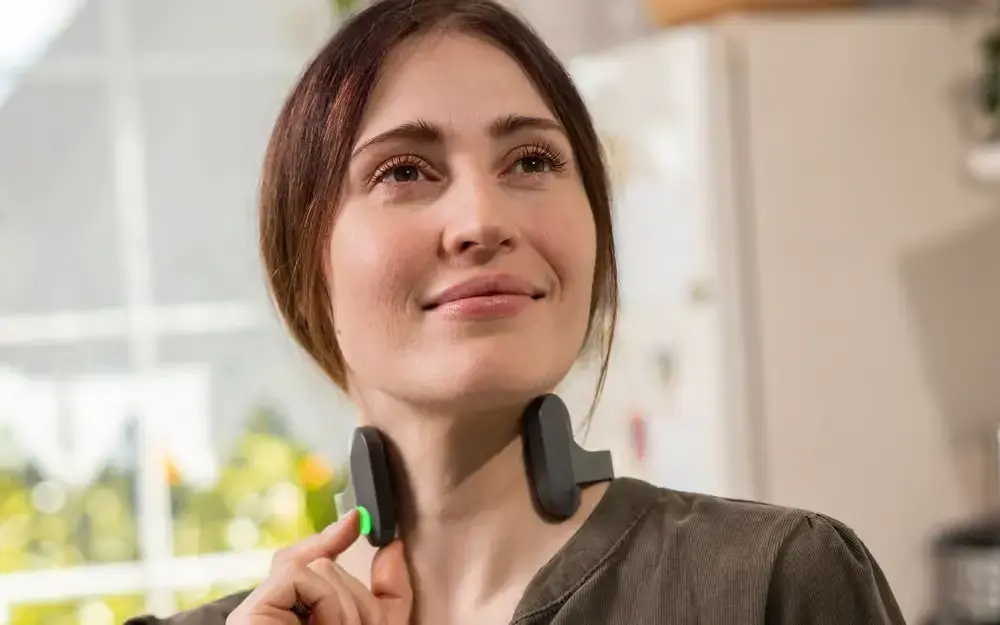
A Pulsetto vagus nerve stimulator is a hands-free, gentle wearable built around bilateral cervical stimulation: both sides of the neck, at once, rather than one side at a time. That distinction is the detail that matters most here. In Pulsetto's own pilot study, the bilateral protocol outperformed unilateral stimulation on several measures, including the hair cortisol result cited earlier. Sessions run about four minutes, worn hands-free rather than held to the neck, which is a meaningful difference for anyone trying to fit a physiological practice into an already-full day rather than adding another appointment to it. The Free Lifetime App that comes with the device includes guided stress, sleep, and anxiety programs alongside the device sessions themselves, helping the nervous system settle into a calm, balanced baseline through the same daily habit rather than two separate ones.
Ready to Build Your Resilience Buffer?
The mechanism covered throughout this article, bilateral cervical vagus nerve stimulation, is what a Pulsetto vagus nerve stimulator is built around: four minutes a day, hands-free, using the same bilateral protocol tested in Pulsetto's own pilot study.
Pulsetto Lite starts at $269 and Pulsetto FIT at $296, both covered by a 2-year warranty and a 30-day money-back guarantee. See what real Pulsetto users say about their results before deciding which model fits your routine.
Stress Resilience Training FAQs
What's the difference between stress management and stress resilience?
Stress management targets the stressor itself: defusing a deadline, a difficult conversation, a bad commute, in the moment. Stress resilience targets the recovery system that kicks in afterward, regardless of which stressor caused the spike. That's why resilience is the more durable skill for people facing ongoing, unpredictable stress rather than a single identifiable problem to solve.
What are the 7 C's of resilience?
The 7 C's framework, developed by pediatrician Dr. Kenneth Ginsburg, names competence, confidence, connection, character, contribution, coping, and control as the building blocks of resilience. It was originally designed for raising resilient children, but the same seven categories show up in adult resilience research too, just described in behavioral terms rather than physiological ones: a sense of competence and control over your circumstances, meaningful connections, and functional coping skills all map onto the recovery mechanisms covered above.
Does burnout make stress resilience harder to build?
It raises the starting cost rather than making resilience untrainable. Chronic, unmanaged stress strengthens the same threat-detection pathways described in the neuroscience section above, so someone deep in burnout is often starting from a nervous system that's been practicing the opposite skill for months or years. That's not a reason to skip resilience training; it's a reason to expect the early weeks to feel harder and slower than the studies cited above, most of which measured people who weren't already at that point.
How do you know if your stress resilience is improving?
There's no single resilience score, but a few markers track reasonably well with the mechanisms covered above: heart rate variability (HRV) trending upward over weeks, a shorter window between a stressful event and feeling normal again, and sleep quality holding up on nights following a hard day rather than only on easy ones. The validated questionnaires used in the clinical studies cited above, like the PSS-10 or GAD-7, are also things you can self-administer periodically to track change, though they were built for research settings rather than daily use.
Is vagus nerve stimulation safe?
Non-invasive vagus nerve stimulation is generally safe, yet it isn't appropriate for everyone: it shouldn't be used by people with a pacemaker or other implantable medical device, people with epilepsy, or people who are pregnant, so check with a healthcare provider if you're unsure whether any of these apply to you.
For setup, safety, and app questions not covered here, see the full Pulsetto FAQ.
Scientific research
[1] Road to resilience: a systematic review and meta-analysis of resilience training programmes and interventions (Joyce, Shand, Tighe, Laurent, Bryant, Harvey; 2018; BMJ Open)
[2] The Efficacy of Resiliency Training Programs: A Systematic Review and Meta-Analysis of Randomized Trials (Leppin, Gionfriddo, Sood, et al.; 2014; PLOS ONE)
[3] Stress Management and Resiliency Training for Healthcare Professionals: a mixed-methods, quality-improvement, cohort study (Dossett, Needles, Nittoli, Mehta; 2021; Journal of Occupational and Environmental Medicine)
[4] Effects of resilience training on mental, emotional, and physical stress outcomes in military officer cadets (Zueger, Niederhauser, Utzinger, Annen, Ehlert; 2022; Military Psychology)
[5] Vagus nerve stimulation enhances extinction of conditioned fear and modulates plasticity in the pathway from the ventromedial prefrontal cortex to the amygdala (author TBD pending Consensus MCP re-pass; 2014)
[6] The vagus nerve: a cornerstone for mental health and performance optimization in recreation and elite sports (author TBD pending Consensus MCP re-pass; 2025; Frontiers in Psychology)