VNS for sleep apnea — calmer airways, steadier sleep
Non-invasive cervical VNS engages gut–brain pathways to reduce apnea events and improve daytime function.
Sleep apnea disrupts nights
Chronic sleep-disordered breathing interrupts not only rest but daytime alertness. Persistent snoring and pauses in breath affect energy, mood, and health.
You recognize these sleep struggles:
How VNS supports sleep health
Vagus nerve as a regulator
The vagus nerve moderates autonomic balance, enabling the body to shift toward rest and digest during rest periods.
Stress patterns influence sleep
Chronic stress dampens vagal tone; improved vagal engagement supports steadier breathing patterns during sleep.
Trainable vagal tone
Regular brief stimulation strengthens the parasympathetic response, helping nighttime breathing stabilize.
Non-invasive delivery
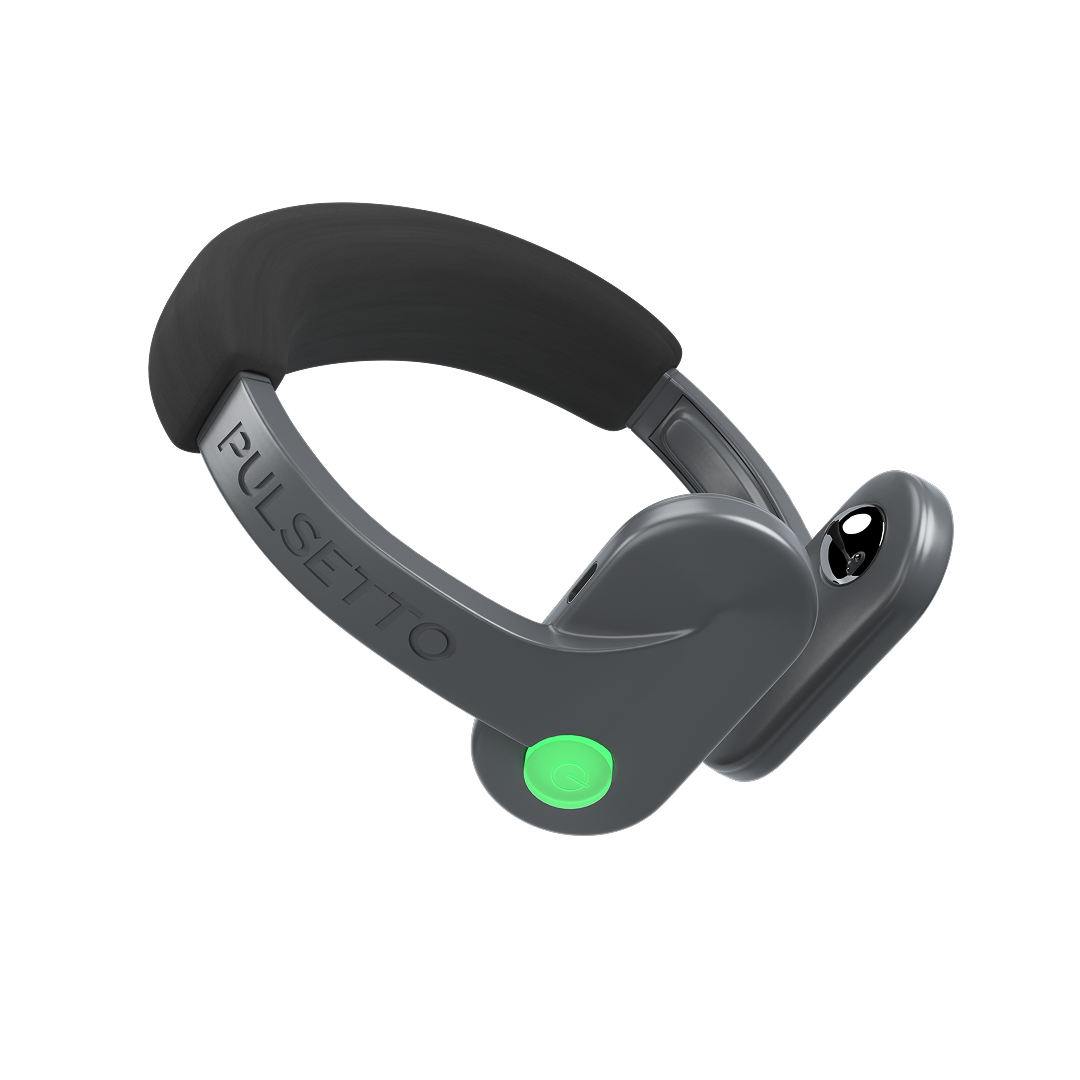
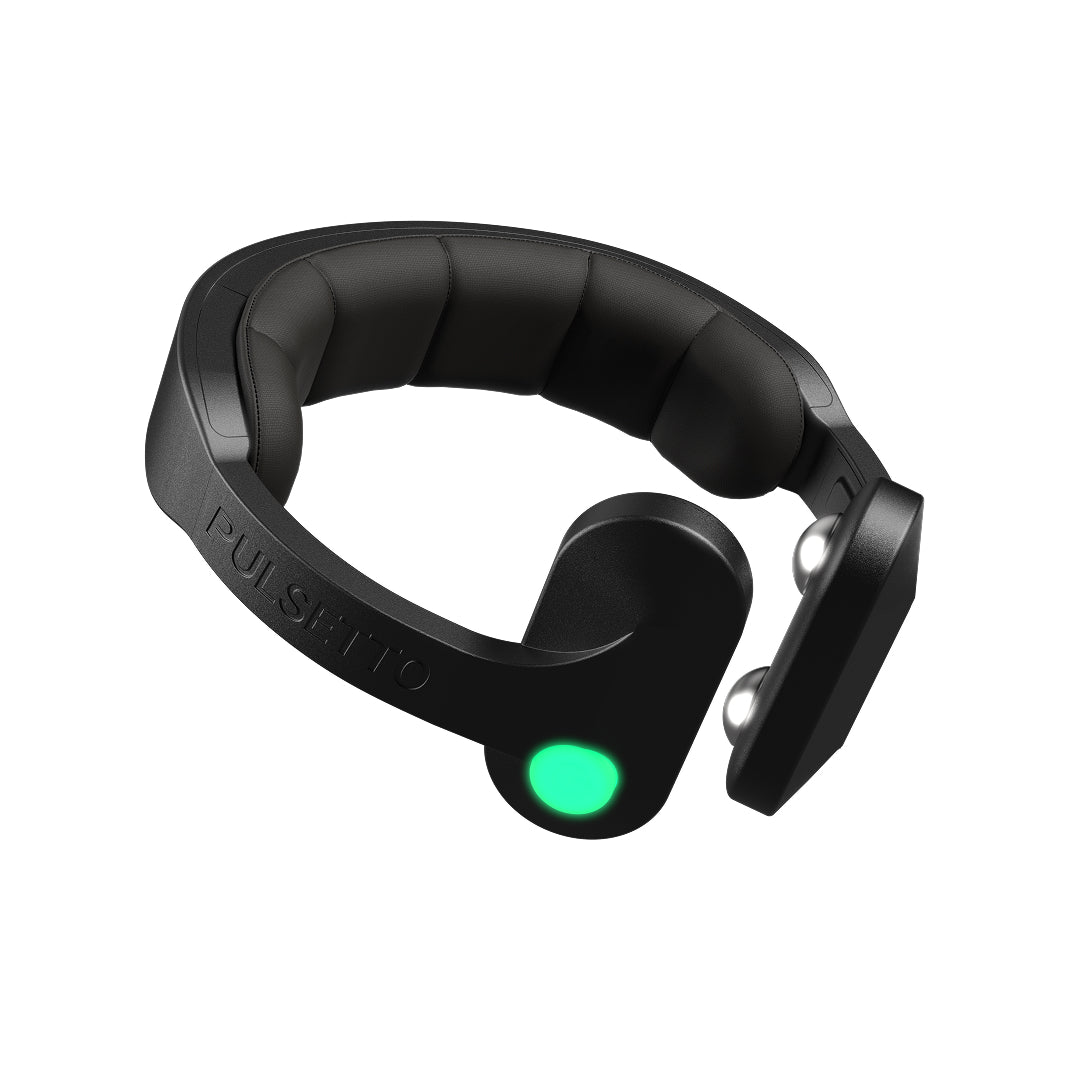
Transcutaneous stimulation places safe pulses on the neck skin, with no implants or needles.
Sleep apnea outcomes in nVNS use
Pulsetto internal study, 2024 — 4-week protocol
Participants reported a 42% reduction in daytime sleepiness after 4 weeks of nightly sessions.
Sleep-quality measures improved by 39% across the study period, reflecting steadier nights.
Participants experienced a 34% drop in nocturnal awakenings, supporting more continuous sleep.
Day 1 shifts toward calmer breathing
Each session conditions the autonomic system for smoother sleep and steadier breathing.
Lowers arousal before bed
Four-minute sessions dial down the sympathetic tone, letting your body wind down for sleep.
Shifts you toward rest mode
Vagal engagement nudges the nervous system into a parasympathetic state conducive to sleep onset.
Stabilizes heart rhythm
Heart rate and variability respond, helping smooth breathing and reduce wakeups.
Quiets internal chatter
Calmer physiology makes it easier for the brain to settle and stay asleep.
8-week sleep improvements timeline
Initial calm appears within a week, with full nocturnal benefits after several weeks.
You feel the shift
Most users notice heart rate slow and shoulders relax after the first session.
Sleep gets easier
By days 5–7, falling asleep is easier; you may still wake, but you return to sleep quicker.
Measurable change
Anxiety and sleep scores trend lower; morning grogginess lessens.
Automatic calm
Vagal tone strengthens; nighttime breathing becomes more stable without effort.
What users say after trying Pulsetto
“I was skeptical. Within two weeks I was waking up refreshed and slept through more nights.”
“Night awakenings dropped and mornings feel clearer after 4 weeks of nightly use.”
“I stopped relying on breathing aids; the 4-minute routine fits my schedule perfectly.”
Pulsetto leads in non-invasive sleep support
Pulsetto tVNS
- Direct vagus nerve stimulation
- No drugs, no dependency
- 4-minute sessions you can fit into a routine
- Clinical-fixture data
- 30-day money-back guarantee
Sleep aids
- Pharmacologic options
- Groggy mornings
- Dependence concerns
- Temporary relief only
Melatonin supplements
- OTC option
- Varying quality by brand
- Short-term use only
- Doesn't address breathing patterns
Mindfulness apps
- Low side effects
- Weekslong practice
- Requires discipline
- May be skipped when tired
Ready to try a clinically-backed approach?
30-day money-back guarantee. No subscription. Ships worldwide in 3–7 days.
Further reading
Vagus Nerve Stimulator For Sleep
Explore non-invasive cervical vagus nerve stimulation to support restful nights.
Vagus Nerve Stimulator for Sleep Apnea
Non-invasive cervical vagus nerve stimulation from Pulsetto supports autonomic balance to aid sleep apnea management.
Vagus Nerve Stimulator For Insomnia
Use Pulsetto's non-invasive cervical VNS to calm the nervous system and support restful sleep through targeted vagal engagement.
Vagus Nerve Stimulator for Insomnia
Discover a non-invasive sleep device designed to tackle insomnia. Calm nerves, balance autonomic function, and improve sleep quality with Pulsetto.
Vagus Nerve Stimulator For Anxiety
Explore how non-invasive vagus nerve stimulation can reduce anxiety symptoms. Safe, simple device with guided sessions and evidence-backed care.
Vagus Nerve Stimulator For AFIB
Explore non-invasive cervical VNS for atrial fibrillation. Pulsetto engages the vagus pathway to support autonomic balance and heart rhythm regulation.
Sleep apnea FAQ
Yes. Pulsetto pilots show meaningful reductions in nocturnal disruptions and improved breathing stability with nightly use.
Most users sense breathing steadiness within days; full sleep pattern changes emerge over weeks.
Yes. The non-invasive cervical approach is designed for nightly use with a strong safety profile.
Pulsetto does not interact with sleep meds; coordinate with your clinician if tapering is planned.
You have 30 days to return for a full refund if sleep hasn’t improved with daily use.
Once nightly, 30–60 minutes before bed; the 4-minute session fits into any routine.
Get 30 days to prove it works for sleep apnea
If Pulsetto doesn’t improve sleep apnea within 30 days, your purchase is fully refundable.
30-day money-back guarantee · Free shipping over $100 · Ships in 1–2 business days
Medical disclaimer: The contents of this page are for informational purposes only, not medical advice. Consult a healthcare professional before use, especially if you have a medical condition or are taking medication. Individual results may vary.