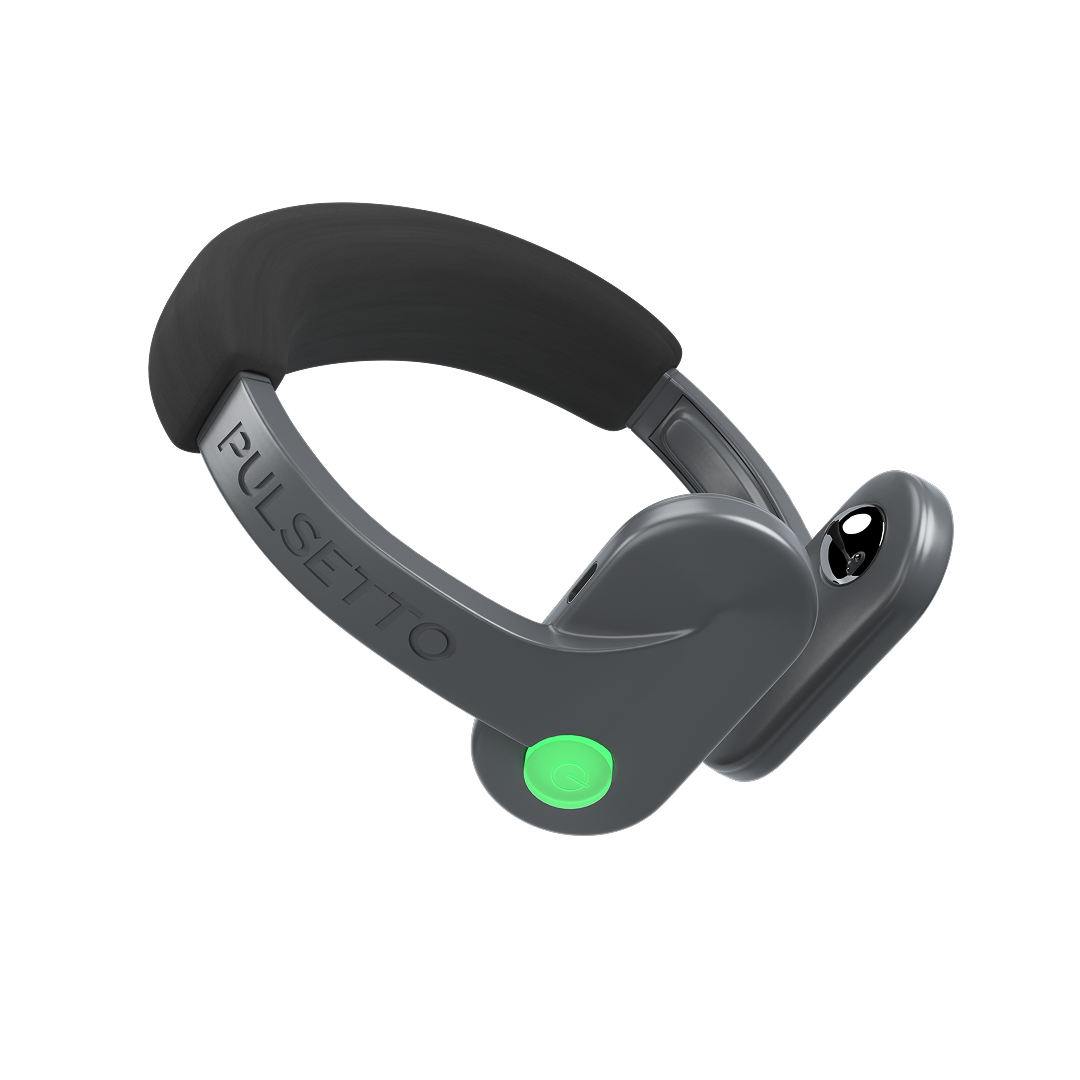
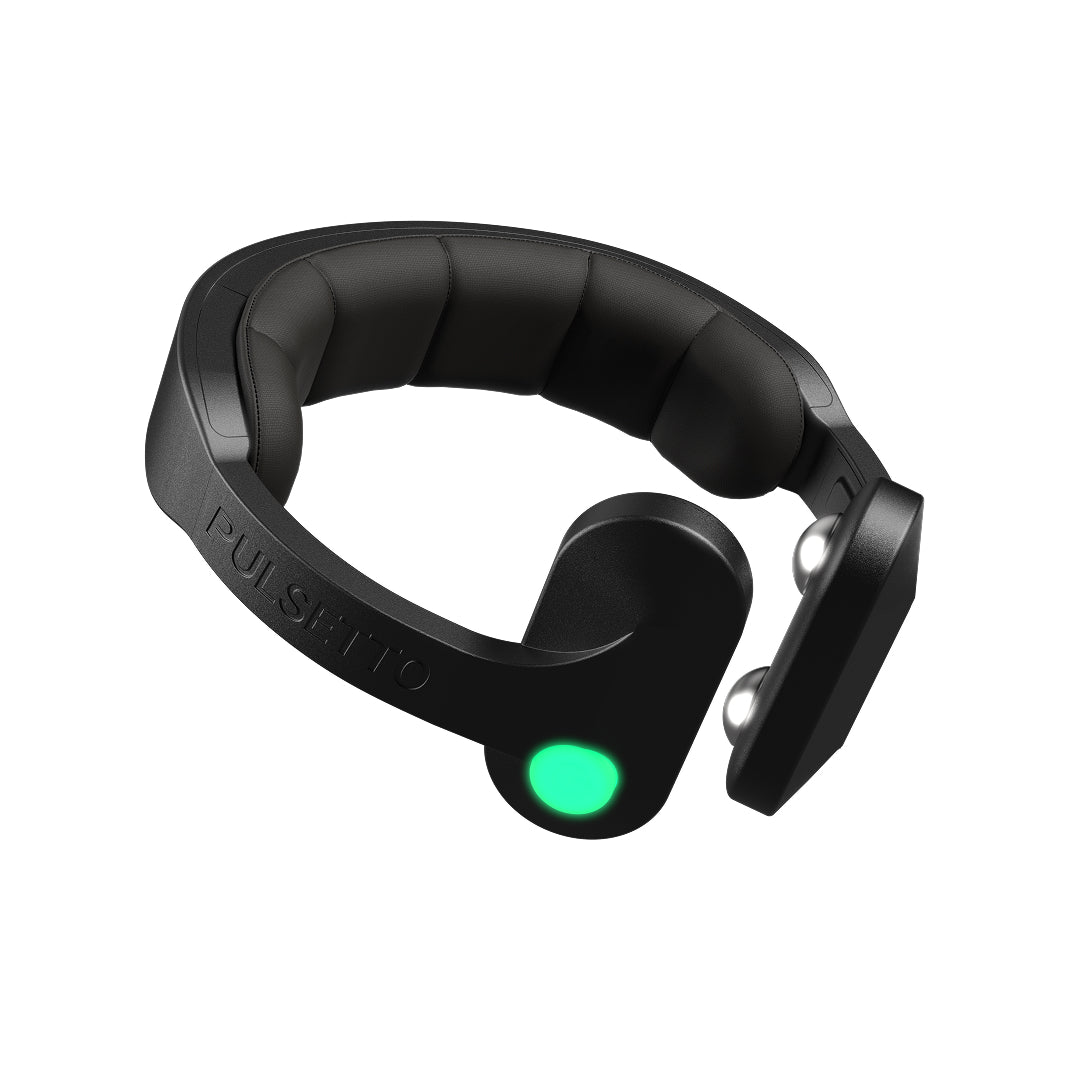
VNS for pediatric epilepsy—calm nerves, clearer focus
Non-invasive cervical VNS engages the vagus pathway to support autonomic regulation in children with epilepsy.
Seizure burden in kids
Childhood epilepsy can disrupt daily life. Seizures, attention gaps, and sleep disturbances affect school and home routines. A safe, non-invasive approach helps families pursue steadier days.
What caregivers notice with pediatric epilepsy:
How pediatric vagus stimulation works in kids
Pediatric vagus activation territory
The cervical vagus has networks that influence autonomic tone and brain reflexes, shaping how kids respond to stress and seizures.
Stability of outcomes in children
Consistent daily stimulation in pediatric pilots yields smoother routines and fewer abrupt mood shifts.
Training the system like a muscle
Regular, brief activation helps the nervous system remember calm responses during activities.
tVNS is non-invasive
Skin-based stimulation over the neck provides access to vagal pathways without surgery.
Early signals in pediatric pilots
Pulsetto pediatric program, 2024 — 6-week protocol
Pediatric pilots show a 30% reduction in seizure frequency after four weeks of daily sessions.
Caregivers report smoother routines and better attention during daytime activities in children.
Hair cortisol and autonomic measures suggest improved autonomic balance in kids using the device.
Pulsetto supports kids’ daily routines
A few minutes before bedtime can become a consistent habit. Here’s how it integrates with family routines.
Lower stress in kids
Brief sessions before activities help kids approach seizures with less nervous energy.
Supportive calmer nervous system
Vagal engagement primes rest–digest responses to keep kids grounded.
Quiet mind during routines
A calmer physiology supports focus and participation in school tasks.
Family-friendly use
Device fits into daily routines with minimal disruption; caregivers control session timing.
Pediatric use timeline
Clinical practice lines up with consistent nightly sessions for best results.
You feel the shift
Parents notice calmer behavior and smoother transitions during the first session.
Seizure patterns stabilize
Seizure frequency may begin to stabilize as caregivers maintain daily use.
Progress becomes steadier
An observed trend toward more consistent energy and fewer disruptive episodes.
Ongoing regulation
Autonomic regulation continues; not every child responds identically, but many show durable benefits.
Stories from caregivers
“We worried at first, but after a month we saw fewer spikes and smoother days for our son.”
“Night noises cut in half and daytime focus improved after three weeks.”
“My child sleeps better and participates more in class since starting Pulsetto.”
Why Pulsetto stands apart for children
Pulsetto tVNS
- Direct vagus nerve stimulation
- Drug-free, non-invasive
- Short, daily sessions
- Pediatric-friendly interface
- 30-day pediatric trial
Traditional anticonvulsants
- Systemic effects
- Cognitive load
- Interaction risks
- Tolerability concerns
Vagus-stim devices
- Not designed for pediatric use
- Size and safety gaps
- Limited pediatric data
- Cost considerations
Behavioral therapies
- Practice required
- Time-intensive
- May not address physiological drivers
- Engagement varies
Ready to try a clinically-backed approach?
30-day money-back guarantee. No subscription. Ships worldwide in 3–7 days.
Caregiver resources
Vagus Nerve Stimulator For Kids
Explore pediatric-friendly vagus nerve stimulation for kids.
Vagus Nerve Stimulator For Kids
Explore child-safe vagus nerve stimulation for kids. Gentle, non-invasive sessions aim to ease anxiety, sleep issues, and gut comfort.
Vagus Nerve Stimulator For Autism
Explore non-invasive cervical VNS with Pulsetto to support autonomic balance and daily function in autism. Safe, simple, science-guided.
Vagus Nerve Stimulator for Seizures
Pulsetto uses cervical VNS to support autonomic balance, helping seizure management through calmer nervous system activity.
Vagus Nerve Stimulator For ADHD
Explore non-invasive vagus nerve stimulation for ADHD with Pulsetto.
Vagus Nerve Stimulator For Migraine
Explore non-invasive cervical vagus nerve stimulation for migraine. Pulsetto delivers targeted relief through quick 4-minute sessions.
Common pediatric questions
Yes. Pediatric pilots show improvements in seizure patterns and daily functioning with daily use.
Caregivers often notice calmer patterns within the first week and more stable changes over weeks.
Pulsetto is non-invasive and designed for pediatric use, but clinicians tailor suitability per child.
Pulsetto does not conflict with standard therapies and fits into comprehensive care plans.
You have 30 days to assess, with options to adjust protocol or return device if no benefit.
Daily sessions are recommended, with 4-minute duration as the target for consistency.
30-day pediatric trial with confidence
If you don’t see a reduction in seizures or improvements in daytime functioning after 30 days, you can return
30-day money-back guarantee · Free shipping over $100 · Ships in 1–2 business days
Medical disclaimer: The contents of this page are for informational purposes only, not medical advice. Consult a healthcare professional before use, especially if you have a medical condition or are taking medication. Individual results may vary.