What Building Resilience to Stress Actually Means

The research behind resilience keeps finding the same three levers, how you think, who and what you're connected to, and how your body physically responds to stress, and combining more than one tends to outperform relying on just one. The 9 methods below are grouped by which lever they pull. Three change attention and thought patterns, starting with what psychologists call cognitive reappraisal. Two work through people and through what your days add up to. Four work directly on the body's stress machinery, breathing, movement, sleep, and brief controlled exposure to stress itself.
1. Reframe How You Think About the Stressor
Cognitive reappraisal means reinterpreting what a stressful situation means, rather than trying to suppress the reaction to it. A 2024 meta-analysis of 64 samples and nearly 30,000 people found a strong, consistent link between reappraisal skill and personal resilience (r = 0.47, p < .001) (1). The skill is trainable through simple daily practice, noticing a stressful thought and asking what else it could reasonably mean.
2. Train Attention Through Mindfulness
Mindfulness works on a related but distinct mechanism, training you to notice a stressful thought without immediately reacting to it. A meta-analysis of 57 randomized controlled trials found mindfulness-based programs outperformed inactive controls on resilience specifically, not just general stress or anxiety scores, both right after training and at follow-up (2). Reappraisal changes what a thought means. Mindfulness changes how much power that thought has over you in the moment, and the two skills stack well together.
3. Practice Gratitude Deliberately
Structured gratitude practice, writing down a few specific things you're grateful for on a regular basis, works differently than simply trying to think positively. A systematic review of gratitude interventions among workers found consistent improvements in perceived stress and depression, with the strongest effects in programs using four or more gratitude entries rather than one or two (3). The dose matters here. A single gratitude list rarely moves anything, and a repeated practice does.
Reappraisal, mindfulness, and gratitude all work on what's happening in your head. The next two work through what's around you.
4. Lean on Real Relationships
Social support is one of the most studied resilience factors in psychology, and the size of the evidence base is unusual. A second-order analysis pooling 60 separate meta-analyses, more than 2,700 studies and 2.1 million participants, found a robust link between social support and psychological adjustment (r = 0.24, 95% CI 0.22 to 0.26) (4). Perceived support mattered more than network size in this research. Having people who would actually help if asked counted for more than how many contacts you have.
5. Anchor to a Sense of Purpose
Purpose works differently than the methods above. It's less something you do and more a lens you apply to what you're already doing. An analysis combining 16 samples and over 108,000 participants found that people with a stronger sense of purpose reported meaningfully less subjective stress, consistently across age, sex, and cultural background (5). This doesn't require a grand mission. Day-to-day purposeful activity, work that matters to someone, caregiving, a project you're building, produces the same effect.
Connection and purpose both work indirectly, through context rather than direct physiology. The last four methods work directly on the body's stress response.
6. Move Your Body Regularly
Exercise is the most consistently supported method on this list. A 2026 systematic review covering 38 studies and more than 20,000 participants found that higher physical activity tracked with lower perceived stress and higher psychological resilience across nearly every study included (6). This isn't about training for a marathon. Moderate, regular movement, walking or structured exercise a few times a week, showed up in the data more reliably than intensity did.
7. Protect Your Sleep
Sleep quality and resilience run in both directions. Poor sleep undermines your ability to recover from stress, and building resilience elsewhere tends to improve sleep in return. A meta-analysis of 63 studies found a reliable positive correlation between sleep quality and resilience (r = 0.27, p < .001) (7). Quality tracked more closely with resilience than raw hours did in this research, so a consistent schedule and a wind-down routine matter more than chasing an exact number of hours.
8. Use Brief, Controlled Stress Exposure
This one sounds counterintuitive. Short, controlled doses of stress, a cold shower, a genuinely hard workout, can strengthen your capacity to handle the uncontrolled kind. The underlying principle is hormesis, where a brief, low-dose challenge triggers an adaptive response that leaves you better equipped for the next one, the same logic behind vaccines and progressive overload training. Researchers have found the same hormetic principle extends to neuroplasticity and resilience, not just physical adaptation (8). The dose matters more than the method. A 30 to 60 second cold finish to a shower or a hard workout counts. An hour in freezing water doesn't add anything extra and pushes past the adaptive zone into simple damage.
9. Add Hands-Free Breathwork and Vagal Tone Training
Paced breathing, slow enough to sit around six breaths a minute, is one of the most direct ways to train the vagus nerve, the main channel your body uses to shift out of a stress response. A brief resilience-training program built around this kind of breathing, delivered to military officer cadets, produced a measurably lower cortisol spike during a stressful exercise five weeks after the training had ended (9). The training itself was brief. The effect showed up weeks later, under real stress, which is the actual test of whether a method works.
Bring Pulsetto Into Your Resilience Routine
![]()

Method 9 above works through paced breathing you count yourself, six breaths a minute, no equipment required. Most consumer vagus nerve devices skip the breath-counting by stimulating one side of the neck instead. The vagus nerve runs down both sides, so a single-sided device only reaches half of what a session is meant to engage.
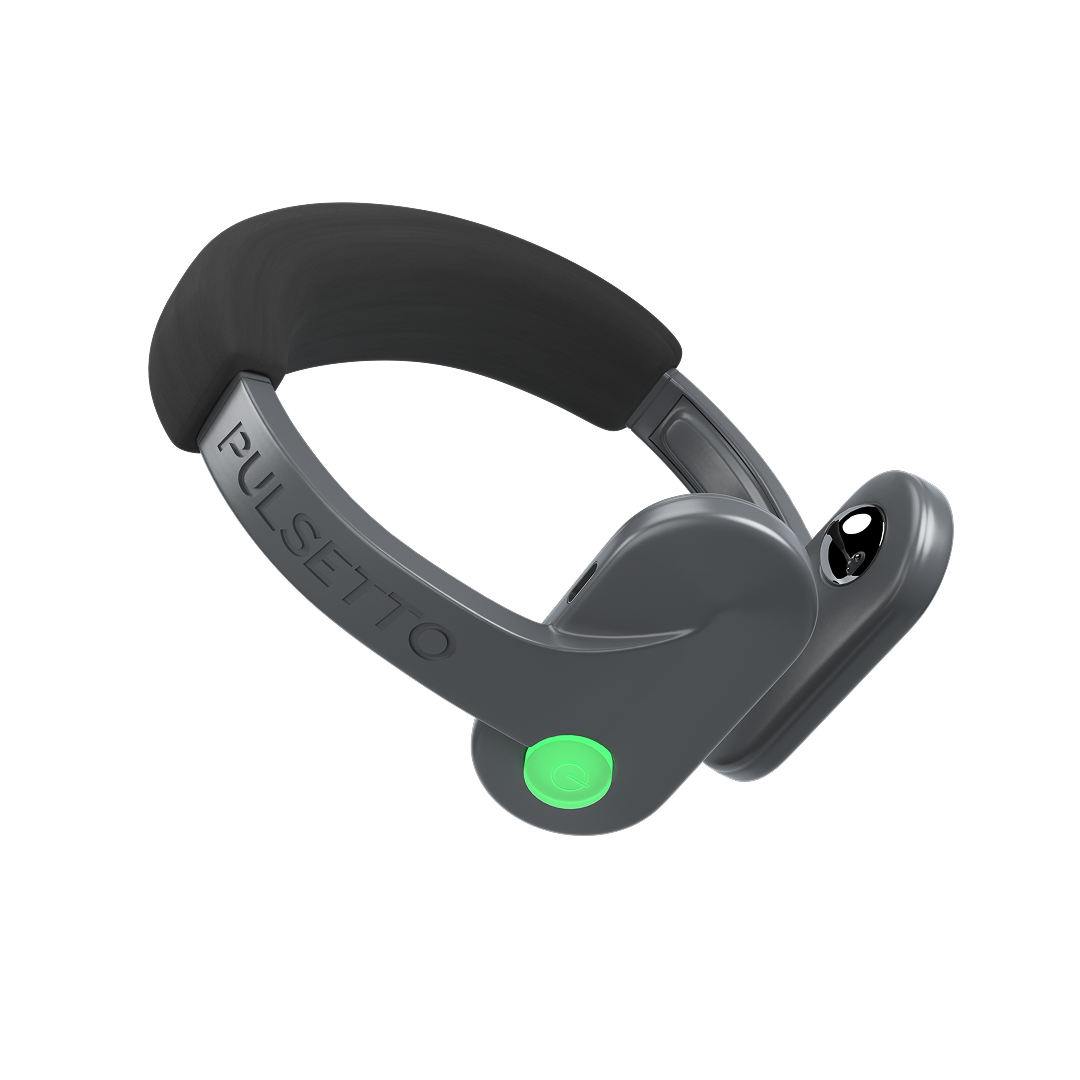
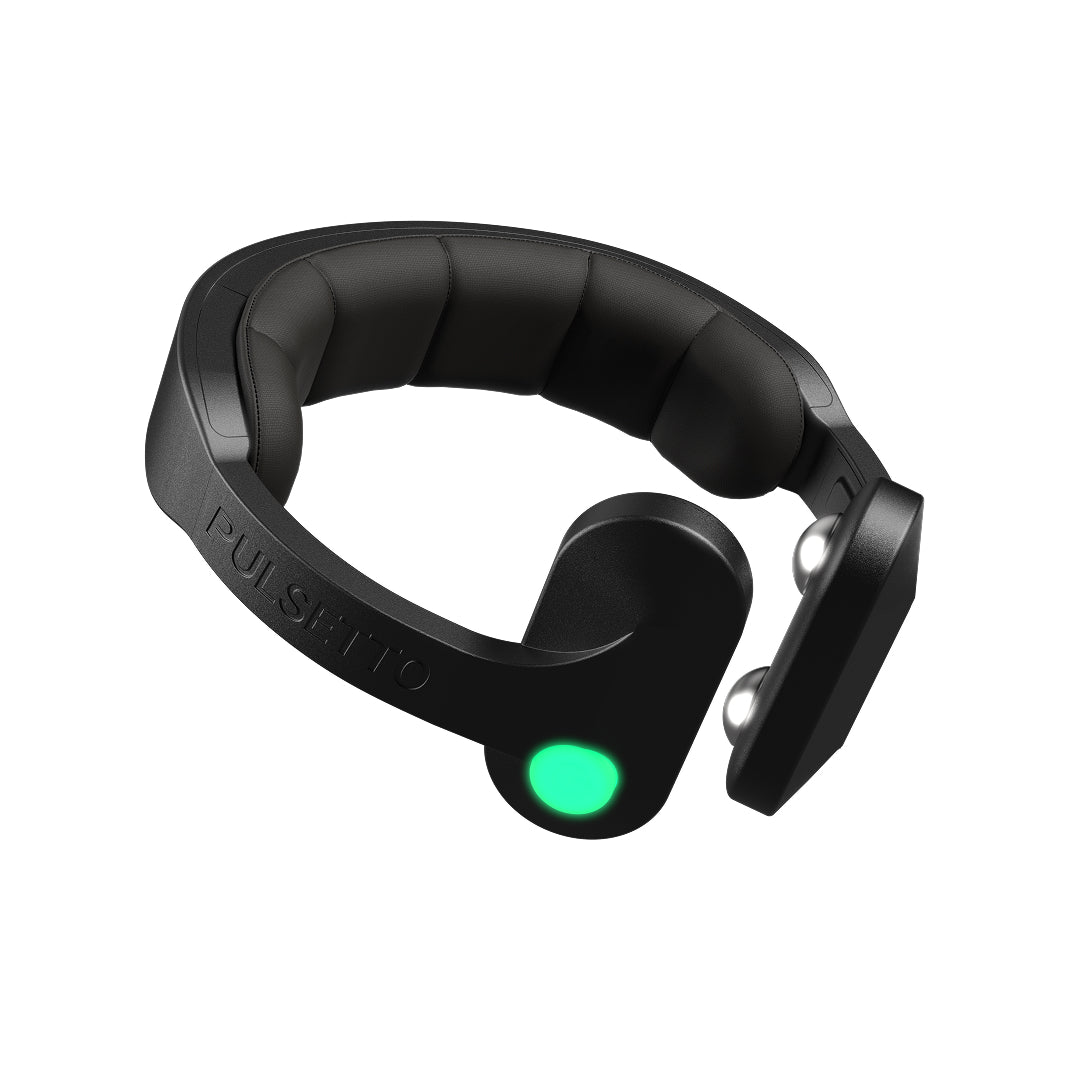
Pulsetto is a hands-free vagus nerve stimulator built to stimulate both sides of the neck at once, worn for a 4-minute session in place of a counted breathing practice. Pulsetto tested that design choice directly in its own randomized open-label pilot study (n=40, 4 weeks), splitting participants between bilateral and unilateral cervical stimulation groups. Hair cortisol, a chronic-stress biomarker, dropped 47.5% in the bilateral group (p = 0.024) against 31.4% in the unilateral group (p = 0.019), the gap that justifies stimulating both sides instead of one. Anxiety (GAD-7) and sleep-quality (PSQI) scores improved by a similar margin across both groups, 45.3% and 41.0% respectively, at the same 4-week mark.
Pulsetto Lite and Pulsetto FIT are both built on the bilateral design tested in that pilot study. Each comes with the Free Lifetime App included, runs 4-minute sessions across Stress, Sleep, Calm, Release, and Focus modes, and carries CE and FCC certification with a 2-year warranty.
Disclaimer: Pulsetto is a general wellness product and is not intended to diagnose, treat, cure, or prevent any disease or medical condition.
When to Get Professional Support
These 9 methods build general resilience. They are not a substitute for professional care. If stress is persistent, worsening, interfering with daily functioning, or comes with thoughts of self-harm, involve a licensed therapist or physician regardless of which methods you've tried. These techniques support general wellness; they are not designed to diagnose, treat, cure, or prevent any medical condition.
Method 8's controlled stress exposure carries its own contraindications. Anyone with a pacemaker or other implantable medical device, epilepsy, or who is pregnant should check with a physician before starting cold exposure specifically, the same contraindications that apply to vagus nerve stimulation.
Start Building Resilience Today
Pick one or two methods from the list above and start this week. Pairing a body-based method with a mind-based one tends to produce the fastest results, so choose one from each group if you can, and give it two to three weeks before judging results. If you want a hands-free way to fold breathwork and vagal tone training into that routine, Pulsetto's 4-minute sessions fit into a morning or evening without extra planning. Start your first session today.
Frequently Asked Questions
What are the 7 C's of resilience?
Competence, confidence, connection, character, contribution, coping, and control, a framework some resilience researchers use to describe the traits behind resilience. The 9 methods above are the actions that build those traits, not a competing framework.
Is resilience something you're born with, or can you build it?
Both play a role, but the research above shows resilience responds to structured practice the same way physical fitness does. It isn't fixed.
What are signs of low resilience to stress?
Trouble recovering emotionally after setbacks, sleep disrupted by stress, withdrawing from relationships, and feeling overwhelmed by minor stressors are common signs. Persistent or worsening symptoms call for professional support, not just more practice.
How long does it take to see results from these methods?
It varies by method. Reappraisal and gratitude often produce a subjective shift within a couple of weeks. Measurable changes in stress-hormone patterns from combined methods typically take 4 to 8 weeks of consistent practice.
Do you need to use all 9 methods?
No. Combining a body-based method with a mind-based one tends to outperform either alone, but 2 or 3 consistent methods can build measurable resilience on their own.
Can a device help with any of these methods?
Yes, for breathwork and vagal tone training specifically. Pulsetto's reviews page has more on what a typical session looks like for people using a hands-free option for that method.
Scientific research
[1] A meta-analysis of cognitive reappraisal and personal resilience (Stover et al., 2024, Clinical Psychology Review, 64 citations)
[2] The efficacy of mindfulness-based interventions in promoting resilience: A systematic review and meta-analysis of randomised controlled trials (O'Connor et al., 2023, Journal of Contextual Behavioral Science, 26 citations)
[3] Effects of gratitude intervention on mental health and well-being among workers: A systematic review (Komase et al., 2021, Journal of Occupational Health, 83 citations)
[4] Social support and psychological adjustment: A quantitative synthesis of 60 meta-analyses (Zell et al., 2024, American Psychologist, 47 citations)
[5] Purpose in life and stress: An individual-participant meta-analysis of 16 samples (Sutin et al., 2023, Journal of Affective Disorders, 28 citations)
[6] Influence of physical activity on perceived stress and mental health in university students: a systematic review(Martín-Rodríguez et al., 2026, Frontiers in Sports and Active Living, 8 citations)
[7] A systematic review and meta-analysis to assess the relationship between sleep duration/quality, mental toughness and resilience amongst healthy individuals (Arora et al., 2022, Sleep Medicine Reviews, 84 citations)
[8] The hormesis principle of neuroplasticity and neuroprotection (Mattson et al., 2024, Cell Metabolism, 54 citations)
[9] Effects of Resilience Training on Mental, Emotional, and Physical Stress Outcomes in Military Officer Cadets (Zueger et al., 2022, Military Psychology, 53 citations)