Proven Ways to Balance Neurotransmitters Naturally
![]()
![]()

![]()
If you are serious about balancing neurotransmitters, think in systems. Diet supports the raw materials. Sleep supports recovery. Exercise changes signaling. Stress changes all of it. And the nervous system sits underneath the whole thing. That is why how to increase neurotransmitters naturally is not really one question. It is five questions that affect each other.
Optimize Your Diet for Brain Chemistry
If you want to know how to increase neurotransmitters in the brain, food matters because neurotransmitters are made from building blocks your body gets from diet.
Amino acids from protein help support the production of serotonin, dopamine, norepinephrine, and other natural neurotransmitters. Omega-3 fats also matter for brain membrane function and signaling, while vitamins and minerals such as B vitamins, magnesium, iron, and zinc help the underlying chemistry run more smoothly.
In practice, I would keep this simple:
-
eat enough protein
-
include fatty fish, eggs, yogurt, beans, nuts, seeds, leafy greens
-
stop living on caffeine and convenience food
-
eat regularly enough that your brain is not guessing when the next meal is coming
A Mediterranean-style pattern comes up often in mental health nutrition research for a reason. It is not magic. It is just a better baseline than ultra-processed chaos.
Improve Sleep Quality
If you are trying to figure out how to heal neurotransmitters, sleep is one of the first places I would look. Sleep and wake regulation depend on multiple neurotransmitter systems, including serotonin, histamine, acetylcholine, orexin, GABA, and norepinephrine. Poor sleep does not just make you tired. It changes emotional regulation, stress tolerance, memory, and attention. That is why balancing brain chemistry is harder when sleep is unstable.
The practical fix is still basic:
-
go to bed at roughly the same time
-
get light in your eyes in the morning
-
reduce screens late at night
-
stop treating sleep like leftover time
This part is not glamorous. It still pays off.
Exercise to Boost Neurotransmitter Activity
Exercise is one of the most reliable ways to increase neurotransmitter activity without turning your life into a supplement experiment. Reviews on exercise and mental health repeatedly point to changes in dopamine, serotonin, norepinephrine, endorphins, and related neurobiological pathways. That is one reason movement can improve mood, motivation, stress tolerance, and cognitive function. If you are wondering how to improve neurotransmitters, regular exercise belongs near the top of the list.
You do not need a heroic plan. Walking helps. Strength training helps. Zone 2 cardio helps. Consistency matters more than pretending you will suddenly become a six-day-a-week machine. I usually trust routines that people can keep when life gets annoying. Those are the ones that survive.
Reduce Stress Through Nervous System Regulation
If you want to balance neurotransmitters, you cannot ignore stress. Chronic stress affects brain circuits, hormones, inflammation, and neurotransmitter systems, including serotonin and dopamine-related pathways. Long-term psychosocial stress has also been associated with reduced dopamine synthesis capacity in some human imaging research. That is one reason balancing brain chemistry gets harder when your nervous system never really comes down.
This is where nervous system work stops sounding soft and starts sounding practical. Breathing, recovery, less overstimulation, and better pacing matter because they reduce the constant pressure on the same systems you are trying to steady. If you want ideas that fit this section directly, our guide on how to calm your nervous system might be of help.
Activate the Parasympathetic Nervous System
If you are looking for how to balance brain chemicals, one of the more useful ways to think about it is this: the brain works differently when the body feels safe enough to recover. That is why boosting parasympathetic nervous system activity matters. Slow breathing, meditation, body scans, gentler movement, and vagus nerve support can all help shift the body out of constant urgency and into a state where regulation is easier.
I would keep the practice simple:
-
longer exhales than inhales
-
ten quiet minutes without stimulation
-
a short walk
-
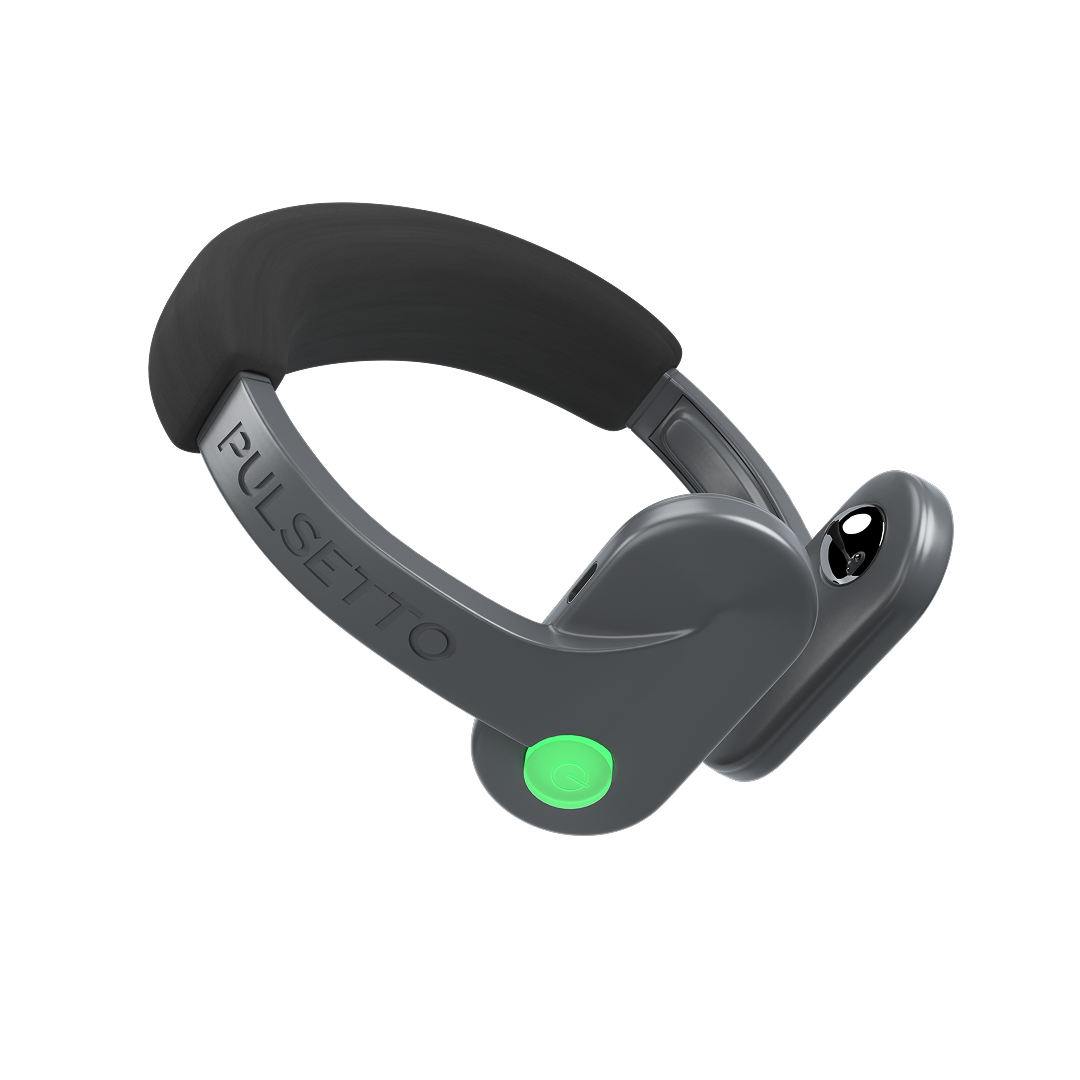
a short Pulsetto session if that already fits your routine
If you want a deeper internal read here, read this guide on how to activate parasympathetic nervous system.
What Are Neurotransmitters and Why Do They Matter?
Natural neurotransmitters are chemical messengers the nervous system uses to communicate. Serotonin is involved in mood, appetite, and sleep. Dopamine is tied to motivation, reward, movement, and attention. GABA helps with inhibition and calm. Norepinephrine is more about alertness and arousal. Acetylcholine matters for attention, memory, and muscle activation. None of these chemicals work alone, and that is one reason simplified “one chemical equals one feeling” takes usually fall apart fast.
When people talk about neurotransmitter imbalance treatment, they are often talking about symptoms like low mood, anxiety, poor focus, poor sleep, low motivation, irritability, or feeling flat. Those symptoms can involve neurotransmitter systems, but they can also involve stress, hormones, inflammation, trauma, medication effects, medical issues, or plain exhaustion. So yes, the chemistry matters. It is just not the whole story.
What Causes Neurotransmitter Imbalance?
![]()

![]()
![]()
![]()
![]()
If you are wondering how to fix neurotransmitter imbalance, start with the most common offenders before you jump to the most dramatic explanation. Chronic stress, poor sleep, poor diet, too much alcohol, stimulant overuse, social isolation, lack of movement, and constant overstimulation all put pressure on the same brain-body systems that shape mood and cognition. That is the real-life version of how to fix a chemical imbalance for a lot of people.
Modern life does not help. Too much screen time. Too little sunlight. Too much processed food. Too much stress dressed up as productivity. None of that is subtle, even if people try to make it normal.
Can Chemical Imbalance Be Cured Naturally?
This question comes up a lot: can chemical imbalance be cured naturally? The honest answer is more nuanced than people want. Not every mental health condition is just a neurotransmitter issue, and not every neurotransmitter-related problem can be fixed with lifestyle alone. The older “chemical imbalance” story, especially around depression, has been criticized for being too simplistic and too certain. That criticism is fair.
However, can neurotransmitters be repaired or supported through lifestyle? In many cases, yes. Sleep, exercise, nutrition, stress regulation, and structured routines can improve the conditions that help brain signaling work better. That is improvement, not a universal cure. If symptoms are severe, long-lasting, or disruptive, people should not treat a wellness blog as a substitute for professional care.
The Role of the Vagus Nerve in Neurotransmitter Balance
When people think about vagus nerve health, they usually think about calm, digestion, and heart rate. Fair enough. Still, the vagus nerve also matters because it sits inside broader networks that influence stress response, inflammation, gut-brain communication, and emotional regulation. All of that affects the context in which balancing neurotransmitters becomes easier or harder.
For a fuller explanation of that system, our article on vagus nerve health fits here naturally.
How Vagus Nerve Stimulation Supports Brain Chemistry
If you are asking how to balance neurotransmitters, vagus nerve stimulation belongs in the conversation as an indirect support tool, not a magic chemical switch. Reviews of VNS describe effects on autonomic regulation, inflammation, and neurotransmitter-related pathways. Some research also suggests it may modulate systems relevant to mood and stress. That does not mean one session fixes your brain chemistry. It means nervous system regulation can create a better environment for it.
If you want the more research-focused internal page, Pulsetto’s vagus nerve activation science might catch your interest.
Tools That Support Nervous System Regulation
A good nervous system regulation device is not the only useful tool. Breathing apps, cold face immersion, guided meditations, weighted blankets, walks outside, and wearable vagus-oriented devices can all support the same broader goal: helping the body downshift more reliably. That is where relaxation tools stop being fluff and start being practical. The question is not whether the category exists. The question is which tools people will actually keep using. For that angle, our internal guide to the nervous system regulation device will lend you a hand.
Common Mistakes That Disrupt Brain Chemistry
If you are serious about how to fix a chemical imbalance, start by not sabotaging the basics.
The common mistakes are predictable:
-
sleeping too little or at random hours
-
living on stimulants
-
eating like recovery does not matter
-
staying sedentary all day
-
treating chronic stress as normal
-
chasing short-term dopamine and calling it motivation
That is the practical side of balancing brain chemistry. Most people do not need more theory. They need fewer self-inflicted drains on the same systems they want to repair. If you want another angle on that category, check our guide about relaxation tools.
Long-Term Strategies for Balancing Brain Chemistry
The real answer to balancing neurotransmitters is not intensity. It is sustainability. Better habits repeated long enough to matter usually beat perfect habits done once. That is true for food, movement, sleep, and stress work.
If I had to keep this practical, I would suggest:
-
track sleep and energy for two weeks
-
eat more protein and less processed junk
-
walk daily
-
lift or train a few times a week
-
cut late-night overstimulation
-
add one nervous system routine you can actually keep
That is also the most realistic route for how to improve neurotransmitters over time. Small changes compound. However, only if they are real enough to stay in your life. If you want an internal read that connects to this section well, our piece on resetting the vagus nerve should be your next read.
Ready to Support Your Neurotransmitters the Science-Way

If stress, low mood, poor focus, or restless sleep have been wearing you down, start with the inputs that shape your brain chemistry every day. Food. Sleep. Exercise. Recovery. Nervous system regulation. That is still the cleanest way to approach how to balance neurotransmitters naturally without drifting into nonsense.
Pulsetto belongs here as a support tool, not a shortcut. We built it for people who want a more repeatable way to regulate stress and support a calmer baseline over time. If that sounds like the missing piece in your routine, you can buy vagus nerve stimulator.
How to Balance Neurotransmitters FAQs
How can I balance neurotransmitters naturally?
Start with sleep, protein-rich and nutrient-dense food, regular exercise, lower chronic stress, and better nervous system regulation. Those are the strongest lifestyle levers most people can control directly.
What are the signs of neurotransmitter imbalance?
The signs can include low mood, anxiety, poor sleep, low motivation, brain fog, irritability, low energy, or trouble focusing. These symptoms are not specific to neurotransmitters alone, which is why context matters.
Can diet really affect brain chemistry?
Yes. Diet affects amino acid availability, fats important for brain membranes, vitamin and mineral intake, and gut-brain signaling. All of that can influence the systems involved in mood and cognition.
How long does it take to fix a chemical imbalance?
That depends on what is actually driving the problem. Some people feel better within weeks after improving sleep, diet, movement, and stress load. Deeper or more complex issues can take longer and may need medical support.
Does stress affect neurotransmitter levels?
Yes. Chronic stress can alter neurotransmitter systems, brain circuits, and hormones involved in mood and motivation. That is one reason long-term stress can feel so mentally expensive.
Can the vagus nerve influence neurotransmitters?
Indirectly, yes. The vagus nerve helps regulate stress response, inflammation, and gut-brain communication, and those systems interact with neurotransmitter-related pathways. It is not the whole picture, but it is part of it.