Vagus Nerve Massage: How to Stimulate the Vagus Nerve
Vagus Nerve Massage: How to Stimulate the Vagus Nerve
Feeling overwhelmed, bloated, or just off? Your vagus nerve might hold the key to turning things around. This incredible nerve, often called the body’s “wandering protector,” is like a master switch for relaxation, digestion, and mood. By learning vagus nerve massage and other stimulation techniques, you can tap into a natural, science-backed way to reduce stress, improve gut health, and feel your best in 2025. Whether you’re new to the concept or looking to deepen your practice, this comprehensive guide covers everything you need to know about the vagus nerve, its role in your health, and how to stimulate it effectively. Let’s get started!
The vagus nerve, or cranial nerve X, is the longest and most complex cranial nerve in your body. Originating in the brainstem, it weaves through your neck, chest, and abdomen, connecting to major organs like the heart, lungs, stomach, and intestines. Its name comes from the Latin word vagus, meaning “wandering,” because it roams far and wide, touching nearly every system.
As a core component of the parasympathetic nervous system—the “rest and digest” branch of your autonomic nervous system—the vagus nerve regulates functions you don’t consciously control, such as:
Heart rate: Slowing it down to promote calm.
Digestion: Triggering enzyme release and gut motility.
Respiration: Regulating breathing patterns.
Mood: Influencing serotonin and dopamine production.
Immune response: Modulating inflammation.
The vagus nerve also forms part of the gut-brain axis, a two-way communication network linking your brain and digestive system, and the hypothalamic-pituitary-adrenal (HPA) axis, which manages stress and hormones. When your vagus nerve is firing on all cylinders, you feel balanced, focused, and resilient. But chronic stress, poor sleep, or an unhealthy diet can lower vagal tone—the nerve’s ability to function optimally—leading to issues like anxiety, IBS, or hormonal imbalances.
Rated 4.5/5 by 20,137+ Customers
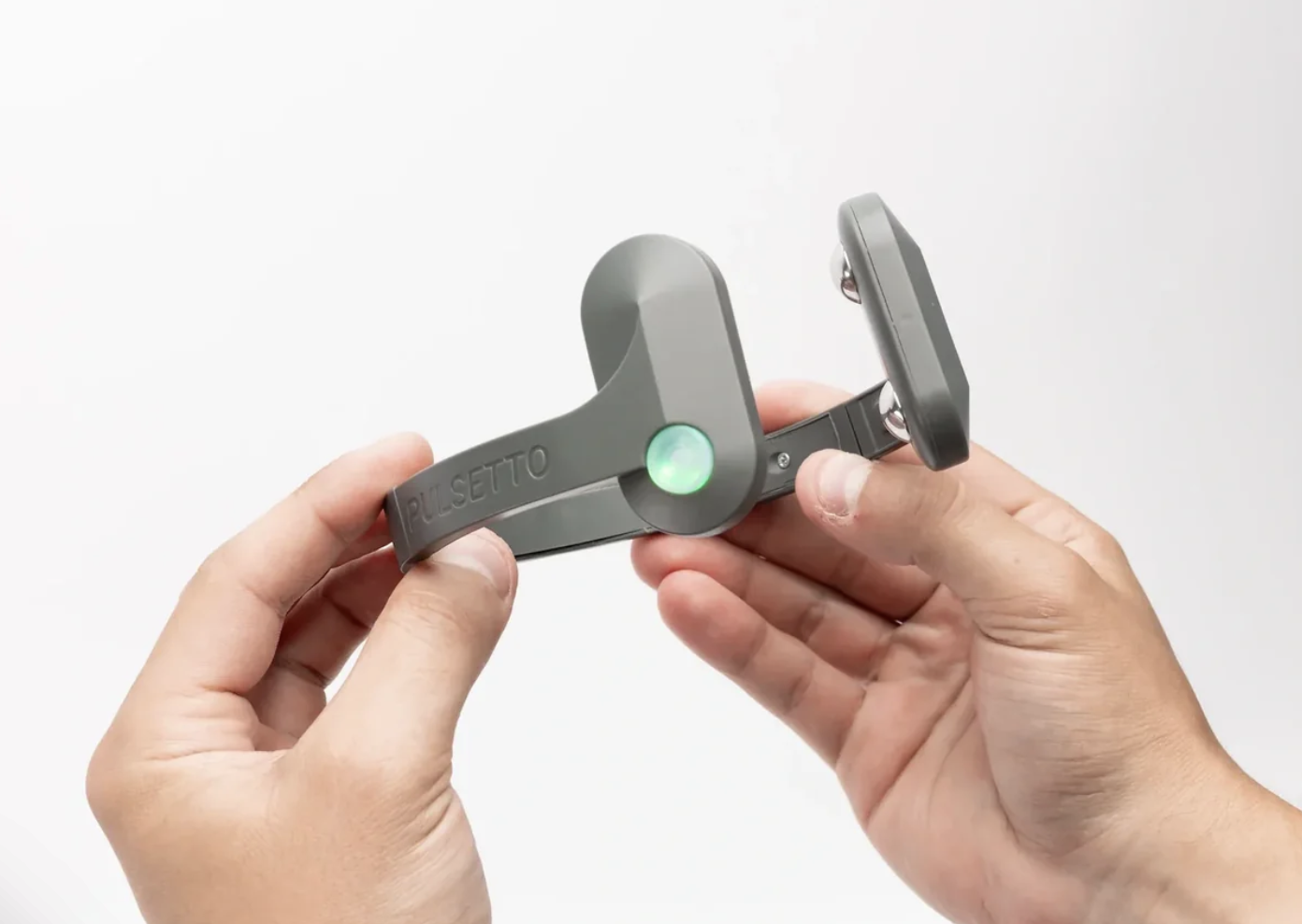
Pulsetto vagus nerve stimulation device.
Experience immediate relaxation with the Pulsetto vagus nerve stimulator.
Sit back, close your eyes, and immerse yourself in the soothing Pulsetto experience, designed to gently promote a state of calmness and well-being.
Here’s how the vagus nerve impacts your well-being:
Stress and Emotional Regulation
Heart Health
Digestive Function
Mental Health and Cognitive Function
Hormonal Balance
Stimulating your vagus nerve is like giving your body a tune-up. It restores balance, reduces stress, and enhances overall health.
Benefits of Vagus Nerve Massage
Vagus nerve massage is a non-invasive, accessible way to boost vagal tone. Unlike implantable VNS devices (FDA-approved for epilepsy and depression), massage requires no equipment and can be done anywhere. Here’s a detailed look at its benefits, backed by recent research:
Vagus nerve massage is simple, safe, and requires no special tools. It involves gentle pressure on areas where the nerve is accessible, paired with deep breathing for maximum effect. Here’s a detailed step-by-step guide:
1. Prepare Your Space
Find a quiet, comfortable spot to sit or lie down. Dim the lights, play soft music, or use calming essential oils like lavender (diluted with a carrier oil). Relaxation enhances the massage’s effectiveness.
2. Locate the Vagus Nerve
The vagus nerve is accessible in several areas:
Behind the ears: The auricular branch is here, making ear massage highly effective.
Sides of the neck: Near the carotid artery, just below the jawline.
Upper chest: Where the nerve connects to the heart.
Abdomen: Where it influences digestion.
3. Apply Gentle Pressure
Use your fingertips, palms, or even a soft massage tool:
Neck massage: Start at the base of the skull. Move downward along the sides of the neck to the collarbone in slow, circular, or feathering motions. Apply light pressure (like petting a cat) for 1–2 minutes per side.
Ear massage: Gently rub the earlobes, the area behind the ears, and the outer ear (tragus and concha) in circular motions for 1–2 minutes. .
Chest massage: Use gentle, downward strokes from the sternum to the upper abdomen for 1 minute.
Abdominal massage: Make clockwise circular motions around the belly button for 2–3 minutes to stimulate digestion.
4. Pair with Deep Breathing
Breathing enhances the parasympathetic response. Try this:
Inhale through your nose for 4 seconds, letting your belly expand (diaphragmatic breathing).
Exhale through your mouth for 6–8 seconds, visualizing stress leaving your body.
Adjust pressure or duration if you feel discomfort. If you have conditions like low blood pressure or a history of fainting, consult a doctor first. Your body knows best.
How to Stimulate the Vagus Nerve (Beyond Massage)
Massage is just one way to boost vagal tone. Here are other science-backed methods to stimulate the vagus nerve, many of which complement massage:
1. Discover Us - Pulsetto
Pulsetto - Your Peace & Better Sleep Partner
The Science Behind Vagus Nerve Stimulation
Advantages of Pulsetto:
Stress Reduction via Vagus Nerve Stimulation: Experience significant relief from daily stress by activating your vagus nerve and shifting your body into a "rest and digest" state.
Improved Sleep: Pulsetto supports restful sleep by calming your nervous system, helping you wake up refreshed and energized.
Using Pulsetto is simple, with sessions starting from 4 minutes. Here's how it works:
Apply a generous amount of gel to your neck.
Place the device on your neck.
Pair it with the Pulsetto app on your smartphone.
Choose your desired program and start the device through the app.
The device creates a gentle, pleasant vibration or tingling sensation in your neck area. This stimulation helps activate your parasympathetic nervous system, leading to a calmer, less stressed state.
2. Who can get the most out of vagus nerve massage?
Pretty much anyone can benefit, but it’s especially helpful for people dealing with:
Constant tiredness or low energy.
Trouble focusing or mental fog.
Tension headaches or migraines.
Ongoing pain, like fibromyalgia.
Tight shoulders from stress. Regular massage can ease these issues and boost overall vitality.
3. Is vagus nerve massage safe for everyone?
It’s generally safe if done gently, but some folks should be cautious:
Pregnant women: Check with a doctor to avoid blood pressure changes.
People with pacemakers: Stick to manual massage, not electrical devices.
Those with low blood pressure: Go easy to prevent dizziness.
Anyone with neck injuries: Avoid pressing on sore spots. If you have heart issues, neurological conditions, or recent surgeries, talk to a healthcare provider first.
4. How soon will I notice results from vagus nerve massage?
It depends on the person. Some feel relaxed or sharper after just 5 minutes, while others see benefits like more energy or less tension after a week or two of daily practice. Consistent massage often leads to noticeable calm within a few days, with bigger payoffs over a month.
5. Can vagus nerve massage help with weight control?
Indirectly, yes. It influences appetite by signaling fullness to the brain, which can curb stress eating. It also supports metabolism by calming the body. Pair it with healthy eating and exercise to maintain a steady weight.
6. How do I know if my vagal tone is low?
Signs of low vagal tone include:
Feeling wiped out all the time.
Mood swings or getting annoyed easily.
Breathing shallowly when stressed.
Jumping at loud sounds or bright lights.
Clenching your jaw or holding tension in your muscles. These suggest your vagus nerve could use a boost.
7. Can vagus nerve massage improve my skin?
Possibly, by easing stress and inflammation, which can trigger acne or eczema. Better vagal tone improves blood flow and skin repair, potentially giving you a healthier glow. Calm vibes, clearer skin.
8. How is vagus nerve massage different from other massages?
It’s not like a deep-tissue or relaxation massage. Vagus nerve massage uses light, targeted pressure on specific spots (ears, neck, chest) to activate the nerve, not to knead muscles. Sessions are short—2 to 5 minutes—and often paired with deep breathing for maximum effect.
9. Is vagus nerve massage okay for kids or teens?
Yes, with adult supervision. A gentle ear or neck massage can help kids or teens manage stress or sharpen focus, especially if they deal with anxiety or ADHD. Use very light pressure and check with a pediatrician for young kids or those with health issues.
10. What tools can make vagus nerve massage even better?
Your hands work great, but these can enhance the experience:
Massage balls: Small and soft for precise pressure.
Vibration tools: Low-frequency for gentle stimulation.
Acupressure mats: Great for chest or belly. Tools can make stimulation more consistent. Want a high-tech option? Try our Pulsetto Vagus Nerve Stimulator for a quick boost!
11. Can vagus nerve massage ease chronic pain?
Yes, it can help by calming pain signals and reducing inflammation. It’s especially useful for conditions like fibromyalgia or arthritis, where stress amplifies discomfort. A natural way to feel better.
12. Does posture impact vagus nerve function?
Absolutely. Slouching or hunching can pinch the vagus nerve in your neck, limiting its activity. Standing tall with your shoulders back keeps the nerves firing smoothly. Posture exercises, like those in yoga, can make a big difference. Check our posture tips.
13. Can vagus nerve massage boost athletic performance?
Indirectly, by speeding up recovery and sharpening focus. It reduces muscle tension and improves heart rate variability, helping you bounce back after tough workouts. Massage before a race could give you a mental edge.
14. Are there psychological perks to vagus nerve massage?
Beyond calming stress, it can:
Build emotional strength.
Ease trauma-related tension or PTSD symptoms.
Deepen mindfulness and self-awareness. Regular practice helps you stay grounded and emotionally balanced.
15. Can I combine vagus nerve massage with other therapies?
Definitely. It works well with:
Acupuncture: Hits similar nerve pathways.
Chiropractic adjustments: Align the spine for better nerve function.
Aromatherapy: Boosts relaxation with soothing scents. Combining therapies can amplify the calming effects.
16. Does vagus nerve massage affect blood sugar?
By lowering stress hormones, it can help stabilize blood sugar, especially for those with diabetes. Stress spikes glucose, so a calmer nervous system supports better control.
17. Can it help with allergies?
Maybe. Reducing stress and inflammation it could ease allergy symptoms like sneezing or itching. It’s not a fix-all, but it might make springtime more bearable.
18. What mistakes should I avoid with vagus nerve massage?
Steer clear of:
Pressing too hard: This can cause dizziness or discomfort.
Ignoring pain: Stop if anything feels off.
Skipping breaths: Deep breathing boosts results.
Being inconsistent: Daily practice is key. Start light and build a routine for the best experience.
19. Can vagus nerve massage improve my voice?
Yes, by stimulating the throat muscles tied to the vagus nerve. This can make your voice clearer and reduce strain, great for singers or speakers.
20. Does vagus nerve massage slow aging?
It might, by cutting stress and inflammation, which speed up aging. Better vagal tone supports cell repair and keeps your brain sharp, helping you feel youthful longer. A little massage goes a long way.
21. Can I do vagus nerve massage while meditating?
Yes, it’s a perfect combo. Massaging your ears or neck during meditation deepens relaxation and boosts vagal activity, making your sessions more powerful.
22. Why does hydration matter for vagus nerve health?
Staying hydrated keeps nerves functioning smoothly, as water supports signal transmission. Dehydration can leave you sluggish or cranky, so aim for 8–10 cups of water daily to complement your massage.
23. Can vagus nerve massage help with jet lag?
Yes, it can reset your stress response and improve sleep, easing travel fatigue. A quick massage after a flight can help you feel more grounded. Explore our travel wellness tips.
24. Does vagus nerve massage spark creativity?
By calming stress and boosting focus, it can unlock creative thinking. A relaxed mind is better at solving problems or generating ideas. Your next masterpiece might start with a massage.
25. Can I do vagus nerve massage in a group?
Yes, group settings like yoga classes or wellness workshops create a calming vibe. Practicing together can also build a connection and make it more fun.