What Is the Vagus Nerve and Why the Ear Matters
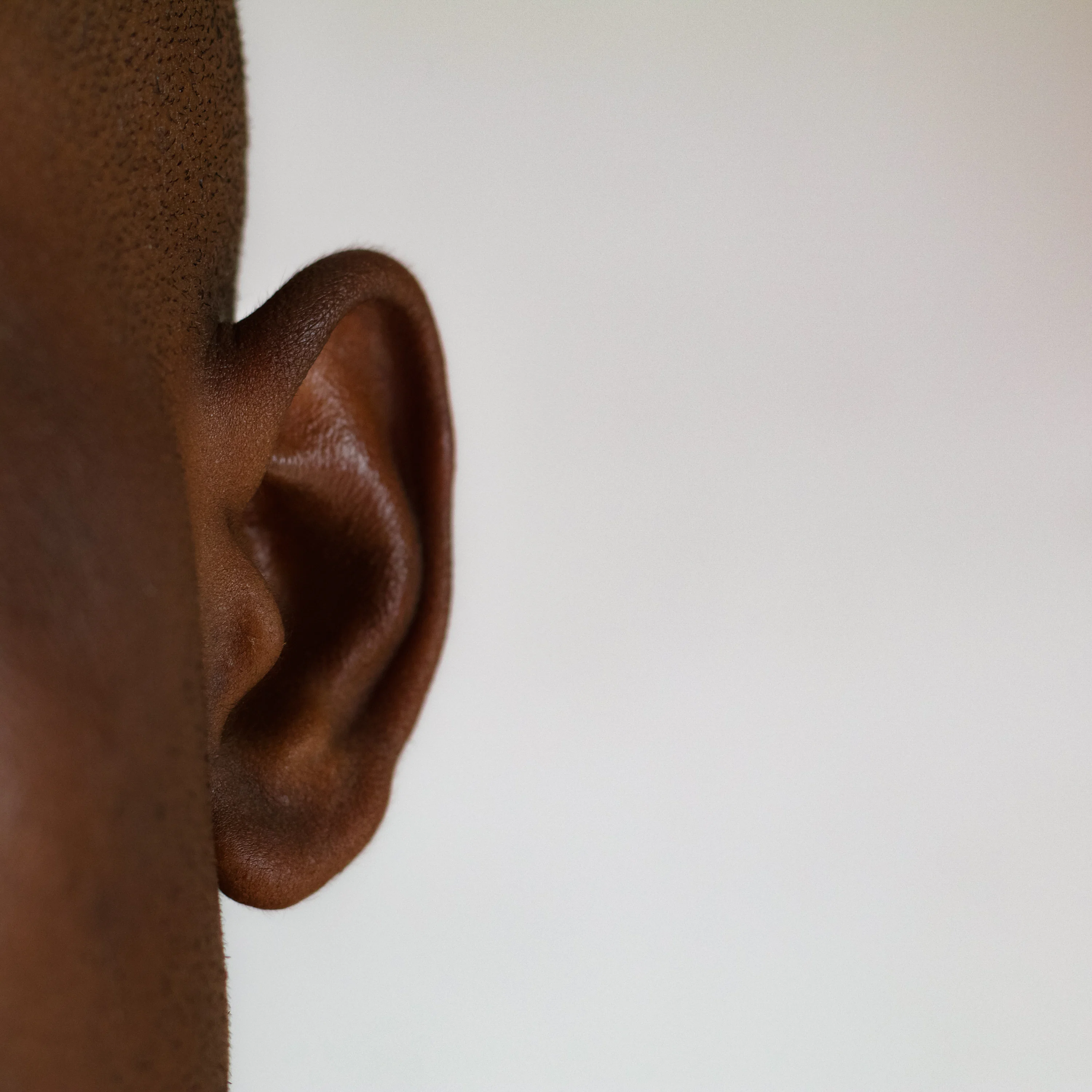
The vagus nerve is one of the main nerves involved in parasympathetic function. It has roles in heart rate, digestion, breathing patterns, and broader body-brain communication. Most of it runs far beyond the ear, of course. However, one small branch, often called the auricular branch of the vagus nerve, reaches part of the external ear. That is why the ear comes up so often in this conversation.
That does not mean every ear rub is powerful vagus work. The answer is no. It means some ear regions are anatomically relevant, which is why researchers use them in transcutaneous auricular VNS studies. If you want the more research-heavy version of that story, Pulsetto’s vagus nerve activation science page is the right read.
Key Vagus Nerve Ear Pressure Points
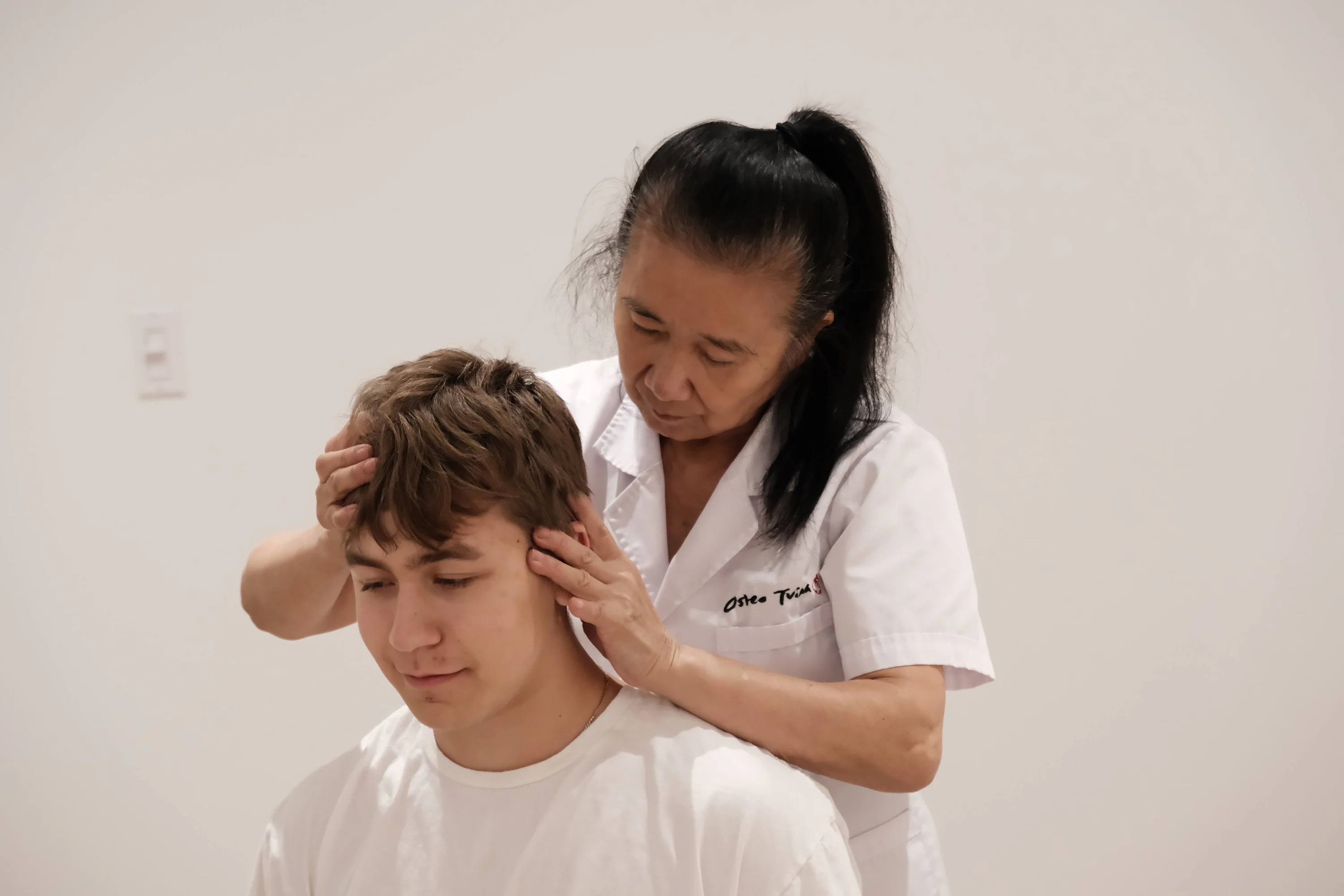
If you are looking for the vagus nerve pressure point ear guides keep mentioning, there is not one magic button. There are a few ear regions that come up repeatedly in anatomical and auricular VNS papers. The two most practical ones to know are the tragus and the cymba conchae. Research reviews do note some disagreement across maps, but the concha region keeps showing up as the strongest candidate overall.
Tragus Area
The tragus is the small flap of cartilage partly covering the entrance to the ear canal. It is easy to find because it is right there at the front edge of the ear opening. This is one of the most commonly used reference points in ear-based vagus work because it is accessible and simple to touch. Aforementioned anatomical papers suggest it likely contains relevant vagal fibers, though not as exclusively as the cymba conchae.
When you press the tragus gently, it should feel like firm cartilage with a bit of give. You are not trying to jam it inward. Light contact is enough.
Cymba Conchae
The cymba conchae sits in the inner bowl-like part of the outer ear, above the lower concha and deeper than the tragus. It is a little harder to describe without a picture, but think of the upper hollow inside the outer ear cartilage. Same anatomical and review papers identify the cymba conchae as especially relevant because it appears to be richly innervated by the auricular branch of the vagus nerve, with some papers describing it as the most specific auricular target.
Step-by-Step Guide to Vagus Nerve Ear Massage
A good ear massage for vagus nerve support should feel calm and controlled. Not intense. Not painful. Keep it simple.
Step 1: Prepare Your Hands and Environment
Wash your hands first. Sit somewhere quiet. Keep your shoulders relaxed and your jaw unclenched. I would not do this while rushing out the door or doomscrolling. Ear work is subtle. Give it a real minute.
You can sit upright or recline slightly. Either is fine. What matters more is not holding tension everywhere else while trying to relax one small area.
Step 2: Apply Gentle Pressure
For a vagus nerve pressure point ear routine, use the pads of your thumb and index finger. Place one finger on the front and one on the back of the tragus, or use one fingertip to press into the cymba conchae gently.
The pressure should be light to moderate. Enough to feel contact. Not enough to create sharp pain. Mild warmth, tenderness, or a small sense of release can be normal. Pain is not the goal. Pain means back off.
Step 3: Use Circular Motions
For a proper vagus nerve ear massage, use slow circles rather than random rubbing. Go clockwise for 20 to 30 seconds. Then switch direction. Move slowly enough that you can actually feel what you are doing.
I would stay with one spot at a time. Tragus first. Then the cymba conchae if you can locate it comfortably. Do not turn it into a whole-ear attack. More is not better here.
Step 4: Duration and Frequency
A realistic vagus nerve ear stimulation routine is short. Start with 1 to 2 minutes per ear once or twice a day. That is enough to see whether it helps you feel more settled.
If you like it, keep it as part of a wider routine. If you need dramatic results from one session, this probably is not the right method for you. Ear work is more about consistency than intensity.
Can You Use an Electric Massager on the Ear?
The phrase using electric massager on ear sounds simple. The reality is less clean. The ear is sensitive, small, and easy to irritate. Strong vibration, heat, or pressure around it can be a bad idea, especially if the device was not designed for auricular use. There is also a big difference between a generic electric massager and a device built for controlled auricular vagus research or medical contexts.
So, should you grab any electric gadget and press it into the ear? The answer is no. A better move is to stay gentle, use your fingers, and treat the ear with more respect than most wellness hacks do. If you are exploring the broader category of calming gadgets, our guide on relaxation tools is a safer next step.
Benefits and Limitations of Ear-Based Vagus Nerve Stimulation
The possible upside of vagus nerve ear stimulation is straightforward. It is non-invasive. It is accessible. It may help some people feel calmer, more grounded, or easier to wind down. Auricular VNS research has explored outcomes in areas such as mood, sleep, pain, and autonomic regulation, though results vary by study quality, protocol, and condition.
The limitation is just as clear. Manual ear massage is imprecise. You may not hit the right spot. Your anatomy may differ. The pressure may be too weak, too random, or too inconsistent to do much beyond general relaxation. That does not make it useless. It just keeps it in the right box. If better sleep is part of your goal, our internal piece on improve sleep fits naturally here too.
Why Manual Techniques Can Be Inconsistent
This is the part most “do this pressure point” articles skip. Vagus nerve ear massage can be inconsistent because people do it differently every time. The ear itself is small. The target regions are not huge. Even anatomy papers and consensus reviews discuss overlap, neighboring nerve supply, and uncertainty about the exact best points in some cases.
On top of that, your own state matters. If you are tense, impatient, distracted, or pressing too hard, the method changes. That is why some people swear by manual techniques while others feel nothing. If you want to zoom out and look at other supportive tools in the same broader category, our guide on biohacking products connects well here.
A Better Alternative for Consistent Vagus Nerve Stimulation
This is where vagus nerve stimulation devices make more practical sense. Not because ear massage is fake. It is because manual techniques are hard to standardize. Devices can offer more consistent placement, more repeatable settings, and less guesswork. That matters when you care about routine, not just curiosity. Clinical and research discussions of implanted VNS and transcutaneous auricular VNS both reflect that repeatable dosing and placement are part of the reason device-based approaches exist in the first place.
For people who want something simpler than ear mapping and finger circles, the case for a device is mostly about control and consistency. If you want to explore that route directly, you can buy vagus nerve stimulator.
Want a More Reliable Way to Stimulate Your Vagus Nerve?

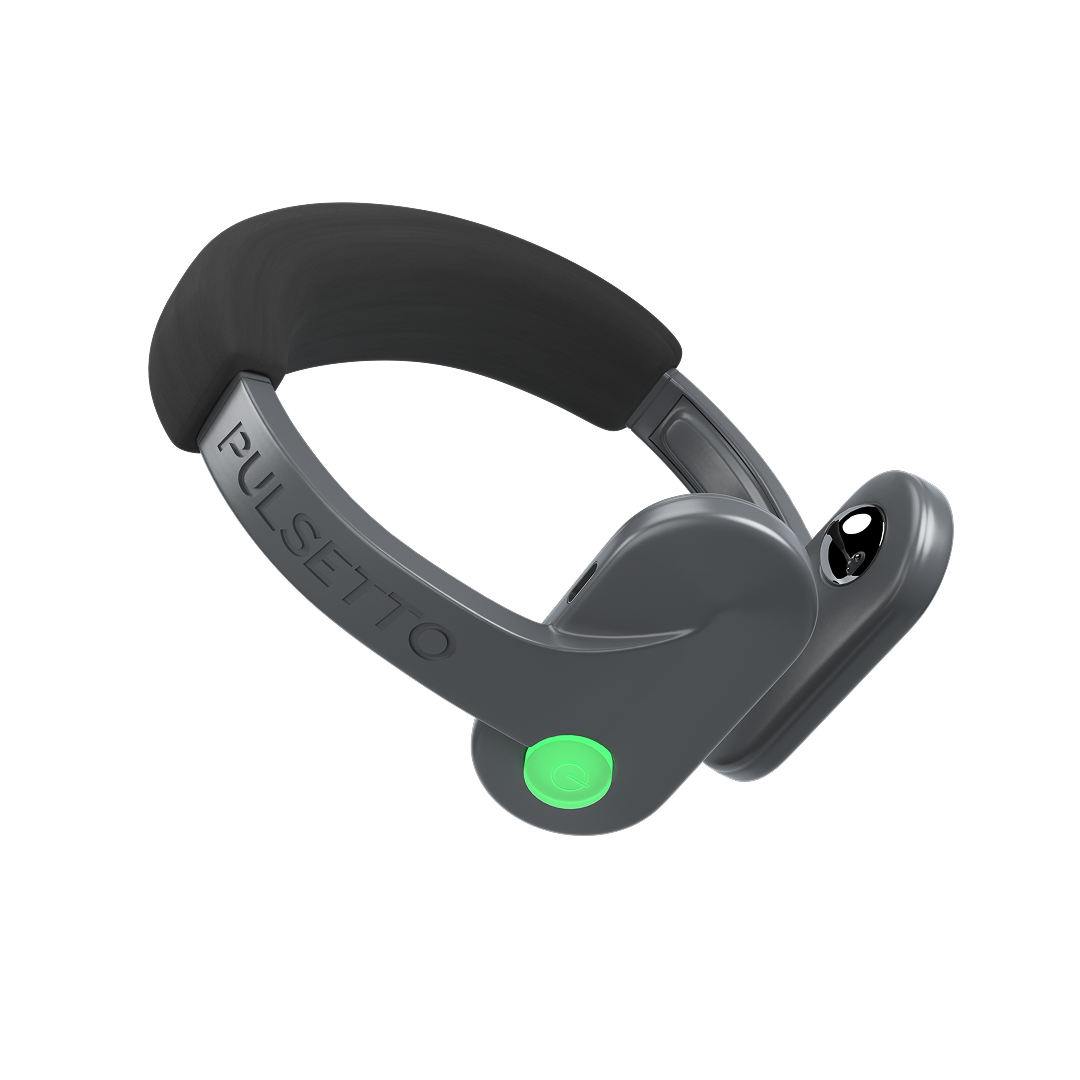
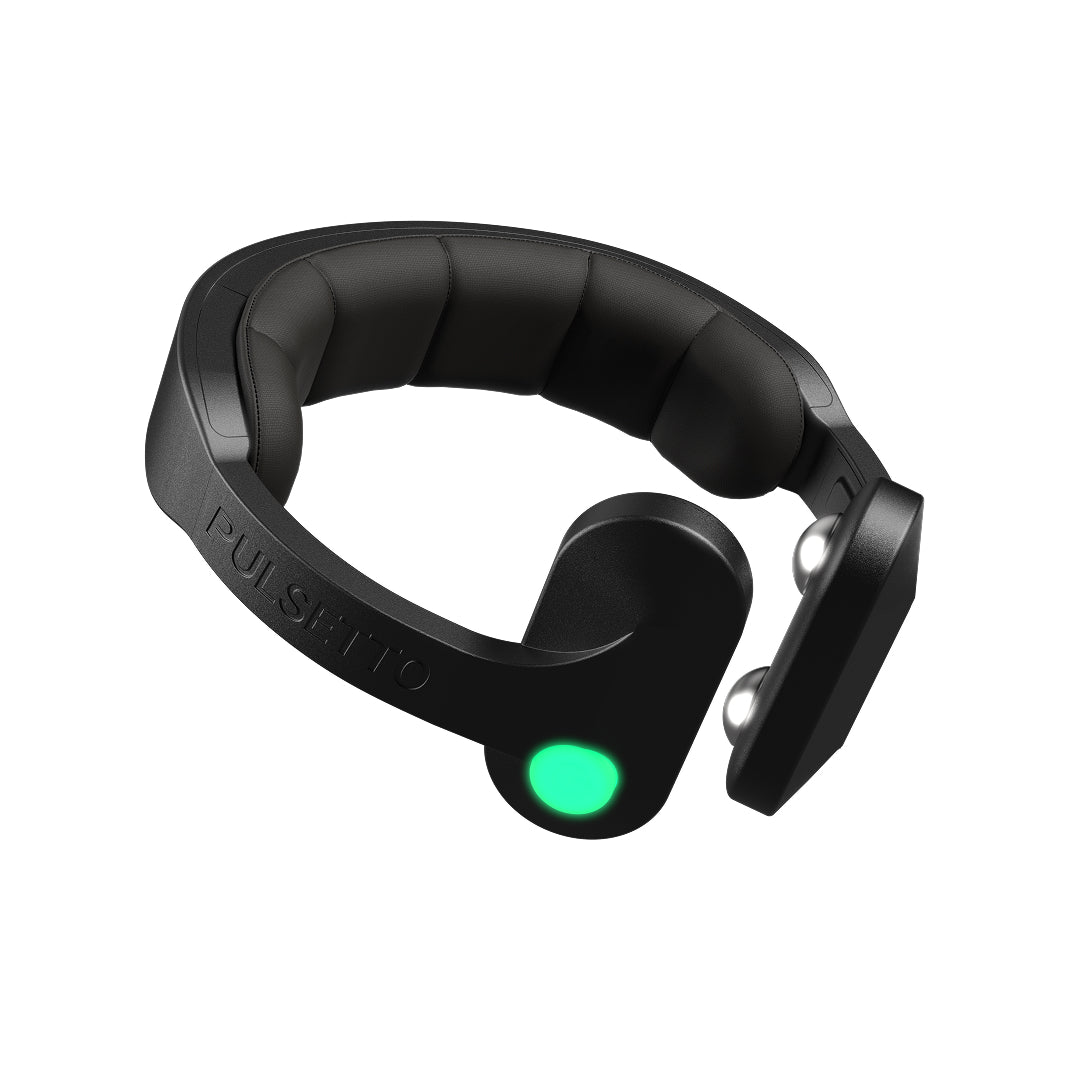
Manual ear work is fine as an experiment. I would even say it is worth trying if you are curious and patient. However, if you want something easier to repeat and less dependent on finger placement, Pulsetto is the cleaner option. We built it as a non-invasive way to make vagus nerve stimulation more structured, more convenient, and more realistic to keep using.
That is the real difference. Convenience matters. Consistency matters more. If you want a route that feels less improvised than ear massage, take a look here and see whether it fits your routine.
Vagus Nerve Ear Massage FAQs
Does ear massage really stimulate the vagus nerve?
It may engage ear regions associated with the auricular branch of the vagus nerve, especially around the concha and tragus. However, manual massage is less precise than controlled device-based auricular approaches, so results can vary a lot.
Where is the vagus nerve pressure point in the ear?
There is no single perfect point, but the tragus and especially the cymba conchae are the most commonly discussed ear regions in the literature.
How long should I massage my ear for vagus nerve stimulation?
A practical starting point is 1 to 2 minutes per ear once or twice a day. Longer is not automatically better. Gentle and repeatable usually wins. This timing is a practical recommendation based on the subtle nature of manual ear work rather than a universal medical rule.
Is vagus nerve ear stimulation safe?
Gentle manual ear massage is usually low risk for most people, but the ear is still sensitive. Stop if it hurts, causes dizziness, irritates the skin, or feels wrong. People with ear infections, recent ear injury, or concerning heart symptoms should be more careful and ask a clinician first. This caution is an inference based on the ear’s sensitivity and the autonomic role of vagus-related approaches.
Can I use an electric massager on my ear safely?
I would not assume that a generic electric massager is safe for the ear just because it feels gentle. The ear is small and easy to irritate, and consumer massagers are not the same as devices built specifically for auricular vagus work.
Why don’t I feel results from ear-based vagus nerve stimulation?
Because the technique is inconsistent for a lot of people. Placement may be off. Pressure may be too weak or too strong. Your anatomy may differ. Or the effect may simply be subtle. That is one of the main reasons some people move from manual methods to more controlled device-based options.