Pulsetto FIT X vs Amofit S: Quick Overview
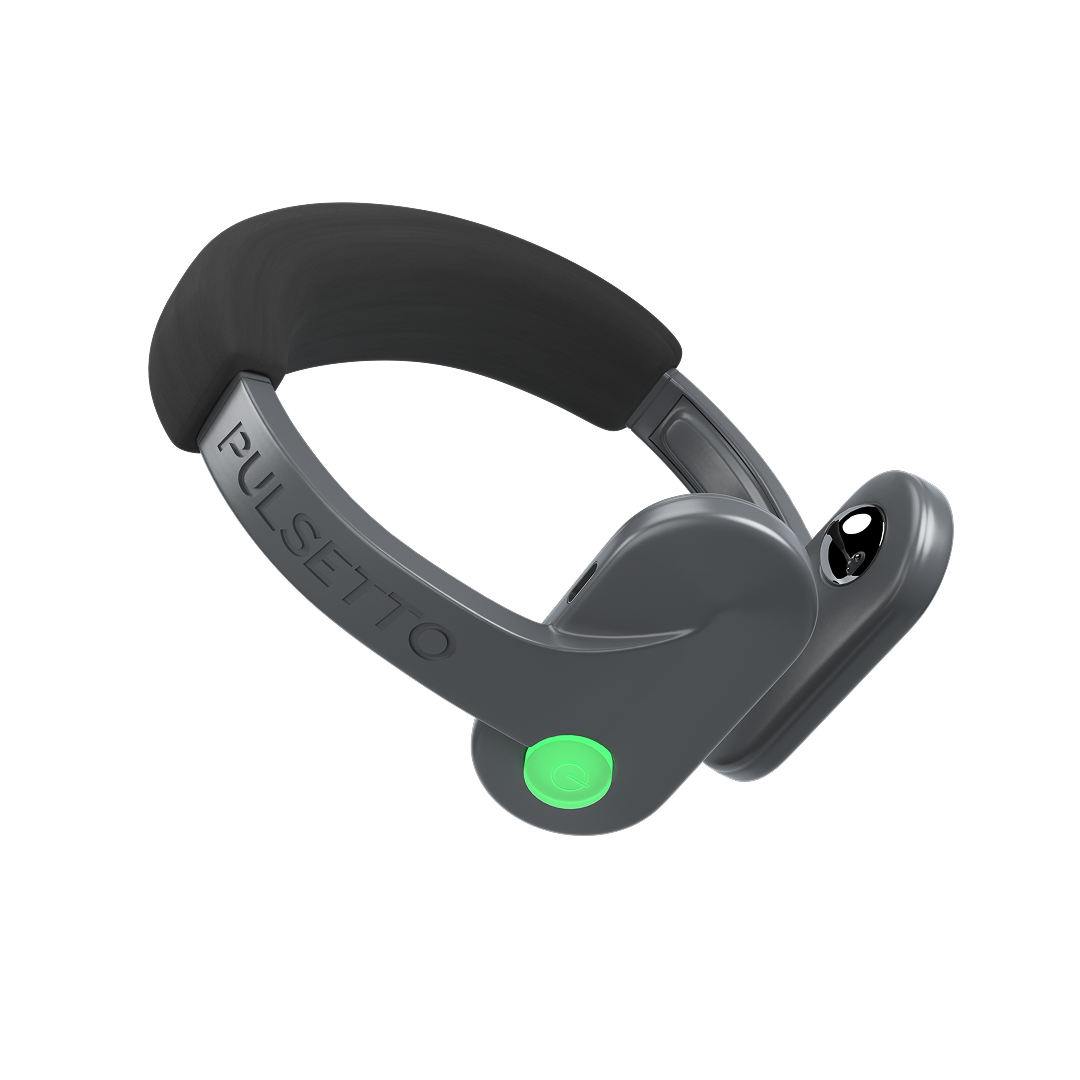
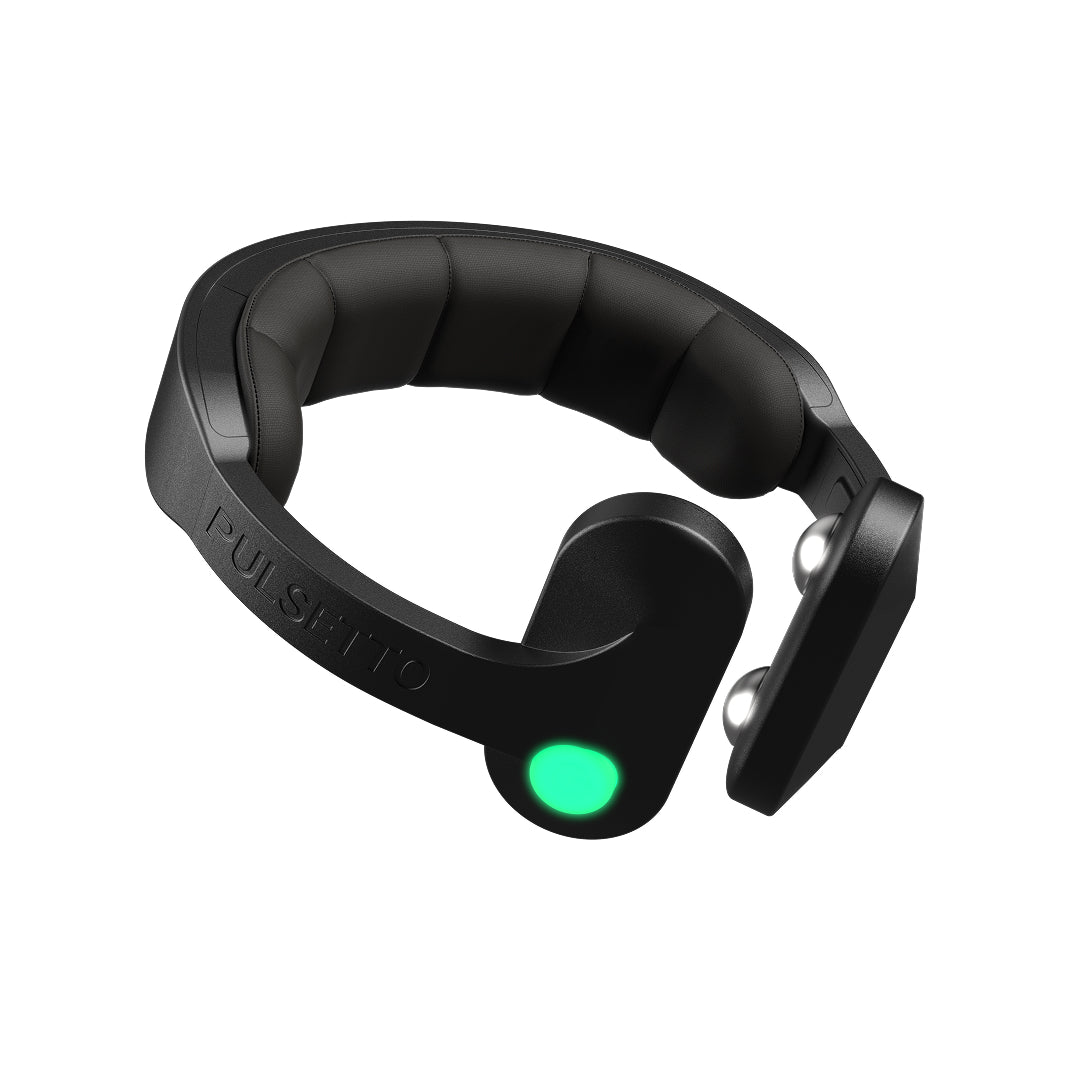
Both devices target the vagus nerve (the long nerve running from the brainstem through the neck and into the abdomen, which plays a central role in the body's rest-and-recovery response) with the goal of reducing stress and supporting better sleep. Pulsetto is a collar-style wearable that sits against the neck and delivers electrical pulses hands-free. The Amofit S is a compact, ear-based device that targets a different branch of the same nerve through auricular stimulation. For another ear-based comparison, see nurosym vs amofit s.
Feature |
Pulsetto |
Amofit S |
Stimulation method |
Transcutaneous electrical nerve stimulation, neck placement |
Auricular (ear-based) electrical stimulation |
Placement |
Worn around the neck, hands-free |
Held at or clipped to the ear |
App integration |
Dedicated app with guided programs and HRV tracking |
Companion app for session control and progress monitoring |
HRV tracking |
Yes, built into the app |
Limited, varies by app version |
Session length |
Typically 4 minutes |
Typically 20-30 minutes |
Battery life |
Up to several weeks per charge (standby); multiple sessions per charge |
Approximately 8-10 hours of use per charge |
Price |
Around $269, verify current pricing at pulsetto.tech |
Around $199-$249, verify current pricing at amofit.com |
Warranty |
1 year limited warranty |
Not publicly disclosed in full detail |
Prices reflect publicly available figures in early 2026 and may change. Always confirm on each brand's official website before purchasing.
Stimulation Method and How Each Device Works
The most fundamental difference between these two devices is where and how they stimulate the vagus nerve. Understanding this distinction makes the rest of the comparison far easier to follow.
How Pulsetto FIT X Stimulates the Vagus Nerve
Pulsetto delivers transcutaneous electrical nerve stimulation (low-level electrical pulses applied through the skin, without any needles or implants) to the cervical branch of the vagus nerve. Two electrodes on the inside of the collar rest against the sides of the neck, and a small amount of conductive gel is applied before each session to improve signal transmission.
Sessions run for approximately four minutes, making it easy to fit into a morning routine or a break during the workday. The device is worn hands-free, so users can sit, read, or breathe through a relaxation exercise while the session runs. The stimulation is thought to activate the parasympathetic nervous system (the body's rest-and-recover mode), which may help bring down stress responses over time. For full setup guidance, see how to stimulate vagus nerve by pulsetto.
How Amofit S Stimulates the Vagus Nerve
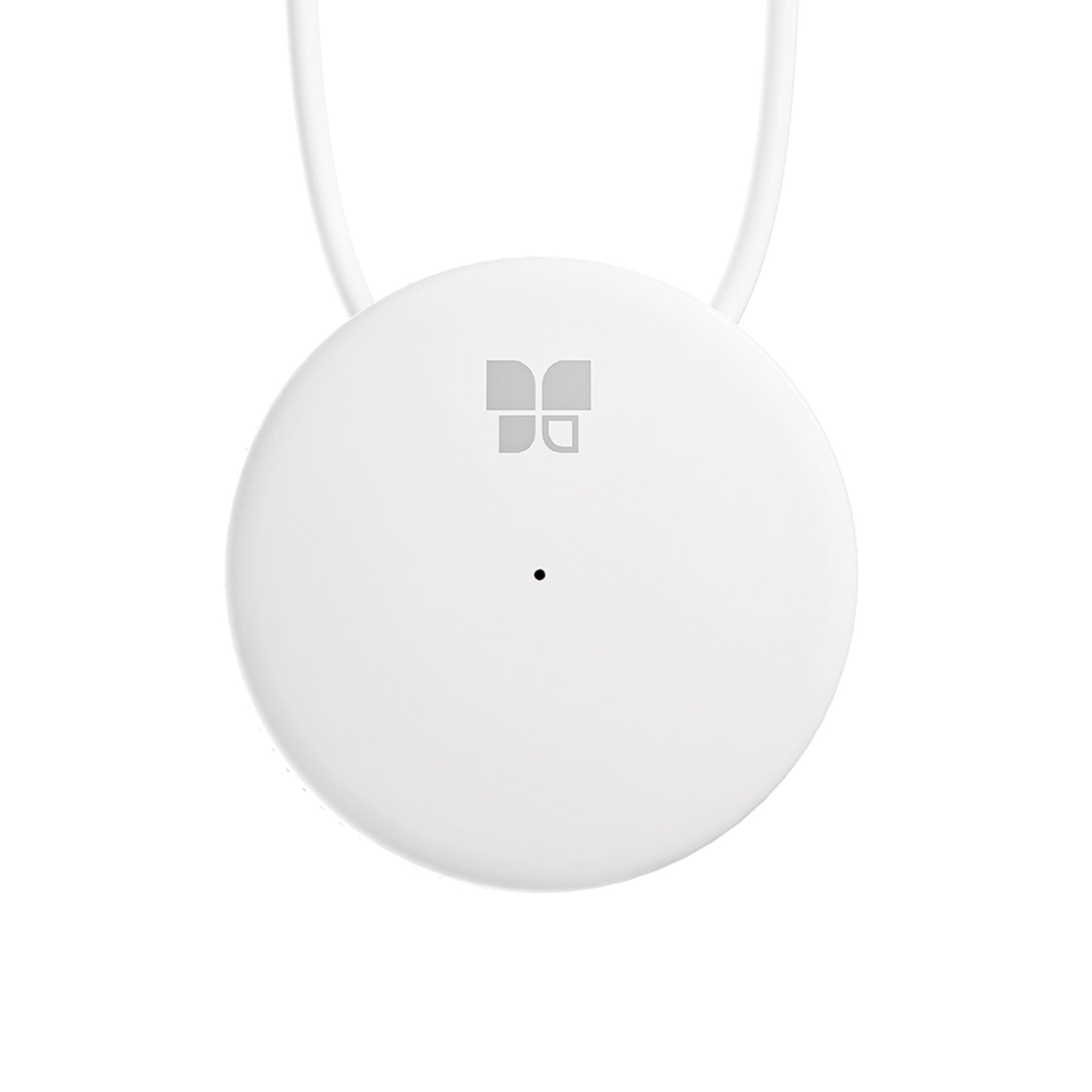
The Amofit S targets the auricular branch of the vagus nerve, which is a smaller nerve cluster that runs through the outer ear. The device delivers electrical pulses through the ear canal or the concha (the bowl-shaped part of the outer ear), typically using a clip-on or handheld attachment.
Sessions with the Amofit S are generally longer, often running 20 to 30 minutes. Because it targets a different branch of the vagus nerve, the experience feels quite different from neck-based stimulation. Neither approach has been conclusively proven superior to the other for all users, and some people find one placement more comfortable or more effective based on their own physiology. Learning more about vagus nerve stimulation for stress can help readers understand why stimulation location matters in practice.
HRV Benefits and Wellness Support

Heart rate variability (HRV) refers to the natural variation in time between consecutive heartbeats. A higher HRV is generally associated with better stress resilience, faster physical recovery, and a well-regulated nervous system. Lower HRV tends to appear when the body is under chronic stress, sleeping poorly, or experiencing burnout. Many health-conscious buyers track HRV as a window into their overall recovery and autonomic (automatic nervous system) health.
Both Pulsetto and Amofit S are positioned as tools that may support HRV improvement over time. Pulsetto has published wellness research exploring its potential effects on HRV and autonomic balance. Readers interested in the evidence behind Pulsetto's approach can review the findings on the pulsetto clinical trial page. As with any wellness intervention, the research does not guarantee specific outcomes, and individual results vary based on baseline health, consistency of use, and lifestyle factors.
The Amofit S also claims HRV support through its auricular stimulation approach, and some users in the biohacker community report positive shifts in their HRV scores after consistent use. However, publicly available wellness research specifically on the Amofit S is more limited than what Pulsetto has published.
For users who want to track HRV changes over time, Pulsetto's app integration provides a more structured way to monitor progress session by session. Amofit S offers some monitoring features, but the depth of HRV data within its app is less comprehensive based on publicly available information. Both devices are wellness tools, and anyone hoping to use HRV tracking meaningfully should measure against their own baselines rather than comparing their scores to population averages.
App Experience and User Interface
A device's app can make the difference between a wearable that gets used daily and one that ends up in a drawer. This category is one of the clearest separators between Pulsetto and the Amofit S.
Pulsetto's app offers guided sessions organised around specific goals: stress relief, sleep preparation, focus, and anxiety management. Users can select a program before each session, adjust stimulation intensity within safe ranges, and view a running log of their sessions and HRV data over time. The app distinguishes between free and premium features. Core functionality is available without a subscription, while premium unlocks additional programs, advanced HRV analytics, and deeper customisation. For a clear breakdown of what each tier includes, see can you use pulsetto without subscription.
The Amofit S app provides basic session control and some progress monitoring. Users can start and stop sessions, adjust intensity, and view a history of their activity. The app is functional but more minimal compared to Pulsetto's guided structure.
For users who want a coached experience with clear program categories and consistent prompts to build a routine, Pulsetto's app is the stronger option. For users who prefer to run sessions on their own terms with minimal digital involvement, the Amofit S's simpler interface may actually feel like an advantage. Neither approach is objectively better; it depends on how much structure the user wants from their wellness routine.
Side Effects and Safety Considerations
Both Pulsetto and Amofit S are non-invasive devices, and both are generally considered well-tolerated by healthy adults. That said, mild side effects are possible with either device and are worth understanding before making a purchase.
With Pulsetto, the most commonly reported mild effects include skin tingling at the electrode site during stimulation and occasional temporary neck soreness after sessions, particularly when starting out or when intensity is set too high. Proper gel application and starting at a lower intensity tend to reduce these experiences significantly.
With the Amofit S, some users report mild ear discomfort or tingling during auricular sessions, especially if the device is not seated correctly in the ear. This is typically resolved by adjusting placement.
Neither device is recommended for people with pacemakers, implanted electrical devices, active cancer in the neck or head area, during pregnancy, or for those with epilepsy. Both brands advise against use in these cases, and anyone with underlying cardiovascular, neurological, or other serious health conditions should speak with a healthcare provider before beginning use of any vagus nerve stimulator. A full list of contraindications for Pulsetto is available on the pulsetto side effects page.
It bears repeating that neither device is a medical treatment. They are wellness tools designed to support the nervous system, not to diagnose, treat, or cure any condition.
What’s New in Pulsetto FIT X
FIT X is the current generation of the Pulsetto platform, and the changes are mostly about removing the variables the earlier device left to the user. Intensity adapts while the session runs instead of being set once at the start. Intelligent contact sensing checks electrode contact rather than leaving it to guesswork. The electrodes are angled to form an X across the neck, creating a crossed field that reaches both vagus nerve pathways instead of one side at a time. Vibro-tactile feedback confirms the device is responding, and offline mode plus improved battery life remove the two most common reasons people skip a session.
Adaptive stimulation that adjusts to you while the session runs
Intelligent contact sensing, so quality does not depend on manual tuning
X-shape electrode design creating a crossed field across both vagus nerve pathways
Advanced stimulation profiles for different goals and situations
Vibro-tactile feedback, offline mode and improved battery life
Deeper app integration, with progress tracked over time
What does the X mean? Two things. First, geometry: the electrodes are angled so they form an X across the neck. Second, multiplication. FIT X is not a cosmetic refresh of Pulsetto FIT but the next generation of the same platform. Pulsetto FIT and Lite remain available as lower-cost entry points.
Price, Warranty, and Value for Money
Price is one of the most searched aspects of the Pulsetto vs Amofit S comparison, and it is worth addressing honestly rather than glancing past it.
Pulsetto is priced at approximately $269 as of early 2026, though promotional pricing is sometimes available through the brand's website. This puts it at the higher end of the consumer VNS market. The premium app subscription adds an ongoing cost for users who want the full feature set, though the device works without it.
Amofit S is priced between approximately $199 and $249 depending on the retailer and any active promotions, placing it slightly lower than Pulsetto on entry cost. Users should verify current pricing directly on each brand's site before purchasing, as prices in the wearable wellness category shift frequently.
On warranty, Pulsetto offers a one-year limited warranty covering manufacturing defects. Full details on what is and is not covered, along with return eligibility, are available on the pulsetto warranty page. Amofit S's warranty terms are not comprehensively disclosed in public-facing documentation, which may be a consideration for buyers who prioritise post-purchase support. Pulsetto's pulsetto return policy is clearly documented online, offering buyers a transparent understanding of their options.
The value question ultimately comes down to what the user prioritises. Pulsetto's higher price reflects its structured app ecosystem, published wellness research, and hands-free design. Amofit S offers a lower entry cost with a different stimulation method. Neither is a poor choice if it aligns with the buyer's preferences and budget.
Which Device Is Right for You?
The honest answer is that both devices can work well for the right person. The choice comes down to stimulation preference, lifestyle, and how much structure someone wants in their wellness routine.
Pulsetto is likely the better fit for users who want a completely hands-free experience during sessions, prefer an app-guided approach with goal-specific programs, value published wellness research when evaluating a device, and want clear warranty and return terms. It is also well-suited to people who plan to build a consistent daily routine, since the four-minute session length removes a common barrier to actually using the device. If you have already decided on Pulsetto, the pulsetto fit vs lite comparison can help you choose between models.
Amofit S may be a better fit for users who prefer auricular stimulation over neck-based contact, feel comfortable with a less guided app experience, or have tried cervical VNS devices without finding the placement comfortable. Its more compact handheld form factor also makes it easy to travel with.
For anyone exploring VNS specifically to support sleep, Pulsetto offers targeted sleep preparation programs that some users find particularly useful. More detail on that use case is available at improve sleep by pulsetto.
Regardless of which device a reader chooses, both are wellness tools rather than medical treatments. Anyone with diagnosed anxiety, a sleep disorder, or other health concerns should involve a healthcare provider in their decision.
Ready to Try Pulsetto FIT X?

If this comparison has pointed you toward Pulsetto, the next step is straightforward. Pulsetto is designed to fit into a daily routine with minimal friction, a four-minute session, a clear app, and a hands-free form factor that works whether sitting at a desk or winding down before bed.
Explore the full pulsetto fit device page to review current pricing, available bundles, and what is included. For a broader overview of how non-invasive vagus nerve stimulator technology works and whether it suits your wellness goals, the Pulsetto homepage is a good starting point before purchasing.
Frequently Asked Questions 💬
What is the main difference between Pulsetto and Amofit S?
The core difference is stimulation location and form factor. Pulsetto uses neck-based transcutaneous electrical stimulation and is worn hands-free like a collar. Amofit S uses auricular (ear-based) stimulation with a handheld or clip-on design. Both target the vagus nerve but stimulate different branches of it, which can produce a meaningfully different sensory experience.
Which vagus nerve stimulator is better for improving HRV?
Both devices may support heart rate variability improvement over time, but individual results vary based on consistency of use and baseline health. Pulsetto has published wellness research exploring its HRV effects, which many users find reassuring when comparing devices. The best way to evaluate either device for HRV impact is to track your own baseline before starting and compare over several weeks of regular use.
Does the Amofit S have side effects?
The Amofit S is generally considered well-tolerated, but some users report mild ear discomfort or tingling during sessions, particularly if the device is not positioned correctly. Anyone with a pacemaker, implanted electrical device, or serious health condition should consult a doctor before using any vagus nerve stimulator, including the Amofit S.
Is Pulsetto worth the price compared to Amofit S?
Pulsetto costs more than the Amofit S at typical retail prices, but it offers a structured app ecosystem, hands-free design, published wellness research, and a clearly documented warranty and return policy. Whether it is worth the price depends on how much value a particular user places on guided programming, HRV tracking, and long-term brand support. For buyers who want a minimal, app-light experience, the Amofit S's lower price point may represent better value.
Do vagus nerve stimulators actually work for stress and anxiety?
Non-invasive vagus nerve stimulation is an active and growing area of wellness research, and many users report meaningful improvements in perceived stress, mood, and sleep quality with consistent use. Results vary from person to person and are influenced by factors like frequency of use, lifestyle habits, and underlying health. These devices are wellness tools, not medical treatments, and should not replace professional care for diagnosed anxiety, depression, or other mental health conditions.
Is Pulsetto FIT X different from Pulsetto FIT?
Yes. FIT X is the next generation of the same platform rather than a redesign. It adds adaptive stimulation that adjusts to you during the session, intelligent contact sensing, X-shape electrodes that target both vagus nerve pathways, advanced stimulation profiles, vibro-tactile feedback, improved battery life and a more stable Bluetooth connection. Pulsetto FIT and Lite remain available as lower-cost entry points.
Train your nervous system. Build your stress resilience. Pulsetto FIT X combines adaptive stimulation, guided protocols and measurable progress in one connected Stress Fitness system. Meet Pulsetto FIT X.