A quick primer: what these devices actually do
The vagus nerve is the main highway of the parasympathetic nervous system, the "rest and digest" branch that counterbalances the "fight or flight" sympathetic system. When you are stressed, sympathetic tone rises, your heart speeds up, and the variability between heartbeats narrows. When you recover, the parasympathetic side takes over and that beat-to-beat variability widens again. That variability is HRV, and it is the clearest non-invasive window into autonomic balance we have. If you want the full background, the guide to non-invasive vagus nerve stimulation is a good starting point.
Non-invasive vagus nerve stimulation (nVNS) sends gentle electrical pulses to a branch of the vagus nerve through the skin. The goal is to shift the balance back toward parasympathetic dominance, which is associated with calmer mood, easier sleep onset, and a more resilient stress response. The nerve can be reached from two practical access points: the ear (auricular) and the neck (cervical). Vagustim takes the ear route. Pulsetto takes the neck route. Both are valid; they simply tap the same nerve from different doors. The mechanism and anatomy behind both placements are well documented in the clinical literature.
Why HRV keeps coming up in both product pitches: a large meta-analysis found that low HRV tracks closely with stress, making it a meaningful biomarker for how loaded your nervous system is [1]. Raising resting HRV over time is a reasonable proxy for better autonomic regulation, which is exactly what both devices are trying to support. For a deeper dive, see why we should care about HRV.
Vagustim review: the both-ears, app-tunable approach

What Vagustim is
Vagustim is a transcutaneous auricular vagus nerve stimulation (taVNS) device. Instead of a single ear clip, it uses earpieces on both ears, which the brand frames as bilateral auricular stimulation. The hardware pairs with a mobile app that lets you adjust stimulation parameters, and newer versions add personalization features. It is positioned as a wellness and biohacking tool for stress, focus, and recovery.
The app and customization
The standout feature in most Vagustim reviews is the app. Rather than a small set of fixed programs, Vagustim leans into adjustable settings, letting more technical users dial in frequency, intensity, and session structure. If you enjoy experimenting and want to feel like you are steering the protocol yourself, that flexibility is genuinely appealing. The trade-off is a steeper learning curve: more knobs means more decisions, and it can take time to find a setting that feels right.
V1 vs V2 models
Vagustim has iterated through model versions, and searches for "vagustim v1," "vagustim v2," and "vagustim v2 reviews" reflect that buyers are trying to figure out which generation they are looking at. The newer V2 line refreshes the earsets and the app experience over the original V1. If you are shopping secondhand or comparing listings, confirm which version a given price refers to, because the hardware and app capabilities differ between generations.
What users report
Because Vagustim is newer and lower-volume than some competitors, the pool of independent, long-term reviews is thinner. Early users who like it tend to praise the customization and the both-ears design. The most common gripe in user feedback is comfort: ear-based electrodes sit on a small, sensitive area, and some people report mild ear discomfort, tingling, or redness during longer sessions. Ear fit varies a lot from person to person, so the experience is less uniform than a device that rests on the broader surface of the neck.
Availability, including Australia
Vagustim ships internationally, and there is steady interest from buyers in markets like Australia ("vagustim australia" is a recurring query) who want to confirm the device reaches them and what the landed price looks like. As with any imported wellness device, check current shipping, warranty handling, and any customs costs for your country before ordering, since those details shift over time.
Vagustim pros and cons
Strengths
-
Deeply adjustable app for users who want manual control
-
Bilateral auricular design stimulating both ears
-
Iterating hardware with a newer V2 generation
-
ISO 13485 and FCC references
-
Good fit for hands-on biohackers who like to tune parameters
Limitations
-
Ear placement can cause mild discomfort, tingling, or redness for some users
-
Sessions tend to run longer than four minutes, asking more of your day
-
You hold or wear earpieces rather than going fully hands-free
-
Fewer independent long-term reviews than more established devices
-
Higher typical price than Pulsetto, even after discounts
-
Shorter money-back window (around 14 days)
Good fit for: people who specifically want an ear-based device with maximum manual control and do not mind a longer, more hands-on session.
Pulsetto review: hands-free neck stimulation in four minutes

What Pulsetto is
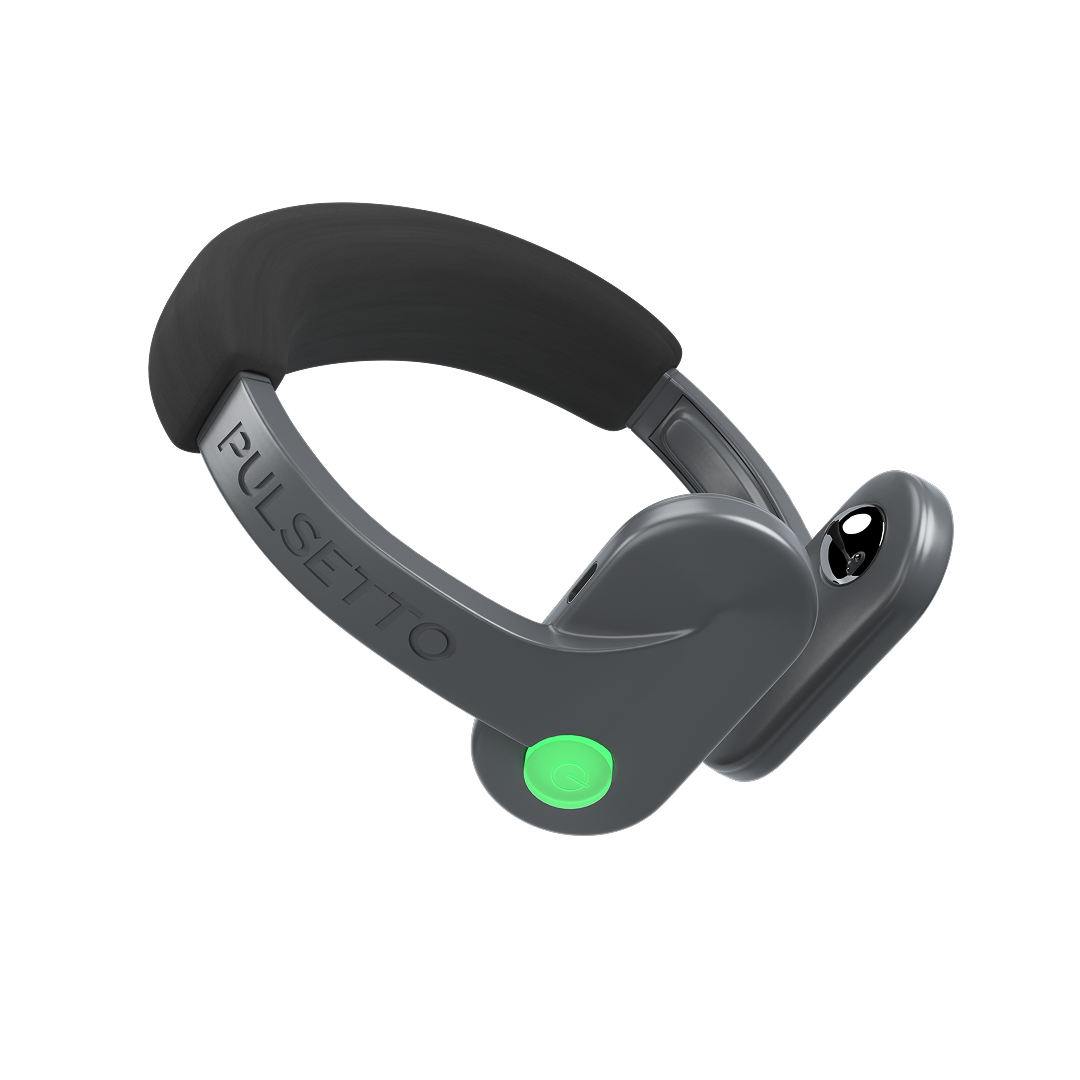
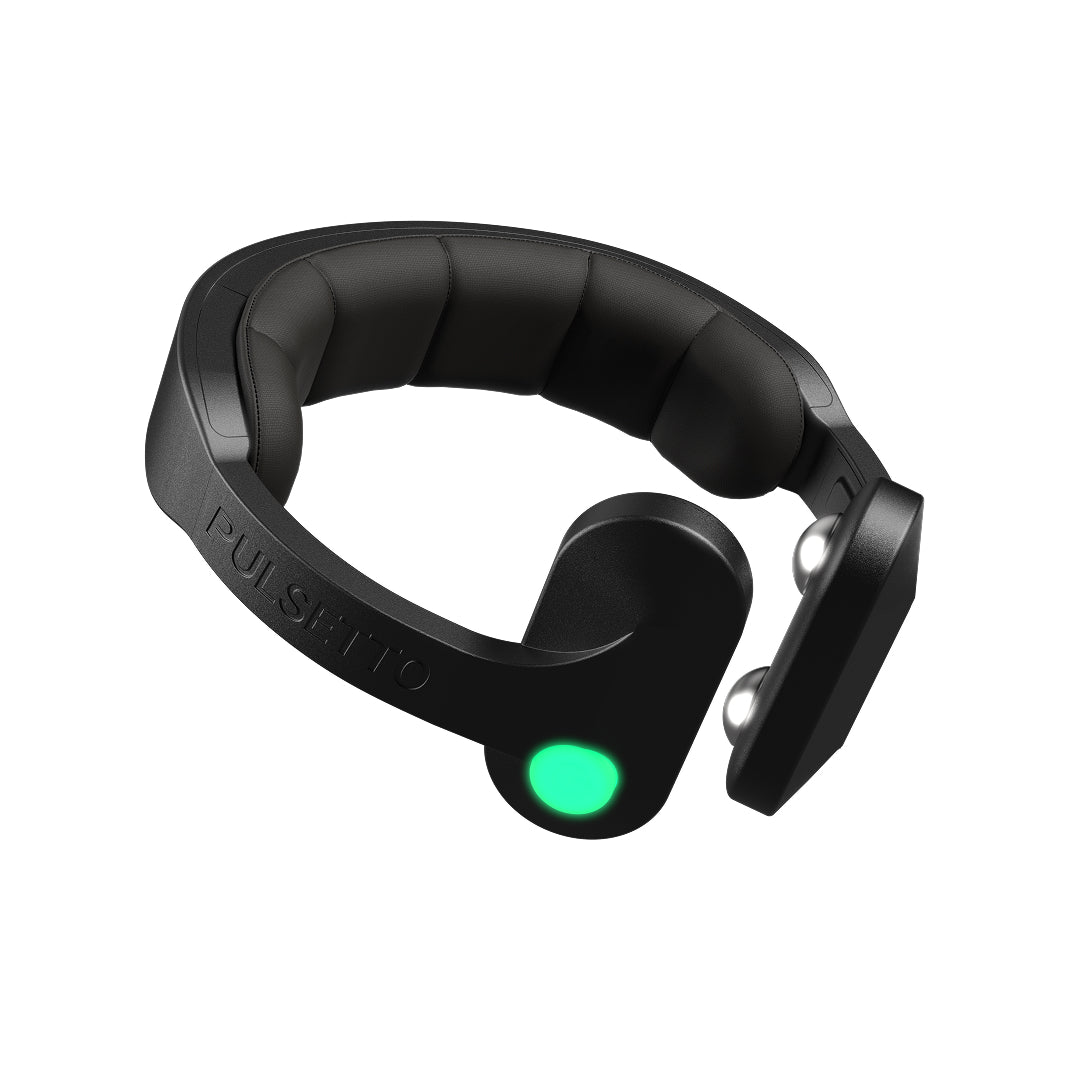
Pulsetto is a non-invasive cervical (neck) vagus nerve stimulator. It is a soft collar that rests around the neck and delivers gentle bilateral electrical pulses to the vagus nerve through the skin on both sides. You place it, start a program in the app, and it works hands-free while you sit, read, or breathe. A typical session is about four minutes. The device is CE certified and FCC certified, and it is made in Lithuania within the EU.
Hands-free, four-minute sessions
The practical advantage here is friction. Because Pulsetto sits on the neck and needs no holding, you can run a session without interrupting whatever else you are doing, and four minutes is short enough to fit into a real schedule. That matters more than it sounds: the HRV literature is clear that benefits accumulate with consistent use, so the device you will actually pick up every day tends to win.
The free app, programs, and HRV tracking
Pulsetto ships with a Free Lifetime app that covers core use with no subscription. It includes five guided programs, Stress, Sleep, Burnout, Pain, and Anxiety, plus HRV and sleep tracking and guided breathing exercises. That tracking turns the device into a feedback loop: you can watch HRV trends as you build a routine rather than guessing. Consumer-grade tools can track HRV and even stage sleep from HRV data with reasonable accuracy, which is what makes this kind of in-app feedback useful rather than decorative [12]. Pairing stimulation with the app's slow guided breathing is also evidence-aligned, since deep breathing and HRV biofeedback independently support a calmer nervous system [10][11].
Two models: Pulsetto Lite and Pulsetto FIT
Pulsetto comes in two models. Pulsetto Lite is the core device for everyday stress, sleep, and anxiety support. Pulsetto FIT adds features aimed at recovery and an active lifestyle. If you are deciding between them, the Pulsetto FIT vs Pulsetto Lite breakdown maps the differences, and the Pulsetto FIT product page covers that model specifically.
The pilot data and the science
Pulsetto backs its approach with its own research plus the wider peer-reviewed nVNS literature. In Pulsetto's own randomized open-label pilot study (n=40, 4 weeks), participants reported a 55.9% reduction in depressive symptoms (PHQ-9), a 45.3% reduction in anxiety symptoms (GAD-7), and a 41.0% improvement in sleep quality (PSQI). Bilateral stimulation reduced the chronic-stress biomarker hair cortisol by 47.5%, compared with 31.4% for unilateral stimulation. You can read more on the Pulsetto science page and the ongoing studies and trials.
That internal pilot sits inside a broader evidence base. Cervical nVNS has been shown to blunt the body's sympathetic stress response in controlled work [2][3], and auricular vagus stimulation has been linked to measurable HRV changes and reduced acute stress in healthy adults [4][5][6]. The sleep side is increasingly well studied too, with randomized trials and reviews reporting improved sleep quality with auricular stimulation [7][8][9]. Independent reviews of the method note that while it is a promising, low-risk approach, the size of any given effect depends on the protocol used [14][15][16]. The picture is honest rather than hyped: effects build with regular use and magnitudes vary by protocol, but the direction of travel is consistent.
Pulsetto pros and cons
Strengths
-
Hands-free neck collar, no holding required
-
About four-minute sessions that fit a real day
-
Free Lifetime app with five programs plus HRV and sleep tracking, no subscription needed for core use
-
Backed by its own n=40 pilot plus the peer-reviewed nVNS literature
-
CE certified, FCC certified, made in the EU (Lithuania)
-
Two models (Lite and FIT) and a 30-day money-back guarantee with a 2-year warranty
Limitations
-
Conductive gel and a USB-C charge are part of the routine
-
Neck placement suits some necks better than others; fit matters
-
Like all nVNS, results build gradually rather than instantly
Good fit for: anyone who wants the lowest-friction daily vagus routine, with tracking built in and no subscription gate on core features.
Ready to start? Compare the lineup on the best vagus nerve stimulation devices page, then pick the Pulsetto model that fits your routine.
Head-to-head: how Pulsetto and Vagustim compare
Placement and comfort
Both devices are bilateral, but the surfaces are very different. Vagustim works through both ears; Pulsetto works through both sides of the neck. The ear is a small, sensitive area, which is why some Vagustim users report mild ear discomfort during longer sessions. The neck offers a larger, flatter contact area, and Pulsetto's collar spreads contact rather than pinching a small spot. Comfort is individual either way, but the neck approach tends to feel less fiddly for daily use.
Session length and effort
This is one of the clearest gaps. Pulsetto sessions run about four minutes, hands-free. Vagustim sessions typically run longer and keep you tied to the earpieces. If you are trying to build a daily habit, a shorter hands-free session is far easier to sustain, and consistency is what drives HRV change over time.
App and personalization
Vagustim's app is built around manual parameter control, which power users love. Pulsetto's app is built around guided programs plus HRV and sleep tracking, which most users find faster to adopt. One optimizes for control; the other optimizes for ease and feedback. If you want to tweak every variable, Vagustim has the edge there. If you want to press start and see your trends, Pulsetto does.
HRV support
Both target HRV through the same nerve, and both are supported by the broader nVNS evidence base. Pulsetto adds two things on top: its own randomized pilot data and built-in HRV tracking so you can actually watch the trend over weeks rather than guessing from one day to the next.
Price and guarantee
Pulsetto typically lands around $269. Vagustim typically runs higher, around $390 and often discounted from about $790. Pulsetto also offers a longer 30-day money-back window and a 2-year warranty, versus Vagustim's roughly 14-day return window. On price, comfort, and return policy together, Pulsetto is the easier device to commit to.
The Pulsetto buyer questions, answered
These are the questions people search for most before buying, so it is worth answering them directly.
Does Pulsetto require a subscription?
No. The Free Lifetime app covers Pulsetto's core use with no subscription required, including the main guided programs and the HRV and sleep tracking. There is an optional Premium tier that adds extra content for people who want more, but you do not need it to use the device as intended. The full breakdown is on the explainer for whether you need to purchase Premium to use Pulsetto, and you can see exactly what comes with Pulsetto Premium if you want to compare. In short: core use is free for life, Premium is a choice, not a gate.
Is Pulsetto a TENS unit?
No. A TENS (transcutaneous electrical nerve stimulation) unit is designed to mask pain signals by stimulating muscles and superficial nerves in a sore area. Pulsetto is a vagus nerve stimulator: it targets a specific cranial nerve to influence autonomic balance, not to numb a muscle. The intent, placement, and stimulation profile are different. A TENS pad on your shoulder is not doing what a cervical nVNS device does. For the underlying mechanism, see the explainer on what vagus nerve stimulation is.
Is Pulsetto safe?
For most healthy adults, non-invasive vagus nerve stimulation is considered low-risk when used as directed. Pulsetto is a general wellness device, CE certified and FCC certified. The most commonly reported sensations are mild and temporary, such as light tingling at the contact points. Pulsetto is a general wellness product and is not intended to diagnose, treat, cure, or prevent any disease or medical condition. The dedicated page on whether Pulsetto is safe goes into more detail.
You should not use Pulsetto, and should speak with a doctor first, if any of the following apply:
-
You have a pacemaker or any implanted electrical medical device
-
You have epilepsy or a seizure disorder
-
You are pregnant
-
You have a known heart or carotid condition, unless a doctor approves
-
You have had recent neck or throat surgery, unless a doctor approves
The full list and guidance live on the contraindications of using Pulsetto page, and the note on how often you can use Pulsetto covers sensible frequency.
Does Pulsetto work?
It depends on what you expect. nVNS is not an instant switch; it is a gradual nudge toward better autonomic balance that compounds with regular use. The mechanism is well documented in peer-reviewed literature, cervical stimulation reduces sympathetic stress responses [2][3], auricular stimulation moves HRV and lowers acute stress [4][5], and both routes support sleep quality [7][9]. On top of that, Pulsetto's own pilot reported meaningful drops in self-reported anxiety, depressive symptoms, and sleep complaints over four weeks. Real-world results vary by person and consistency, which is exactly why hands-free four-minute sessions help: they make the daily habit realistic. Independent customer feedback is collected on the Pulsetto reviews page.
What about the HRV angle specifically?
HRV is the through-line for both devices. Stress drives HRV down [1], and the goal of nVNS is to support the parasympathetic activity that lets HRV recover. Pulsetto's built-in HRV tracking lets you see that trend over weeks rather than relying on how you feel on a given day. Pairing the device with the slow breathing in the app is worth doing, since breathwork and HRV biofeedback independently reduce stress and anxiety [11][13].
How to choose between Pulsetto and Vagustim
Use this quick decision guide:
-
You want the easiest daily habit: Pulsetto. Hands-free, about four minutes, press-start programs.
-
You want built-in HRV and sleep tracking: Pulsetto, with its Free Lifetime app and no required subscription.
-
You want to manually tune stimulation parameters: Vagustim is a good fit for that hands-on style.
-
You prefer ear placement over neck placement: Vagustim, keeping in mind that some users report mild ear discomfort.
-
You want the lower price and the longer money-back window: Pulsetto (around $269, 30-day guarantee) typically beats Vagustim on both.
-
You want the broadest published evidence plus first-party pilot data: Pulsetto pairs the peer-reviewed nVNS literature with its own n=40 study.
For most readers chasing calmer days, better sleep, and a more resilient stress response with the least friction, Pulsetto is the recommendation. Vagustim remains a reasonable choice for the specific user who values manual control of an ear-based device above all else.
Frequently asked questions
What is the difference between Vagustim and Pulsetto?
Vagustim uses ear-based (auricular) stimulation with adjustable app settings, worn as earpieces on both ears. Pulsetto uses neck-based (cervical) stimulation with guided programs, worn hands-free as a collar. Both reach the vagus nerve and target HRV; they just use different access points and different daily experiences. Pulsetto sessions are shorter and hands-free, while Vagustim offers more manual parameter control.
Do vagus nerve stimulators like Pulsetto actually work?
Non-invasive vagus nerve stimulation has a documented mechanism and a growing evidence base. Studies show cervical stimulation can reduce sympathetic stress responses and auricular stimulation can shift HRV and lower acute stress [2][4][5]. Pulsetto's own four-week pilot also reported reductions in self-reported anxiety and depressive symptoms and better sleep. Effects build gradually with consistent use rather than appearing instantly.
Is Pulsetto legit?
Yes. Pulsetto is a CE certified, FCC certified general wellness device made in the EU, and the stimulation mechanism it uses is documented in peer-reviewed clinical literature. It is backed by its own randomized open-label pilot study and sold with a 30-day money-back guarantee and a 2-year warranty.
Does Pulsetto require a subscription?
No. The Free Lifetime app covers core use, including the main guided programs and HRV and sleep tracking, with no subscription. Premium is an optional add-on with extra content, but the device works fully without it.
Is Pulsetto a TENS unit?
No. TENS units target muscles and superficial nerves to mask pain. Pulsetto is a vagus nerve stimulator that targets a specific cranial nerve to support autonomic balance. They use electrical stimulation differently and for different purposes.
Can vagus nerve stimulation be dangerous?
For most healthy adults, non-invasive vagus nerve stimulation is low-risk when used as directed, with mild, temporary sensations like light tingling being the most common report. It should be avoided, or cleared with a doctor first, by people with a pacemaker or implanted electrical device, epilepsy or a seizure disorder, pregnancy, or a known heart or carotid condition. Pulsetto is a general wellness product and is not intended to diagnose, treat, cure, or prevent any disease or medical condition.
How is Vagustim different across its V1 and V2 versions?
Vagustim has released more than one hardware generation. The newer V2 line updates the earsets and app over the original V1. When comparing prices or reviews, confirm which version a listing refers to, since the hardware and app features differ between generations.
Is Vagustim available in Australia?
Vagustim ships to many international markets, and there is recurring buyer interest from Australia. Availability, shipping costs, warranty handling, and any customs charges change over time, so confirm the current terms for your country before ordering.
Which is better for improving HRV, Pulsetto or Vagustim?
Both target HRV through the vagus nerve and are supported by the broader nVNS literature. Pulsetto adds built-in HRV tracking so you can watch your trend over time, plus its own pilot data, and its short hands-free sessions make the consistent use that actually moves HRV easier to maintain. For most people focused on HRV, Pulsetto is the more practical choice.
Scientific research
The studies below were identified using the Consensus and PubMed research databases. Pulsetto is a general wellness product and is not intended to diagnose, treat, cure, or prevent any disease or medical condition. Each is linked directly to the original paper by its DOI, and all are indexed in PubMed.
[1] Stress and Heart Rate Variability: A Meta-Analysis and Review of the Literature (Kim et al., 2018, Psychiatry Investigation. PMID: 29486547)
[2] Quantifying acute physiological biomarkers of transcutaneous cervical vagal nerve stimulation in the context of psychological stress (Gurel et al., 2019, Brain Stimulation. PMID: 31439323)
[3] Transcutaneous cervical vagal nerve stimulation reduces sympathetic responses to stress in posttraumatic stress disorder: A double-blind, randomized, sham-controlled trial (Gurel et al., 2020, Neurobiology of Stress. PMID: 33344717)
[4] Transcutaneous auricular Vagus Nerve Stimulation and Median Nerve Stimulation reduce acute stress in young healthy adults (Sanchez-Perez et al., 2023, Frontiers in Neuroscience. PMID: 37746156)
[5] The effect of transcutaneous auricular vagus nerve stimulation on HRV in healthy young people (Geng et al., 2022, PLoS ONE. PMID: 35143576)
[6] Ear your heart: transcutaneous auricular vagus nerve stimulation on heart rate variability in healthy young participants (Forte et al., 2022, PeerJ. PMID: 36438582)
[7] Transcutaneous Auricular Vagus Nerve Stimulation for Chronic Insomnia Disorder: A Randomized Clinical Trial (Zhang et al., 2024, JAMA Network Open. PMID: 39680406)
[8] Transcutaneous Auricular Vagus Nerve Stimulation in Insomnia: A Systematic Review and Meta-Analysis (de Oliveira et al., 2025, Neuromodulation. PMID: 40323248)
[9] Transcutaneous Vagus Nerve Stimulation Could Improve the Effective Rate on the Quality of Sleep in Primary Insomnia: A Randomized Control Trial (Wu et al., 2022, Brain Sciences. PMID: 36291230)
[10] Modulating Heart Rate Variability through Deep Breathing Exercises and Transcutaneous Auricular Vagus Nerve Stimulation (Jensen et al., 2022, Sensors. PMID: 36298234)
[11] Heart Rate Variability Biofeedback Improves Emotional and Physical Health and Performance: A Systematic Review and Meta Analysis (Lehrer et al., 2020, Applied Psychophysiology and Biofeedback. PMID: 32385728)
[12] The Virtual Sleep Lab: Accurate Four-Class Sleep Staging Using Heart-Rate Variability from Low-Cost Wearables (Topalidis et al., 2023, Sensors. PMID: 36904595)
[13] Effect of breathwork on stress and mental health: A meta-analysis of randomised-controlled trials (Fincham et al., 2023, Scientific Reports. PMID: 36624160)
[14] Critical Review of Transcutaneous Vagus Nerve Stimulation: Challenges for Translation to Clinical Practice (Yap et al., 2020, Frontiers in Neuroscience. PMID: 32410932)
[15] A systematic review of the effects of transcutaneous auricular vagus nerve stimulation on baroreflex sensitivity and heart rate variability in healthy subjects (Soltani et al., 2023, Clinical Autonomic Research. PMID: 37119426)
[16] Does transcutaneous auricular vagus nerve stimulation affect vagally mediated heart rate variability? A living and interactive Bayesian meta-analysis (Wolf et al., 2021, Psychophysiology. PMID: 34473846)