Top Natural Ways to Activate the Vagus Nerve

There is no shortage of advice on natural ways to activate the vagus nerve. Most of it repeats the same basics. Breathe. Hum. Take a cold shower. Some of that helps. Some of it gets repeated so often that people stop asking whether it actually works in real life.
What tends to work better is choosing methods that fit your day and applying them with enough intention to notice a shift. That is the difference. How to activate vagus nerve naturally is less about finding the most impressive trick and more about finding one you will still be doing next week. If you need a few easier stress resets to pair with the methods below, our guide with tips for instant stress relief fits here naturally.
Extended Exhale Breathing (Why It Works Better Than Basic Deep Breathing)
A lot of people hear “take a deep breath” and assume that is enough. Usually it is not. For vagus nerve activation exercises, the exhale matters more than people think. Slow breathing with a longer exhale tends to support parasympathetic activity better than random chest-heavy deep breaths that only make you feel more aware of your stress. Reviews and newer studies keep pointing in the same direction: slow, nasal, diaphragmatic breathing can improve vagal tone, heart rate variability, and emotional regulation.
A simple place to start is this:
-
inhale through the nose for 4 seconds
-
exhale for 6 to 8 seconds
-
repeat for 2 to 5 minutes
I usually think of this as the most useful method when stress spikes in the middle of the day or when sleep feels far away. It is simple enough to use anywhere. That is why it survives real life. If you are trying to figure out how to activate vagus nerve naturally, start here first.
The 4-7-8 Method (When and How to Use It for Real Results)
The 4-7-8 breathing vagus nerve activation method gets passed around online so often that it starts to sound like a gimmick. It is not. It is just structured breathing with a rhythm that many people find calming, especially at night.
Here is the pattern:
-
inhale for 4
-
hold for 7
-
exhale for 8
The longer exhale is part of the point. The rhythm gives the mind something to follow. That matters when anxiety is making your attention scatter in five directions at once. I would use this closer to bedtime or when you are not in a full panic spiral. In high stress, breath holds can feel like too much for some people. If that happens, go back to a basic 4 in, 6 out pattern instead. Better simple than forced.
Cold Face Immersion (More Effective Than Full Cold Showers)
When people talk about cold exposure vagus nerve activation, they usually jump straight to cold showers. That is not always the best entry point. For many people, cold showers are too intense, too unpleasant, or too easy to avoid forever.
Cold water on the face is more targeted. The dive reflex is a real physiological response linked to facial cooling and changes in heart rate and autonomic activity. Research on cold water face immersion and the diving reflex found increases in heart rate variability and cardiac-vagal responses even without full body cold exposure. In other words, you do not need to suffer more than necessary.
A practical version looks like this:
-
fill a bowl with cold water
-
lower your face in for 15 to 30 seconds
-
come up, breathe normally, repeat once or twice if it feels okay
I like this better than the generic cold shower advice because it feels more realistic. Less drama. More compliance.
Gargling and Tongue Activation (Often Overlooked but Effective)
This one gets overlooked because it sounds too simple. However, vagus nerve activation techniques do not need to look impressive to work. Gargling water engages muscles in the back of the throat, and those regions have anatomical relationships with vagal pathways and adjacent cranial nerve functions. The vagus nerve also has roles in pharyngeal and laryngeal function, which helps explain why throat-based practices keep showing up in this conversation.
Try gargling vigorously for 30 to 60 seconds once or twice a day. You can also add light tongue presses against the roof of the mouth or slow tongue movements if jaw and throat tension are part of the picture. Signs that it may be helping are subtle: easier swallowing, softer throat tension, a small sense of settling, sometimes a yawn. No fireworks needed.
Humming With Resistance (Making It Actually Effective)
Humming is useful. Weak, distracted humming for ten seconds usually is not. If you want to activate your vagus nerve this way, duration and resonance matter more than people realize. The basic logic is simple: sustained vocal vibration engages the throat, chest, and breathing rhythm at the same time.
I would do 5 minutes of low-pitched humming with a gentle sense of resistance, almost like you are trying to make the vibration more noticeable in the throat and chest. Keep the shoulders relaxed. Let the exhale carry it. This tends to work better than high-pitched humming done half-heartedly while checking your phone. The method is humble. The results can still be real.
Rhythmic Movement (Walking, Rocking, or Slow Yoga)
Some of the best ways to activate vagus nerve function do not look like “vagus exercises” at all. Rhythmic movement is one of them. Slow walking, rocking, gentle yoga flows, and repetitive low-intensity motion can help because they combine pattern, breath, and sensory predictability. That usually gives the body fewer reasons to stay guarded.
This is why a slow walk helps when you feel overwhelmed. Not because walking is magical, but because rhythm itself can be regulating. I usually tell people to pick movement that feels sustainable, not athletic. Ten slow minutes count. That is enough to get started.
Social Engagement and Eye Contact (The “Human” Activation Method)
Some vagus nerve activation methods are not mechanical at all. Safe social contact matters. This is where polyvagal-informed ideas enter the conversation. Tone of voice, facial expression, warmth, and eye contact can all help the body read a situation as safer. That does not mean every awkward conversation is medicine. It means the nervous system is social whether we like that fact or not.
A calm conversation with someone you trust can help more than another round of wellness hacks. So can hearing a grounded voice. So can a face that does not feel threatening. People forget this because it sounds too human and not technical enough. Still counts.
Chewing and Jaw Activation (Link Between Jaw Tension and Nervous System)
Stressed people clench a lot. What they do not do enough is chew, breathe, and release. That matters. The jaw, tongue, throat, and upper neck live close together in the stress picture. Vagus nerve activation techniques that involve oral and facial engagement can help partly because they restore movement to places that often stay frozen.
Chewing gum, eating more slowly, and actually using the jaw with intention can help some people feel more grounded. Mindful chewing sounds ridiculous until you realize how often stressed people swallow food without noticing it. If you want to activate your vagus nerve in a low-effort way, this is one of the easiest options to test.
Foot Activation and Grounding (Bottom-Up Nervous System Activation)
Another one of the more overlooked ways to activate vagus nerve function starts from the ground up. Sensory input from the feet changes how the body organizes itself. Walking barefoot on grass, stepping on textured surfaces, or using a textured mat can increase body awareness and shift attention out of the head and back into the body.
This matters because stress often narrows awareness upward. You live in the jaw, the chest, the thoughts. Grounding practices widen that again. I would not oversell this one, but it is useful, accessible, and easy to pair with walking or slower breathing.
Posture Correction (How Slouching Impacts Vagus Nerve Activation)
If you spend your day collapsed over a screen, how to activate vagus nerve naturally becomes harder than it needs to be. Poor posture does not “switch off” the vagus nerve, but it can make breathing shallower, tighten the front of the body, and reinforce the exact stress patterns you are trying to unwind.
A simple correction helps:
That is enough. Desk workers usually do not need a posture revolution. They need a better breathing position.
Heat Exposure (Sauna or Warm Baths)
Warmth can support relaxation too, which is why vagus nerve activation methods do not have to revolve around cold alone. Sauna, a warm bath, or even a hot shower can help lower muscle tension and make slower breathing easier. Some people respond especially well when heat is followed by a brief cool-down.
The point here is not that heat directly solves everything. It is that warmth can help the body stop bracing. For a lot of stressed people, that is already a meaningful shift. A hot bath before bed is not a biohack. It is just useful.
Safe Pressure on the Chest or Neck Area
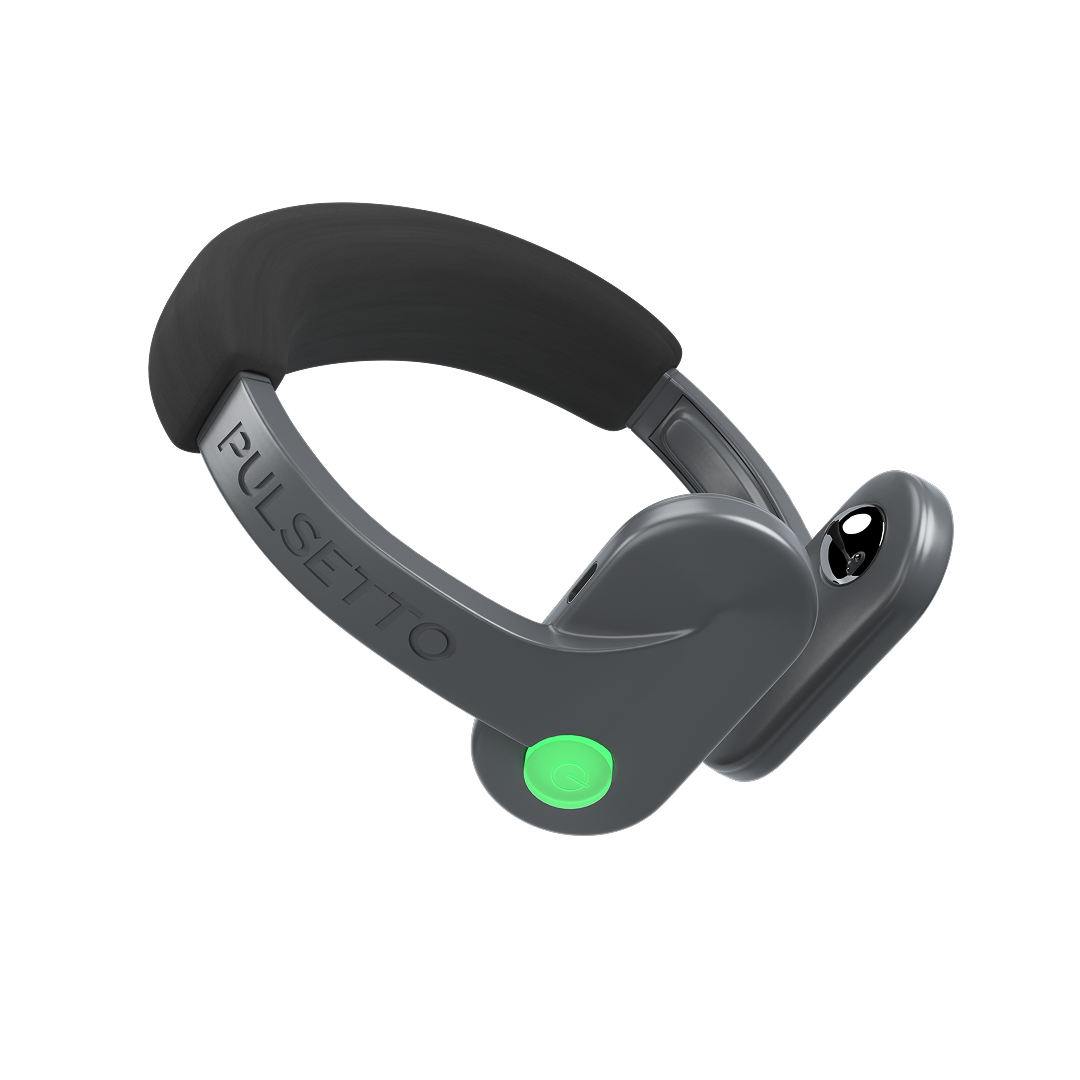
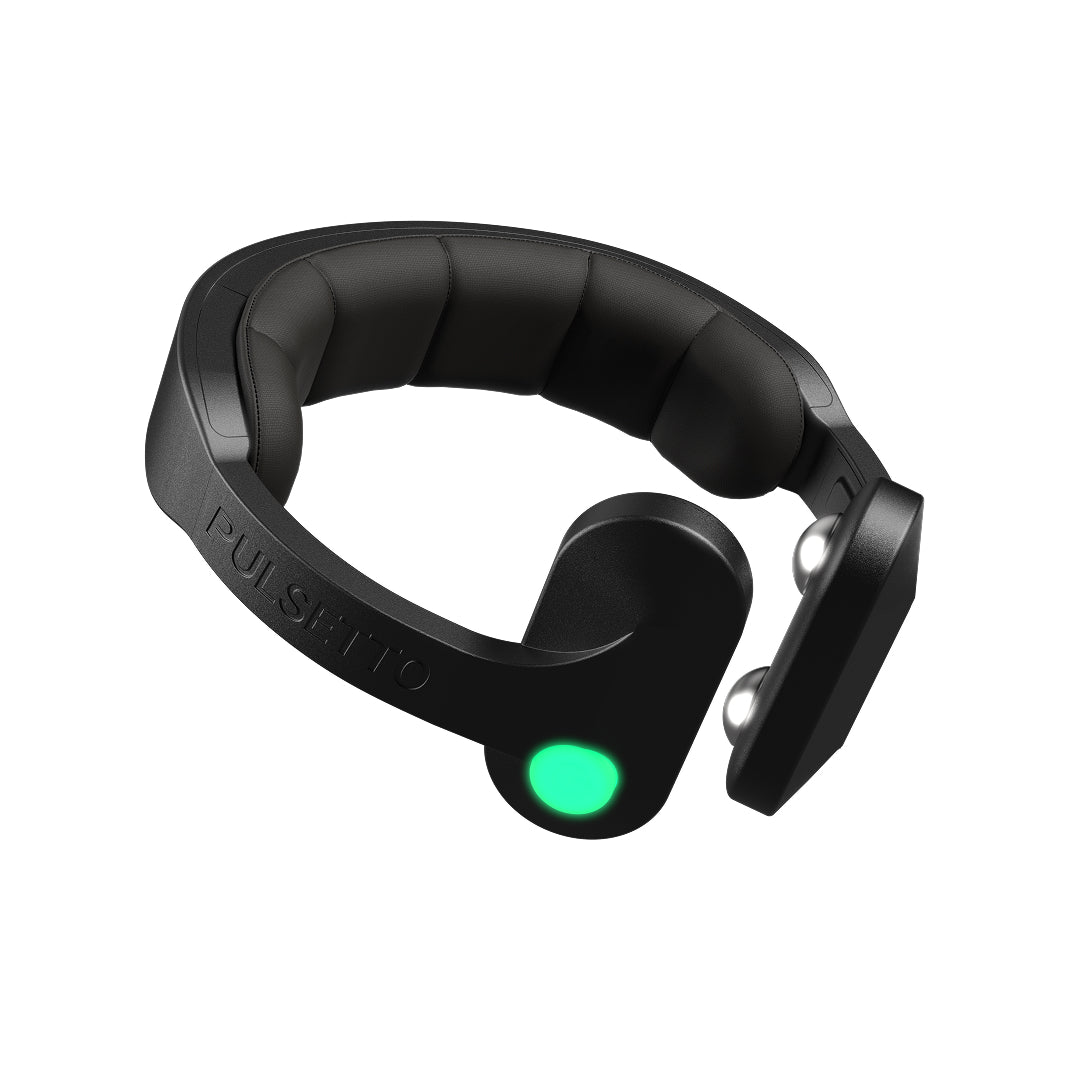
Gentle, consistent pressure can help some people activate vagus nerve pathways more easily because pressure changes body awareness and can create a stronger sense of containment. Weighted blankets do this for some people. So can wearables that sit around the neck area. The exact response is individual, but the basic idea is not strange. The body often settles better when it feels physically held rather than scattered.
This is also where device-based approaches begin to make more sense. Some people simply respond better when the cue is more direct and easier to repeat. That does not make natural methods useless. It just changes what is practical.
What Is the Vagus Nerve and Why Activation Matters
The activation of the vagus nerve matters because the vagus nerve is deeply involved in parasympathetic function. It is the tenth cranial nerve, and it travels widely through the body, connecting the brain with areas involved in the heart, lungs, throat, and digestive system. When people talk about “rest and digest,” this is one of the main pathways they are talking about.
What are the vagus nerve activation benefits people actually care about? Usually the practical ones: feeling calmer, breathing more smoothly, digesting better, sleeping more easily, and recovering faster after stress. Those are the outcomes that matter in real life. If you want a deeper dive into the research side, Pulsetto’s vagus nerve activation science page is the right internal link here.
When Natural Techniques Aren’t Enough
Natural methods are useful. I use that word on purpose. Useful, not perfect. A lot of people know what to do and still struggle to do it often enough to feel the benefit.
Common reasons:
-
the method takes too much setup
-
the effect feels too subtle
-
stress is already too high when they remember it
-
life gets in the way
-
they quit before repetition has time to matter
That is usually the gap. Not lack of knowledge, but lack of consistency. If that sounds familiar, you are not failing. You are just running into the same problem most people do. If you want broader options in the same category, our piece on relaxation tools fits well here.
Direct Ways to Activate Your Vagus Nerve
Sometimes it helps to activate your vagus nerve more directly instead of relying only on breath, sound, or cold exposure. That is where device-based activation comes in. Not as a replacement for natural methods, but as another route.
I see it as the same logic as meal prep. Cooking from scratch is great. Still, some people eat better when the healthy option is already right there in front of them. The body is not always that different. If you want to explore the wider space around these kinds of tools, our guide to biohacking products is the right internal page to mention here.
How Device-Based Vagus Nerve Activation Works
In simple terms, device-based activation of the vagus nerve uses gentle electrical signals applied around areas where the nerve can be accessed externally, such as the neck or ear depending on the device type. This approach has been studied in both implanted and non-invasive forms. The evidence base is still evolving for consumer wellness use, but the underlying concept is not made up yesterday. It sits on real clinical and research groundwork.
Benefits of a More Direct Approach
The main vagus nerve activation benefits of a more direct approach are practical. It can feel faster. It is easier to repeat. It removes some of the guesswork. Natural methods still matter, and I would keep them. However, devices can help people build consistency when breathwork, cold exposure, or social regulation are too easy to skip. That is the honest case for them. No need to make it grander than it is.
Vagus Nerve Activation for Anxiety and Sleep
A lot of people search how to activate vagus nerve for anxiety because they are really asking a simpler question: how do I get my body to stop acting like everything is urgent? That is the right question.
Slow breathing has evidence for reducing anxiety. Non-invasive vagus-related methods are also being studied for anxiety, sleep quality, and insomnia. Some of the recent literature and trials suggest benefits, though not every study is equally strong and the field is still maturing. That is why I would talk about support, not miracles. For some people, the value shows up most clearly at night, when calmer breathing and better downshifting help them actually improve sleep instead of just preparing for it. If you want a related internal read here, Pulsetto’s article on improve sleep fits well.
Ready to Activate Your Vagus Nerve Hassle-Free

If you want to activate vagus nerve function in a way that survives busy days, use the natural methods that fit you best and make them easy to repeat. That is still the foundation. Longer exhales. Cold face immersion. Humming. Movement. Better sleep habits.
And if you want a more consistent route that asks less from willpower, Pulsetto fits there naturally. We built it as a practical option alongside the basics, not above them. Thinking it is time to make the routine easier? Take a look and buy vagus nerve stimulator.
Vagus Nerve Activation FAQs
What is the fastest way to activate the vagus nerve?
For many people, the fastest options are extended-exhale breathing or cold face immersion. Both can create a noticeable shift quickly and do not require much setup. Device-based activation can also feel faster for people who want a more direct route.
Can you activate your vagus nerve daily?
Yes. Most of the methods in this article are designed for daily use, including breathing, humming, walking, and device-based approaches. Daily repetition is usually more helpful than doing a method intensely once in a while.
How long does it take for vagus nerve activation to work?
Some methods can create a shift within minutes, especially breathing or cold face immersion. Longer-term benefits, like better recovery patterns or easier sleep, usually depend on repetition over days and weeks rather than one session.
Does cold exposure really help activate the vagus nerve?
Yes, especially facial cooling. The evidence around the diving reflex and cold face immersion supports measurable autonomic effects, including cardiac-vagal changes. That is why I prefer face immersion over generic “just take cold showers” advice.
Can vagus nerve activation reduce anxiety symptoms?
It can help reduce anxiety symptoms for some people, especially when methods like slow breathing or device-based activation improve downregulation and recovery. It should be seen as support, not a stand-alone answer for every case.
Are devices effective for vagus nerve activation?
There is real clinical and research grounding behind device-based vagus approaches, and recent work on non-invasive forms shows promising results in areas like insomnia, anxiety, and related outcomes. The category is credible. At the same time, not every device claim is equal, so it still makes sense to stay grounded and realistic.
One thing I would still tweak before publishing: your title says “Natural Methods That Work,” but the brief also gives a fairly large device-based section. That is fine, though I’d probably adjust one of these so they match a bit better.