Best Products for Insomnia: Quick Comparison
Evaluating top products for insomnia requires a distinction between tools that solve environmental issues and those that address the physiological roots of poor sleep. While surface-level aids like curtains or noise machines are helpful, smart products for insomnia that target the nervous system often provide more sustainable results. This comparison table allows you to quickly assess which category of support fits your current sleep challenges.
|
Product
|
Best for
|
Key benefit
|
Price range
|
|
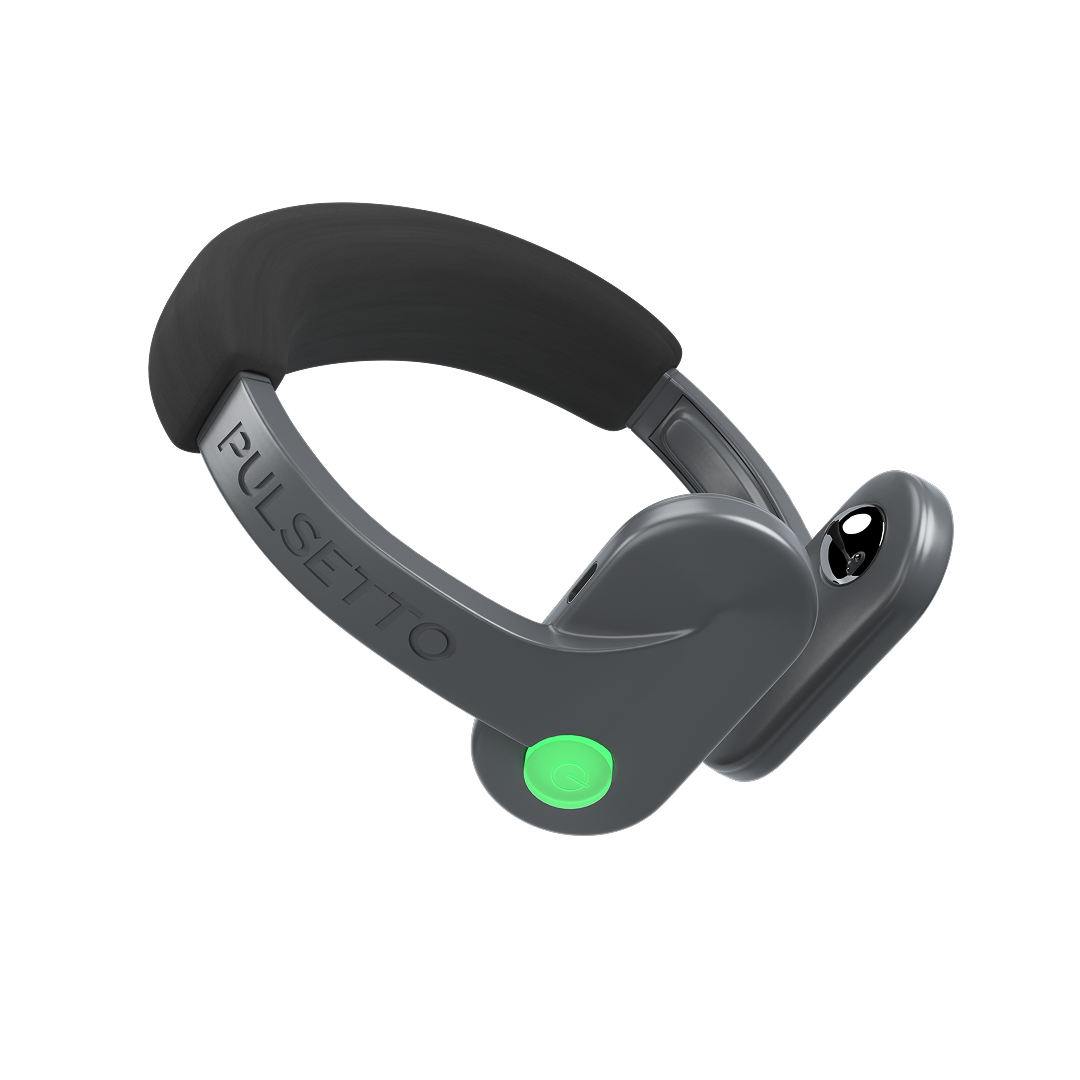
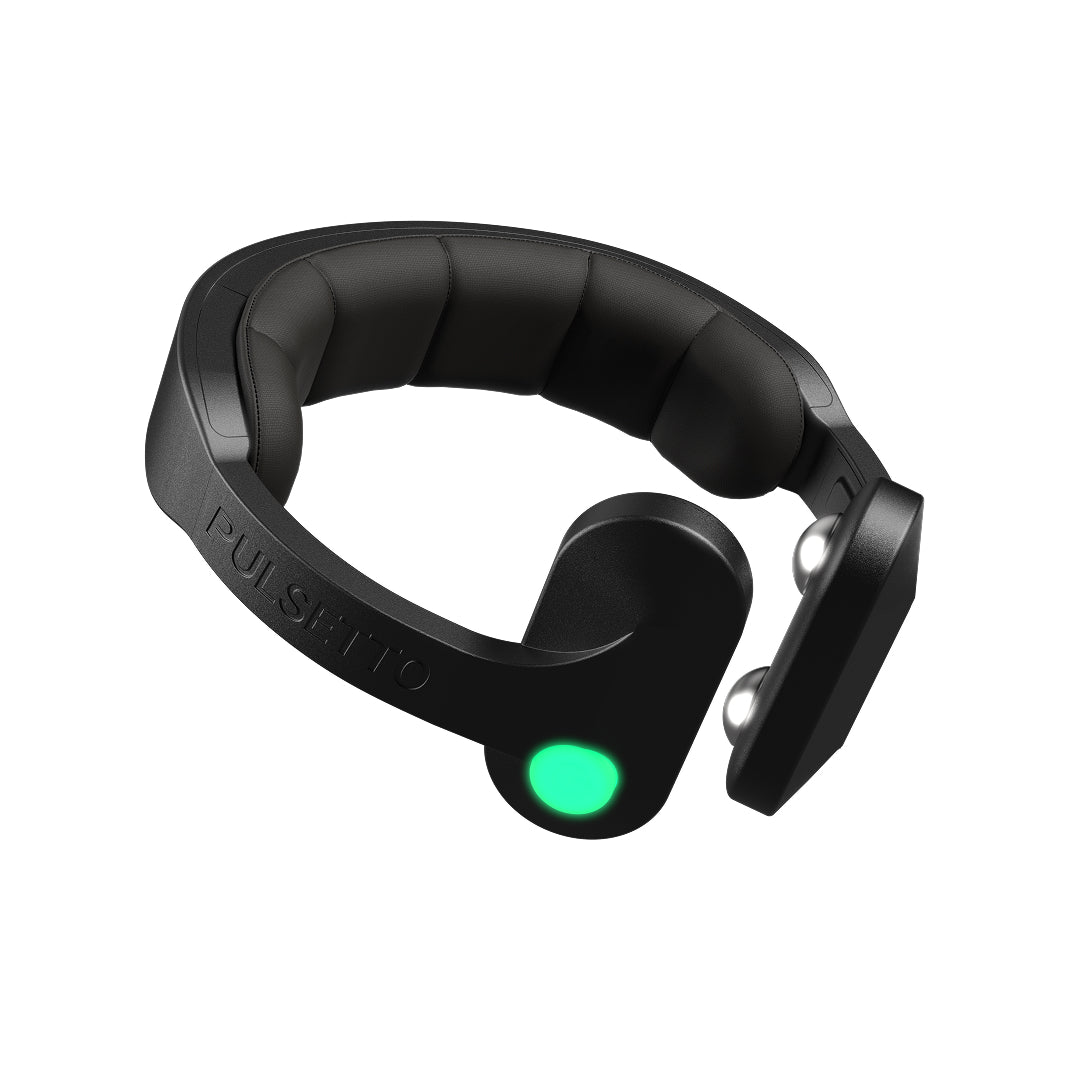
Pulsetto
|
Stress & racing mind
|
Active vagus nerve calming
|
$278 – $478
Currently ~$278 (discounted from $478)
|
|
White noise machine
|
Audio distractions
|
Masks disruptive outside noise
|
$20 – $200
Budget: $20–$40 · Premium: up to $200
|
|
Weighted blanket
|
Physical restlessness
|
Grounding pressure stimulation
|
$50 – $300
Most buyers spend $100–$200
|
|
Sleep tracker
|
Habit optimization
|
Detailed sleep stage analytics
|
$199 – $499+
Oura Ring 4: $349 + $6/mo · Whoop: $199/yr · Galaxy Ring: $399
|
|
Melatonin
|
Circadian shifts
|
Supports sleep onset timing
|
$5 – $25
Per bottle (30–240 count)
|
|
Magnesium
|
Muscle relaxation
|
Physical and nervous system calm
|
$10 – $40
Per bottle; glycinate form preferred for sleep
|
|
Aroma diffuser
|
Sensory wind-down
|
Creates relaxation associations
|
$15 – $150
Budget ultrasonic: $15–$30 · Smart/premium: up to $150
|
|
Blackout curtains
|
Light sensitivity
|
Maximizes melatonin production
|
$20 – $120
Per panel; most pairs: $30–$80
|
|
Cooling mattress pad
|
Hot sleepers
|
Drops core body temperature
|
$40 – $2,649
Basic passive pads: $40–$150 · Chilipad Dock Pro: ~$1,299 · Eight Sleep Pod 4: ~$2,649
|
|
Smart alarm clock
|
Natural wake-up
|
Circadian rhythm alignment
|
$25 – $230
Budget sunrise: $25–$50 · Hatch Restore 3 / Philips: $130–$230
|
|
Sleep headphones
|
Audio-assisted sleep
|
Comfortable side-sleeping audio
|
$20 – $350
Headband style: $20–$60 · Ozlo/Bose Sleepbuds: $250–$350
|
|
Blue light glasses
|
Evening screen use
|
Protects melatonin production
|
$10 – $100
Budget frames: $10–$20 · Premium brands: $35–$100
|
|
Breathing device
|
Physical anxiety
|
Synchronizes heart rate/breath
|
$60 – $229
Dodow: ~$60 · Moonbird: $199–$229
|
|
Herbal sleep tea
|
Bedtime rituals
|
Gentle, non-habit-forming calm
|
$5 – $20
Per box (16–40 bags); Yogi, Celestial Seasonings, etc.
|
|
Meditation app
|
Mental overactivity
|
Guides brain into alpha waves
|
$10 – $100/yr
Headspace: $70/yr · Calm: ~$70/yr · Insight Timer: free tier
|
|
Anti-snore device
|
Sleep continuity
|
Improves nighttime oxygen flow
|
$10 – $359
Nasal strips/clips: $10–$30 · Mouthguards: $30–$100 · Smart Nora: $359
|
|
Smart lighting
|
Light automation
|
Hands-free evening dimming
|
$15 – $200
Budget smart bulb: $15–$25 · Philips Hue starter kit: $70–$200
|
17 Best Products for Insomnia
We see that the best products for insomnia vary in their impact depending on whether your sleeplessness is driven by stress, your environment, or inconsistent habits. There is rarely a single "magic pill" for rest; instead, the best sleep products for insomnia work most effectively when used in combination. By pairing tools that optimize your bedroom with those that address your internal physiology, you create a comprehensive system for consistent, long-term recovery.
1. Pulsetto (Vagus Nerve Stimulation Device)
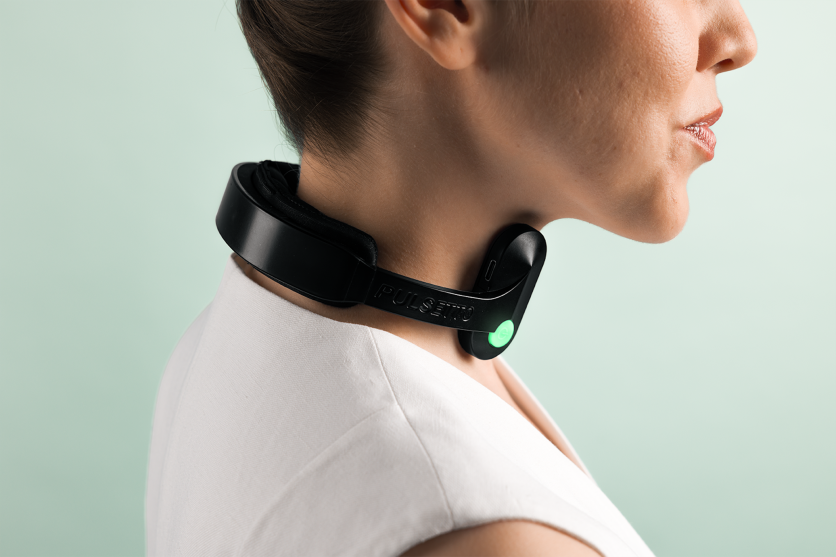
Pulsetto targets the physiological root of insomnia by calming a hyperactive nervous system. Through vagus nerve stimulation, the device signals your body to move out of "fight-or-flight" mode and into a sleep-ready state. In our experience, Pulsetto is a leading drug-free solution, backed by a clinical study of 40 participants over 4 weeks that showed significant improvements in sleep and stress markers. It is designed for those who need a long-term, science-based way to restore their natural rest patterns.
2. White Noise Machine
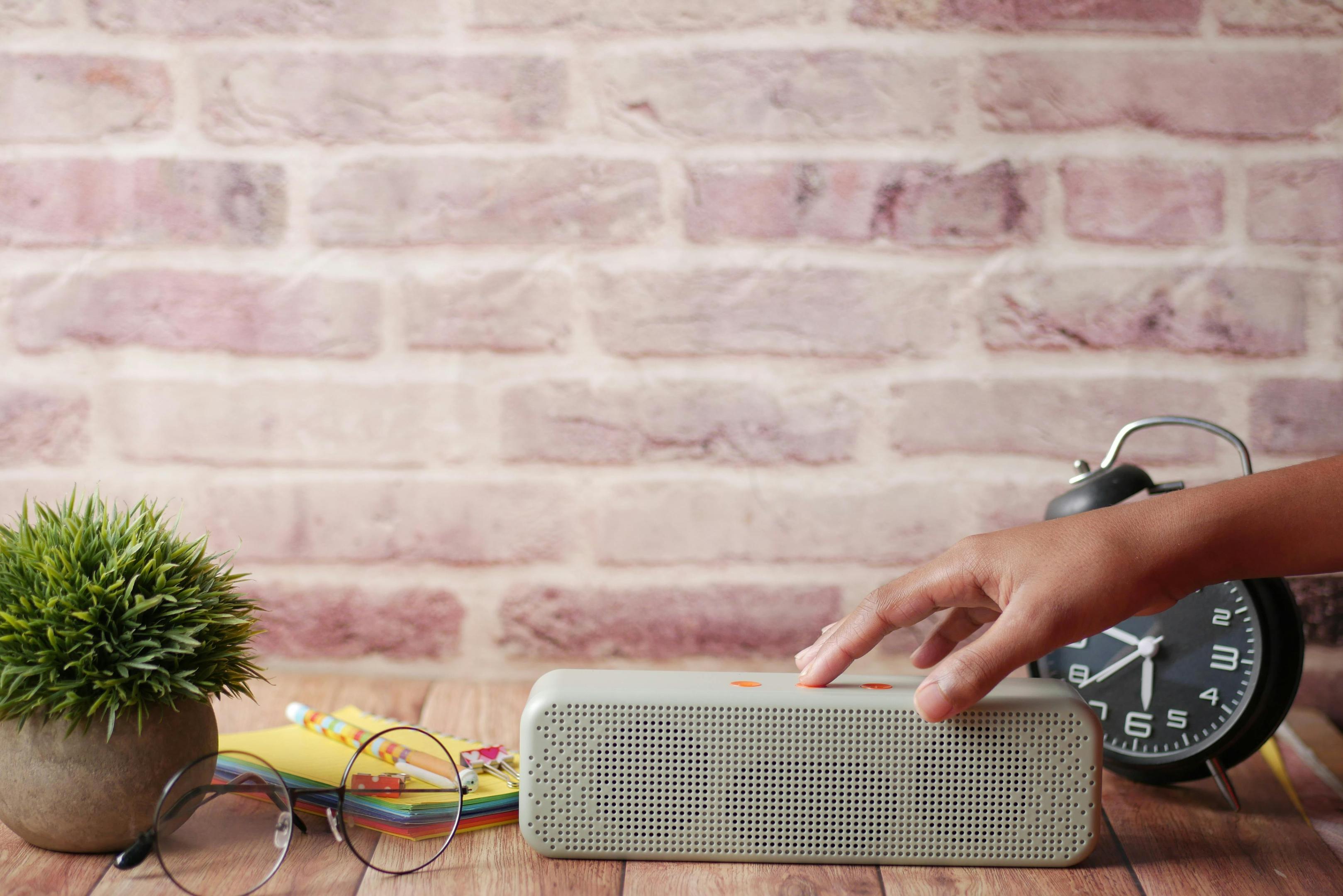
A white noise machine is a foundational tool for maintaining sleep continuity. By producing a constant, soothing sound, it masks sudden environmental disturbances like traffic or neighbors that would otherwise cause a startle response. We find these essential for light sleepers who need a predictable audio environment to stay asleep throughout the night.
3. Weighted Blanket
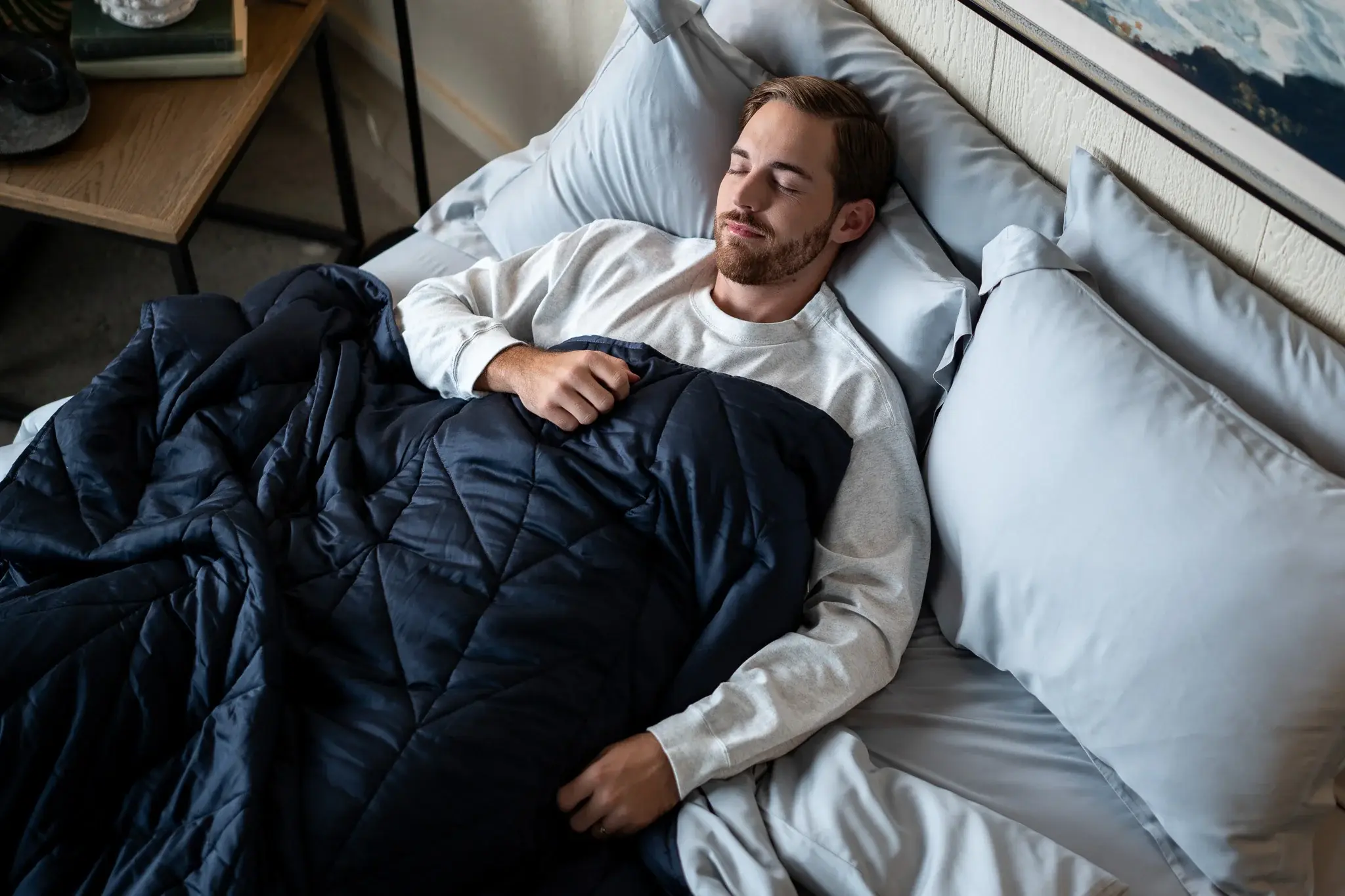
Weighted blankets use deep touch pressure to provide a grounding sensation that we find highly effective for nighttime anxiety. This physical pressure helps lower cortisol levels and increase serotonin, making it a reliable choice for anyone whose insomnia is tied to physical restlessness or a feeling of unease when lying down.
4. Sleep Tracker (Wearable or Ring)
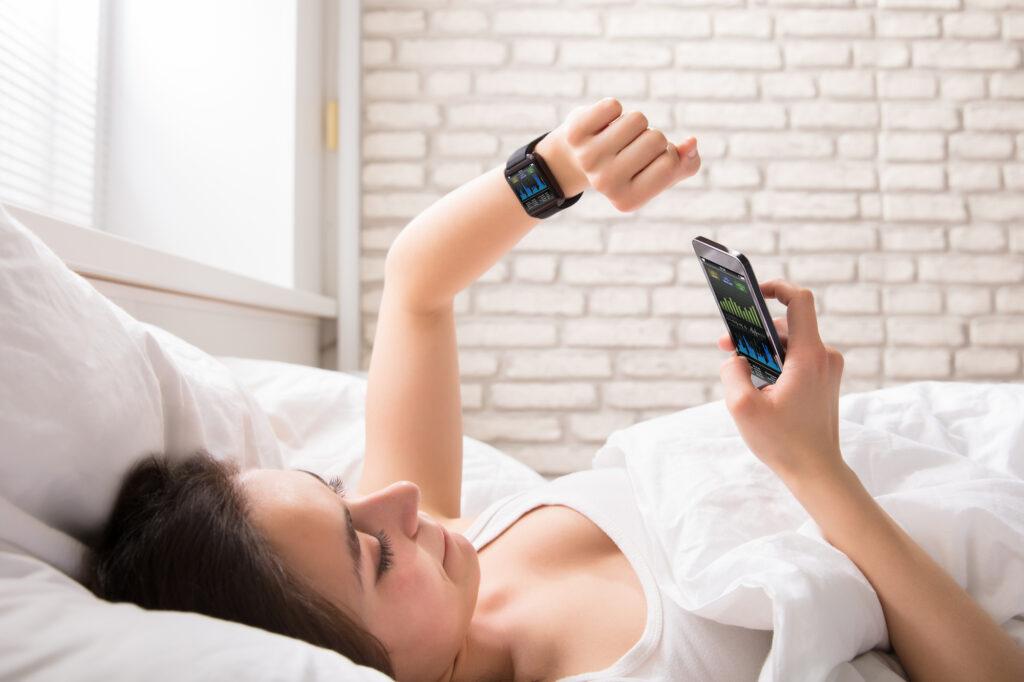
You cannot improve what you do not measure. Using devices for sleep like a smart ring or wearable allows you to track your specific sleep cycles and identify which daytime habits are sabotaging your rest. We find that the awareness provided by these trackers is the first step toward making the lifestyle changes necessary for overcoming chronic insomnia.
5. Melatonin Supplements

Melatonin is a hormone that supports the onset of sleep by signaling to your brain that it is time to wind down. While effective for shifting a sleep schedule or dealing with jet lag, we recommend using it carefully and under professional guidance to ensure it doesn't disrupt your body's natural hormone production.
6. Magnesium Supplements
Magnesium plays a critical role in muscle relaxation and nervous system regulation. We see many people benefit from taking magnesium before bed to help release physical tension and support the neurotransmitters responsible for calming the mind before sleep.
7. Aromatherapy Diffuser
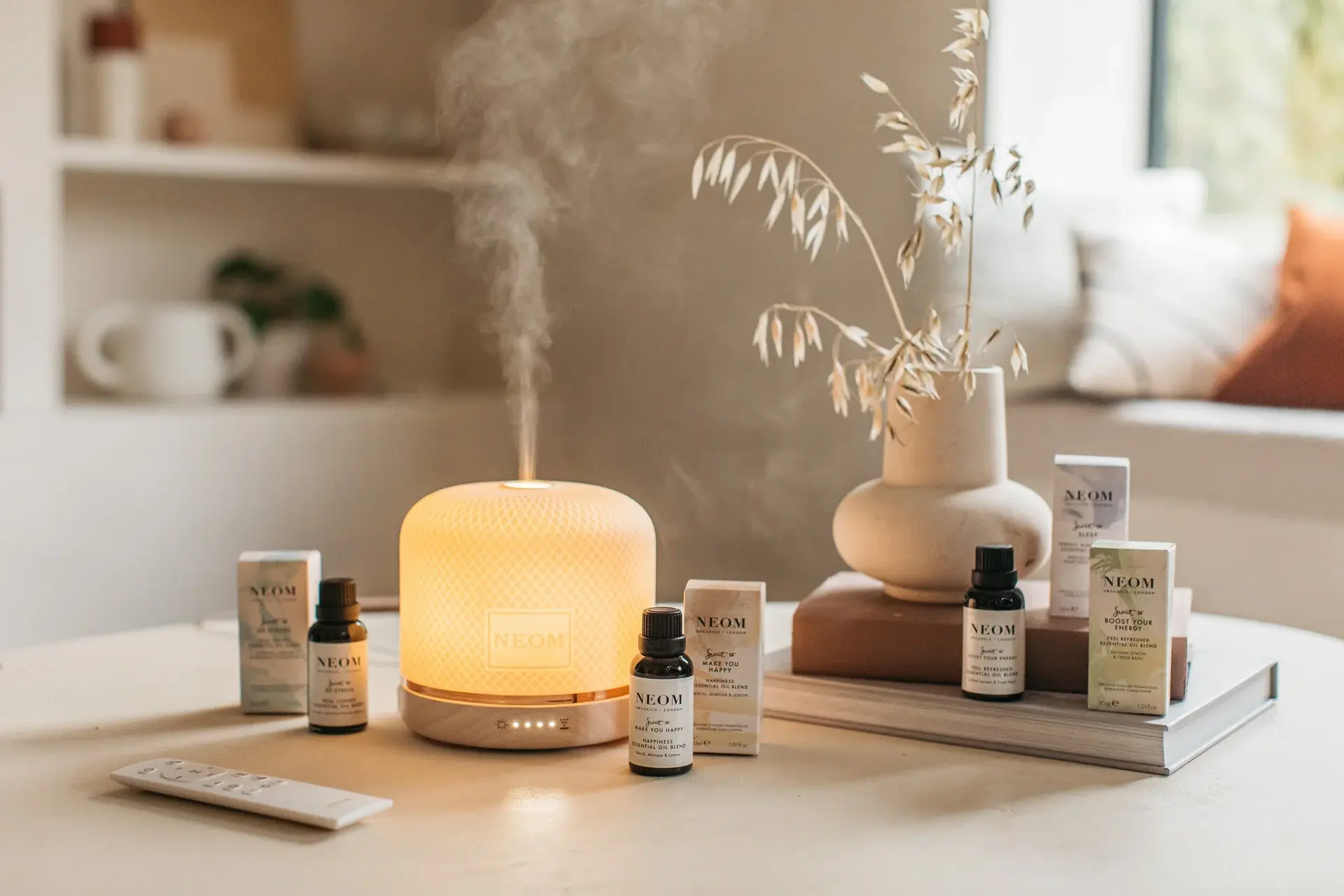
An aromatherapy diffuser uses scents like lavender and valerian root to create a sensory anchor for relaxation. Incorporating specific scents into your evening routine helps build a powerful psychological cue that signals the workday is over and it is time for the body to rest.
8. Blackout Curtains
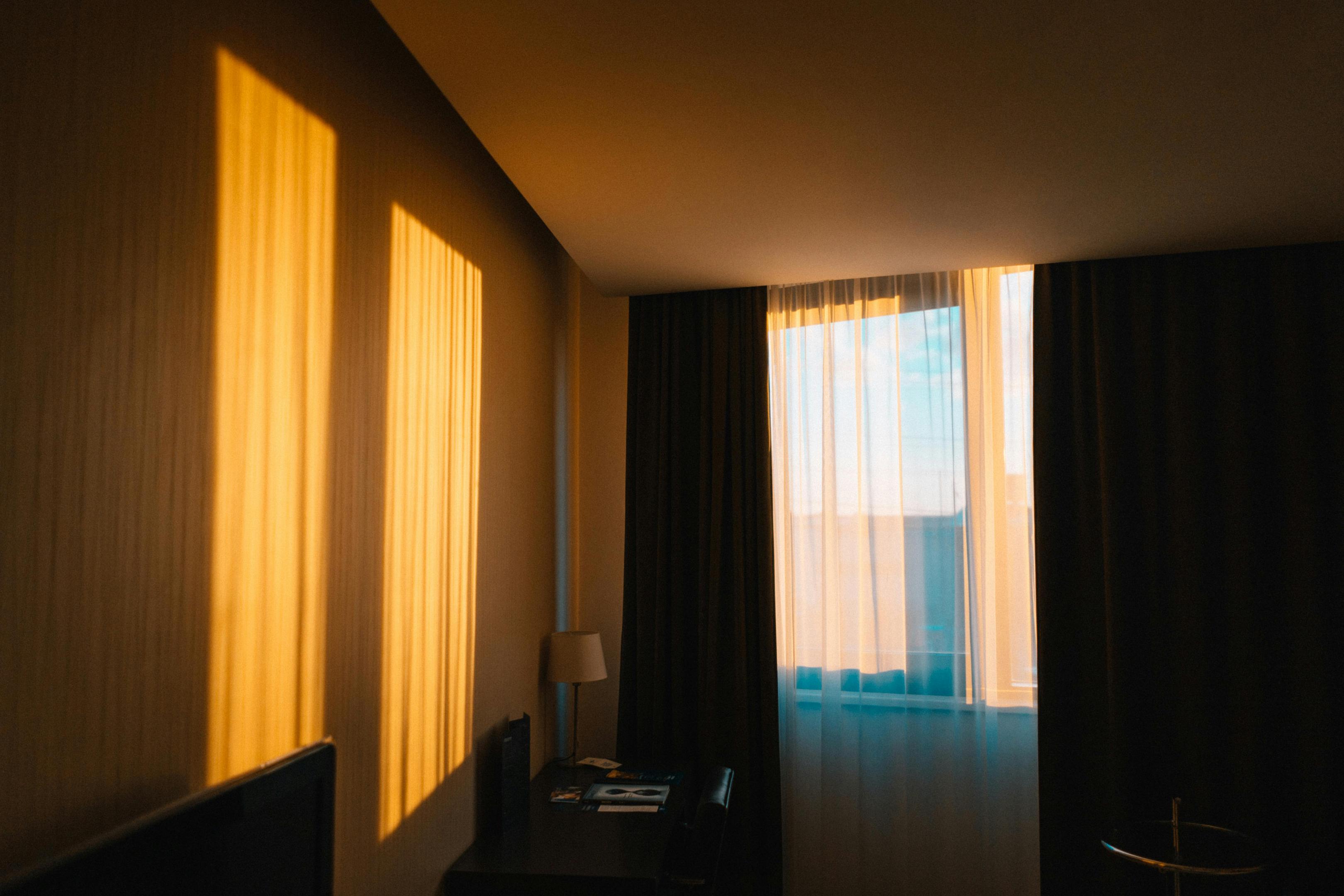
Light exposure is one of the primary inhibitors of melatonin production. Blackout curtains are a simple but essential tool for ensuring your room remains pitch black, which we find is particularly important for urban dwellers or anyone sensitive to early morning sunlight.
9. Cooling Mattress Pad
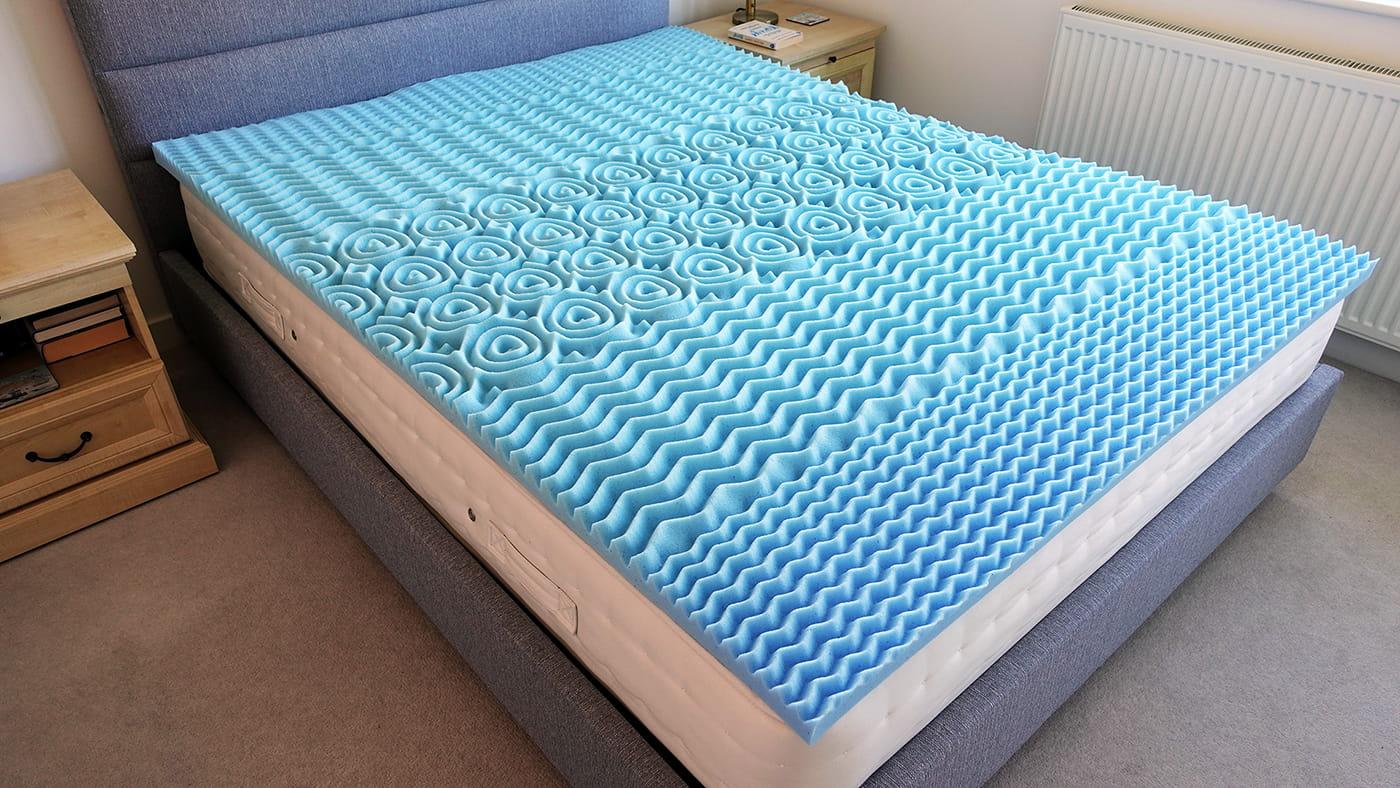
A high core body temperature is a common but often overlooked cause of insomnia. Cooling mattress pads allow you to regulate your bed's temperature, facilitating the natural drop in body heat required for the heart rate to slow and deep sleep to begin.
10. Smart Alarm Clock
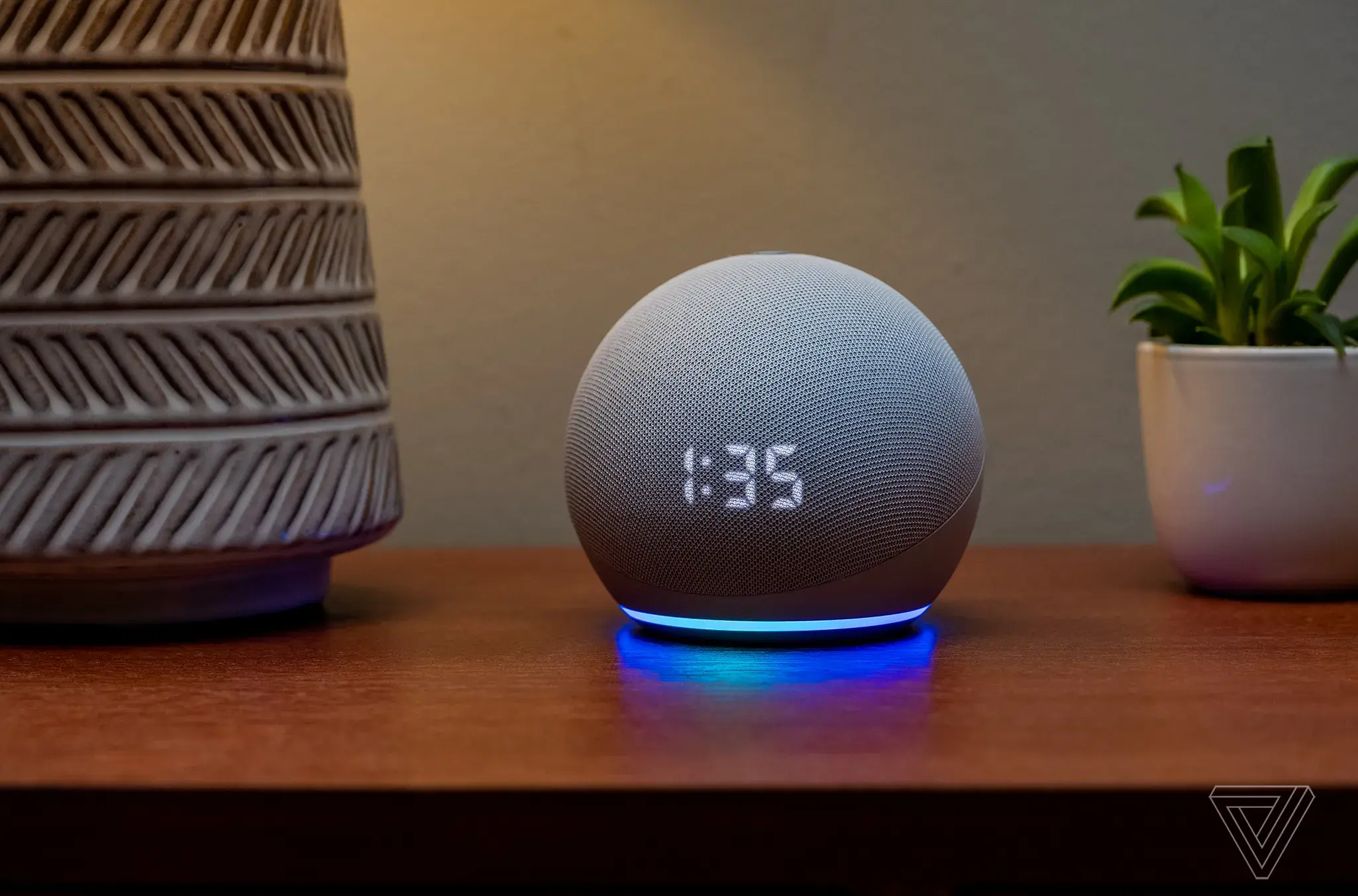
Waking up in the middle of a deep sleep stage causes intense morning grogginess. Smart alarm clocks use gradual light or motion tracking to wake you during your lightest sleep phase, which helps stabilize your circadian rhythm and improves your overall sleep cycle consistency.
11. Sleep Headphones
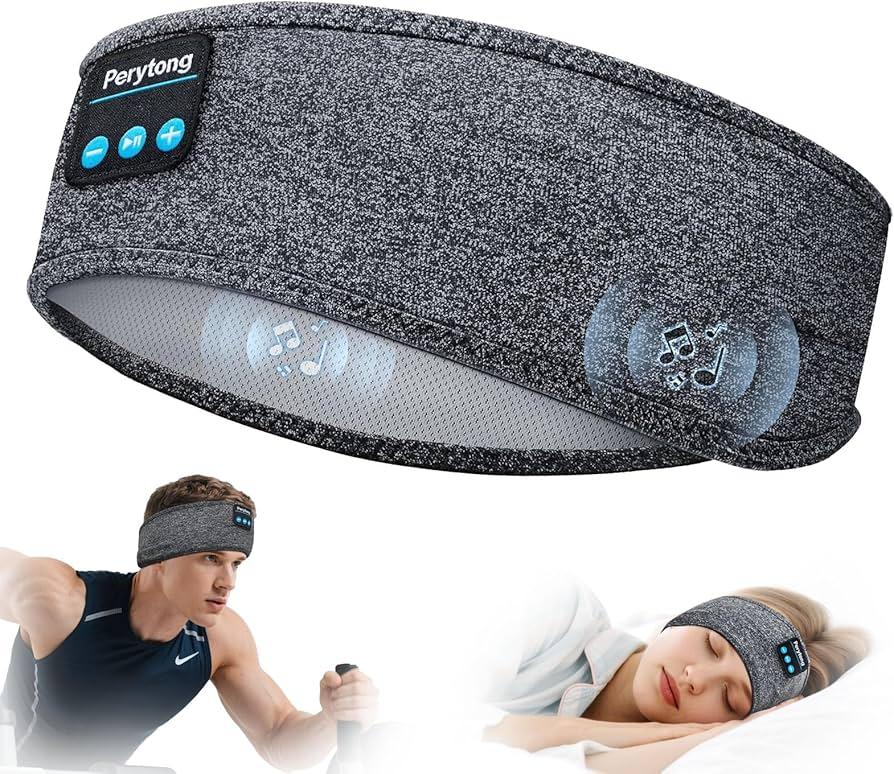
For those who need audio to quiet a racing mind, sleep headphones offer a comfortable way to listen to calming tracks without the discomfort of traditional earbuds. They are specifically designed for side sleepers, allowing you to stay immersed in your relaxation audio throughout the night.
12. Blue Light Blocking Glasses
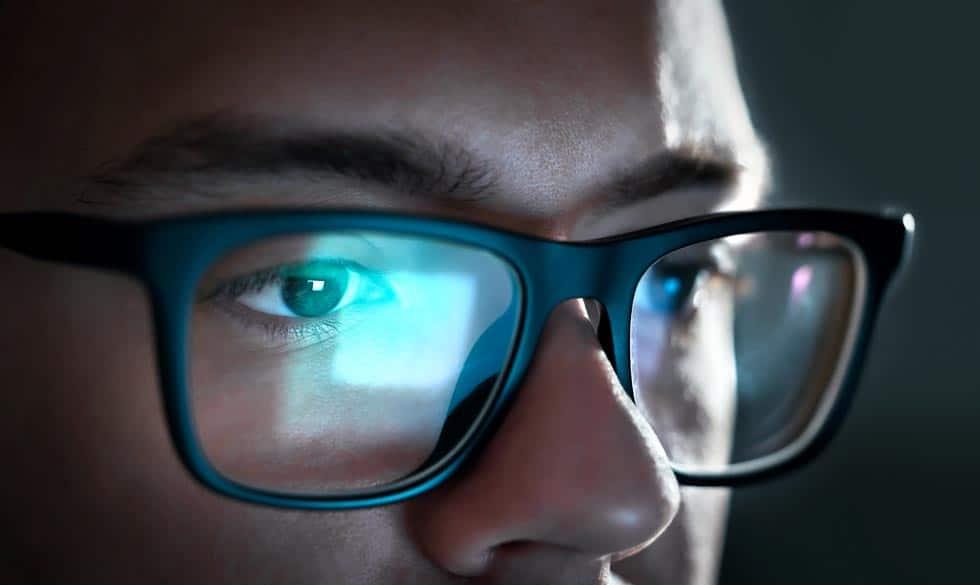
The blue light from our screens suppresses the production of sleep hormones. Wearing blocking glasses in the two hours before bed protects your brain from these artificial signals, allowing your internal clock to wind down naturally even if you are finishing up late-night tasks.
13. Relaxation Breathing Device
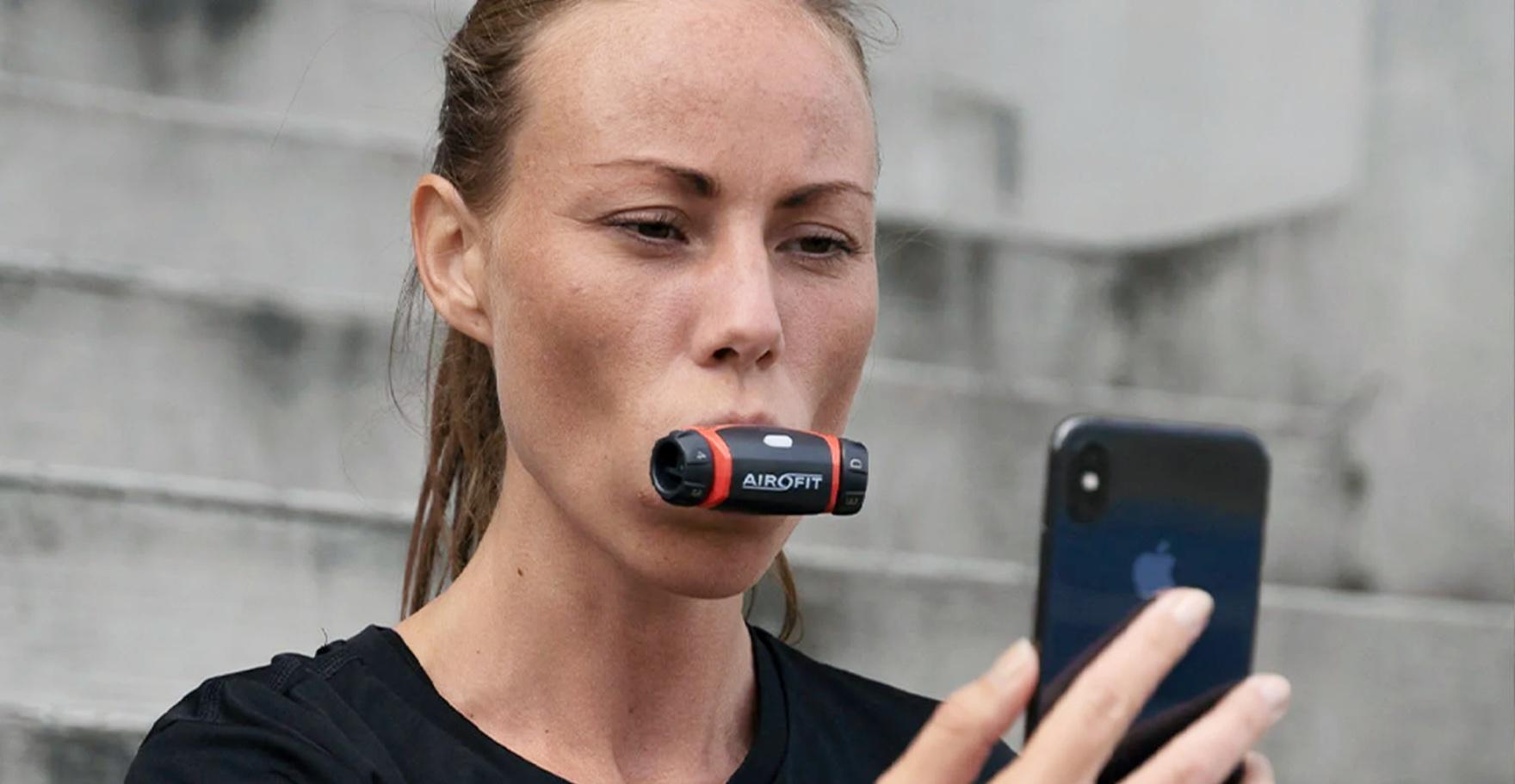
Guided breathing tools help synchronize your heart rate with your breath to reduce physical stress. These relaxation devices provide a tactile way to lower your pulse and calm the body's "alert" signals before you try to fall asleep.
14. Herbal Sleep Tea
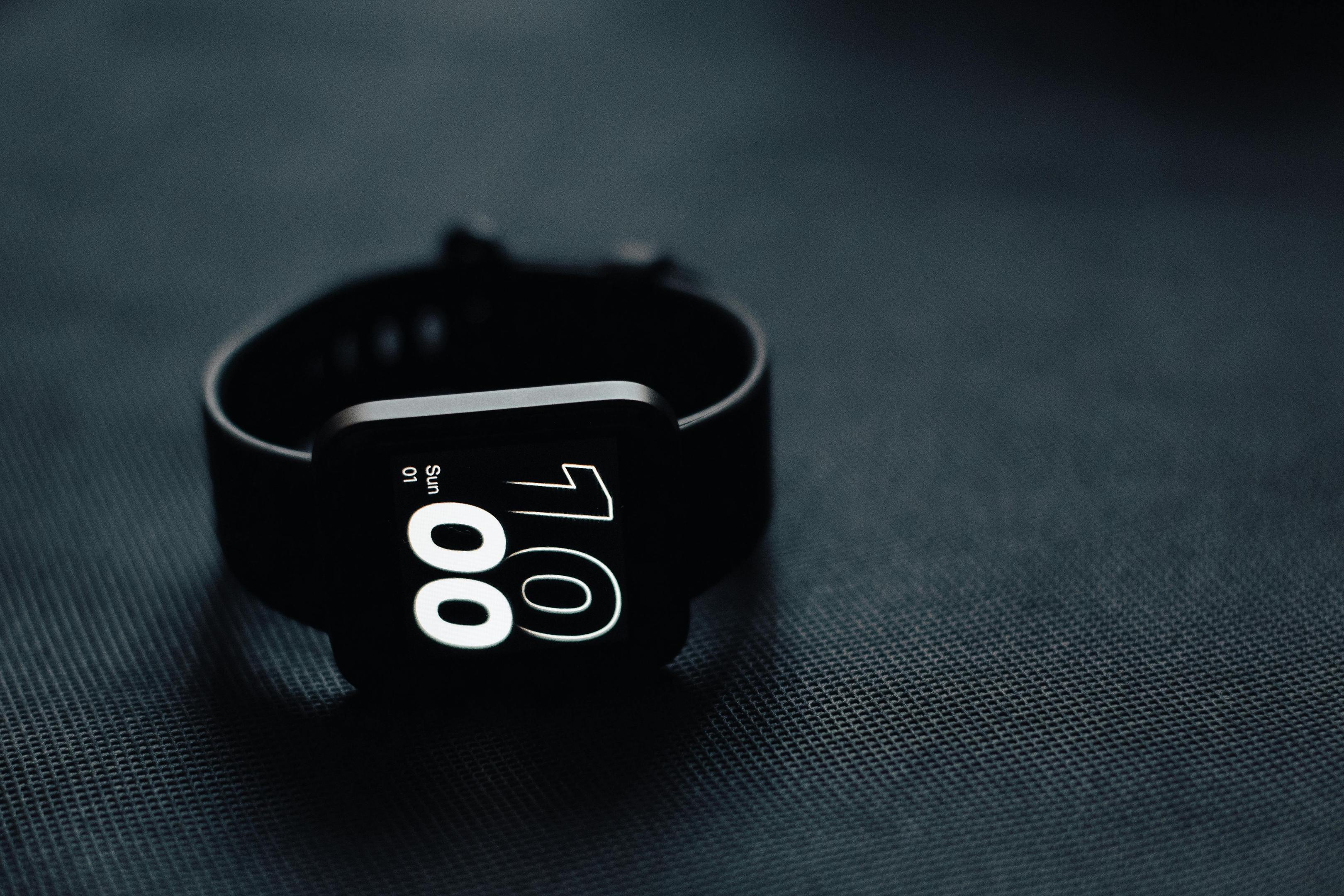
A cup of herbal tea containing chamomile, passionflower, or lemon balm is a time-tested bedtime ritual. The combination of the warm liquid and natural calming herbs provides a gentle, non-habit-forming way to decompress at the end of a long day.
15. Body Scan Meditation App
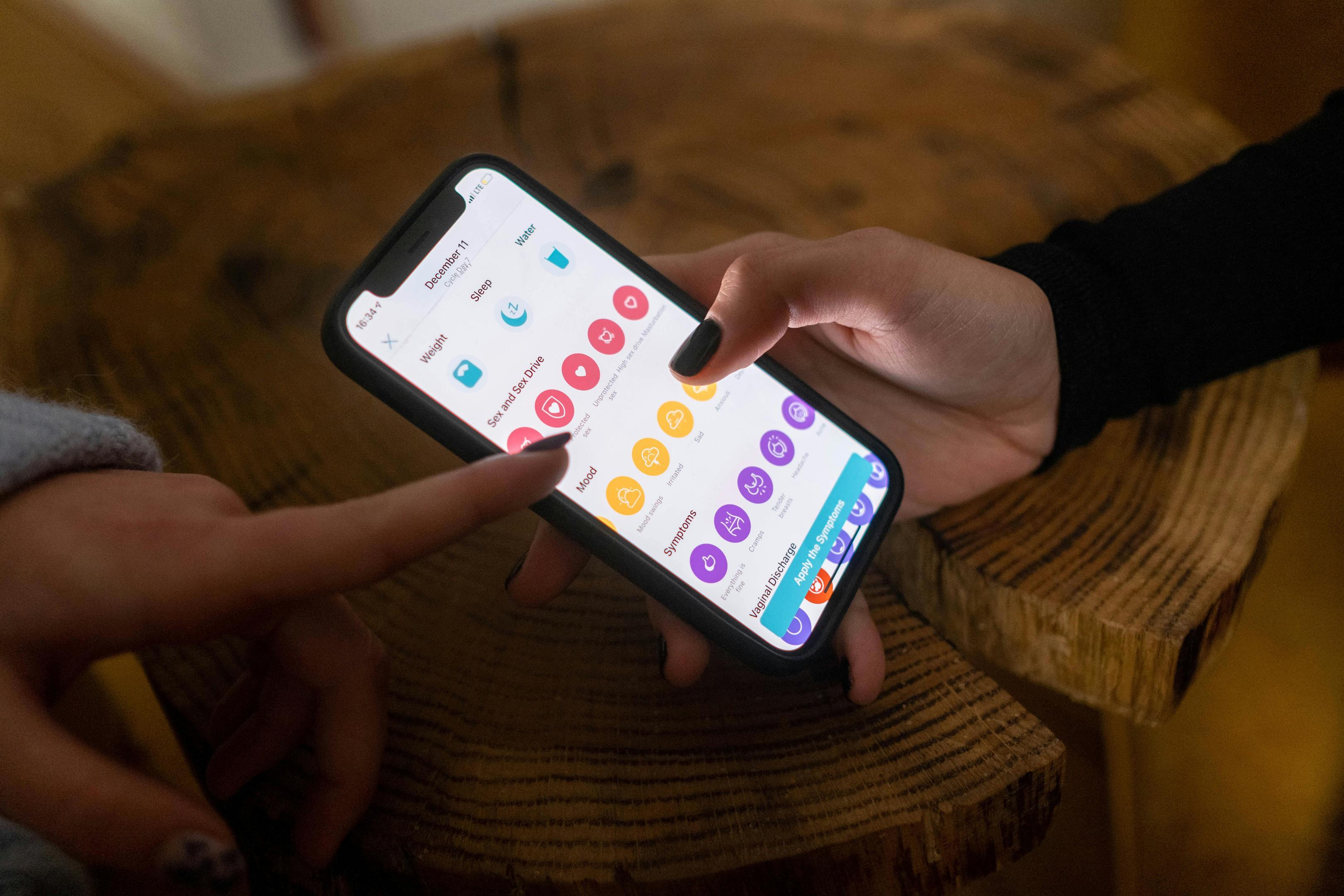
Using meditation tools to perform a body scan meditation helps release stored physical tension. We find this practice particularly useful for mental calmness, as it forces the brain to focus on physical sensations rather than the day's stressors.
16. Anti-Snoring Device
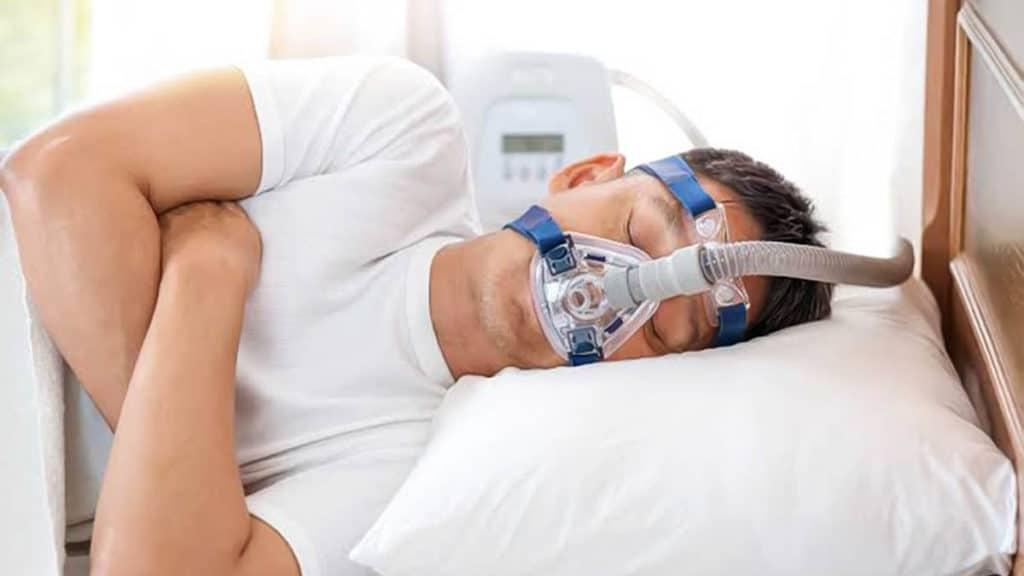
If your insomnia is driven by breathing interruptions, an anti-snoring mouthpiece or nasal strip can significantly improve sleep continuity. By ensuring clear airways, these devices help you stay in restorative sleep stages without the frequent micro-awakenings caused by snoring.
17. Smart Lighting System
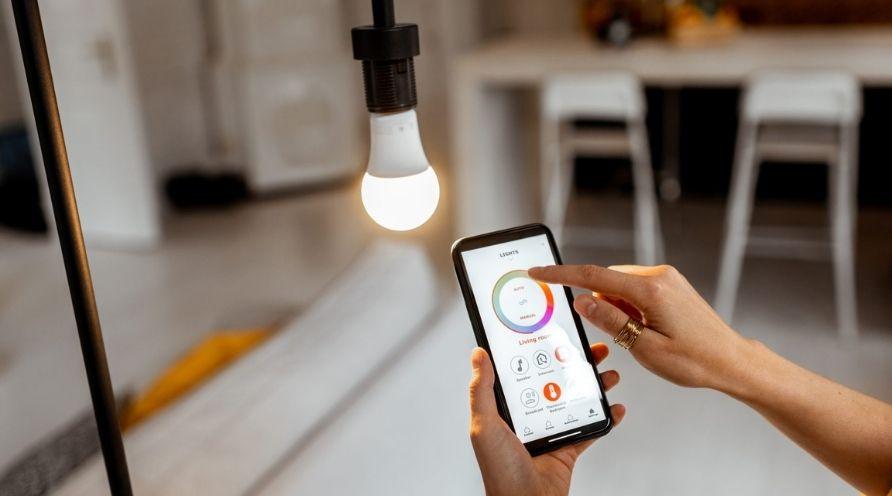
Automating your home's lighting to shift from bright blue tones to warm ambers at sunset is a hands-free way to manage your circadian rhythm. This technology ensures your environment supports your sleep quality by gradually reducing light intensity as your bedtime approaches.
Why Most Insomnia Products Don’t Work Long-Term
Many products for insomnia fail to provide lasting relief because they focus exclusively on environmental symptoms. While blocking out light or noise is helpful, these changes do nothing to address a hyperactive internal stress response. If your nervous system is stuck in a high-alert state, you will continue missing out on deep sleep regardless of how dark or quiet your room is.
We see a clear difference when using a tool like Pulsetto, which targets the physiological root of the problem. Instead of just masking external triggers, it actively downregulates the body's "fight-or-flight" signals. This shift from surface-level fixes to internal regulation is what allows the body to return to a natural, sustainable sleep cycle.
The Importance of Addressing the Root Cause of Insomnia
Insomnia is frequently a symptom of a nervous system that cannot transition out of a state of hyperarousal. When chronic stress keeps your sympathetic nervous system active, your brain remains on high alert, making it biologically difficult to fall or stay asleep. To find truly effective products for insomnia, you must look for solutions that address this internal imbalance rather than just environmental discomfort.
Neurostimulation offers a direct way to calm your nervous system by activating the parasympathetic response via the vagus nerve. By physically signaling the body that it is safe to rest, this technology helps override the stress signals that traditional sleep aids often miss. Addressing this physiological root cause is the most reliable way to restore the natural rhythms required for restorative sleep.
How to Choose the Right Product for Insomnia
The best products for insomnia are the ones that align with your specific sleep obstacles. In our experience, people often cycle through multiple top products for insomnia without success because they are treating the wrong problem. To find a solution that sticks, you need to determine if your issue is rooted in stress, your environment, your habits, or physical discomfort.
-
Stress & Anxiety: If your mind is racing, prioritize biohacking stress tools like Pulsetto or relaxation-focused supplements like magnesium glycinate.
-
Environmental Triggers: If light or noise wake you up, invest in high-quality blackout curtains and white noise machines to create a consistent "sleep cave."
-
Poor Habits: If your sleep timing is inconsistent, use a smart tracker to identify where your routine is breaking down.
-
Physical Discomfort: If you struggle with temperature or pain, focus on cooling mattress pads or ergonomic support tools that reduce physical friction.
Focusing on the cause rather than just the symptom ensures you select a tool that provides actual recovery rather than a temporary fix.
Questions to Ask Before Buying
Before investing in smart products for insomnia, we recommend asking a few targeted questions to narrow down which technology will actually benefit your rest. Identifying the nature of your struggle prevents you from purchasing high-tech tools that don't address your specific sleep barrier.
-
Do you struggle with a racing mind or physical stress? If you can’t "turn off" at night, you need tools that target the nervous system rather than just a new mattress or pillow.
-
Is your environment the primary disruptor? Consider if outside noise, streetlights, or a partner's snoring are the main reasons you wake up.
-
Is your sleep timing inconsistent? If you fall asleep at different times every night, look for trackers that can help you stabilize your circadian rhythm.
-
Do you prefer a drug-free approach? Decide if you want to rely on supplements or if you would rather use wearable tech that trains your body to relax naturally.
-
Will this product fit into your existing bedtime ritual? Any new tool should be easy to use; if it adds more stress or complexity to your evening, it may be counterproductive.
What to Avoid When Buying Sleep Products
We recommend being cautious with best sleep products for insomnia that offer "miracle" results or fast fixes for chronic issues. Many over-the-counter options are essentially sedating antihistamines, which can lead to a "hangover effect" of daytime grogginess and a rapid buildup of tolerance, making them ineffective after just a few days of use.
Avoid over-reliance on solutions that create a risk of dependency or rebound insomnia. This is a common issue with both prescription "Z-drugs" and some over-the-counter aids; when you stop taking them, your sleeplessness often returns worse than before. We also suggest skepticism toward cool bedroom gadgets that require constant app engagement or provide unverified medical claims, as overcomplicating your routine often increases the very stress you are trying to eliminate.
Choose a Solution That Helps You Sleep Long-Term
Building a sustainable sleep routine is about finding effective products for insomnia that support your body's natural rhythms rather than overriding them. While quick fixes may offer temporary relief, the best products for insomnia are those that provide a long-term, drug-free path to recovery. By choosing a science-backed solution like Pulsetto, you focus on the physiological core of the issue, helping your nervous system return to a state of balance.
Try Pulsetto to experience a direct, natural approach to reclaiming your rest and improving your overall well-being.
Best Products for Insomnia FAQs
What are the best products for insomnia?
In our experience, the most effective setup includes a combination of a vagus nerve stimulator like Pulsetto for stress, a cooling mattress pad for temperature regulation, and high-quality blackout curtains for environmental control.
Do sleep products really work for insomnia?
They work when they are matched to the specific cause of your insomnia. Environmental tools are excellent for light or noise issues, while neurostimulation devices are more effective for stress-induced sleeplessness.
Are drug-free insomnia solutions effective?
Yes, drug-free solutions like VNS (Vagus Nerve Stimulation) and weighted blankets are highly effective because they address the body's internal stress response without the side effects or dependency risks of traditional sleep medication.
What helps you fall asleep faster naturally?
Lowering your core body temperature and downregulating your nervous system are the fastest ways to trigger sleep. We find that cooling pads and deep breathing or neurostimulation devices provide the most direct results.
Can devices improve sleep quality long-term?
Devices that focus on habit-building or physiological regulation can definitely improve sleep long-term. Unlike supplements that the body may become tolerant to, these tools help "train" your system to enter a restorative state more efficiently.
What is the safest product for insomnia?
Non-ingestible tools like blackout curtains, high-quality white noise machines, and vagus nerve stimulators are generally the safest options, as they do not interfere with your body's chemistry or carry a risk of chemical dependency.