10 Proven Ways to Fall Asleep Faster
If you are serious about how to sleep faster, think in layers. Calm the body. Quiet the mind. Reduce outside interference. Then repeat the same pattern often enough that your brain starts recognizing it. That is still the best way to sleep for most people. Not glamorous. Still effective. Claims about how to sleep instantly are usually nonsense. The body still needs a pathway into sleep. Your job is to make that pathway easier.
1. Try the 4-7-8 Breathing Method
People search how to fall asleep in 10 seconds and how to sleep in 2 minutes because they want an off switch. Fair enough. The body does not work like a light bulb. However, structured breathing can help you drop arousal fast enough that sleep comes easier.
The 4-7-8 method is simple:
-
inhale for 4
-
hold for 7
-
exhale for 8
The longer exhale is the useful part. It can help slow the pace of your body and make your heart rate feel less jumpy. I would use this when stress is mild to moderate. If breath holds make you feel worse, skip them and use a simpler 4 in, 6 out pattern instead.
2. Use Progressive Muscle Relaxation
Progressive muscle relaxation works because tension hides in the body long after you stop noticing it. Tight jaw. Raised shoulders. Clenched hands. That is why trying to “relax” mentally often fails. The body never got the message.
Tense one area for a few seconds. Release it. Move upward or downward through the body. Feet, calves, thighs, stomach, shoulders, face. That contrast makes the nervous system register what letting go actually feels like. If you want a deeper internal guide here, our piece on relaxation techniques for sleep will do you good.
3. Lower Your Body Temperature
A cooler environment helps signal that sleep is coming. NIH and Mayo both recommend keeping the room on the cool side, and NHLBI specifically notes that a cooler bedroom can help with sleep. That is one reason hot, stuffy bedrooms tend to work against you.
For the best way to sleep, keep it practical:
-
cool the room
-
use lighter bedding if you overheat
-
take a warm shower earlier so your body cools afterward
-
stop wrapping yourself in too much heat right before bed
The goal is not to be cold. The goal is to stop being too warm to drift off.
4. Remove Mental Stimulation
If you want to know how to fall asleep instantly, the first bad answer is “keep thinking until you win.” Racing thoughts do not get quieter because you argue with them harder.
A fast fix is a brain dump. Write down what is looping. Tasks, worries, reminders, half-finished thoughts. Get them out of your head and onto paper. This matters because insomnia often overlaps with cognitive arousal, especially in people whose minds stay switched on after the day is over.
5. Try the Military Sleep Method
People ask about how to fall asleep in 2 minutes and how to sleep in 5 minutes because the military sleep method keeps circulating online. The basic version is simple: relax the face, drop the shoulders, release the arms and legs, exhale, and picture something calm or repeat a neutral phrase.
Does it work for everyone? No. The answer is no. Still, the logic behind it makes sense because it combines physical relaxation, breath, and mental narrowing. I would treat it as a routine, not a party trick. It tends to work better when practiced repeatedly rather than judged after one irritated night.
6. Use White Noise or Soundscapes
Consistent sound helps some people fall asleep because it masks unpredictable noises. A steady fan sound, white noise, brown noise, or rain audio can reduce the brain’s need to keep checking the environment.
For how to sleep quickly, this is especially useful if the problem is not just inner stress but outside interruptions too. Sound will not fix every kind of insomnia. It can still remove one layer of friction.
7. Limit Screen Exposure Before Bed
This one is repetitive because it matters. Blue light and stimulating content both work against sleep. NHLBI and other sleep resources recommend using the hour before bed for winding down, not for screens, and newer sleep guidance continues to warn that screens near bedtime delay sleep and disrupt melatonin-related timing.
If you want to know how to sleep fast, stop expecting the brain to scroll, compare, react, and then suddenly go silent on command.
8. Stick to a Consistent Sleep Schedule
For how to get to sleep, consistency still beats heroics. Go to bed around the same time. Wake up around the same time. Keep weekends from drifting too far. The circadian system likes predictability, and both NIH and Mayo stress regular sleep schedules as a core sleep habit.
This part is boring enough that people skip it. Then they wonder why their brain acts confused at midnight. Fair enough.
9. Try Natural Relaxation Tools
Some people do better with a little help. Sound therapy, guided breathing, weighted blankets, wearables, and low-friction relaxation tools can all support sleep if they make your routine easier to repeat.
I would not pretend everyone needs gadgets. Still, the right optional tool can remove friction. If you want to explore that category, check our guide on the best devices for sleep.
10. Stimulate the Vagus Nerve for Faster Sleep
If you are trying to solve how to fall asleep fast and how to sleep faster, the vagus nerve matters because it sits inside the body’s rest-and-recovery network. In plain English, a better parasympathetic shift can make it easier to leave alert mode behind.
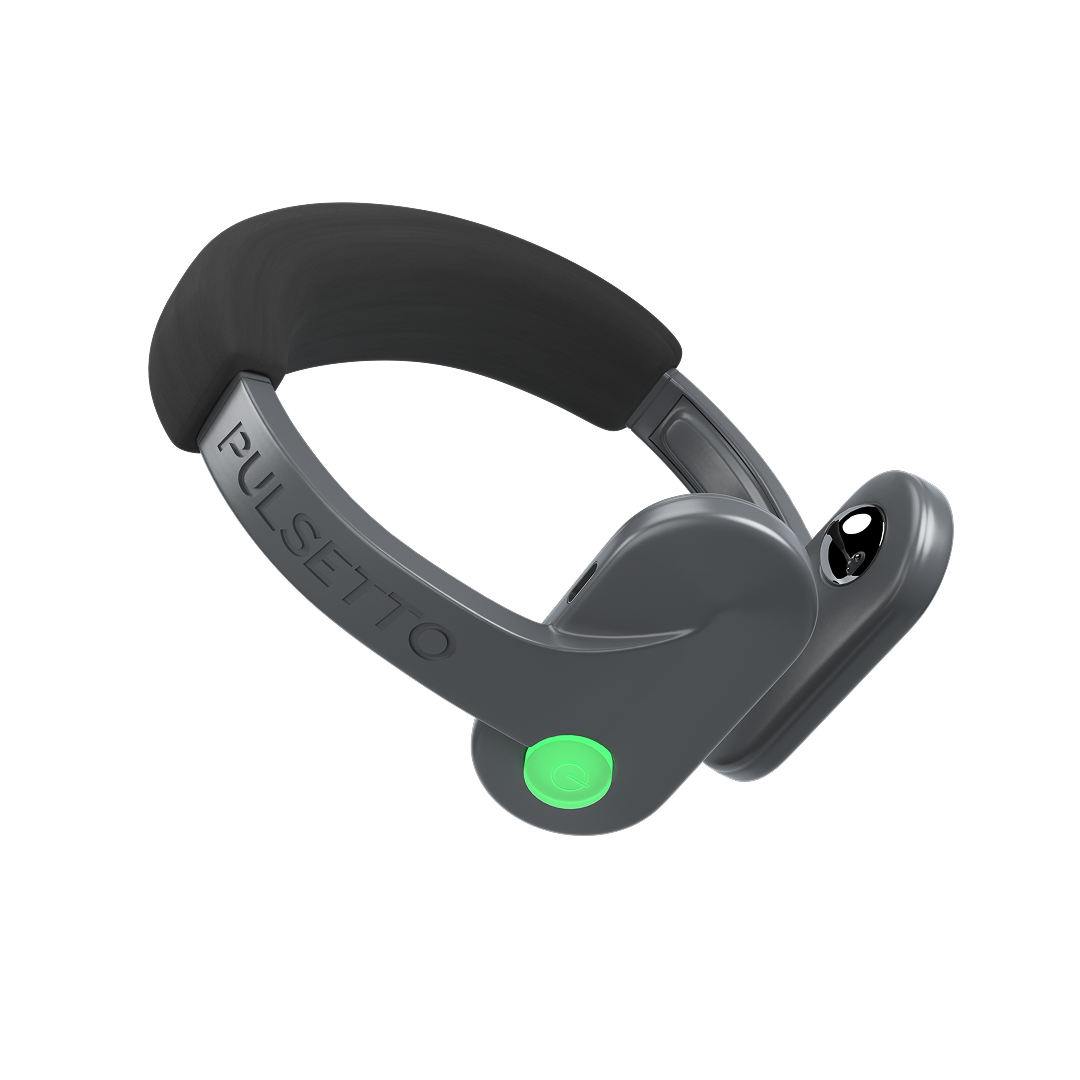
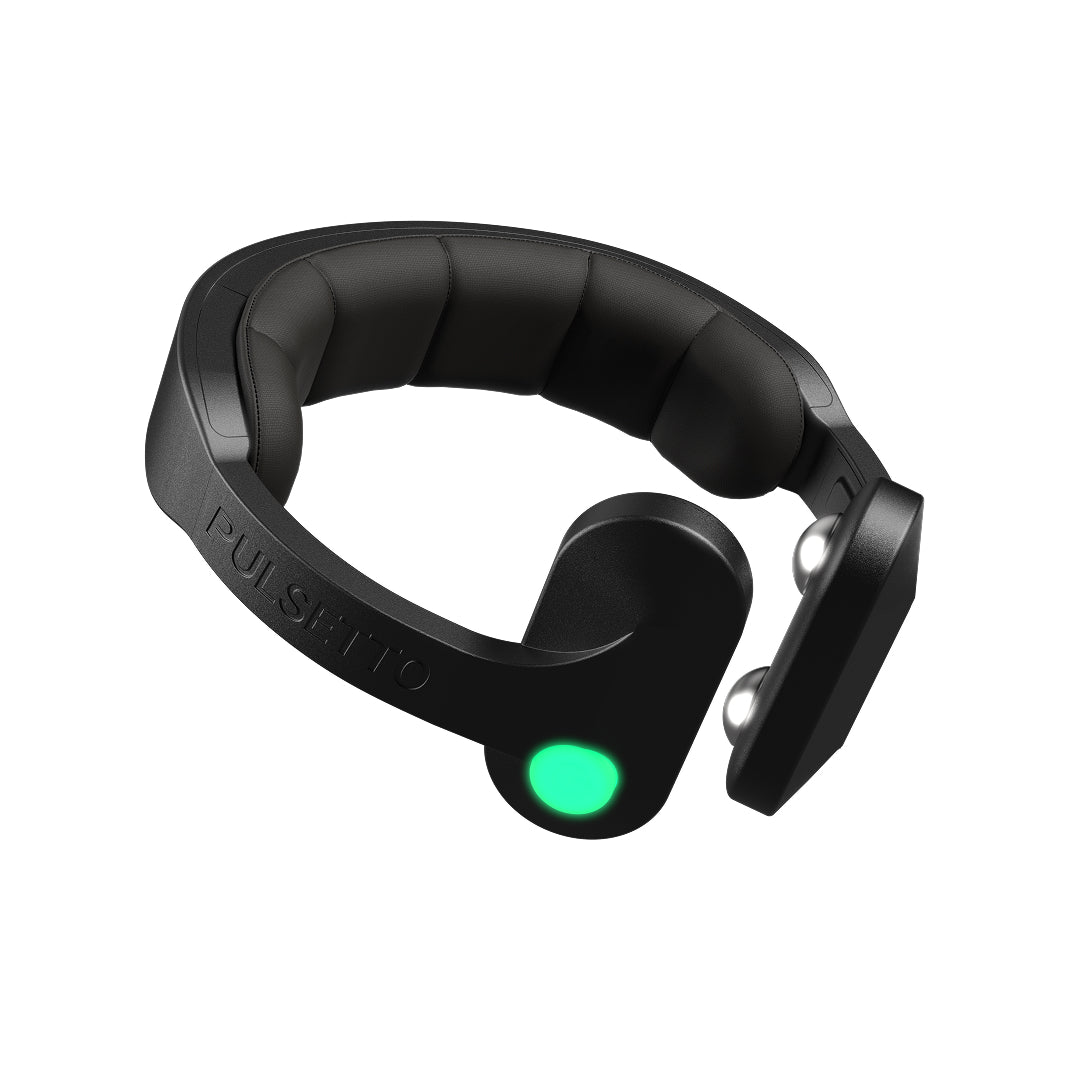
That is where Pulsetto fits naturally. Not as a miracle button. More like a structured tool for people whose sleep is held up by stress and overactivation. If you want a broader internal read on that space, our guide to biohacking tools for sleep should be your next read.
The broader VNS literature suggests non-invasive vagus nerve approaches are being studied for stress, insomnia, and sleep-related outcomes, though the field is still developing and should be described carefully.
Why Sometimes You Can’t Fall Asleep (Even When You’re Tired)

If you are asking how to get to sleep or how to make yourself sleepy, the first thing to understand is that tired and sleepy are not always the same state. You can be exhausted and still too activated to fall asleep. Stress, racing thoughts, late-night light exposure, caffeine timing, and irregular routines all push in that direction. Hyperarousal is one of the clearest frameworks for this. The body stays too alert for sleep onset even when energy is low.
This is where the sympathetic and parasympathetic systems matter. One is more about mobilization and alertness. The other supports rest and recovery. When the first system stays too active at night, sleep gets delayed. That is why sleep fixes often fail when they only target the environment and ignore the state of the body.
How Vagus Nerve Stimulation Helps You Fall Asleep Faster

People searching how to fall asleep quickly and how to sleep fast are often looking for a way to get out of their own physiological way. That is where vagus nerve stimulation becomes relevant. In practical terms, it may help support parasympathetic activity, reduce some of the physical intensity of stress, and make bedtime feel less like a fight.
A simple bedtime use case looks like this: lower the lights, stop screens, do slower breathing, then use a short Pulsetto session as part of the same routine. That is not a promise of instant sleep. It is a cleaner entry into sleep onset for people whose nervous system tends to run hot. If you want a deeper internal read, read our article on improving sleep.
Bedtime Routine That Helps You Fall Asleep in Minutes
If you want how to fall asleep fast and how to sleep faster to become less of a nightly question, build a short routine and keep it stupidly simple.
A practical 20 to 30 minute version:
-
dim lights
-
stop screens
-
cool the room
-
write down any looping thoughts
-
do 2 to 5 minutes of slower breathing
-
use progressive muscle relaxation
-
add white noise if outside sound is a problem
-
optional Pulsetto session if stress is your main blocker
That is it. Not a ten-step spiritual ceremony. Just a repeatable path your body learns to recognize. If you want to go deeper into night quality after sleep onset, see our deep sleep tips.
Common Mistakes That Make It Harder to Sleep
If you want better answers to how to sleep and how to go to sleep fast, stop doing the obvious things that sabotage sleep.
Common mistakes:
-
phone in bed
-
caffeine too late in the day
-
inconsistent sleep timing
-
bright light late at night
-
going to bed mentally loaded and physically tense
-
drinking alcohol because it “helps” at first
-
expecting one trick to undo a week of overstimulation
NHLBI and Mayo both call out caffeine, nicotine, alcohol, inconsistent scheduling, and poor bedtime routines as major sleep disruptors. Also, if snoring, breathing pauses, or suspected sleep apnea are part of the picture, that is a different problem and deserves proper attention. Our piece on sleep apnea devices might be useful.
Ready Put Science Based Methods to the Test?

If stress is the reason you lie there tired but not asleep, start with methods that lower the load instead of adding more pressure. Slower breathing. Less light. A cooler room. A consistent routine. A body that feels less braced. That is still the cleanest way to approach how to fall asleep fast and how to sleep faster without turning bedtime into another performance.
Pulsetto fits best as part of that long-term routine. We built it for people who need a more repeatable way to downshift before sleep, especially when stress is the real blocker. Thinking it is time to make evenings easier? You can buy vagus nerve stimulator.
How to Fall Asleep Fast FAQs
How can I fall asleep in 2 minutes?
You might not. That is the honest answer. Some people do settle that fast with breathing, muscle relaxation, and a dark cool room, but there is no universal two-minute switch. Structured methods can help you get closer, though.
What is the fastest way to fall asleep naturally?
Usually the fastest natural route is lowering stimulation, slowing the breath, relaxing the body, and keeping the room cool and dark. It works best when it is part of a routine, not a random rescue move.
Why can’t I fall asleep even when I’m tired?
Because exhaustion and sleep readiness are not the same thing. Stress, hyperarousal, light exposure, caffeine, irregular schedules, and racing thoughts can all keep the body too alert for sleep onset.
How do I quiet my mind before sleep?
Get thoughts out of your head and onto paper. Use slower breathing. Remove the phone. Reduce light and sound. Give the mind fewer things to keep chasing.
Are devices effective for helping you fall asleep faster?
Some can be useful, especially when they support relaxation or lower bedtime stress. Device-based vagus nerve approaches are being studied for sleep and stress-related outcomes, but they work best as part of a broader routine rather than as a stand-alone answer.
What is the military sleep method and does it work?
It is a structured relaxation routine that focuses on releasing facial and body tension, breathing out, and narrowing mental focus. It can help some people. It is not a guaranteed sleep hack. Practice matters more than hype.