12 Best Massage Tools for At-Home Relaxation
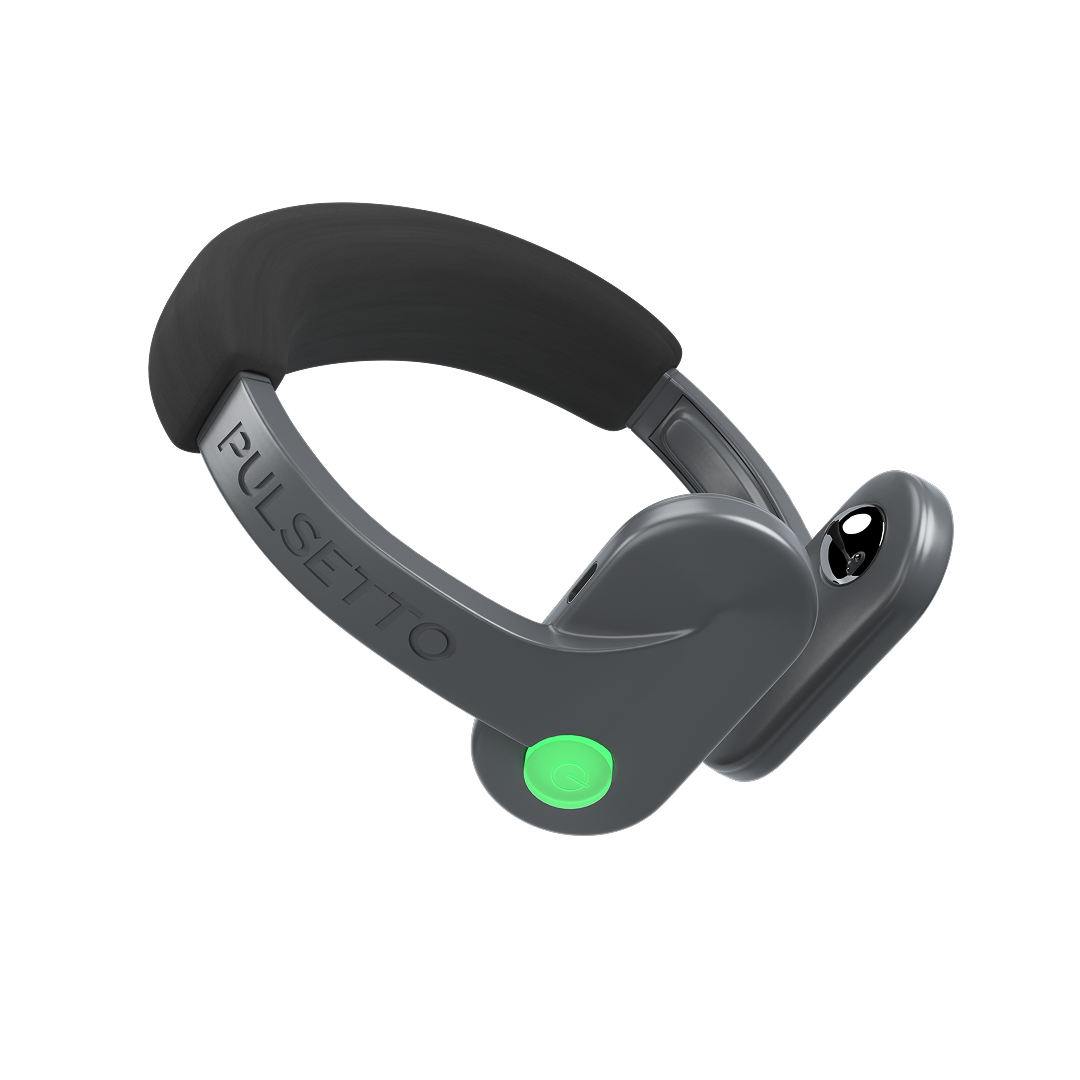
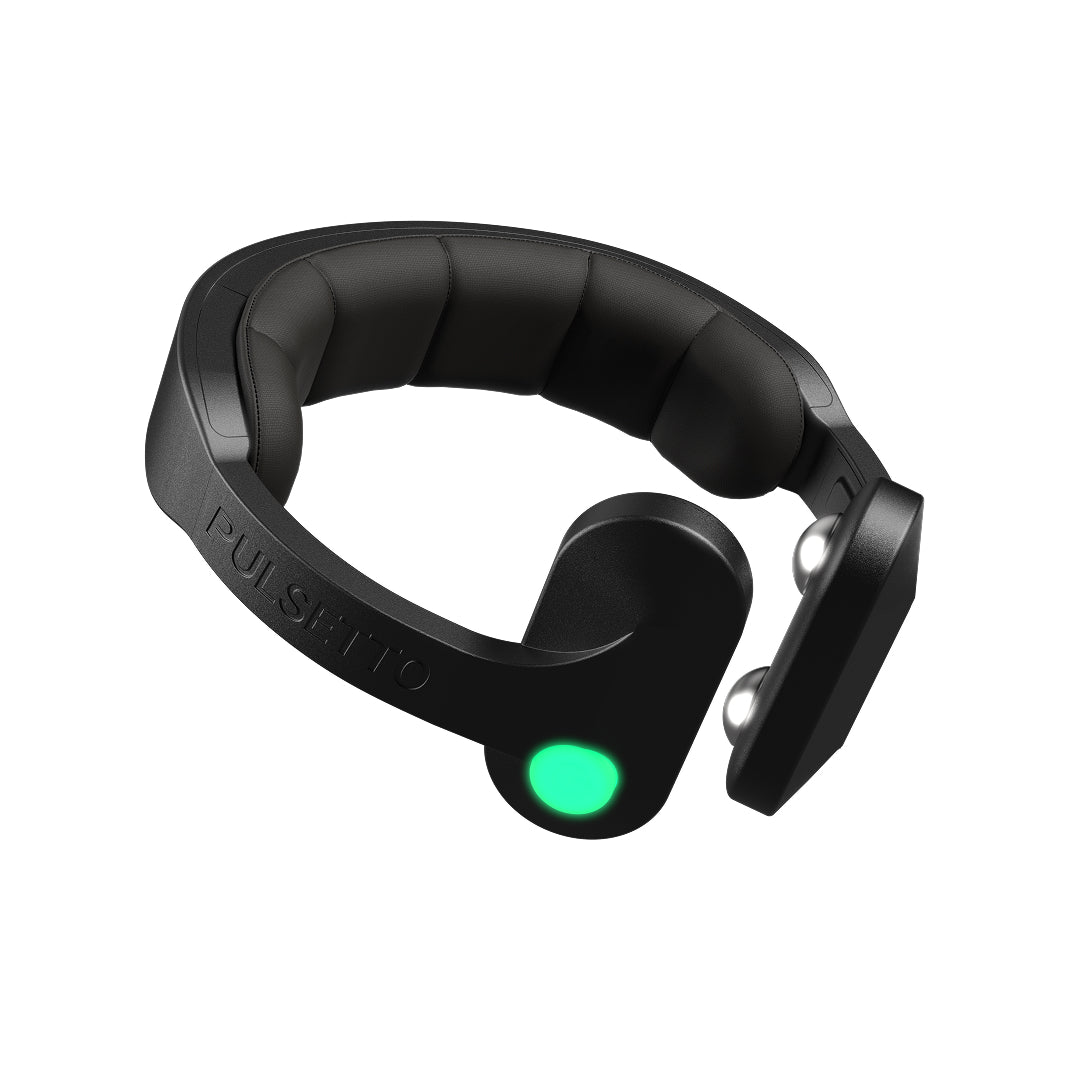
1. Pulsetto Vagus Nerve Massager
Best for: Nervous System Massage
Stress relief, anxiety reduction, sleep improvement, and tension headaches.
Key Features
-
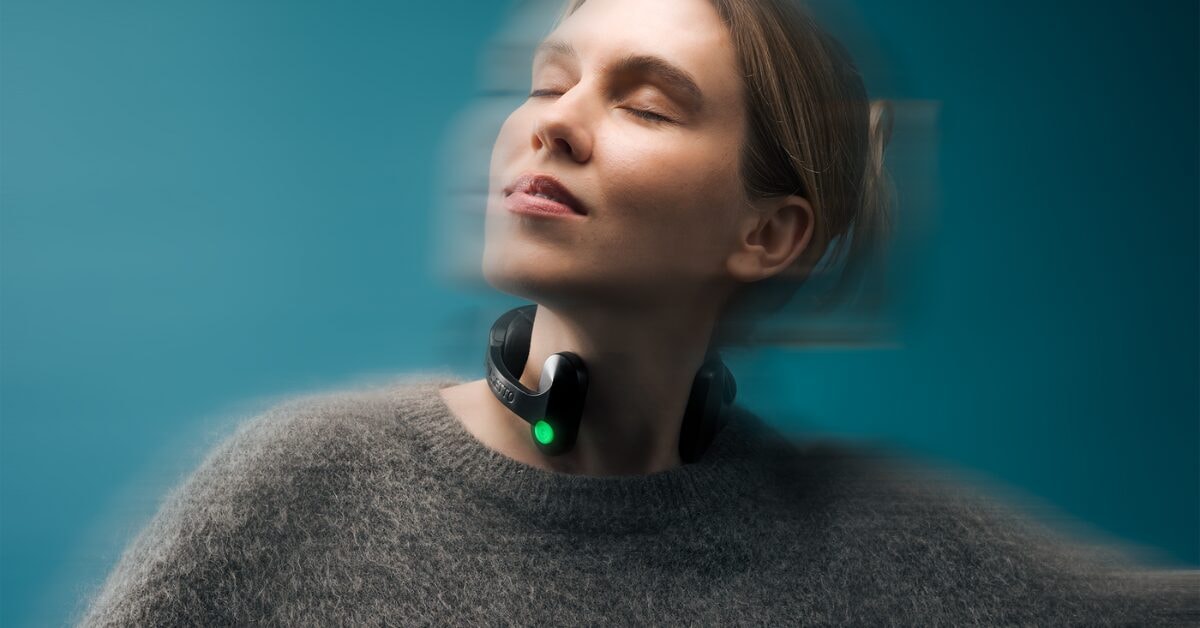
Neck-worn wearable design
-
App-controlled programs
-
4-10 minute sessions
-
Adjustable intensity levels
-
Mild tingling sensation during use
-
Stress & anxiety relief
-
Sleep improvement
-
Helpful for tension headaches
Unlike traditional body tools that mechanically target muscle tissue, Pulsetto device uses gentle electrical stimulation to activate the vagus nerve. The vagus nerve massage helps the body shift into rest and digest mode. It works as a modern self massager option that supports nervous system recovery rather than deep muscle percussion.
Pros
-
Hands-free design supports consistent use
-
Portable
-
Travel-friendly size fits in small bags
-
Targets stress-related tension, not just muscle tightness
Limitations
Not designed as a deep tissue massage tool. Focuses on nervous system regulation rather than direct muscle breakdown.
Who It’s Ideal For
-
High-stress professionals
-
Frequent travelers
-
Individuals with tension headaches
-
Those wanting nervous system recovery
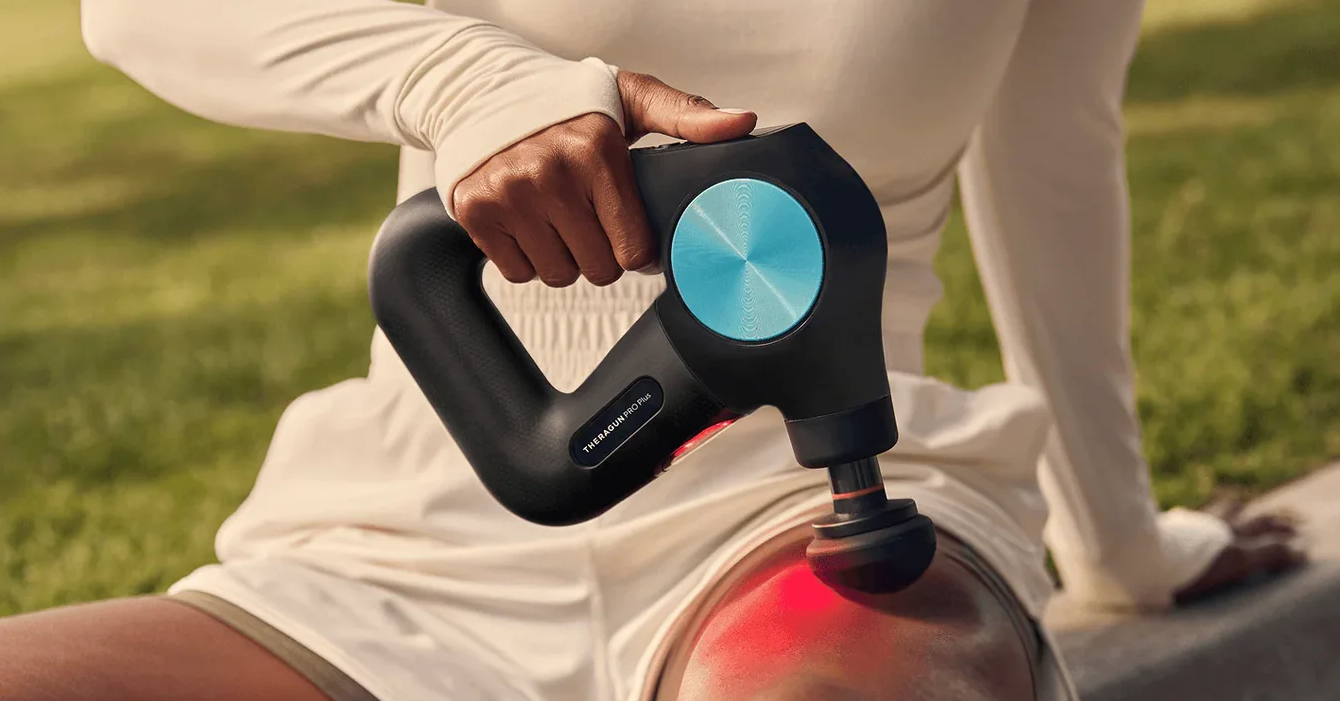
2. Theragun PRO
Best for: Professional-grade deep tissue recovery and serious muscle soreness
Key Features
-
High amplitude percussion
-
Adjustable arm for reach
-
Multiple attachments for different muscle groups
-
High stall force
-
Speed settings for customized intensity
Pros
-
Powerful deep tissue massage tool
-
Adjustable arm improves ergonomics
-
Widely used by athletes and trainers
Limitations
Who It’s Ideal For
Athletes, trainers, and serious gym users who need strong percussion therapy.
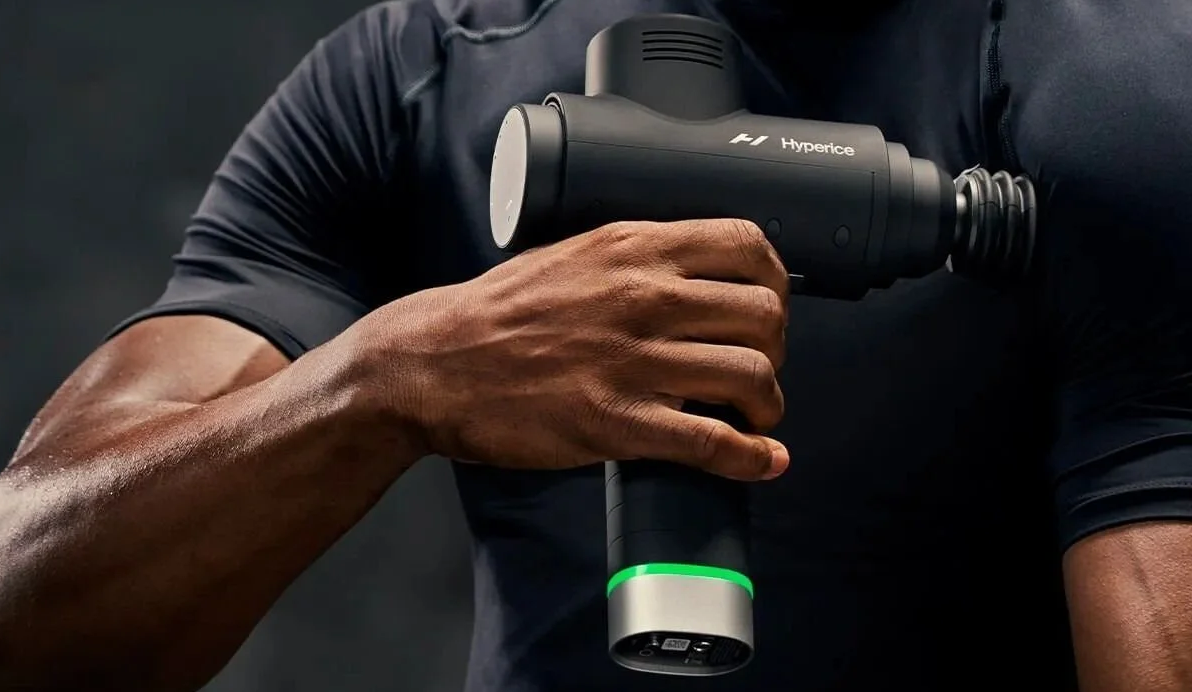
3. Hyperice Hypervolt 2 Pro
Best for: Athletes who want powerful muscle treatment with quieter operation
Key Features
-
High stall force
-
Multiple attachments
-
Improved noise control
Pros
Limitations
Who It’s Ideal For
Active individuals seeking reliable massagers for muscles with reduced noise.
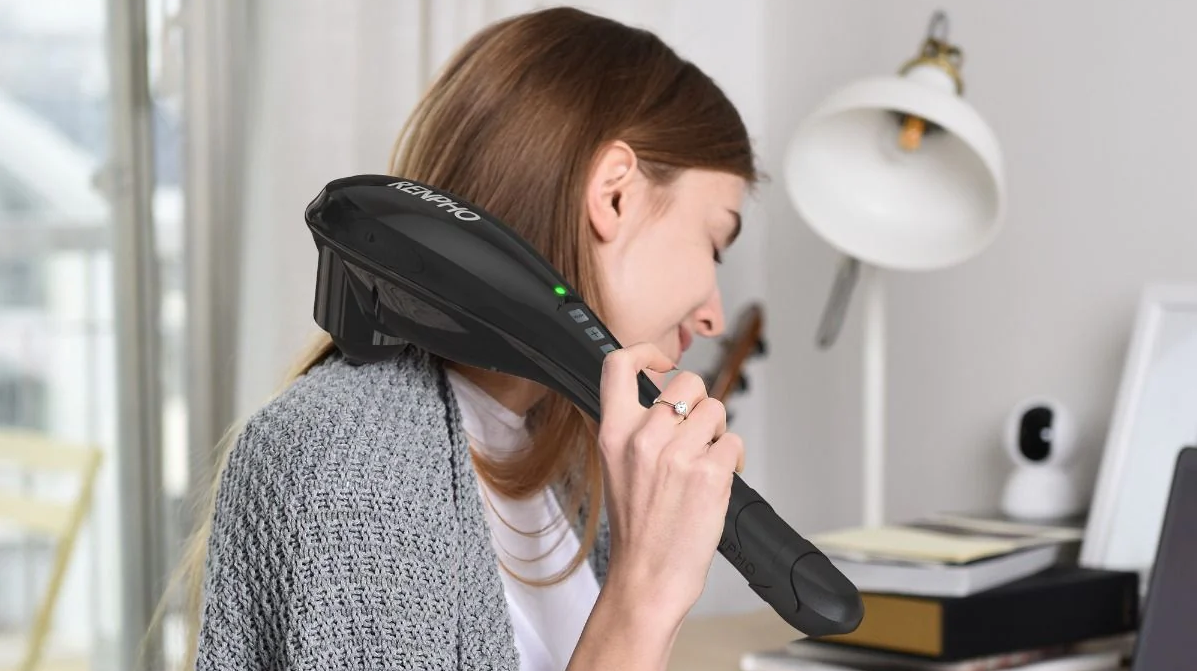
4. RENPHO Rechargeable Handheld Deep Tissue Massager
Best for: Budget-friendly full-body muscle relief at home
Key Features
-
Cordless design
-
Interchangeable heads
-
Moderate power
-
Rechargeable battery
Pros
-
Affordable entry into best self massage tools category
-
Versatile body massage tools for arms, legs, and back
-
Easy to operate
Limitations
Who It’s Ideal For
Beginners wanting at home massage tools without premium pricing.
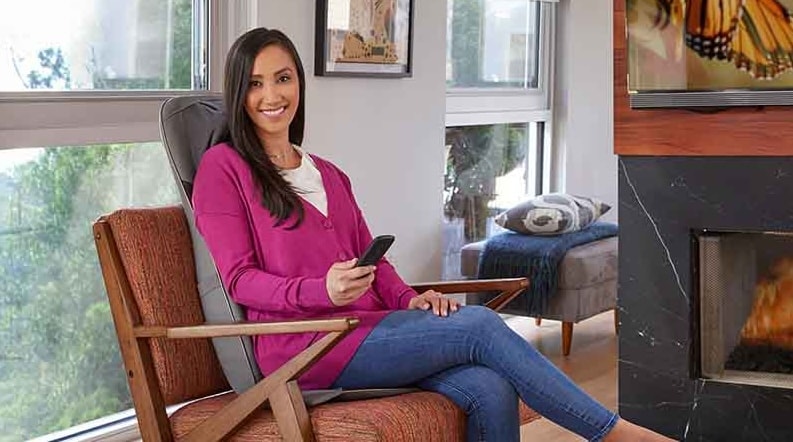
5. HoMedics Shiatsu Elite II Back Massager
Best for: Hands-free back massage while sitting at a desk or couch
Key Features
-
Rotating nodes
-
Heat function
-
Chair strap system
-
Hands-free use
Pros
Limitations
Who It’s Ideal For
Office workers and people with chronic back tension.
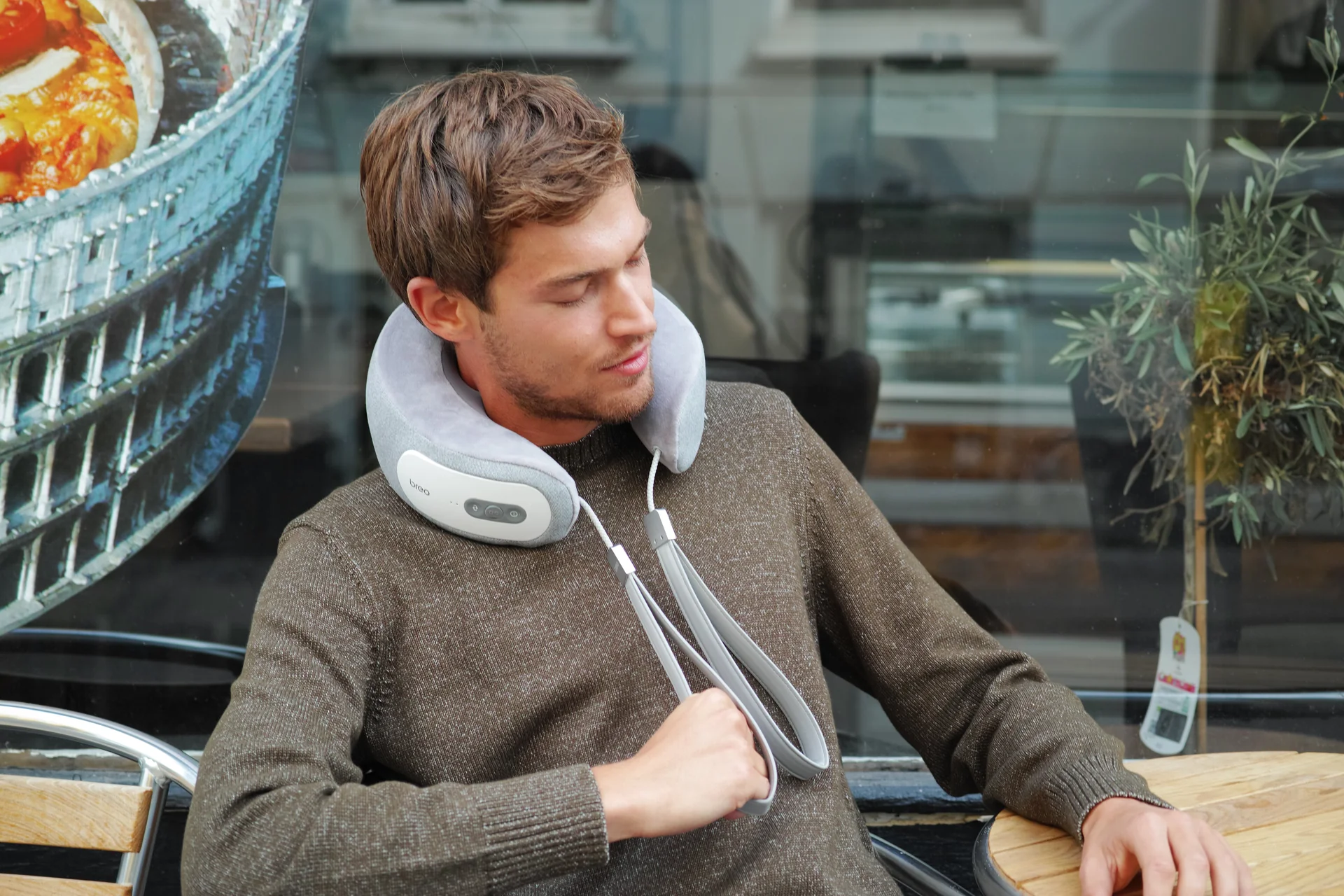
6. Breo iNeck 3 Pro Neck Massager
Best for: Portable neck tension relief with compression and heat
Key Features
-
Air compression
-
Integrated heat
-
Compact, wearable design
Pros
Limitations
Who It’s Ideal For
People seeking portable neck relief with one of the best neck stimulators.
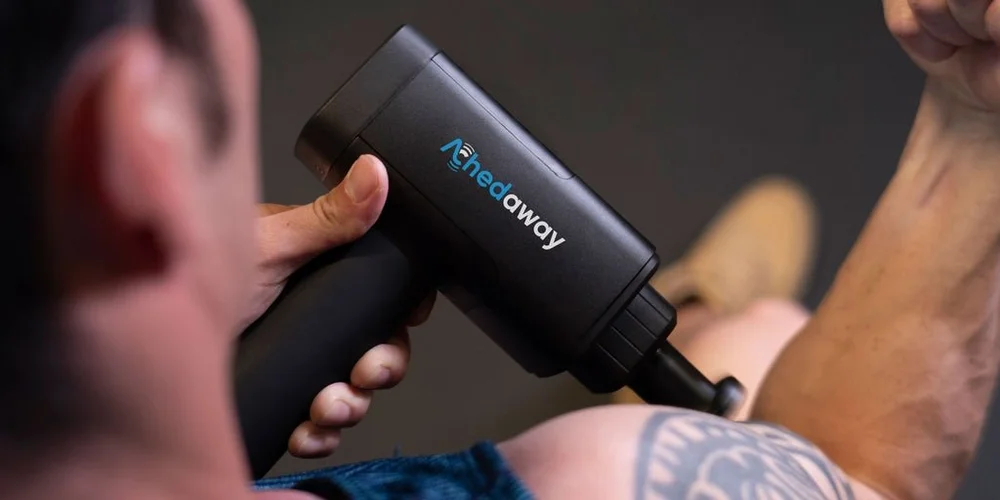
7. Achedaway Pro Massage Gun
Best for: High-stall-force percussion for advanced muscle recovery
Key Features
The Achedaway Pro sits in the same performance tier as Theragun-class devices, built for athletes who demand strong, consistent percussion. Its motor maintains power under load, making it effective for deep tissue work after heavy lifting, sprint training, or high-volume blocks.
Pros
Limitations
High intensity may overwhelm beginners.
Who It’s Ideal For
Experienced users needing strong recovery tools.
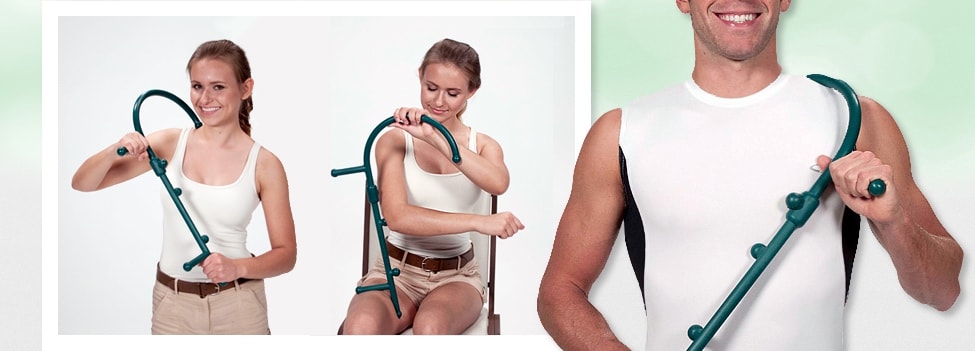
8. Theracane Massager
Best for: Manual trigger point therapy without electricity
Key Features
Pros
Limitations
Requires physical effort
Who It’s Ideal For
People wanting manual control over pressure
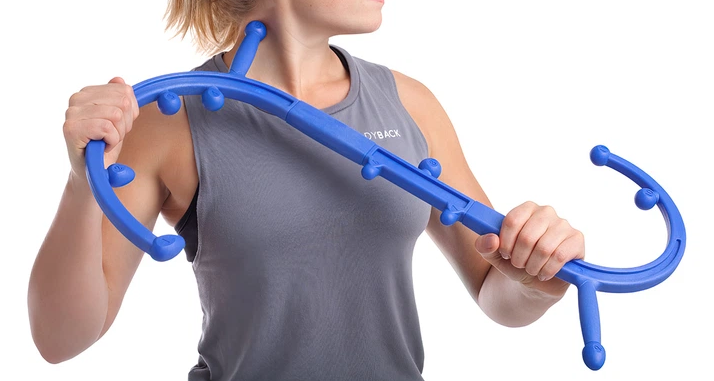
9. Body Back Buddy Elite
Best for: Precise trigger point pressure in hard-to-reach areas
Key Features
-
Multiple knobs
-
Rigid design
-
Manual leverage
Pros
Limitations
Manual effort required
Who It’s Ideal For
Users wanting control without electronics
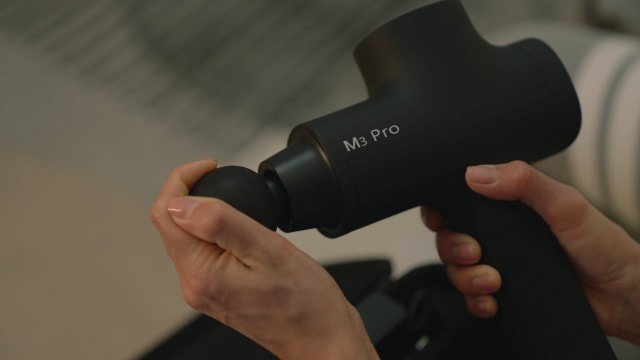
10. Opove M3 Pro 2 Massage Gun
Best for: Mid-range percussion therapy with solid power and value
Key Features
-
Solid stall force
-
Durable build
-
Portable
Pros
Limitations
Less refined than premium brands
Who It’s Ideal For
Users seeking performance without top-tier pricing
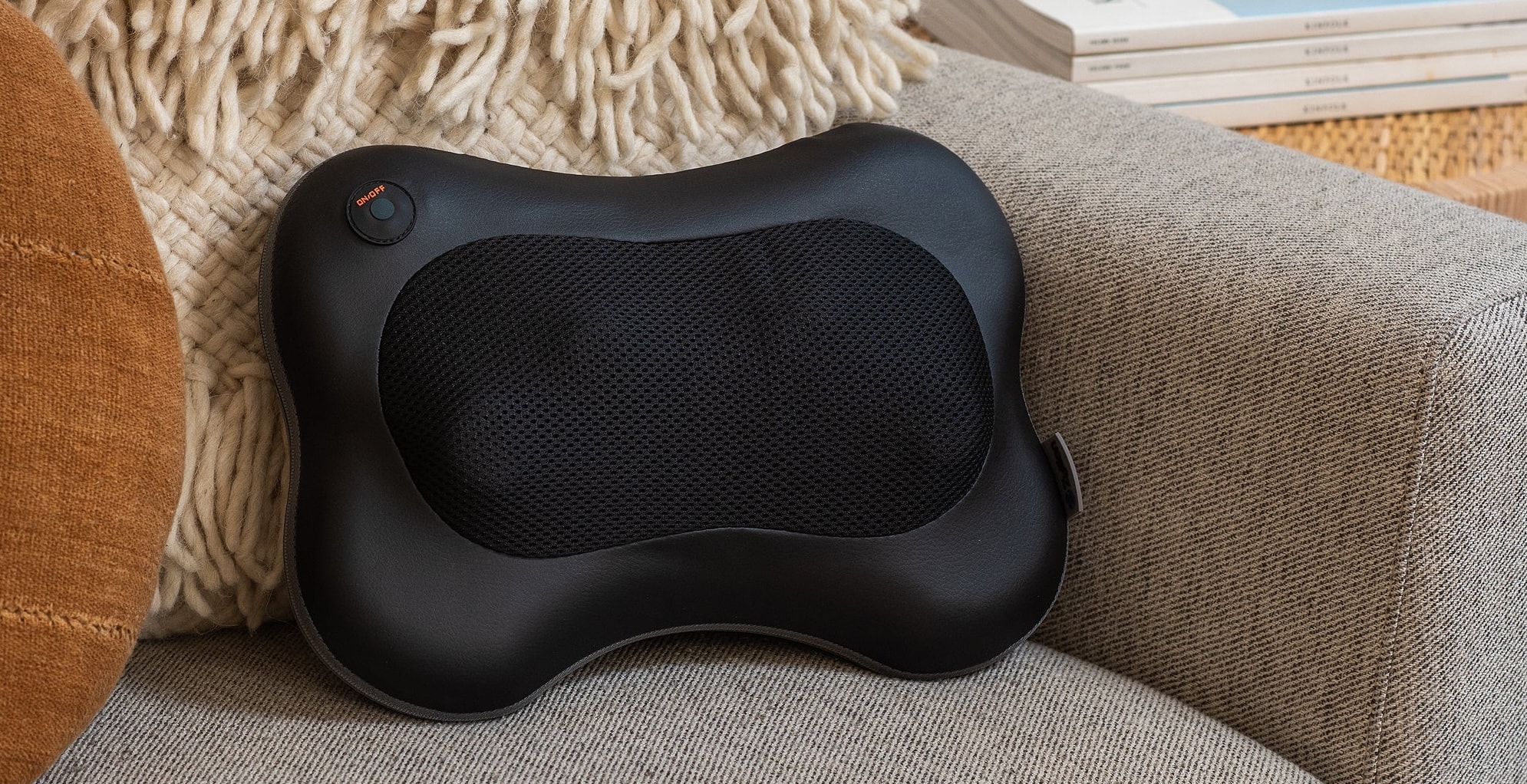
11. Zyllion Shiatsu Back and Neck Massager
Best for: Compact heat-based muscle relaxation at home or in the car
Key Features
-
Rotating nodes
-
Heat function
-
Pillow-style design
Pros
-
Compact
-
Comfortable heat
-
Easy storage
Limitations
Who It’s Ideal For
Home users seeking gentle kneading
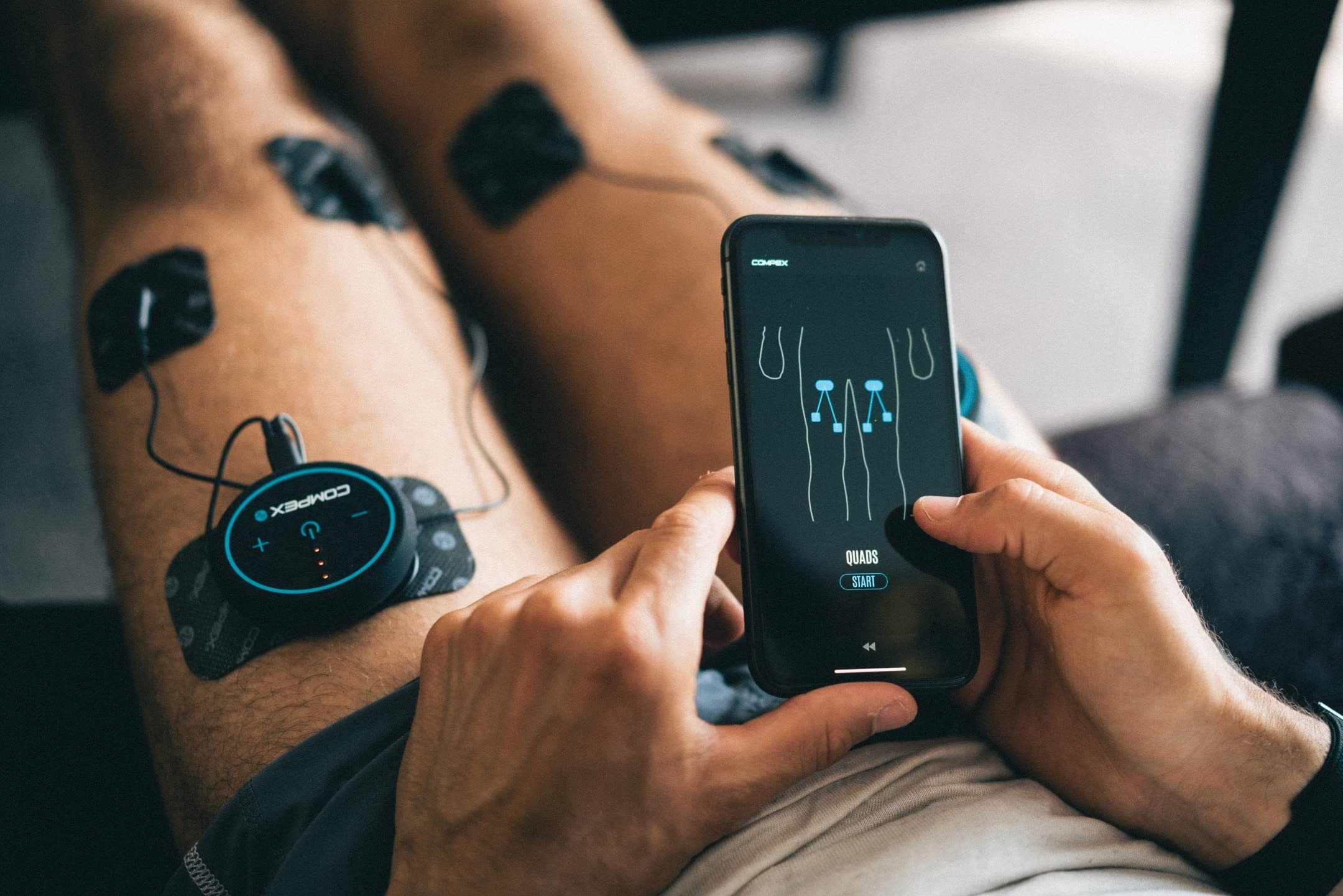
12. Compex Mini Wireless Muscle Stimulator
Best for: Electrical muscle stimulation (EMS) for performance recovery
Key Features
EMS devices contract muscles using electrical pulses. This differs from percussion therapy. Pulsetto stimulates the vagus nerve, whereas EMS targets muscle contraction.
Pros
-
Targeted recovery
-
Portable
-
Structured programs
Limitations
Who It’s Ideal For
Athletes and advanced recovery users
How to Choose the Best Massage Tool for Your Needs
Choosing the best massage tools begins with identifying your primary goal: deep tissue muscle relief or nervous system relaxation. Muscle soreness from strength training, running, or long workdays responds best to mechanical percussion. Percussion devices deliver rapid, repeated strikes into muscle tissue to increase circulation, improve short-term range of motion, and support post-workout recovery. They are commonly used before training as a warm-up or after sessions to reduce stiffness.
If your main issue is stress, sleep disruption, or tension headaches, relaxation-focused tools may be more effective. Vagus nerve stimulation works by activating the parasympathetic nervous system to promote calm. Electrical muscle stimulation differs by creating controlled muscle contractions to enhance blood flow without mechanical impact. Manual pressure tools, such as massage canes or rollers, rely on body leverage and allow precise control over intensity for trigger points.
Portability, noise level, and budget also matter. Some at home massage tools are compact and travel-friendly with a travel case, while high-powered percussion devices can be louder and heavier. Battery life and adjustable speed settings influence daily usability. Hands-free devices encourage consistent use, while manual tools offer complete pressure control at a lower price point.
The best personal massager is the one that fits your lifestyle, intensity preference, and recovery goals. For additional stress-focused options, explore these best relaxation tools.
Massage Tools vs Massage Therapy: What’s the Difference?
Massage therapy provides professional, hands-on treatment tailored to your body, movement patterns, and injury history. A trained therapist can address complex issues, apply targeted techniques, and adapt pressure in real time. This level of personalization is valuable for rehabilitation or persistent pain. The tradeoff is cost and convenience. Sessions can be expensive, and availability depends on scheduling, travel time, and how often you can realistically book appointments.
At-home massage tools offer a different advantage: frequency. Because they are available anytime, they support daily or near-daily recovery sessions. That consistency is critical for managing ongoing muscle tightness, post-workout soreness, and stress-related tension. Instead of waiting days or weeks between treatments, you can address discomfort as soon as it appears.
Many athletes and professionals combine both approaches. Periodic sessions with a therapist provide deeper, specialized work, while regular use of at-home tools maintains results between visits. Over time, this creates a more cost-effective recovery strategy. You rely less on frequent appointments while still supporting muscle and nervous system health. For stress-focused routines, at-home tools can also complement techniques used in relaxation therapy and reinforce their effects through consistent daily practice.
Upgrade Your Recovery Routine With the Right Massage Tool
The best massage tools are not about owning the most powerful device. They are about choosing the right solution for your primary need. If muscle soreness is your main issue, a deep tissue percussion device or EMS unit may fit your routine. If daily muscle tightness builds from long hours at a desk, shiatsu cushions or manual tools may provide steady relief. If tension is driven by stress, sleep disruption, or nervous system overload, a modern option like Pulsetto can support relaxation and recovery in a way traditional muscle tools do not address.
Long-term value comes from daily usability. A tool that fits your schedule, space, and tolerance level is more effective than one that sits unused. Consistency matters more than intensity. Short, regular sessions often create better results than occasional aggressive treatments.
Next Steps
• Identify your main issue: muscle soreness, chronic back pain, or stress tension
• Choose one tool that matches your intensity preference
• Start with short sessions of five to ten minutes
• Track how your body responds over one to two weeks
• Adjust frequency and intensity based on comfort
Recovery works best when it becomes part of your routine. Choose a tool that supports your lifestyle and commit to using it consistently.
Best Massage Tools: FAQs
What is the best massage tool for stress relief?
Pulsetto is often chosen for stress relief because it supports nervous system regulation through vagus nerve stimulation.
What is the best massage tool for deep tissue?
Theragun PRO is a leading deep tissue massage tool for athletes.
What is the best self massage tool for back pain?
A self back massager like HoMedics Shiatsu Elite II provides hands-free support.
Are massage guns better than EMS devices?
Massage guns deliver percussion to muscles. EMS devices create muscle contractions. Each supports different recovery goals.