Best Employee Wellness Apps: Quick Comparison
We find that most organizations see the best results when they balance passive relaxation with tools that provide a measurable impact. This table compares the top employee wellness apps and their delivery models to help you identify which employee wellbeing app fits your team's specific needs.
|
App / Tool
|
Best For
|
Category
|
Key Feature
|
Pricing Model
|
|
Pulsetto
|
Immediate stress relief
|
Hybrid
|
Vagus nerve stimulation
|
Enterprise / unit
|
|
Headspace for Work
|
Daily mindfulness
|
Mental health
|
Guided meditation library
|
Per user
|
|
Calm for Business
|
Sleep and recovery
|
Mental health
|
Relaxing audio content
|
Subscription
|
|
Modern Health
|
Clinical support
|
Mental health
|
Therapy & coaching access
|
Enterprise
|
|
BetterUp
|
Performance growth
|
Engagement
|
1:1 professional coaching
|
Per user
|
|
Virgin Pulse
|
Large-scale habits
|
Engagement
|
Gamified challenges
|
Enterprise
|
|
Wellable
|
Custom wellness culture
|
Physical
|
Flexible challenge design
|
Enterprise
|
|
Limeade
|
Employee experience
|
Engagement
|
Culture & communication hub
|
Subscription
|
|
YuLife
|
High participation
|
Engagement
|
Rewards for healthy habits
|
Per user
|
9 Best Employee Wellness Apps
The landscape of apps for employee wellness has evolved significantly, moving from simple step counters to sophisticated ecosystems. Today, solutions range from library-based meditation apps to comprehensive corporate wellness platforms and emerging hybrid tools that combine hardware with software. We see that the best apps for employee wellness are those that offer a mix of immediate relief and long-term behavioral support to meet a diverse workforce's needs.
1. Pulsetto (Stress-Reducing Neurostimulation + App)
Best for: Immediate, physiological anxiety relief at work
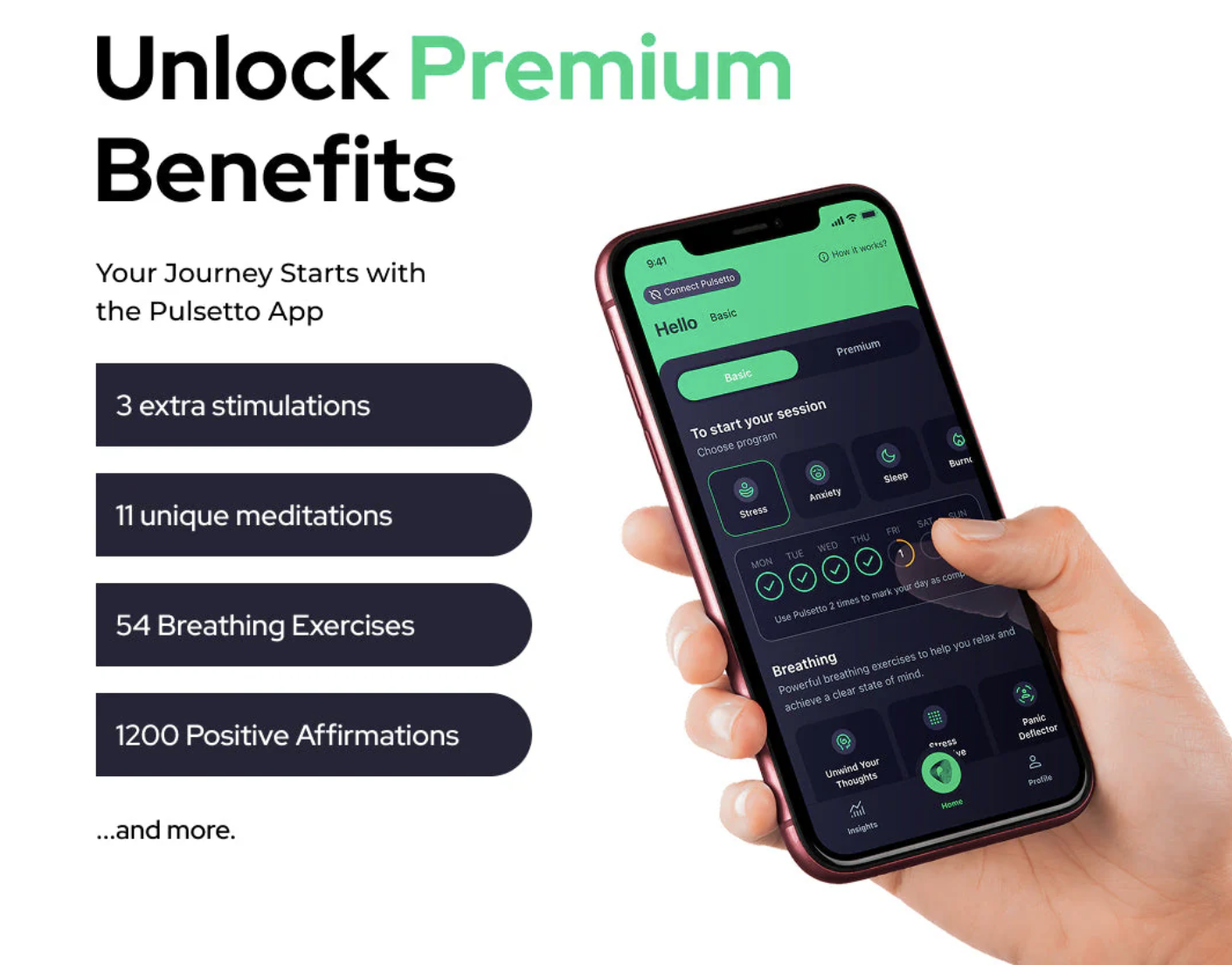
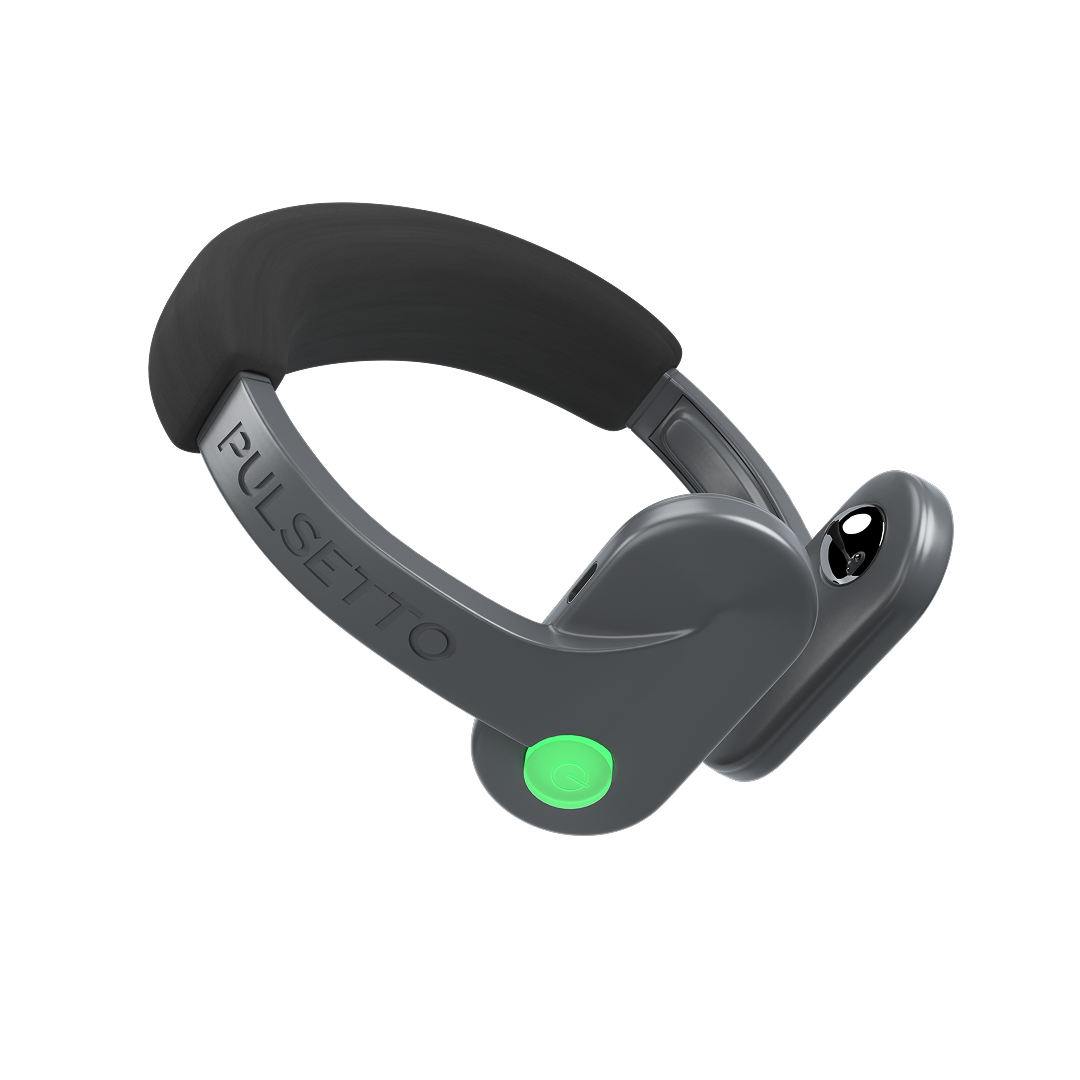
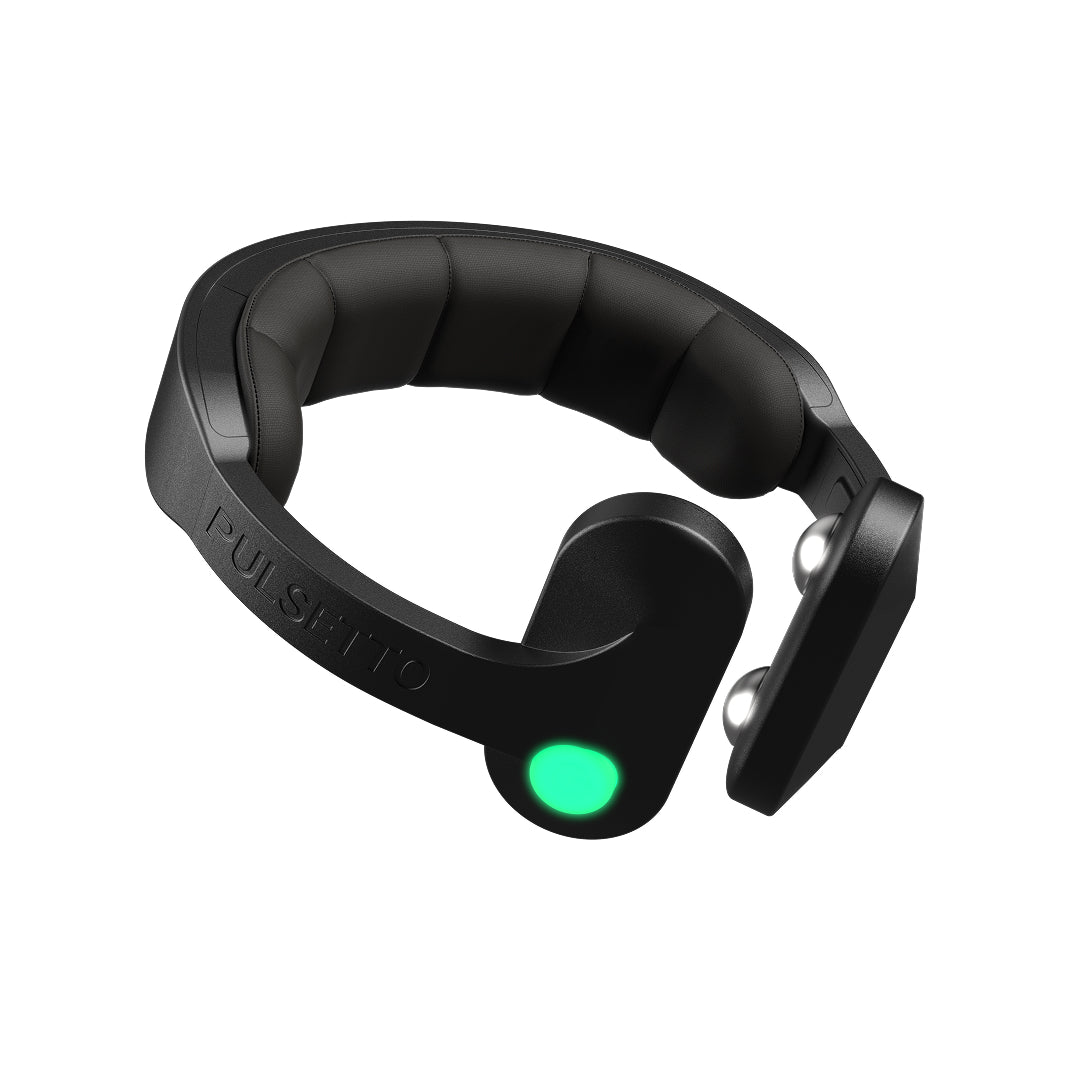
We see Pulsetto as a standout hybrid solution that goes beyond the limits of traditional employee wellness software. Instead of just guiding an employee through relaxation, Pulsetto actively reduces anxiety by performing vagus nerve stimulation to shift the body into a calmer, parasympathetic state. Employees can access various specialized programs through the Pulsetto app to facilitate fast 4-minute sessions that deliver immediate calming effects during a high-pressure workday. For teams needing a high-impact employee wellbeing app, it provides a level of personalization and daily usability that pure content apps cannot match.
2. Headspace for Work (Meditation & Mindfulness)
Best for: Building daily mindfulness habits during work breaks
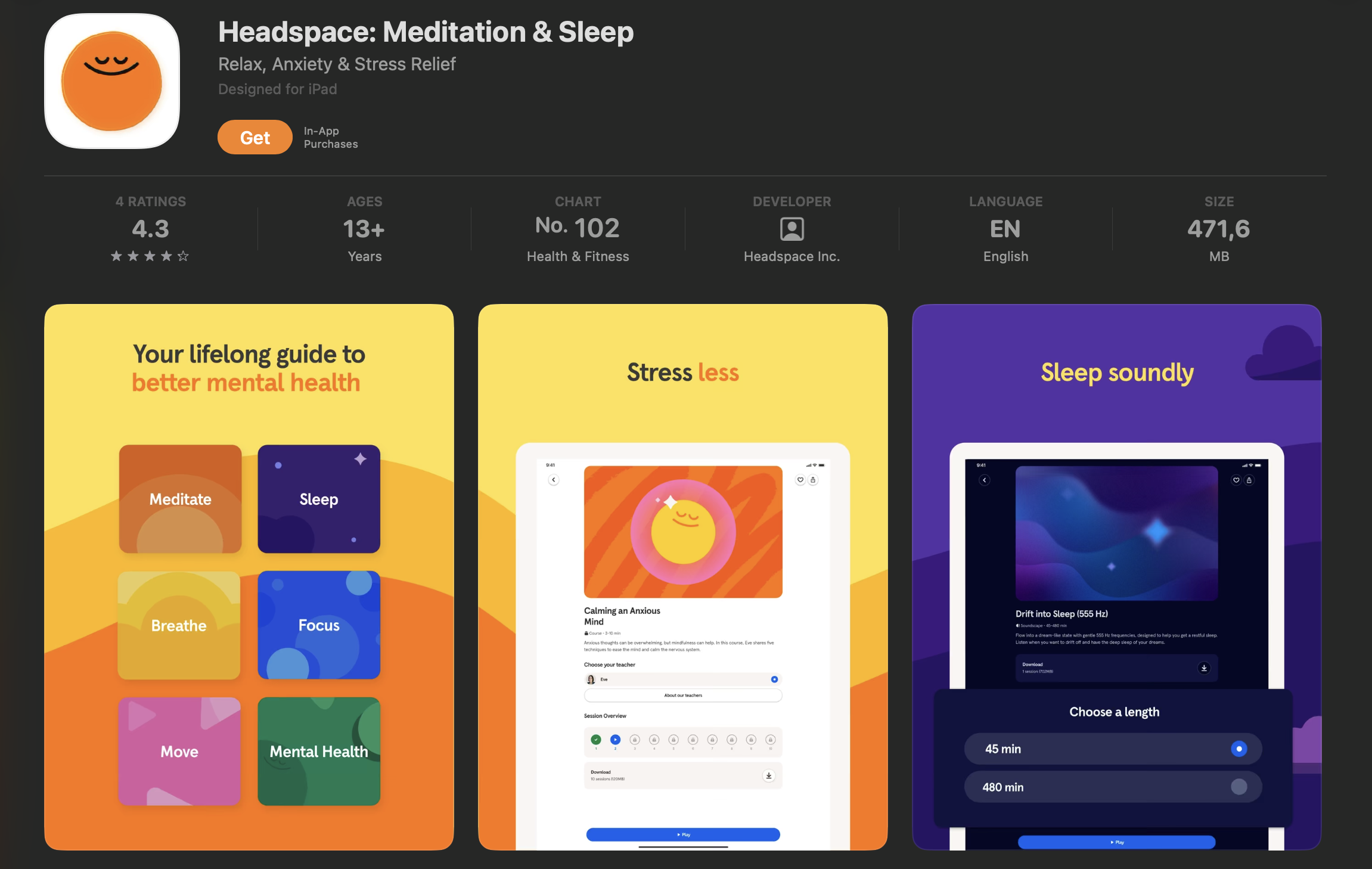
Headspace provides structured meditation and mindfulness programs specifically designed to tackle workplace stress. We find it to be one of the most accessible employee wellness apps for beginners, offering guided sessions that fit neatly into short breaks between meetings. While it focuses on building long-term mental habits rather than delivering the immediate physiological shift of neurostimulation, its ease of use makes it a staple for organizations encouraging daily best mindfulness apps practices.
3. Calm for Business (Mental Wellness Platform)
Best for: Sleep recovery and burnout support after work
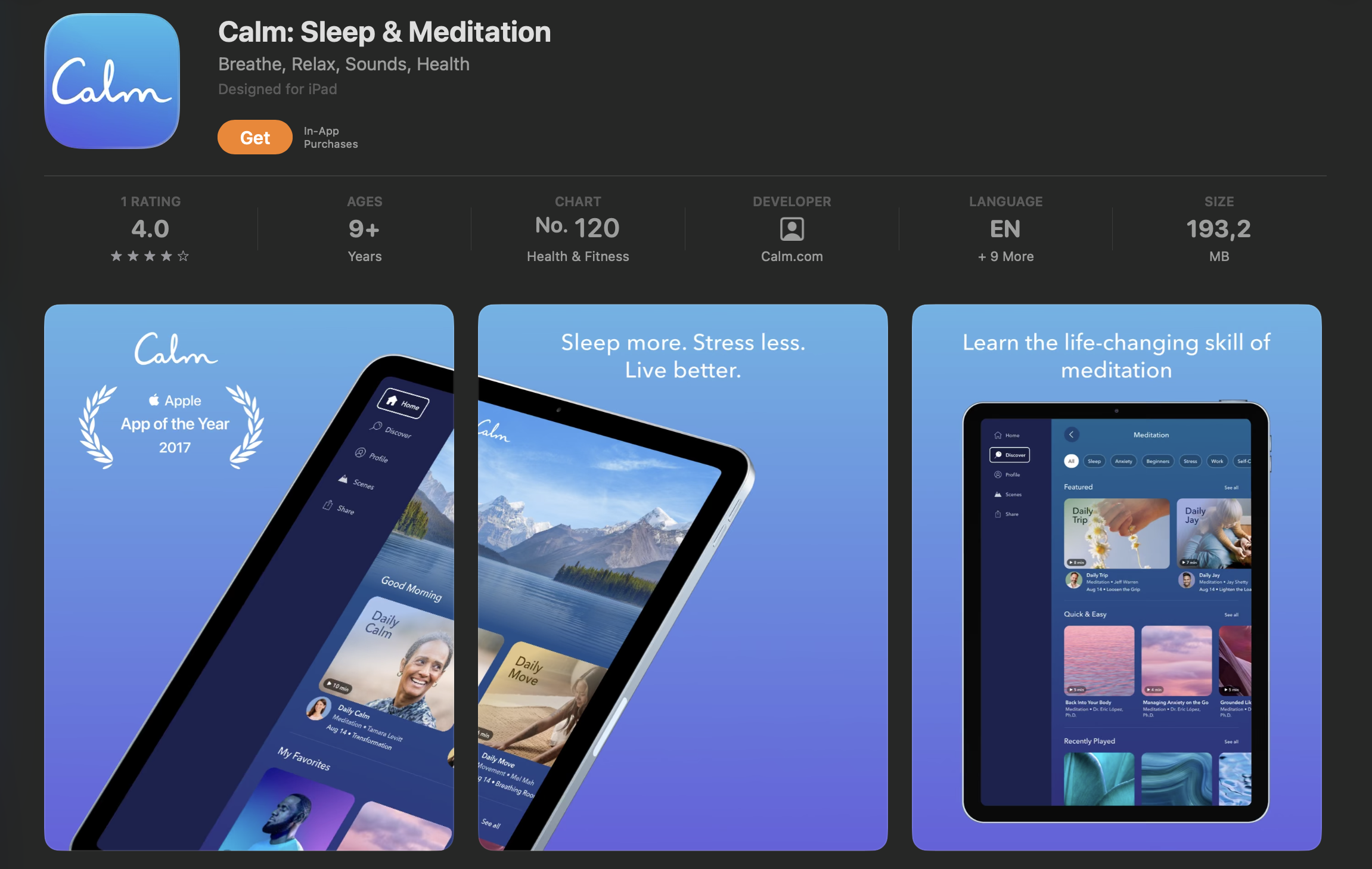
Calm functions as a content-driven platform with a heavy focus on relaxation and recovery. It is one of the wellness apps for employees that works best for those struggling with sleep or burnout, offering a deep library of sleep stories and breathing exercises. We see it as a supportive tool for ongoing mental health, providing staff with the best meditation tools to decompress after a long shift and improve their overall quality of rest.
4. Modern Health (Mental Health Platform)
Best for: Structured mental health care with therapy and coaching
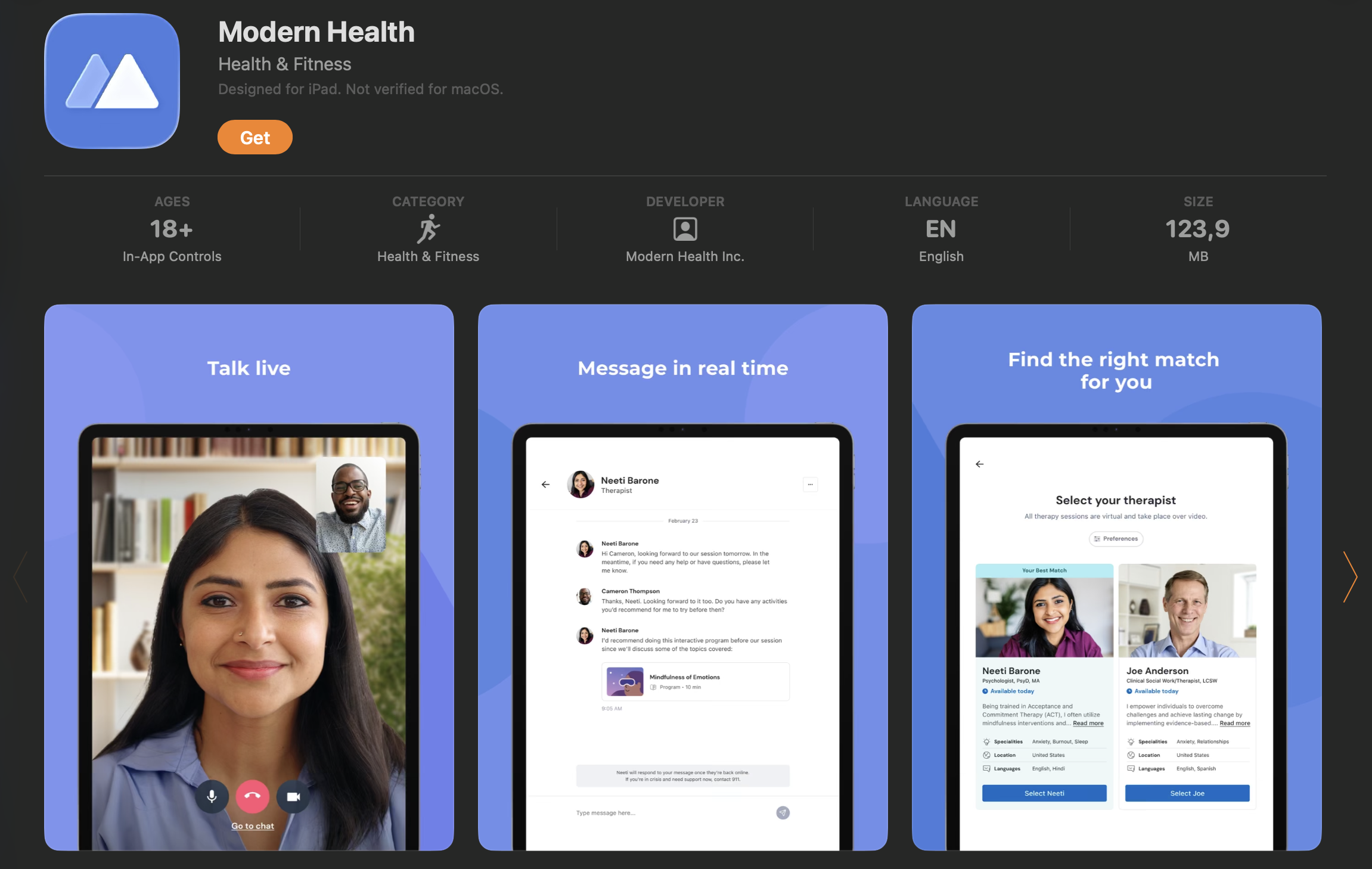
Modern Health offers a clinical and highly structured approach to well-being, making it one of the top employee wellness apps for comprehensive care. It combines digital resources with access to professional therapy and coaching through personalized care pathways. This platform is particularly strong at addressing deeper mental health needs and providing employer-focused solutions, though it is designed for long-term care rather than a quick 5-minute stress reset.
5.BetterUp (Coaching & Performance)
Best for: Long-term resilience and professional mindset development
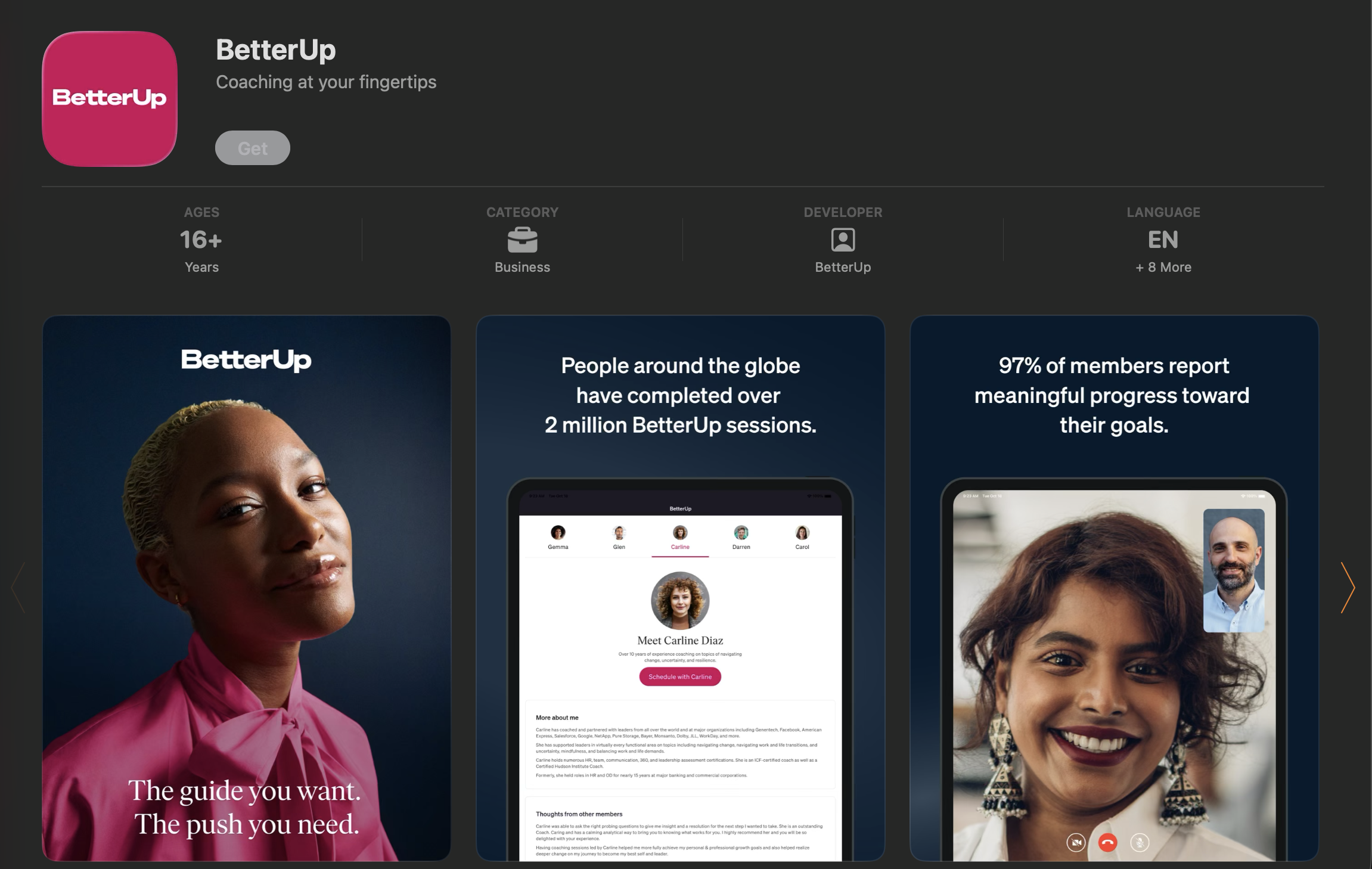
BetterUp positions itself as a performance and coaching platform that treats mental well-being as a foundation for professional growth. This employee wellbeing app connects staff with coaches to focus on mindset, resilience, and leadership development. In our experience, it delivers immense value for long-term behavioral change, helping employees build the mental toughness required for career advancement.
6. Virgin Pulse Rebranded as Personify Health (Corporate Wellness Platform)
Best for: Company-wide wellness engagement at scale
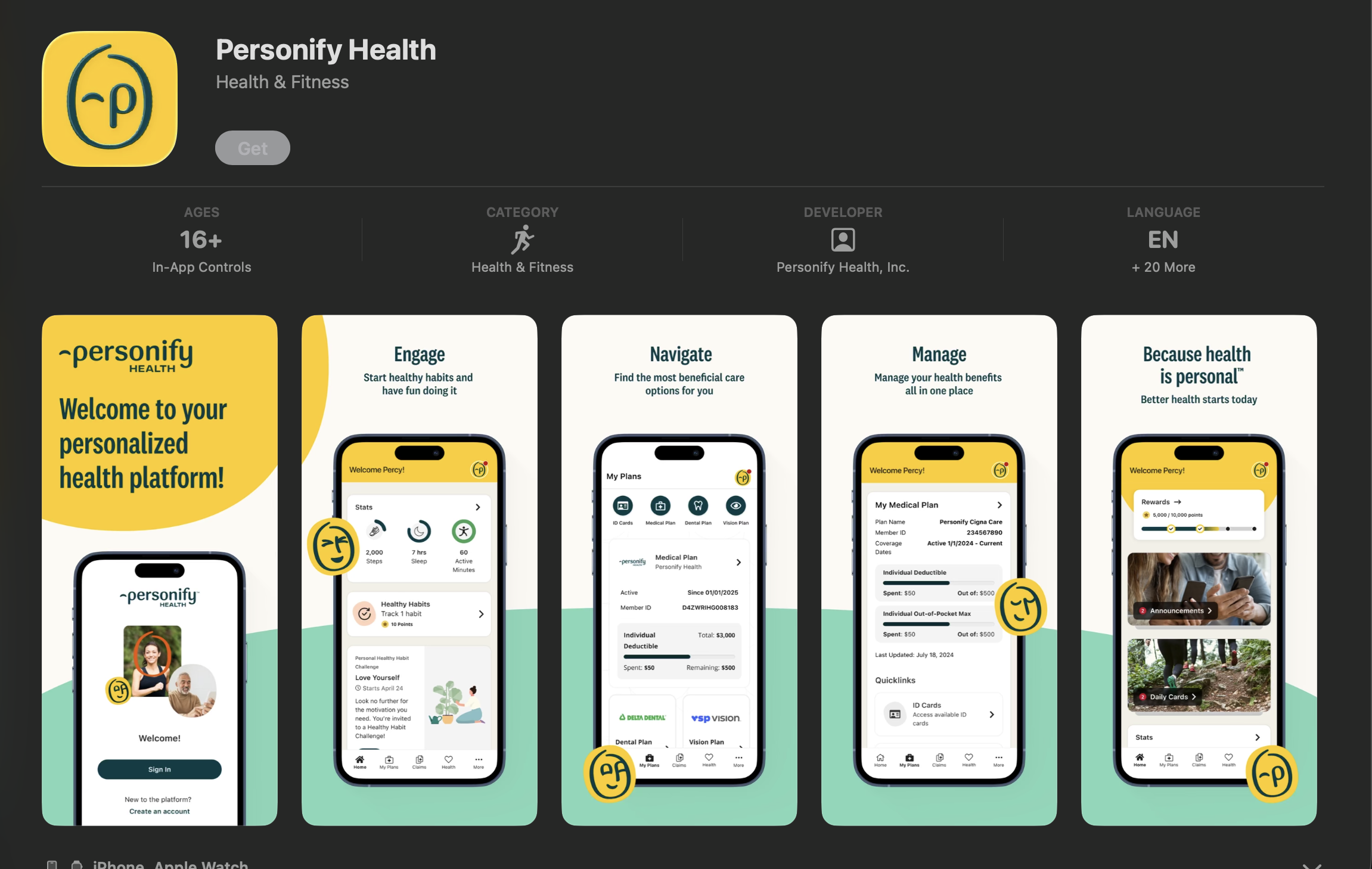
Virgin Pulse is a broad-scale platform that combines physical health, daily habit tracking, and social engagement. It is one of the more popular apps for employee wellness because it uses gamification and rewards to keep participation high across massive teams. Its strength lies in driving engagement and activity at scale, though it is less specialized in delivering targeted, immediate mental health interventions.
7. Wellable (Holistic Wellness Platform)
Best for: Customizable whole-workforce wellness programs
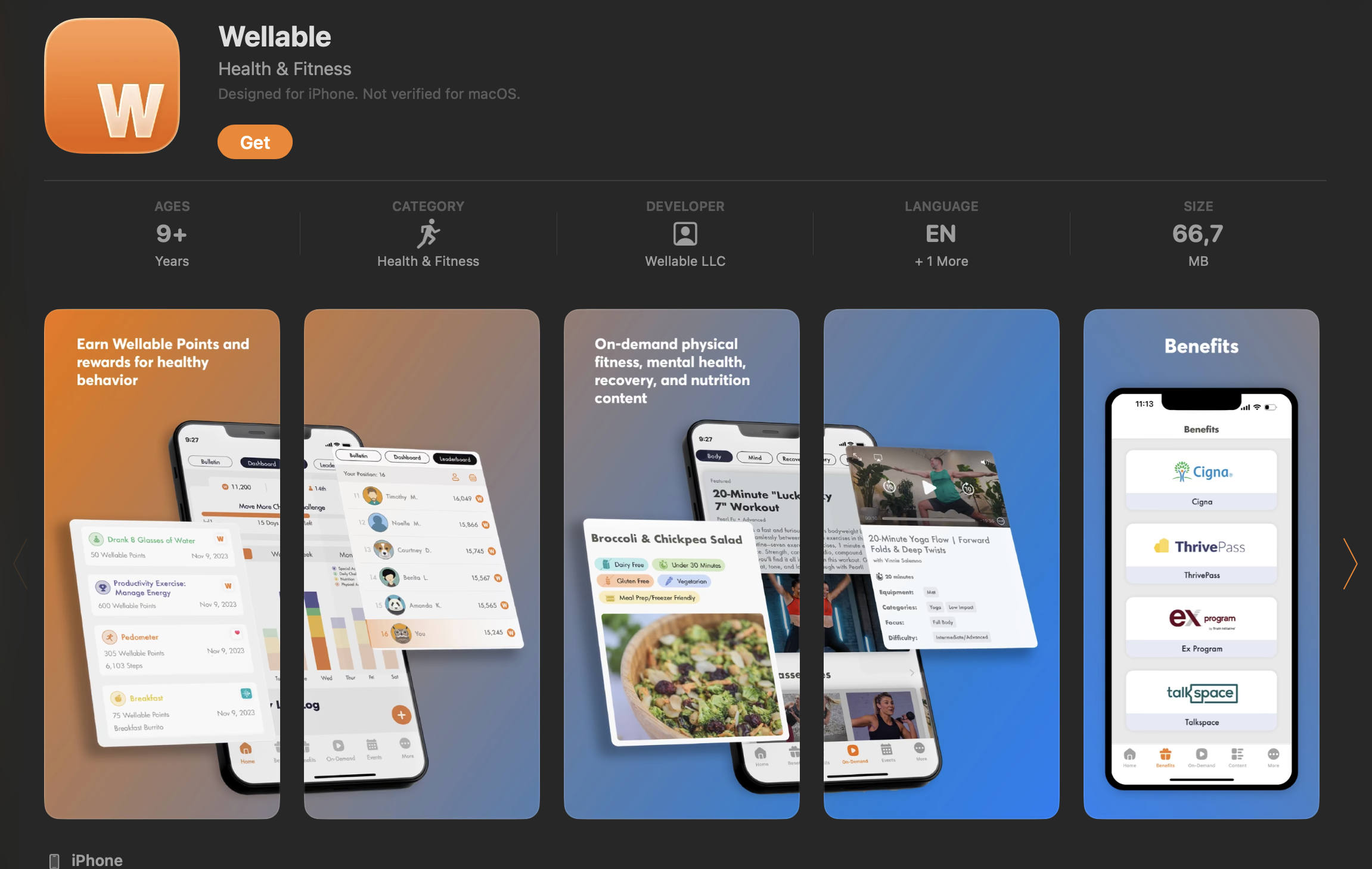
Wellable offers highly customizable programs that cover the full spectrum of mental, physical, and social health. It stands out among the best wellness apps for employees because of the flexibility it gives employers to design initiatives based on their specific workforce demographics. We see this as a comprehensive platform for teams wanting to build a long-term, holistic wellness culture.
8. Limeade (Employee Engagement & Wellness)
Best for: Improving workplace culture and employee experience
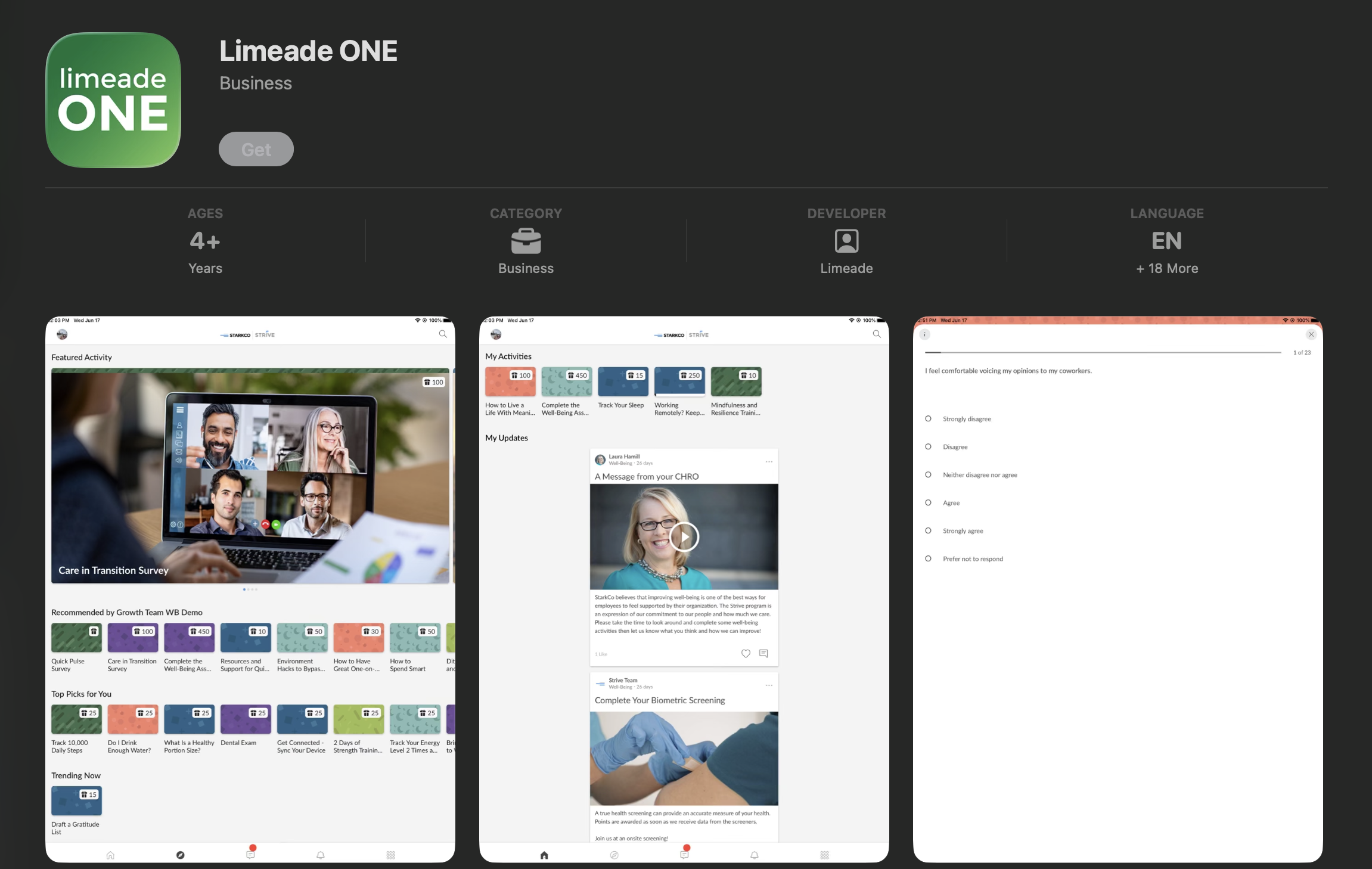
Limeade blends engagement initiatives with well-being to improve overall workplace culture. As one of the more strategic employee wellness apps, it focuses on internal communication and the overall employee experience. We find it is a powerful tool for organizations to signal their values, though it functions more as a cultural platform than an individual tool for rapid stress relief.
9. YuLife (Gamified Wellness App)
Best for: Driving high employee participation
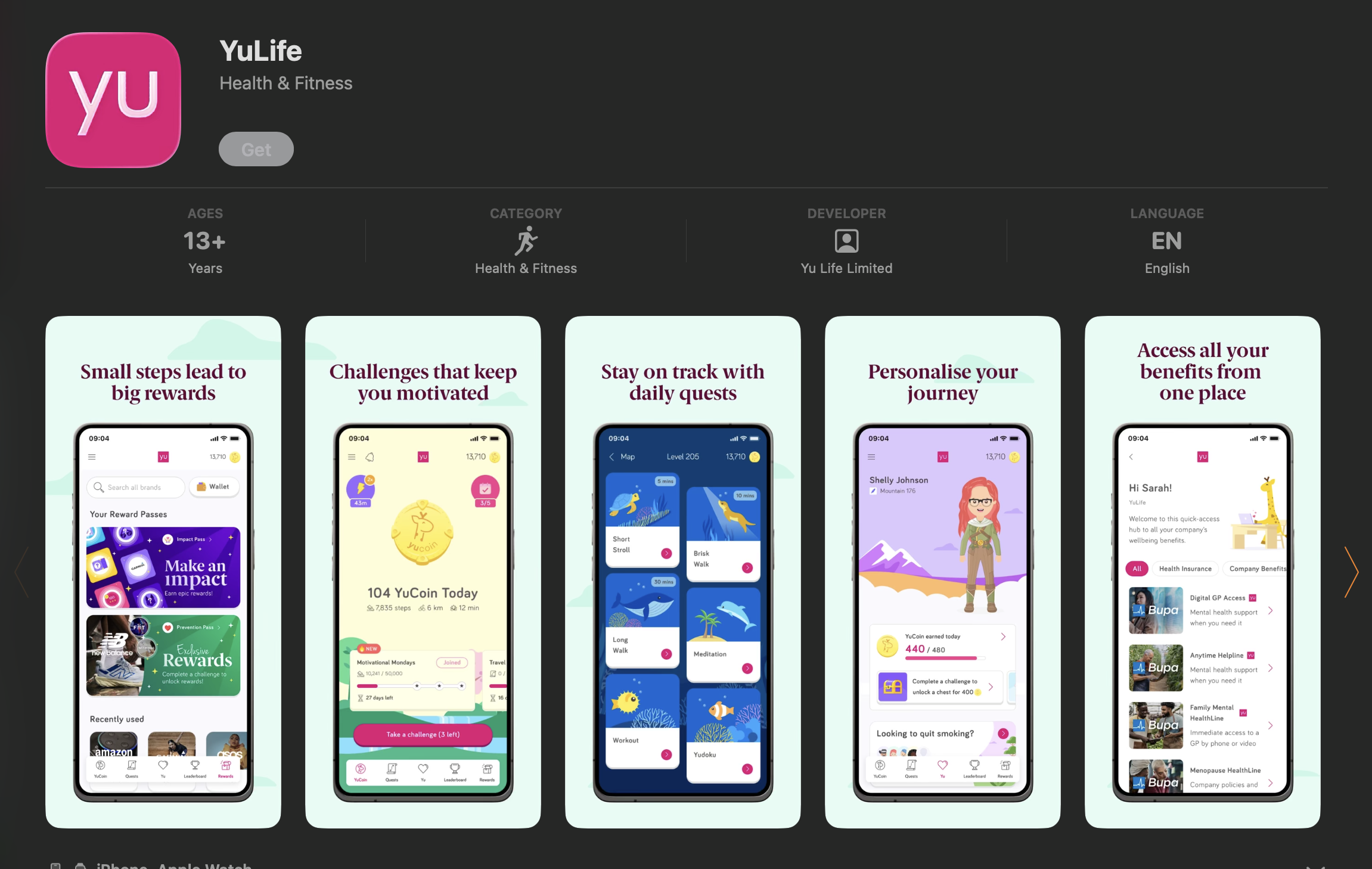
YuLife uses a high-engagement, gamified model to encourage healthy habits like walking and meditating. It is frequently cited as one of the best apps for employee wellness because it uses tangible rewards and interactive challenges to motivate employees. This motivation-driven approach is excellent for maintaining high participation, acting as a preventative tool rather than a direct anxiety-reduction solution.
Why Most Employee Wellness Apps Fall Short
In our experience, many employee wellness apps fail to make a lasting impact because they rely almost entirely on passive engagement. Most platforms function as digital libraries where employees are expected to find the time to consume videos or articles during an already hectic day. This approach often results in low adoption rates, as watching a video on how to reduce workplace stress is rarely feasible when someone is in the middle of a high-pressure deadline.
Furthermore, these apps frequently suffer from a lack of measurable outcomes. Without a way to track actual physiological changes or productivity gains, HR leaders are left guessing if their investment is truly improving the bottom line. When engagement is limited to a few clicks through a content menu, the results are rarely substantial enough to prevent long-term burnout or drive meaningful cultural change.
The Rise of Outcome-Driven Wellness Tools
The corporate world is seeing a transition from wellness as a "perk" to wellness as a measurable performance metric. Organizations are moving away from abstract engagement numbers and looking for concrete evidence of stress reduction and improved focus. The best employee wellness apps are pivoting toward data-backed interventions to replace simple content libraries.
Pulsetto fits into this movement by offering technology that provides instant stress relief rather than just tracking heart rates. Giving employees a tool that generates immediate, observable calming effects allows companies to link wellness initiatives to tangible productivity gains. This focus on outcomes ensures that mental health support is actually effective in high-pressure work environments.
How Employee Wellness Apps Improve Productivity
A direct connection exists between investment in employee wellness and core business outcomes like focus and efficiency. When workers have access to effective wellness apps for employees, they can manage the physiological symptoms of stress before they lead to cognitive fatigue. We see that teams with lower stress levels demonstrate sharper decision-making and a higher capacity for deep work, as they aren't constantly battling the mental fog associated with burnout.
Beyond daily focus, these tools play a critical role in reducing absenteeism and improving overall engagement. Employees who feel supported by their organization’s health initiatives are less likely to take unplanned leave due to stress-related illness. By providing a reliable way to decompress during the workday, companies foster a more resilient workforce that stays present and productive during peak demand periods.
How to Choose the Right Employee Wellness App
Selecting the best employee wellness apps for your organization starts with identifying your primary goals, whether that is reducing healthcare costs, boosting morale, or preventing burnout in high-stress roles. We find that company size and budget often dictate the scale of the platform, but the engagement strategy determines its success. A tool that fits a small startup’s flexible culture might not scale effectively for a global enterprise that requires deep integration with existing HR management systems.
When evaluating the top employee wellness apps, you should consider how the technology fits into your employees' actual workday. We recommend looking for solutions that offer a mix of immediate relief and long-term support to ensure the platform remains useful as employee needs change. High adoption rates usually follow tools that are easy to access and require minimal time investment, as these are much more likely to become a permanent part of a team's routine.
Questions to Ask Before Choosing a Platform
Before committing to a new employee wellbeing app, we recommend asking several practical questions to ensure the tool provides a measurable return on investment. These questions help filter out generic content libraries in favor of solutions that actually improve team performance.
-
Does the platform offer a measurable way to track stress reduction? Look for tools that provide data on physiological changes or productivity metrics rather than just login frequency.
-
How much time does a single session require? In our experience, apps that require less than 10 minutes per day see much higher adoption rates among busy teams.
-
Can the platform scale as our headcount grows? Ensure the pricing model and support structure remain sustainable as you expand into different regions or departments.
-
What does the onboarding process look like for new hires? A successful rollout depends on how easily employees can integrate the technology into their existing workflows.
-
Is the app compatible with our current internal communication tools? High engagement often follows apps that send gentle nudges or reminders through Slack or Microsoft Teams.
What to Avoid When Choosing Wellness Apps
Even the best wellness apps for employees can fail if they prioritize quantity of content over quality of intervention. We recommend avoiding platforms that rely on "one-size-fits-all" libraries, as these often lead to low engagement. When an app lacks personalization, employees rarely feel the tool addresses their specific stressors, causing adoption rates to plummet after the initial rollout.
Furthermore, be cautious of tools with an unclear ROI or hidden costs. If a platform cannot demonstrate how it reduces burnout or improves focus, it likely serves as a passive perk rather than a strategic business tool. We suggest steering clear of any solution that doesn't offer transparent data on how it impacts the bottom line, as these apps often become underused digital clutter that fails to deliver genuine relief for your team.
Build a Wellness Program That Actually Works
Successful companies are moving away from passive perks and toward solutions that deliver real, physiological outcomes. The best employee wellness apps provide more than just information; they offer a way to manage the physical symptoms of stress in real-time. We see that integrating a modern tool like Pulsetto into your employee wellness strategy provides the measurable stress reduction necessary to keep a workforce focused and healthy. For HR leaders looking to move beyond simple engagement metrics, now is the time to implement technology that fits the actual demands of the workday.
Try Pulsetto to see how active regulation can transform your team's productivity and well-being.
FAQs: Best Employee Wellness Apps
What are the best employee wellness apps?
Based on our research, the top options include Pulsetto for active stress relief, Headspace for Work for mindfulness, Calm for Business for sleep support, and Modern Health for clinical therapy. The best choice depends on whether your team needs immediate physiological intervention or long-term behavioral coaching.
Do employee wellness apps actually work?
They are highly effective when they move beyond passive content. While video libraries provide education, apps that include active components like neurostimulation or 1:1 coaching deliver measurable changes in heart rate variability (HRV) and perceived stress levels.
What features should a wellness app have?
A high-impact app should offer short session times (under 10 minutes), personalized health insights, and a user-friendly interface. For HR teams, it must also provide clear data reporting to track engagement and the overall health of the workforce.
How do wellness apps improve productivity?
By reducing the physiological symptoms of burnout, these tools help employees maintain focus and cognitive clarity. Lower stress levels are directly linked to reduced absenteeism and higher engagement, as staff can recover more quickly from high-pressure tasks.
Are wellness apps worth it for companies?
Yes. Companies typically see a return through lower turnover rates and decreased healthcare costs related to stress-induced illnesses. We find that a resilient, well-supported workforce is significantly more efficient than one operating under constant unmanaged pressure.
What is the difference between wellness apps and wellness programs?
A wellness app is a specific digital tool or platform used by employees to manage their health. A wellness program is the broader organizational strategy, which includes company policies, health benefits, and the cultural environment that the app supports.