Quick Overview: Best Handheld Anxiety Devices in 2026
Choosing a handheld anxiety relief device does not have to mean hours of research. Here is a fast-reference summary of every ranked device in this article.
-
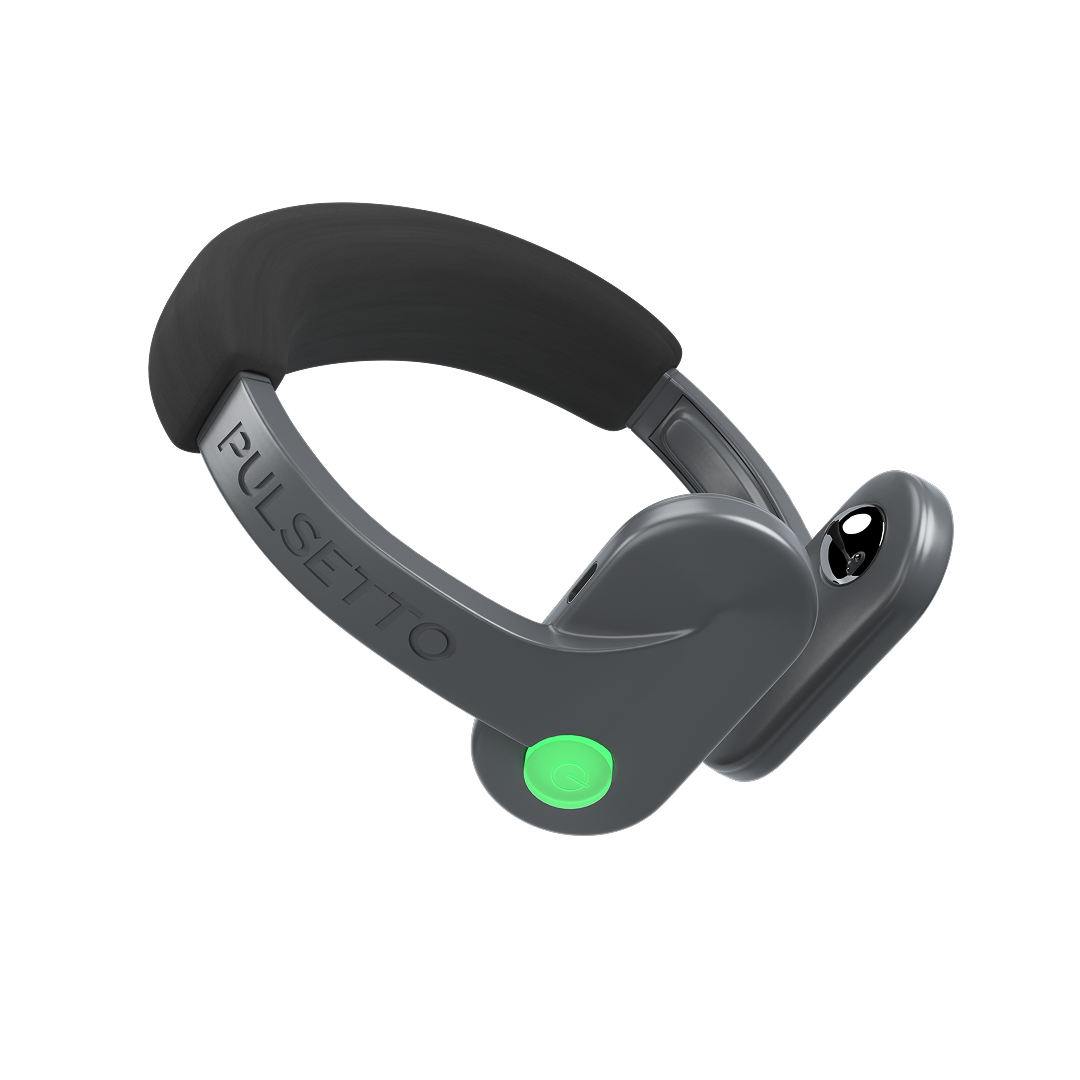
Pulsetto - Best overall for science-backed vagus nerve stimulation
-
Apollo Neuro - Best wearable for guided nervous system coaching
-
Sensate - Best for passive relaxation and sound therapy
-
Calm Carry - Best budget-friendly handheld calming device
-
EazyPulse - Best for sleep-focused handheld relief
For a broader look at tools in this space, see this guide to the best relaxation devices available in 2026.
Best Handheld Anxiety Devices Ranked for 2026

Choosing a portable anxiety device is not about finding the flashiest gadget. It is about finding something that actually works with your body, fits into your routine, and gives you a reliable way to shift out of stress mode when you need it most. The five devices below represent the most distinct and useful options across three different categories.
1. Pulsetto - Best Overall for Vagus Nerve Stimulation

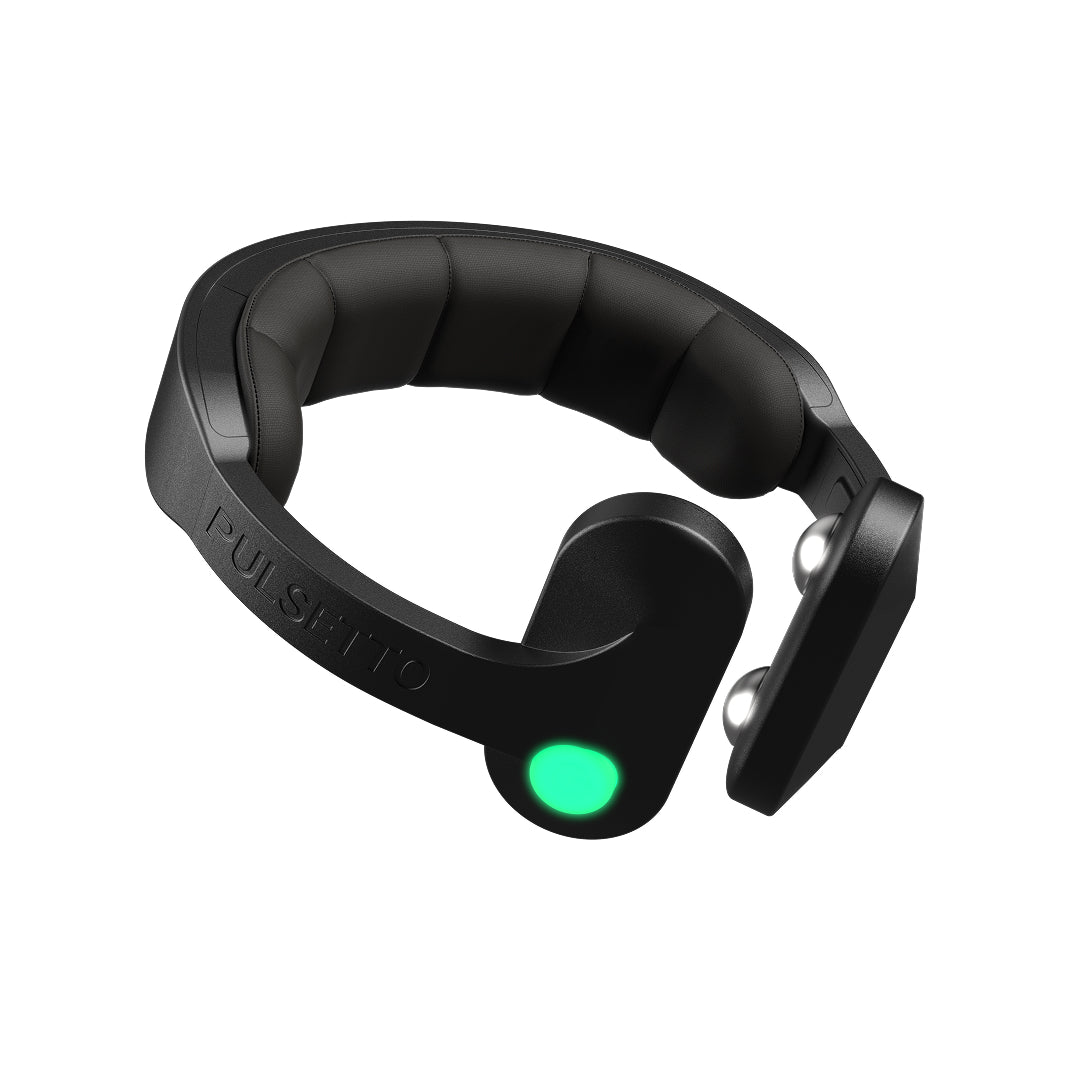
How it works: Pulsetto is a wearable transcutaneous vagus nerve stimulation device that uses low-level electrical pulses delivered through two contact points placed at the sides of the neck. These pulses are designed to stimulate the vagus nerve (a long nerve running from the brainstem through the neck and into the chest and abdomen, which plays a central role in the body's rest-and-recover response). When the vagus nerve is activated, it may support a shift toward the parasympathetic nervous system, which is the body's natural calming mode.
Who it suits: Pulsetto is well suited to working adults who want a daily, on-the-go tool with a clear biological mechanism behind it. It is particularly relevant for people who have already tried breathing exercises or mindfulness but want something that works more passively, with less active effort required.
Key features:
-
App connectivity with multiple stimulation modes and intensity levels
-
Rechargeable battery that supports multiple sessions before needing a recharge
-
Built-in auto-off timer for safety and ease of use
-
Compact, wireless design that fits in a bag or jacket pocket
-
Gel-free application for comfortable daily wear
An important note on the "handheld" label: Pulsetto is placed at the neck rather than held in the hand. However, its wireless, cordless design means it can be picked up, used, and put away just as quickly as any pocket-sized gadget. For most use cases, including commuting, working from home, or sitting in a waiting room, the distinction is largely academic.
Limitations: Pulsetto is not recommended for pregnant individuals, people with pacemakers, or those with other implanted electrical devices. Anyone with an underlying cardiovascular or neurological condition should consult a healthcare provider before use.
Verdict: Among all the options on this list, Pulsetto is the only device that targets the vagus nerve stimulation for anxiety pathway directly. That gives it a mechanistic advantage that passive or tactile tools cannot replicate.
2. Apollo Neuro - Best for Guided Nervous System Recovery

How it works: Apollo Neuro is a wearable device worn on the wrist or ankle that delivers gentle vibration patterns designed to guide the wearer into slower, calmer breathing rhythms. The idea is that specific vibration frequencies may cue the body's nervous system toward a more relaxed state over time. It is controlled via a companion app that offers preset modes for focus, relaxation, sleep preparation, and social energy.
Who it suits: Apollo Neuro suits people who enjoy a structured, guided approach to stress management. It works well for those who already practice breathwork or mindfulness and want a device that reinforces those habits with physical sensation.
Key features:
-
Wearable wrist or ankle form factor
-
App-controlled with multiple mode presets
-
Rechargeable battery with all-day wear capability
-
Silent vibration, making it discreet in professional settings
Limitations: Apollo Neuro works best when the user actively engages with the breathing cues rather than relying on it passively. Users who want a truly hands-off experience may find it less intuitive than expected. It is also a premium-priced device, which may not suit every budget.
Verdict: A strong choice for users who want guided, structured support for nervous system recovery. It is not a vagus nerve stimulator for anxiety in the electrical stimulation sense, but its vibration-based approach may support relaxation over consistent use.
3. Sensate - Best for Passive Sound-Based Relaxation

How it works: Sensate is a small, smooth device placed on the sternum (the chest bone) that combines low-frequency vibration with paired soundscapes delivered through headphones. The vibration is thought to create an infrasonic resonance effect through the chest cavity, which some users report as deeply calming. It does not use electrical stimulation and has no app-based intensity controls in the same way as Pulsetto.
Who it suits: Sensate is well matched to people whose anxiety peaks during evening wind-down routines or in quiet moments at home. It suits those who respond well to sound-based relaxation tools like binaural audio or white noise.
Key features:
-
Passive use, no active engagement required beyond pressing play
-
Pairs with a dedicated app offering a library of soundscapes
-
Rechargeable via USB-C
-
Compact and lightweight design
Limitations: Sensate requires headphones and a quiet setting to work as intended, which limits its portability compared to other options on this list. It is not practical for use during commutes, meetings, or in noisy environments. It is also one of the pricier options in this category.
Verdict: An excellent choice for home-based, pre-sleep relaxation. Less practical as an everyday handheld calming device for anxiety in busy or public settings.
4. Calm Carry - Best Budget Handheld Calming Device

How it works: Calm Carry is a compact, handheld device that combines gentle warmth, low-level vibration, and a breathing light pattern to create a sensory anchor for anxious moments. The user holds the device in one hand and follows the pulsing light to pace their breathing. The mechanism is primarily sensory and behavioural rather than physiological in the direct neurological sense.
Who it suits: Calm Carry is a practical first step for someone who wants a simple, affordable tool before committing to a premium device. It works well for people who experience mild situational anxiety, such as pre-meeting nerves, and want something discreet to hold.
Key features:
-
Compact enough to fit in a coat pocket or handbag
-
Simple one-button operation
-
Warm haptic feedback alongside breathing light guide
-
Battery-powered with USB charging
Limitations: The scientific mechanism behind Calm Carry is less well defined than devices that use electrical or structured vibration stimulation. Its benefits are likely driven by the breathing guidance and tactile distraction rather than any direct effect on the nervous system. It is an entry-level tool and is honest about that positioning.
Verdict: A reasonable starting point at an accessible price. Readers who want something with a clearer physiological rationale will likely outgrow it and move toward a premium rechargeable handheld anxiety device like Pulsetto.
5. EazyPulse - Best for Sleep-Focused Handheld Relief
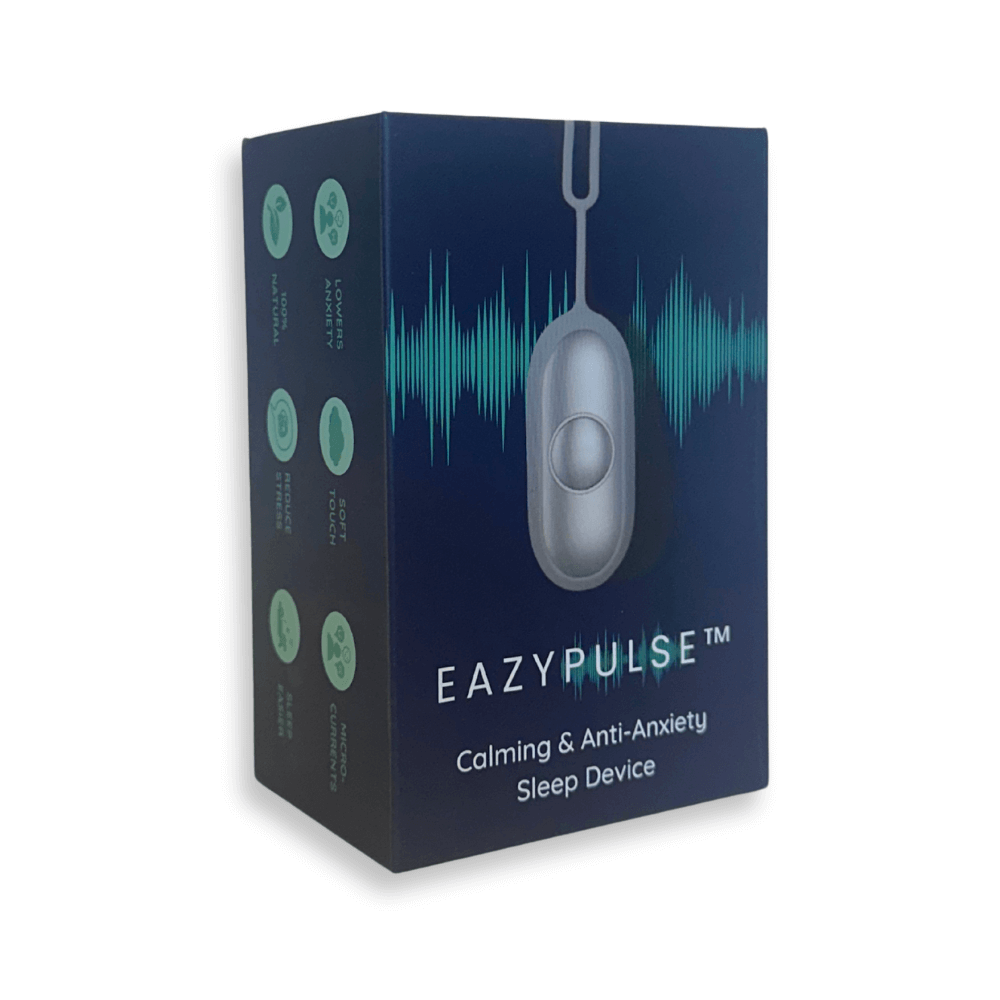
How it works: EazyPulse is a handheld device that uses gentle microcurrent and vibration to encourage relaxation, with a primary focus on pre-sleep use. The device is held in both hands, and the gentle electrical pulses are delivered through the palm contact points. Users report that regular evening sessions may help them wind down more easily before bed.
Who it suits: EazyPulse suits individuals whose anxiety tends to peak in the evening or at bedtime, which is a very common pattern. It is also a reasonable entry point for people who are curious about electrical stimulation but are not yet ready to invest in a more advanced wearable.
Key features:
-
Dual hand-held form factor
-
Multiple intensity levels via simple button controls
-
Focused evening and sleep use case
-
Rechargeable battery
Limitations: Like Calm Carry, EazyPulse occupies an entry-level position. The microcurrent delivery method is less targeted than neck-based vagus nerve stimulation, and the scientific evidence for palm-applied microcurrent as an anxiety tool is thinner than for transcutaneous vagal stimulation. It is also primarily a home device rather than one suited to on-the-go use.
Verdict: A simple, affordable, sleep-oriented option. Honest about what it is: an accessible handheld stress relief device rather than a clinically grounded neurostimulation tool.
What Types of Handheld Anxiety Devices Are There?
Not all anxiety devices work the same way. Before investing in one, it helps to understand the three main categories on the market and what distinguishes them. This distinction is almost entirely absent from current product listings, which leaves most buyers without a useful framework.
Sensory and Fidget-Based Devices
These include textured tools, squeeze balls, clickers, and tactile rings. They work through grounding and distraction, redirecting the mind from anxious thoughts to immediate physical sensation. They are easy to use, inexpensive, and widely available. However, they do not act on the nervous system directly. Their benefit is largely psychological and behavioural, which is still useful but represents a different order of intervention from devices that affect physiology.
This category suits people who need something discreet to occupy their hands during stressful moments. It is worth noting that the 3-3-3 rule (see FAQ below) can work well alongside these tools, pairing attentional grounding with the tactile sensation of holding a device.
Haptic Breathing-Guide Devices
Devices like Apollo Neuro use vibration patterns to guide the user toward slower breathing rhythms. Slower breathing is associated with activation of the parasympathetic nervous system (the body's rest-and-recover mode). The device does not directly stimulate any nerve, but it may support relaxation indirectly by prompting the user to breathe more slowly and deliberately.
This category is a step up in mechanism from pure fidget tools, and many users find it highly effective when combined with consistent practice. For more on this type of tool, see the guide to the best vibrating device for anxiety.
Vagus Nerve Stimulators
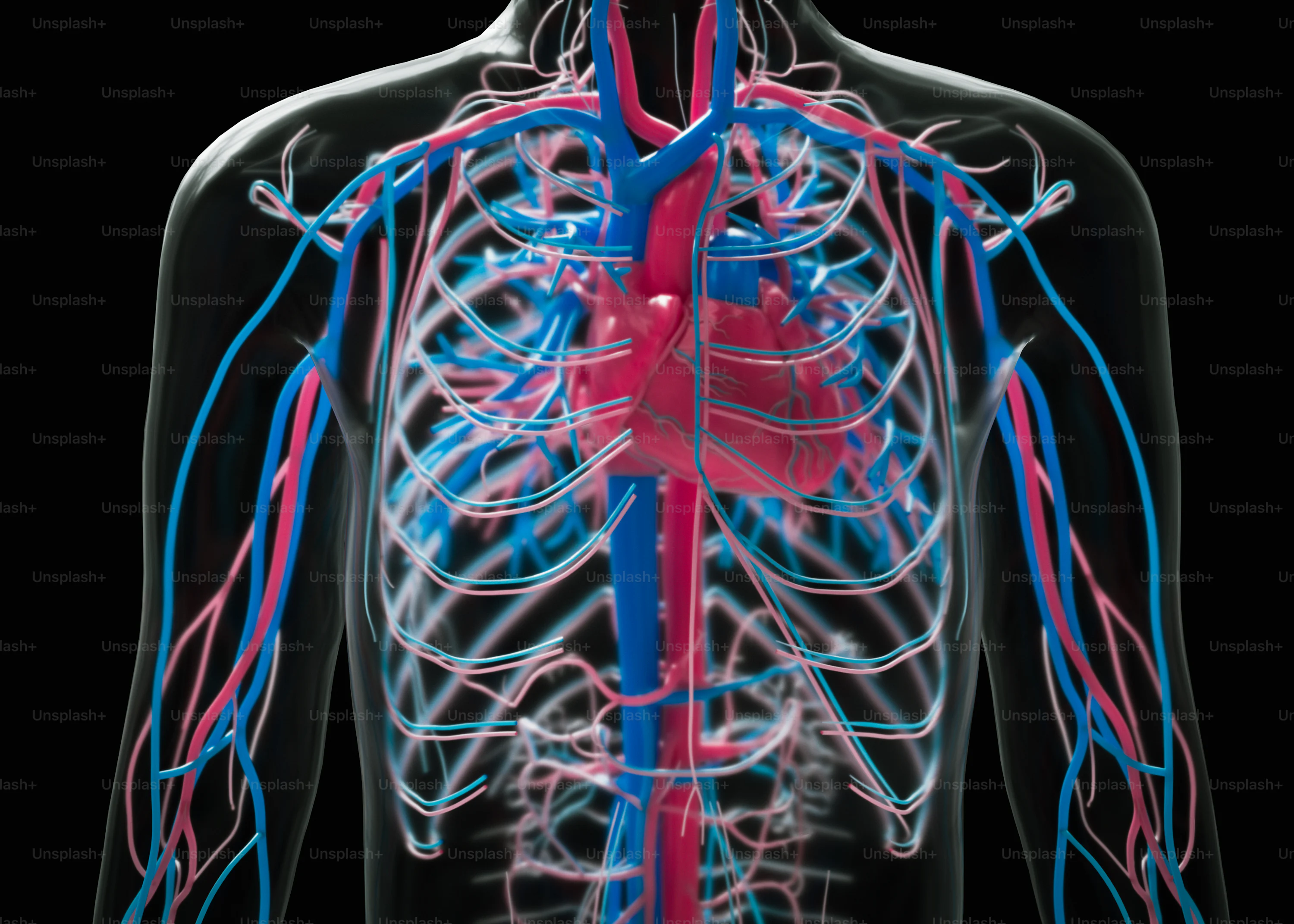
This is the most mechanistically direct category. Devices like Pulsetto use low-level electrical pulses applied to the neck to stimulate the vagus nerve transcutaneously (through the skin, without any surgical intervention). The vagus nerve connects the brain to the heart, lungs, and digestive system, and plays a central role in regulating the body's stress response. Stimulating it is thought to support a shift toward calm, lower heart rate variability stress markers, and reduced feelings of tension.
This category represents the clearest physiological rationale of the three. For a broader look at how these tools fit into the wellness space, see this overview of the best calming device for anxiety.
How to Choose the Right Handheld Anxiety Device
The best handheld anxiety device is the one a person will actually use consistently. Here is a practical framework for narrowing down the options.
Think about when and where anxiety hits most. If anxiety peaks during work meetings, commutes, or public situations, the device needs to be small, discreet, and battery-powered. Devices like Pulsetto or Calm Carry fit this profile well. If anxiety is more of a home-based, end-of-day experience, a device like Sensate or EazyPulse that requires a quieter setting may be perfectly appropriate.
Consider active versus passive use. Haptic breathing guides like Apollo Neuro require the user to follow a rhythm and engage with the cues. Vagus nerve stimulators like Pulsetto work largely in the background once the session is started, requiring minimal attention. For people who are already stretched thin at stressful moments, passive operation can make the difference between actually using a device and leaving it in a drawer.
Factor in budget and long-term value. Entry-level devices cost under $30 but offer a limited, less-defined mechanism. Premium devices like Pulsetto cost more upfront but deliver app control, multiple intensity levels, and a more grounded physiological rationale. For someone experiencing recurring anxiety, the investment in a more purposefully designed device tends to pay off faster than buying multiple cheap alternatives that underdeliver.
Check contraindications carefully. Devices that use electrical stimulation are not recommended for pregnant individuals, people with pacemakers, or those with other implanted electrical devices. This applies to Pulsetto and EazyPulse specifically. If there is any uncertainty about an underlying health condition, consulting a healthcare provider before use is the right move.
For additional non-device strategies that complement these tools, see this guide to non-invasive treatment for anxiety and a collection of practical anxiety relaxation techniques.
Why Are Handheld Anxiety Devices Growing in Popularity?
The demand for non-pharmaceutical anxiety management tools has grown substantially over the past several years. More adults are seeking daily tools that fit between therapy sessions and medication, filling the gap in moments when professional support is not immediately accessible. A device used on a plane, at a desk before a difficult conversation, or in a waiting room addresses a real, practical need that traditional relaxation techniques cannot always meet in real time.
The portability factor is central to the appeal. Breathing exercises and meditation work well in controlled settings, but they require a degree of focus and privacy that is not always available. A compact, pocket-sized device that a person can activate discreetly at a moment's notice fills that gap in a way that no amount of guided audio can replicate during a stressful commute.
Advances in neurostimulation research have also moved vagus nerve stimulation from clinical settings into consumer products, making the technology more accessible than at any previous point. What was once available only in medical facilities is now available as a wearable that fits in a jacket pocket. This shift has created an entirely new category of wellness device, distinct from both pharmaceutical options and passive mindfulness tools. For a deeper look at the growing role of technology in this space, see the guide to the best nervous system regulation device options and a review of biohacking anxiety approaches.
Complementary Approaches to Handheld Device Use
Handheld anxiety devices tend to produce stronger, more consistent results when they are part of a broader daily routine rather than used in isolation. A device alone is a tool. Paired with consistent habits, it becomes part of a system.
Controlled breathing is one of the most natural companions to any device in this category. Slowing the breath to around five to six breaths per minute activates the parasympathetic nervous system (rest-and-recover mode) and may amplify the effect of vagus nerve stimulation when both are used together. Some users find that starting a Pulsetto session while doing slow nasal breathing produces a noticeably faster shift into calm.
HRV tracking can also add a useful layer of feedback. HRV, or heart rate variability (a measure of how much the timing between heartbeats varies, which reflects nervous system balance), can be tracked using a wearable like a smartwatch. Users who track HRV alongside their device use often find that they can see objective changes over time, which reinforces consistent use. See this guide to the best HRV device options for more.
Mindfulness and grounding techniques such as the 3-3-3 rule (explained in the FAQ below) complement device use by training attentional control alongside physiological regulation. Together, they address anxiety from both the physical and cognitive side.
Regular sleep schedules and reduced caffeine intake in the afternoon round out the picture. These habits reduce baseline cortisol (the body's primary stress hormone) and make it easier for any anxiety tool to do its job. For a broader overview of practical strategies, see this guide to how to reduce anxiety.
Ready to Try the Most Complete Option?
For adults who want a portable, science-backed, drug-free tool that goes beyond tactile distraction or passive vibration, Pulsetto is worth a closer look. It is the only device on this list that directly targets the vagus nerve using transcutaneous electrical stimulation, giving it a physiological rationale that simpler gadgets cannot match.
Pulsetto is designed as a daily wellness support tool. It may help support the body's natural calming response, and users commonly report feeling more settled after consistent use. It is compact, wireless, and app-controlled, making it as practical for a Tuesday morning commute as it is for a Friday evening wind-down.
It is not a medical device, and it is not positioned as a replacement for therapy or professional support. It is a purposefully engineered wearable stress relief device built around a credible biological mechanism. For those ready to move beyond entry-level tools, exploring the full Pulsetto range is a practical next step.
Frequently Asked Questions 💬
What is the 3-3-3 rule for anxiety?
The 3-3-3 rule is a grounding technique where a person names three things they can see, three sounds they can hear, and three body parts they can move. It works by redirecting attention away from anxious thoughts and back to immediate physical surroundings, interrupting the mental loop that often amplifies anxiety. It can be used alongside a handheld anxiety device for a combined sensory and physiological calming approach, making it a practical pairing with tools like Pulsetto or Calm Carry.
Why is anxiety worse in the evening?
Cortisol levels naturally decline in the evening, which can reduce the body's ability to mask anxious feelings that were suppressed during the day. Reduced daytime distractions also mean anxious thoughts have more space to surface once the busyness of work or social activity fades. Using a calming device or vagus nerve stimulator in the evening as part of a consistent wind-down routine may help signal to the nervous system that it is safe to relax, making it one of the most practical times of day to use a device like Sensate or EazyPulse.
What not to say when someone has anxiety?
Phrases like "just relax," "it is all in your head," or "you have nothing to worry about" tend to invalidate the person's experience and can make anxiety worse rather than better. More helpful approaches include acknowledging the feeling without judgment, asking what the person needs, and avoiding any pressure to snap out of it quickly. Offering a practical tool like a calming device can be a supportive gesture, but it should always be framed as an option to explore rather than a solution being prescribed.
What herbs are good for anxiety?
Commonly cited herbs for anxiety include ashwagandha, valerian root, passionflower, and lavender, though the evidence for each varies and none should replace professional medical advice. Herbal supplements and handheld anxiety devices address different mechanisms. Herbs work systemically over time through changes in hormone or neurotransmitter levels, while devices offer more immediate, on-demand sensory or neurological input that can be activated in the moment. Readers interested in a drug-free, non-supplement approach may find device-based tools like vagus nerve stimulators a more immediate and controllable option for situational anxiety.
Are handheld anxiety devices safe to use every day?
Most handheld calming devices, including tactile and haptic types, are generally considered safe for daily use by healthy adults. Vagus nerve stimulators that use electrical stimulation, such as Pulsetto, include specific safety notes. They are not recommended for pregnant individuals or those with pacemakers or implanted electrical devices, and include an auto-off timer to prevent overuse in a single session. Readers with underlying cardiovascular, neurological, or other health conditions should consult a healthcare provider before using any electrical stimulation device, even a consumer wellness product.