Quick Overview: Top Vagus Nerve Stimulators Available in NZ
All five devices listed below ship to New Zealand through official websites or international retailers. Delivery times and import costs vary, so check each brand's shipping page before ordering.
-
Pulsetto - Best overall for NZ buyers seeking stress and sleep support
-
Sensate - Best for passive relaxation and breathwork pairing
-
Apollo Neuro - Best for wrist-worn, all-day calm support
-
Nurosym - Best for research-backed clinical-grade design
-
Hoolest - Best for those wanting open-source flexibility
Best Vagus Nerve Stimulators for New Zealand Buyers

Choosing the right vagus nerve stimulator comes down to how you plan to use it, where you want to wear it, and how much guided support you want from an app. The five devices below represent the most credible, non-invasive options currently accessible to New Zealand buyers. Each has been assessed for how it works, who it suits best, and where it falls short.
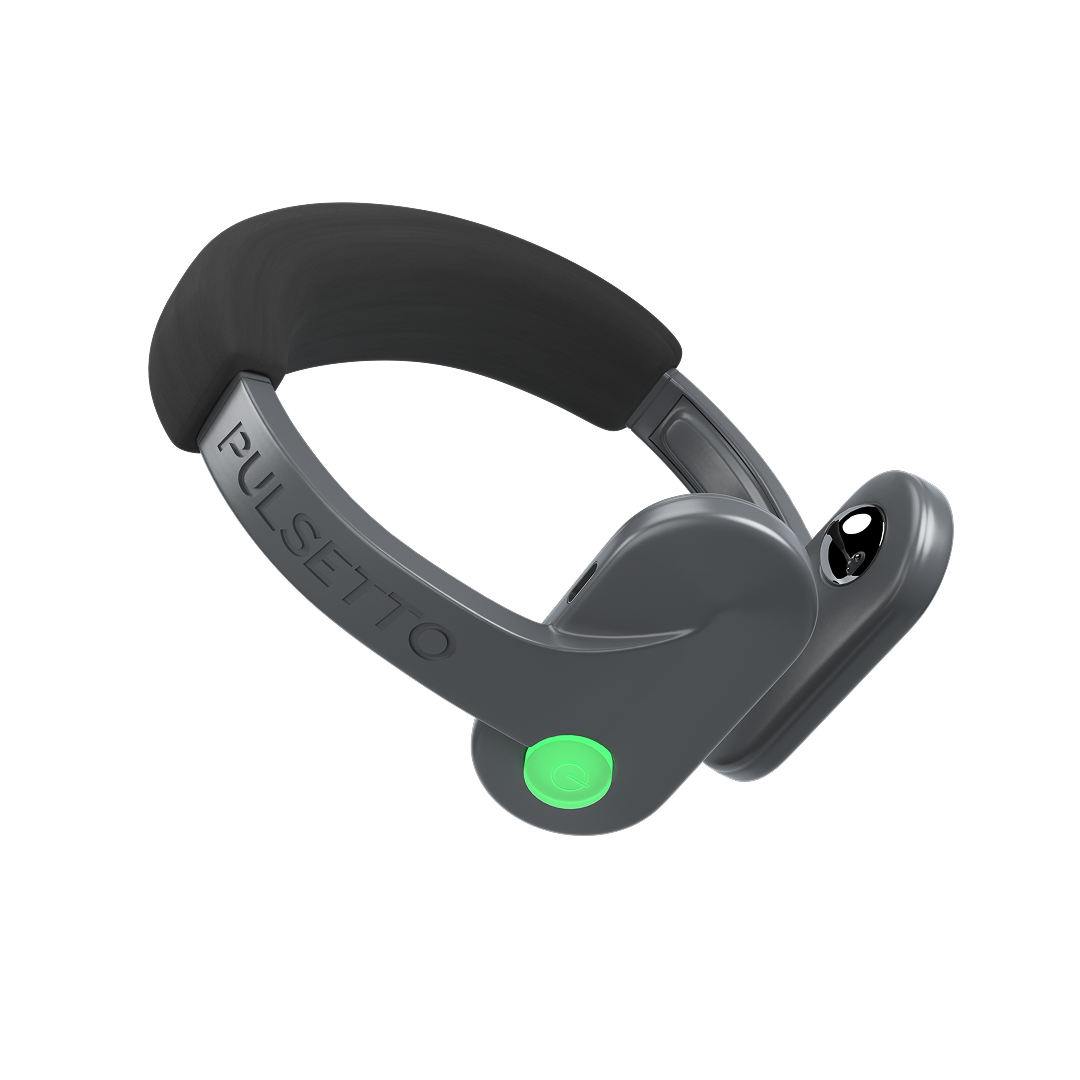
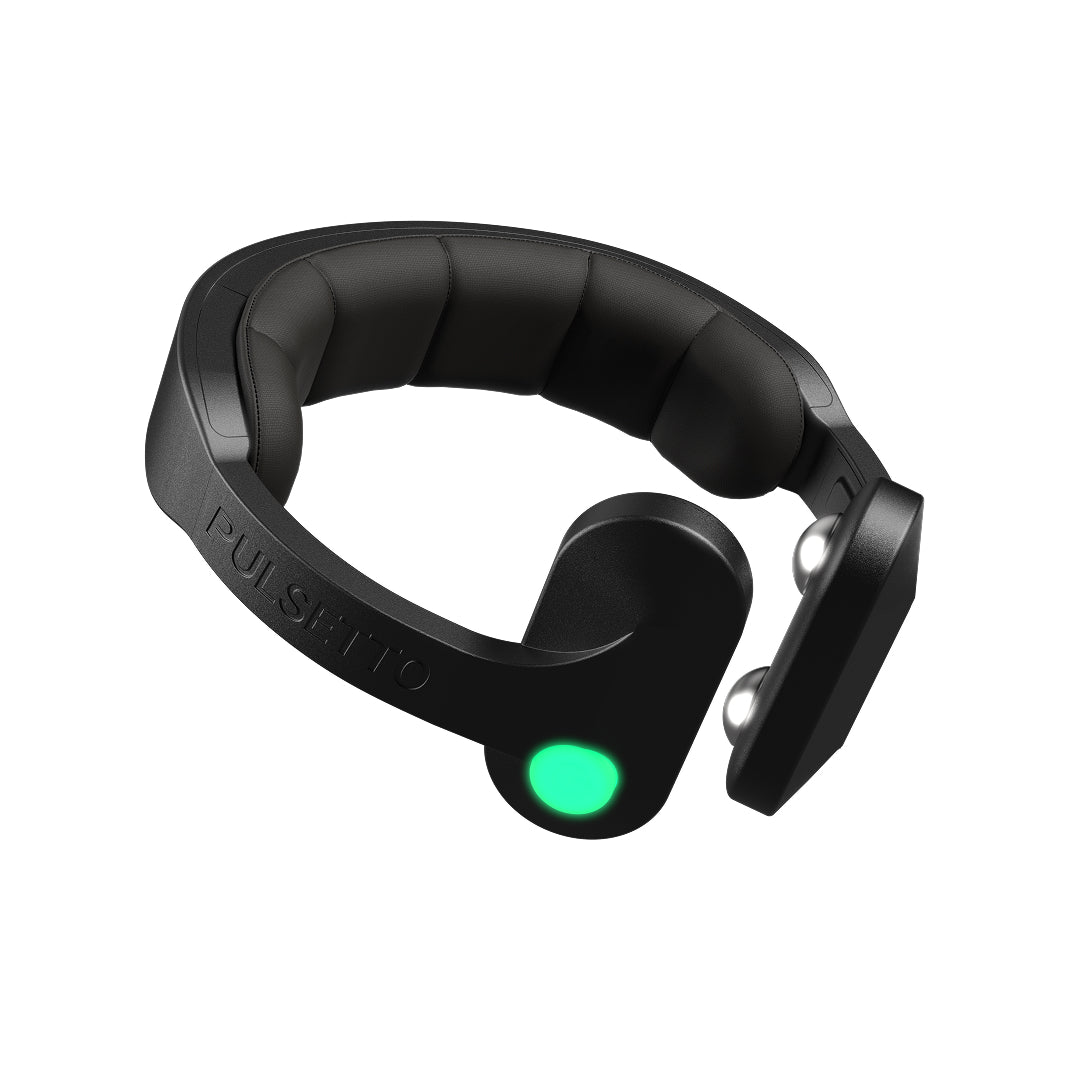
1. Pulsetto - Best Overall for NZ Buyers

How it works: Pulsetto is a neck-worn wearable that delivers gentle electrical pulses to the vagus nerve through the skin, a method known as transcutaneous (through-the-skin) vagus nerve stimulation. It sits at the front of the neck, held in place by a gel pad, and connects to a companion app that guides users through sessions tailored to stress, sleep, anxiety, or burnout.
Who it suits best: Pulsetto is well suited to adults who want structure. The app includes pre-set programs with session lengths ranging from four to twenty minutes, which makes it easier to build a consistent daily habit. NZ buyers who are new to vagus nerve stimulation will find the guided format approachable rather than overwhelming.
Key features:
-
Neck-worn, hands-free design with conductive gel pads
-
Companion app with programs for stress, sleep, anxiety, and burnout
-
Sessions as short as four minutes, suitable for busy schedules
-
Ships directly to New Zealand from the official website
Pricing: Pulsetto is priced at approximately 199 EUR (roughly NZD 370 at current rates), with a subscription app available. A free app tier covers basic functionality.
Honest limitation: The gel pads require replacement over time, which adds a small ongoing cost. Some users also report mild tingling during initial sessions as they adjust to the sensation.
Verdict: The most complete out-of-the-box experience for NZ buyers, combining an accessible price point with structured app guidance and reliable international shipping.
2. Sensate - Best for Passive Relaxation

How it works: Sensate takes a different approach from electrical stimulation. It is a smooth, stone-shaped device that sits on the chest and uses infrasonic resonance, meaning low-frequency sound vibrations that travel through the body. It pairs with an app that plays soundscapes in sync with the vibrations, designed to encourage a shift toward calm through the body's response to rhythmic sensory input.
Who it suits best: Sensate is ideal for users who find the idea of electrical pulses off-putting, or who already practise breathwork or meditation and want a complementary tool. It suits people who prefer passive, eyes-closed sessions rather than actively monitoring settings.
Key features:
-
Chest-worn resonance device, no electrical pulses
-
Pairs with a curated app library of soundscapes
-
Sessions typically run between 10 and 30 minutes
-
Ships internationally to New Zealand
Pricing: Sensate is priced at approximately 299 USD (roughly NZD 500), with app content included.
Honest limitation: Because it uses vibration rather than direct nerve stimulation, some users feel the experience is closer to a guided relaxation tool than a dedicated vagus nerve stimulator. Results may feel more subtle compared to electrical devices. For more on vagus nerve stimulation for anxiety, the mechanism behind direct stimulation is worth understanding before choosing between these two approaches.
Verdict: A gentle, non-intimidating entry point for users who prefer a sensory relaxation approach over electrical stimulation.
3. Apollo Neuro - Best for All-Day Wrist-Worn Support
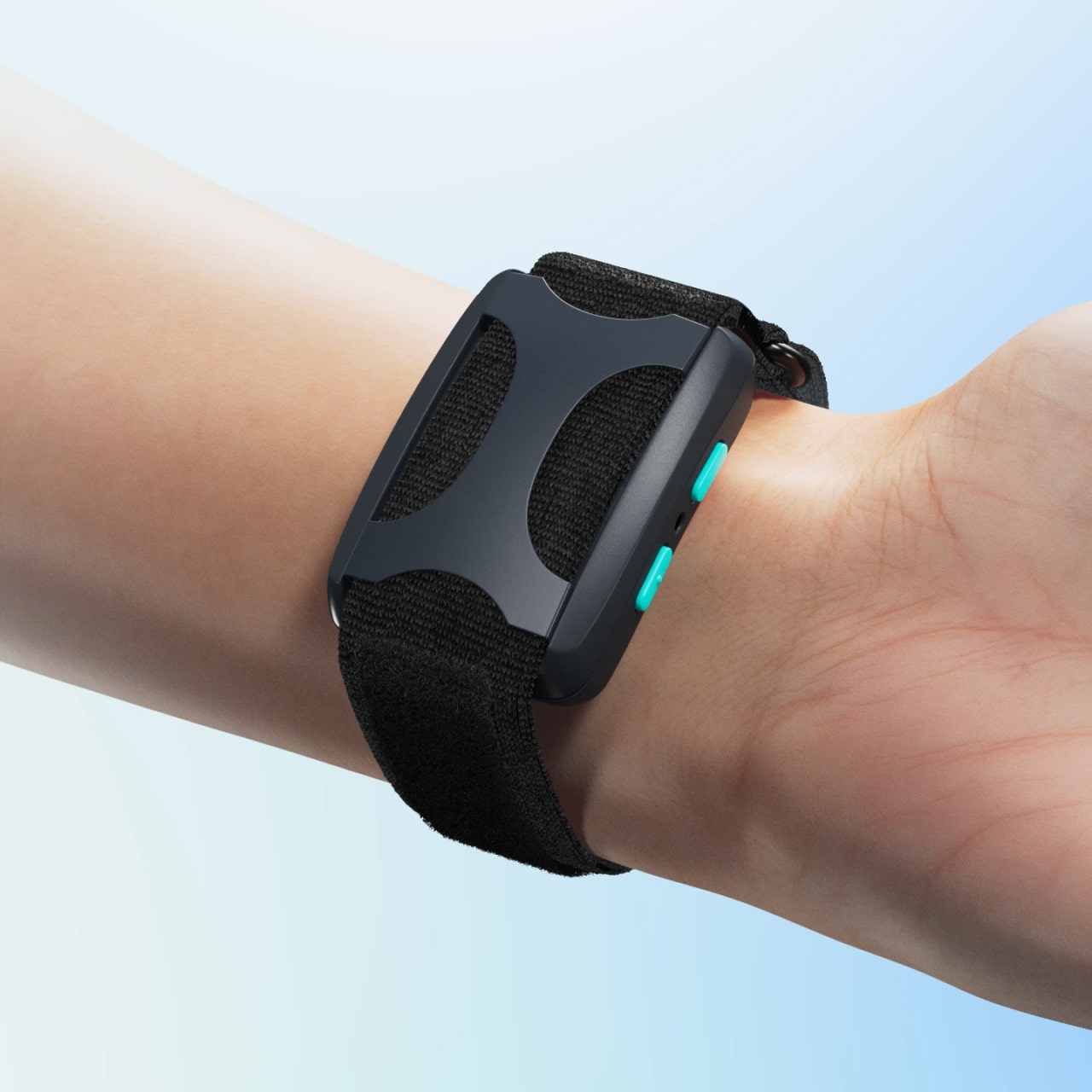
How it works: Apollo Neuro is a wrist or ankle-worn wearable that uses silent vibration patterns to influence the autonomic nervous system (the system that controls automatic body functions like heart rate and breathing). Unlike neck or ear-based devices, it does not deliver electrical pulses directly to the vagus nerve. Instead, it uses touch therapy frequencies designed to shift the body's stress response over time.
Who it suits best: Apollo Neuro suits people who want a subtle, all-day support tool that does not draw attention. It can be worn during work, exercise, or sleep, and the vibrations are quiet enough not to disturb others nearby. It is also a good option for those who want to avoid placing anything on the neck.
Key features:
-
Wrist or ankle form factor, worn like a standard wellness tracker
-
Multiple modes including Focus, Calm, Sleep, and Social
-
App-controlled vibration sequences
-
Ships to New Zealand via the official website
Pricing: Apollo Neuro is priced at approximately 349 USD (roughly NZD 590), with a companion app subscription for full program access.
Honest limitation: Because it works through vibration rather than direct vagal stimulation, it is categorically different from neck or ear-based devices. Users expecting the same mechanism as a transcutaneous (skin-surface) electrical stimulator may find the experience feels more like a smartwatch wellness feature.
Verdict: A strong option for users who need something discreet and wearable throughout the day, though the underlying mechanism differs from traditional vagus nerve stimulation.
4. Nurosym - Best for Clinical-Grade Design
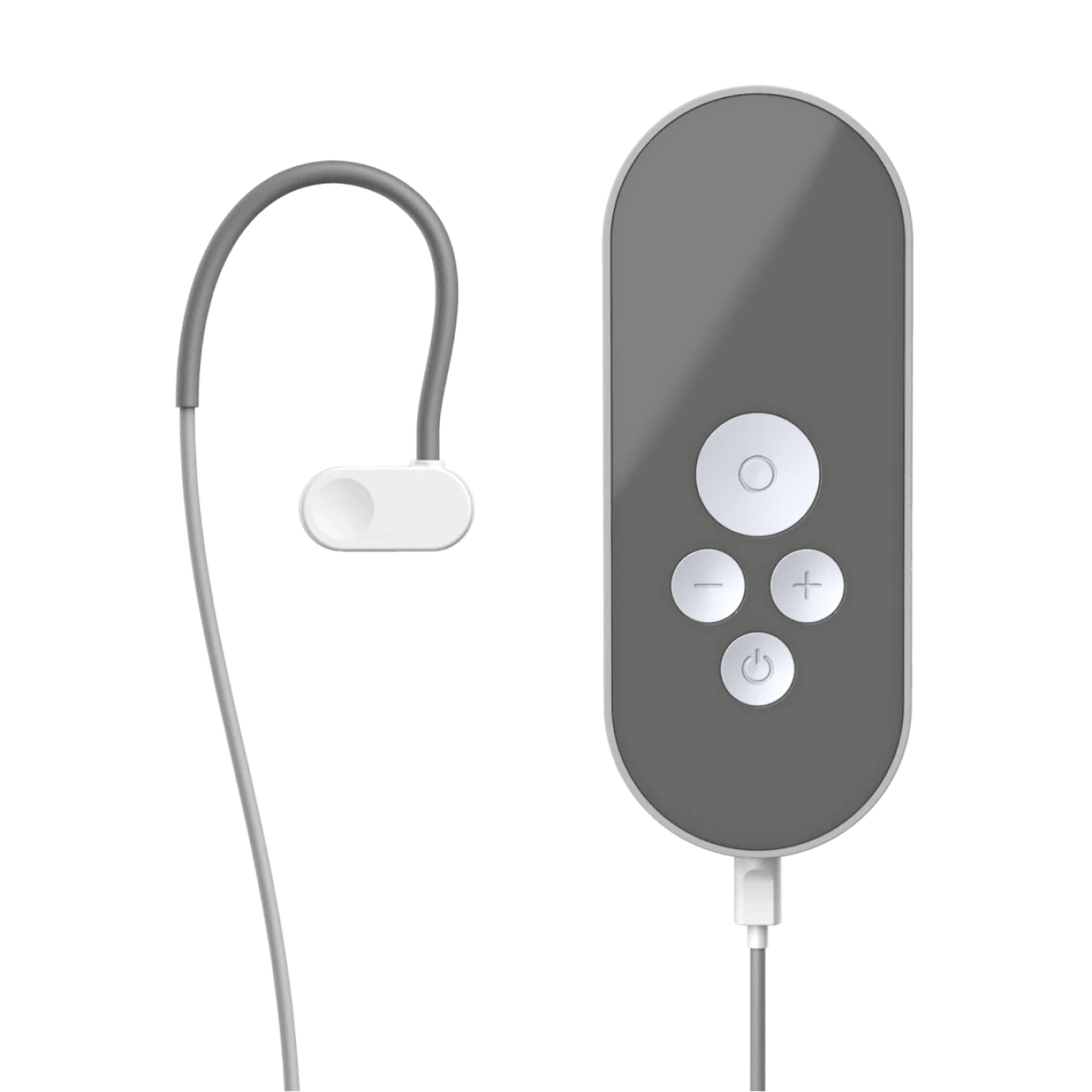
How it works: Nurosym is an auricular (ear-based) vagus nerve stimulator that delivers electrical pulses to the ear, targeting the auricular branch of the vagus nerve that runs through the outer ear. The ear-based approach is well studied, and Nurosym has positioned itself with a clinical-grade design aesthetic that appeals to users who want a device that feels closer to a medical instrument than a consumer gadget. For a detailed comparison with similar devices, see the nurosym vs vagustim breakdown.
Who it suits best: Nurosym is a good match for health-conscious buyers who want a device with a more formal, research-adjacent positioning. It suits users who are comfortable managing stimulation parameters themselves and who may already be tracking metrics like HRV (heart rate variability, a measure of how well the nervous system adapts to stress).
Key features:
-
Ear-clip design targeting the auricular vagus nerve branch
-
Adjustable intensity settings
-
Clinical aesthetic with a focus on precision
-
Ships internationally, including to New Zealand
Pricing: Nurosym is priced at approximately 399 EUR (roughly NZD 740), placing it at the higher end of the consumer category.
Honest limitation: The price point is considerably higher than most competitors, and the interface is more manual than app-guided options like Pulsetto. Users who prefer structured programs may find it less intuitive.
Verdict: The strongest choice for data-driven users who want ear-based stimulation and a clinical-feeling design, though the higher price requires commitment.
5. Hoolest - Best for Biohackers and Custom Settings

How it works: Hoolest (the VeRelief series) is an ear-based electrical vagus nerve stimulator that emphasises open-platform flexibility. Users can adjust stimulation frequency, intensity, and session duration manually, giving more control than most consumer devices allow. It targets the auricular branch of the vagus nerve and is designed with the biohacking community in mind.
Who it suits best: Hoolest suits technically inclined users who want to experiment with different stimulation parameters and track their own responses over time. It appeals to those already engaged in self-quantification through HRV tracking, sleep data, or other biofeedback tools.
Key features:
-
Manual control over stimulation settings
-
Compact, portable ear-clip design
-
No mandatory subscription or app lock-in
-
Ships to New Zealand via international order
Pricing: Hoolest devices are priced from approximately 149 USD (roughly NZD 250), making them one of the more affordable electrical stimulation options in this category.
Honest limitation: The lack of guided programs means new users must self-direct their sessions. Without structured guidance, building a consistent habit can be harder. Users who are new to vagus nerve stimulation may find it less supportive than app-guided alternatives.
Verdict: The best pick for experienced biohackers who want control and flexibility, but not the easiest starting point for VNS beginners.
What Is Vagus Nerve Stimulation and How Does It Work?

The vagus nerve is the longest nerve in the human body. It runs from the brainstem down through the neck, chest, and abdomen, and plays a central role in regulating the parasympathetic nervous system, which is the body's rest-and-digest mode. When the vagus nerve is active and responsive, the body can shift more easily out of a stress state and into calm recovery.
Invasive vs. Non-Invasive Vagus Nerve Stimulation
If you have searched for vagus nerve stimulation in New Zealand, you may have come across results from Epilepsy New Zealand or similar clinical sources. These cover surgical VNS, a procedure where a device is implanted under the skin and connected to the vagus nerve with electrodes. This is a medical intervention used for conditions like epilepsy and treatment-resistant depression, and it is entirely separate from the consumer wearables discussed in this article.
Non-invasive vagus nerve stimulation works differently. These devices deliver gentle electrical pulses or vibrations to the vagus nerve through the skin, either at the neck or the outer ear, with no surgery, no implant, and no prescription required.
Stimulating the vagus nerve this way is thought to help the nervous system shift away from a heightened stress response. Some users report improvements in sleep quality, emotional regulation, and general feelings of calm with regular use. These are potential benefits rather than guaranteed outcomes, and results vary between individuals.
For context on how vagus nerve stimulation for stress is used as a practical wellness approach, the key distinction to carry forward is this: clinical VNS is a medical procedure, and consumer wearables are wellness tools designed for everyday use.
What to Look for When Buying a Vagus Nerve Stimulator in NZ
With several devices now available to New Zealand buyers, knowing which questions to ask before purchasing will save both money and frustration.
Form factor is the first consideration. Neck-worn devices like Pulsetto are hands-free and suit home or desk use. Ear-worn options like Nurosym and Hoolest are compact and portable. Wrist-worn devices like Apollo Neuro are the most discreet and can be worn throughout the day. None of these form factors is objectively better. The right one depends on your lifestyle and when you plan to use the device.
App guidance and session structure have a practical impact on whether you actually use the device consistently. Devices with built-in programs and session prompts tend to result in higher daily engagement. If you are likely to skip sessions without a prompt or reminder, a guided app experience matters more than raw feature specifications.
NZ-specific logistics are worth thinking through before ordering. Shipping from European or US warehouses typically takes one to three weeks. Customer support responsiveness and return policies can differ significantly between brands, and some international retailers are more helpful than others when issues arise after delivery.
Price and ongoing costs vary considerably across this category. Entry-level options start around NZD 250, while premium clinical-grade devices can reach NZD 700 or more. Some devices also require app subscriptions for full functionality, which adds to the total cost of ownership over time. Checking whether a best tens unit for vagus nerve stimulation style device might serve your needs is also worth considering if budget is a constraint.
These wellness wearables are not medical devices and do not require a prescription. However, anyone with an existing heart condition, epilepsy, or other nervous system condition should consult a GP or specialist before starting any new vagus nerve stimulation protocol. This is a practical precaution rather than a barrier, and most healthcare providers are familiar with consumer wearables in 2026.
For a comparison from a neighbouring market perspective, the best vagus nerve stimulation device australia guide covers similar considerations with regional context.
Are Vagus Nerve Stimulators Available for Purchase in New Zealand?

Yes. Most leading vagus nerve stimulation wearables, including Pulsetto, ship directly to New Zealand through their official websites. There is no need to use a freight forwarder or travel overseas to access these devices.
Delivery times from European or US warehouses to New Zealand typically range from one to three weeks, depending on the retailer and the shipping tier selected. Express options are usually available at an additional cost.
New Zealand buyers should factor in customs duties and GST on imported goods when calculating total cost. As of 2026, goods valued over NZD 1,000 are subject to Customs assessment, while lower-value imports may still attract GST at the border depending on how the seller processes the transaction. It is worth checking the retailer's import policy before completing a purchase.
No prescription is required to buy a consumer vagus nerve stimulation wearable in New Zealand. These are wellness devices, not regulated medical equipment, and they can be ordered and used at home without clinical involvement. For a comparison of how international availability works in another southern hemisphere market, see the vagus nerve stimulator south africa guide, which covers similar logistical considerations.
Vagus Nerve Stimulation for Stress and Anxiety: What NZ Users Report

Most people who purchase a vagus nerve stimulation device do so for one of three reasons: chronic stress, poor sleep, or persistent low-level anxiety. These are also the three use cases most commonly reported in user reviews across the major platforms.
Many users begin using these devices during high-pressure periods at work or during burnout recovery. The appeal is straightforward: a tool that may help the nervous system shift into a calmer state, without pharmaceuticals and without requiring a clinical appointment.
Sleep quality is frequently cited as a secondary benefit. Some users report that running an evening session before bed helps them unwind more effectively and fall asleep with less mental noise. Results vary, and the devices are not sleep aids in a clinical sense, but this is one of the more consistent patterns in user-reported outcomes.
Anxiety reduction is also commonly mentioned in reviews, though it is worth noting that results vary considerably between individuals. These devices are not intended as replacements for professional mental health support, and anyone experiencing significant anxiety is encouraged to work with a healthcare provider alongside any wellness tool they use.
Consistent daily use over several weeks is generally reported to produce more noticeable results than occasional or irregular sessions. Many users who commit to a structured four-week protocol, using their device at the same time each day, report a more meaningful shift than those who use devices sporadically. The Pulsetto app includes programs designed to support exactly this kind of structured daily practice.
For more detail on how vagus nerve stimulator for anxiety use is typically approached, the linked resource covers the practical considerations in more depth.
Ready to Try Vagus Nerve Stimulation?
If you have worked through the ranked list above and Pulsetto feels like the right fit, it is worth knowing that the process of getting started is straightforward. Pulsetto ships directly to New Zealand, the setup takes a few minutes, and the companion app guides you through your first session without requiring any prior experience with vagus nerve stimulation.
Pulsetto is designed as a wellness tool, not a medical device, and it is not intended to treat or cure any condition. What it does offer is a structured, app-guided way to build a daily vagus nerve stimulation habit that may support calmer stress responses and better sleep over time.
The companion app includes programs targeting stress, anxiety, sleep, and burnout, with sessions as short as four minutes for busy days. For a closer look at how electrical stimulation compares with alternatives, the pulsetto vs vagustim comparison covers the key differences in detail.
If you are looking for a practical, non-pharmaceutical approach to managing everyday stress and want a device that ships to New Zealand with reliable support, explore Pulsetto and see whether it fits your wellness goals.
Frequently Asked Questions 💬
Do vagus nerve stimulators really work?
Research into non-invasive vagus nerve stimulation is ongoing and individual results vary considerably. Many users report noticeable reductions in stress and improvements in sleep quality with consistent daily use over several weeks. Consumer wearables are wellness tools rather than medical devices, so any claims of clinical efficacy should be understood in that context. The most honest answer is that many people find them helpful, and a structured daily practice tends to produce better results than occasional use.
What is the 4 week vagus nerve reset?
The four-week vagus nerve reset is a structured wellness protocol where users commit to daily vagus nerve stimulation sessions for a full month, giving the nervous system time to adapt and respond consistently. Many vagus nerve stimulation apps, including the Pulsetto app, include guided programs that align with this kind of progressive daily practice. The idea is that consistency over time produces more meaningful results than isolated sessions, and four weeks is a commonly recommended starting period for noticing a difference.
What is the best non-invasive vagus nerve stimulator?
Pulsetto is widely considered one of the most accessible and well-supported non-invasive vagus nerve stimulators for everyday wellness use, particularly for stress and sleep support among New Zealand buyers. That said, the best device depends on personal preferences including form factor, session style, and budget. Ear-based options like Nurosym suit users who prefer a clinical aesthetic, while wrist-worn devices like Apollo Neuro suit those needing all-day subtle support. The ranked list in this article covers the leading options available to NZ buyers in detail.
What is the FDA approved vagus nerve stimulation device?
Several vagus nerve stimulation devices have received FDA clearance for specific medical indications, including epilepsy, treatment-resistant depression, and cluster headaches. These are regulated medical devices used in clinical or supervised settings and are distinct from consumer wellness wearables. Pulsetto and similar consumer devices are wellness wearables and are not FDA-cleared medical devices. They are designed for everyday stress and sleep support, not the treatment of medical conditions, and should be understood in that context when evaluating them.
Can I buy a vagus nerve stimulator in New Zealand without a prescription?
Yes. Consumer vagus nerve stimulation wearables, including Pulsetto, do not require a prescription in New Zealand and can be purchased directly online through official brand websites. They are classified as wellness devices rather than regulated medical equipment. Readers with existing health conditions, particularly those involving the heart, nervous system, or epilepsy, are encouraged to consult a healthcare provider before starting use. For most healthy adults, purchasing and using these devices at home is straightforward and does not require any clinical involvement.