Phase 1: Stabilize (roughly the first 1 to 2 weeks)
The first phase of a hard time isn't about coping well. It's about not making things worse while your system is in shock. If you just lost a job, ended a relationship, received a hard diagnosis, or lost someone, the goal for the first stretch is genuinely this small: eat something, sleep in some form, tell one person what happened. Training resilience in difficult circumstances is harder than when things are smooth, but it's not impossible.
-
Drop the productivity bar to the floor, on purpose. This is not the week to start a resilience-building routine, a new exercise habit, or a self-improvement project. Trying to "handle this well" while still in shock usually backfires, it adds a second layer of pressure on top of the actual crisis. Basic functioning is the whole job right now.
-
Tell at least one person, specifically. Not everyone. One person you trust, told plainly: "This happened, and I'm not okay." Isolation is the single most common mistake in this phase, it feels protective and it isn't. You don't need advice from them yet. You need one person who knows.
-
Let the shock be disorganized. Racing thoughts, numbness, irritability, forgetting basic things, all of this is a normal acute-stress response, not a sign you're handling it badly. Research following people through loss and major adversity has found that a stable, resilient trajectory, not prolonged distress, is actually the most common outcome, even though it rarely feels that way from inside week one [1]. You are not behind schedule.
-
Protect sleep and food as non-negotiables, even imperfectly. Not eight perfect hours and three balanced meals. Whatever version of sleeping and eating you can actually manage. This phase isn't about optimizing, it's about not letting the basics collapse entirely, because everything in Phase 2 gets harder without them.
Phase 2: Cope (roughly weeks 2 through 8)
Once the acute shock has leveled off a little, and it does level off for almost everyone, this is where active coping actually starts to work rather than feeling like forced positivity.
Reframe the story you're telling yourself, without denying what happened. A layoff stays a layoff. What shifts is whether the internal narrative is "this proves I'm not good enough" or "this is genuinely hard, and it's one event, not a verdict on me." People who cope well during hardship don't skip the difficult feelings, they find ways to make some meaning or even dark humor out of them without minimizing what's real. In studies of people navigating acute stress, this pattern, using positive emotion and humor alongside the hard feelings rather than instead of them, was linked to measurably faster physiological and emotional recovery [2].
Reach out again, this time for more than just telling someone. Phase 1 was about one person knowing. Phase 2 is where actual support starts doing work: a friend to vent to, a support group, a therapist, family who can help with something concrete. Research specifically on social support and resilience backs this up: supportive relationships appear to act directly on the body's own stress-response systems, part of why leaning on someone measurably changes how well a person weathers a hard stretch [4]. If your instinct is still to handle it alone at this stage, that instinct is worth questioning specifically now, since isolation that made sense in week one starts working against you by week four.
Give your nervous system a way to downshift, not just your thinking. This is the part most "stay strong" advice skips entirely. Coping isn't only a mental exercise, your body needs an actual off-ramp from the activated state hard times put you in. That's the vagus nerve's job: it's the main channel carrying "stand down" signals from your brain to your heart and gut, and how readily it does that is called vagal tone. Research on people under acute social stress found that resilience and stronger resting vagal tone together predicted meaningfully faster physical recovery after the stressor ended [3], the same recovery speed that determines how much bandwidth you have left over for the reframing and reaching-out above.
Jonė Pukėnaitė, MD, Medical & Science Lead at Pulsetto: "Vagal afferent signaling doesn't directly 'cause' relaxation in the way a sedative does, it changes the inputs the brainstem receives, which then shapes downstream autonomic output. That's why nVNS effects are often described as a shift in baseline rather than an acute intervention."
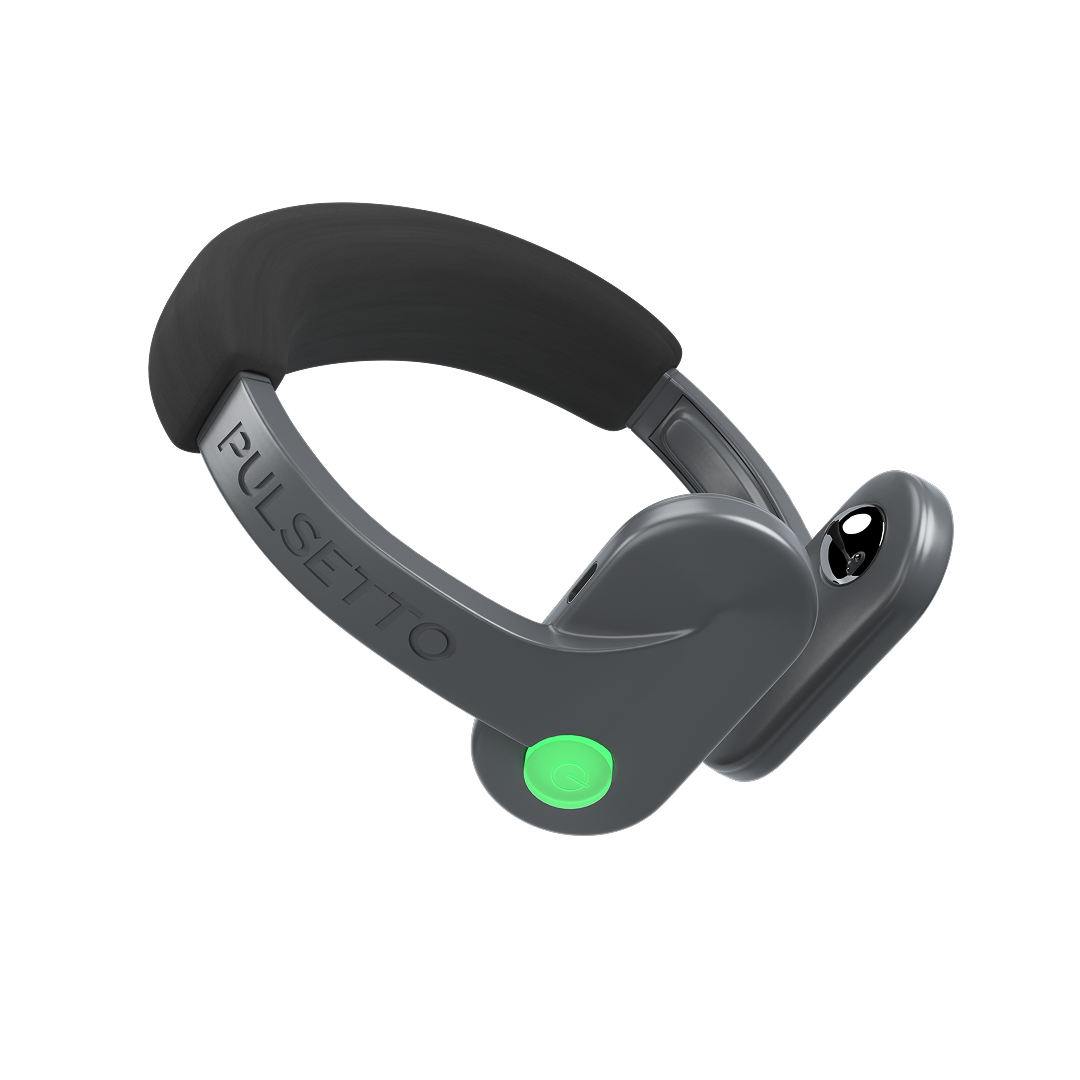
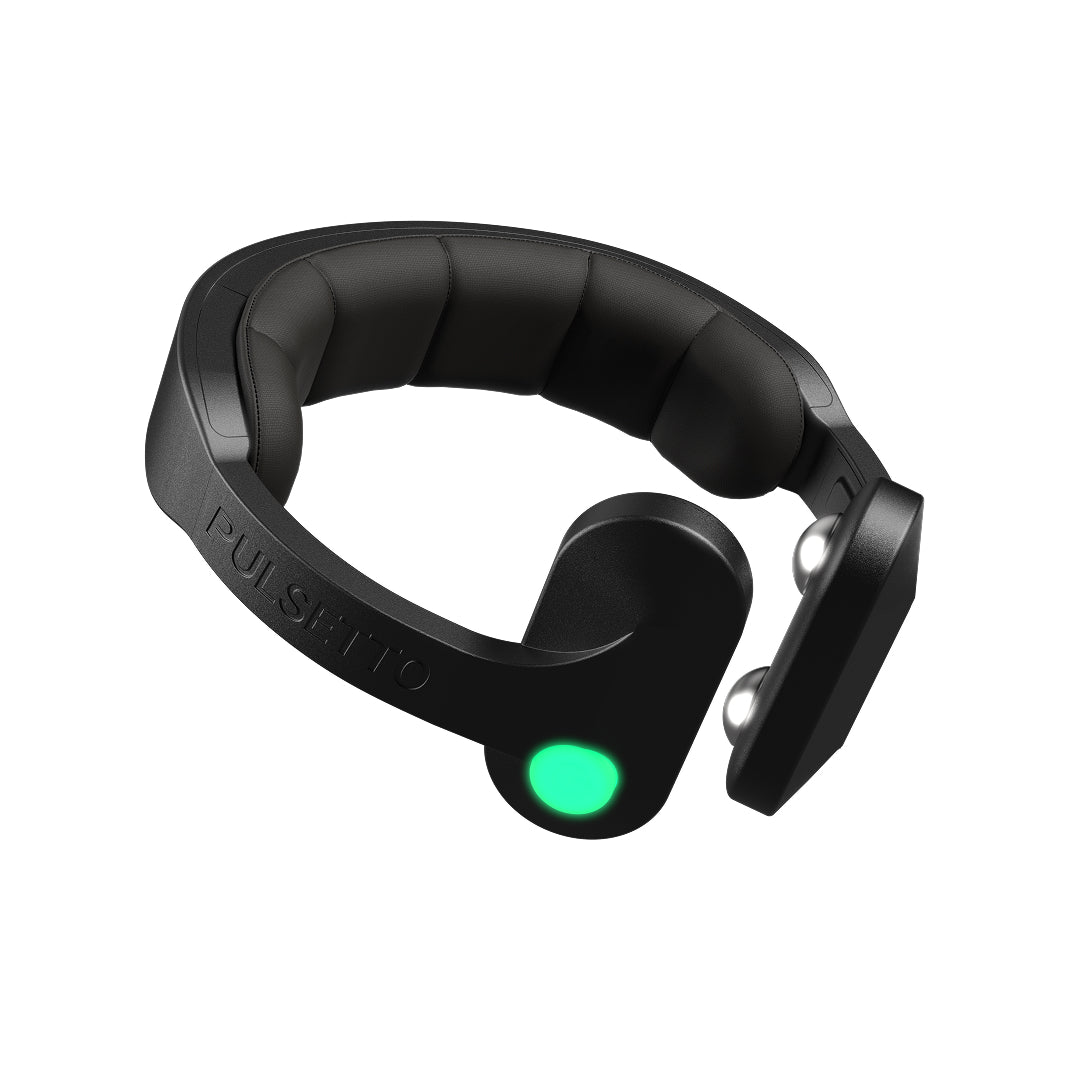
Practically, that downshift can come from slow paced breathing, a short walk, time outdoors, or bilateral cervical vagus nerve stimulation, one option among several, not a replacement for any of it. Pulsetto's own randomized pilot study (n=37 completers, 4 weeks) found a significant reduction in hair cortisol, a chronic-stress biomarker, in the bilateral stimulation group (p=0.024), consistent with the idea that a nervous system given a real chance to downshift recovers measurably faster. If you want to see the fuller picture behind that, Pulsetto's clinical data covers it in more depth. What actually happens during a session, and simpler free ways to activate the vagus nerve if you'd rather start without a device, are both worth a look here.
Take one small action, even a bad one. Hard times create a specific kind of paralysis, everything feels too big to start. The fix isn't a five-year plan, it's one concrete, small action: sending the awkward email, booking the appointment, applying to one job. Momentum, even tiny momentum, is what breaks the freeze. This lines up with resilience research directly: a network analysis of coping and resilience in adults found active coping, alongside social support and goal-directed planning, was one of the strongest bridges connecting how people cope to how resilient they actually turned out to be [5].
Keep one piece of your old routine on purpose. Not all of them, that's not realistic during an active hard time. One anchor: the same coffee order, a weekly call with a friend, a walk you always take. It gives your days a fixed point when everything else feels unstable.
Phase 3: Rebuild (roughly month 2 onward, and it's not a fixed deadline)
There's no exact date when Rebuild starts, and it's not linear, some weeks you'll feel like you're back in Phase 1. That's normal, not a failure of the framework. Rebuild is where forward motion becomes possible again, not because the hard time is fully over, but because it's no longer the only thing happening.
-
Look for what you actually learned, without forcing gratitude for the hard thing itself. You don't have to be thankful the layoff, breakup, or diagnosis happened. You can still notice something real that came out of navigating it: a friendship that got stronger, a skill you didn't know you had, clarity about what you actually want next. This tracks with resilience research on purpose specifically: adults with a stronger sense of purpose in life went on to show measurably better emotional recovery after a difficult experience, a difference that held up across a two-year follow-up in one large study [6]. That's meaning-making, not toxic positivity, and it's genuinely different from pretending the hard part didn't hurt.
-
Start rebuilding routines on purpose, instead of letting them drift back into whatever they used to be. This is different from Phase 1's "protect the basics" and Phase 2's "keep one anchor." Now it's about actively choosing what your normal looks like going forward, since a hard time often reshuffles priorities enough that the old routine isn't automatically the right one to return to.
-
Decide if this is where ongoing resilience-building actually starts. Training long-term resilience in tough times as a durable, ongoing skill are related but different projects, and Rebuild is usually the first point where taking on the second one actually makes sense. If that's where you are, how to build mental resilience walks through a structured four-step approach, and how to build long-term stress resilience covers a longer periodized version for people who want to train for the next hard stretch before it arrives.
-
Check in on where you actually stand, separate from how you feel on any one day. A single hard day during Rebuild doesn't mean you've slipped back to Phase 1, and a single good day doesn't mean you're fully done either. A short stress resilience self-assessment can give you a clearer read than your mood on any one day.
Start with the phase you're actually in
If you're in Phase 1 right now, the only task is protecting the basics, this isn't the week to start anything new.
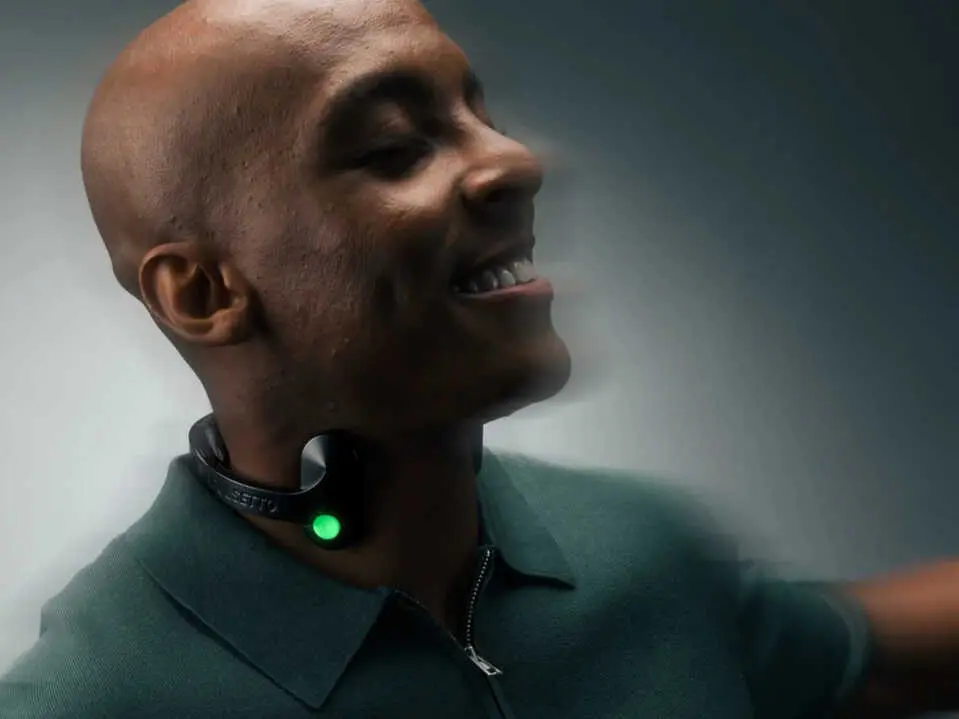
If you've reached Phase 2, Pulsetto is one tool that can help with the physiological side of coping: a hands-free vagus nerve stimulator that delivers 4-minute guided bilateral sessions, designed to support the parasympathetic downshift described above, alongside the reframing, reaching-out, and small-action work you're already doing, the nervous-system layer most "stay strong" advice leaves out entirely, not a replacement for any of it.
Pulsetto Lite starts at $269 (regularly $469), and Pulsetto FIT starts at $296 (regularly $546), both with 14 days of Premium app access included. Start training your resilience during difficult times with Pulsetto and come out stronger than ever.
Disclaimer: Pulsetto is a general wellness product and is not intended to diagnose, treat, cure, or prevent any disease or medical condition.
Hard-Time Resilience: FAQ
How do I know if I actually need professional help?
Self-directed coping and professional support aren't an either/or, and needing one doesn't mean you failed at the other. A useful line: if the hard time is affecting your ability to function, work, eat, sleep, care for people who depend on you, for more than a couple of weeks straight, or if you're having thoughts of harming yourself, that's the point to bring in a therapist or doctor rather than keep managing it solo. Everything in this guide applies alongside that, not instead of it.
What if I feel stuck in one phase way longer than the timelines in this guide suggest?
The Stabilize, Cope, and Rebuild timeframes here are rough patterns, not a schedule you're failing to keep. That said, being stuck specifically, not moving at all, not just moving slowly, for months in Stabilize is worth paying attention to. The difference between "this is just taking a while" and "I'm actually stuck" usually comes down to trajectory: are things even slightly different than they were a month ago, in either direction? If the honest answer is no movement at all, that's a signal to loop in outside support rather than wait it out further.
How do I help someone else improve resilience in difficult situations?
Match your support to their likely phase instead of giving generic advice. Someone in the acute stretch usually needs presence and practical help, a meal, a ride, sitting with them, not advice or silver linings. Someone further along benefits more from being asked directly what kind of support they want, since "let me know if you need anything" puts the work back on them. The most common mistake is trying to fix or reframe what they're feeling before they've had room to actually feel it.
Does having been through hard times before make the next one easier?
Improved resilience in hard times often helps during the next situation, but not automatically, and not in a way that makes it painless. You've built a working sense that distress is survivable and temporary, which is different from the situation feeling any less difficult in the moment. It also depends heavily on how the previous hard time was handled: getting real support and working through it tends to build capacity for next time, while gritting through it alone or never really processing it doesn't carry the same benefit forward.
Is there an actual wrong way to get through a hard time?
There are patterns that genuinely make things harder, most involve either avoiding the situation entirely or trying to numb it (overworking, substance use, refusing to talk to anyone) for months without a break. But there's no single right pace or right order to feel things in, and comparing your specific timeline to someone else's, or to how you think you "should" be doing, usually adds pressure without adding progress. If you're eating, sleeping in some form, and not completely isolated, you're not doing it wrong even if it still feels messy.
Is vagus nerve stimulation safe to use during a hard time?
Yes, it's generally safe and may be genuinely helpful. Wellness devices like Pulsetto are a great tool for supporting a stress fitness and resilience routine, gently guiding the nervous system toward calm rather than overriding it. They're 100% not intended to cure or treat any stress-related illness. As with most wellness devices in this category, it's a good idea to check with a healthcare provider first if you have a pacemaker or other implantable device, epilepsy, or are pregnant.
Scientific research
[1] Loss, trauma, and human resilience: have we underestimated the human capacity to thrive after extremely aversive events? (George A. Bonanno, 2004, American Psychologist, 59(1), 20-28)
[2] Resilient individuals use positive emotions to bounce back from negative emotional experiences. (Michele M. Tugade & Barbara L. Fredrickson, 2004, Journal of Personality and Social Psychology, 86(2), 320-333)
[3] Resilience and vagal tone predict cardiac recovery from acute social stress. (G.G.L. Souza et al., 2007, Stress, 10(4), 368-374)
[4] Social support and resilience to stress: from neurobiology to clinical practice. (Fatih Ozbay et al., 2007, Psychiatry (Edgmont), 4(5), 35-40)
[5] Coping and resilience in adults: a cross-sectional network analysis. (Ruth Van der Hallen, Joran Jongerling & Brian P. Godor, 2020, Anxiety, Stress & Coping, 33(5), 479-496)
[6] Purpose in life predicts better emotional recovery from negative stimuli. (Stacey M. Schaefer et al., 2013, PLOS ONE, 8(11), e80329)