Understanding the Vagus Nerve and Why It Needs Healing
The vagus nerve is one of the main communication lines between the brain and the body. It helps regulate heart rate, digestion, inflammation, mood, and the shift into a calmer parasympathetic state. When people say they feel stuck in fight-or-flight, the vagus nerve is often part of that conversation.
Does it literally “need healing” in every case? Not always. Sometimes the issue is not structural nerve damage at all. It is stress overload, poor recovery, bad sleep, or chronic overstimulation. That is why improving vagus nerve health usually starts with regulation, not extreme interventions.
Signs Your Vagus Nerve May Need Healing
A lot of people deal with nervous system imbalance without realizing the vagus nerve may be involved. It usually does not feel dramatic. It feels annoying, persistent, and hard to explain.
Common signs include:
-
Chronic stress or anxiety
When your body struggles to come down after stress, vagal regulation may be weaker than it should be. The vagus nerve helps with the shift back toward calm.
-
Digestive issues
The gut and brain talk constantly, and the vagus nerve is one of the main channels in that system. Bloating, IBS-like symptoms, or irregular digestion can overlap with stress dysregulation.
-
Fatigue or low energy
When the nervous system is stuck in survival mode, exhaustion often follows. Sometimes that looks like burnout. Sometimes it just feels like your battery never fully recharges.
-
Inflammation-related issues
The vagus nerve is involved in anti-inflammatory signaling. That does not mean every inflammatory symptom is vagus nerve dysfunction, but the connection is real.
-
Trouble relaxing or sleeping
Poor vagal regulation can make it harder to drop into rest mode. Sleep hygiene still matters here, but autonomic balance matters too.
-
Irregular heart rate or shallow breathing
The vagus nerve influences heart rate and breathing patterns. That said, irregular heart rhythms deserve proper medical evaluation, not guesswork.
These symptoms are common. In many cases, they are also reversible with better habits and time. However, if symptoms are severe, persistent, or feel scary, talk to a qualified healthcare professional.
How to Heal the Vagus Nerve Naturally with Daily Habits
When we look at how to heal your nervous system naturally, the pattern is almost always the same. The body responds best to boring things done consistently. Sleep. Breathing. Food. Movement. Less stimulation. More recovery. None of that sounds exciting. It still works.
Natural vagus nerve support is less about chasing one magic trick and more about stacking small wins. A calmer baseline usually comes from repetition, not intensity.
Incorporating Cold Exposure for a Vagus Nerve Reset
Cold exposure gets attention because it can create a quick physiological shift. Cold water on the face can trigger parts of the diving response, which is associated with increased vagal activity and changes in heart rate variability. That is the science people are usually pointing to when they talk about a “vagus nerve reset.”
The practical version is simple. Splash cold water on your face. Hold a cool compress there for a short moment. End your shower with a brief cool rinse if that feels manageable. You do not need heroic ice baths. Cold exposure can help, but it is optional. Not required.
When To Avoid Cold Exposure in Certain Cases
Cold exposure is not for everyone. If you are very sensitive to cold, have a heart condition, arrhythmia concerns, uncontrolled blood pressure issues, or a history of fainting, do not treat cold therapy like a harmless trend. It changes physiology fast. That is exactly why some people like it, and exactly why some people should be careful.
We also would not frame it as a cure-all for panic. For some people, sudden cold can feel activating rather than calming. If you are unsure, skip it or ask a clinician first. There are easier ways to support the vagus nerve.
Exercise Deep Breathing Techniques
If someone asked us for one habit to start today, breathing would be near the top. Slow diaphragmatic breathing is one of the easiest ways to influence vagal tone and shift the body toward parasympathetic activity. Research on slow breathing and stress reduction shows that regular practice can reduce anxiety and improve relaxation, even if the exact method varies.
A simple place to start:
-
inhale through the nose for 4 seconds
-
exhale slowly for 6 seconds
-
repeat for 2 to 5 minutes
Longer exhales tend to help many people settle faster. We like this because it is simple, free, and easy to repeat when stress starts climbing.
Using Vocal Exercises to Activate and Heal
The vagus nerve interacts with structures in the throat and larynx, which is why humming, chanting, singing, and even gargling keep showing up in conversations about vagal stimulation. The evidence here is not as clean or as deep as it is for breathing, but the mechanism makes sense and the practice is low risk for most people.
We have tested this ourselves in the most normal way possible: humming in the car, singing nonsense while cooking, or gargling a little longer than usual after brushing teeth. It sounds silly. It also tends to leave the body feeling less braced. Five minutes of humming is a good starting point.
Movement and Mindfulness Practices to Strengthen Your Nervous System
Movement matters because a stressed nervous system does not only live in the mind. It lives in posture, muscle tension, breath pattern, and recovery capacity. Regular exercise, yoga, and Tai Chi have been associated with improvements in heart rate variability and autonomic regulation, which is one reason they show up so often in nervous system recovery work.
Mindfulness helps from the other side. It trains attention, reduces reactivity, and may support vagally mediated HRV, though the research is mixed and context matters. We see the best results when people stop treating mindfulness like a performance and start treating it like hygiene. Ten minutes. Most days. That is enough.
Taking Care of Your Gut Health
The gut-brain axis is real, and the vagus nerve is one of the main pathways involved. That means digestion, stress, mood, and inflammation are more connected than they first appear. If your gut feels off all the time, your nervous system often feels it too.
We would keep this practical. Eat regularly. Get enough fiber. Notice how you react to certain foods. Include fermented foods like yogurt, kefir, kimchi, or sauerkraut if they work for you. Research into probiotics and the gut-brain axis is still developing, but there is enough there to take gut support seriously as part of the bigger picture.
How Long Does It Take to Heal the Vagus Nerve?
People search how long does vagus nerve take to heal because they want a timeline. Fair enough. The honest answer is that it depends on what is actually going on. If the issue is mainly stress dysregulation, some people notice improvement from breathing, sleep, and daily regulation practices within days or weeks. If there is actual nerve injury or a more complex medical issue, the timeline can be much longer and needs proper care.
In other words, can nerves heal? Yes, nerves can heal to some extent, but the pace varies and recovery is rarely linear. For most people reading this, the more relevant question is whether their nervous system can become more stable with daily practice. The answer is yes. Usually gradually.
Simple Vagus Nerve Exercises You Can Do at Home, Today
If you are exploring how to heal the vagus nerve naturally, start with exercises that are easy to repeat and do not ask much from you. Most of these take less than five minutes. No equipment. No complicated setup. Just small signals that help the body shift out of constant stress.
If that is the broader goal, our guide on how to calm your nervous system fits naturally here too. It covers the same principle from a wider stress-recovery angle.
Humming to Gently Stimulate the Vagus Nerve
Humming is one of the easiest vagus nerve exercises because it creates vibration in the throat and chest. That vibration is thought to engage pathways connected to vagal activity and can feel calming almost immediately. It is also easy to stick with because you can do it anywhere without looking like you are doing a protocol.
Try humming one note or a simple tune for 5 to 10 minutes. Keep it relaxed. We prefer doing it during a walk, in the shower, or while making coffee. The best version is the one you will actually repeat.
Gargling Water for Direct Vagus Nerve Activation
Gargling works through the muscles and structures at the back of the throat. It is not glamorous, but it is simple. Fill your mouth with water, gargle vigorously for 30 to 60 seconds, rest, then repeat a few times.
We like this one because it is built into real life already. You are not creating a new ritual from scratch. You are stretching an old habit into something useful.
Eye Movement Exercise to Reset the Nervous System
This one is less mainstream, but some people find it surprisingly grounding. Lie down comfortably. Keep your head still. Look straight ahead first, then slowly shift your gaze all the way to the left and hold for a short time. Return to center. Do the same on the right. The idea is to support downregulation through stillness, breath, and gentle visual orientation.
We would frame this as a low-risk experiment, not a miracle method. Go slowly. If you feel more tense, stop. If it helps you settle, keep it in the rotation.
Vagus Nerve Stretches for Physical Release
Neck and upper chest tension often come along for the ride when the nervous system is overloaded. Gentle neck stretches can help reduce some of that bracing. Think slow side-to-side neck tilts, chin tucks, shoulder rolls, and light chest opening. Nothing forceful.
These are not magical “vagus nerve stretches” in a surgical sense. They are simply practical ways to reduce tension around an area where many stressed people hold it all day. Sometimes that is enough to change how your breathing and body feel.
Singing or Chanting to Activate Vocal Pathways
Singing and chanting work a lot like humming, but with a little more engagement. Longer vocalization, especially on a slow exhale, can feel grounding and rhythmic. For some people, chanting “Om” works. For others, singing along to one favorite song does more because it is enjoyable, and enjoyment matters if you want consistency.
A simple way to start is to put on one calming song and sing along once a day. That is enough. No need to overcomplicate it. For a guided example, a basic “Om chanting” video on YouTube can help you keep the pace steady.
Laughter as a Natural Nervous System Reset
Laughter helps because it shifts breathing, reduces muscular tension, and changes state fast. It also usually happens with other people, which adds social regulation into the mix. We would not oversell it as therapy on its own, but it is one of the easiest ways to interrupt stress chemistry without forcing anything.
The practical move here is obvious. Watch something funny. Spend time with people who make you laugh. Stop treating recovery like it must always look serious. Sometimes the fastest reset is also the dumbest one. In a good way.
Vagus Nerve Stimulation Exercises for Instant Calm
When people want faster relief, they usually need exercises that can work in the moment. That is where structured breathwork helps most.
Two solid options:
Box breathing
-
inhale for 4
-
hold for 4
-
exhale for 4
-
hold for 4
This can help steady attention and slow the pace of stress. It is simple, clean, and useful when your thoughts feel scattered.
4-7-8 breathing
-
inhale for 4
-
hold for 7
-
exhale for 8
This method is more calming for some people because the long exhale tends to pull the body toward downregulation. However, if long breath holds make you feel worse, skip them. Go back to a basic 4-in, 6-out pattern instead.
We usually tell people the same thing here: do not chase intensity. Chasing intensity is how helpful exercises become another stressor. Calm likes simplicity better.
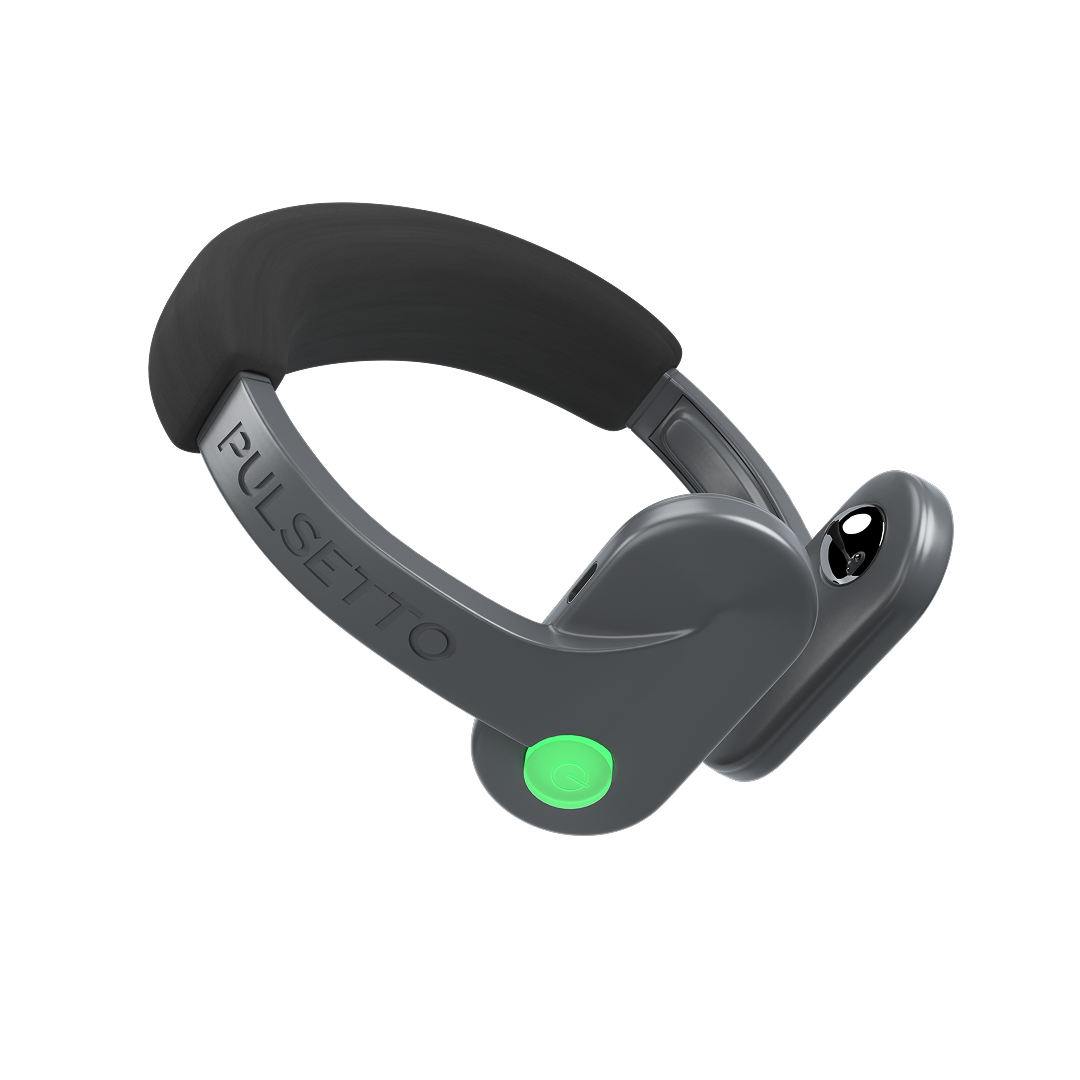
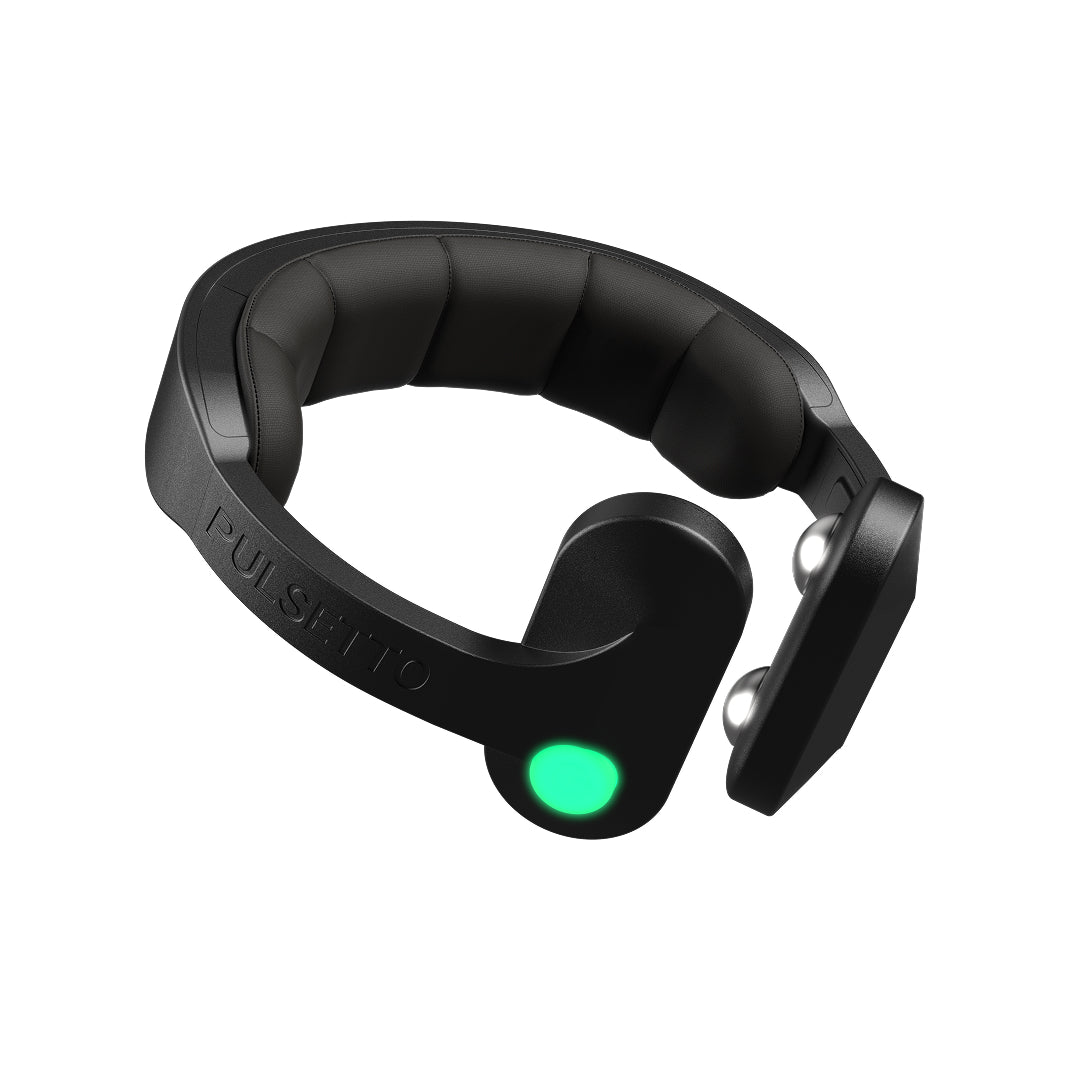
Advanced Healing: How to Calm Vagus Nerve with Pulsetto
Natural exercises are useful. We believe in them. We also know the main problem most people have is not lack of information. It is consistency. They know what to do. They just do not always have the energy, time, or patience to do it when stress is high.
That is where non-invasive vagus nerve stimulation enters the picture. Instead of relying only on manual practices like breathing, humming, or cold exposure, a device can deliver targeted stimulation in a more structured way. Research on transcutaneous and non-invasive VNS is promising across several areas, though the field is still developing and not every claim you see online is equally supported.
Pulsetto is our way of making that kind of support easier to access. We use non-invasive vagus nerve stimulation as a practical wellness tool for stress reduction, calmer evenings, and better nervous system recovery habits. We do not see it as a replacement for sleep, movement, or breathwork. We see it as a faster and more repeatable way to support them. If you want more context, this guide on vagus nerve stimulation benefits explains the idea in more detail.
Ready to Reset Your Nervous System Faster?
If burnout, stress, or poor recovery have been dragging behind you for too long, start simple. Breathe slower. Sleep better. Reduce overload. Move every day. Support your gut. Give your body more chances to feel safe instead of waiting until it collapses.
And if you want a more structured way to support that process, pair your daily habits with Pulsetto. That is where we think tech earns its place. Not as a shortcut, but as support. Thinking it is time to make recovery easier? Buy vagus nerve stimulator.
Vagus Nerve Healing FAQs
Can the vagus nerve fully heal naturally?
Sometimes the issue is not literal nerve damage, but dysregulation. In those cases, natural practices can absolutely help restore better function and resilience. If there is actual injury or a medical condition involved, recovery depends on the cause and should be assessed professionally.
What is the fastest way to perform a vagus nerve reset?
For many people, the fastest options are slow breathing with a long exhale, cold water on the face, humming, or a short non-invasive stimulation session. Which one works best depends on the person and the moment.
Can I use vagus nerve exercises to reduce anxiety?
Yes, they can help lower the physical intensity of anxiety and make it easier to come back down. They are not a replacement for proper mental health care when anxiety is severe, but they are useful support tools. We cover that more here: vagus nerve stimulator for anxiety.
Are there specific vagus nerve stretches for neck tension?
There are gentle neck and shoulder movements that can reduce tension and help you breathe more freely. We would keep them light and slow. If stretching increases pain, stop and get it checked.
How often should I practice vagus nerve stimulation exercises?
Daily is ideal, even if the sessions are short. Five minutes done regularly tends to matter more than one long session done once in a while. That applies to breathing, humming, mindfulness, and device-based support alike.
How to calm vagus nerve symptoms during a panic attack?
Start with simple grounding. Slow your exhale. Put your feet on the floor. Look around the room and name what you see. Keep the goal small: reduce the wave, not win a battle against it. If panic attacks keep happening, get professional support.
Is it possible to learn how to heal the vagus nerve naturally without surgery?
Yes. Most people exploring this topic are not dealing with surgery-level interventions. They are looking for non-invasive ways to improve regulation, stress recovery, and vagal tone. That is exactly where breathing, movement, sleep, vocal exercises, and non invasive vagus nerve stimulation come in.